
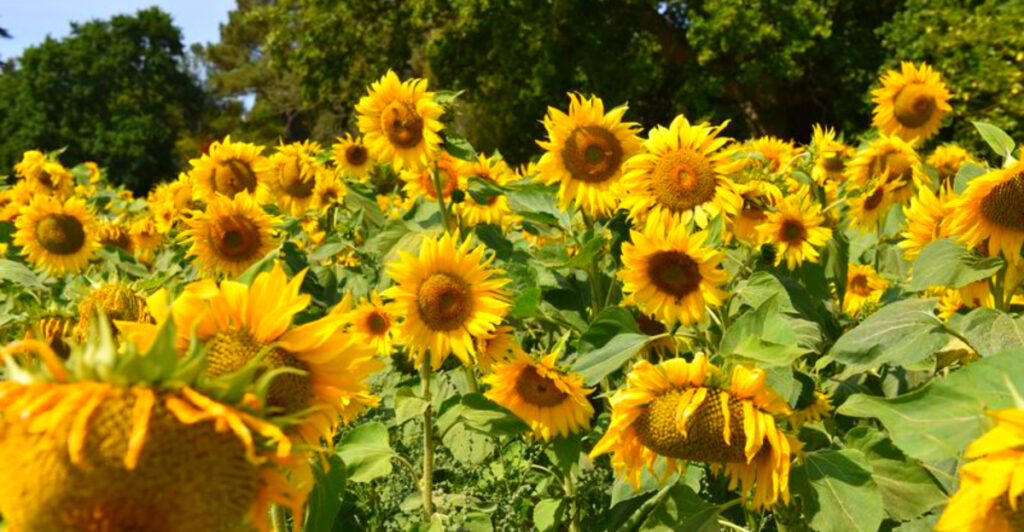
West Virginia’s rugged mountain landscape might seem challenging for gardening, but sunflowers absolutely love it here. These cheerful giants have found their perfect home among the rolling hills and elevated valleys of the Mountain State. From the misty mornings in Pocahontas County to the sunny slopes of Jefferson County, sunflowers are painting the landscape golden yellow. Local gardeners and farmers have discovered that their mountain environment offers unique advantages that make sunflowers flourish like nowhere else.
1. Perfect Mountain Climate Conditions
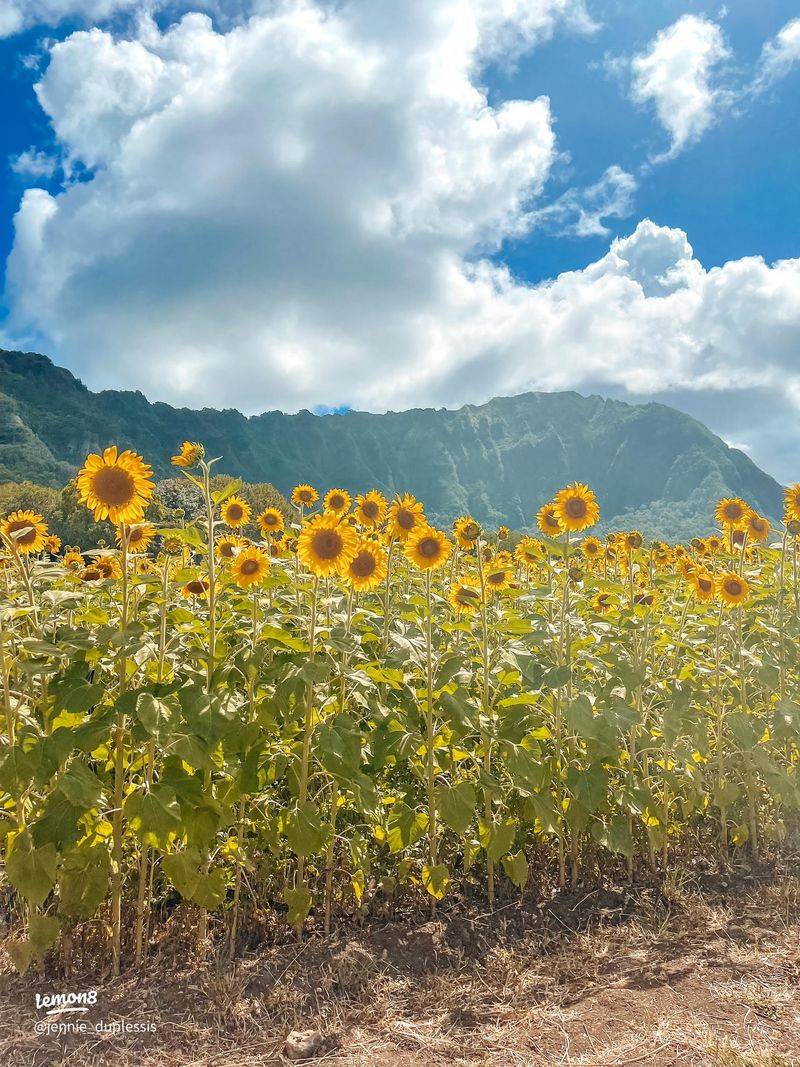
Mountain elevations create ideal growing conditions that sunflowers absolutely adore. The cooler nights and warm, sunny days provide the perfect temperature balance these flowers need to develop strong stems and massive blooms.
Higher altitudes also mean protection from extreme summer heat that can stress sunflowers in lower regions. The natural air circulation found in mountainous areas helps prevent fungal diseases that often plague sunflowers in humid, stagnant conditions.
Areas like Pocahontas County benefit from these elevated microclimates, where wild sunflowers have been thriving for generations, proving that nature knows best.
2. Abundant Natural Sunlight Exposure
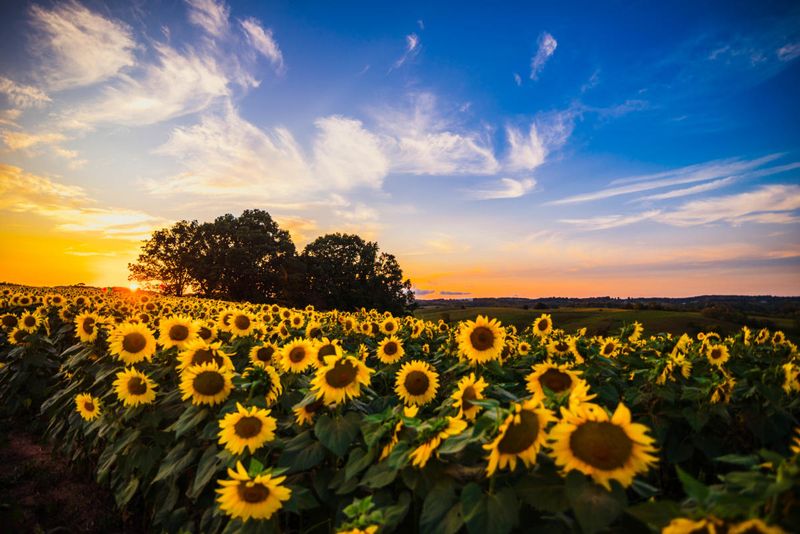
Mountain slopes and clearings offer unobstructed access to sunlight throughout the day. Unlike flat terrain where trees and buildings can create shadows, elevated mountain gardens receive direct sunlight from sunrise to sunset.
Sunflowers are heliotropic, meaning they follow the sun’s path across the sky. Mountain locations provide the perfect stage for this natural behavior, allowing flowers to maximize their light absorption.
The clear mountain air at higher elevations also means more intense sunlight reaches the plants. This increased light intensity helps sunflowers develop their characteristic large flower heads and sturdy stems that mountain gardeners love to show off.
3. Well-Distributed Mountain Rainfall

Mountain weather patterns create consistent rainfall that sunflowers need without the waterlogging they hate. The natural drainage of sloped terrain prevents water from pooling around roots, which can cause rot and other problems.
West Virginia’s mountains receive regular precipitation throughout the growing season. This steady water supply eliminates the need for constant irrigation that flat-land gardeners often struggle with during dry spells.
The combination of adequate moisture and excellent drainage creates the sweet spot that sunflowers require. Mountain gardeners often joke that Mother Nature does most of their watering work for them.
4. Naturally Improved Soil Drainage
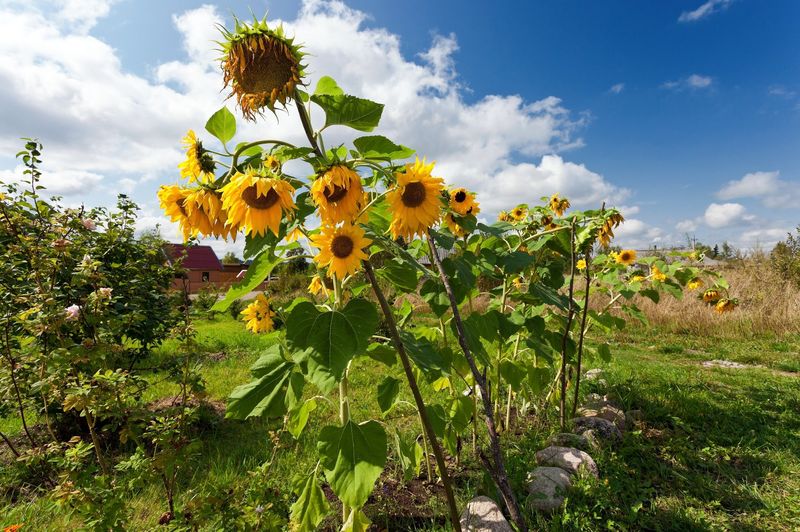
Sloped mountain terrain provides superior drainage compared to flat gardens where water can stagnate. Sunflowers hate wet feet, and mountain gardens naturally solve this common growing problem.
The gravitational flow of water down mountain slopes carries away excess moisture while still allowing roots to access needed hydration. This natural drainage system prevents the root rot that kills sunflowers in poorly draining locations.
Mountain soil also tends to have better structure due to natural erosion and deposition processes. The combination of organic matter from forest debris and mineral content from weathered rock creates an ideal growing medium that sunflowers find irresistible.
5. Protection from Summer Drought Stress
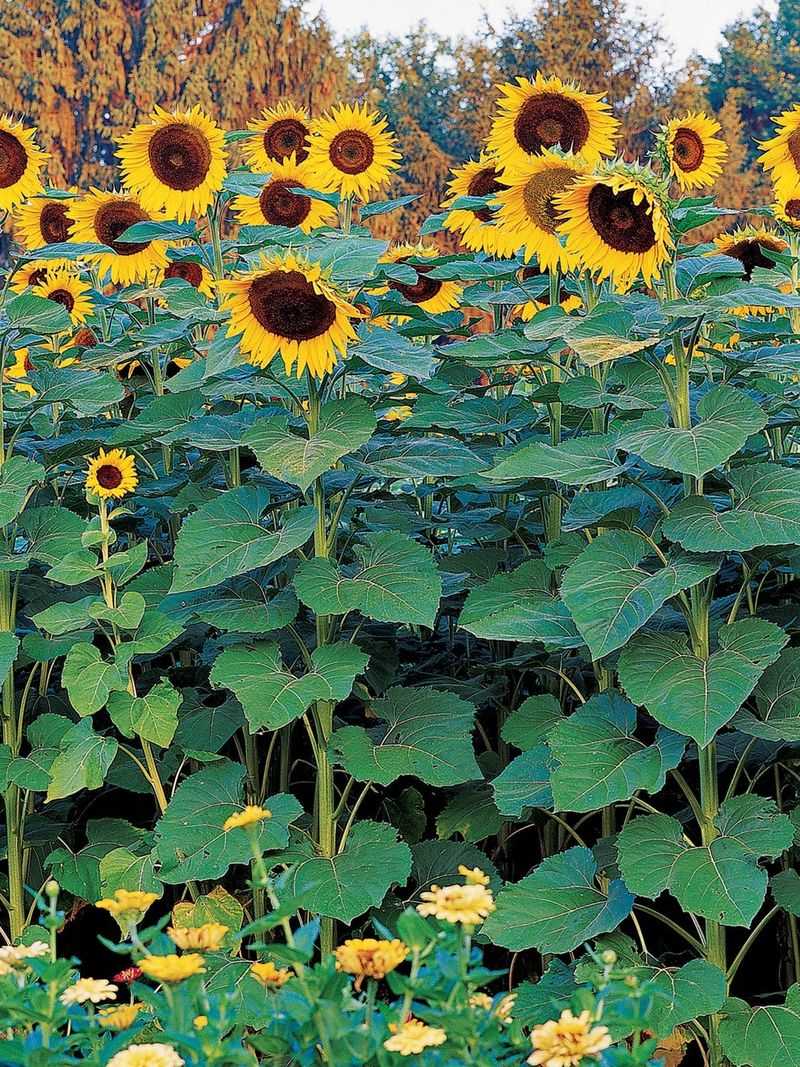
Higher elevations naturally stay cooler and retain moisture longer than valley locations. This elevation advantage helps sunflowers survive hot summer periods that would stress plants at lower altitudes.
Mountain areas often have higher humidity levels and more frequent afternoon thunderstorms. These natural cooling systems help sunflowers maintain their growth even during the hottest parts of summer when other regions struggle.
The consistent moisture retention in mountain soils means sunflowers can focus their energy on growing tall and producing magnificent blooms. Local farmers have noticed that their mountain sunflowers often outperform those grown in surrounding valleys during particularly dry summers.
6. Reduced Pest and Disease Pressure
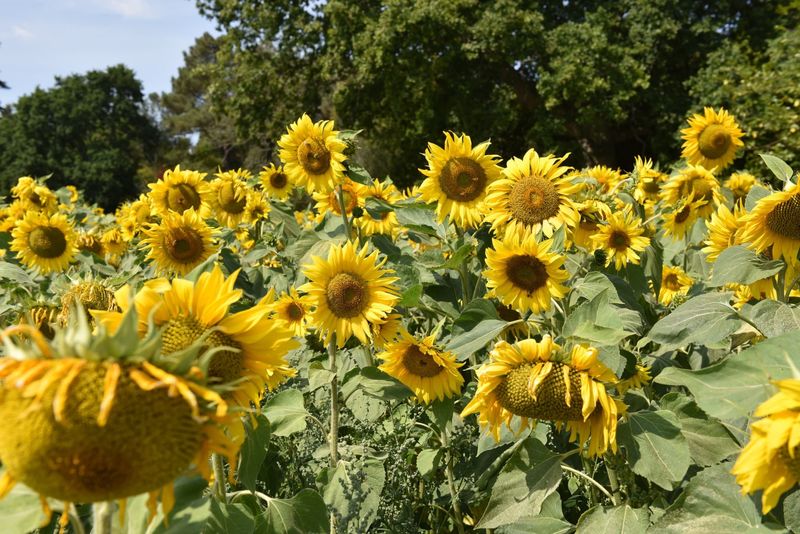
Mountain environments naturally have fewer pest problems than agricultural valleys where insects can build up large populations. The cooler temperatures and windy conditions make it harder for many sunflower pests to establish themselves.
Good air circulation at higher elevations prevents the humid, stagnant conditions where fungal diseases thrive. Mountain breezes keep sunflower leaves dry and healthy, reducing problems like powdery mildew and rust.
Wildlife diversity in mountain areas also means more natural predators that keep harmful insects in check. Mountain gardeners often find they need fewer pesticides and fungicides compared to their lowland neighbors, making organic sunflower growing much easier to achieve.
7. Strong Local Growing Community
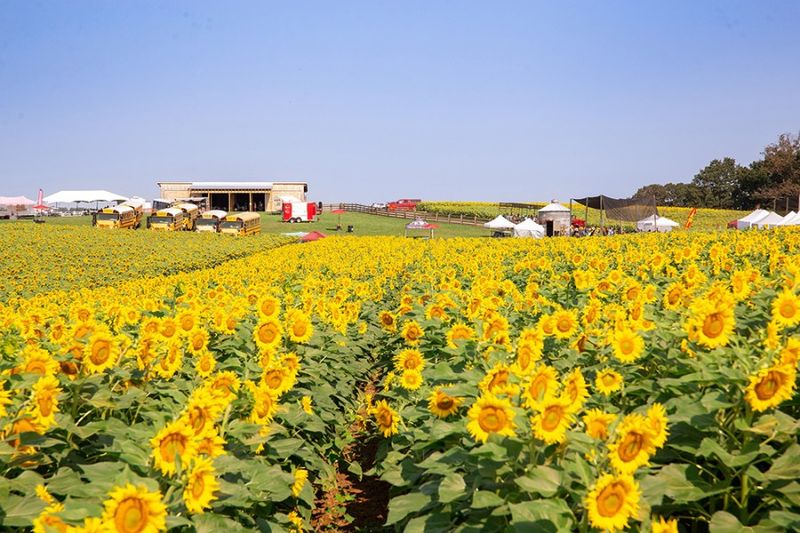
West Virginia mountain communities have embraced sunflower cultivation with enthusiasm and expertise. Local farms like Sunset Berry Farm host annual sunflower festivals featuring over 50,000 blooms, creating a culture of sunflower appreciation.
Experienced mountain gardeners freely share their knowledge about soil amendments and growing techniques specific to elevated terrain. This community support helps newcomers avoid common mistakes and achieve better results faster.
The success of local sunflower operations proves that commercial growing is viable in mountain conditions. Home gardeners benefit from this expertise and can often purchase locally adapted seeds that perform better than generic varieties from distant suppliers.