
Creating a stunning garden in New Hampshire means choosing plants that can handle cold winters and return with beautiful blooms each spring. Perennial flowers are perfect for this job because they come back year after year, saving you money and effort. With the right selection of hardy perennials, your garden can burst with color from early spring through late fall. Let’s explore the top flowering plants that thrive in the Granite State’s unique climate.
1. Purple Coneflower (Echinacea)
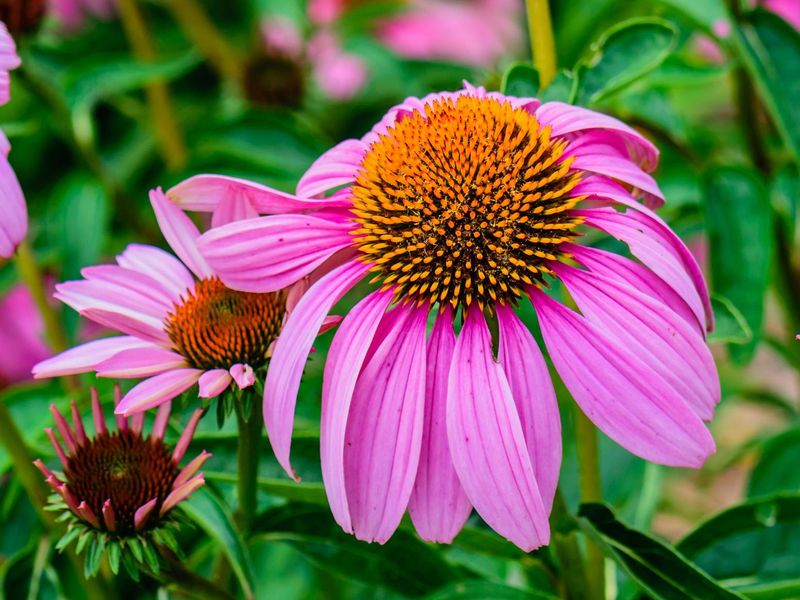
Butterflies dance around these gorgeous purple blooms like they’ve found treasure in your garden. Purple coneflowers are tough cookies that laugh at drought and poor soil conditions.
Their daisy-like petals surround spiky orange centers that birds absolutely love for winter snacking. Plant them in sunny spots and watch them multiply into cheerful colonies.
Best of all, they bloom from summer through fall, giving you months of vibrant color.
2. Black-Eyed Susan (Rudbeckia)
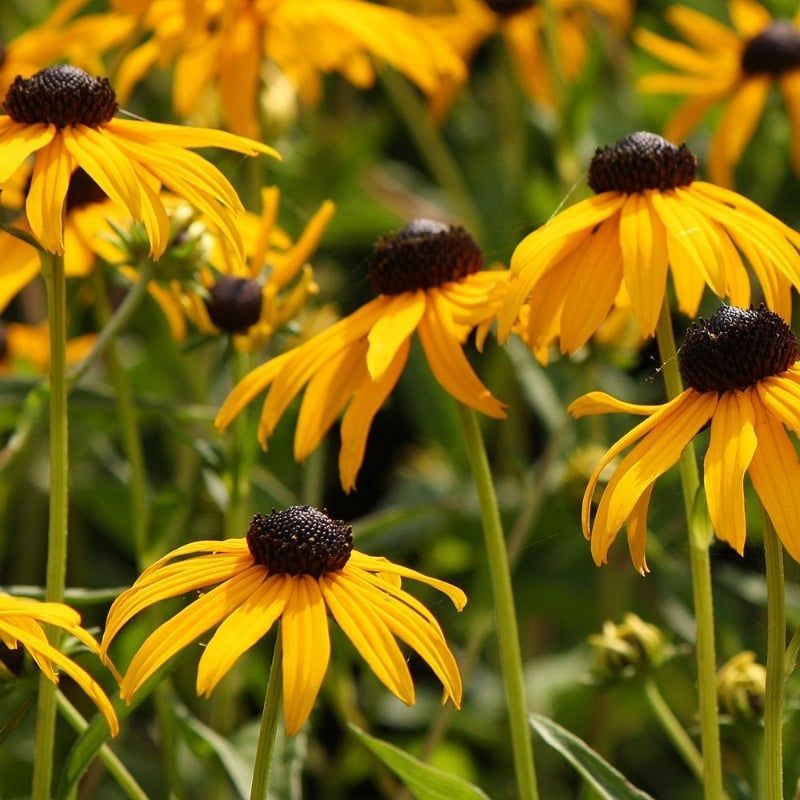
Sunshine seems to radiate from these cheerful yellow flowers with their distinctive dark chocolate centers. Black-eyed Susans are practically indestructible once they settle into your garden.
They spread naturally to create stunning golden carpets that bloom from midsummer until frost hits. Deer tend to leave them alone, making them perfect for rural New Hampshire properties.
Their long stems make excellent cut flowers for bringing summer indoors.
3. Daylilies (Hemerocallis)
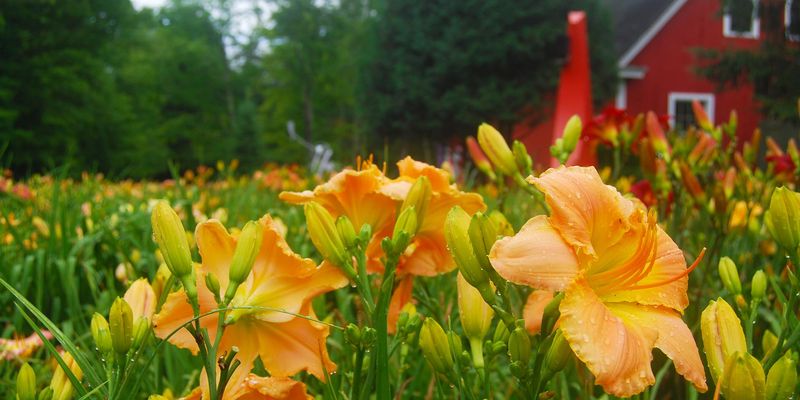
Each flower lasts just one day, but don’t let that fool you – these plants produce dozens of buds for weeks of continuous blooms. Daylilies come in practically every color except true blue and pure white.
They’re incredibly forgiving plants that tolerate both wet springs and dry summers. Their grass-like foliage looks neat and tidy even when not flowering.
Many varieties are fragrant, adding sweet scents to evening garden strolls.
4. Peonies (Paeonia)
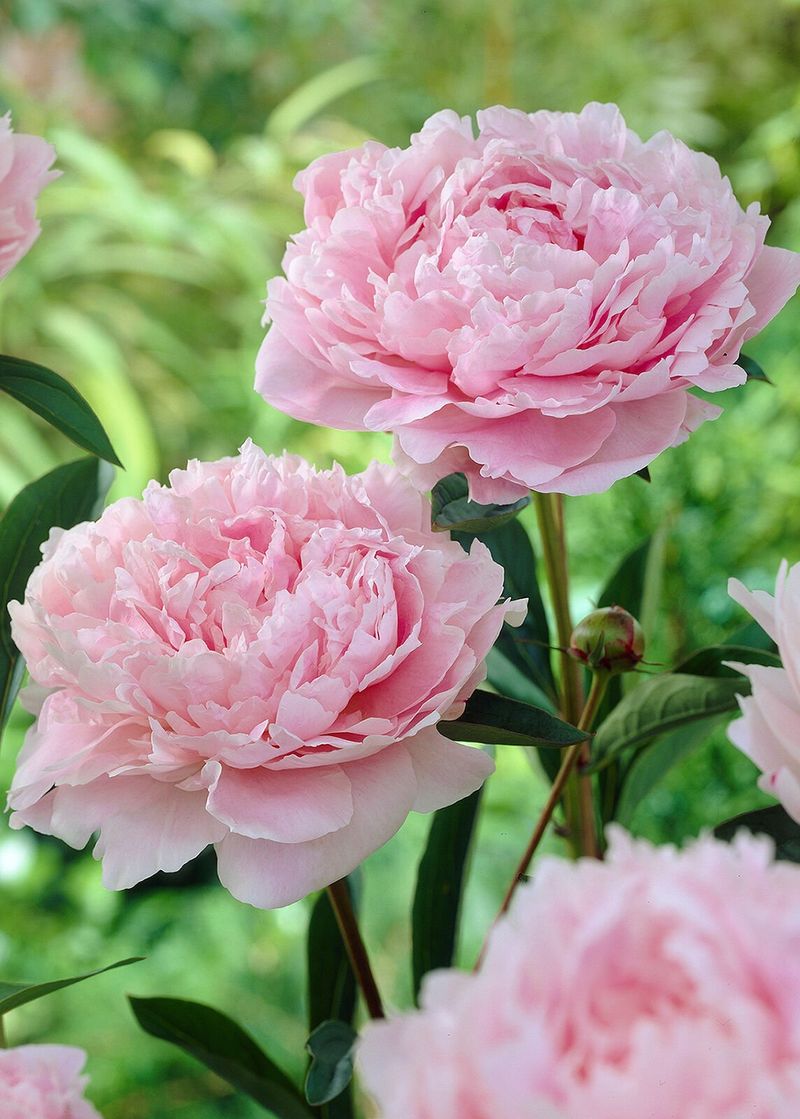
Grandmothers treasured these magnificent flowers, and for good reason – peonies can outlive the people who plant them. Their massive, fragrant blooms arrive in late spring like nature’s own fireworks display.
Once established, they hate being moved, so choose their spot carefully. The foliage stays attractive all season, turning beautiful colors in fall.
Ants crawling on buds are actually helpful – they eat harmful insects without damaging flowers.
5. Sedum (Stonecrop)
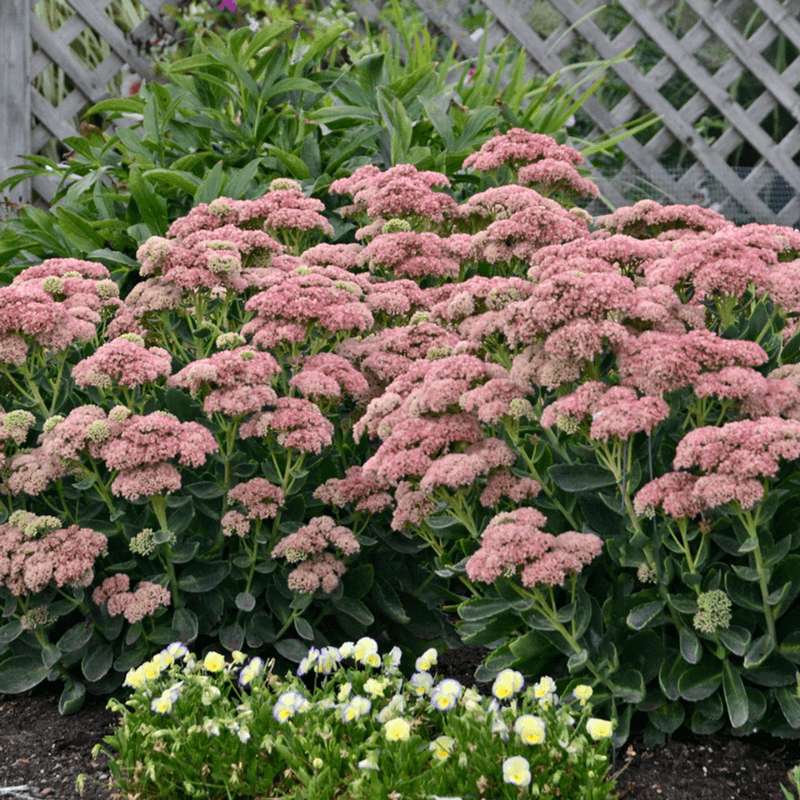
Forget about watering – these succulent-like plants thrive on neglect and actually prefer dry conditions. Sedum varieties range from tiny ground-huggers to tall autumn bloomers with massive flower heads.
Their thick, fleshy leaves store water like tiny reservoirs, helping them survive New Hampshire’s occasional dry spells. Bees go crazy for their late-season nectar when other flowers have finished.
Winter interest comes from their dried seed heads covered in sparkling frost.
6. Hosta (Plantain Lily)
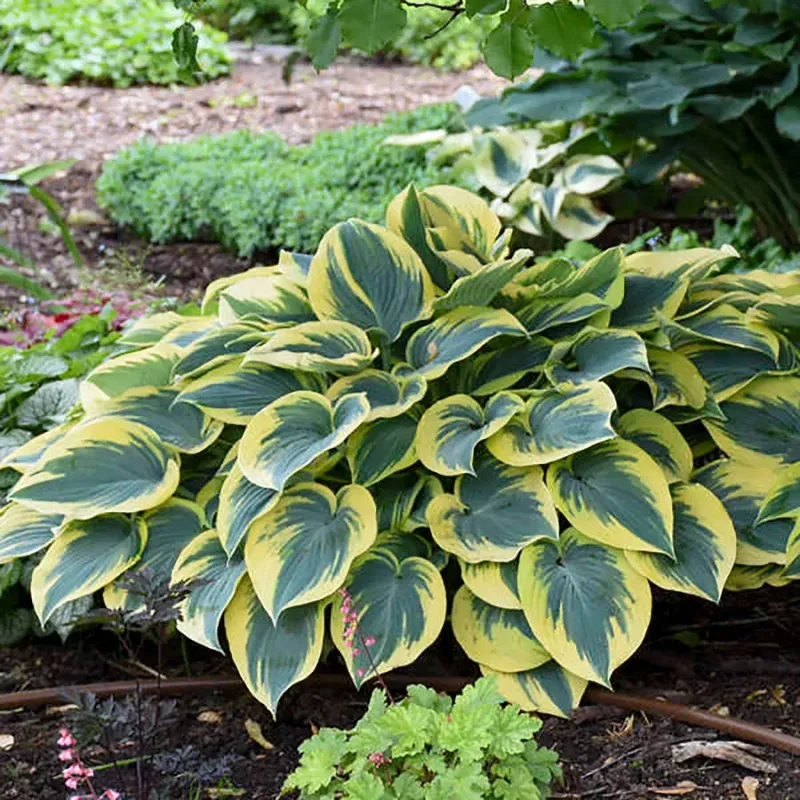
Shade gardens come alive with hostas’ incredible variety of leaf patterns, from tiny mouse ears to dinner plate-sized giants. While grown mainly for foliage, their fragrant white or lavender flower spikes add summer beauty.
Some varieties have leaves striped like green and white candy canes. They multiply slowly but surely, eventually forming impressive clumps.
Slugs love them, but coffee grounds sprinkled around plants help deter these slimy visitors.
7. Astilbe (False Spirea)
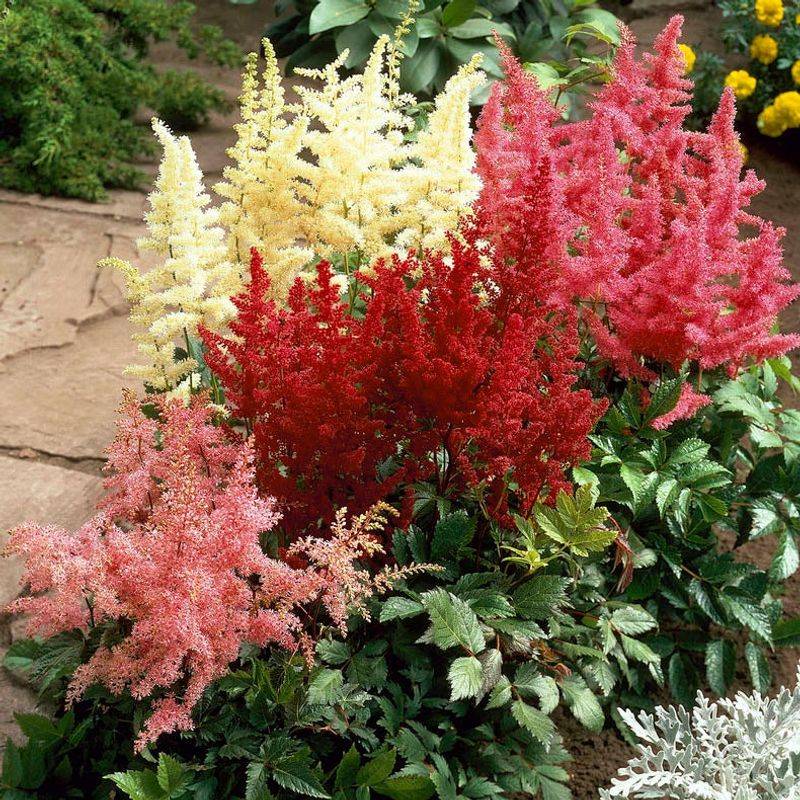
Feathery plumes of flowers seem to float above fern-like foliage in shades of pink, white, red, and cream. Astilbe absolutely loves New Hampshire’s cool, moist springs and doesn’t mind some shade.
Their blooms last for weeks in early summer, and the dried flower heads provide winter interest. The deeply cut foliage stays attractive throughout the growing season.
They’re perfect companions for hostas and ferns in woodland garden settings.
8. Bee Balm (Monarda)
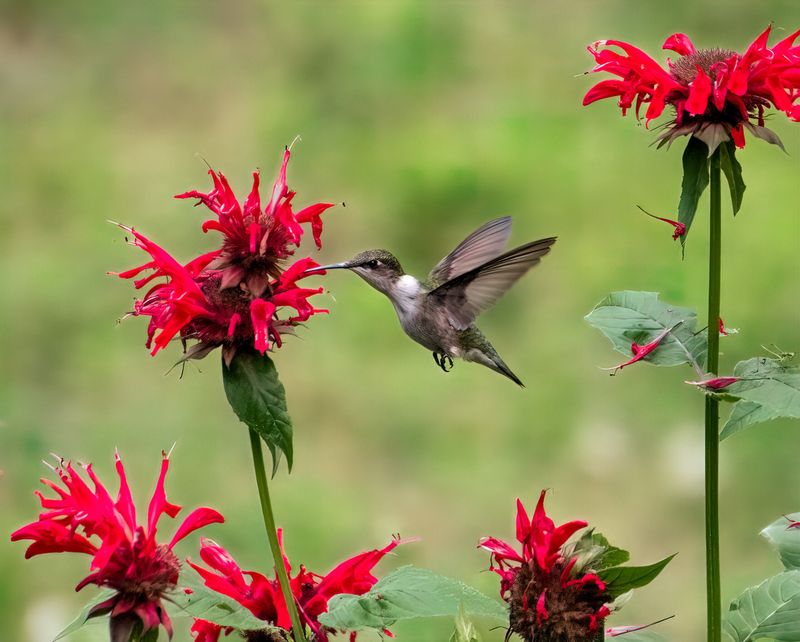
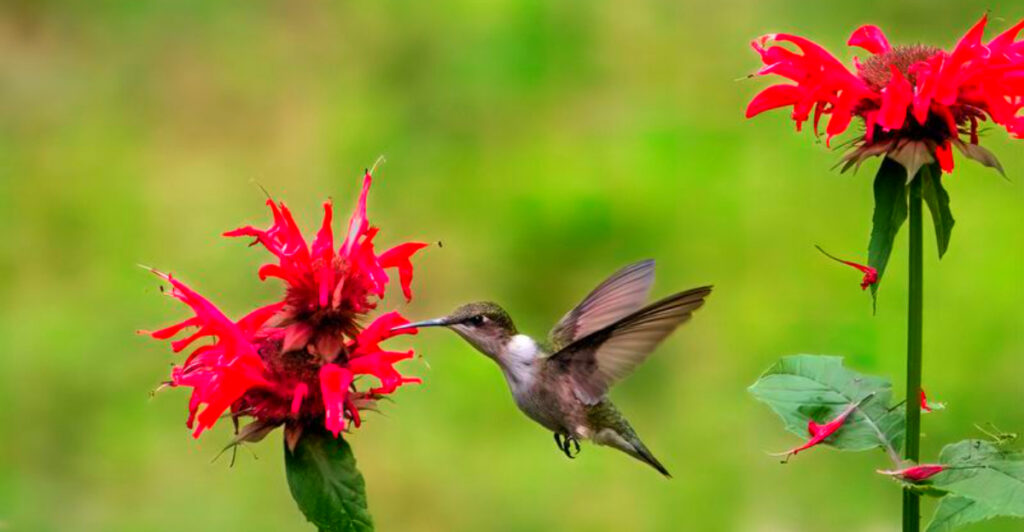
Hummingbirds zoom in like tiny helicopters when bee balm starts blooming with its spiky, colorful flowers. The leaves smell wonderfully minty when brushed against or crushed.
Wild bergamot varieties are native to New England and particularly hardy. These plants spread enthusiastically, so give them room to roam or divide them regularly.
Tea made from the leaves tastes similar to Earl Grey and was used by Native Americans for medicinal purposes.
9. Japanese Painted Fern (Athyrium)
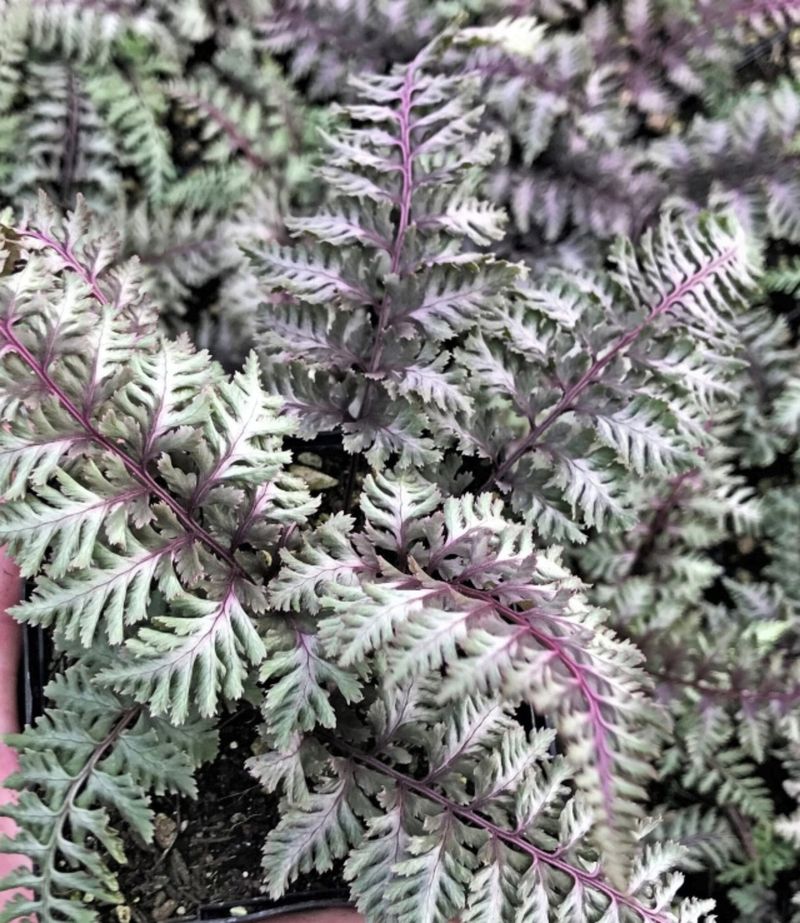
Silver, green, and burgundy paint strokes seem to decorate each frond of this stunning shade perennial. Unlike flowering plants, painted ferns provide color through their incredible foliage patterns.
They prefer consistently moist soil and protection from hot afternoon sun. New fronds unfurl throughout the growing season, maintaining fresh appearance.
Winter cleanup is easy – simply cut back old fronds in spring before new growth emerges from the crown.
10. Coral Bells (Heuchera)
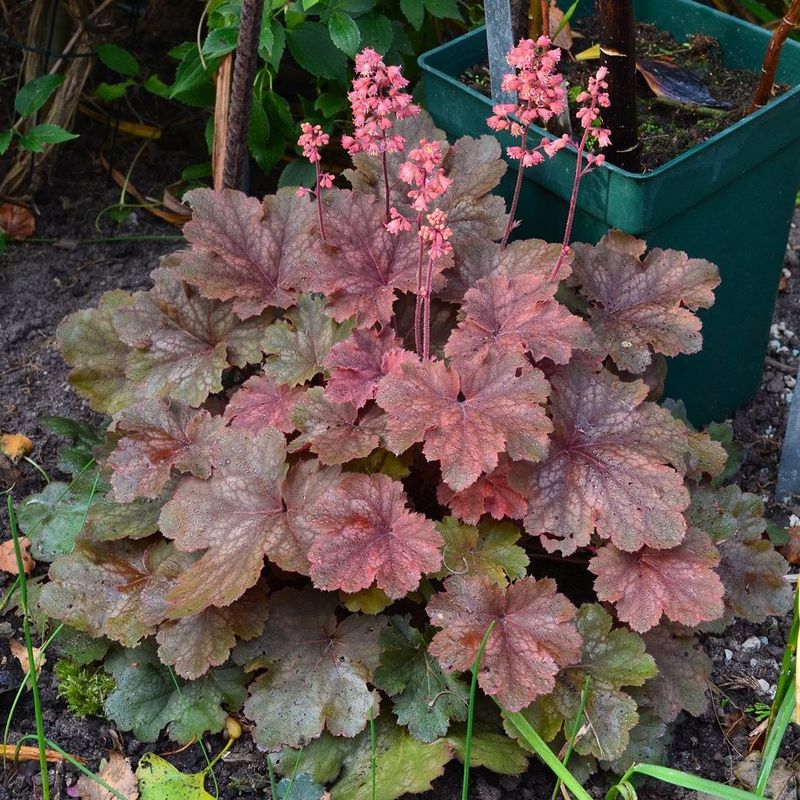
Ruffled leaves in colors ranging from lime green to deep purple create living bouquets that never need arranging. Delicate flower spikes dance above the foliage like tiny fairy wands.
Modern varieties offer incredible leaf colors that change with seasons and weather conditions. They form neat, compact mounds perfect for edging pathways.
Hummingbirds sip nectar from the small tubular flowers while butterflies appreciate the landing platforms.
11. Siberian Iris (Iris sibirica)
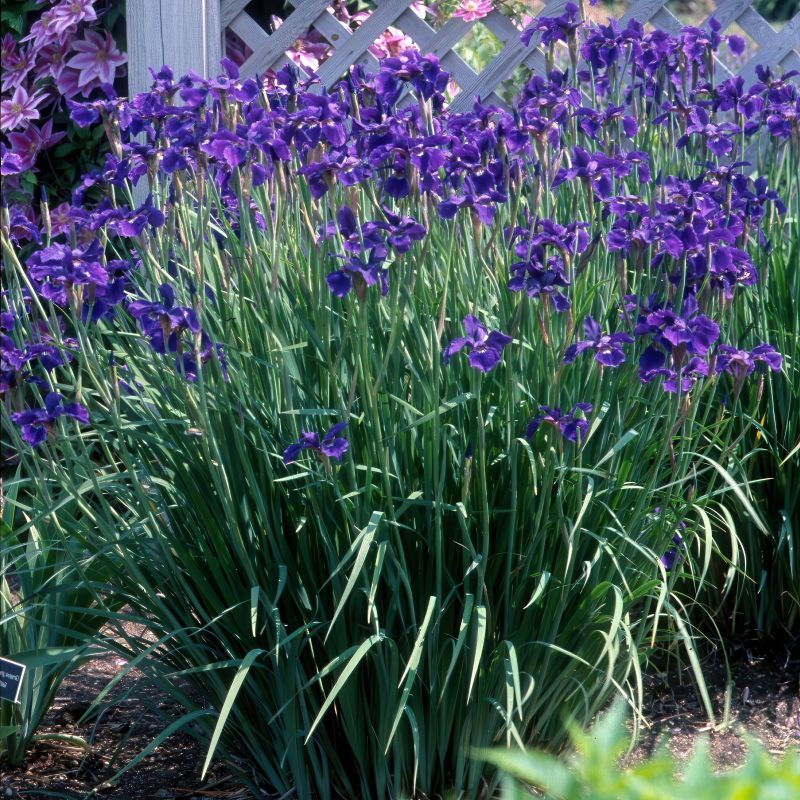
Elegant blue, purple, or white flowers rise above grass-like foliage like natural sculptures in late spring gardens. Unlike bearded iris, Siberian varieties don’t need dividing as frequently.
Their narrow leaves provide vertical interest all season long and turn golden-bronze in autumn. Seed pods add architectural elements to winter gardens.
They tolerate wet soil better than most iris varieties, making them perfect for low-lying garden areas.
12. Catmint (Nepeta)
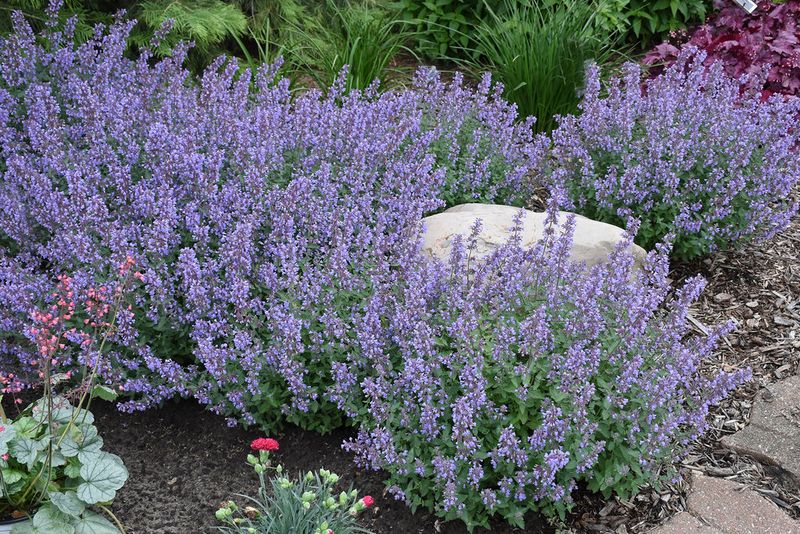
Clouds of tiny blue-purple flowers seem to hover over silvery-green foliage from late spring through fall. Catmint blooms repeatedly if you shear it back after each flowering cycle.
The aromatic leaves smell wonderful when brushed against, though most cats prefer true catnip over ornamental varieties. Drought tolerance makes it perfect for sunny, dry spots.
Bees and butterflies adore the nectar-rich flowers while deer and rabbits typically avoid the fragrant foliage.