
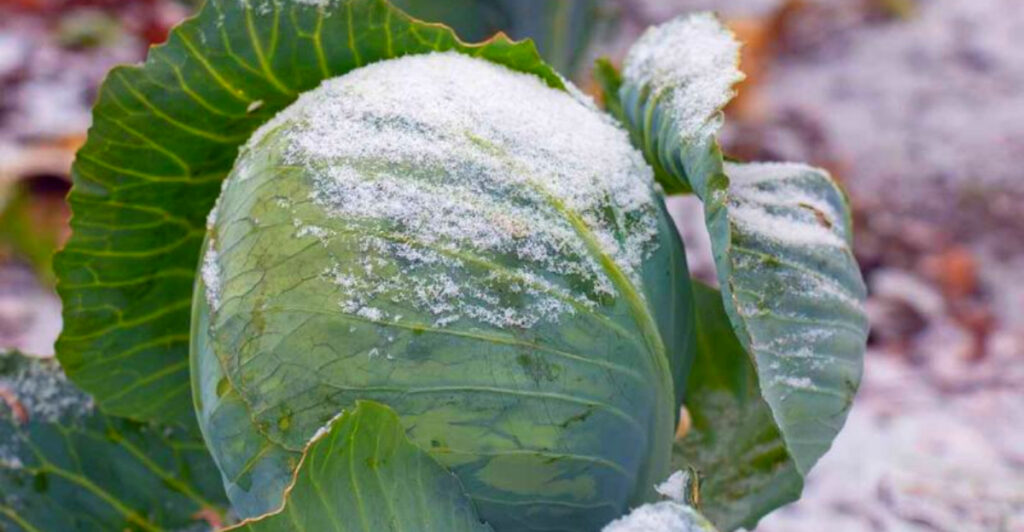
Alaska’s harsh climate can be a challenge for gardeners, but certain cold-hardy vegetables thrive even in these conditions. These resilient plants are perfect for homesteaders looking to cultivate a robust and diverse garden despite the chill. In this guide, we’ll explore some of the best vegetable varieties that can withstand Alaska’s cold temperatures and short growing seasons.
1. Kale
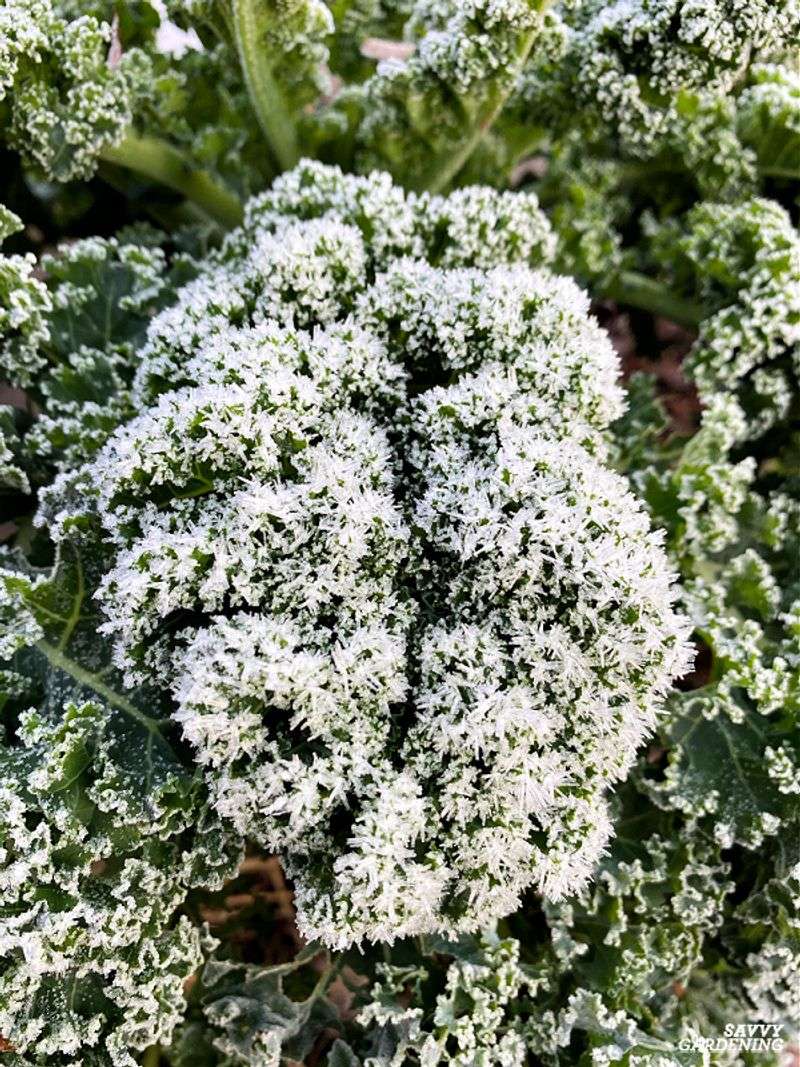
Kale, a leafy green, is celebrated for its resilience in cold weather. Its hearty leaves can withstand frost, making it a perfect choice for Alaskan gardens. This nutrient-rich vegetable thrives in temperatures as low as 20°F, providing hearty greens for salads and soups.
Did you know that kale’s flavor actually sweetens after a frost? This delightful trait makes it even more appealing for those long Alaskan winters. Plant it early, and enjoy a harvest that continues well into the fall.
2. Brussels Sprouts
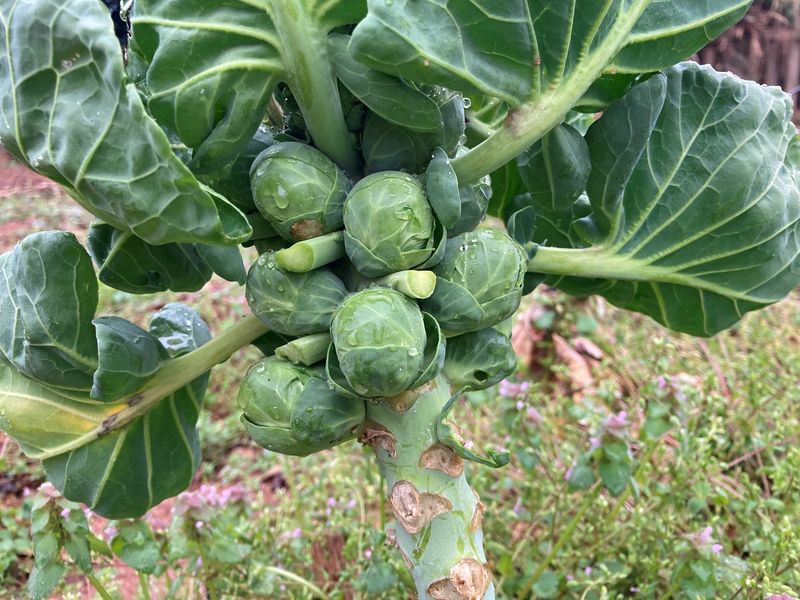
Brussels sprouts, with their miniature cabbage-like appearance, are a staple for cold climates. They love the chill and actually develop a sweeter taste as the weather cools. Their tall stalks can often be seen peeking out of the snow in late fall.
This vegetable requires a longer growing season, but the wait is worth it. Start them indoors early, and transplant them outside once the soil warms slightly. Their ability to endure frost makes them a reliable crop for Alaskan homesteaders.
3. Carrots
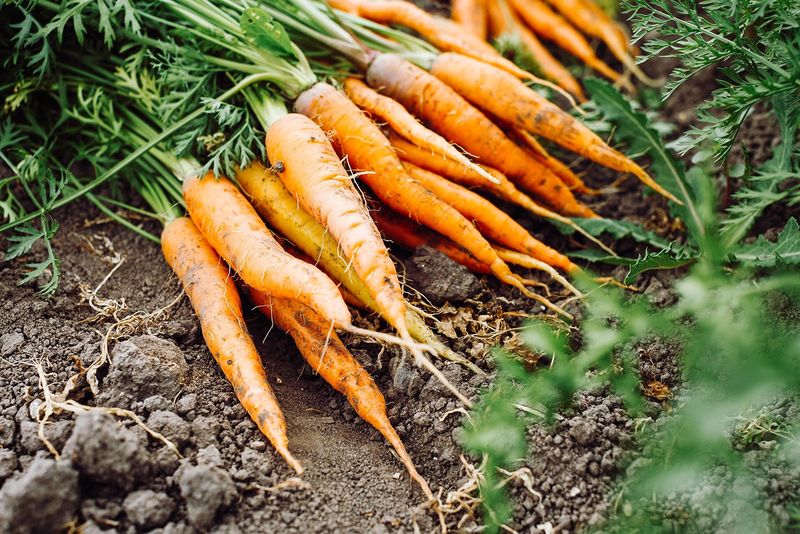
Carrots are not just a delicious root vegetable; they’re also champions of cold-weather gardening. These vibrant roots develop their best flavor in cooler temperatures. The cold actually enhances their sweetness, making them a delightful addition to any meal.
Start planting carrots in early spring or late summer for a fall harvest. They can even be left in the ground well into winter, covered with mulch, for a naturally preserved treat.
4. Parsnips
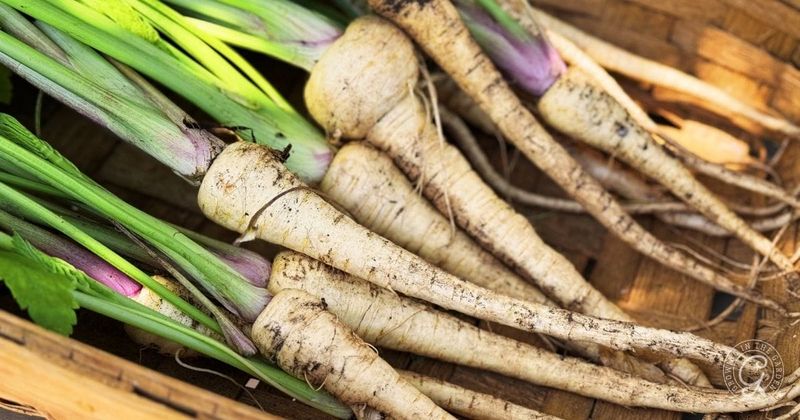
Parsnips might not be as popular as carrots, but they bring a unique, sweet flavor when grown in cold climates. This root vegetable thrives under a blanket of snow, turning starches into sugars for a sweet, nutty taste.
Sow parsnips in early spring and let them mature through summer and fall. Harvest after the first frost for the best flavor. Their resilience makes them a favorite among Alaskan gardeners looking for variety.
5. Cabbage
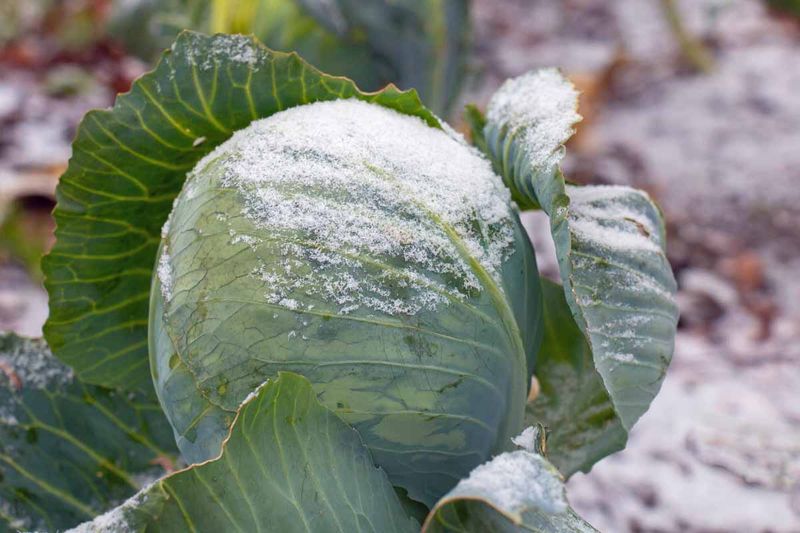
Cabbage is a cold-hardy vegetable that stores well, making it perfect for long Alaskan winters. The tightly packed leaves of this cruciferous vegetable allow it to withstand frost and continue thriving.
From sauerkraut to coleslaw, cabbage is as versatile as it is tough. Plant it in early spring for an abundant summer harvest or in late summer for a fall crop. Its ability to resist cold weather makes it indispensable for homesteaders.
6. Beets
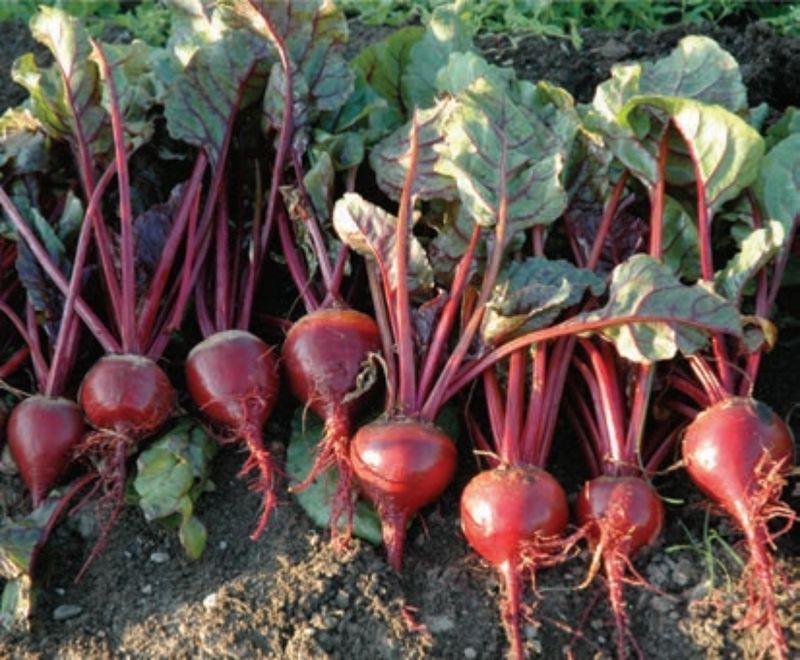
Beets offer not just vibrant color but also robustness in cold conditions. These roots are easy to grow and flourish in cooler temperatures, making them a great choice for Alaskan homesteads.
Sow beet seeds in early spring or fall, and enjoy their earthy sweetness in various dishes. Beets are an excellent source of nutrients, adding both flavor and health benefits to your garden bounty.
7. Collard Greens
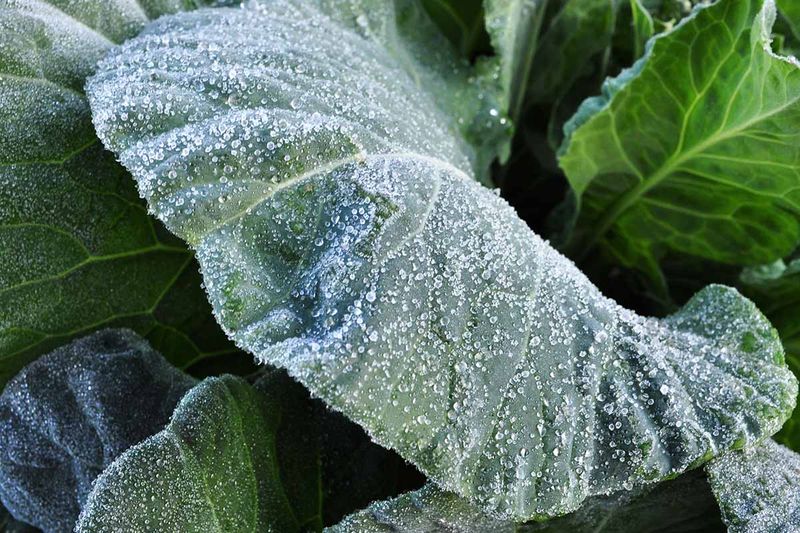
Collard greens are a southern staple that adapts wonderfully to cold Northern climates. Their broad, dark green leaves are packed with nutrients and offer a mild, slightly bitter flavor that sweetens with frost.
These greens are perfect for hearty stews and side dishes. Plant them in spring for a summer harvest or in late summer for a fall crop. Their cold tolerance makes them a reliable addition to any Alaskan garden.
8. Turnips
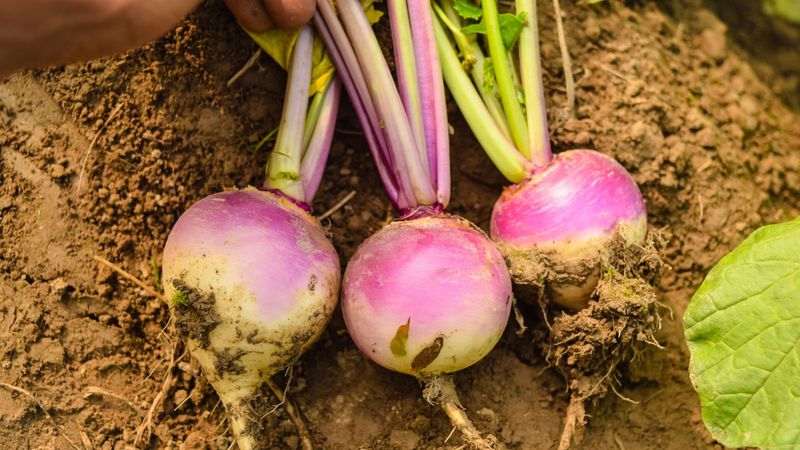
Turnips might not always be the first choice for gardeners, but their cold-hardiness is unmatched. The roots and greens can both be consumed, offering versatility in the kitchen.
These vegetables grow quickly, making them ideal for short growing seasons. Plant them in spring or late summer, and enjoy a harvest that lasts into winter. Their adaptability makes them a staple for any cold-climate garden.
9. Rutabagas
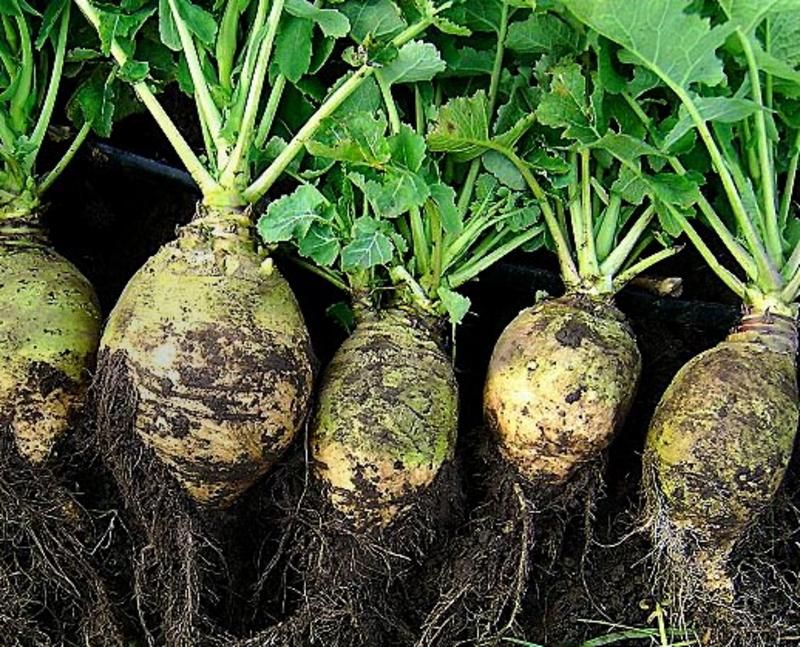
Rutabagas are a cross between cabbage and turnips, offering a unique flavor that shines in cold conditions. They are incredibly robust and can withstand freezing temperatures, making them perfect for Alaskan gardens.
Sow rutabagas in mid-summer for a late fall harvest. They’re excellent in stews, roasted, or mashed. Their hardiness ensures a reliable yield even when the weather turns frosty.
10. Leeks
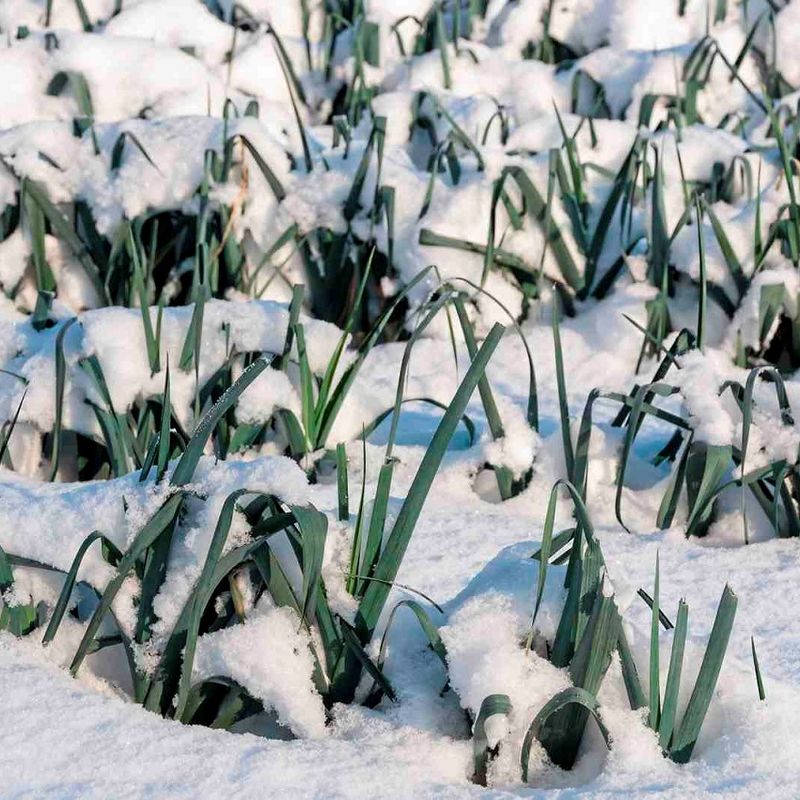
Leeks are an unsung hero of the cold-climate garden. Their mild onion-like flavor is a delightful addition to many dishes. Leeks are particularly hardy, able to endure frost and snow.
Plant leeks in spring for a fall harvest, and enjoy their subtle flavor in soups and stews. Their resilience to cold weather makes them a valuable asset to any Alaskan homestead.