
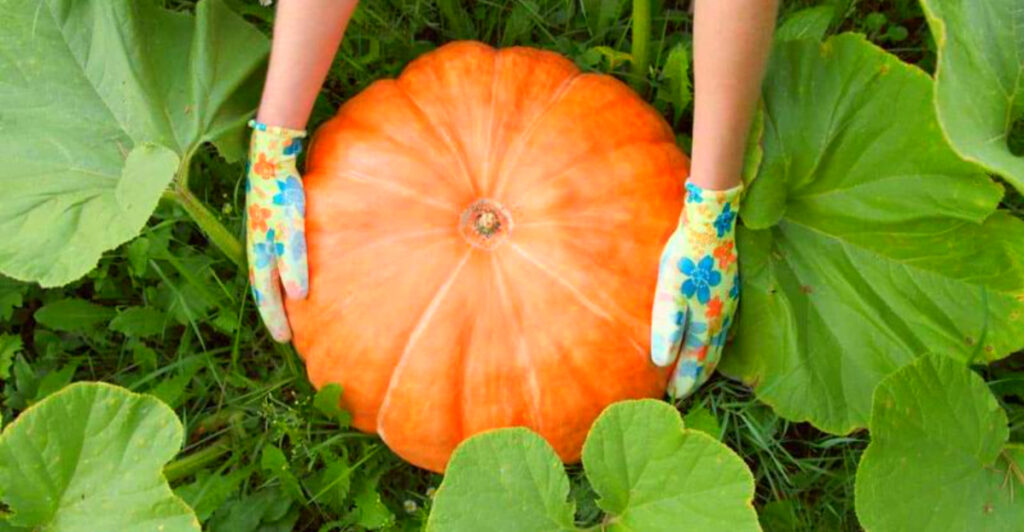
Growing pumpkins in Indiana can transform your backyard into a festive fall wonderland. Whether you want tiny decorative gourds for your mantle or massive jack-o’-lanterns for Halloween, success depends on understanding Indiana’s unique growing conditions. With proper timing and care, you’ll harvest beautiful pumpkins just in time for autumn celebrations.
1. Choose the Perfect Planting Time
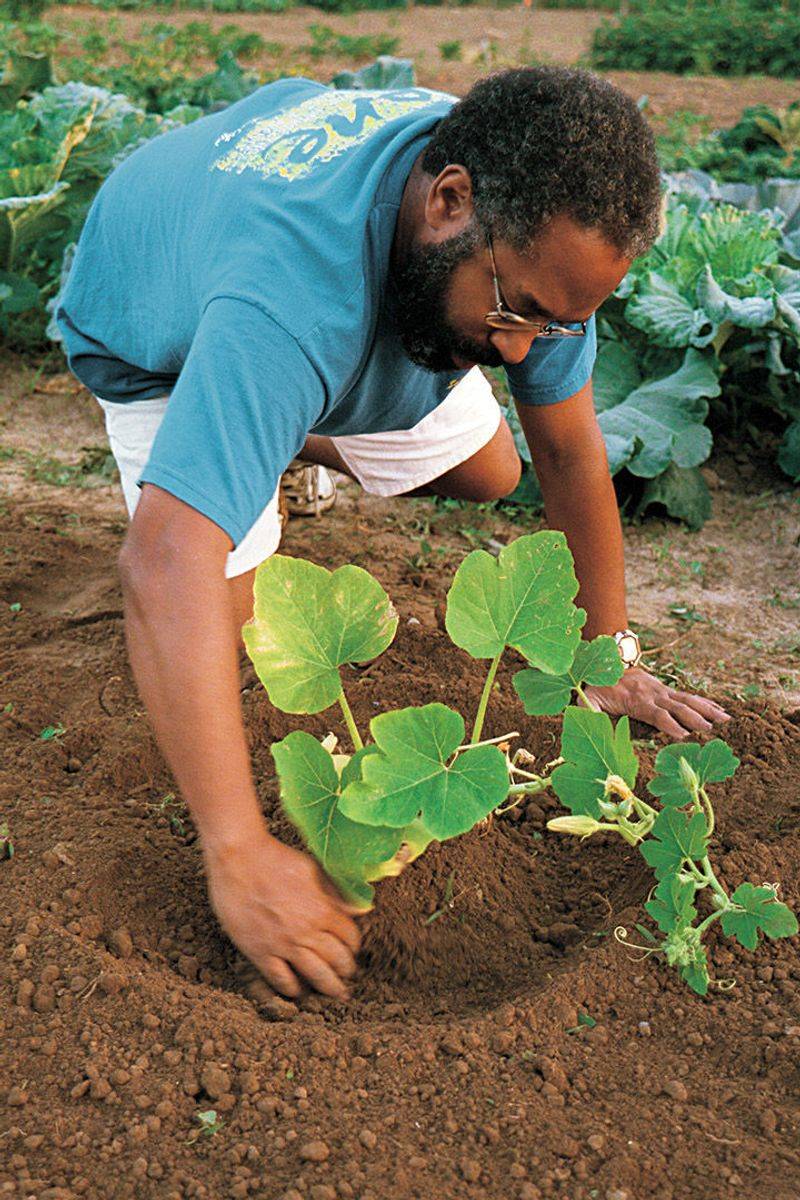
Timing makes all the difference when planting pumpkins in Indiana’s variable climate. Wait until soil temperatures reach at least 60°F, typically between mid-May and mid-June.
Planting too early risks frost damage to tender seedlings. Late planting leaves insufficient time for pumpkins to mature before fall’s first freeze arrives unexpectedly.
2. Select Varieties That Match Your Goals
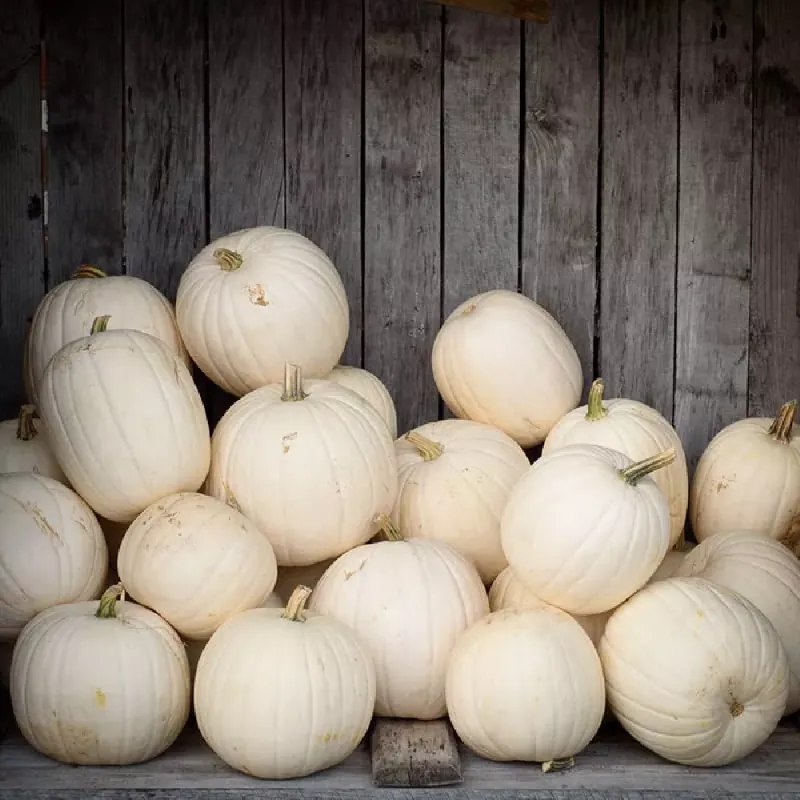
Different pumpkin varieties serve different purposes, so choose wisely based on your autumn plans. ‘Baby Boo’ produces charming white miniatures perfect for table decorations.
‘Autumn Gold’ delivers classic orange pumpkins ideal for carving spooky faces. For competition-worthy giants, ‘Atlantic Giant’ can produce pumpkins weighing hundreds of pounds with proper care.
3. Prepare Nutrient-Rich Growing Soil
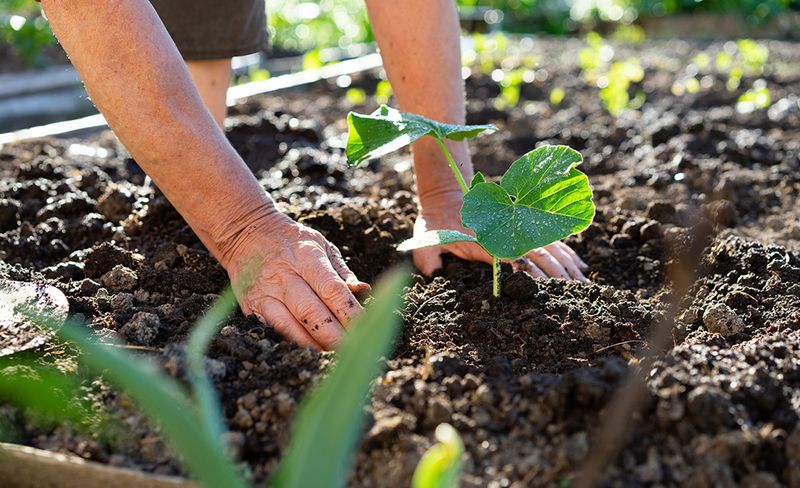
Rich, well-draining soil creates the foundation for healthy pumpkin growth throughout the season. Mix generous amounts of compost or aged manure into your garden bed before planting.
Test soil pH levels, aiming for 6.0 to 6.8 for optimal nutrient absorption. Poor soil preparation often leads to disappointing harvests despite perfect weather conditions.
4. Master Proper Planting Techniques
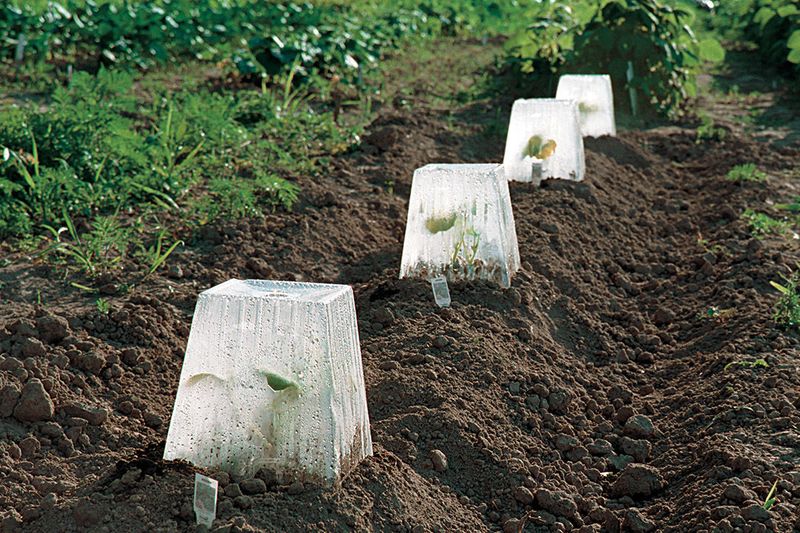
Plant seeds one inch deep, spacing them 3-4 feet apart in rows separated by 5-6 feet. This spacing prevents overcrowding as vines spread rapidly during summer growth.
Alternatively, start seeds indoors 2-4 weeks before outdoor planting for earlier harvests. Remember to harden off indoor seedlings gradually before transplanting outside.
5. Establish Consistent Watering Routines
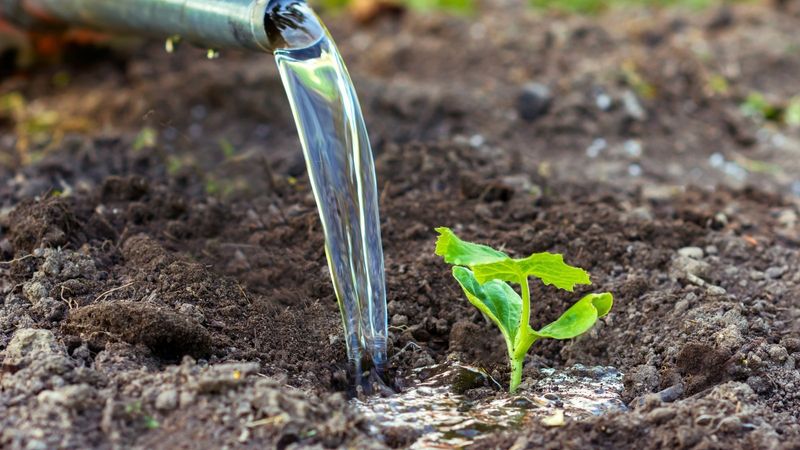
Pumpkins need approximately one inch of water weekly for steady growth and fruit development. Deep, infrequent watering encourages strong root systems better than frequent shallow watering.
Water at soil level rather than overhead to prevent fungal diseases on leaves. Consistent moisture prevents blossom end rot and ensures even fruit development throughout the growing season.
6. Feed Plants for Maximum Growth
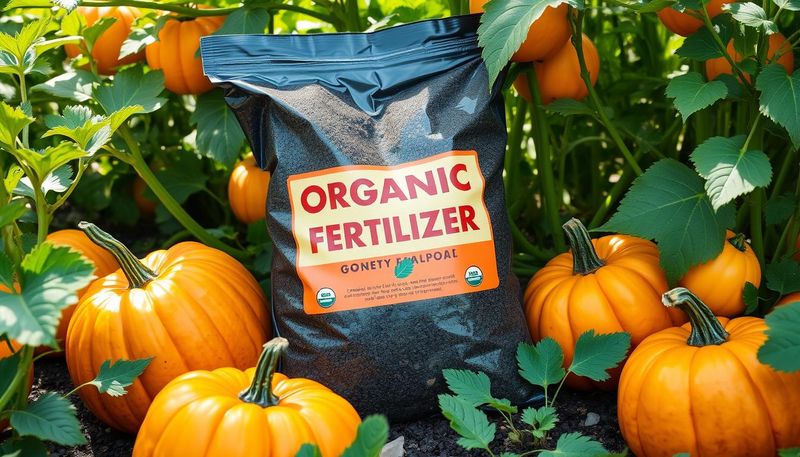
Apply balanced fertilizer when planting, then again when vines begin spreading across the garden. High-nitrogen fertilizers promote leafy growth early in the season.
Switch to phosphorus-rich fertilizers when flowers appear to encourage fruit development. Organic compost provides slow-release nutrients throughout the entire growing season without burning tender roots.
7. Monitor and Control Garden Pests
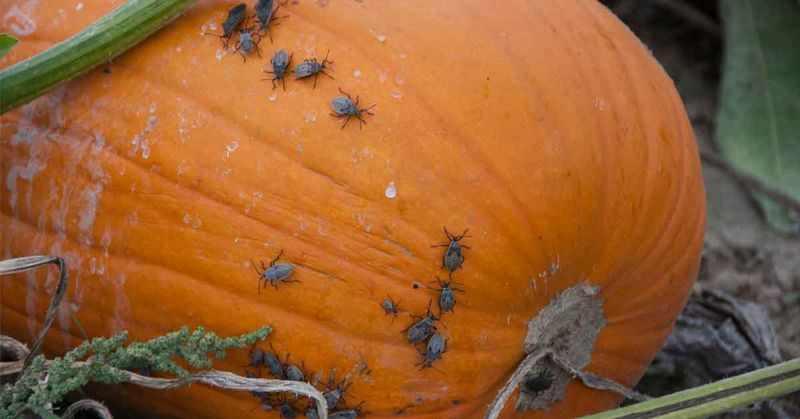
Squash bugs, cucumber beetles, and aphids frequently attack pumpkin plants in Indiana gardens. Check plants weekly for early pest detection and intervention.
Introduce beneficial insects like ladybugs for natural pest control. Insecticidal soap effectively manages soft-bodied pests without harming beneficial pollinators essential for fruit production.
8. Prevent Common Plant Diseases
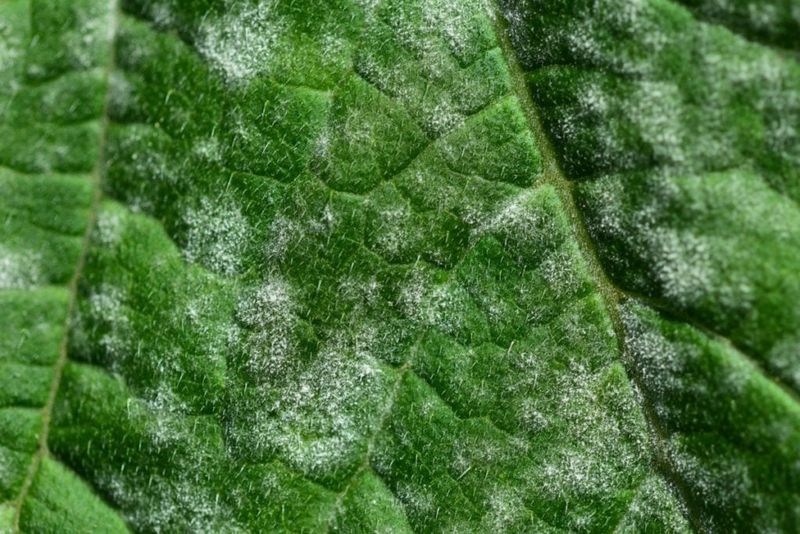
Powdery mildew and bacterial wilt commonly affect pumpkins in Indiana’s humid summers. Ensure adequate air circulation between plants by maintaining proper spacing.
Avoid overhead watering which promotes fungal growth on leaves and stems. Remove infected plant material immediately to prevent disease spread throughout your entire pumpkin patch.
9. Support Heavy Fruits as They Develop
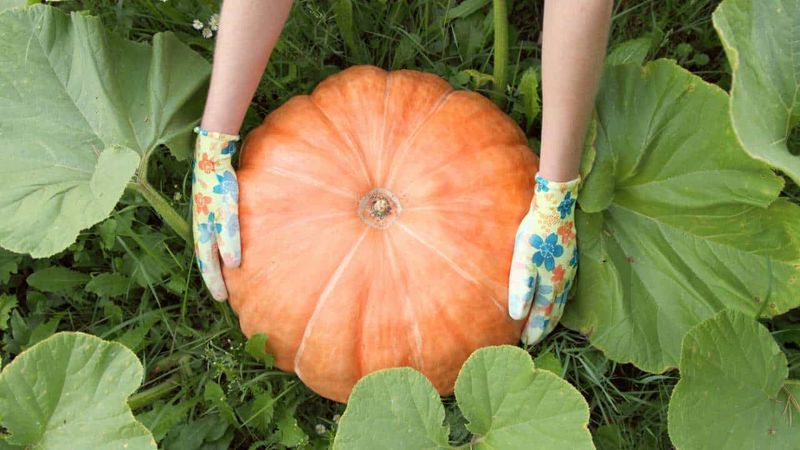
Large pumpkins need support to prevent vine damage and ground rot during development. Place boards or straw underneath growing fruits to keep them off soil.
Rotate pumpkins weekly to ensure even coloring and prevent flat spots. Support vines with stakes if they’re pulling away from roots under the weight of developing fruits.
10. Recognize Optimal Harvest Timing
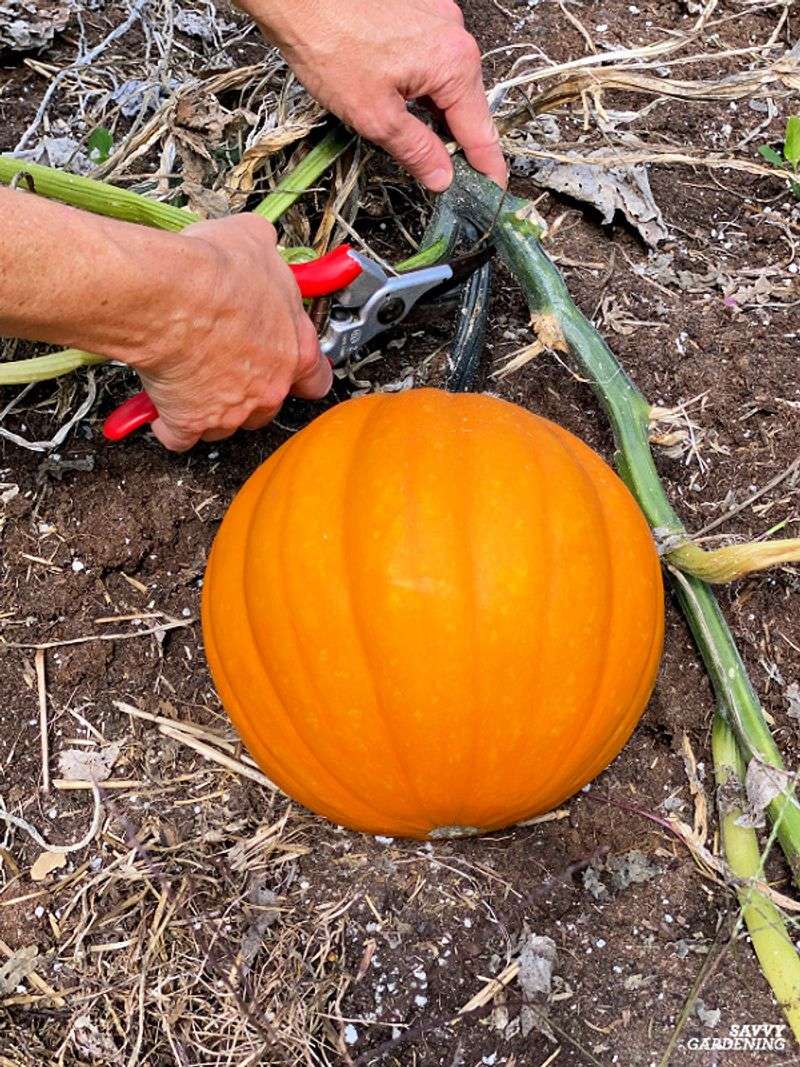
Pumpkins are ready when they develop deep, uniform color and firm skin that resists fingernail pressure. The stem begins drying and turning brown naturally.
Harvest typically occurs 90-120 days after planting, depending on variety selection. Cut stems with sharp pruners, leaving 2-3 inches attached to prevent premature decay during storage.
11. Cure Pumpkins for Longer Storage
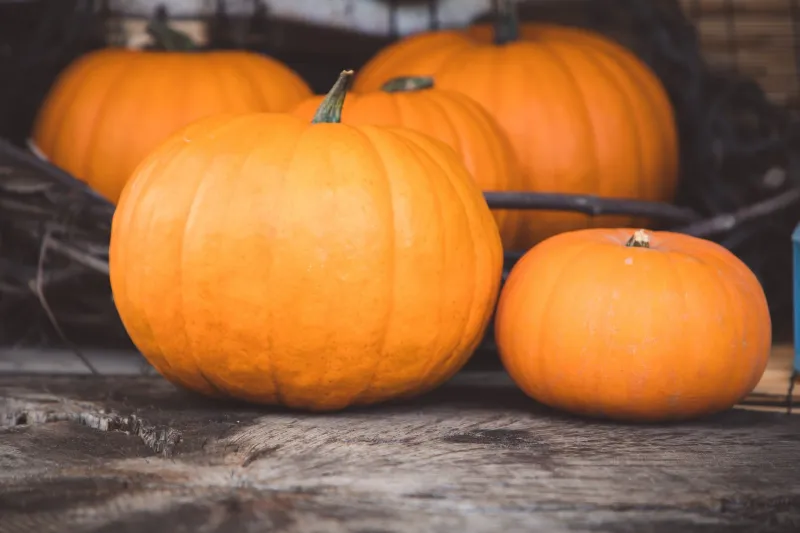
Cure freshly harvested pumpkins in warm, dry conditions for about one week. This process toughens the skin and seals minor cuts for extended storage life.
Place pumpkins in sunny locations with good air circulation during curing. Properly cured pumpkins develop harder rinds that resist rot and damage during handling and storage.
12. Store Pumpkins Through Winter Months
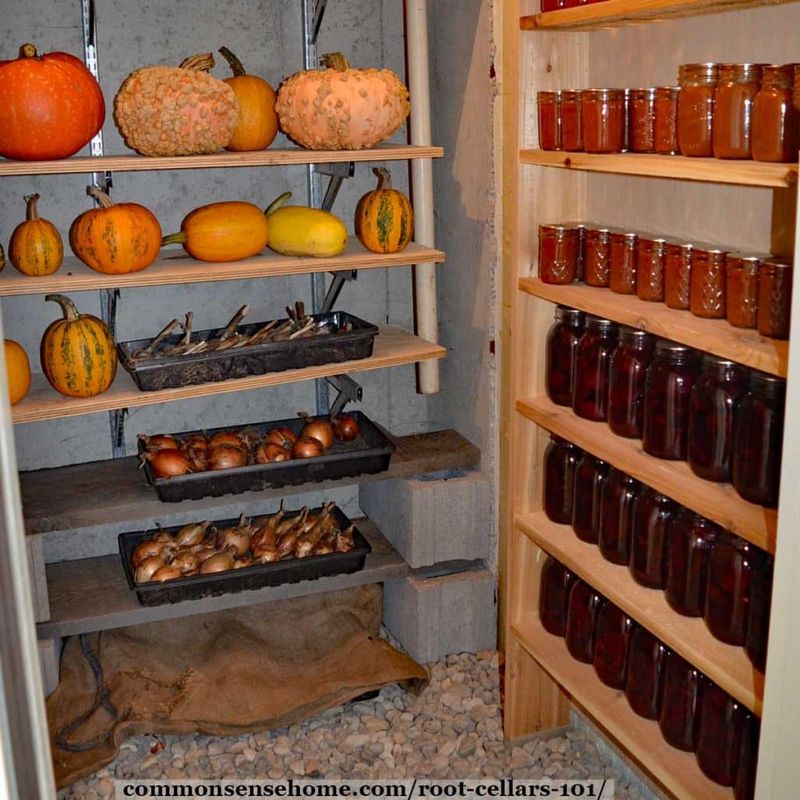
Store cured pumpkins in cool, dry areas with temperatures between 50-60°F and 50-70% humidity. Basements, garages, or root cellars work well for long-term storage.
Check stored pumpkins monthly, removing any showing signs of decay. Properly stored pumpkins can last several months, providing decorations and cooking ingredients well into winter.