
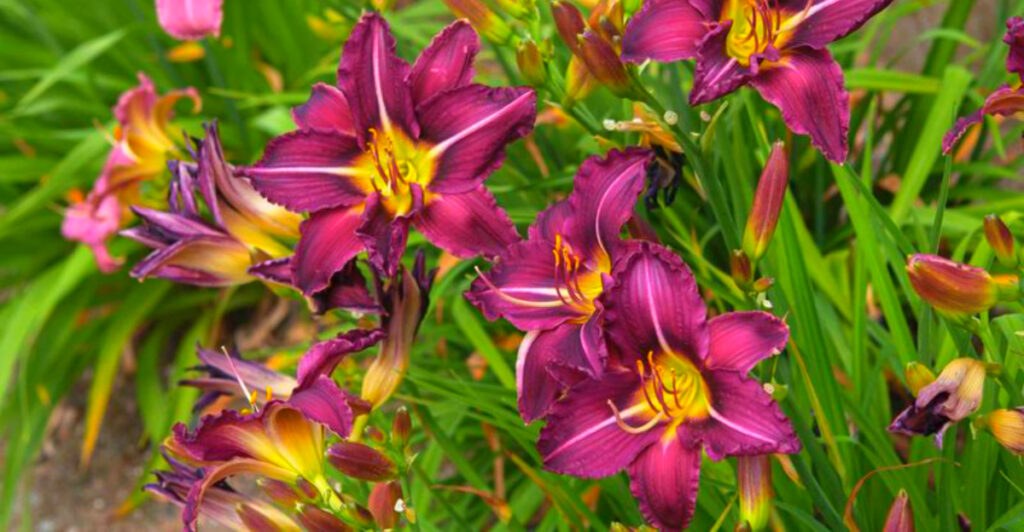
Your garden doesn’t have to be a constant battle against nature’s challenges. Many common gardening headaches can actually be solved by choosing the right plants as natural helpers. From stubborn weeds to poor soil, there’s often a green solution growing right under your nose that can transform your troubled garden into a thriving paradise.
1. Weeds Taking Over Your Garden Space
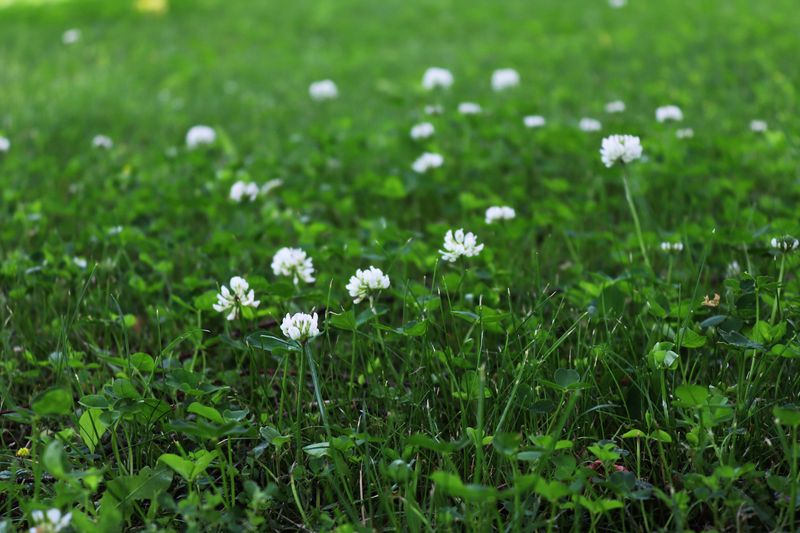
Ground cover plants like clover work as living mulch, crowding out unwanted weeds naturally. These helpful plants spread quickly across bare soil, blocking sunlight that weeds need to grow.
Clover also creates a cooler, more humid environment that benefits your desired plants. Instead of endless weeding sessions, let nature do the work for you with strategic plant choices that win the space competition.
2. Poor Soil Quality Stunting Plant Growth
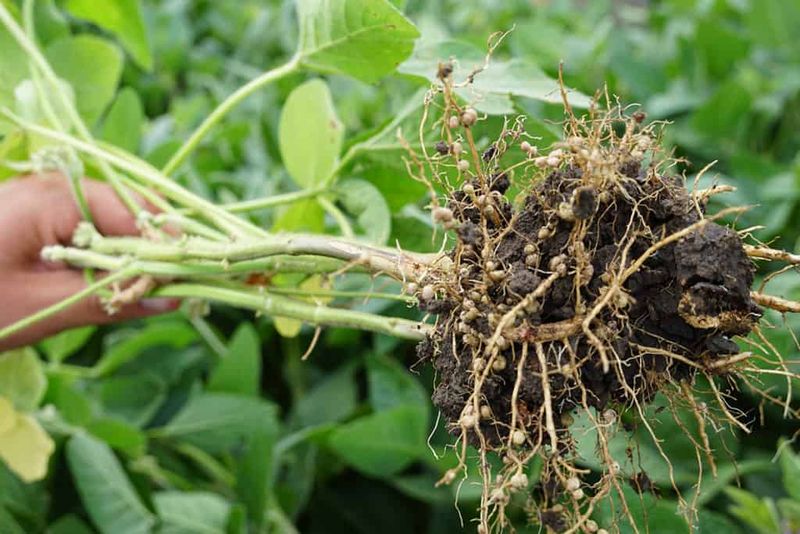
Legume plants like beans and clover act as natural soil improvers by fixing nitrogen from the air. Their root systems work with special bacteria to convert atmospheric nitrogen into plant-friendly nutrients.
Over time, these nitrogen-fixing champions enrich your soil without expensive fertilizers. Plant them in problem areas and watch as they transform lifeless dirt into rich, productive growing medium for future seasons.
3. Pest Insects Damaging Your Plants
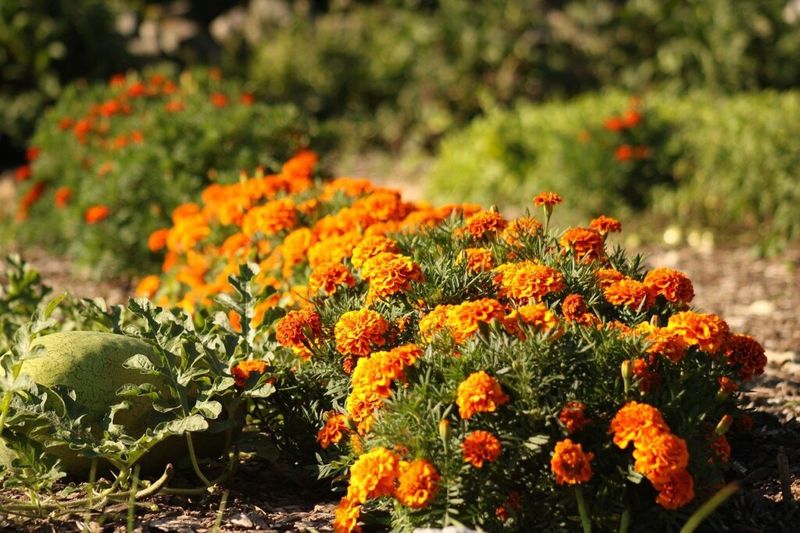
Marigolds release a strong scent that sends aphids and whiteflies packing without harmful chemicals. These colorful defenders work as natural pest control while adding bright beauty to your garden borders.
Plant them near vulnerable vegetables and flowers for protection. The pungent oils in marigold leaves and roots create an invisible barrier that many garden pests simply won’t cross, keeping your plants safe naturally.
4. Soil Erosion Washing Away Your Garden
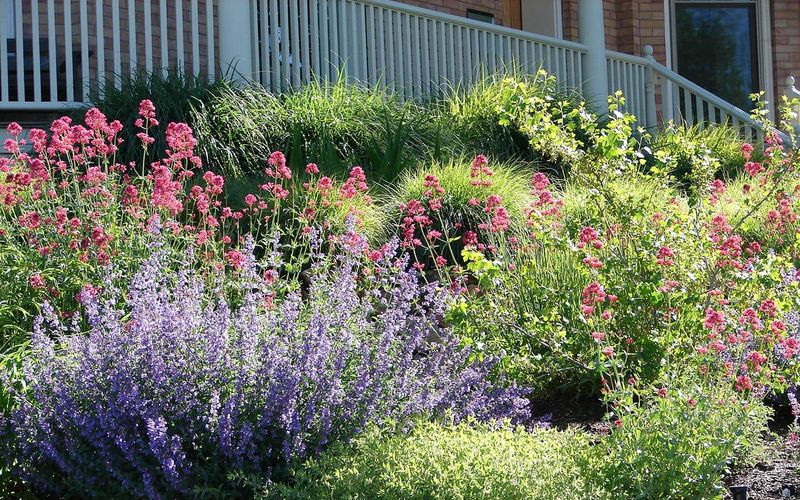
Plants with strong root systems like clover and ornamental grasses grab onto soil particles, preventing erosion on slopes and exposed areas. Their underground network acts like natural rebar, holding everything together.
These soil-stabilizing heroes work especially well on hillsides and areas prone to washing out during heavy rains. Choose spreading varieties that quickly establish dense root mats for maximum erosion protection and long-term soil health.
5. Drought Conditions Stressing Your Garden
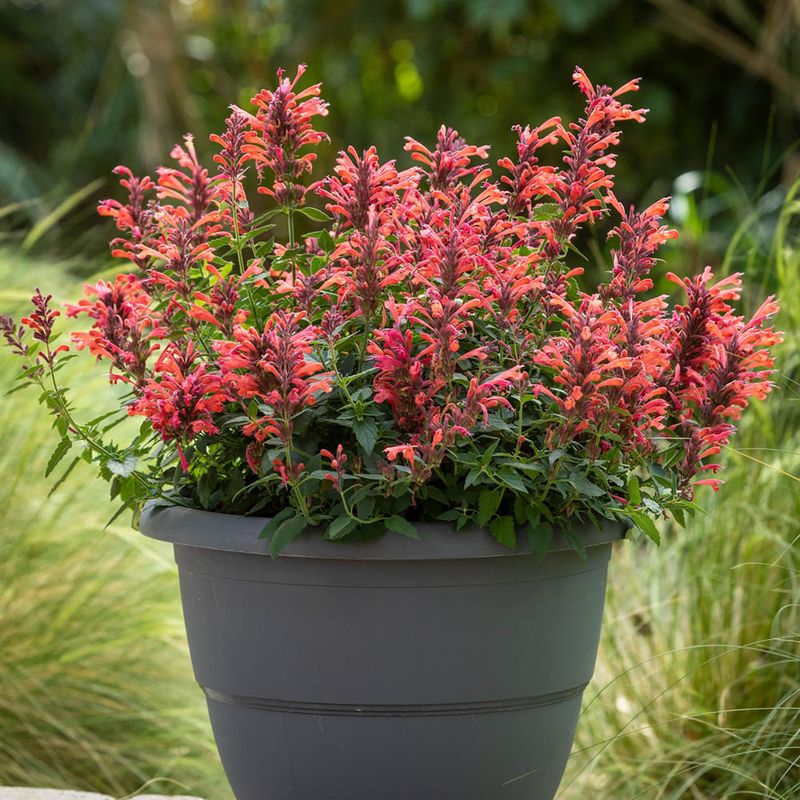
Drought-tolerant plants like Agastache and sedum store water in their tissues, thriving when rainfall becomes scarce. These water-wise warriors have adapted to survive with minimal irrigation while still looking fantastic.
Once established, they actually prefer dry conditions and can go weeks without watering. Plant them in sunny, well-drained areas where other plants struggle, and enjoy beautiful blooms without the constant worry about watering schedules.
6. Poor Pollination Reducing Fruit Production
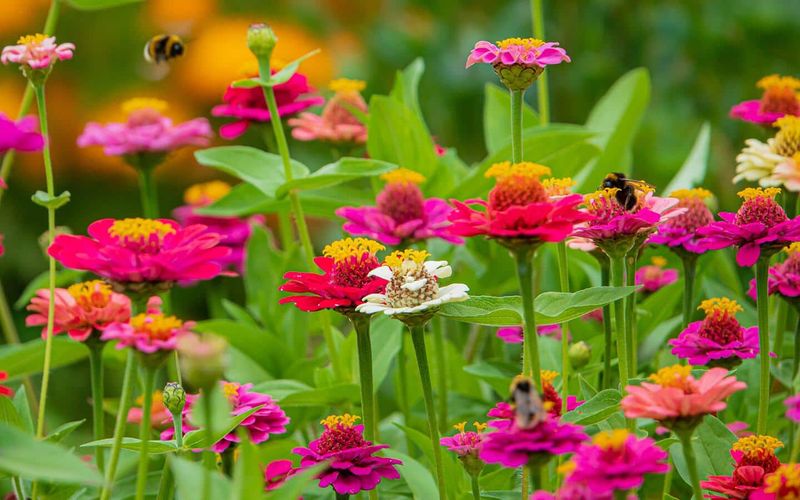
Nectar-rich flowers like cosmos and sunflowers act as pollinator magnets, drawing bees and butterflies to your garden. These flowering powerhouses provide the food sources that keep beneficial insects coming back for more.
Plant them near vegetable gardens and fruit trees to boost pollination rates naturally. The increased pollinator activity means better fruit set, larger harvests, and healthier plant reproduction throughout your entire growing space.
7. Compacted Soil Restricting Root Growth
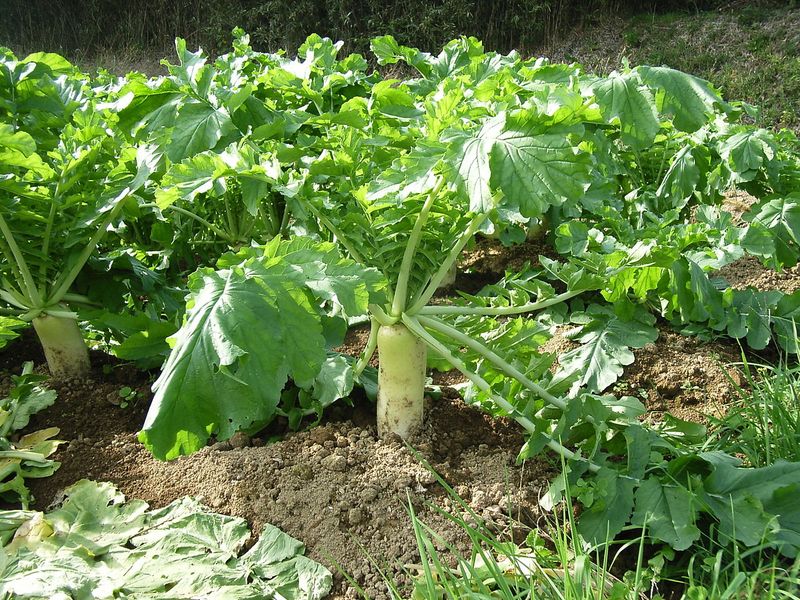
Deep-rooted plants like dandelions and alfalfa work as natural soil aerators, breaking through hard-packed earth with their powerful taproots. These underground pioneers create channels for air and water movement.
Their roots can penetrate several feet deep, loosening soil layers that hand tools can’t reach. After these plants decompose, they leave behind natural tunnels that improve drainage and make it easier for other plants to establish strong root systems.
8. Excessive Sunlight Scorching Sensitive Plants
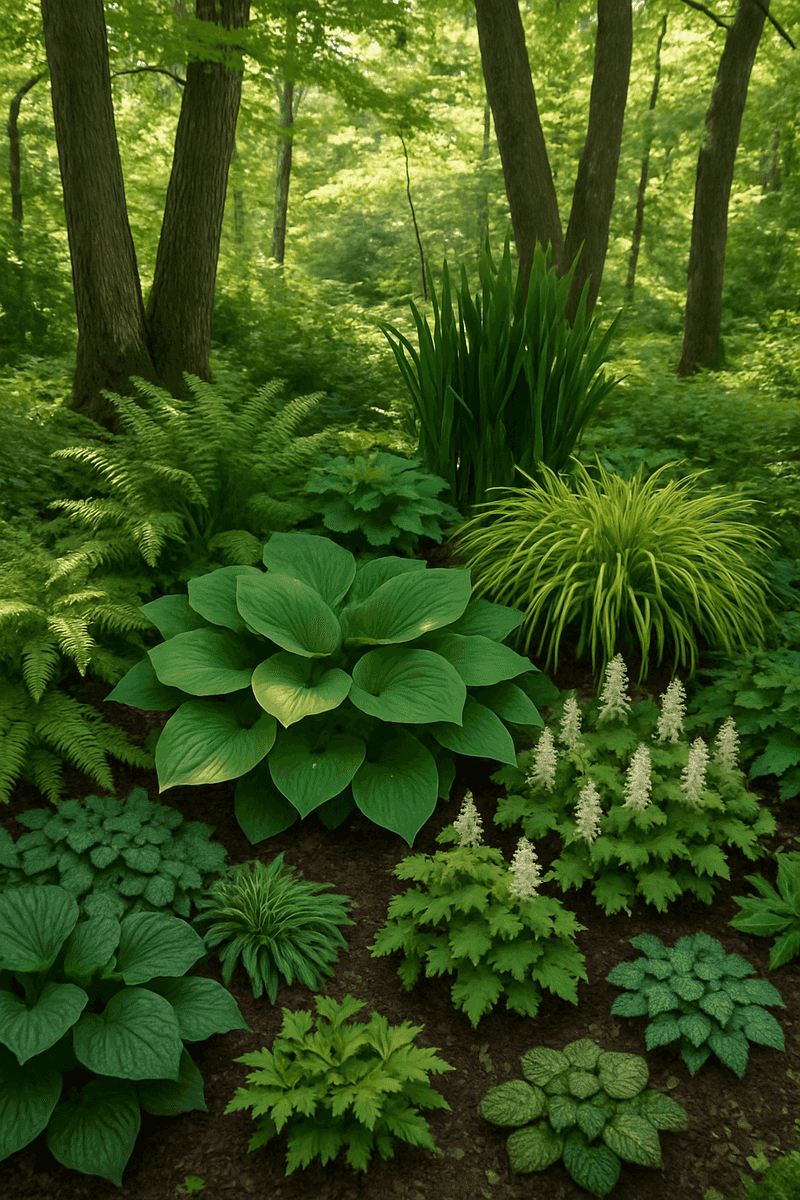
Shade-providing plants like hostas and large ferns create natural umbrellas for sun-sensitive species underneath. These leafy protectors filter harsh sunlight while maintaining enough brightness for healthy growth.
Strategically placed shade plants can reduce soil temperature and moisture loss in hot areas. Create microclimates by using taller, heat-tolerant plants to shelter delicate flowers and vegetables that would otherwise wilt in direct summer sun exposure.
9. Acidic Soil Preventing Nutrient Uptake
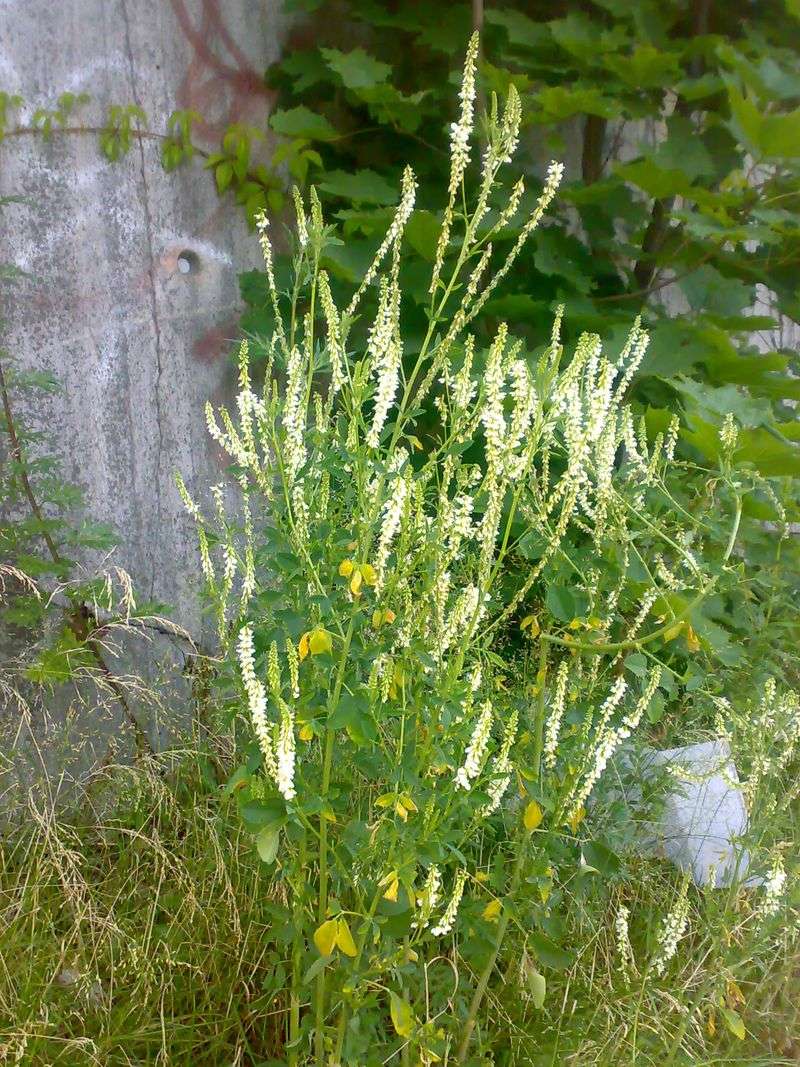
Certain plants like sweet clover and alfalfa can help moderate soil pH over time through their root secretions and decomposing organic matter. These pH-balancing plants gradually make acidic soil more neutral.
Their presence encourages beneficial soil organisms that further improve pH balance naturally. While the process takes time, these living soil amendments offer a chemical-free way to create better growing conditions for acid-sensitive plants and vegetables.
10. Salty Soil Damaging Plant Roots
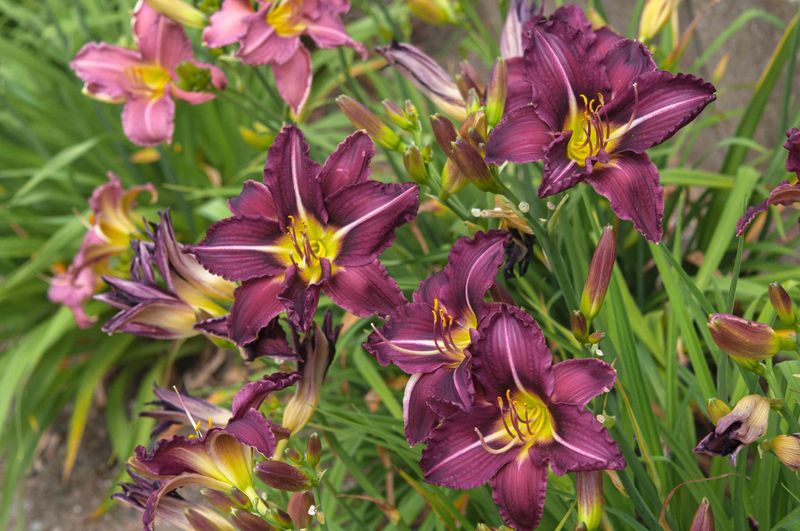
Salt-tolerant plants like daylilies and ornamental grasses thrive where other plants fail, actually helping to process excess salt through their natural systems. These tough survivors can handle coastal conditions and road salt runoff.
Over time, they help improve soil conditions by absorbing salts and adding organic matter when they shed leaves. Choose these resilient plants for problem areas where salt accumulation makes normal gardening nearly impossible to maintain successfully.
11. Low Light Limiting Plant Options
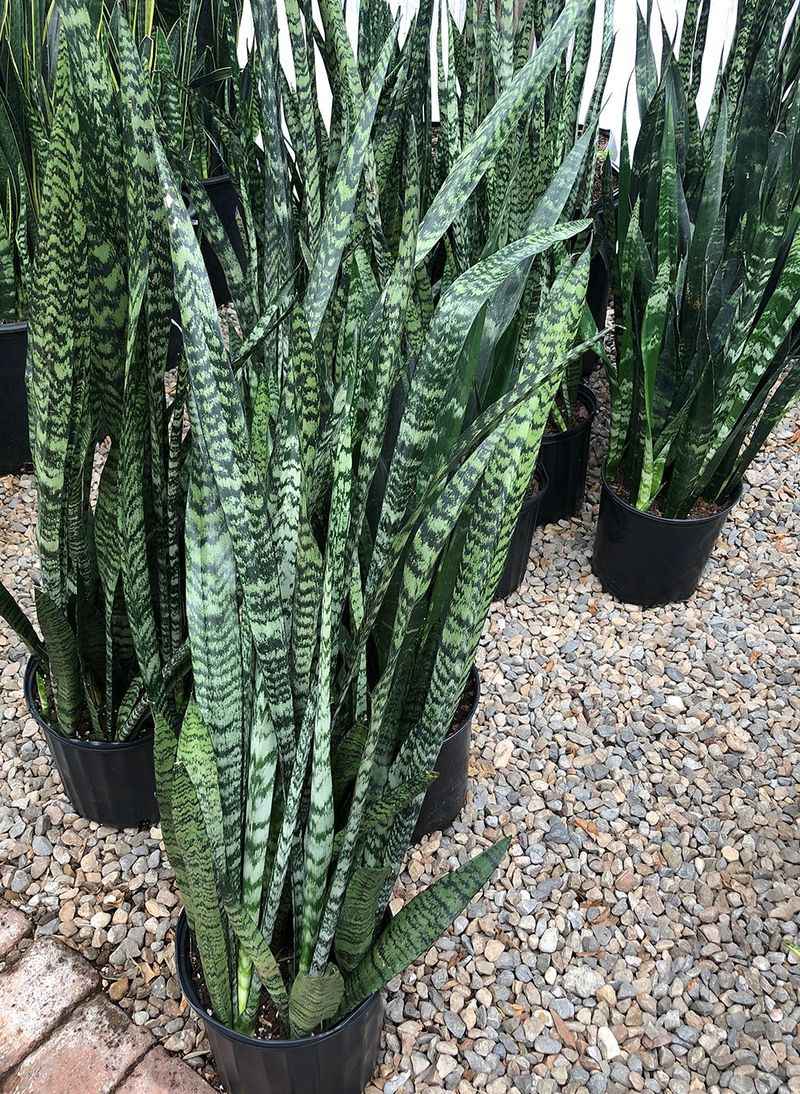
Shade-loving plants like ferns and astilbe actually prefer dim conditions, turning problem areas into lush garden features. These low-light specialists have adapted to photosynthesize efficiently with minimal sun exposure.
Many shade plants offer interesting textures, colors, and seasonal interest that sun plants can’t match. Transform dark corners, north-facing walls, and under-tree spaces into beautiful garden rooms filled with plants that genuinely enjoy the shadows.
12. Nutrient-Depleted Soil From Overuse
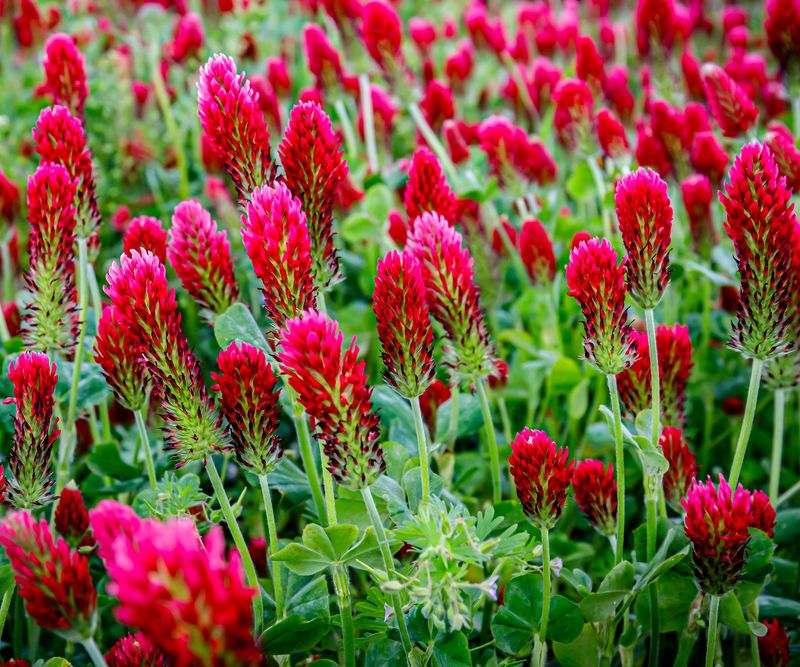
Cover crops like crimson clover and winter rye rebuild exhausted soil by adding organic matter and essential nutrients when tilled under. These soil-rebuilding plants work during off-seasons to restore what previous crops removed.
They prevent nutrient leaching while actively improving soil structure and fertility. Plant them in empty beds during fall and winter, then incorporate them into the soil before spring planting for naturally enriched growing medium.