
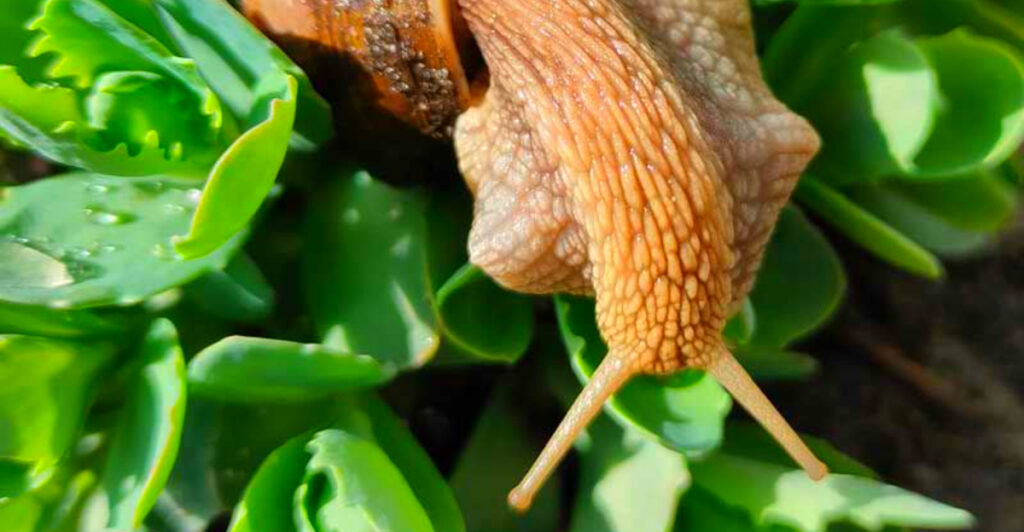
Garden slugs and snails can turn your beautiful flower beds into their personal buffet overnight. Instead of reaching for harsh chemicals, you can fight back with nature’s own defense system. Certain plants naturally repel these slimy invaders through their scents, textures, or natural compounds. Plant these garden heroes strategically around your vulnerable plants for a natural, eco-friendly solution.
Lavender
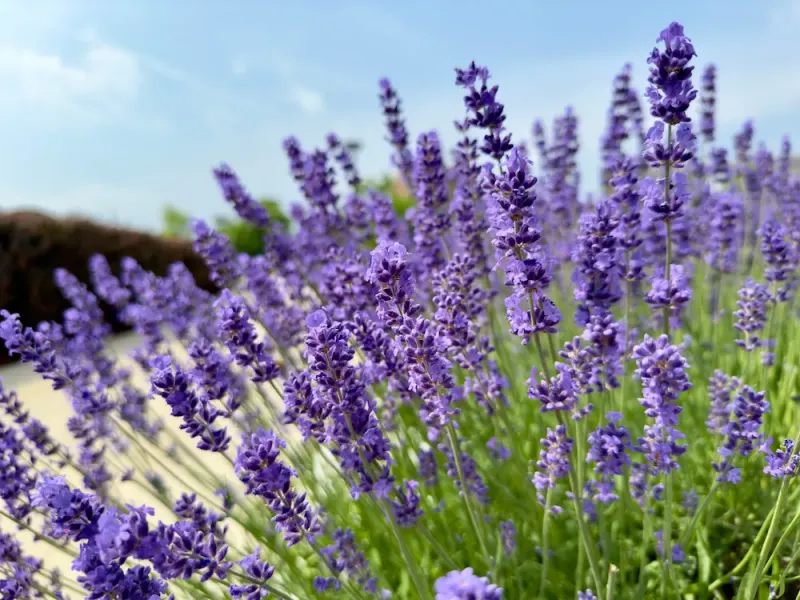
Purple spikes of lavender don’t just smell heavenly to humans – they’re absolutely repulsive to slugs and snails. The strong oils in lavender create an invisible barrier that these pests refuse to cross.
Plant lavender along garden borders or near vulnerable vegetables for maximum protection. The woody stems and aromatic leaves make it nearly impossible for soft-bodied mollusks to navigate.
Bonus: you’ll enjoy the calming fragrance while keeping your garden pest-free naturally.
Rosemary
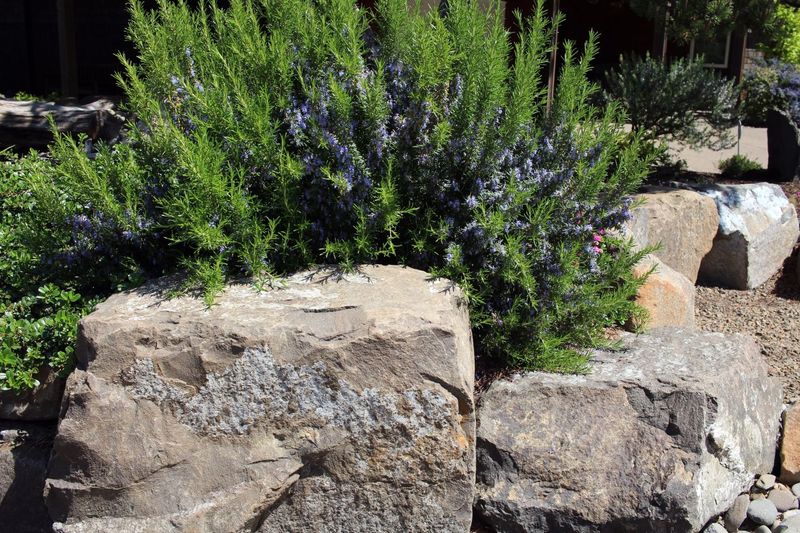
This Mediterranean herb packs a powerful punch against garden invaders with its needle-like leaves and intense aroma. Rosemary’s essential oils create a scent barrier that slugs and snails find overwhelming and unpleasant.
The plant’s tough, spiky texture makes it physically difficult for these soft creatures to crawl across. Growing rosemary near lettuce, cabbage, or other slug favorites provides excellent protection.
You’ll have fresh herbs for cooking while naturally defending your garden space.
Sage
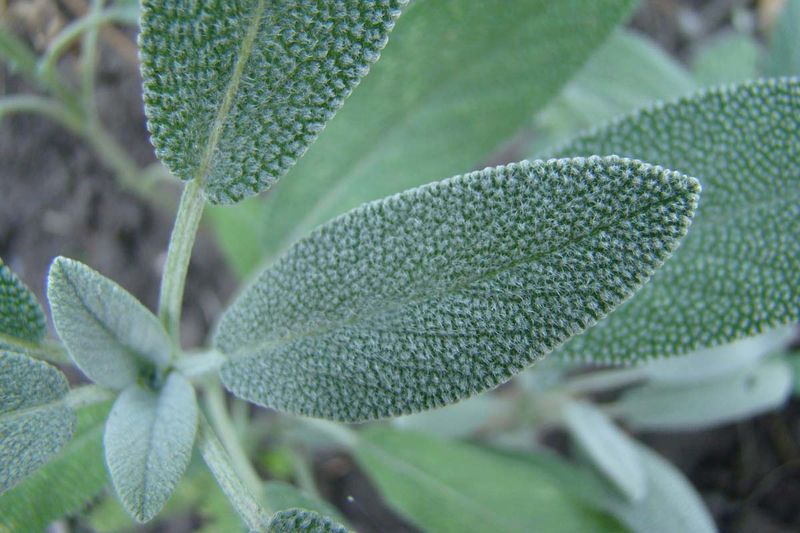
Fuzzy, silver-green sage leaves feel terrible under a slug’s soft body, making this herb an excellent natural deterrent. The plant’s strong, earthy scent adds another layer of protection that mollusks actively avoid.
Sage thrives in sunny spots and requires minimal water, making it perfect for low-maintenance gardens. Plant it near tomatoes, peppers, or beans for dual benefits.
The slightly rough texture combined with potent oils creates an unwelcoming environment for unwanted garden visitors.
Thyme
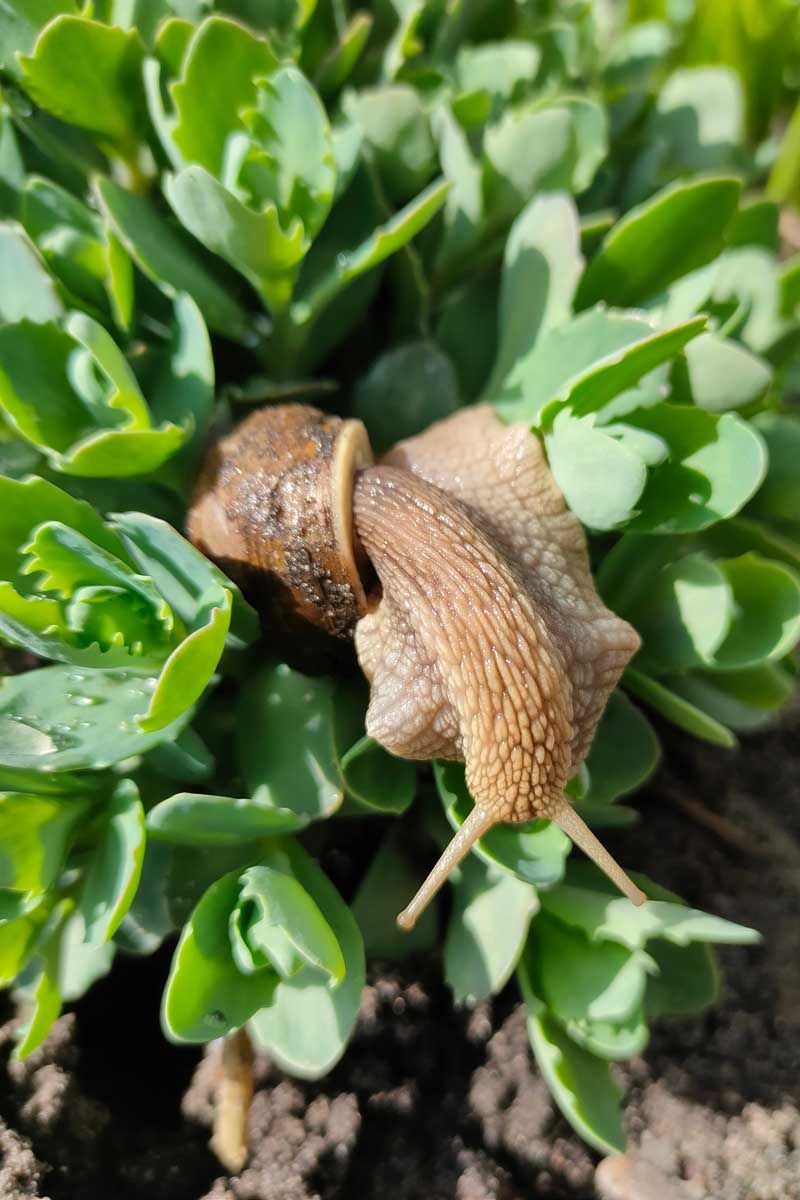
Tiny but mighty, thyme releases powerful aromatic oils that create an invisible force field against slugs and snails. This low-growing herb spreads naturally, forming a protective carpet around taller plants.
The small, dense leaves make movement difficult for soft-bodied pests while releasing continuous fragrance. Creeping thyme works especially well as ground cover in vulnerable areas.
Plant between stepping stones or around garden edges for both beauty and practical pest control benefits.
Mint
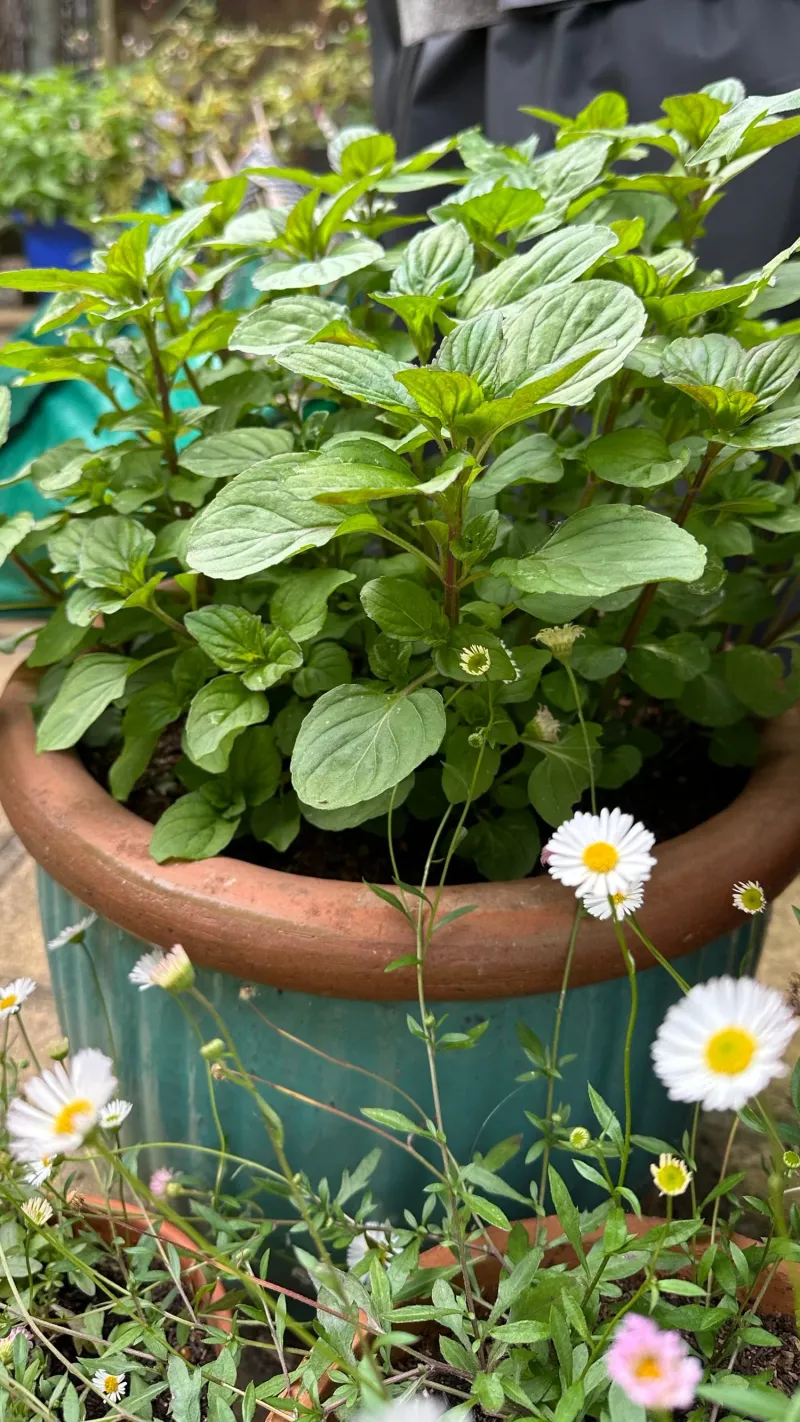
Vigorous mint plants overwhelm slugs and snails with their intense menthol fragrance and rapid spreading growth. The strong scent masks other attractive plant odors that typically draw these pests to your garden.
Mint’s aggressive nature means it quickly fills spaces, leaving little room for slug hideouts. Plant in containers to control spread while maximizing protection.
The cooling oils that make mint refreshing to humans are absolutely repulsive to soft-bodied garden invaders seeking tender leaves.
Marigolds
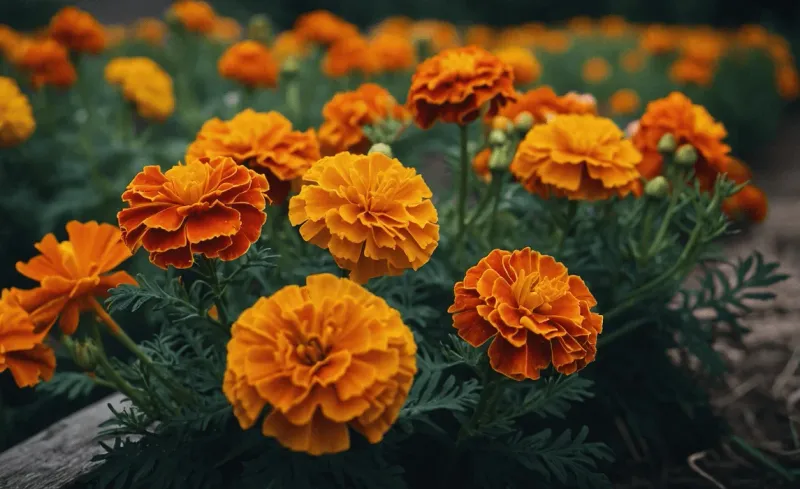
Bright, cheerful marigolds hide a secret weapon – their pungent odor that slugs and snails find absolutely disgusting. The strong scent comes from natural compounds that act like invisible shields around your garden.
These colorful annuals are incredibly easy to grow and bloom continuously throughout the season. Plant them as borders around vegetable gardens or scatter throughout flower beds.
The vibrant orange and yellow blooms add beauty while their powerful fragrance keeps unwanted mollusks far away from precious plants.
Foxglove
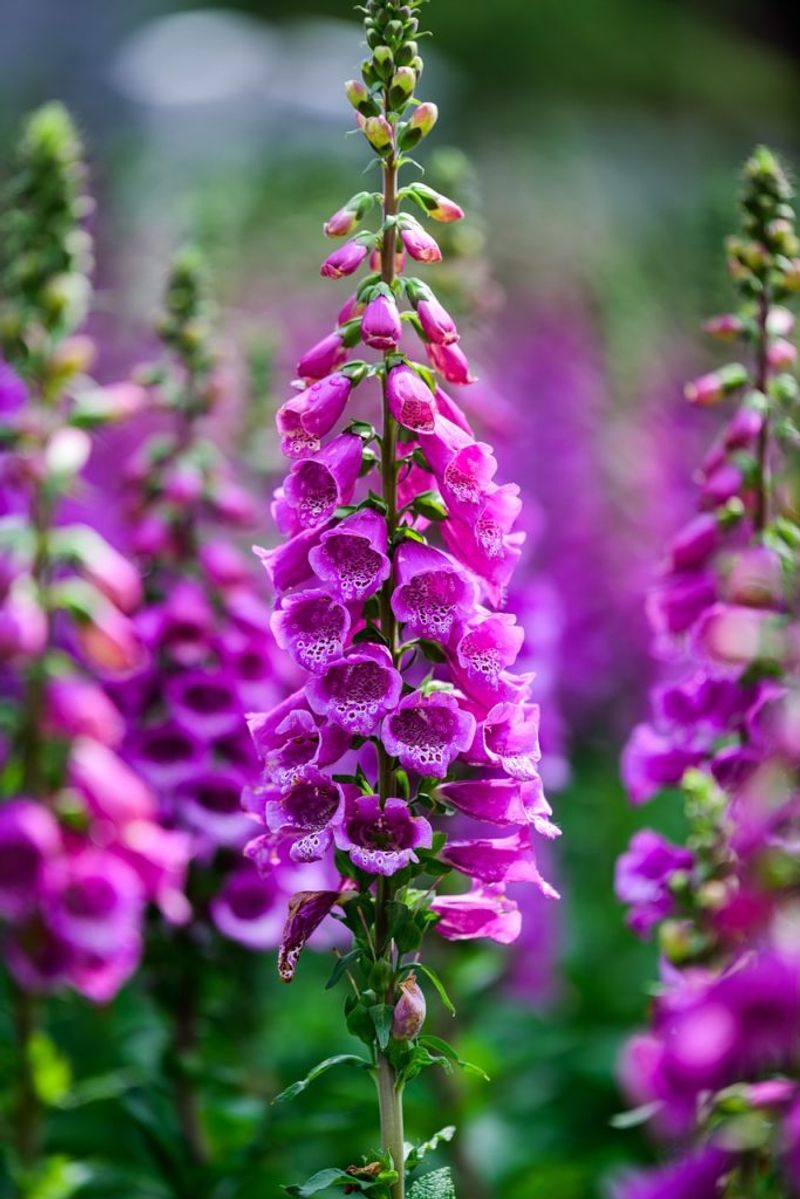
Tall, elegant foxgloves contain natural toxins that make them completely unappetizing to slugs and snails. These stately perennials create dramatic vertical interest while providing serious pest protection.
The bell-shaped flowers and sturdy stems are naturally resistant to most garden pests. Foxgloves prefer partial shade and moist soil conditions.
Warning: keep away from children and pets due to toxicity, but enjoy their effectiveness at naturally deterring garden mollusks without any effort.
Yarrow
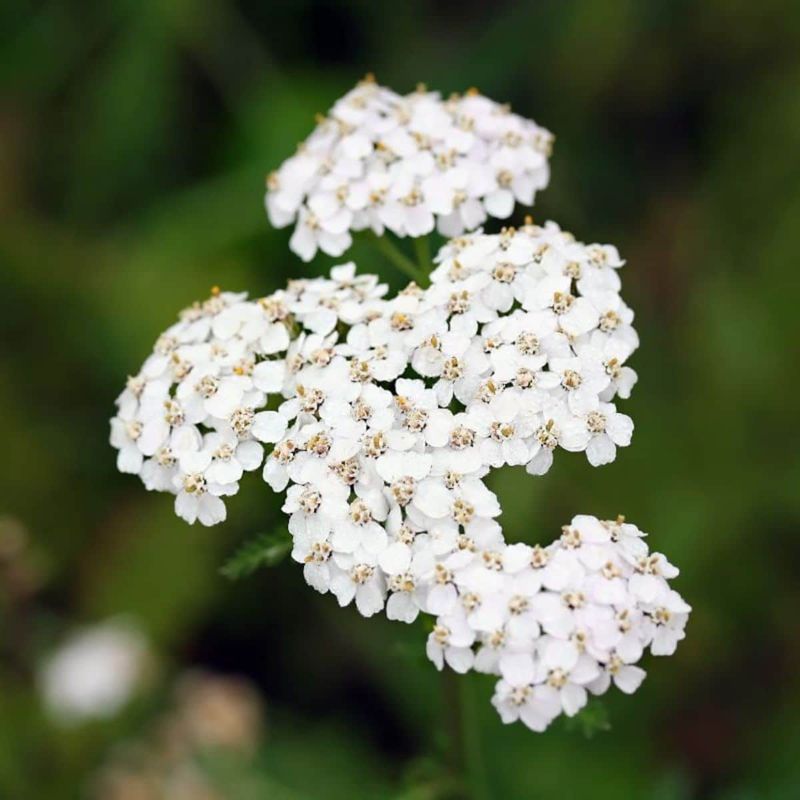
Feathery yarrow leaves release a distinctive scent that slugs and snails find completely repulsive, making this hardy perennial an excellent natural deterrent. The finely divided foliage creates an unwelcoming texture for soft-bodied creatures.
Yarrow thrives in poor soil and drought conditions, making it perfect for low-maintenance gardens. The flat-topped flower clusters attract beneficial insects while repelling harmful pests.
Plant yarrow in sunny locations where its strong fragrance can effectively protect nearby vulnerable plants from mollusk damage.
Lamb’s Ear
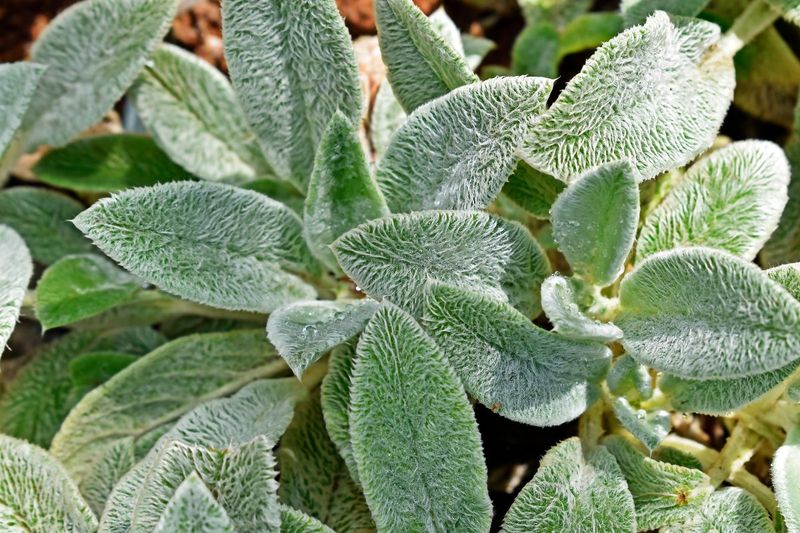
Incredibly soft and fuzzy lamb’s ear leaves feel awful to slugs and snails trying to crawl across them. The dense, woolly texture traps moisture and creates an uncomfortable surface for these moisture-loving pests.
Silver-gray foliage adds beautiful contrast to garden designs while providing practical protection. The thick, velvety leaves are nearly impossible for mollusks to navigate.
Plant lamb’s ear as edging or ground cover in areas where slugs typically cause problems for a natural, attractive solution.
Hellebore
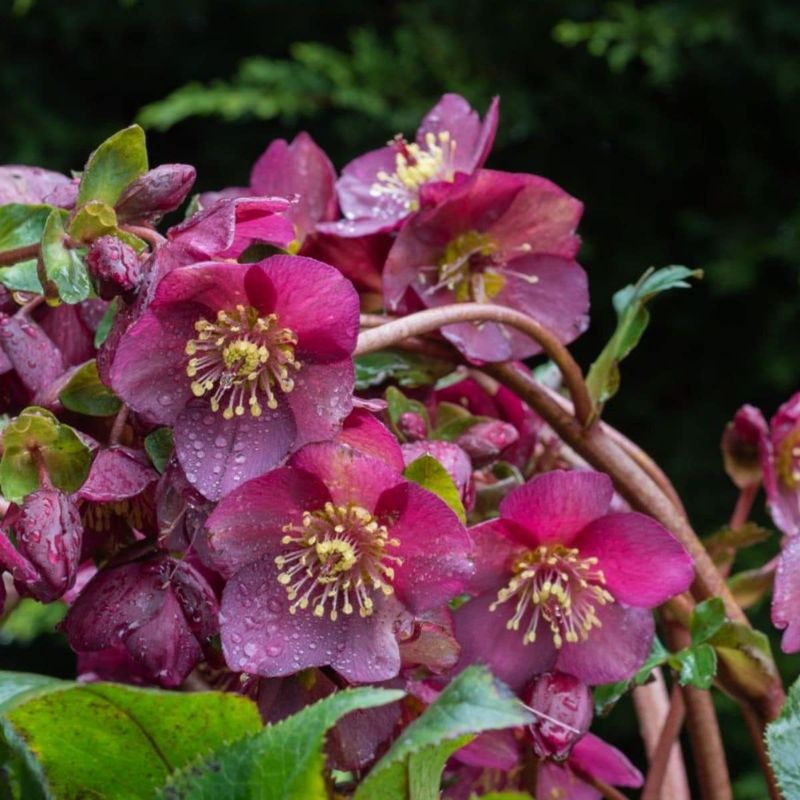
Tough, leathery hellebore leaves combined with natural toxic compounds make these plants completely unattractive to slugs and snails. Often called Christmas roses, they bloom when most other plants are dormant.
The thick, glossy foliage remains evergreen in most climates, providing year-round protection. Hellebores prefer shaded areas where slug problems are often worst.
Plant these elegant perennials under trees or in woodland gardens where their natural toxins effectively deter soft-bodied pests seeking shelter.
Allium
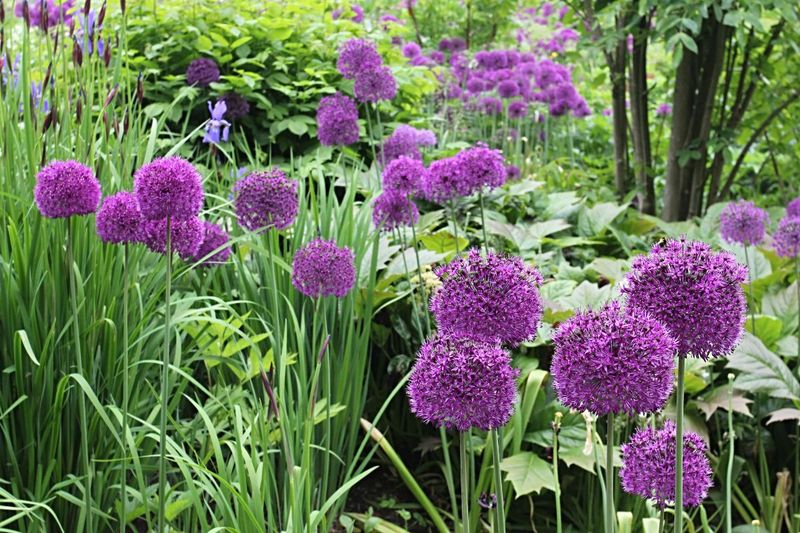
Ornamental alliums pack the same punch as their garlic and onion relatives, producing sulfur compounds that slugs and snails absolutely hate. The strong odor creates an effective barrier around vulnerable plants.
Globe-shaped flower heads on tall stems add architectural interest while providing practical protection. Alliums bloom in late spring when slug activity typically peaks.
Plant bulbs in fall for spring protection, or use chives and garlic chives as edible alternatives that offer similar deterrent properties.
Geranium
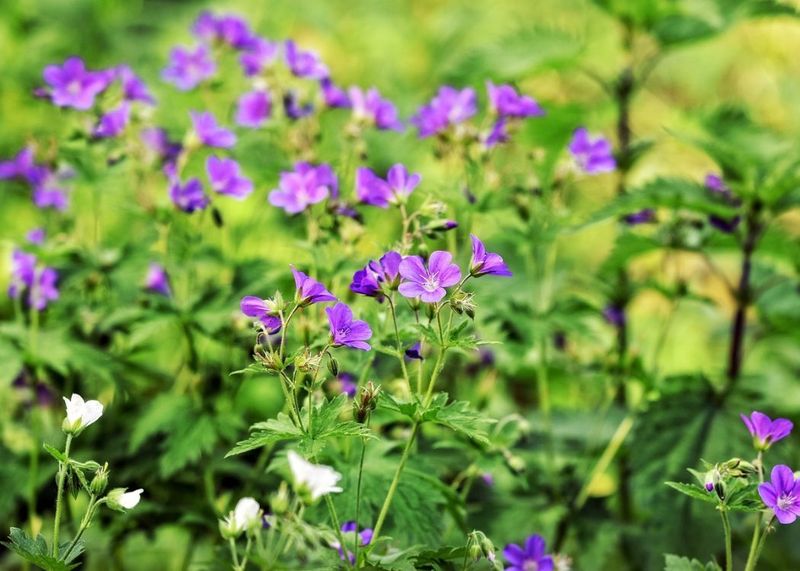
Hardy geraniums, also called cranesbill, feature slightly hairy leaves and stems that create an unpleasant texture for slugs and snails. The natural oils in the foliage add another layer of deterrent protection.
Unlike tender bedding geraniums, these perennials return year after year with minimal care. They produce delicate flowers in various colors throughout the growing season.
Plant cranesbill geraniums as ground cover or border plants where their spreading habit can effectively protect larger areas from mollusk invasion.
Catnip
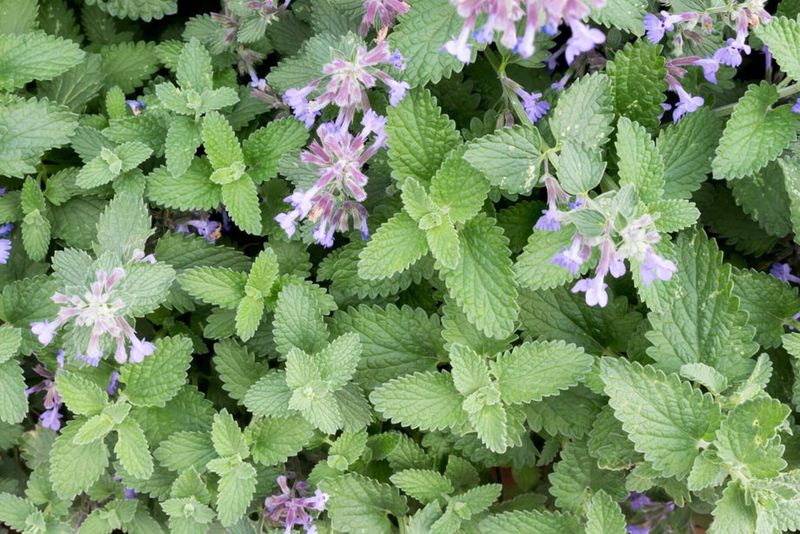
While cats go crazy for catnip, slugs and snails run in the opposite direction from its powerful minty fragrance. The intense oils that attract felines are absolutely repulsive to soft-bodied garden pests.
Catnip grows vigorously and spreads quickly, creating large protective zones around vulnerable plants. The gray-green leaves release fragrance when brushed or crushed.
Plant catnip strategically around garden beds, but be prepared for increased feline visitors who might actually help control other garden pests naturally.
Bergenia
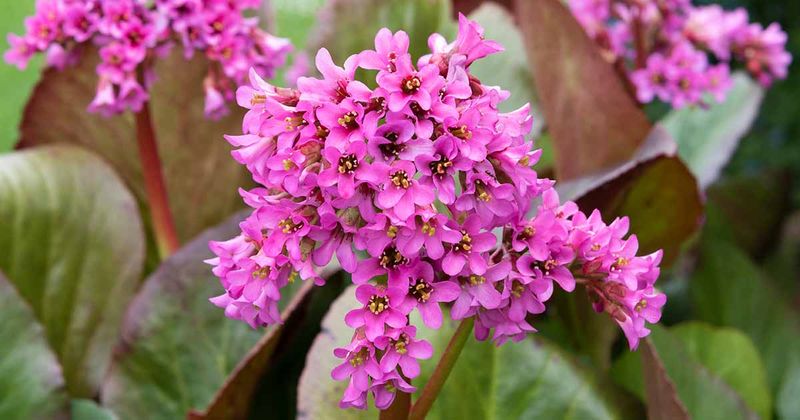
Large, paddle-shaped bergenia leaves are too thick and leathery for slugs and snails to easily damage or traverse. Often called elephant’s ears, these bold perennials create effective physical barriers.
The glossy, evergreen foliage provides year-round protection while adding dramatic texture to shade gardens. Pink or white flower spikes appear in early spring.
Plant bergenia in problem areas where slugs typically shelter, as the thick leaves and sturdy stems make movement difficult for these soft creatures.
Sedum
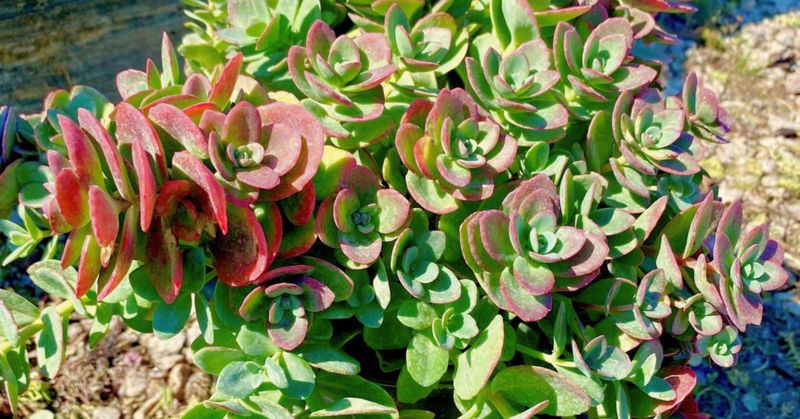
Thick, succulent sedum leaves store water in ways that make them unappetizing to slugs and snails seeking tender, juicy foliage. The waxy coating on leaves creates an additional barrier.
These drought-tolerant plants thrive in poor soil conditions where other plants struggle. Sedums come in various sizes from ground-hugging mats to tall border plants.
Plant sedums in sunny, dry areas where their natural resistance to both drought and pests provides low-maintenance protection for surrounding plants.
Helenium
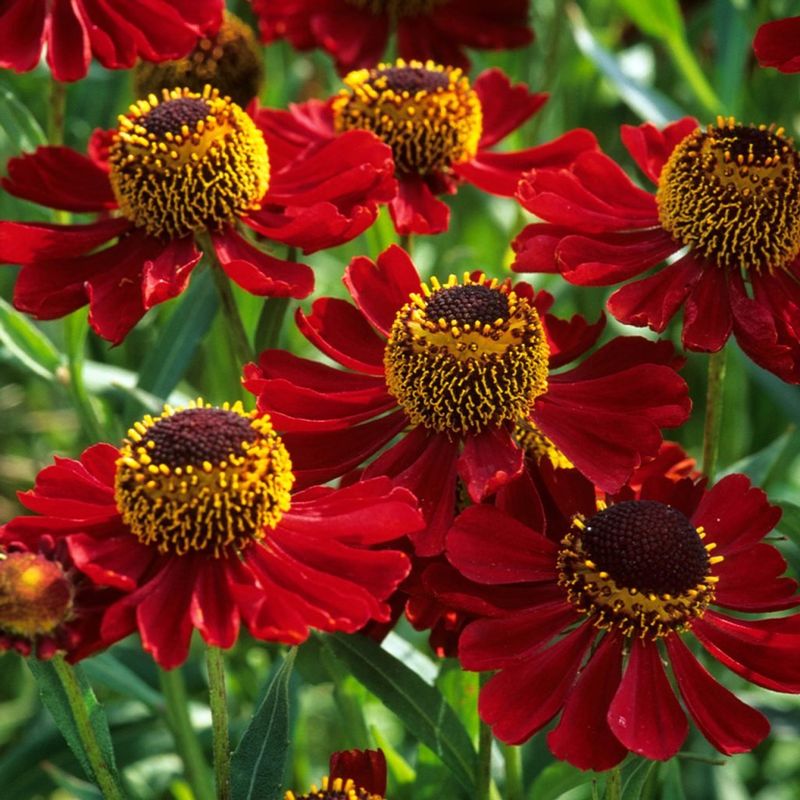
Tough, fibrous helenium stems and leaves are simply too difficult for slugs and snails to chew through effectively. These cheerful perennials produce daisy-like flowers in warm autumn colors.
Also called sneezeweed, helenium thrives in moist soil but maintains its sturdy structure that pests find uninviting. The plants form substantial clumps over time.
Use helenium in back borders where their height and natural pest resistance protect shorter, more vulnerable plants growing in front of them.
Echinacea
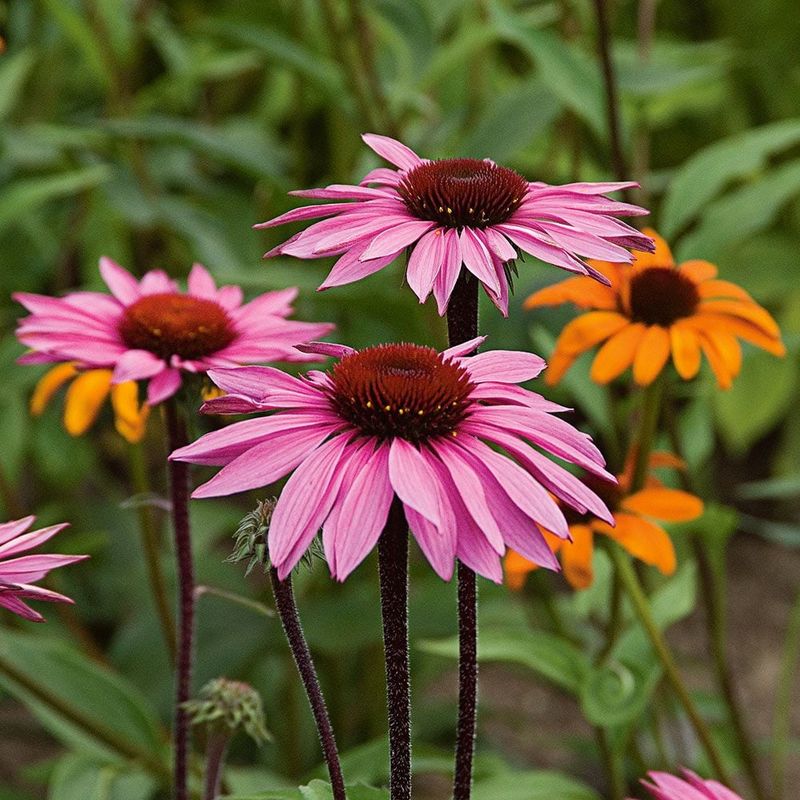
Purple coneflowers feature rough, sandpaper-like leaves that slugs and snails find extremely uncomfortable to crawl across. The coarse texture combined with sturdy stems creates an effective natural barrier.
Echinacea attracts beneficial birds and butterflies while repelling harmful pests through its physical characteristics. The plants are extremely drought tolerant once established.
Plant coneflowers in sunny locations where their natural toughness provides protection while adding beautiful purple blooms that last throughout summer and fall seasons.
Iris
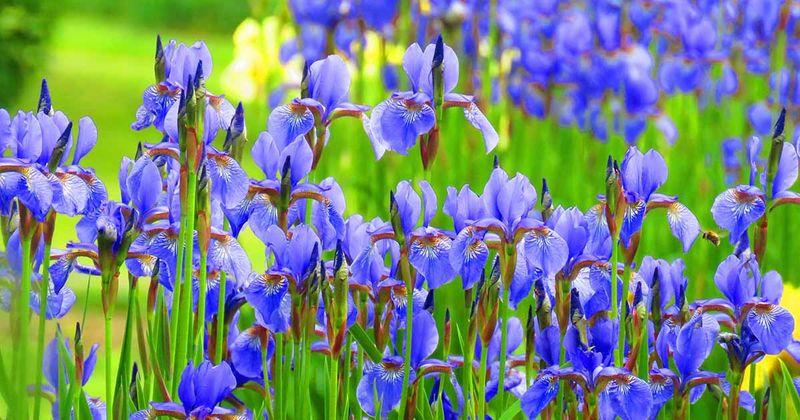
Sword-like iris leaves are too tough and vertical for slugs and snails to navigate comfortably. The upright growth habit and thick, waxy leaf coating make these plants naturally resistant to soft-bodied pests.
Iris rhizomes spread underground, creating expanding colonies that provide increasing protection over time. Various species bloom from early spring through summer.
Plant iris in wet or dry conditions depending on variety, where their architectural foliage and natural pest resistance create beautiful, functional garden elements.
Fennel
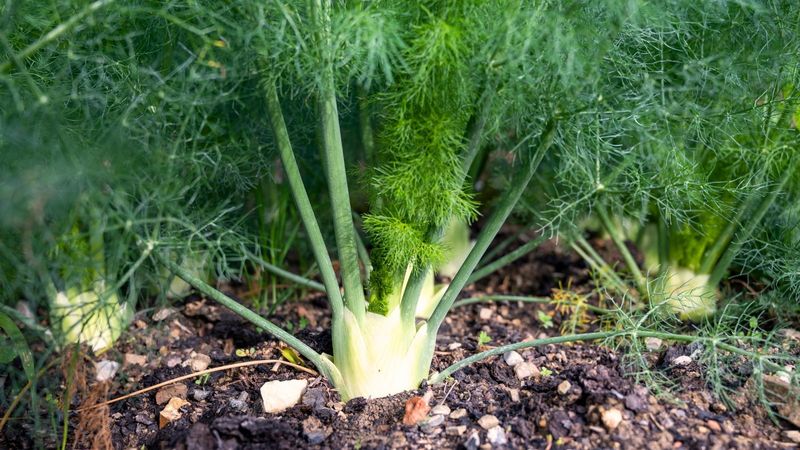
Feathery fennel foliage releases strong anise-scented oils that slugs and snails find overwhelming and unpleasant. The delicate, thread-like leaves create an unwelcoming texture for crawling pests.
Both bronze and green fennel varieties provide excellent protection while adding dramatic height and texture to garden designs. The plants self-seed readily in favorable conditions.
Use fennel as a backdrop plant where its natural pest-repelling properties can protect shorter vegetables and flowers growing in front of it.
Astilbe
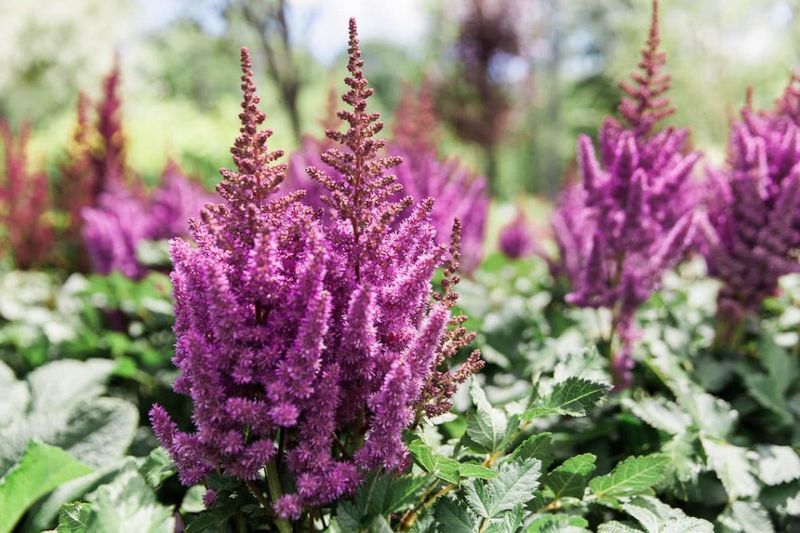
Deeply divided astilbe leaves have a slightly rough texture that slugs and snails prefer to avoid when seeking tender foliage. The feathery plumes of flowers add vertical interest to shaded areas.
These shade-loving perennials thrive in moist conditions where slug problems are often worst, making them perfect natural protectors. Multiple colors bloom from late spring through summer.
Plant astilbe in woodland gardens or alongside hostas where their natural resistance helps protect more vulnerable shade plants from mollusk damage.