
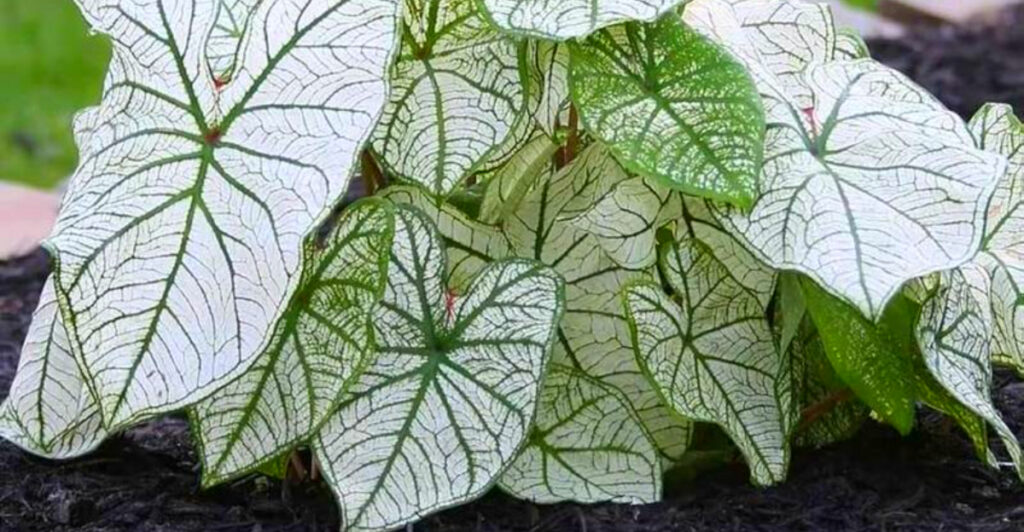
Gardens transform into magical wonderlands when darkness falls and moonbeams dance across carefully chosen plants. White flowers and silvery foliage catch every ray of natural light, creating an ethereal glow that makes evening strolls feel like fairy tale adventures. Creating your own moon garden brings nature’s nighttime beauty right to your backyard, where glowing blooms and shimmering leaves paint pictures only darkness can reveal.
1. Moonflower
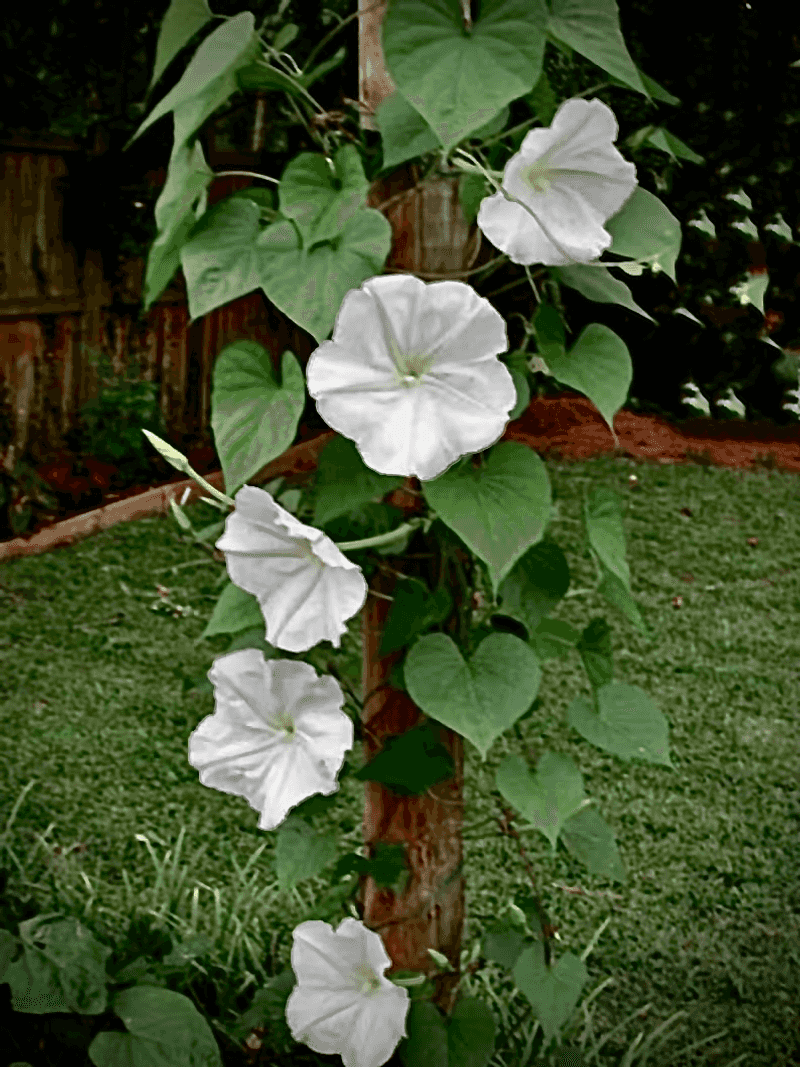
Picture enormous white trumpets unfurling as sunset fades, releasing sweet perfume that drifts through warm evening air. Moonflowers open their spectacular blooms only after dark, creating nature’s own nighttime light show.
Each flower spans nearly six inches across, glowing like paper lanterns against dark green vines. Morning sun closes them again, making each evening viewing feel special and magical.
2. Evening Primrose
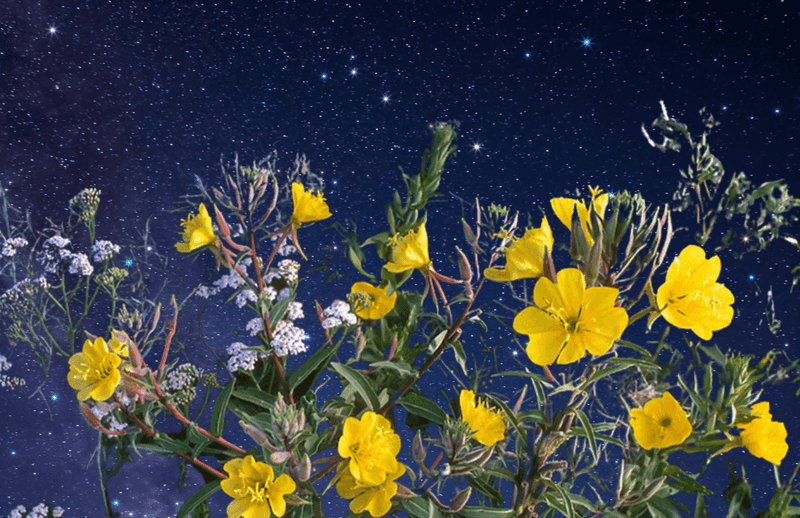
Delicate yellow petals pop open with audible sounds at twilight, earning this wildflower its nickname “evening star.” Native Americans treasured evening primrose for both beauty and healing properties.
Four heart-shaped petals form perfect crosses that seem to float above tall stems. Moths and night-flying insects flock to their sweet nectar, creating a bustling nighttime ecosystem in your garden beds.
3. Night-Blooming Jasmine
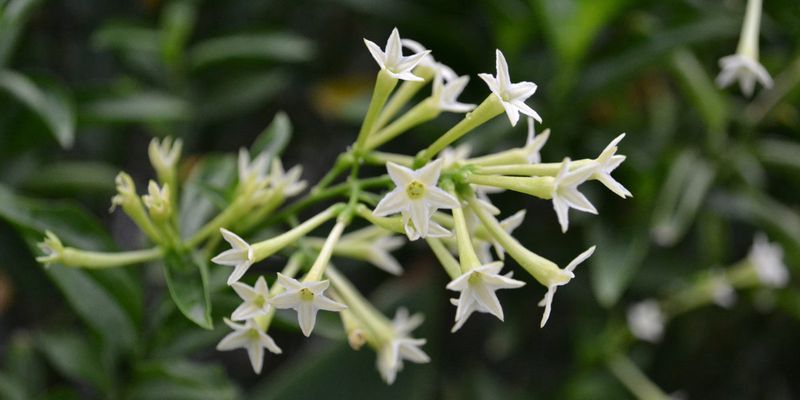
Small white flowers pack powerful fragrant punches that can perfume entire neighborhoods on still summer nights. Night-blooming jasmine releases its strongest scent after midnight, when cool air carries the sweetness furthest.
Tiny tubular blooms cluster along dark green branches, creating constellation patterns of white stars. Plant near bedroom windows for natural aromatherapy that promotes peaceful sleep and pleasant dreams.
4. Lamb’s Ear
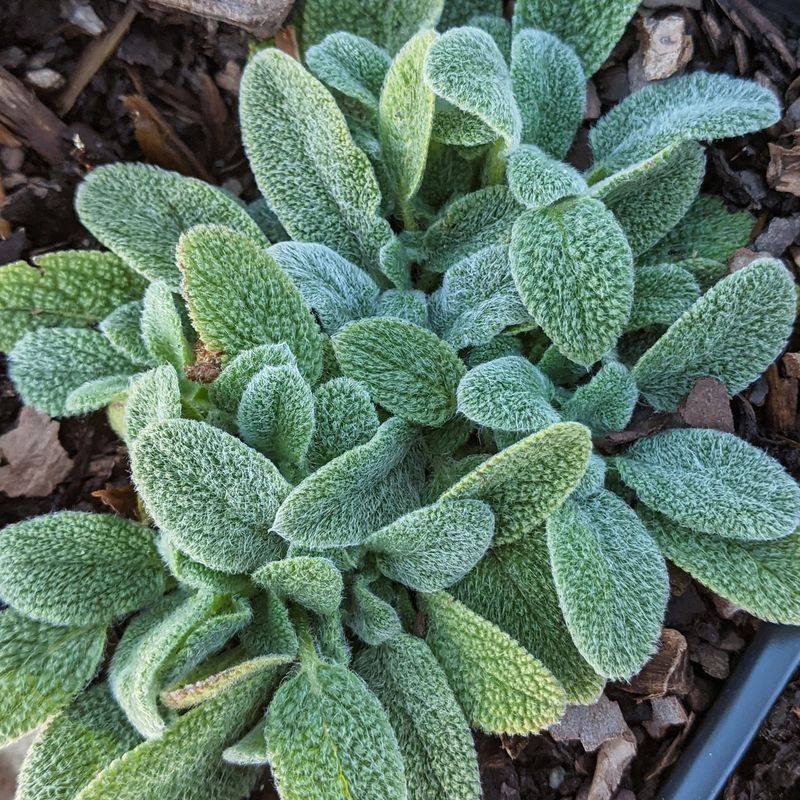
Velvety silver leaves feel exactly like soft lamb ears, making this perennial irresistible to children and adults alike. Moonlight transforms ordinary foliage into shimmering carpets of liquid silver.
Thick, woolly hairs covering each leaf create natural light reflectors that glow even on cloudy nights. Purple flower spikes emerge in summer, but most gardeners treasure lamb’s ear primarily for its spectacular silvery foliage display.
5. Dusty Miller
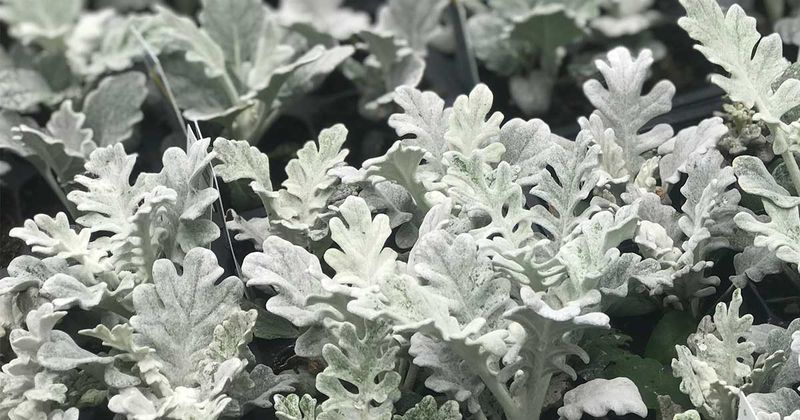
Intricate lace patterns carved from living silver make dusty miller look like precious jewelry scattered across garden beds. Each deeply cut leaf catches and holds moonbeams in its delicate curves.
Silvery-gray foliage stays beautiful all season long, providing consistent nighttime drama without depending on flowers. Victorian gardeners called it “silver dust” and used it to edge formal moon gardens and cemetery plantings.
6. White Bleeding Heart
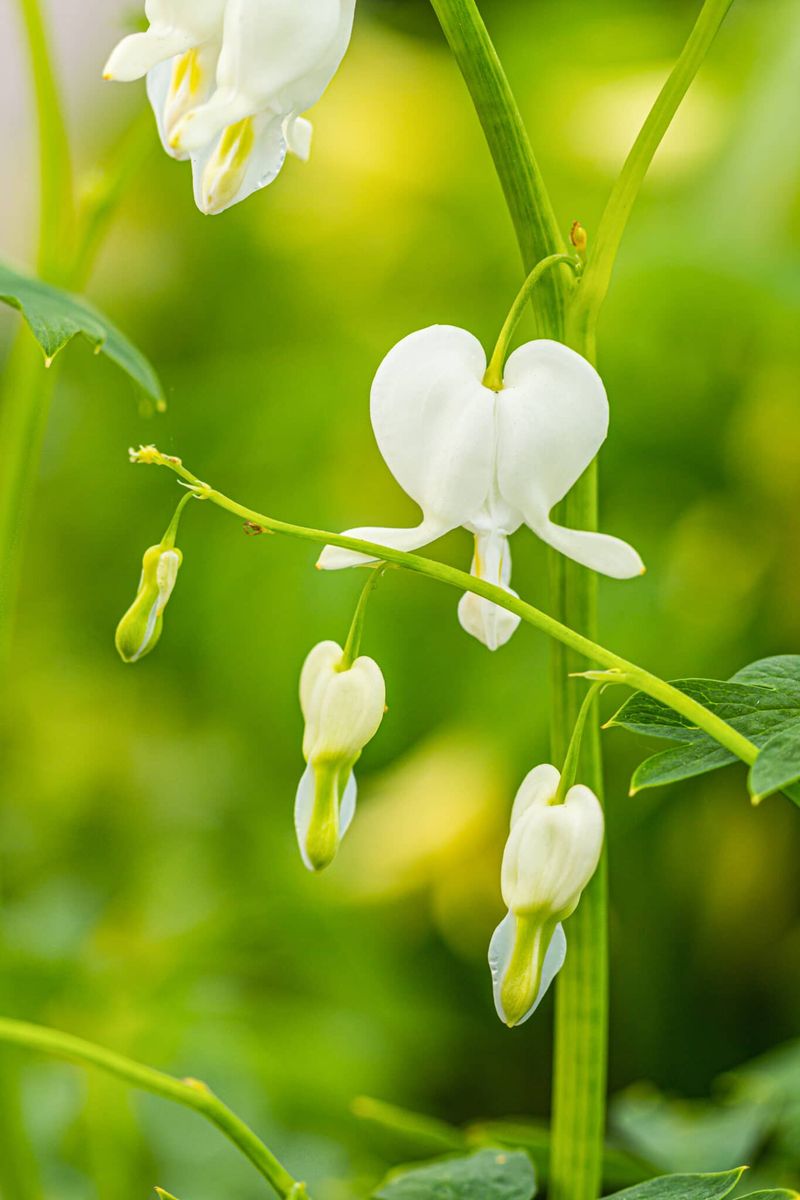
Heart-shaped flowers dangle like tiny white lanterns from gracefully arching stems, creating romantic fairy lighting in shaded corners. Each bloom features delicate spurs that add extra charm.
Cool spring evenings show off bleeding hearts at their glowing best, when temperatures keep flowers fresh longer. Shade-loving nature makes them perfect for moonlit woodland gardens where other white flowers struggle to thrive and bloom properly.
7. White Daffodil
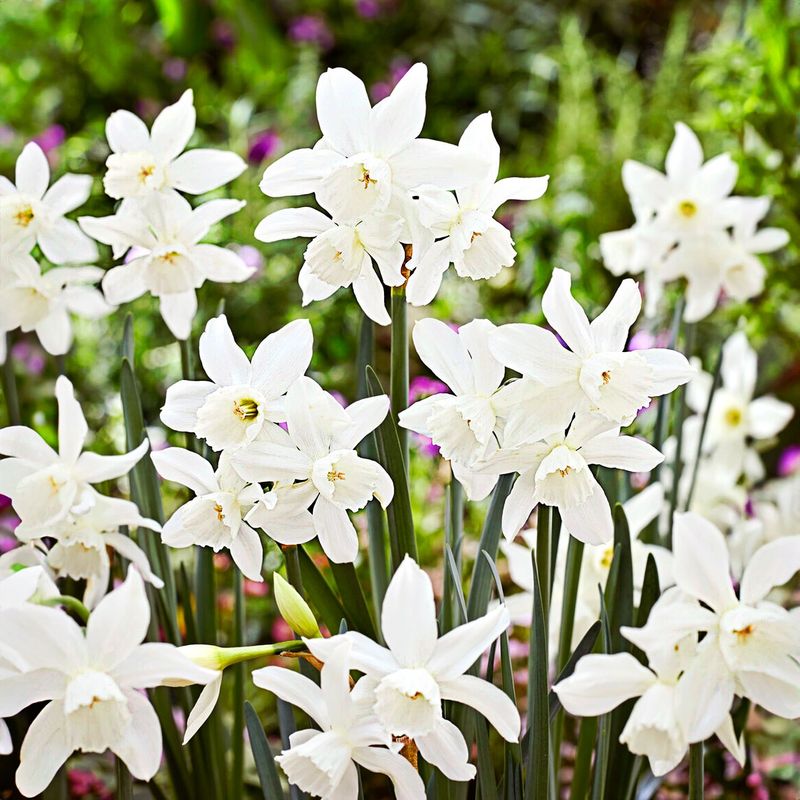
Pure white petals surrounding bright yellow centers create natural spotlights that pierce through early spring darkness. ‘Thalia’ daffodils multiply rapidly, forming glowing colonies that expand yearly.
Multiple flowers per stem double the nighttime impact, while sturdy stems resist spring winds that topple other early bloomers. Plant hundreds for drifts of white that look like fallen stars scattered across awakening garden beds.
8. Mock Orange
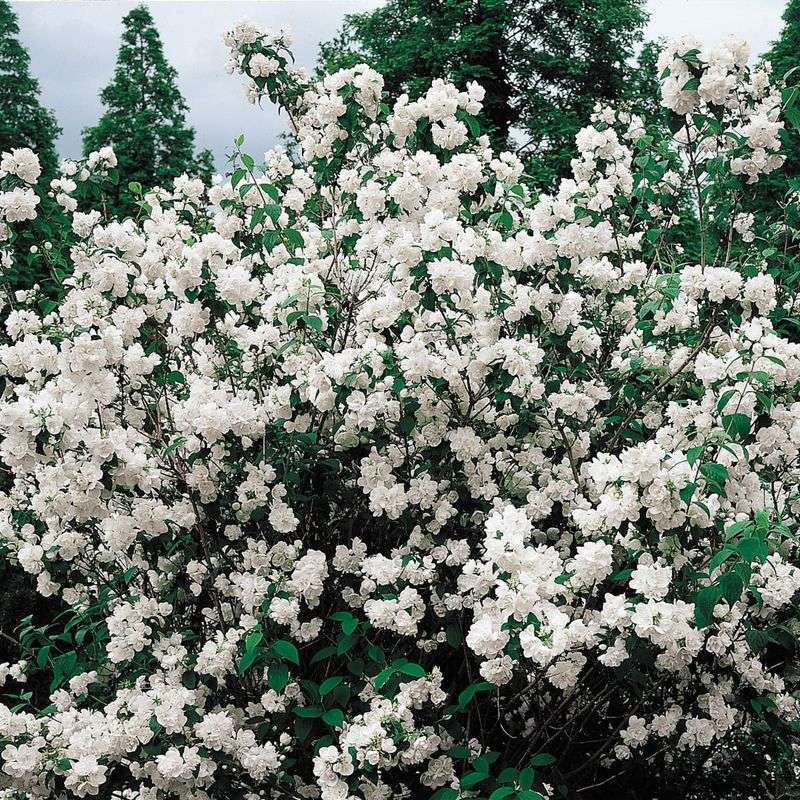
Citrus-scented white flowers burst from every branch in late spring, creating clouds of fragrant stars that perfume cool evening air. Mock orange earned its name from incredibly realistic orange blossom fragrance.
Dense clusters of four-petaled flowers glow against dark green leaves, while intoxicating scent attracts beneficial night-flying insects. Prune immediately after blooming to maintain compact shape and ensure maximum flower production for next year’s moonlit display.
9. White Astilbe
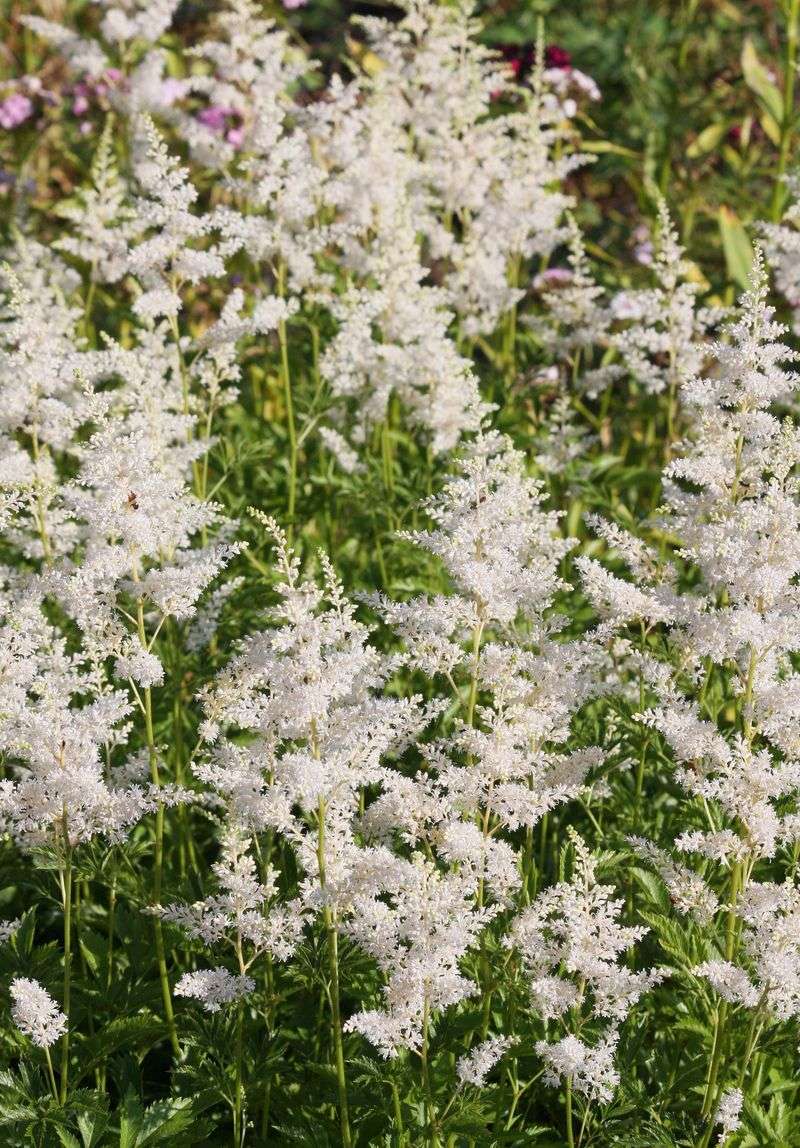
Feathery plumes of tiny white flowers create ethereal clouds that seem to float above ferny foliage in shaded moon gardens. ‘Visions in White’ produces especially dense, glowing flower heads.
Shade-loving habits make astilbe perfect for areas where sun-loving white flowers fail to bloom properly. Fluffy texture catches and holds moonlight differently than solid petals, creating soft, dreamy lighting effects that change with viewing angles.
10. Common Jasmine
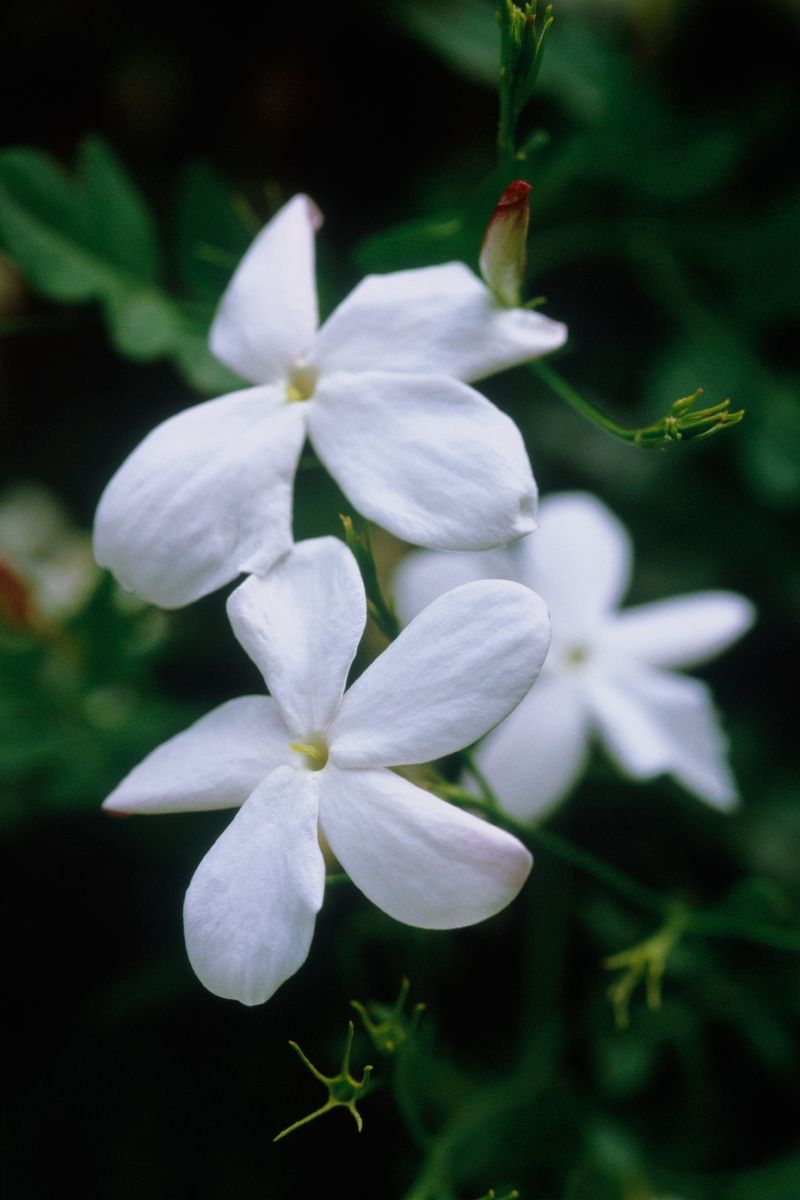
Starry white flowers open at sunset, releasing waves of intoxicating perfume that inspired countless poems and love songs. Climbing vines reach impressive heights when given proper support structures.
Five-petaled stars cluster along twining stems, creating natural garlands perfect for arbors and pergolas. Essential oils concentrated in evening hours make common jasmine valuable for perfume making and aromatherapy applications throughout history.
11. Silver Sage
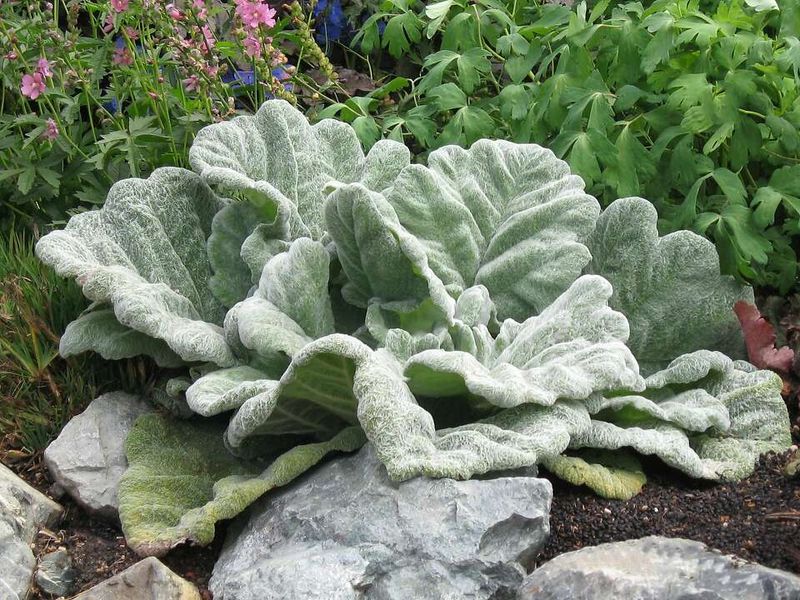
Enormous woolly leaves span nearly a foot across, creating dramatic silver shields that reflect moonlight like natural mirrors. Silver sage forms impressive rosettes that anchor moon garden designs.
Thick, felt-like texture protects plants from harsh weather while maximizing light reflection during dark hours. Tall flower spikes eventually emerge, but most gardeners remove them to keep energy focused on producing those spectacular silvery leaves that steal every moonlit show.
12. White Columbine
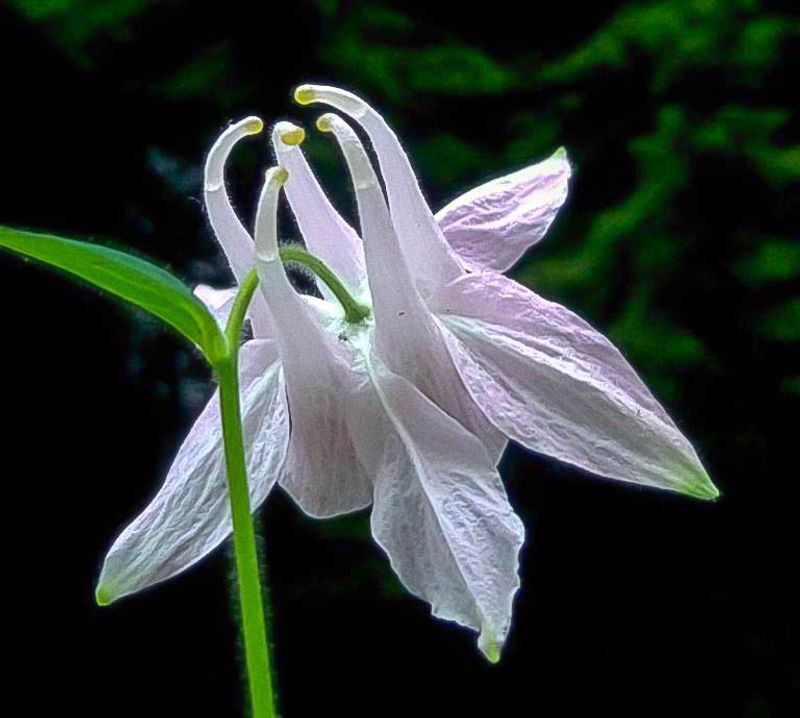
Intricate white flowers with backward-curving spurs dance on thin stems like tiny ballerinas performing midnight recitals. Each bloom features complex architecture that creates interesting shadow patterns.
Cool-weather preference means columbine flowers last longer during chilly spring and fall evenings when moon viewing feels most comfortable. Self-seeding nature gradually fills garden spaces with increasing numbers of these delicate white dancers swaying in evening breezes.
13. Silver Fern
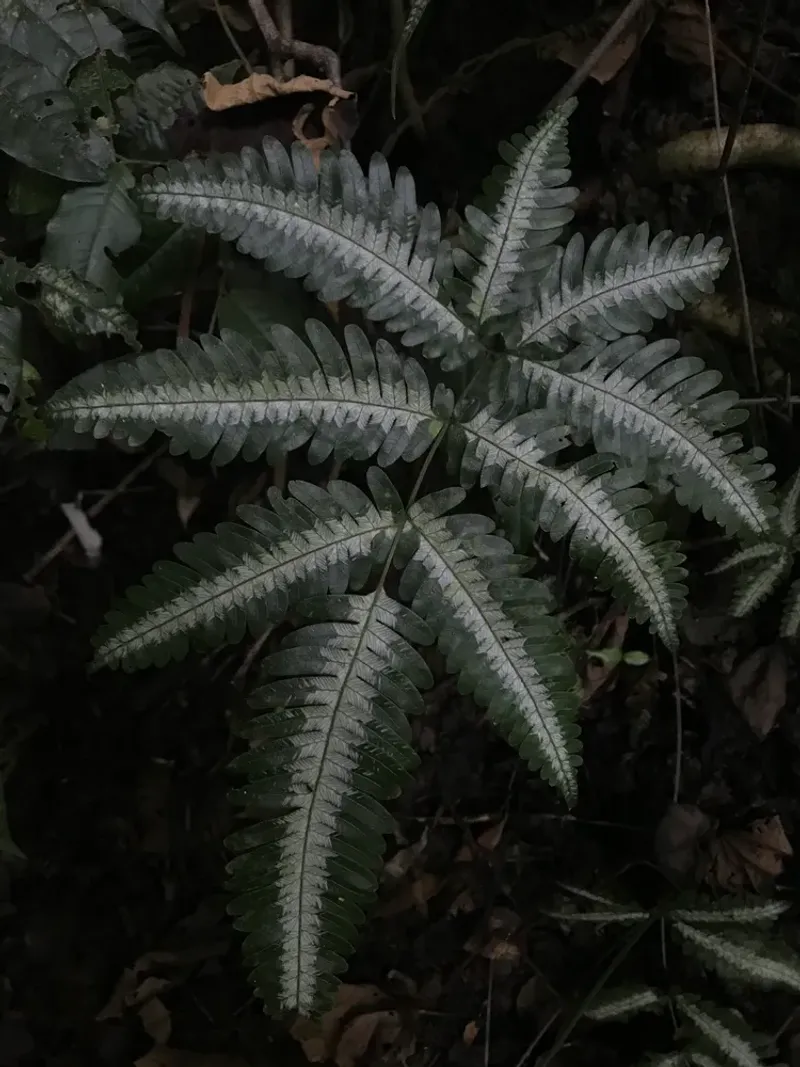
Graceful fronds shimmer with metallic silver markings that create natural light shows in shaded moon gardens. Each leaflet features distinctive silver striping that catches minimal light.
Shade-loving nature makes silver fern perfect for dark corners where other glowing plants struggle to survive and thrive. Evergreen habits provide year-round moonlight magic, while delicate texture adds softness to gardens dominated by bold white flowers and thick silver leaves.
14. White Anemone
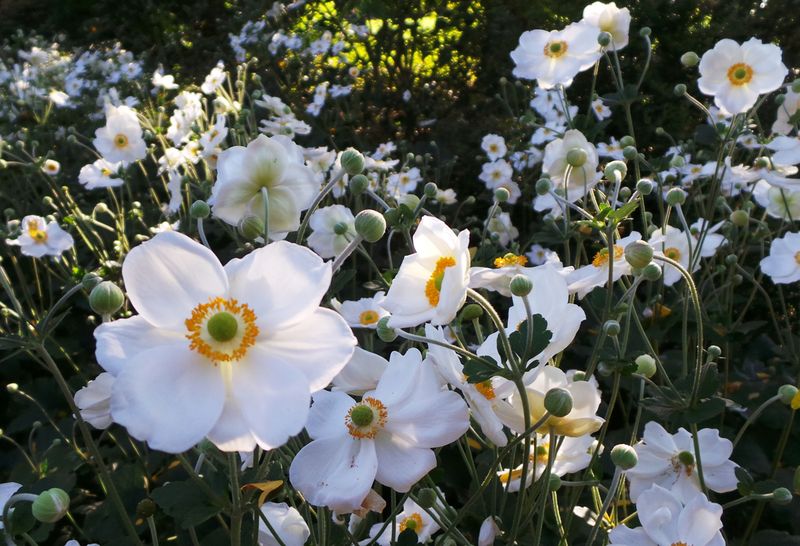
Pure white petals surround golden centers on stems that sway gracefully in autumn breezes, extending moon garden season into fall months. ‘Honorine Jobert’ blooms reliably for weeks.
Late-season flowering fills gaps when spring and summer moon plants finish blooming, ensuring continuous nighttime beauty. Spreading roots gradually colonize garden areas, creating expanding drifts of white that grow more spectacular with each passing year and season.
15. White Peony
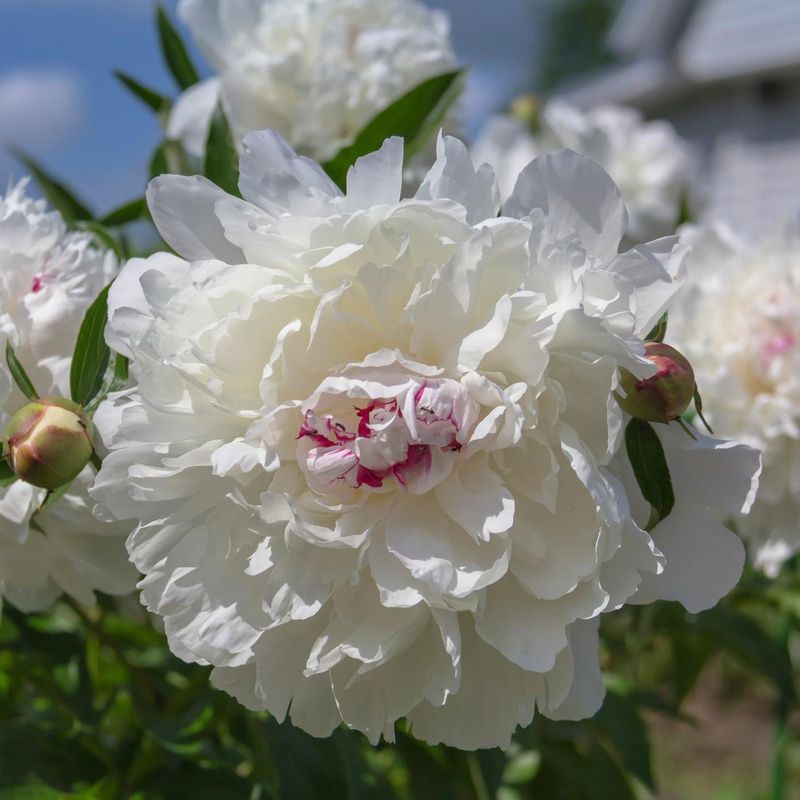
Enormous ruffled blooms span eight inches across, creating spectacular focal points that dominate moon gardens during late spring flowering season. ‘Festiva Maxima’ produces reliably huge flowers.
Rich fragrance intensifies during cool evening hours, while massive size ensures visibility from considerable distances. Long-lived perennial nature means decades of dependable moonlit beauty, with plants improving and producing more flowers as root systems mature and strengthen over time.
16. Bridal Wreath Spirea
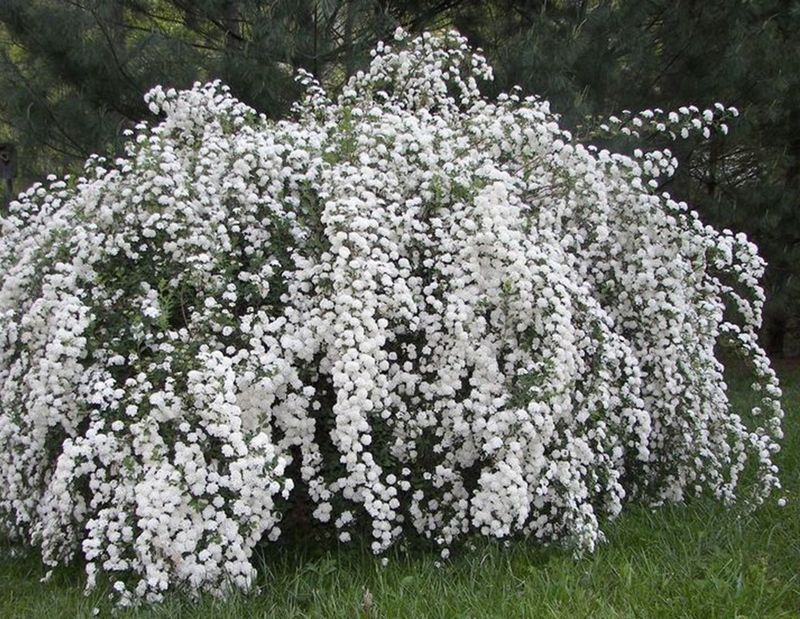
Cascading branches drip with thousands of tiny white flowers that create living waterfalls of light during peak spring bloom. Arching growth habit adds graceful movement to static garden designs.
Dense flower clusters pack maximum moonlight-catching power into compact shrub forms perfect for smaller spaces. Old-fashioned charm makes bridal wreath spirea popular for cottage gardens and romantic landscapes where nostalgic beauty enhances evening garden strolls and quiet contemplation.
17. White Gaura
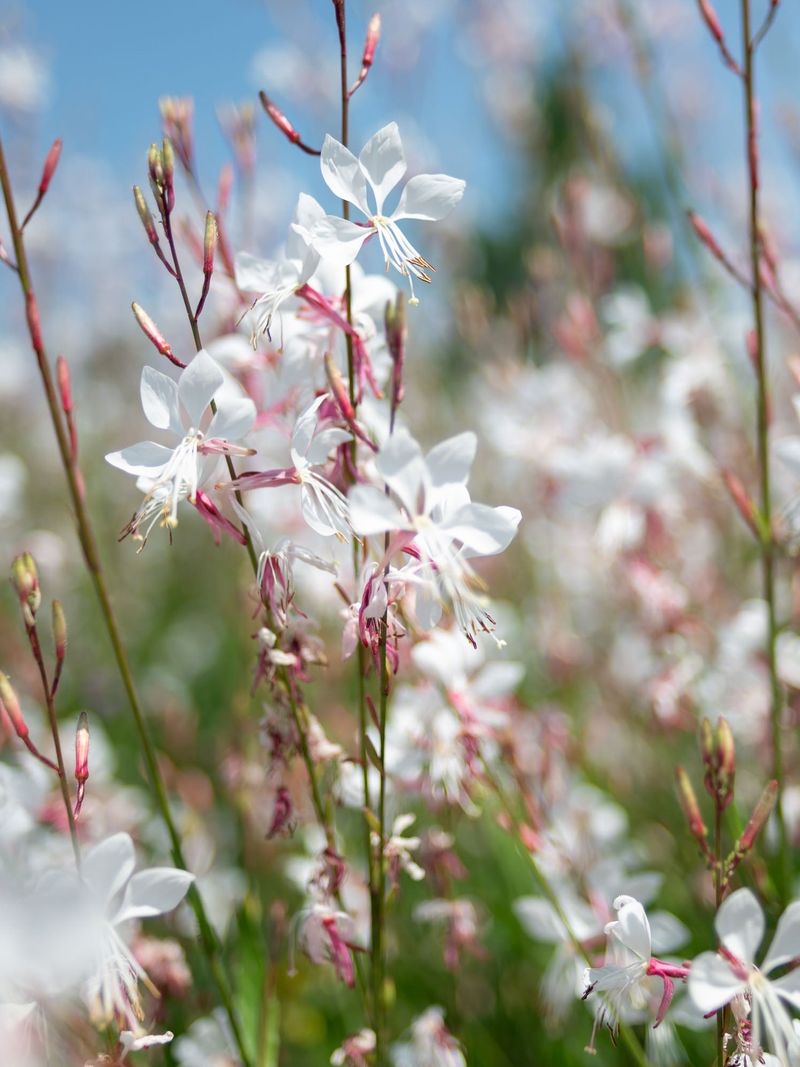
Delicate flowers flutter on impossibly thin stems like tiny white butterflies frozen mid-flight, creating constant motion that mesmerizes moon garden visitors. ‘Whirling Butterflies’ captures this magical movement perfectly.
Drought-tolerant nature makes gaura perfect for low-maintenance moon gardens in challenging climates. Long blooming season extends from late spring through first frost, providing months of dancing white flowers that never stop moving and catching moonbeams.
18. White Foxglove
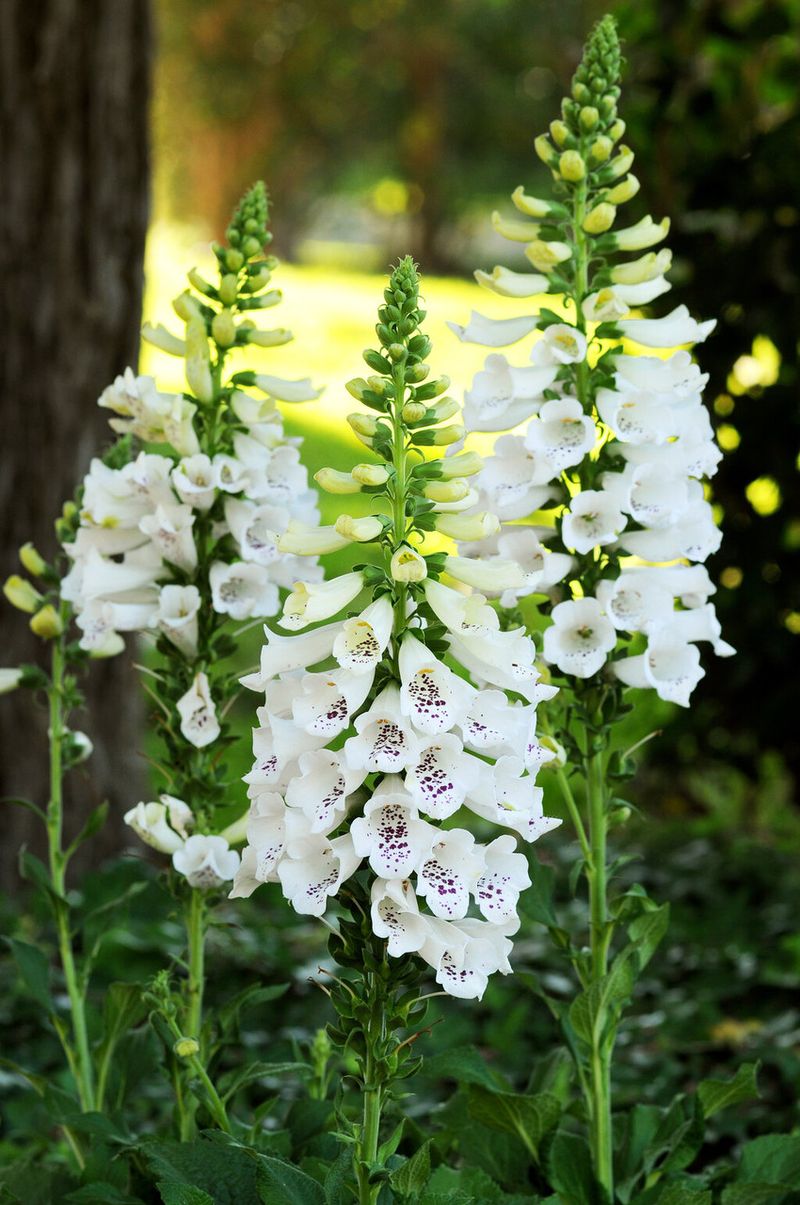
Towering spikes reach six feet tall, creating dramatic vertical elements that draw eyes upward toward star-filled skies. Tubular white flowers line each stem like glowing bells.
Shade tolerance makes foxglove valuable for woodland moon gardens where other tall white flowers fail to bloom properly. Biennial nature means planning ahead, but self-seeding habits ensure continuous generations of these spectacular moonlit towers appearing throughout shaded garden areas year after year.
19. Shasta Daisy
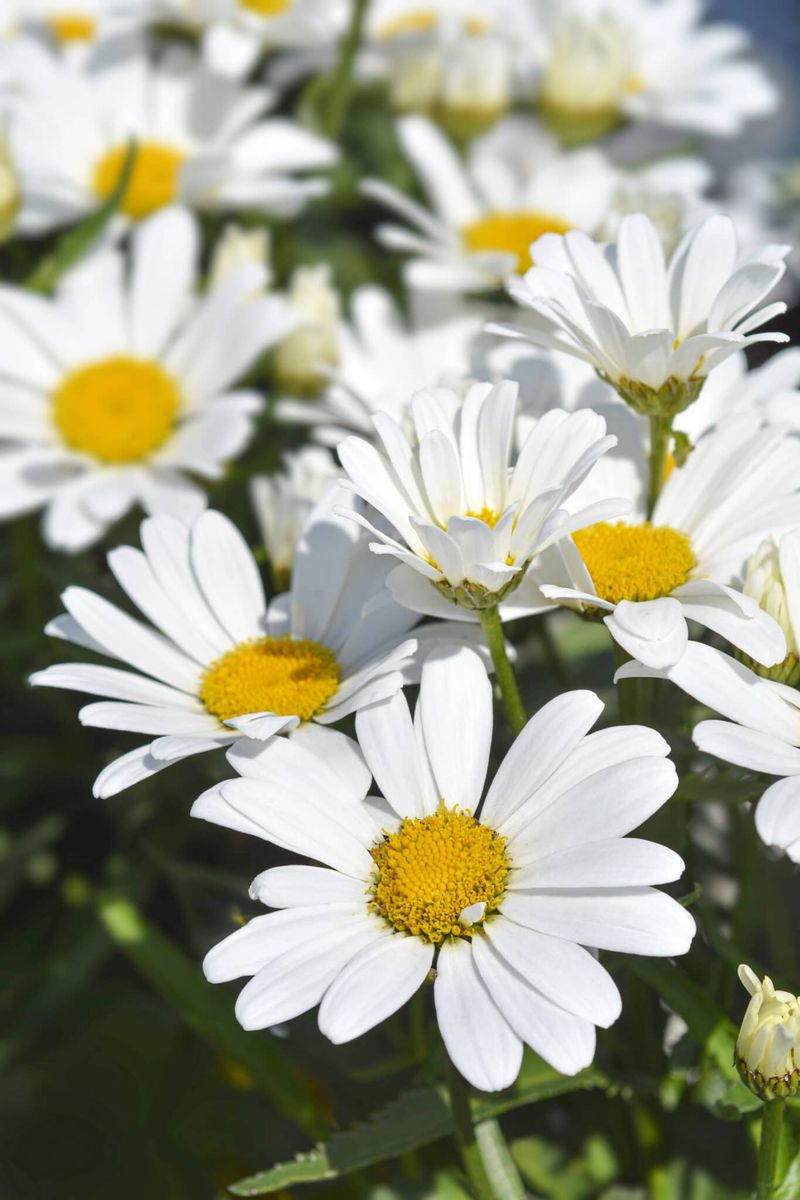
Classic white petals radiating from bright yellow centers create cheerful faces that smile up at nighttime skies throughout summer months. Multiple flowers per plant ensure constant blooming.
Easy-care nature makes Shasta daisies perfect for beginning moon gardeners who want reliable results without complicated maintenance requirements. Deadheading spent flowers encourages continuous blooming, while sturdy stems resist wind damage that topples more delicate white flowering plants during summer storms.
20. White Nicotiana
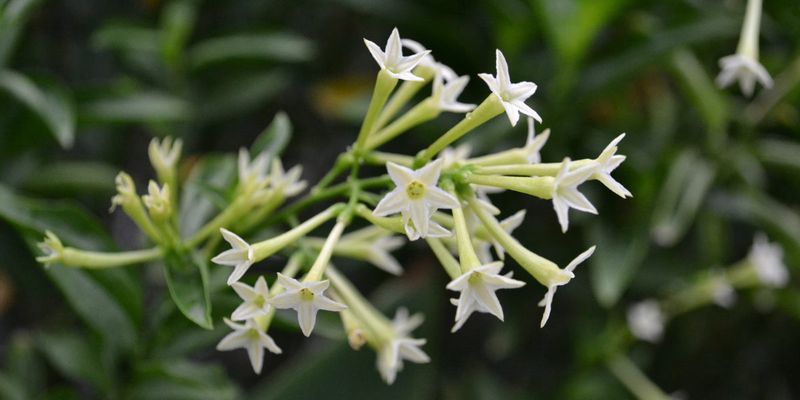
Trumpet-shaped flowers release intoxicating evening fragrance that attracts night-flying moths and creates natural wildlife viewing opportunities. Nicotiana opens flowers wider as darkness deepens.
Tall stems carry flowers well above foliage, maximizing moonlight exposure and fragrance dispersal throughout garden spaces. Annual nature allows experimenting with different varieties each season, while self-seeding habits often provide surprise volunteers in unexpected garden locations the following spring.
21. White Caladium
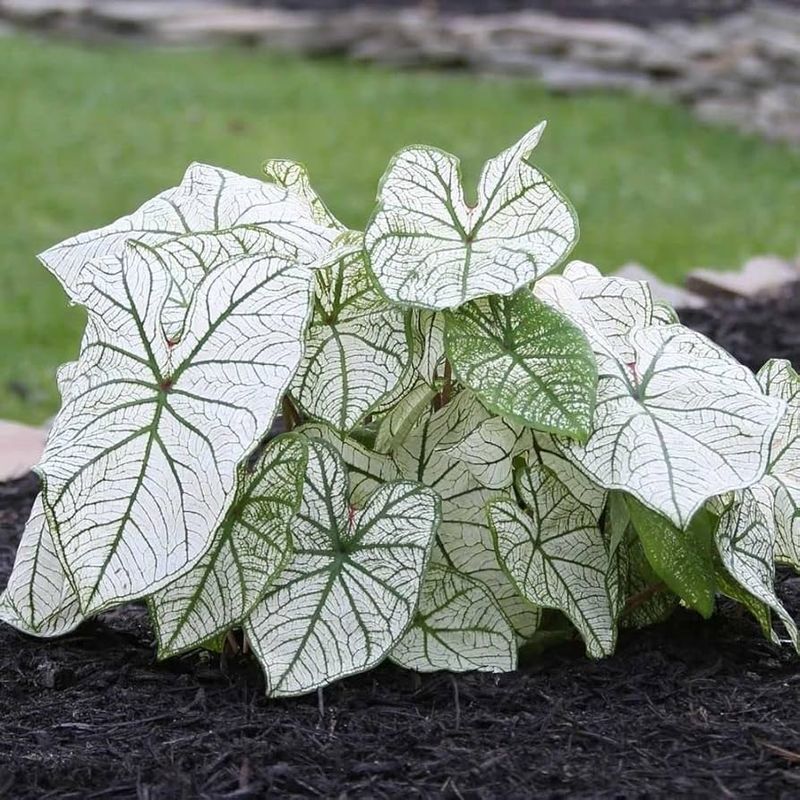
Heart-shaped leaves painted with white and green patterns create living artwork that glows softly in filtered moonlight. Tropical origins make caladium perfect for warm-climate moon gardens.
Shade preference allows using caladium in areas where flowering plants struggle, while bold foliage patterns add visual interest beyond simple white flowers. Bulbous nature means easy storage in cold climates, allowing gardeners everywhere to enjoy these spectacular moonlit leaves during growing seasons.