
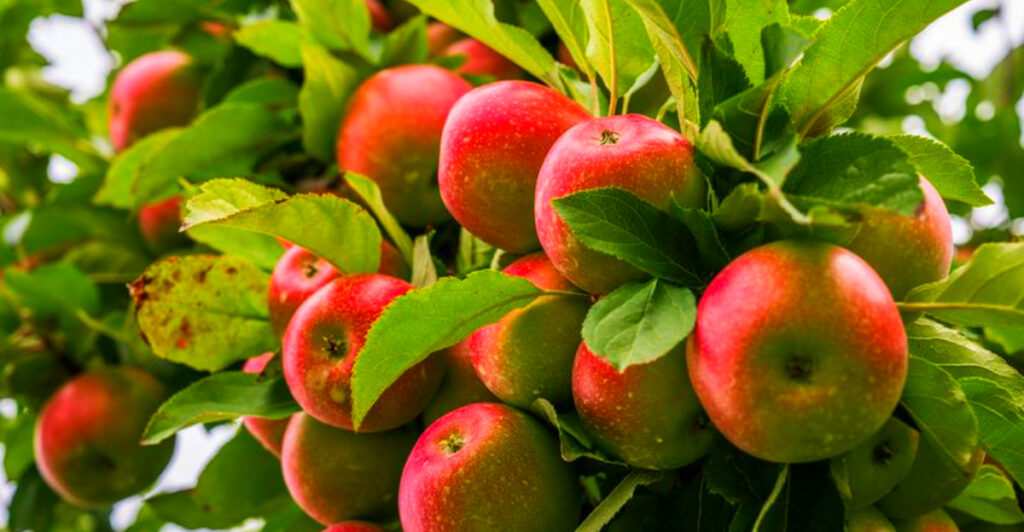
Washington State is renowned for its apple orchards, producing some of the finest apples globally. The unique climate and soil conditions in Washington offer an ideal setting for apple cultivation. However, successful apple growing requires more than just nature’s bounty; it demands careful planning and knowledge. This guide provides essential tips for apple growers in Washington State, ensuring a fruitful harvest season after season.
1. Optimal Soil Preparation
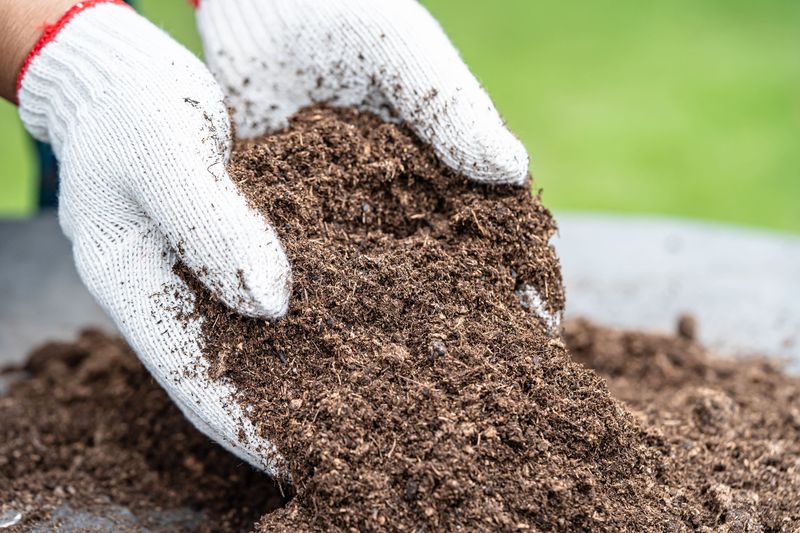
The journey of cultivating apples begins with understanding the unique soil composition of Washington State. Rich, well-drained soil provides a nurturing environment for apple trees to thrive. Test the soil’s pH level and nutrient content before planting.
Amending the soil with organic matter and ensuring proper drainage can significantly impact the health and yield of apple trees. Regular soil testing helps in maintaining the optimal conditions.
2. Choosing the Right Apple Varieties
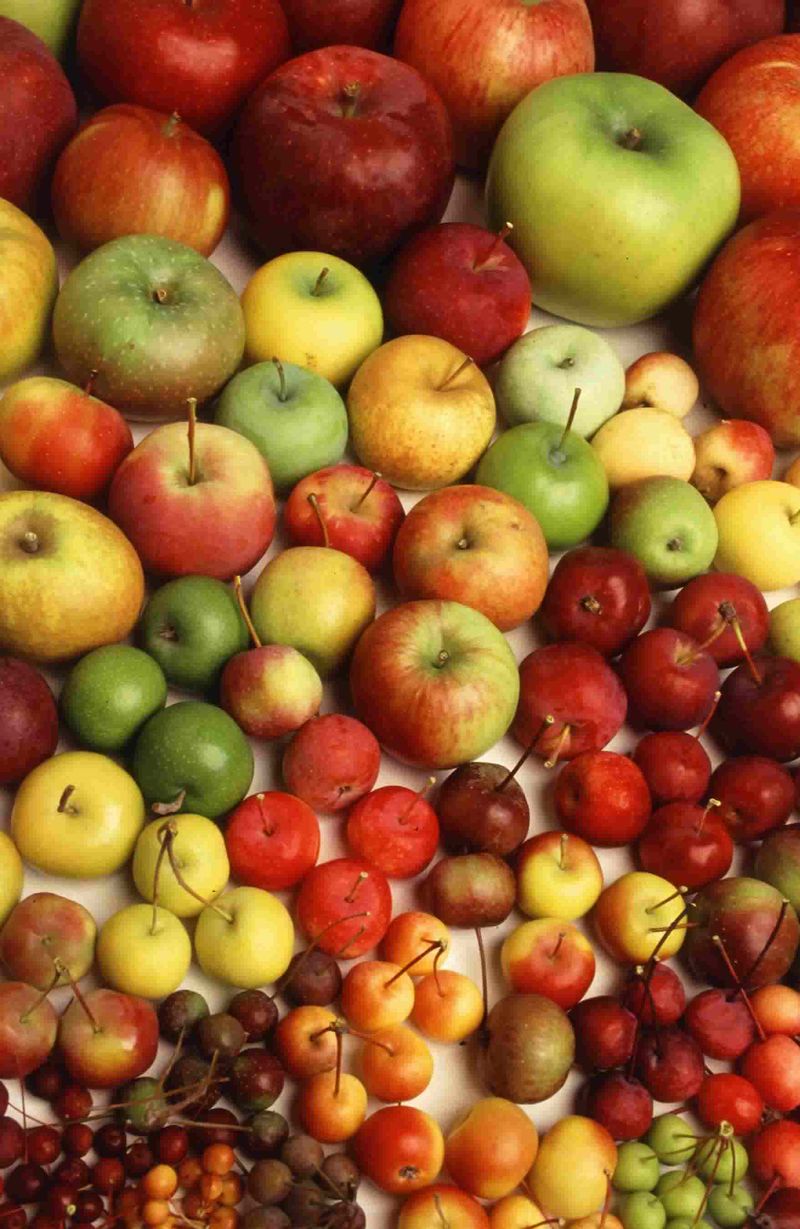
Selecting the right apple variety is crucial for success. Washington’s climate supports a variety of apples, such as Honeycrisp, Gala, and Fuji. Each variety has its unique flavor and growing requirements.
Consider disease resistance, market demand, and harvest timing when choosing your apple varieties. Consulting with local experts can provide valuable insights into selecting the best fit for your orchard.
3. Effective Pruning Techniques
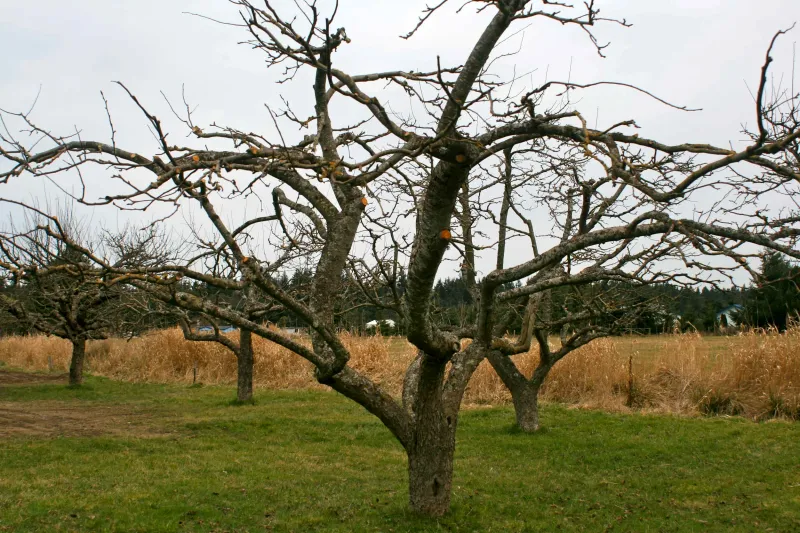
Pruning is a vital aspect of maintaining a healthy apple orchard. It encourages better air circulation, sunlight penetration, and fruit quality. Prune during the dormant season to shape the tree and remove any dead or diseased wood.
Using the right tools and techniques can make pruning a rewarding task. Workshops and tutorials specific to the region can enhance your skills in this essential practice.
4. Irrigation Management
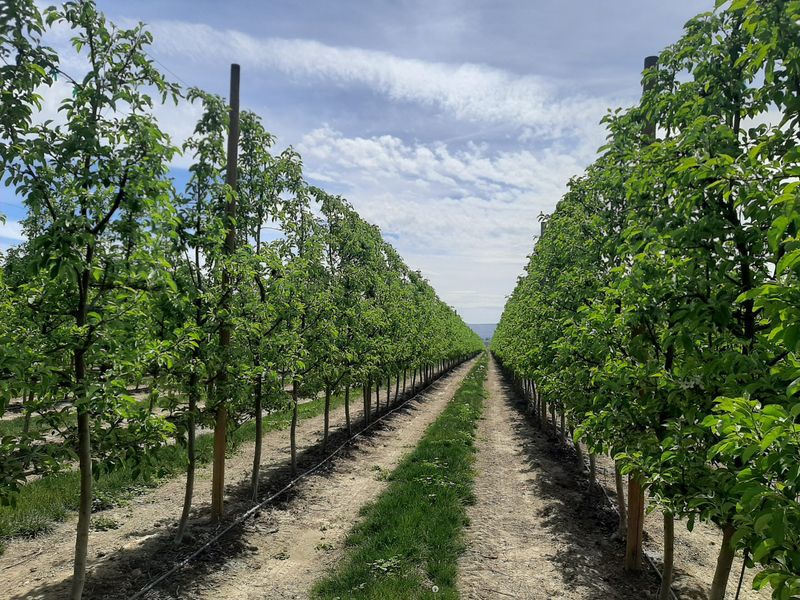
Water management is critical to the success of apple orchards in Washington. Implementing a drip irrigation system ensures efficient water use, reducing waste and promoting healthy tree growth.
Monitor soil moisture levels and adjust irrigation schedules according to weather conditions. Efficient irrigation practices contribute to a sustainable orchard management strategy.
5. Pest and Disease Control
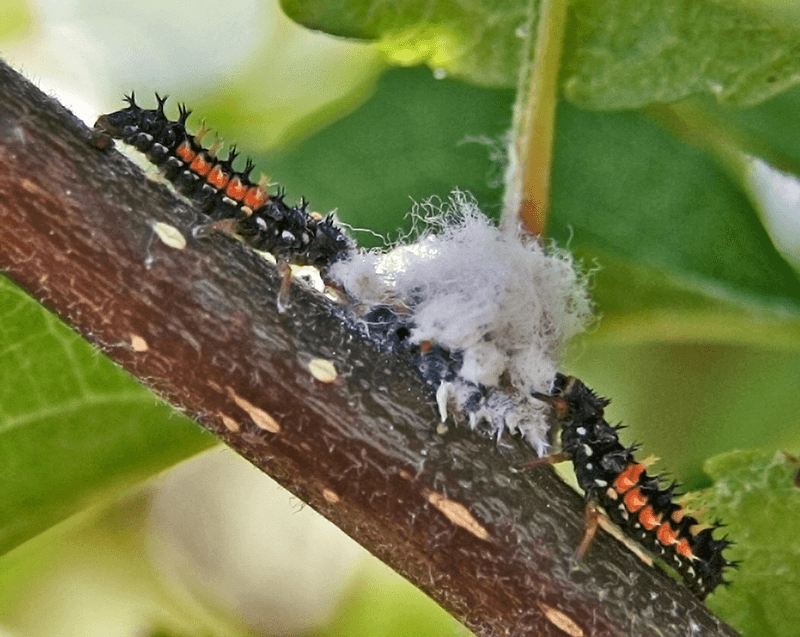
Pests and diseases can pose a significant threat to apple orchards. Integrated Pest Management (IPM) offers a sustainable approach to managing these challenges. Regular monitoring and early detection are key.
Utilize natural predators and organic treatments to control pest populations. Collaborating with local agricultural agencies can provide additional support and resources.
6. Harvest Timing and Techniques
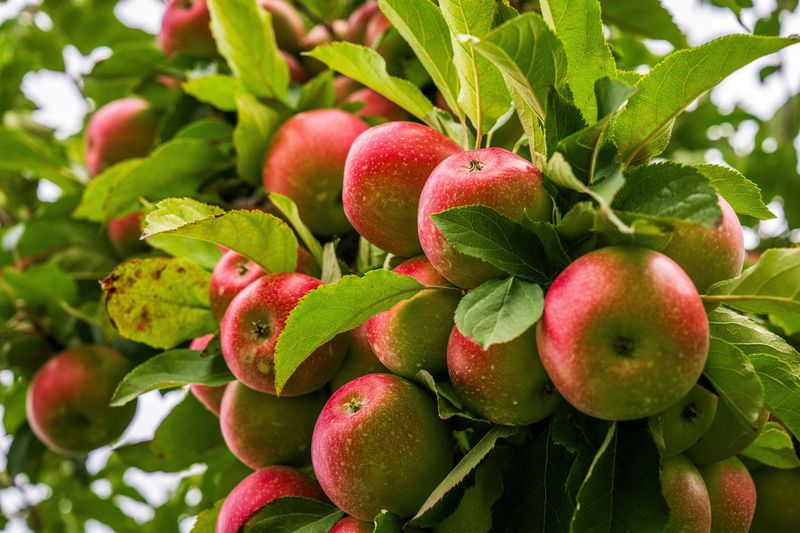
Timing is everything when it comes to harvest. Picking apples at the right moment ensures peak flavor and quality. Pay attention to color, texture, and flavor to determine the optimal harvest time.
Employing proper harvesting techniques minimizes damage to the fruit and trees. Training sessions on harvesting methods can enhance efficiency and fruit quality.
7. Post-Harvest Handling
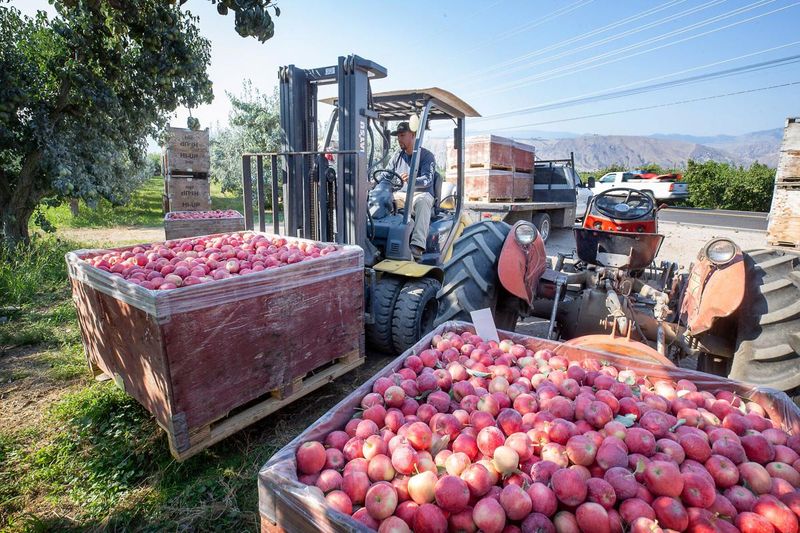
After harvesting, proper handling of apples is essential to maintain their quality and extend shelf life. Sorting, grading, and packing require careful attention to detail.
Investing in quality control measures and storage facilities enhances the marketability of your produce. Continuous learning on post-harvest techniques ensures a competitive edge.
8. Marketing and Selling Strategies
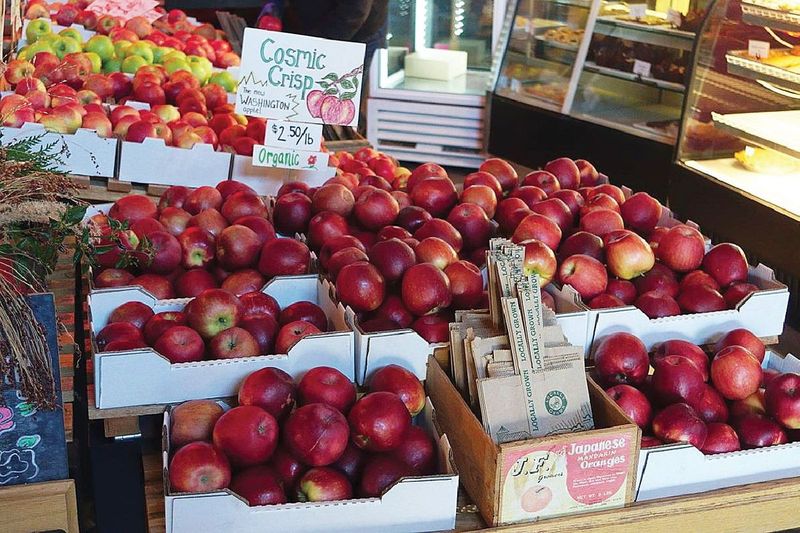
Marketing plays a crucial role in the success of an apple orchard. Building a brand and connecting with local communities can drive sales and foster customer loyalty.
Explore various selling platforms, such as farmer’s markets, online stores, and local grocers. Tailor your marketing strategies to reflect the unique qualities of your apples.
9. Adapting to Climate Change
Climate change poses new challenges to apple growers. Adapting to shifting weather patterns and temperature fluctuations is essential for the longevity of orchards.
Incorporating climate-resilient practices, such as mulching and selecting heat-tolerant varieties, can mitigate adverse effects. Engaging with climate experts and fellow growers fosters innovation and resilience.
10. Community and Knowledge Sharing
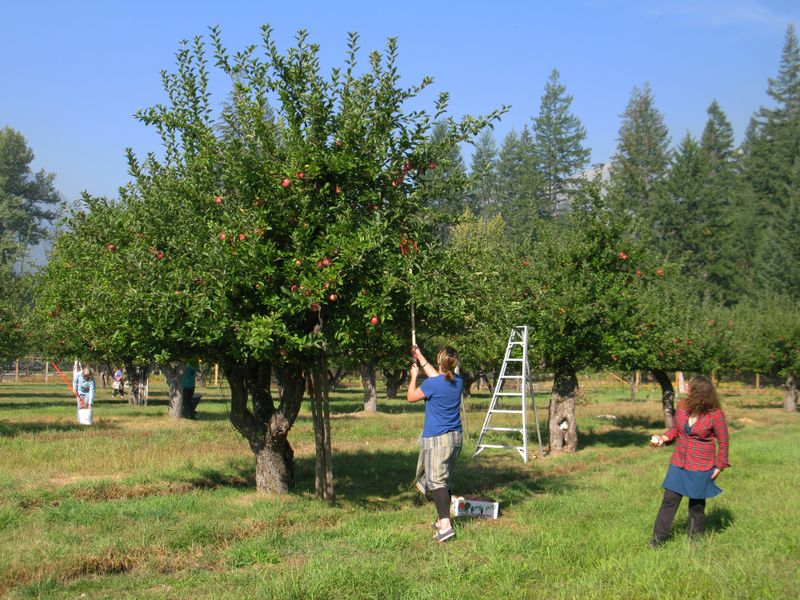
Collaboration within the local agricultural community enriches knowledge and fosters innovation. Participating in workshops, conferences, and online forums can strengthen your orchard management practices.
Sharing experiences and challenges with fellow growers creates a supportive network. Continuous learning and adaptation are key to thriving in the ever-evolving world of apple growing.