
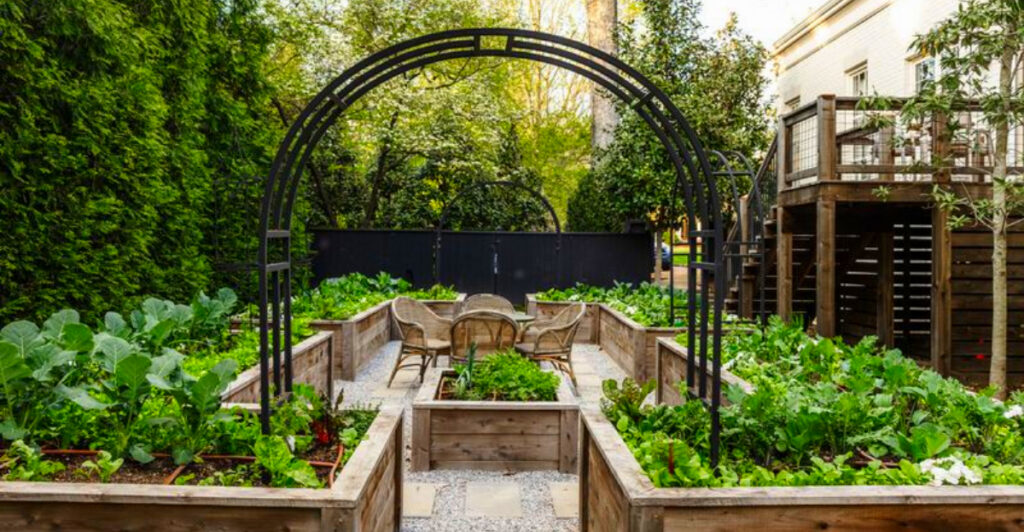
Oregon is well-known for its lush landscapes and abundant rain. This makes it a perfect place for gardening enthusiasts to experiment with raised bed gardening. Raised beds offer several advantages, especially in a region where heavy rainfall can often turn garden beds into soggy messes. They provide improved drainage, better soil quality, and easier access for maintenance, making them an ideal solution for both novice and experienced gardeners. Let’s explore seven essential elements to consider when embarking on raised bed gardening in Oregon’s rainy climate.
1. Choosing the Right Location
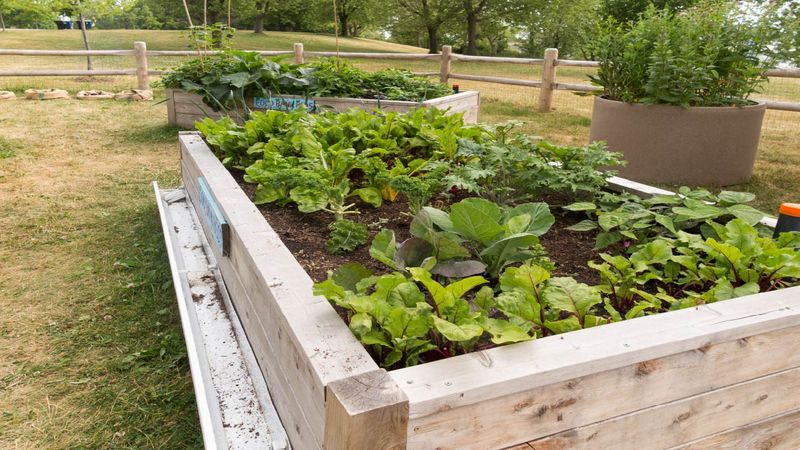
In Oregon’s rainy climate, selecting the right location for your raised bed is crucial. To maximize sunlight exposure, choose a spot that receives at least six hours of sun daily, even during overcast days. Consider the proximity to water sources to facilitate easy watering, despite the frequent rain.
Elevate your gardening plot slightly to ensure good drainage. This helps prevent water logging, which can drown plants. An elevated position also helps in capturing more sunlight, which is precious during Oregon’s long rainy season.
2. Selecting Ideal Soil Mix
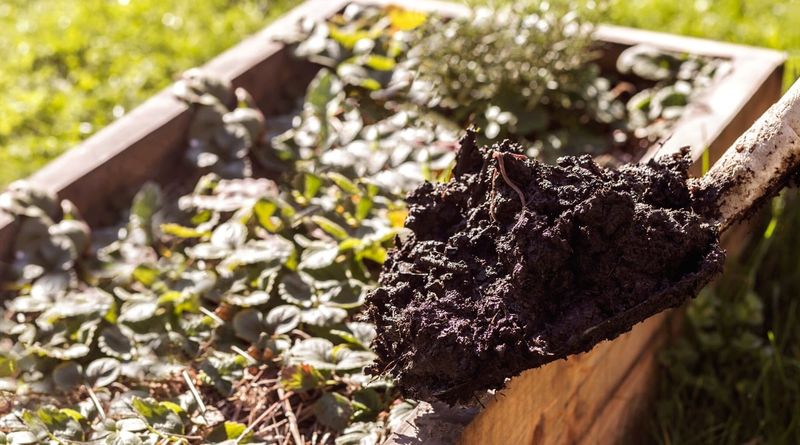
With a heart for nurturing, choosing the right soil mix can make or break your gardening efforts in Oregon. Opt for a well-draining mix enriched with organic matter. This will ensure that your plants’ roots don’t sit in water, which is a common issue in rainy climates.
Incorporate materials like compost, peat moss, and perlite to improve soil texture and nutrient content. A balanced mix allows for optimal plant growth and robust root systems, crucial for thriving plants in wet conditions.
3. Building Durable Raised Beds
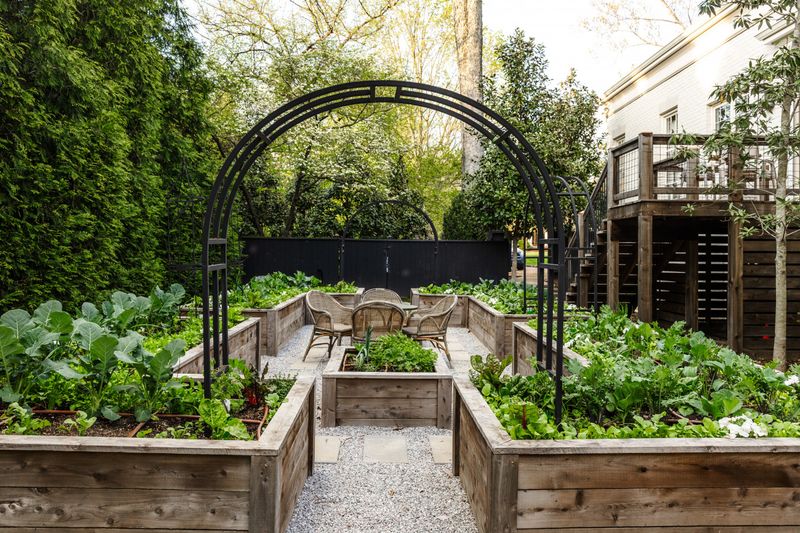
Building durable raised beds is an art in itself, especially in a region as wet as Oregon. Utilize rot-resistant wood, such as cedar or redwood, to withstand frequent exposure to moisture. These materials not only last longer but also add a rustic charm to your garden.
Reinforce corners and joints to increase stability, ensuring that your raised beds remain intact through heavy rains and strong winds. This structural integrity is vital for maintaining the shape and functionality of your beds year after year.
4. Incorporating Effective Drainage
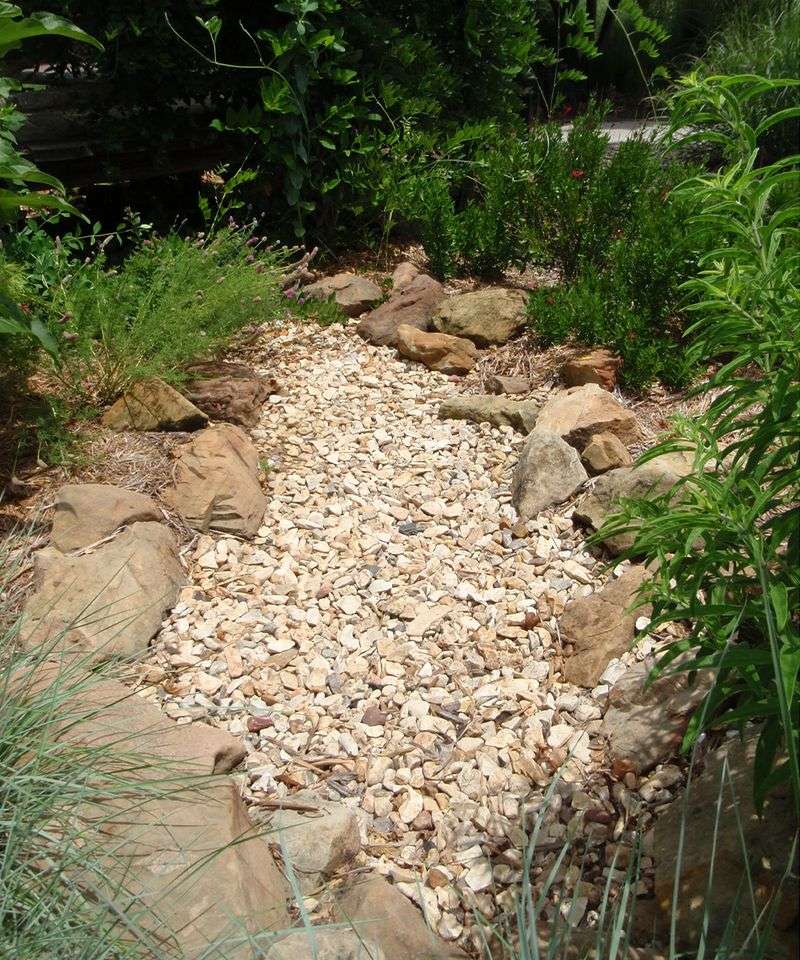
Did you know? Proper drainage can be the unsung hero of raised bed gardening in Oregon. Start with a layer of gravel or crushed stone at the bottom of your beds. This facilitates water flow and prevents soil erosion, ensuring your plants remain healthy.
Creating drainage channels encourages excess water to escape, protecting plant roots from drowning. This technique is particularly effective in regions with persistent rain, keeping your garden vibrant and thriving year-round.
5. Choosing Plant Varieties for Rain
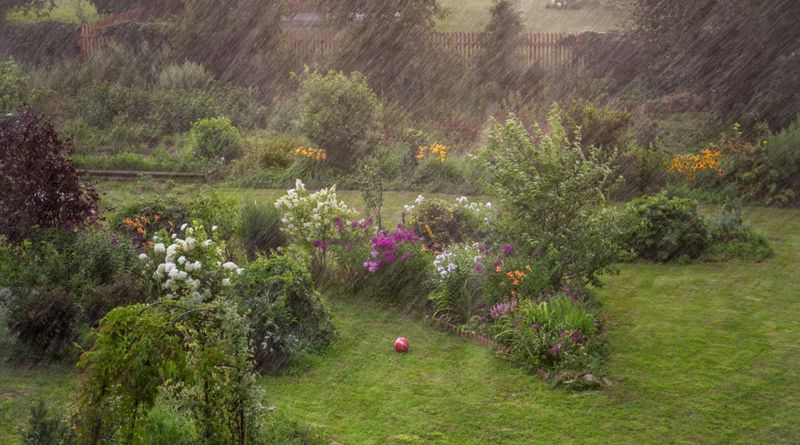
When it comes to selecting plants for your raised bed in Oregon, think rain-resistant. Varieties like kale, chard, and certain types of lettuce thrive in wet conditions, providing a bountiful harvest.
Opt for native plants that have adapted to the local climate. These varieties are more likely to withstand the rainy season, reducing the need for constant care and attention. With the right plant choices, your garden will not only survive but flourish in Oregon’s unique weather.
6. Implementing Pest Control Measures
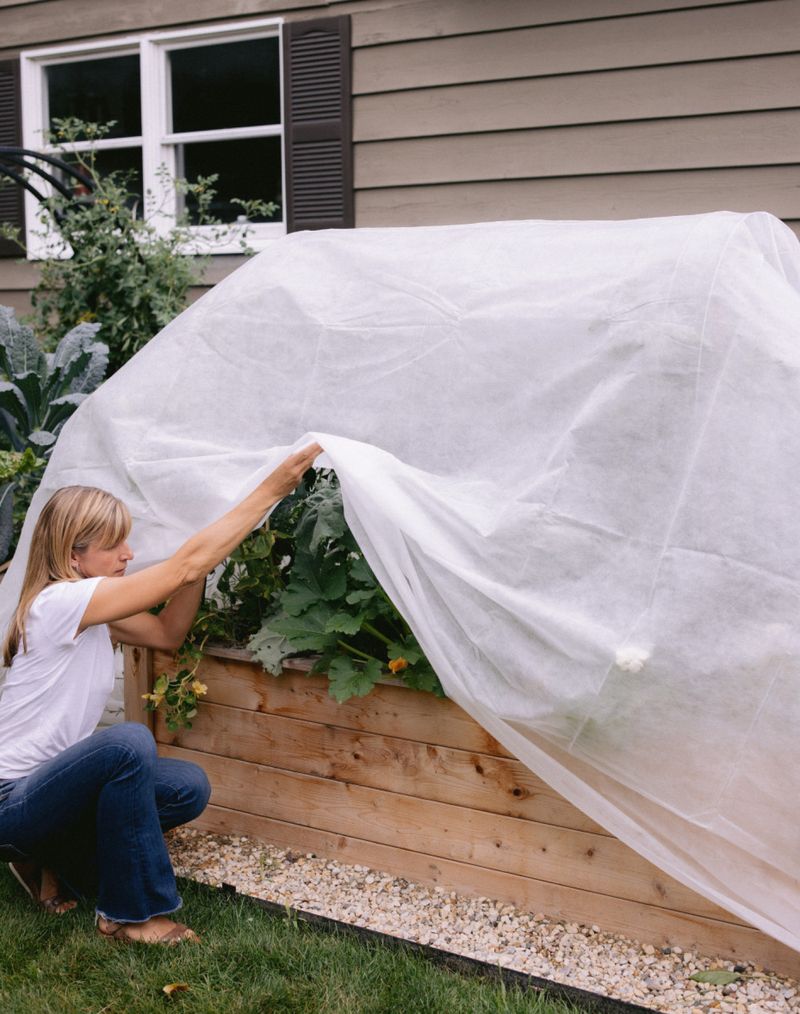
Rainy climates often invite unwelcome garden visitors. Using mesh covers can deter pests without harming beneficial insects. This simple barrier offers an eco-friendly way to protect your plants.
Regularly inspect your garden for signs of pest activity, such as nibbled leaves or unusual spots. Early detection allows for prompt action, preserving the health and yield of your raised bed. These measures ensure a thriving garden, even in Oregon’s wet weather.
7. Maintaining Your Raised Beds
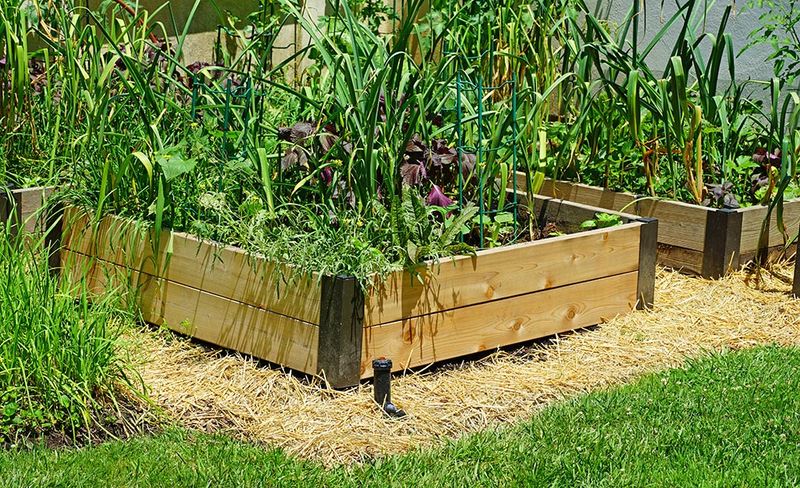
Heartfelt care is key to maintaining raised beds in Oregon. Regular mulching with materials like straw or wood chips helps retain moisture levels while preventing weeds. This practice also enriches the soil over time, promoting robust plant growth.
Periodic checks for structural integrity and soil health keep your raised beds in peak condition. By dedicating time to maintenance, your garden will continue to thrive, reflecting the lush beauty of Oregon’s landscapes.