 Complete Gardening
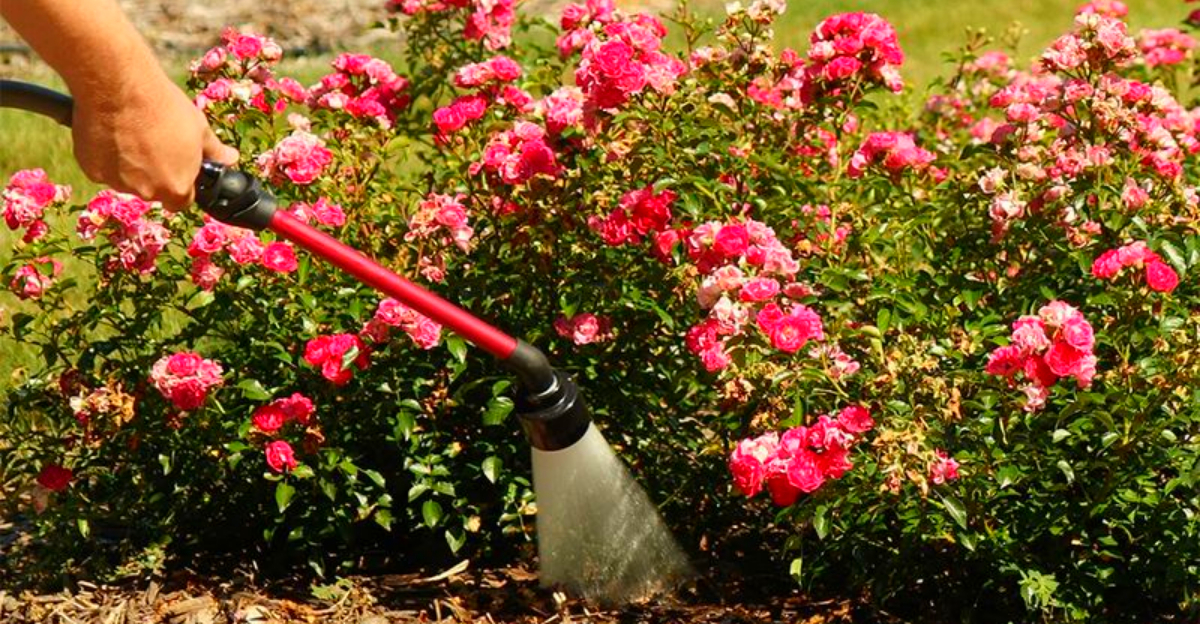
California’s mild climate provides an ideal environment for cultivating beautiful roses. With its consistent sunshine and moderate temperatures, you can grow vibrant roses almost all year round. Here’s a guide on how to make the most of these conditions.
1. Selecting the Right Variety

Choosing the right rose variety is crucial for success. California’s climate allows for a diverse range of roses, from floribundas to grandifloras. Consider disease-resistant varieties to minimize maintenance.
The sunny environment supports vibrant blooms, so opt for colors that thrive in bright light. Favorites like ‘Iceberg’ and ‘Julia Child’ can offer stunning displays.
Additionally, look for roses that can tolerate occasional drought conditions, as water conservation is key in this region.
2. Ideal Planting Locations

Location, location, location! Plant your roses in spots that receive at least six hours of sunlight daily. Consider the microclimates in your garden to optimize growth.
Incorporate native plants that provide natural shade during peak sunlight to prevent scorching.
Avoid areas with heavy winds as they can damage delicate blooms. Strategic placement can enhance the garden’s micro-ecosystem.
3. Soil Preparation

Soil preparation is the foundation of healthy rose growth. Begin by testing the pH level, aiming for a slightly acidic range.
Incorporate rich compost and organic matter to improve soil fertility and drainage. This boosts the root system’s development, essential for thriving roses.
Regularly amend the soil with natural fertilizers to maintain its nutrient-rich quality.
4. Watering Techniques
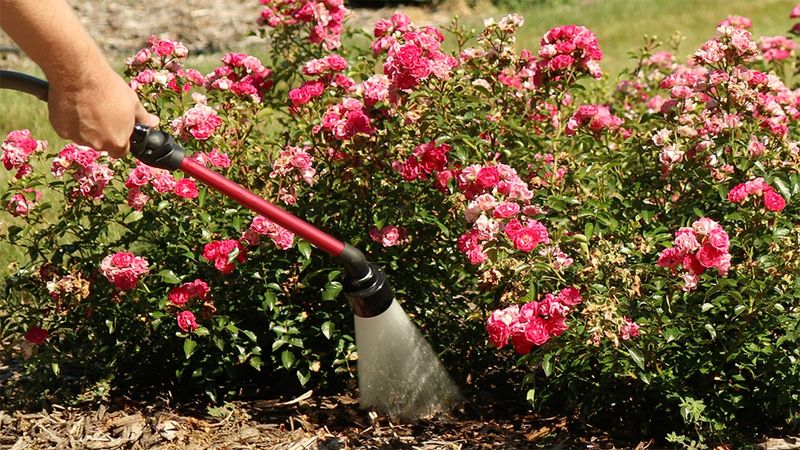
Efficient watering is vital in California’s climate. Use drip irrigation systems to direct water to the roots, reducing evaporation.
Water early in the morning to minimize fungal diseases and ensure the plants absorb moisture before the sun peaks.
Be mindful of water restrictions in your area and adapt your watering schedule accordingly.
5. Pruning for Prosperity
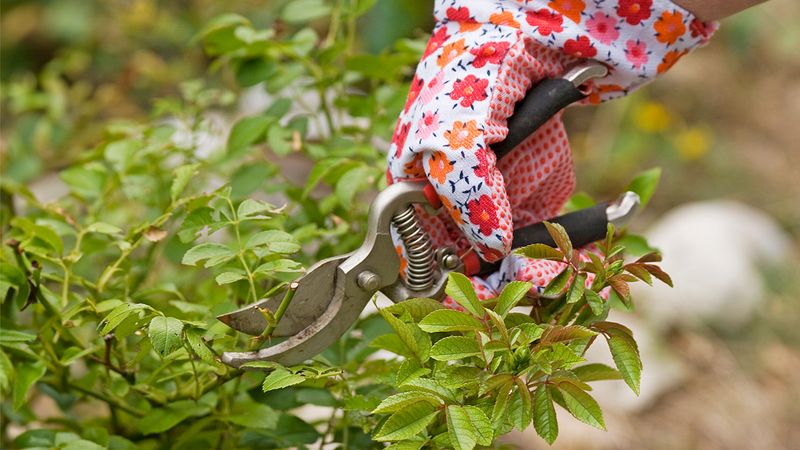
Pruning is not just a chore; it’s an art. Regularly remove dead or diseased wood to promote healthy growth.
Shape the bushes to enhance air circulation, which prevents mildew. Pruning in late winter encourages lush spring blooms.
Use clean, sharp tools to avoid damaging the plant. This ensures a pristine, flourishing garden.
6. Pest and Disease Management

Combat common pests naturally by encouraging beneficial insects like ladybugs. These tiny allies reduce the need for chemical sprays.
Keep an eye out for signs of disease, such as black spot or powdery mildew. Early detection allows for prompt action, minimizing damage.
Implement integrated pest management strategies for a balanced garden ecosystem.
7. Seasonal Care Tips
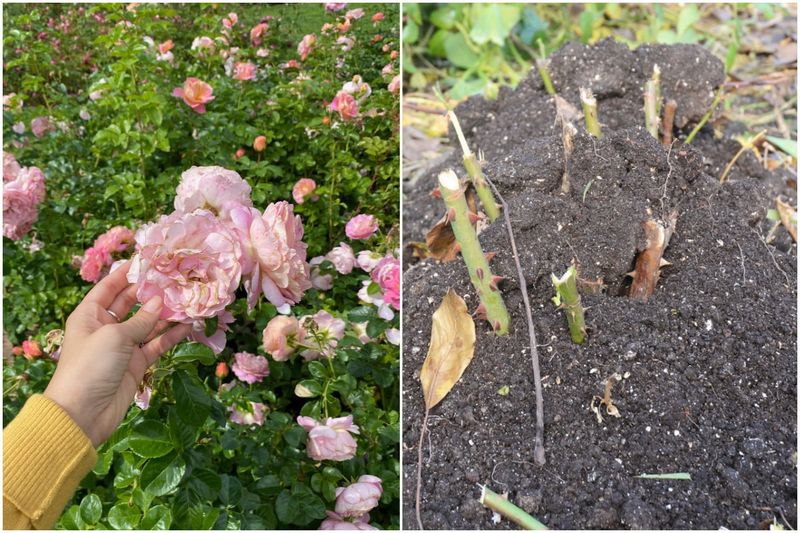
Adapt your rose care routine to the changing seasons. In spring, focus on fertilization to kickstart growth.
During the hot summer months, mulch heavily to retain soil moisture and keep roots cool. In fall, prepare for dormancy by reducing watering.
Winter calls for protective measures against unexpected frosts, ensuring roses thrive year-round.