
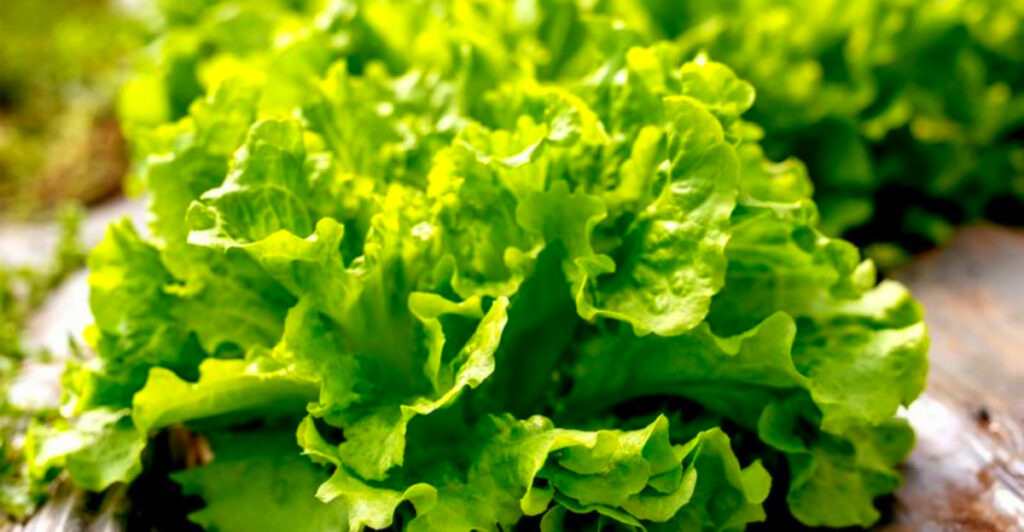
Arizona’s scorching climate poses unique challenges for gardening enthusiasts, especially when it comes to growing cool-weather crops like lettuce. However, with the right techniques and tools, it’s entirely possible to cultivate lettuce throughout the year, even in the hottest months. This guide will explore strategies and tips for keeping your lettuce thriving, from choosing heat-resistant varieties to optimizing your growing environment.
1. Choosing Heat-Resistant Varieties
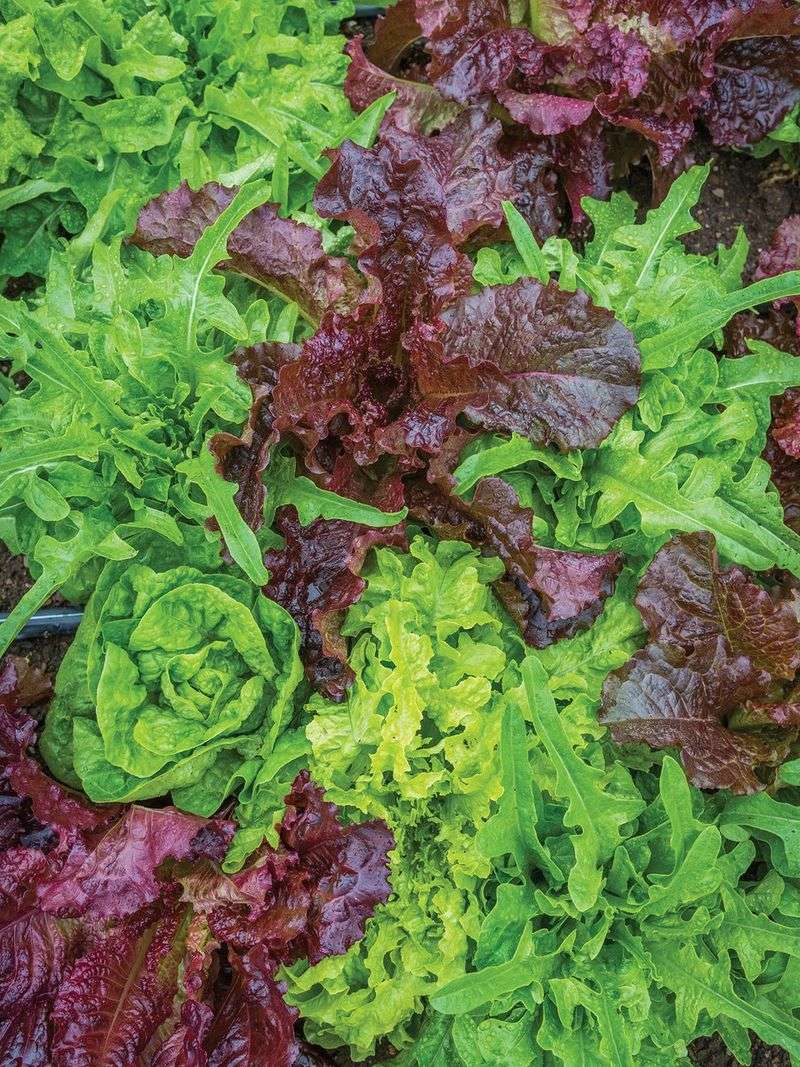
In the battle against Arizona’s relentless sun, selecting the right lettuce varieties is key. Opt for heat-resistant types like ‘Jericho’ and ‘Buttercrunch,’ which are bred to withstand higher temperatures. These varieties are not only resilient but also provide a delightful crunch and flavor that rivals their cooler counterparts.
Exploring the diversity of lettuce types can add excitement to your gardening experience. Each variety brings its own texture and taste, offering endless possibilities for salads and dishes. By choosing wisely, you ensure your garden remains vibrant and productive, even in the heat.
Did you know that some lettuce types were developed specifically for desert climates? Their genetic makeup allows them to thrive where others wilt, making them ideal for Arizona gardeners.
2. Optimizing Shade and Sun Exposure
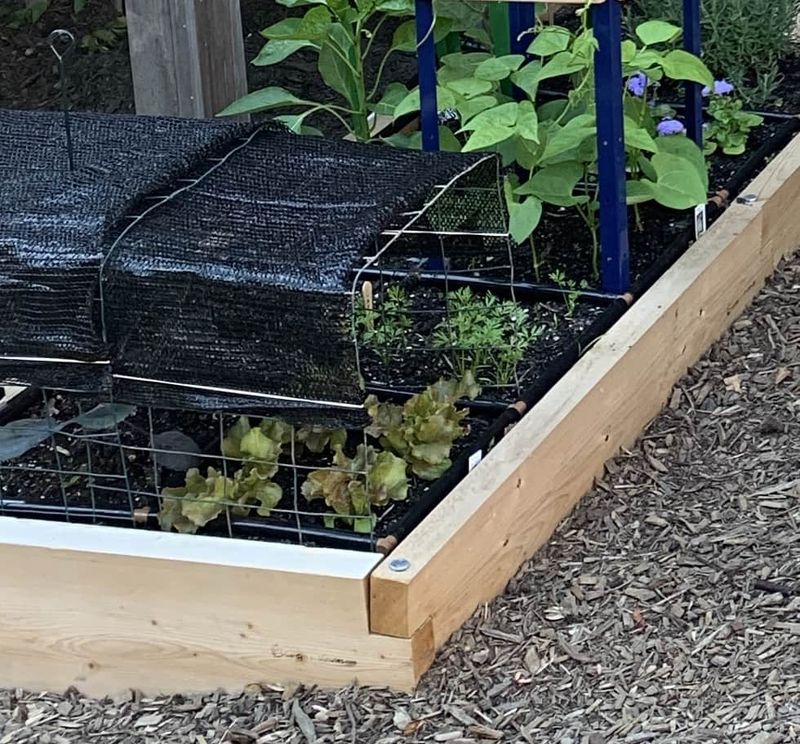
Shade is an ally in the Arizona garden, offering refuge for heat-sensitive plants. Create a balance between sun and shade using strategically placed structures like shade cloths or natural obstacles. This approach helps in managing the intense sunlight, allowing lettuce to flourish without the risk of scorching.
Understanding the sun’s movement across your garden is crucial. By observing the daily patterns, you can position your plants in areas that receive optimal sunlight during cooler parts of the day. This method not only conserves water but also extends the growing season.
Consider using plants like taller vegetables or sunflowers to provide natural shade. Their presence not only shields your lettuce but also adds layers of biodiversity to your garden.
3. Implementing Efficient Watering Techniques
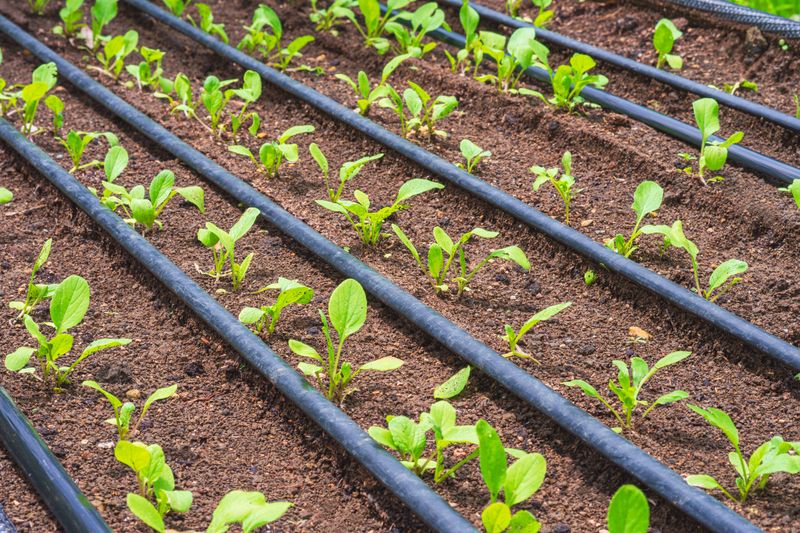
Water is a precious resource in the desert, making efficient watering techniques essential. Drip irrigation systems are an excellent solution, delivering water directly to the plant roots and minimizing evaporation. This method ensures that your lettuce receives the hydration it needs without wastage.
Timing is everything when it comes to watering. Early morning or late afternoon are ideal times, as they reduce evaporation and allow plants to absorb water effectively. This practice creates a healthy growth environment, resulting in robust and leafy greens.
Did you know that reducing water usage not only benefits your garden but also supports conservation efforts in water-scarce regions like Arizona? Every drop saved contributes to a sustainable future.
4. Soil Preparation for Heat Tolerance
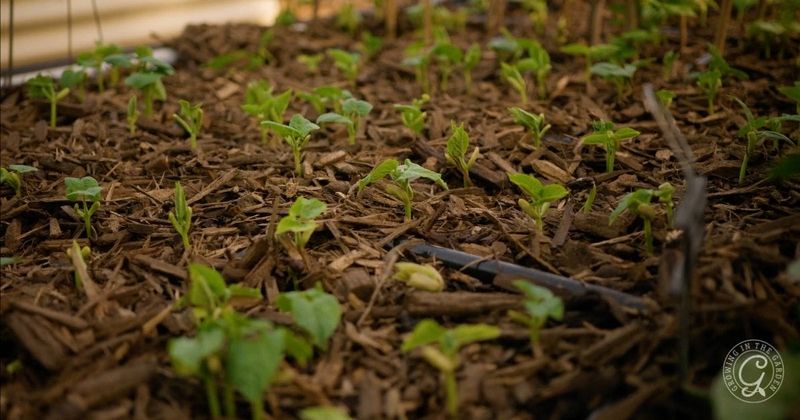
The foundation of a thriving lettuce garden in Arizona begins with well-prepared soil. Enriching your soil with organic compost enhances its ability to retain moisture and provide essential nutrients. This preparation is vital for helping plants endure the extreme heat.
Consider incorporating mulch to keep the soil cool and prevent moisture loss. Mulch acts as a protective barrier, preserving soil integrity and promoting a stable growing environment for your lettuce. This layer of protection can make a significant difference in plant resilience.
Testing your soil’s pH and nutrient levels can also guide you in making necessary adjustments. A balanced soil composition is crucial for optimal plant health and productivity.
5. Using Mulch for Moisture Retention
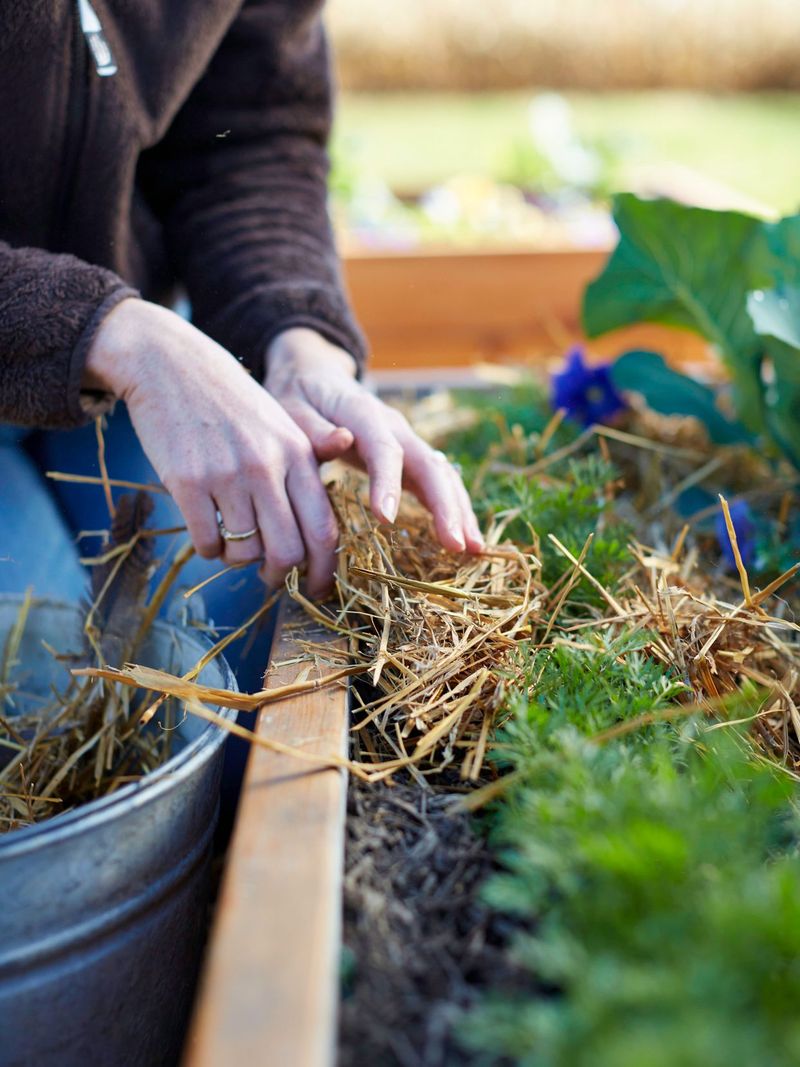
Mulch acts as a guardian for your garden, especially in hot climates like Arizona. By covering the soil with organic materials such as straw or wood chips, you lock in moisture and reduce soil temperature. This simple yet effective technique supports lettuce growth during the harshest weather.
Beyond moisture retention, mulch also suppresses weed growth, saving you time and effort in garden maintenance. The added benefit of mulch decomposing over time enriches the soil, providing continual nourishment for your plants.
Did you know that mulch can also attract beneficial insects to your garden? These allies in pest control help maintain a healthy ecosystem, ensuring your lettuce remains pest-free.
6. Selecting the Right Planting Time
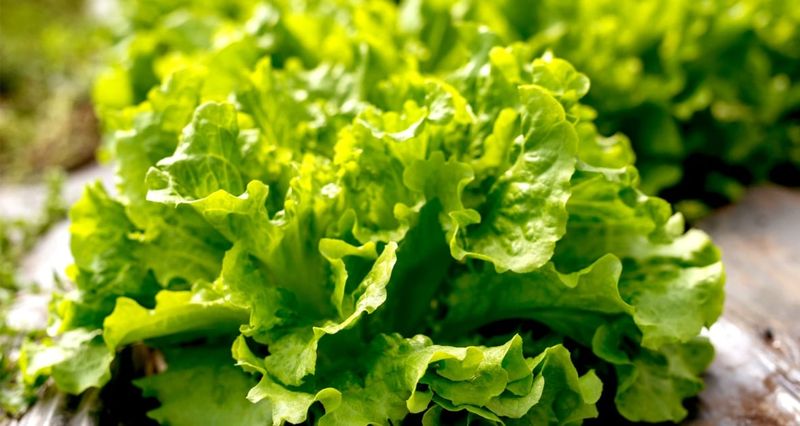
Timing your planting is an art, particularly in Arizona’s challenging climate. Aligning your planting schedule with seasonal shifts maximizes your lettuce’s chances of thriving. Cooler months, such as late fall and early spring, offer the best conditions for starting your garden.
Understanding local weather patterns can guide you in making informed decisions. By staying updated with forecasts, you can anticipate temperature fluctuations and plan accordingly. This vigilance ensures your plants are protected from unexpected heatwaves.
Did you know that planting according to the lunar calendar is a tradition some gardeners swear by? They believe lunar phases influence plant growth, offering another dimension to your gardening strategy.
7. Creating a Microclimate with Containers
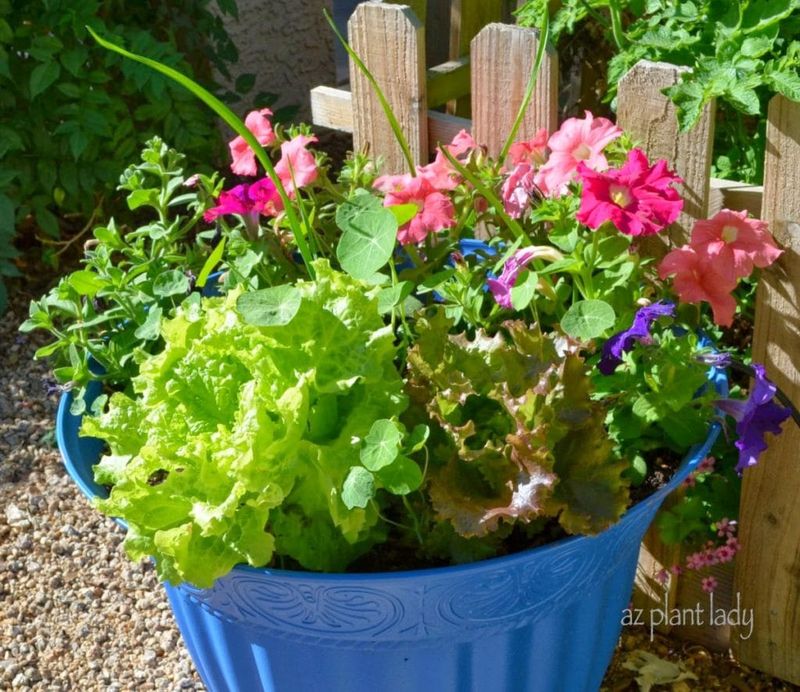
Containers offer flexibility and control, allowing you to create a personalized microclimate for your lettuce. By using pots, you can easily move your plants to optimal locations, providing relief from the sun’s intensity and adapting to changing weather conditions.
This method is particularly useful for those with limited space. It enables urban gardeners to enjoy fresh produce without the need for a traditional garden plot. Moreover, containers can be equipped with self-watering systems to maintain consistent moisture levels.
Experiment with different container sizes and materials to find what works best for your setup. This experimentation leads to a deeper understanding of your plants’ needs and enhances your overall gardening experience.