
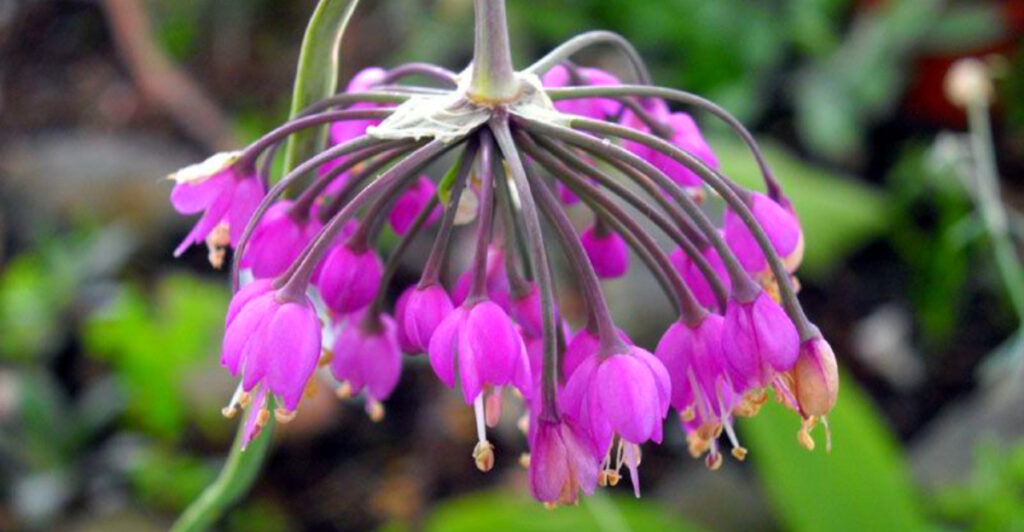
Gardens across Illinois are blooming with a special kind of beauty as forgotten heritage flowers return to modern landscapes. These time-tested plants, once staples in pioneer gardens and Victorian estates, offer unique colors, fragrances, and stories that connect us to our botanical past. Today’s gardeners are rediscovering these treasures for their exceptional hardiness and ability to support local wildlife.
1. Wild Bergamot: Prairie Medicine Turned Garden Star
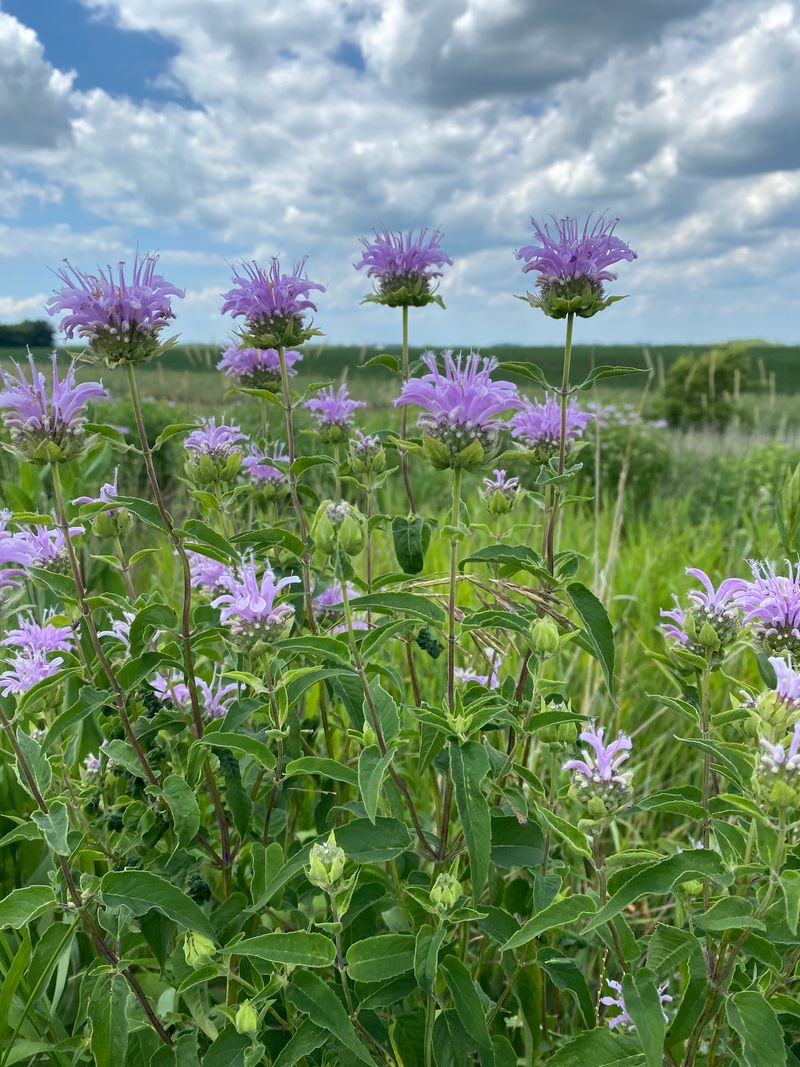
Native Americans called this aromatic flower “bee balm” for good reason – its lavender blooms create a buzzing paradise for pollinators from July through September. Wild bergamot thrives in Illinois’ challenging climate, tolerating both drought and poor soils that would defeat modern hybrids.
Pioneer families brewed its leaves into medicinal tea, earning it the nickname “prairie mint.” Modern gardeners love how it naturalizes into fragrant colonies that require zero maintenance once established.
2. Four O’Clock Flowers: Victorian Evening Entertainment
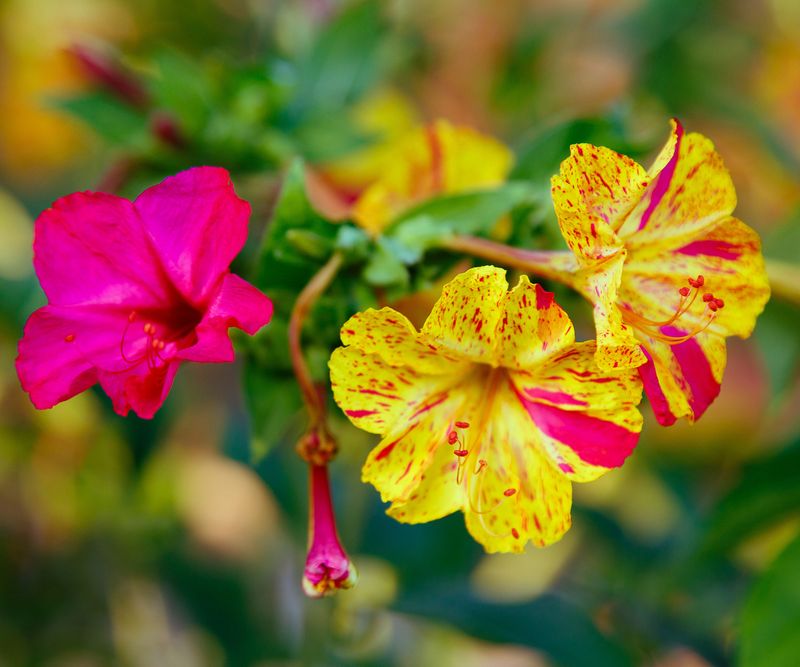
Imagine flowers that open like clockwork every afternoon, releasing sweet perfume just as families gathered on front porches. Four o’clocks were evening entertainment in 1800s Illinois, with children racing to watch the magical daily bloom opening at precisely 4 PM.
These cheerful trumpet-shaped flowers come in pink, yellow, white, and striped varieties. Their large black seeds made them easy for pioneer families to save and share with neighbors each spring.
3. Lemon Mint: The Forgotten Pollinator Magnet
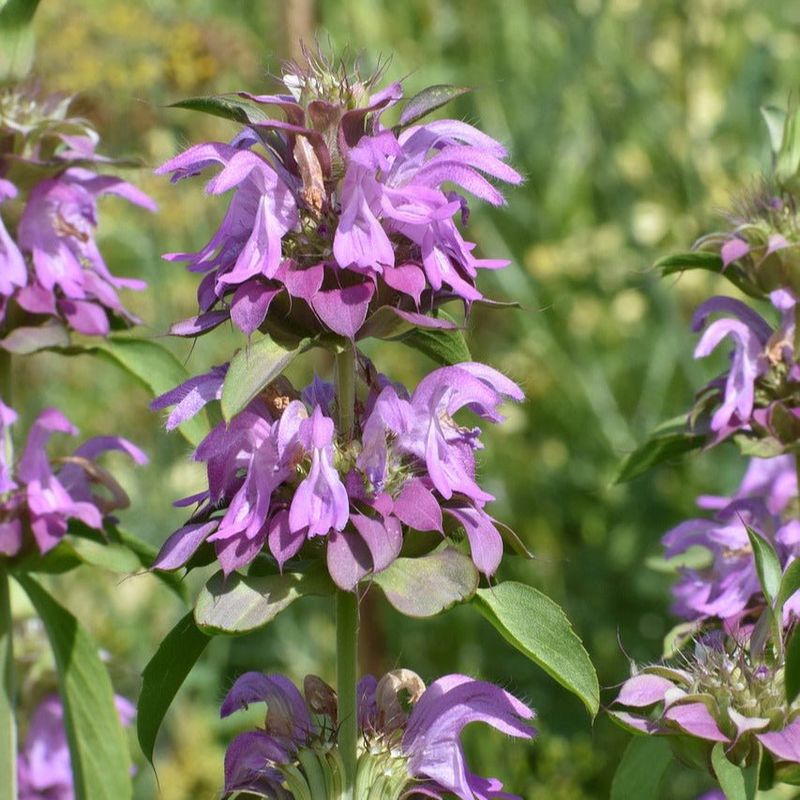
Before modern pest sprays, Illinois farmers planted lemon mint around vegetable gardens to attract beneficial insects naturally. This native herb produces tiny white flower spikes that seem unremarkable until you witness the incredible diversity of pollinators they support.
Crushed leaves release an intense lemon-mint fragrance that repels mosquitoes while attracting over 40 species of native bees. Modern organic gardeners are rediscovering its dual-purpose magic for sustainable pest management and pollinator conservation.
4. Sweet William: Cottage Garden Romance Revived
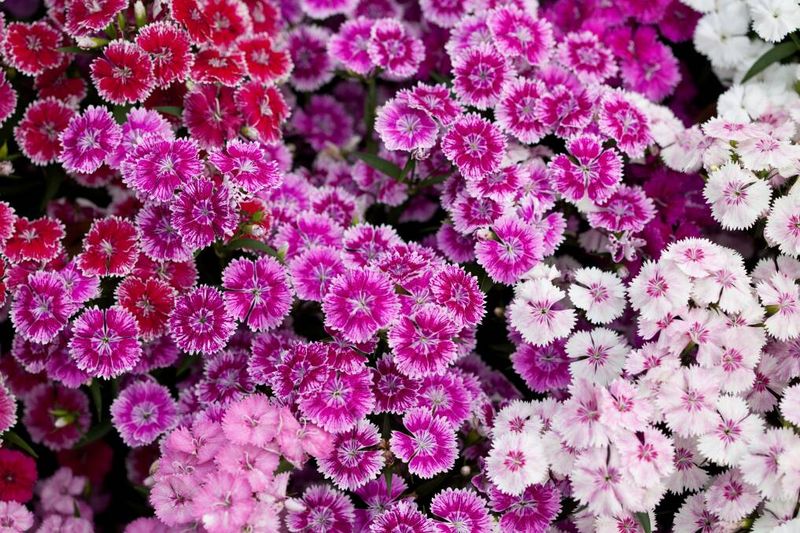
Victorian ladies treasured sweet William for its intensely spiced fragrance and romantic symbolism in flower language. These densely packed flower clusters bloom in deep burgundy, pink, and white combinations that modern flowers struggle to match.
Illinois heritage gardeners are rediscovering varieties like ‘Sooty’ with its dramatic dark foliage and ‘Green Trick’ with unusual green pompom blooms. Unlike modern annuals, heirloom sweet William often self-sows, creating charming surprises throughout cottage-style gardens.
5. Nodding Onion: Prairie Jewels for Modern Landscapes
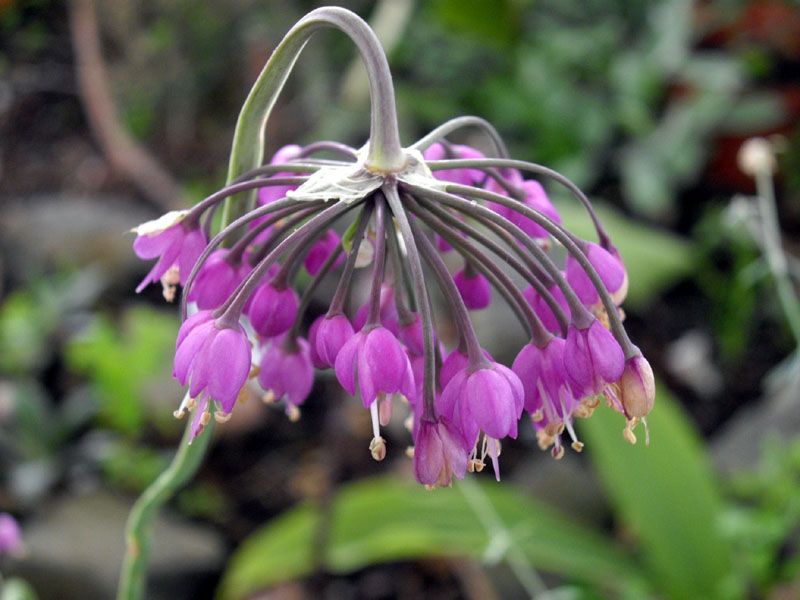
Don’t let the name fool you – nodding onion produces some of the most elegant flowers in Illinois’ native plant palette. Their graceful pink and white blooms dangle like delicate bells atop slender stems, creating movement and texture in summer gardens.
Prairie settlers gathered the edible bulbs for cooking, but today’s gardeners prize them for their late-season color when most other flowers fade. They naturalize beautifully in rock gardens and require virtually no care once established in sunny spots.
6. Hollyhocks: Towering Giants of Grandmother’s Garden
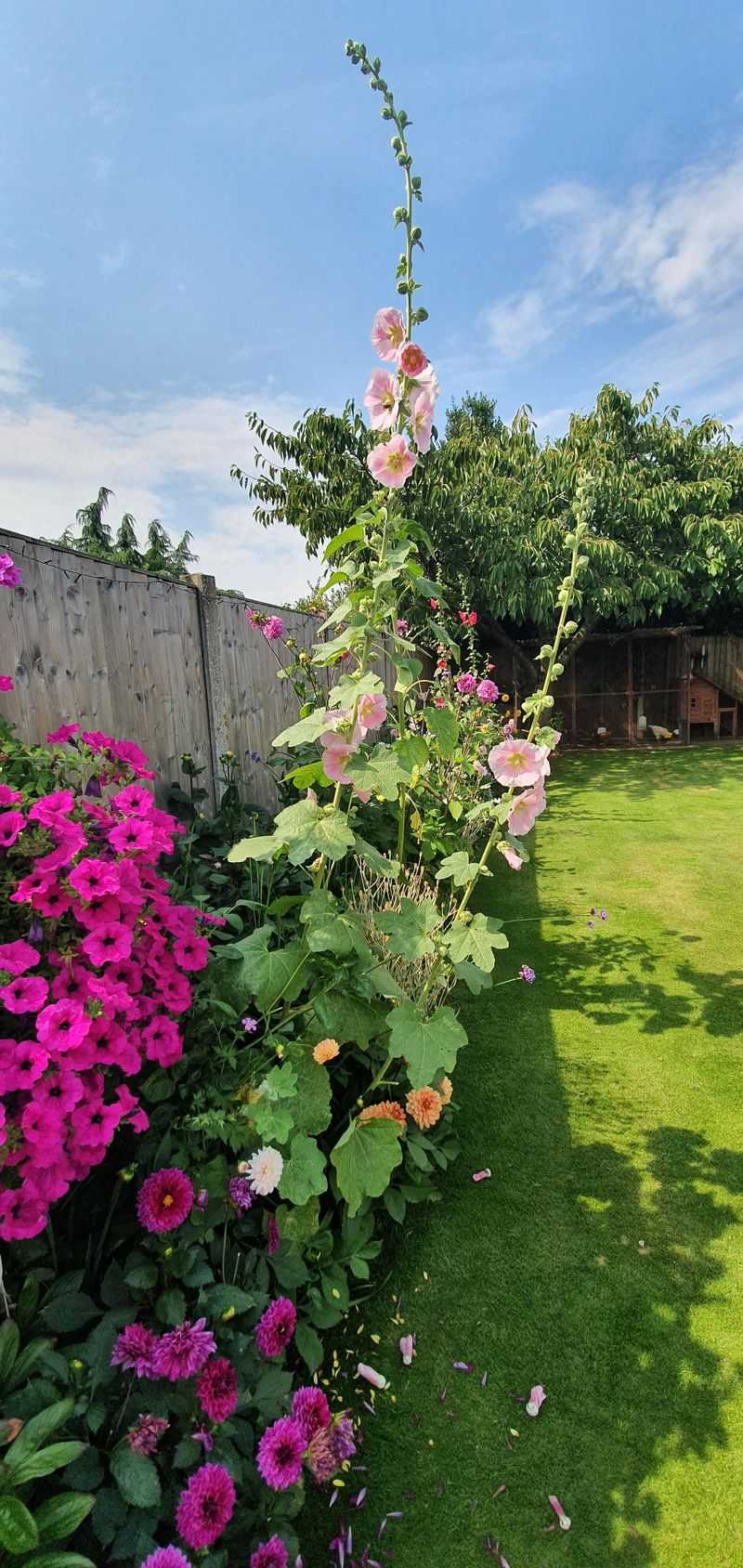
Every Illinois farmhouse once boasted towering hollyhocks reaching toward second-story windows, their papery blooms creating living wallpaper against weathered barn walls. These architectural flowers were practical too – children made dolls from the blooms while mothers used them for natural fabric dyes.
Modern gardeners appreciate how single-flowered heirloom varieties attract hummingbirds and beneficial insects. Unlike heavy double forms, heritage hollyhocks self-sow reliably, ensuring continuous generations of cottage garden charm with minimal effort from busy gardeners.
7. Spiderwort: Native Beauty with Morning Magic
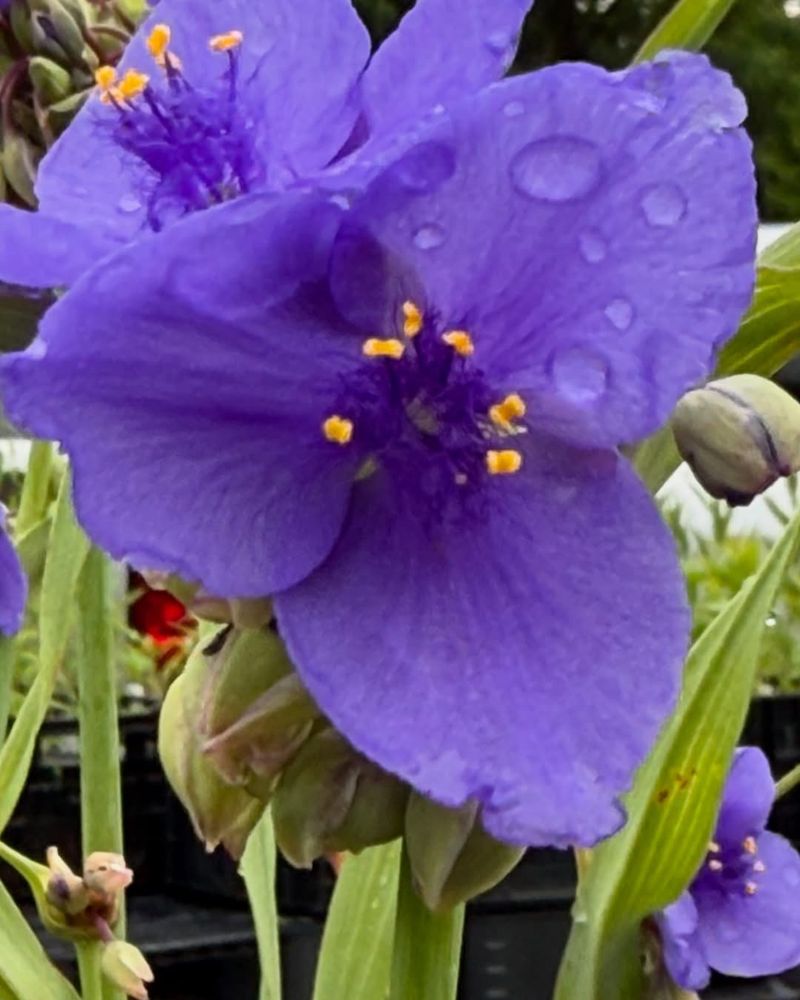
Each spiderwort bloom lasts just one day, opening fresh each morning like nature’s daily gift. Illinois pioneers called them “widow’s tears” for the way morning dew collected in their three-petaled blue flowers.
Modern gardeners love their reliability in challenging spots where other flowers fail. Spiderwort thrives in both sun and shade, wet and dry conditions, producing months of blue, purple, or white blooms. The grass-like foliage provides excellent texture contrast in perennial borders and woodland gardens.
8. Cup Plant: Prairie Skyscraper with Hidden Talents
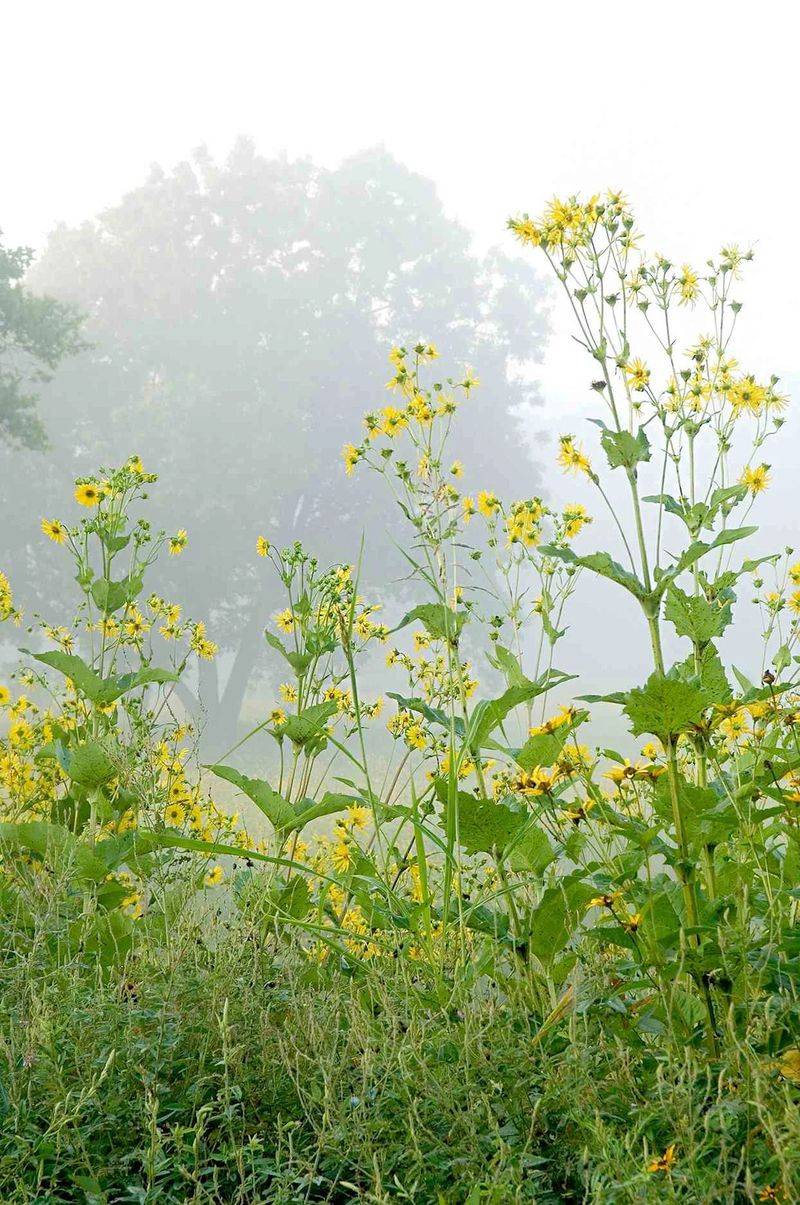
Standing eight feet tall with leaves that form natural water cups, this prairie giant was a landmark plant for Illinois settlers navigating vast grasslands. Native tribes used the leaf cups to collect rainwater, while goldfinches still visit them for drinks today.
Modern wildlife gardeners treasure cup plant for its dual-season interest – bright yellow sunflower-like blooms in summer, followed by seed heads that feed birds through winter. Despite its impressive size, it’s surprisingly well-behaved in cultivation, rarely spreading aggressively like other tall prairie plants.