
Most Vermont gardeners know about the majestic sugar maples that define our landscape. However, few people realize that certain lesser-known plants can actually help these maple trees thrive even better. These hidden botanical partners create stronger ecosystems while adding unique beauty to your property. Ready to discover nature’s best-kept secrets for healthier maples?
1. Striped Maple (Moosewood)
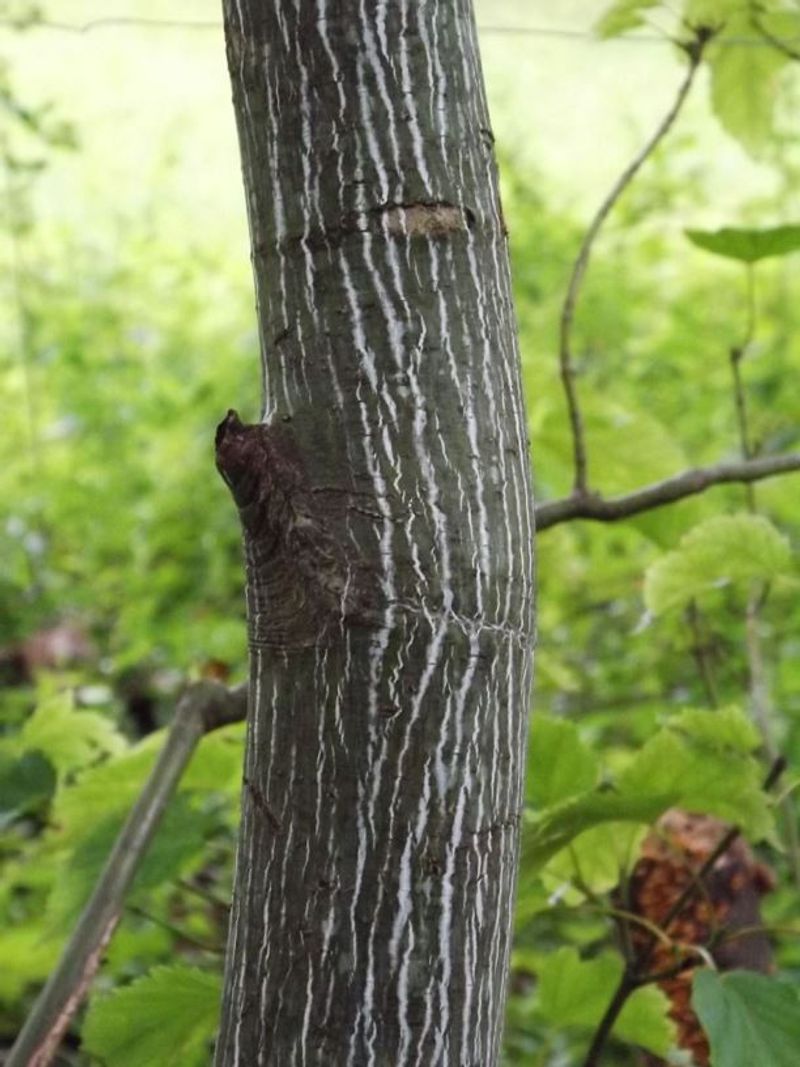
Picture a tree wearing green and white pajama stripes year-round. Striped maple earns its nickname “moosewood” because hungry moose love munching its tender bark during harsh winters.
This understory champion thrives in the cool shade beneath your sugar maples. Its large, goose-foot shaped leaves create stunning golden carpets each fall, while the distinctive striped bark adds winter interest when other plants look bare and lifeless.
2. Mountain Maple
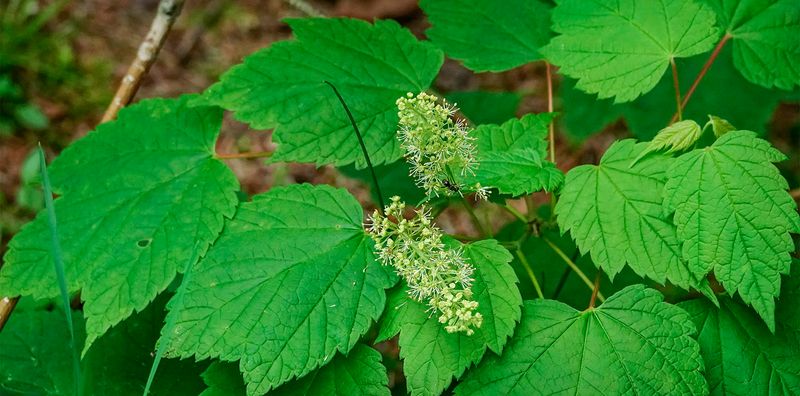
High up in Vermont’s hills, where the air gets crisp and thin, mountain maple makes its home. Unlike its towering sugar maple cousins, this scrappy survivor grows in clusters with multiple stems shooting up from the ground.
Cold doesn’t bother this hardy native one bit. When autumn arrives, mountain maple puts on a fiery show with brilliant red and orange leaves that rival any postcard scene you’ve ever seen.
3. Wild Ginger
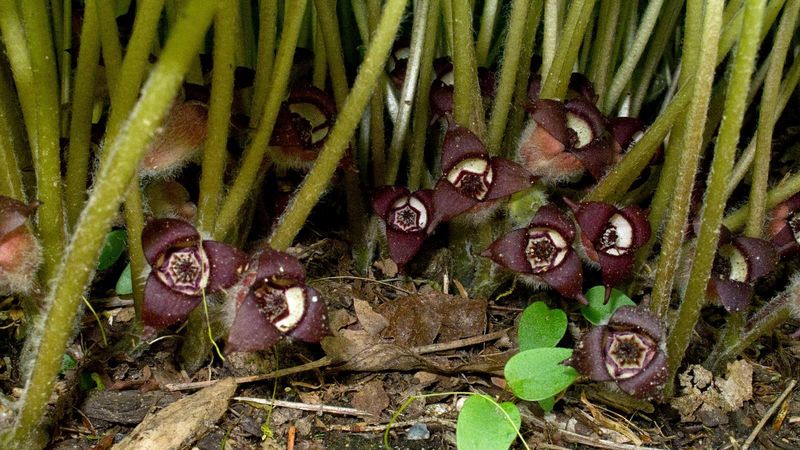
Don’t expect this wild ginger to spice up your stir-fry. Vermont’s native wild ginger hides its bizarre burgundy flowers right at ground level, tucked sneakily beneath heart-shaped leaves.
This low-growing charmer loves the rich, moist soil that collects around maple roots. Early spring brings curious blooms that look like tiny alien spacecraft, attracting specialized pollinators while creating dense groundcover that prevents weeds from taking over your maple grove.
4. Wild Leeks (Ramps)
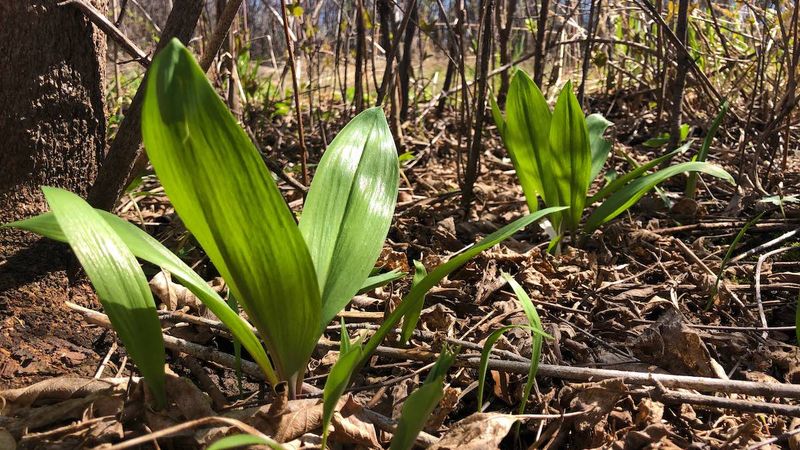
Before your maple leaves even think about budding, wild leeks burst from the forest floor like green flags announcing spring’s arrival. These pungent plants, beloved by fancy chefs everywhere, carpet the ground in maple-rich areas.
Ramps disappear completely by midsummer, leaving room for other plants to shine. Their early emergence provides crucial nectar for hungry bees and butterflies just waking up from winter’s long sleep.
5. Sensitive Fern
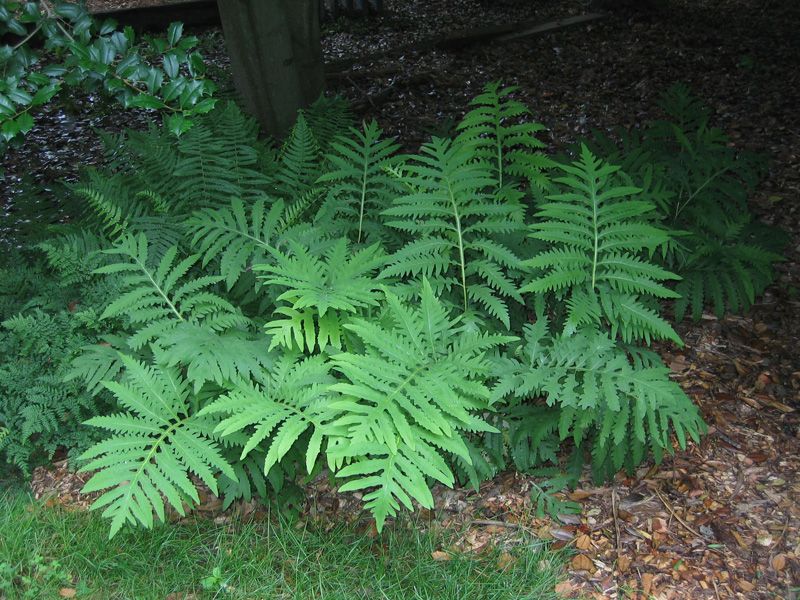
Sensitive fern gets its delicate name from its dramatic reaction to frost – one cold snap turns those graceful fronds completely black overnight.
Throughout the growing season, this moisture-loving fern creates lush green carpets in maple understories. Its broad, triangular fronds catch and filter rainwater, helping maintain the consistent soil moisture that sugar maples crave while providing shelter for salamanders, insects, and ground-nesting birds seeking cool, damp hideaways.
6. Bloodroot
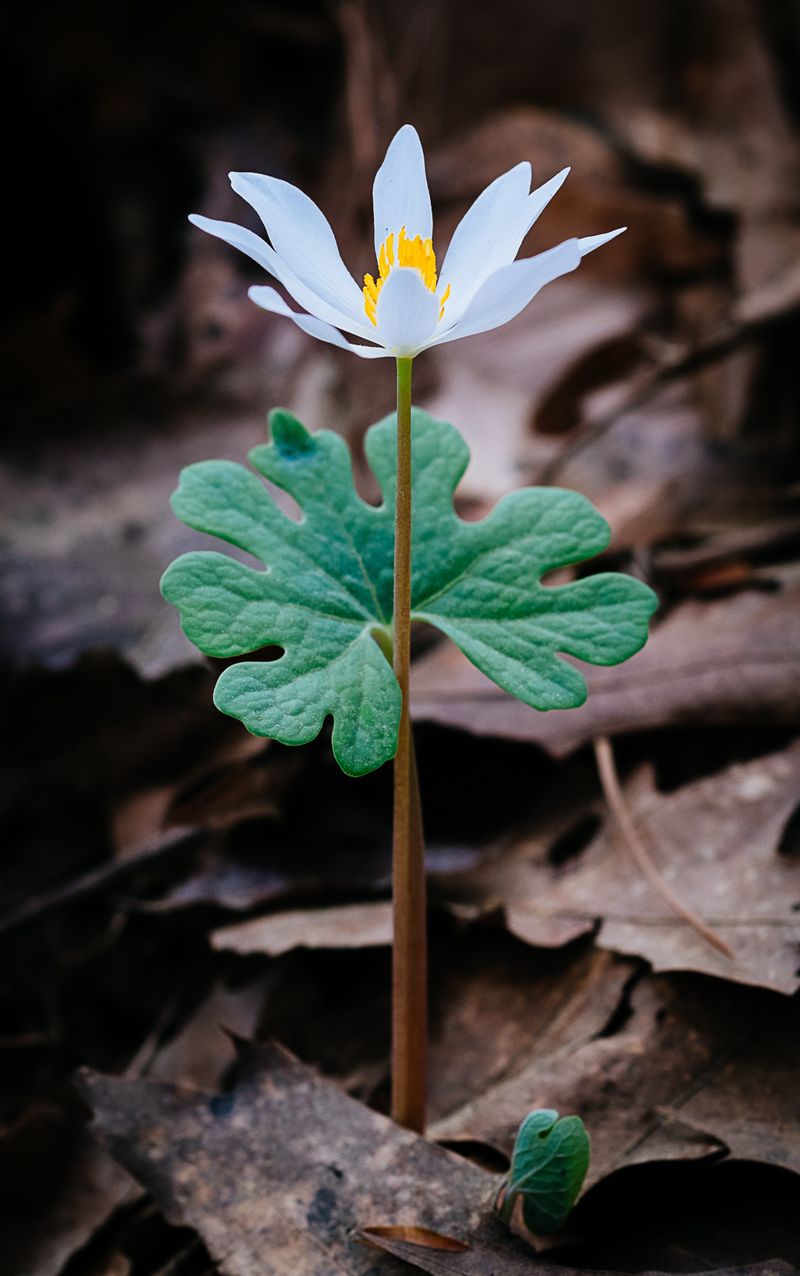
Slice open bloodroot’s thick underground stem and bright orange-red sap oozes out like nature’s own paint tube. Native Americans used this “blood” for dyes and traditional medicines for centuries.
Each spring, pristine white flowers push through maple leaf litter before the trees fully wake up. Bloodroot’s ephemeral blooms last just days, but they provide critical early nectar when few other flowers dare brave Vermont’s unpredictable spring weather patterns.
7. Blue Cohosh
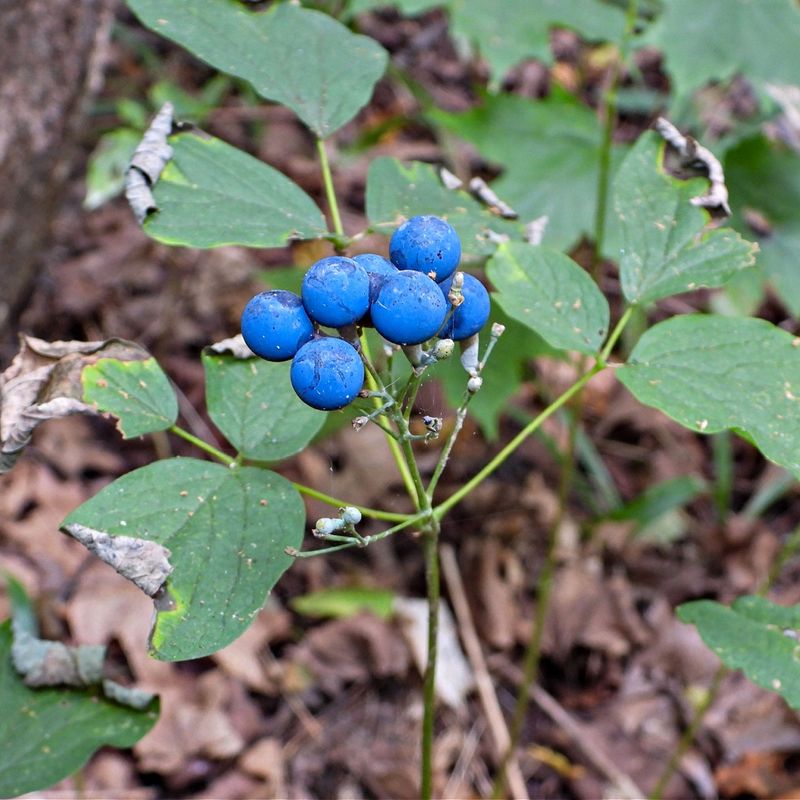
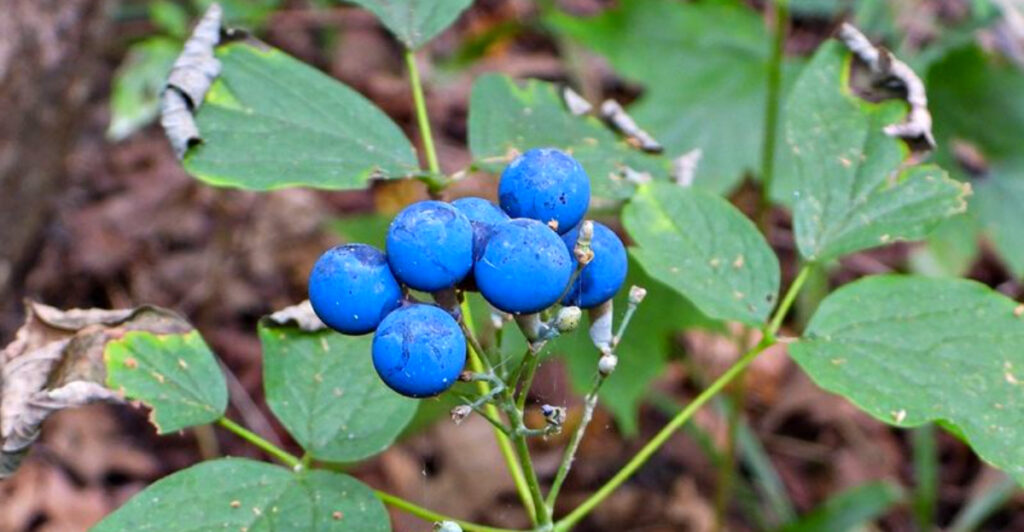
Blue cohosh produces some of the most unusual fruits in Vermont’s forests – bright blue berries that look like they belong on an alien planet rather than growing beneath your maples.
This tall woodland perennial thrives in the dappled shade that mature sugar maples provide. Its compound leaves create interesting texture contrasts, while those striking blue berries feed migrating birds during fall’s peak travel season, making your maple grove a popular rest stop.