
Maine’s rugged coastline offers more than breathtaking views and lobster rolls. Many plants that thrive naturally along these windswept shores can transform your garden into a resilient paradise. These hardy coastal natives handle salt spray, sandy soil, and fierce winds while delivering year-after-year beauty that makes gardening feel effortless.
1. Beach Rose (Rosa rugosa)
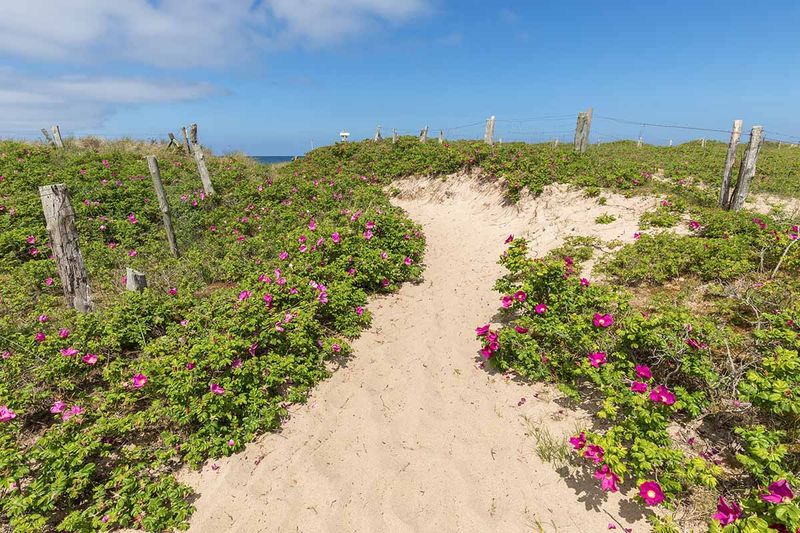
With wrinkled leaves that shimmer in coastal breezes, beach rose earned its reputation as Maine’s toughest romantic. This hardy shrub laughs at salt spray while producing fragrant pink or white blooms from June through September.
Large orange-red hips follow the flowers, creating winter interest and attracting birds to your garden. Beach rose spreads naturally, forming protective barriers against erosion while requiring virtually no maintenance once established in sandy, well-drained soil.
2. Sea Thrift (Armeria maritima)
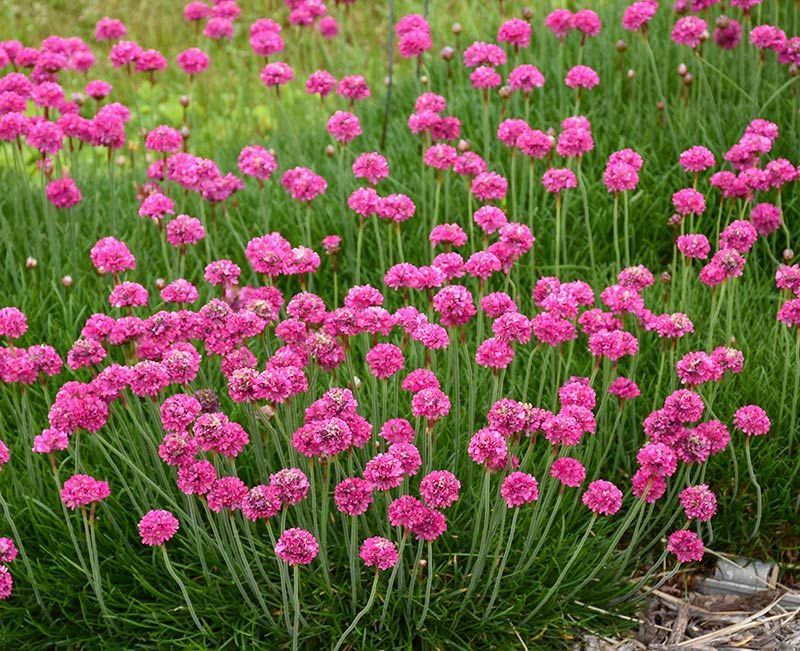
Cushions of needle-like foliage create perfect mounds that seem designed by nature’s own landscape architect. Sea thrift produces cheerful pink pompom flowers on slender stems that dance above the grass-like leaves from late spring into summer.
This low-growing perennial forms dense clumps ideal for edging pathways or rock gardens. Salt tolerance makes it perfect for seaside locations, while its drought resistance means less watering and more time enjoying your coastal paradise.
3. Beach Plum (Prunus maritima)
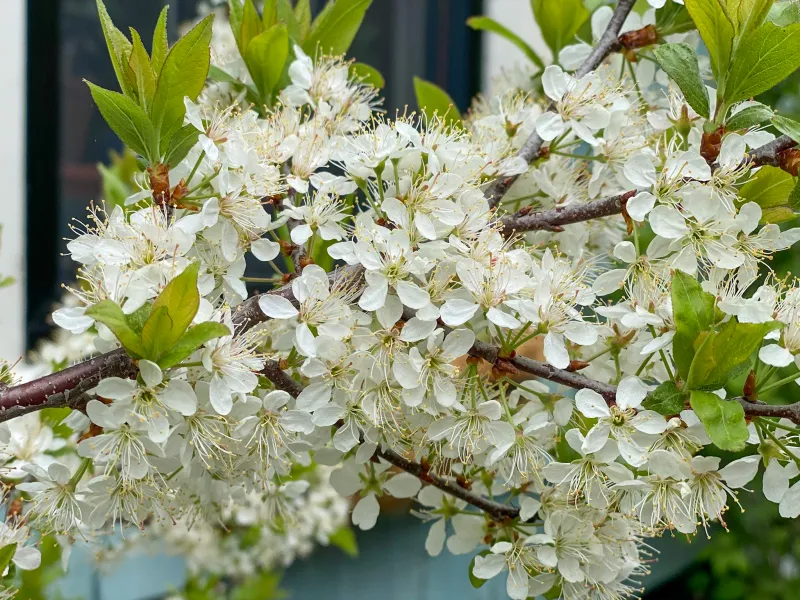
Before European settlers arrived, Native Americans treasured these small purple fruits that ripen along Maine’s shores each August. Beach plum shrubs burst with white flowers in early spring, creating clouds of delicate blooms against emerging green foliage.
Beyond beauty, this native offers edible rewards perfect for jams and jellies. The compact shrub adapts beautifully to garden settings while maintaining its wild character and incredible tolerance for coastal conditions that challenge other fruit-bearing plants.
4. Beach Strawberry (Fragaria chiloensis)
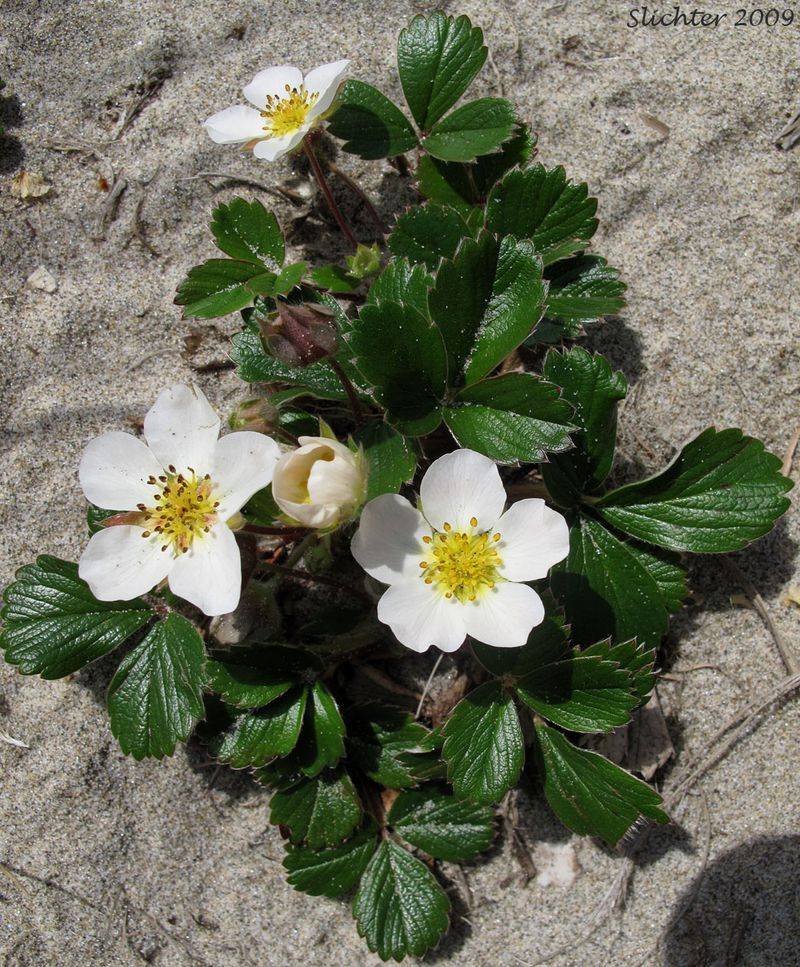
Forget traditional strawberry patches that demand constant attention and perfect soil conditions. Beach strawberry spreads naturally into fragrant mats of three-leaflet foliage that stays attractive throughout the growing season.
Small white flowers appear in spring, followed by tiny but flavorful red berries that wildlife adore. This native ground cover prevents erosion while tolerating salt exposure and sandy soils that would stress typical garden strawberries, making it perfect for challenging coastal locations.
5. Seaside Goldenrod (Solidago sempervirens)
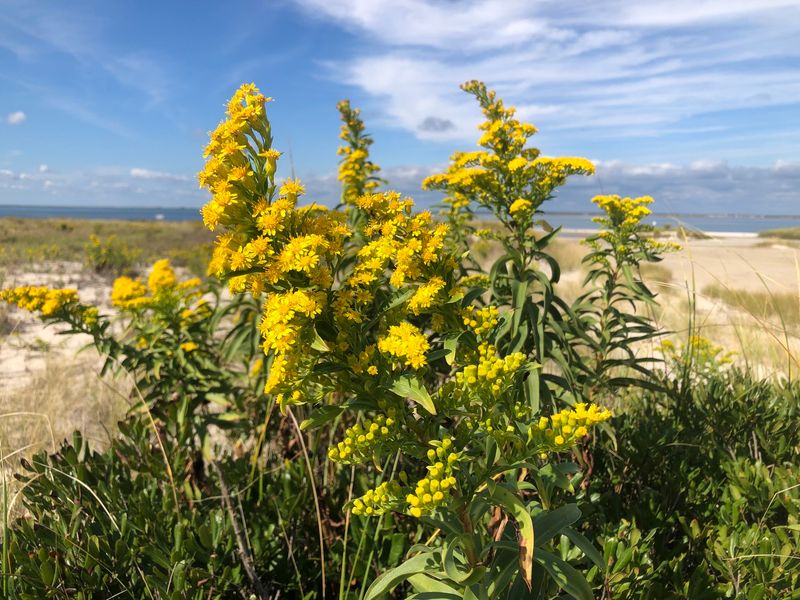
Golden plumes wave like cheerful flags against autumn’s gray skies, proving that late-season color doesn’t require exotic imports. Seaside goldenrod produces dense clusters of bright yellow daisy-like flowers atop sturdy stems from August through October.
Smooth, fleshy leaves distinguish this coastal native from inland goldenrod varieties while providing superior salt tolerance. Unlike spreading relatives, this well-behaved perennial stays put while attracting butterflies and beneficial insects to your garden when most other flowers have finished blooming.
6. Northern Bayberry (Morella pensylvanica)
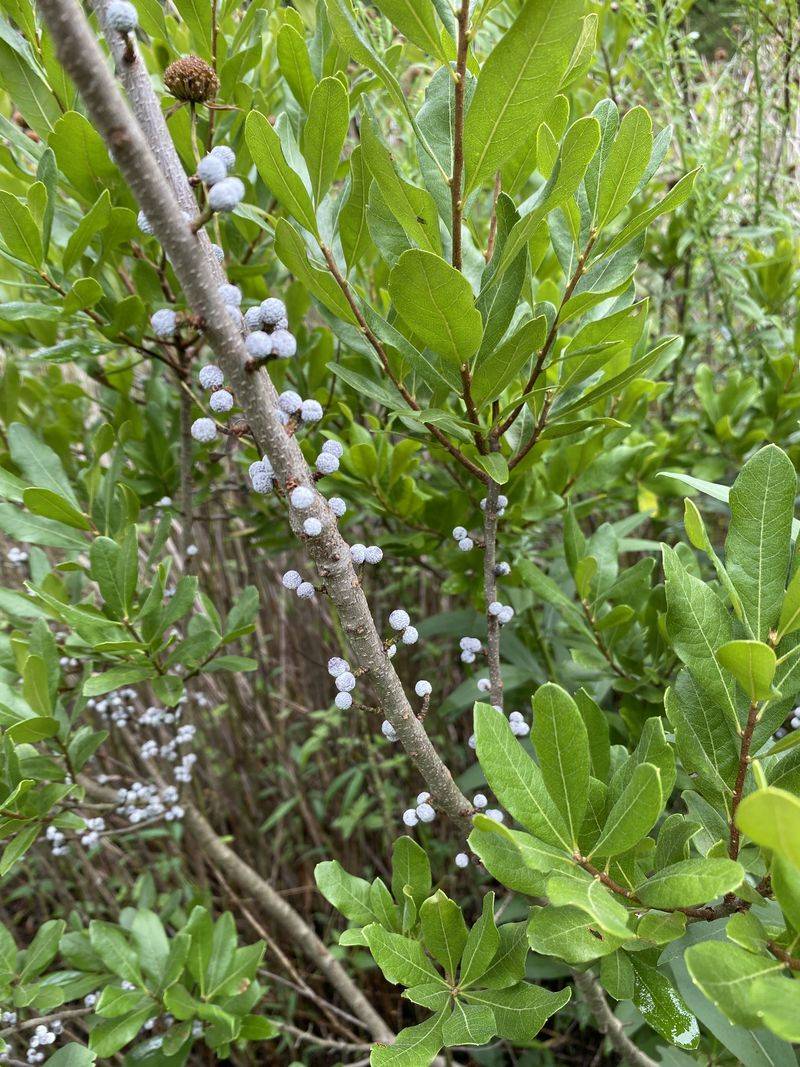
Waxy gray berries cling to bare winter branches like natural ornaments, historically harvested for making aromatic candles that scented colonial homes. This deciduous shrub produces inconspicuous flowers in spring, but female plants reward gardeners with persistent fruit displays.
Leathery leaves turn golden-yellow in fall before dropping to reveal the decorative berry clusters. Northern bayberry fixes nitrogen in poor soils while tolerating salt spray, drought, and neglect that would challenge less adaptable shrubs in coastal gardens.
7. Wild Columbine (Aquilegia canadensis)
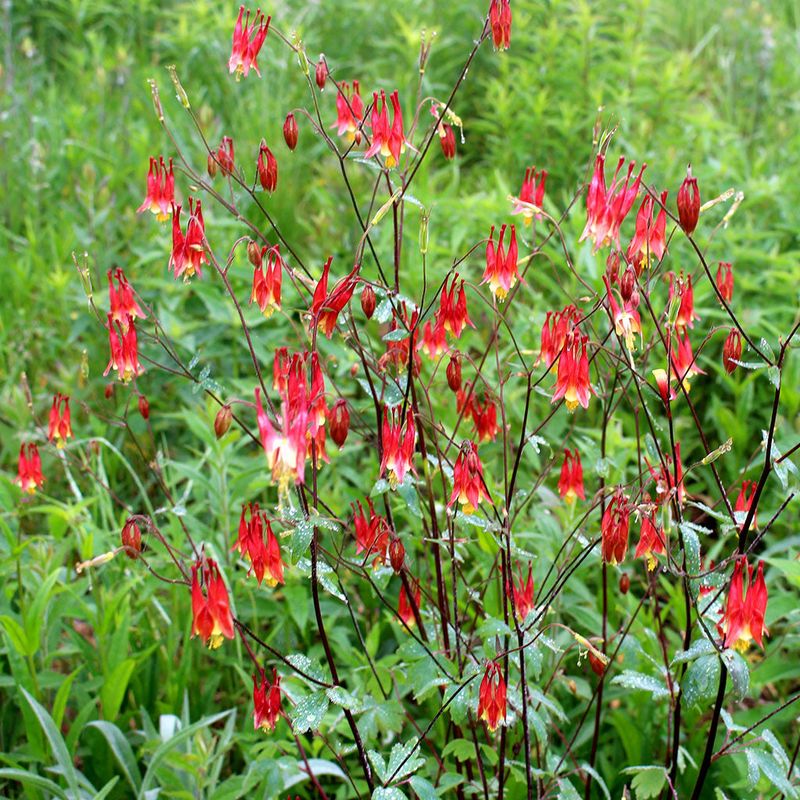
Delicate red and yellow flowers nod gracefully on slender stems, resembling tiny dancers performing in coastal breezes. Wild columbine brings woodland charm to seaside gardens with its distinctive spurred blooms that hummingbirds find irresistible during late spring flowering.
Blue-green compound leaves remain attractive even after flowers fade, creating textural interest throughout the growing season. This native perennial self-seeds readily in rocky crevices and sandy soils, establishing naturalized colonies that return reliably each year with minimal garden intervention.
8. Marsh Aster (Symphyotrichum tenuifolium)
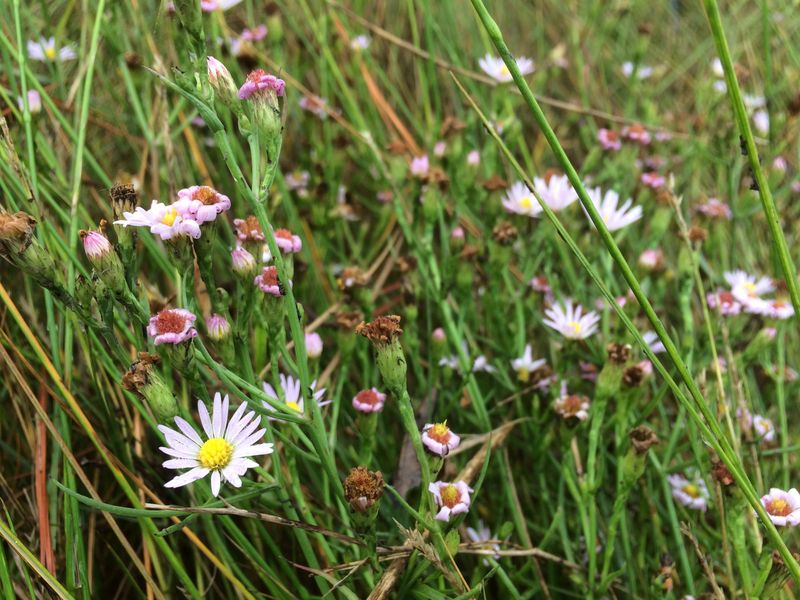
Purple stars scattered across branching stems create autumn magic when most coastal plants are preparing for winter dormancy. Marsh aster produces clouds of small lavender flowers with yellow centers from September through October.
Narrow linear leaves give this native perennial a fine-textured appearance that contrasts beautifully with broader-leafed companions. Salt marshes and coastal meadows are its natural habitat, making it perfectly suited for gardens near the ocean where it provides crucial late-season nectar for migrating butterflies and other pollinators.
9. Seashore Mallow (Kosteletzkya pentacarpos)
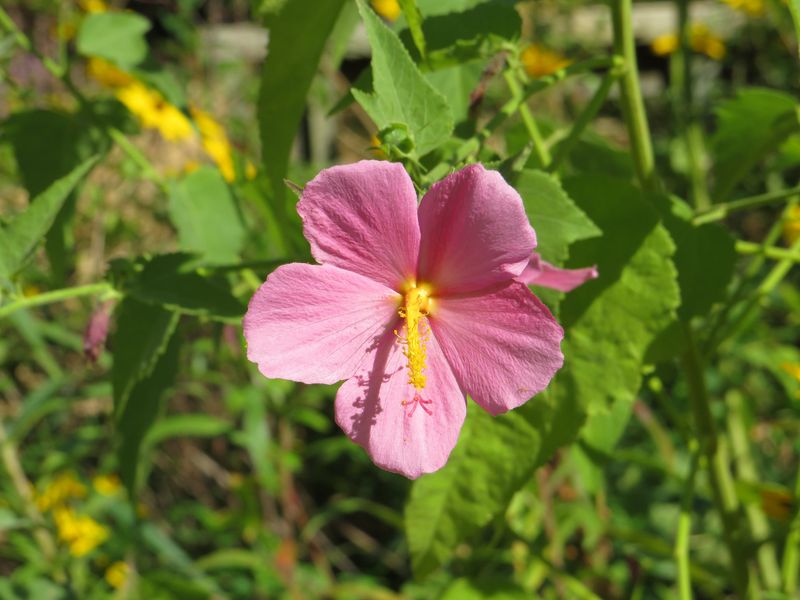
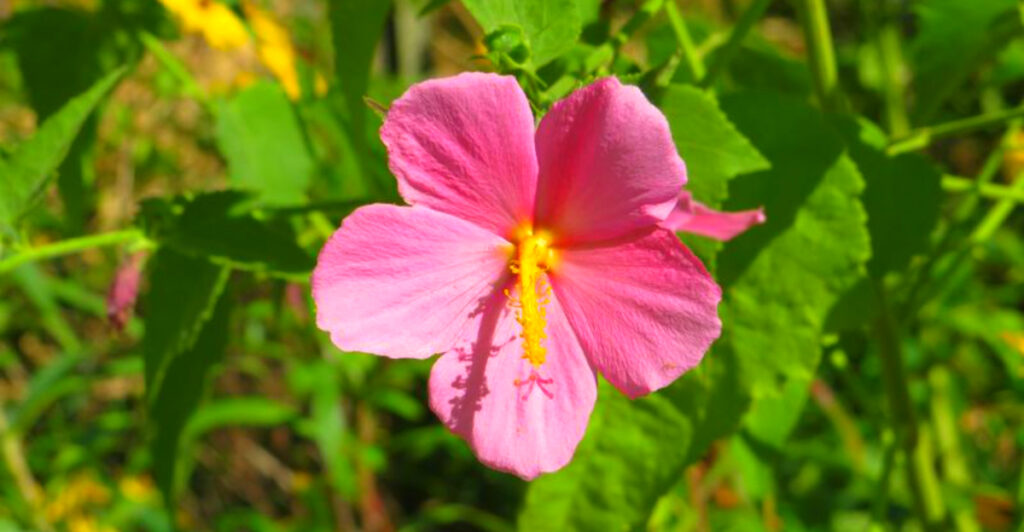
Pink hibiscus-like flowers bring tropical flair to temperate coastal gardens, proving that Maine natives can be surprisingly exotic-looking. Large five-petaled blooms appear continuously from midsummer through early fall on sturdy upright stems.
Heart-shaped leaves provide bold texture while the entire plant tolerates salt spray and wet soils that would rot many perennials. This native mallow attracts butterflies and hummingbirds while requiring no special care once established, making it perfect for naturalized coastal plantings or formal perennial borders.
10. Dusty Miller (Artemisia stelleriana)
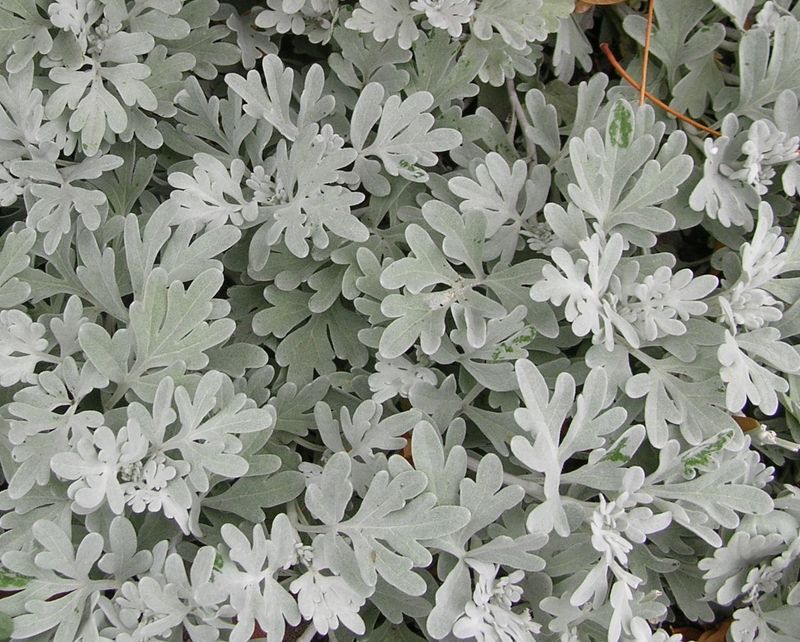
Silver-white foliage gleams like moonlight against darker green companions, earning this native its common name and garden popularity. Deeply lobed leaves create intricate patterns while maintaining their striking color throughout the growing season.
Small yellow flowers appear in summer, but the real show comes from the woolly, silvery foliage that tolerates salt spray and sandy soils. This low-growing perennial spreads slowly to form attractive groundcover while providing textural contrast that makes neighboring plants appear more vibrant and defined.
11. Salt Marsh Aster (Symphyotrichum subulatum)
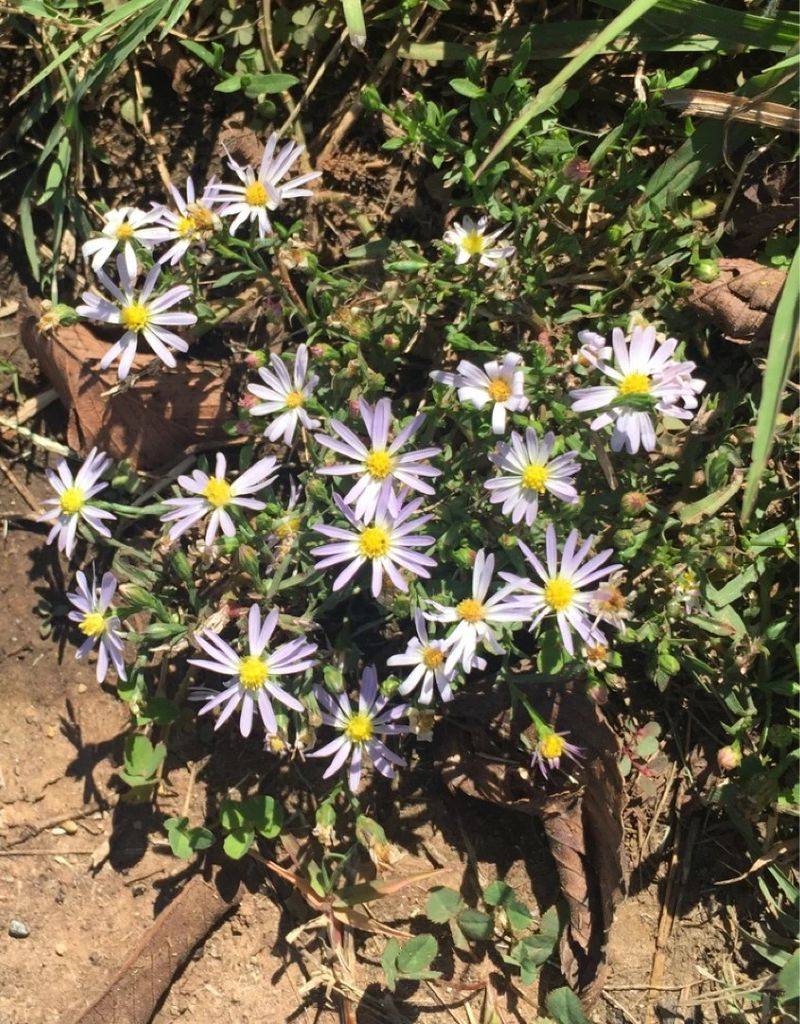
Tiny white flowers create delicate clouds above narrow succulent-like leaves, transforming harsh salt marsh environments into ethereal displays each autumn. This specialized native thrives where few other plants survive.
Dense branching stems produce hundreds of small composite flowers that provide essential late-season resources for wildlife. Salt marsh aster tolerates periodic flooding and constant salt exposure while requiring no supplemental watering or fertilizing, making it ideal for challenging coastal locations where conventional perennials struggle to establish.
12. Beach Pea (Lathyrus japonicus)
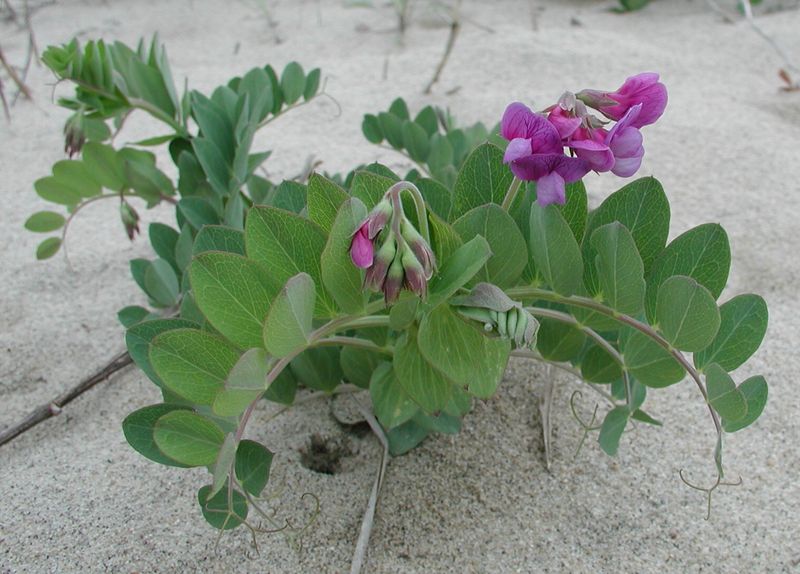
Purple pea flowers peek out from sprawling vines that carpet coastal dunes with their distinctive compound leaves and climbing tendrils. This native legume fixes nitrogen while creating living mulch that prevents erosion.
Edible pods follow the flowers, though they’re better left for wildlife that depends on this important coastal food source. Beach pea tolerates sand burial and salt spray while spreading to form extensive colonies, making it perfect for stabilizing slopes or creating naturalized groundcover in challenging seaside conditions.