
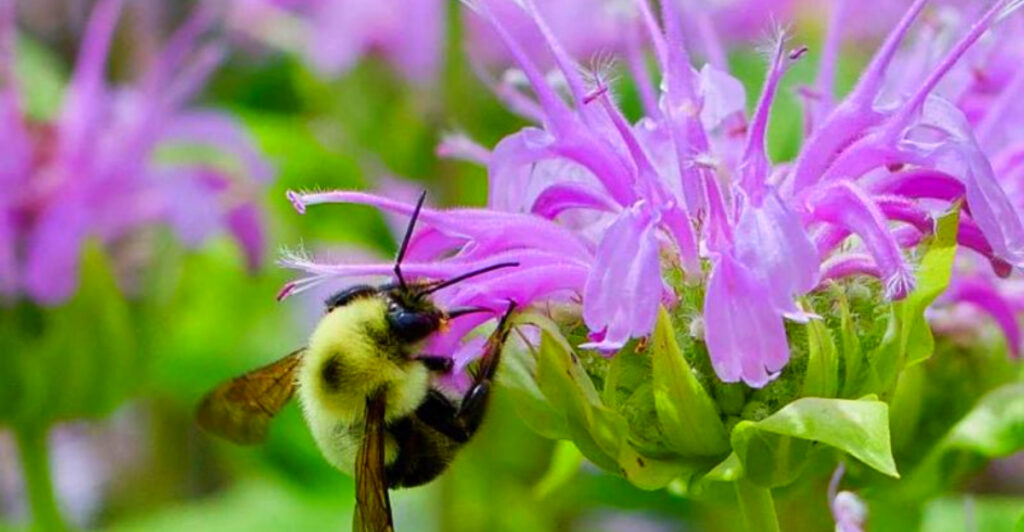
Creating a pollinator-friendly backyard in Maryland is a delightful way to support local wildlife while enhancing the beauty of your garden. By choosing the right plants, you can attract bees, butterflies, and hummingbirds, all essential for pollination. Here are ten plants that will help turn your garden into a thriving hub of biodiversity.
1. Black-Eyed Susan (Rudbeckia)
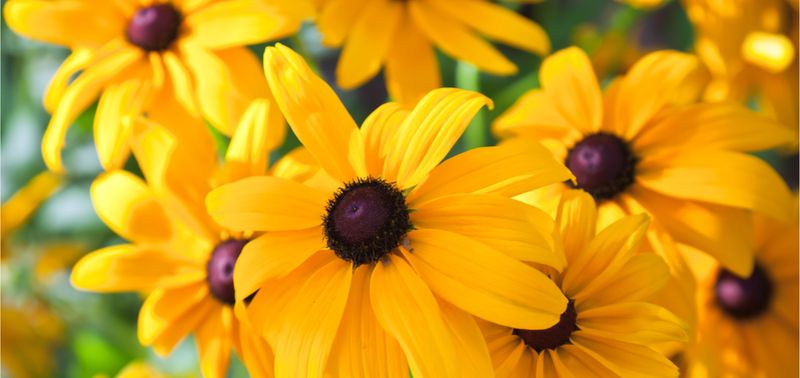
With its cheery yellow petals and dark centers, the Black-Eyed Susan is Maryland’s state flower. It draws in butterflies and provides a striking contrast in any garden.
These perennials are exceptionally hardy, tolerating droughts and poor soil conditions. Their long blooming season ensures your garden remains lively from summer into fall.
A symbol of encouragement and motivation, Black-Eyed Susans offer more than just beauty; they embody resilience and vibrancy.
2. Purple Coneflower (Echinacea)
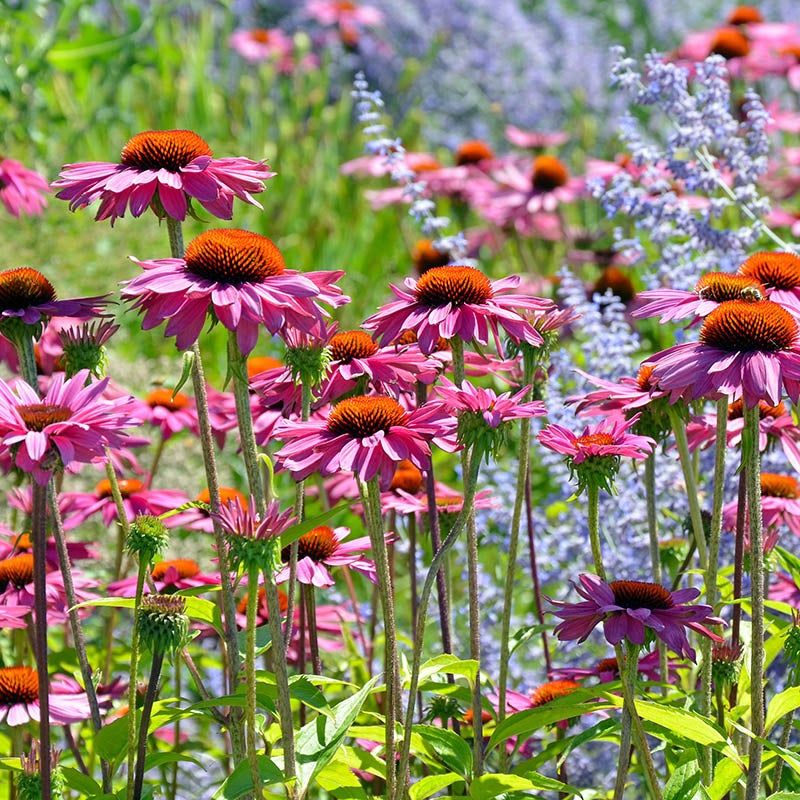
Purple Coneflowers, with their striking pink-purple petals and spiky centers, are a favorite among bees and butterflies. Their presence can transform any garden into a lively spectacle.
These robust plants are easy to cultivate, thriving in dry or well-drained soils. Their tall, upright stems add structure and depth to garden designs.
Echinacea is not just ornamental; its extract is renowned for boosting the immune system, making it a gardener’s medicinal go-to.
3. Milkweed (Asclepias)
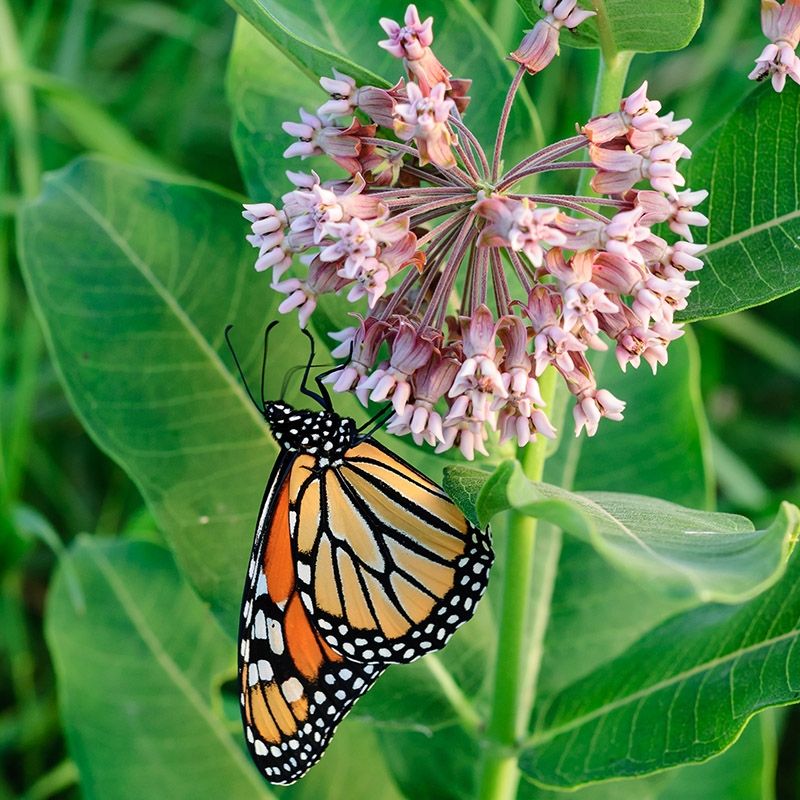
Milkweed is a vital plant for monarch butterflies, serving as both a food source and a breeding ground. Its clusters of small, fragrant flowers are an essential part of the butterfly lifecycle.
These plants are hardy and adaptable, growing well in a variety of conditions. Their thick, milky sap deters many pests, ensuring longevity in your garden.
Beyond its ecological importance, milkweed’s unique blooms add a touch of whimsy and intrigue to your landscape.
4. Bee Balm (Monarda)
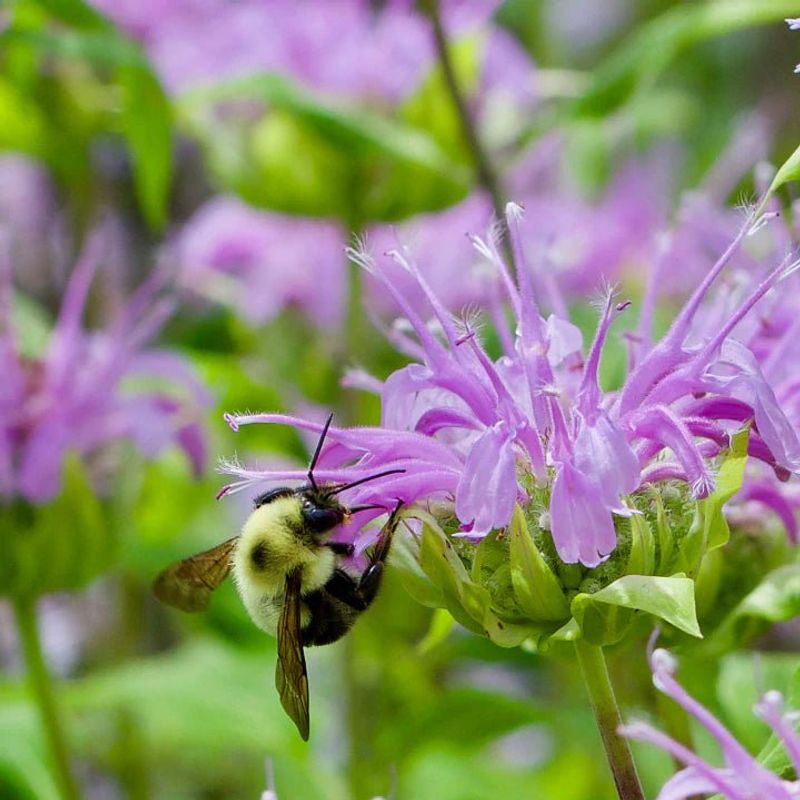
Bee Balm, known for its brilliant reds and pinks, is a magnet for bees and hummingbirds. Its bright blooms not only add a splash of color but also emit a pleasant aroma.
Growing up to four feet tall, this plant thrives in sunny spots and attracts diverse pollinators throughout summer. Its tubular flowers are perfect for long-tongued pollinators.
Besides its visual appeal, Bee Balm’s leaves can be steeped to make a delightful herbal tea. A true multi-purpose beauty for your backyard.
5. Liatris (Blazing Star)
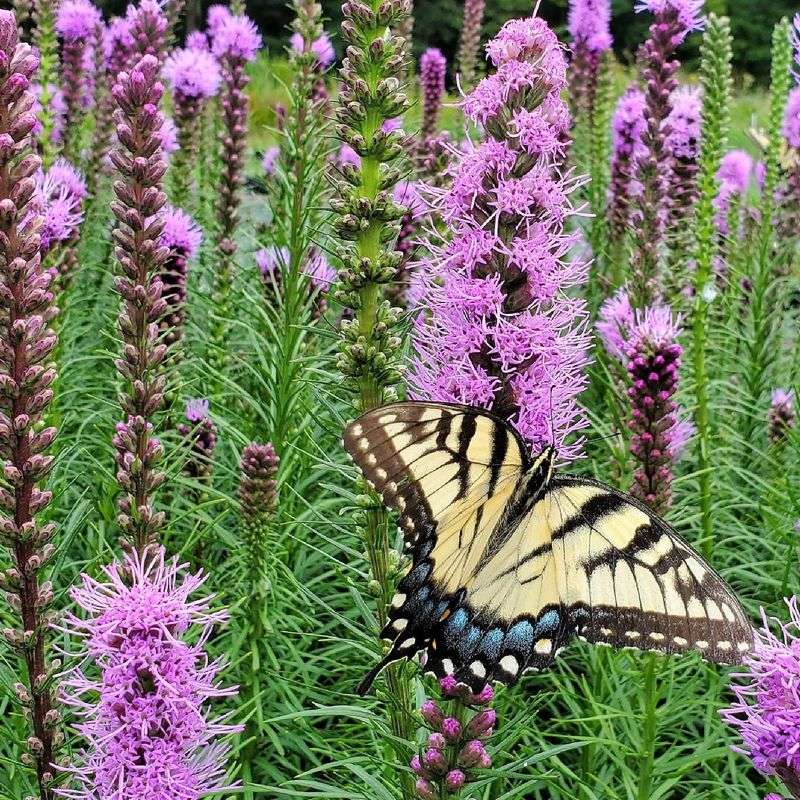
Liatris, or Blazing Star, captivates with tall spikes of purple blooms that attract a plethora of pollinators. Its unique appearance brings vertical interest to any garden.
This perennial thrives in sunny locations with well-drained soil, making it a low-maintenance choice for gardeners. Its flowers bloom from top to bottom, providing extended visual interest.
Often used in wildflower arrangements, Liatris is celebrated for its resilience and minimal care requirements.
6. Goldenrod (Solidago)
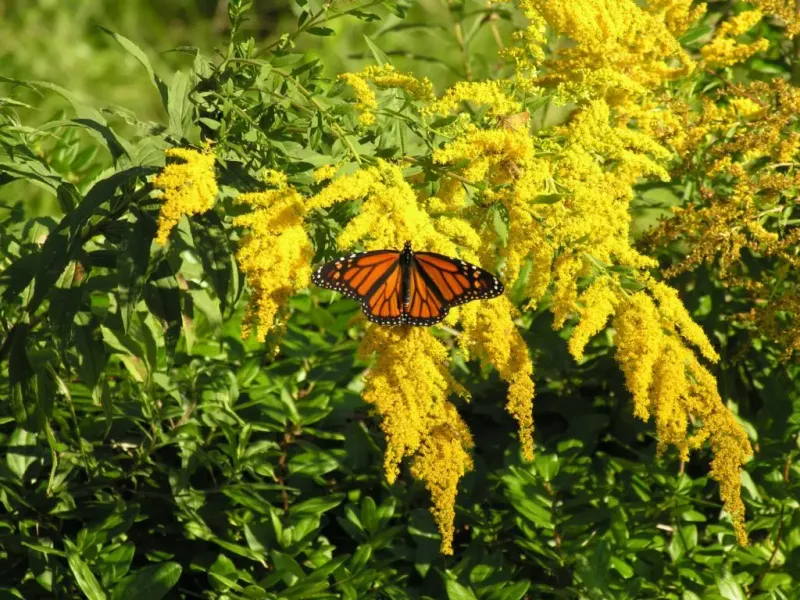
Goldenrod, with its feathery plumes of yellow flowers, supports numerous pollinators and adds a sunlit glow to late summer gardens. Its blooms are often mistaken for causing allergies, but this is a misconception.
These vigorous plants are easy to grow and can thrive in various habitats, from meadows to garden borders. Their ability to attract beneficial insects also aids in pest control.
Goldenrod’s role in herbal medicine is well-documented, enhancing its appeal as a garden staple.
7. Joe Pye Weed (Eutrochium)
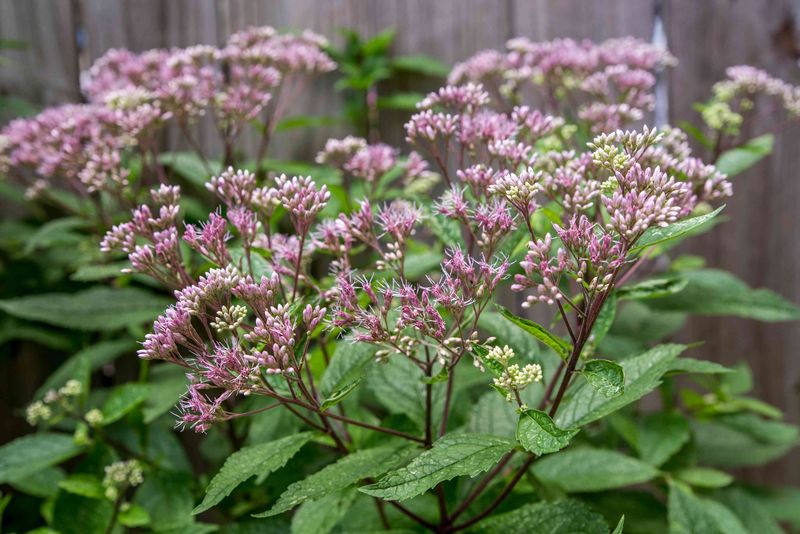
Joe Pye Weed, with its clusters of pinkish-purple flowers, is a magnet for butterflies and bees. Its towering presence creates a dramatic focal point in any backyard.
Preferring moist soils, this plant thrives along streams and garden edges, providing a burst of color in late summer. Its height and dense blooms create a vibrant display.
Historically used by Native Americans for medicinal purposes, Joe Pye Weed is a plant with both cultural and ecological significance.
8. Sunflower (Helianthus)
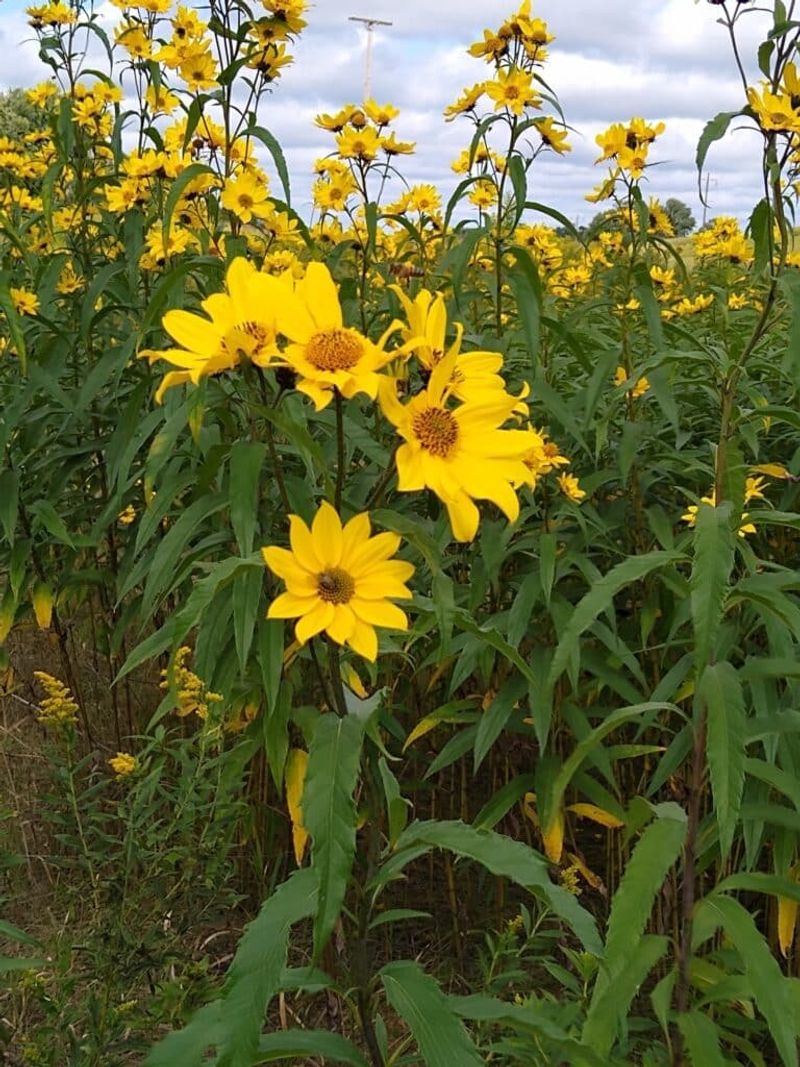
Sunflowers, with their towering stalks and bright, sunny faces, are iconic summer blooms. They attract a wide array of pollinators, from bees to birds, with their ample nectar.
These plants thrive in full sun and well-drained soil, reaching impressive heights that add drama to garden landscapes. Their seeds provide a nutritious snack for wildlife.
Besides their ecological benefits, sunflowers symbolize adoration and loyalty, making them a heartfelt addition to gardens.
9. Asters
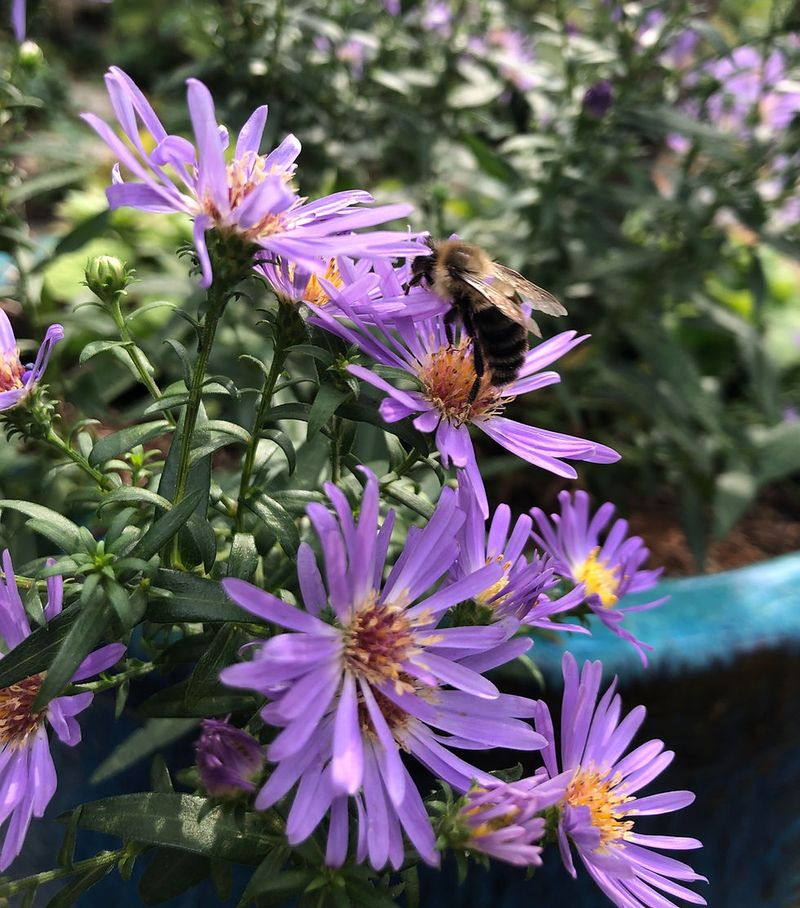
Asters, with their star-shaped blooms, bring a splash of color to fall gardens, attracting late-season pollinators. Their diverse colors range from blues to pinks, providing endless design possibilities.
These hardy perennials thrive in sunny spots and are resistant to deer, making them a versatile choice for Maryland backyards. They offer prolonged blooms when many other flowers have faded.
Once believed to ward off serpents, asters carry a mystical charm, infusing gardens with mythical allure.
10. Yarrow (Achillea)
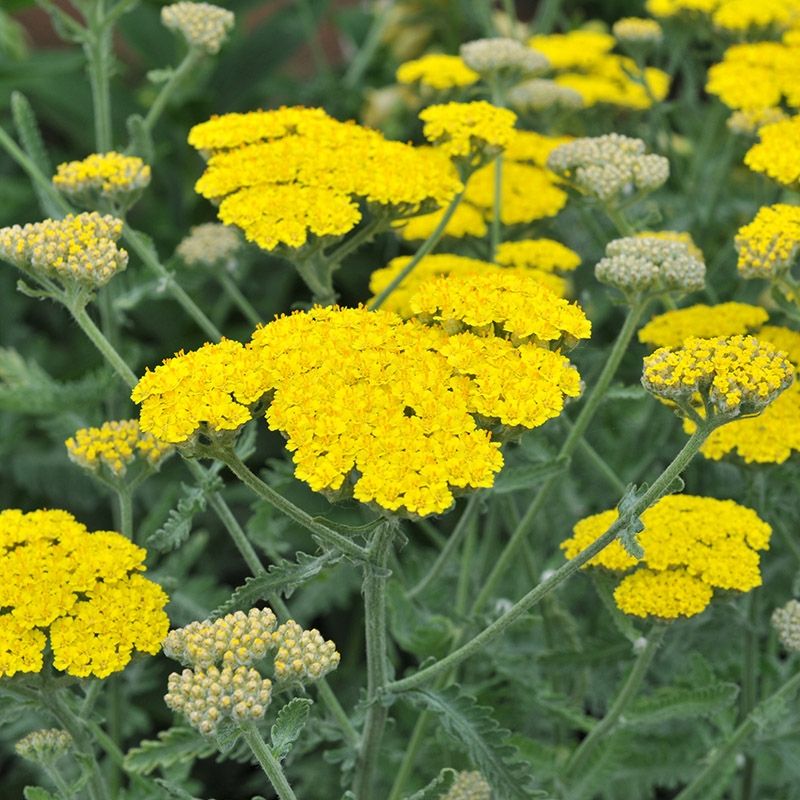
Yarrow, known for its flat-topped clusters of tiny flowers, is a haven for various pollinators. Its fern-like foliage adds texture and interest to gardens year-round.
These adaptable plants flourish in poor soils and are drought-tolerant, making them ideal for low-maintenance gardening. Their long-lasting blooms enhance garden aesthetics.
Yarrow’s historical use in herbal medicine, particularly for wound healing, adds depth to its garden appeal, merging beauty with utility.