
October brings cooler temperatures and shorter days, but that doesn’t mean your garden has to slow down. With the right techniques, you can keep your plants healthy and even grow fresh vegetables well into autumn. This month offers unique opportunities to prepare your garden for winter while still enjoying colorful blooms and tasty harvests. Follow these simple secrets to make the most of your October garden and set yourself up for success next spring.
1. Plant Spring-Flowering Bulbs Now
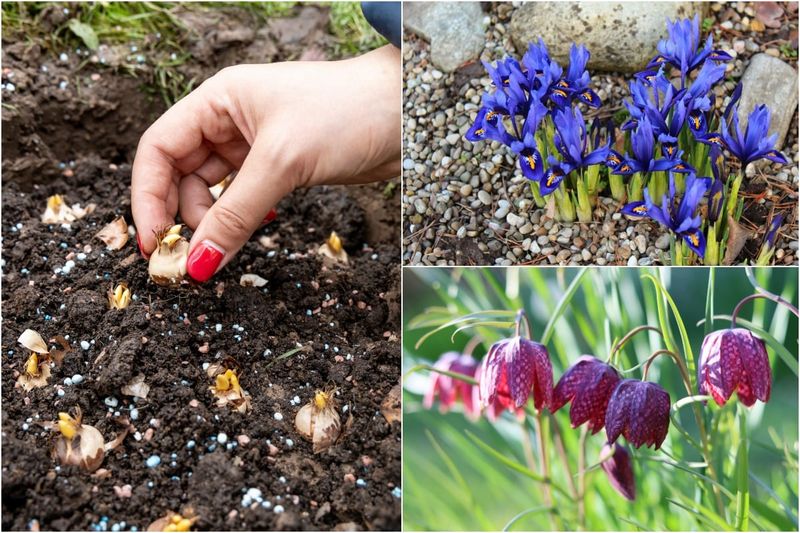
Fall is when you prepare for spring’s spectacular show. Daffodils, tulips, and crocuses need to be tucked into the ground before winter arrives. These bulbs require a cold period to develop strong roots and produce beautiful flowers.
Plant them at the proper depth, usually about three times the height of the bulb itself. Make sure the pointed end faces upward. Choose a sunny spot with good drainage to prevent bulbs from rotting over winter.
Imagine stepping outside next March to see bright colors popping up everywhere. That’s the reward for spending a little time planting bulbs this October.
2. Divide Overgrown Perennials
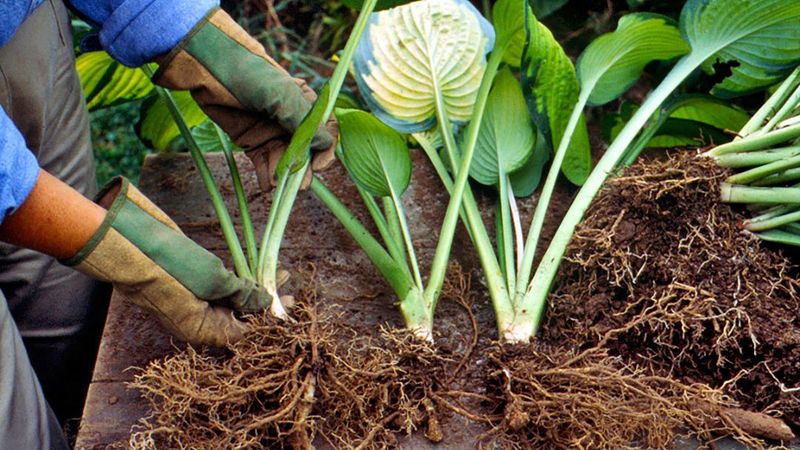
Perennials like hostas, daylilies, and black-eyed Susans can become crowded after several years. When plants grow too thick, they compete for nutrients and water, which weakens them. October’s cool weather makes it the perfect time to dig up these clumps and split them into smaller sections.
Use a sharp spade or garden fork to carefully separate the roots. Replant the divisions in fresh soil enriched with compost. Water them well to help them settle in.
This simple task rejuvenates tired plants and gives you extras to share with friends or fill bare spots in your garden.
3. Grow Cool-Season Vegetables
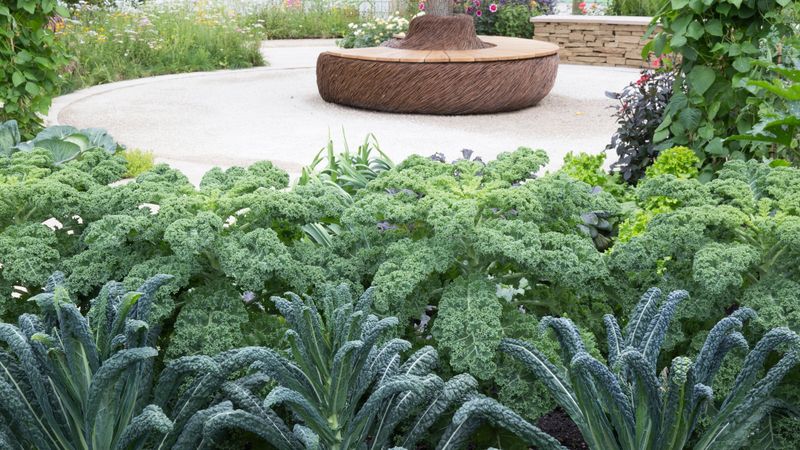
Who says vegetable gardening ends when summer fades? Lettuce, spinach, kale, radishes, and turnips actually prefer cooler temperatures. These hardy crops can handle light frosts and will grow quickly in October’s mild conditions.
Start seeds directly in the garden or transplant young seedlings. Keep the soil moist until plants establish themselves. You’ll be harvesting crisp greens and crunchy radishes before the first hard freeze arrives.
Did you know? Many cool-season vegetables taste sweeter after experiencing a light frost because the cold triggers sugar production in their leaves.
4. Add Compost to Enrich Your Soil
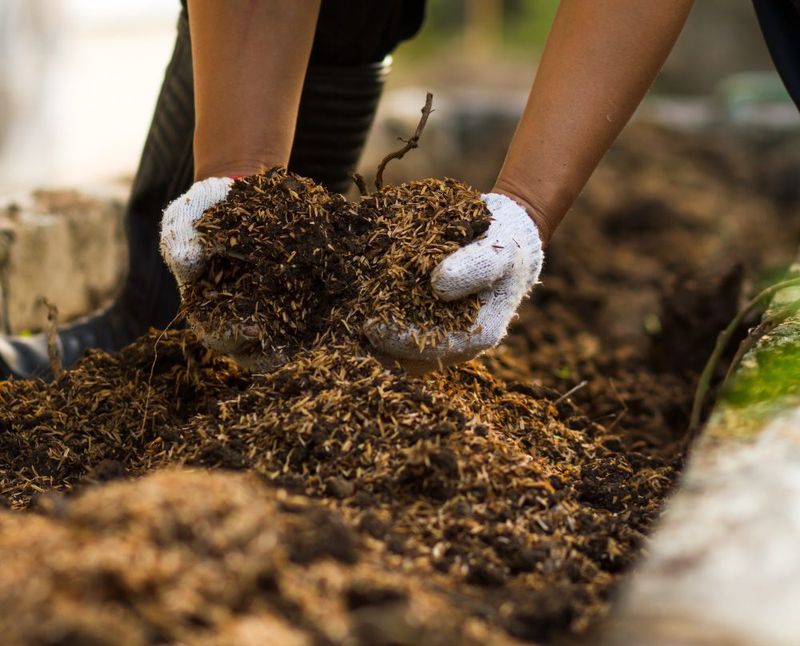
Healthy soil creates healthy plants, and October is an excellent time to boost your garden’s foundation. Spreading a layer of compost across your beds adds essential nutrients that plants need to thrive. This organic matter also improves soil structure, helping it hold moisture better and drain more efficiently.
Apply about two to three inches of compost and gently work it into the top layer of soil. As it breaks down over winter, beneficial microorganisms will continue improving soil health.
Think of compost as a nutritious meal for your garden that keeps giving long after you apply it.
5. Mulch to Protect and Insulate
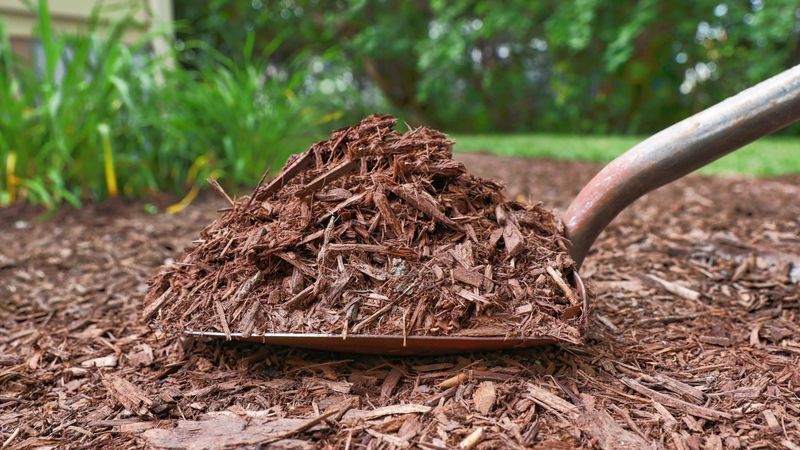
Mulch acts like a cozy blanket for your garden, regulating soil temperature and locking in moisture. A two to three-inch layer around your plants suppresses weeds and protects roots from temperature swings. Shredded leaves, straw, or wood chips all work wonderfully.
Just remember to keep mulch a few inches away from plant stems and tree trunks. When mulch touches plants directly, it can trap moisture and cause rot or invite pests.
Proper mulching in October means less watering, fewer weeds, and healthier plants that can better withstand winter’s challenges ahead.
6. Bring Tender Plants Indoors
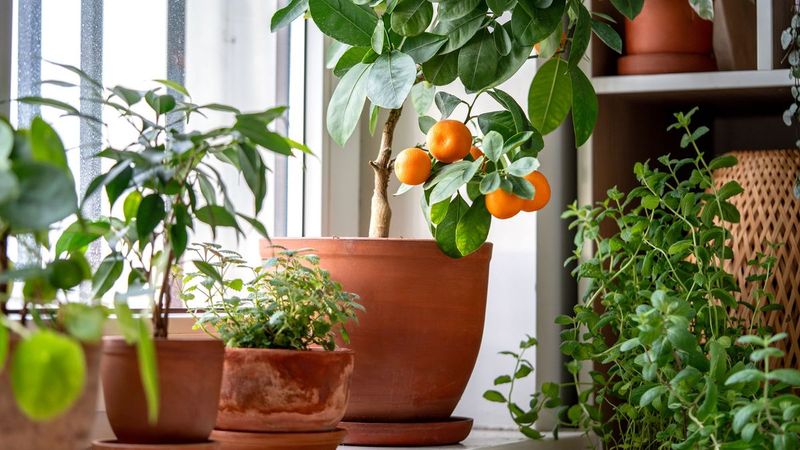
When frost warnings appear, it’s time to rescue your sensitive plants. Citrus trees, begonias, succulents, and tropical houseplants that summered outdoors need to come inside before temperatures drop too low. Even one cold night can damage or kill these tender beauties.
Don’t rush them inside all at once. Gradually acclimate plants by bringing them in for a few hours daily, then increasing the time. This prevents shock from sudden environmental changes.
Check plants carefully for pests before bringing them indoors. Nobody wants uninvited bugs sharing their living space all winter long!
7. Prune Dead or Damaged Branches
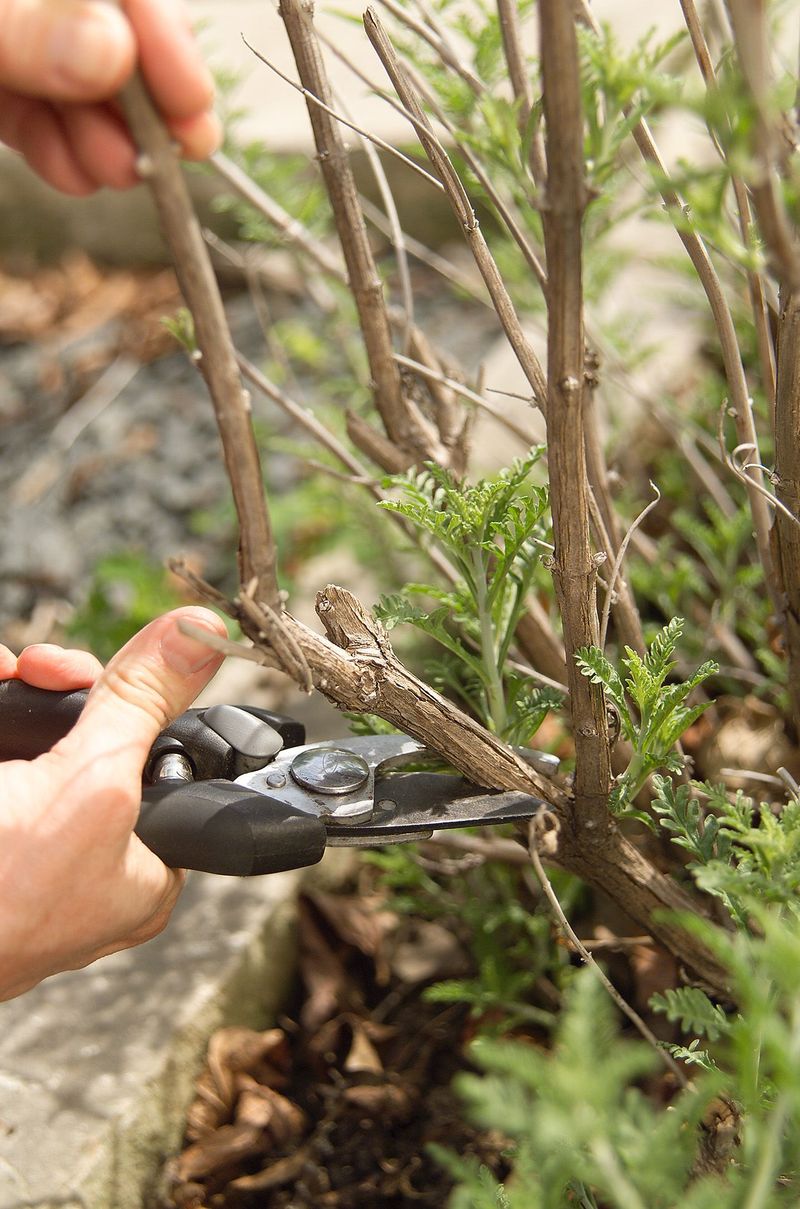
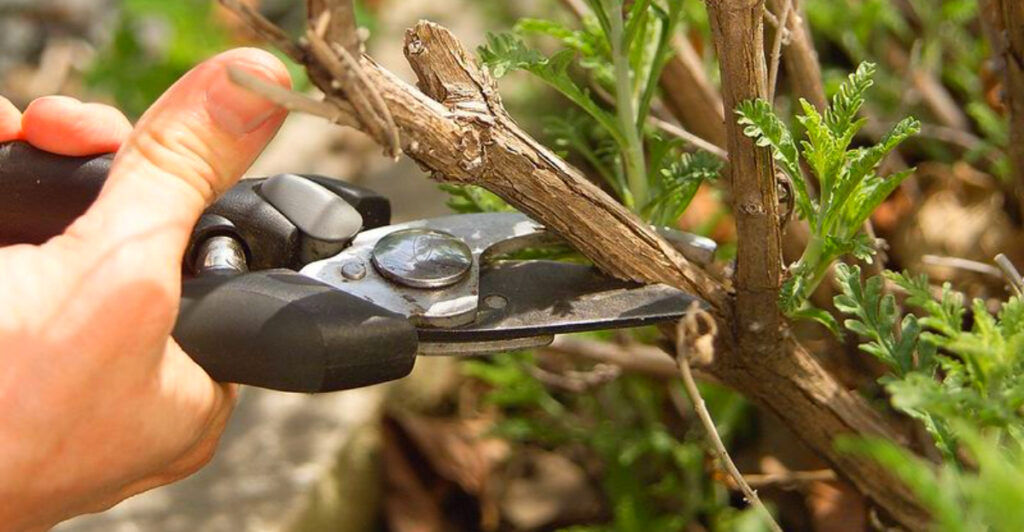
October is inspection time for your trees and shrubs. Walk around your garden looking for dead, diseased, or damaged branches that should be removed. Cutting away problem areas prevents diseases from spreading and helps plants stay strong through winter storms.
Use clean, sharp pruning tools to make smooth cuts. Avoid heavy pruning of spring-blooming shrubs like lilacs and azaleas, or you’ll cut off next year’s flower buds.
Focus on removing only what’s necessary. Save major shaping and trimming for late winter when plants are fully dormant and won’t waste energy healing cuts.
8. Plant Garlic for Next Summer
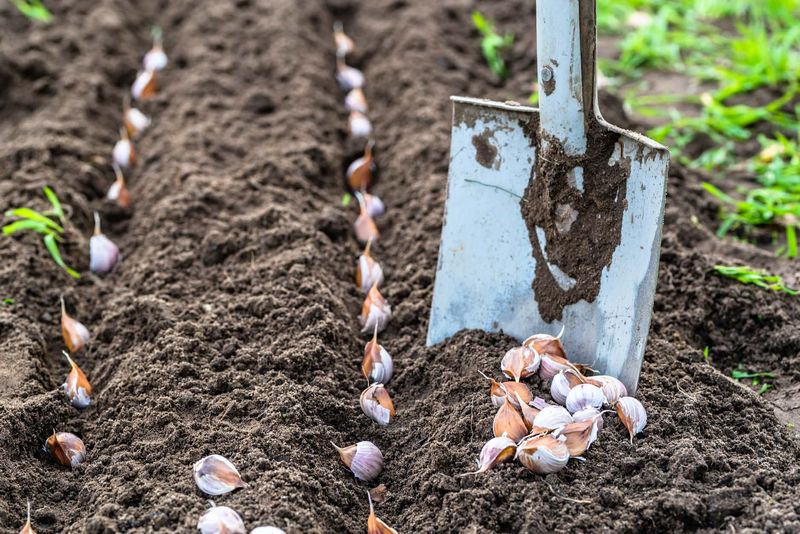
Garlic lovers, October is your month! Planting garlic cloves now gives them time to develop strong roots before winter. They’ll rest during the coldest months, then burst into growth when spring arrives. Harvest time comes next summer, around June or July.
Choose a sunny location with loose, well-drained soil enriched with compost. Separate garlic heads into individual cloves and plant them pointed end up, about two inches deep and six inches apart.
Protect your garlic patch from hungry gophers with wire mesh if these critters live in your area. Fresh homegrown garlic tastes amazing!