
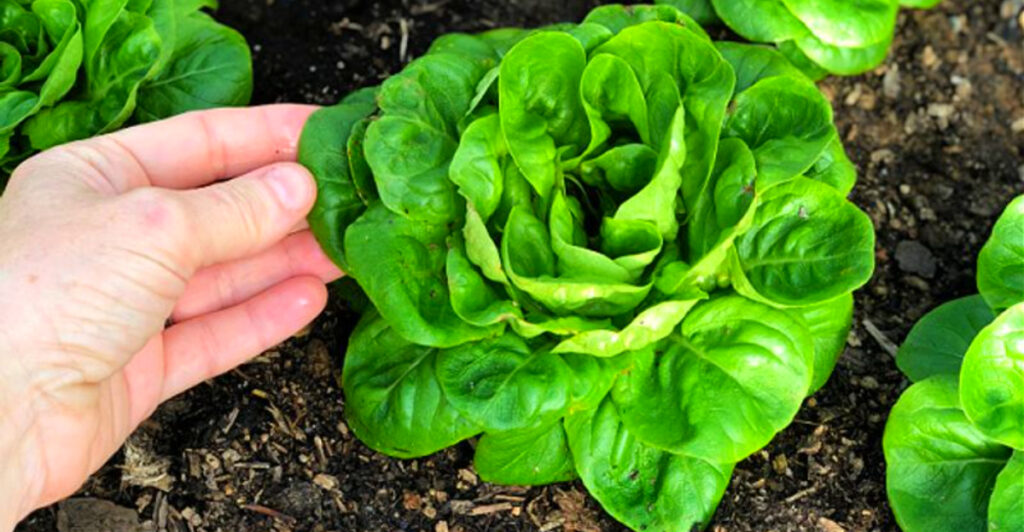
October might seem like the end of gardening season, but it’s actually a golden opportunity to plant cool-weather crops. Many vegetables thrive in cooler temperatures and can even survive light frosts. By planting now, you’ll enjoy fresh harvests well into winter and even early spring.
1. American Land Cress
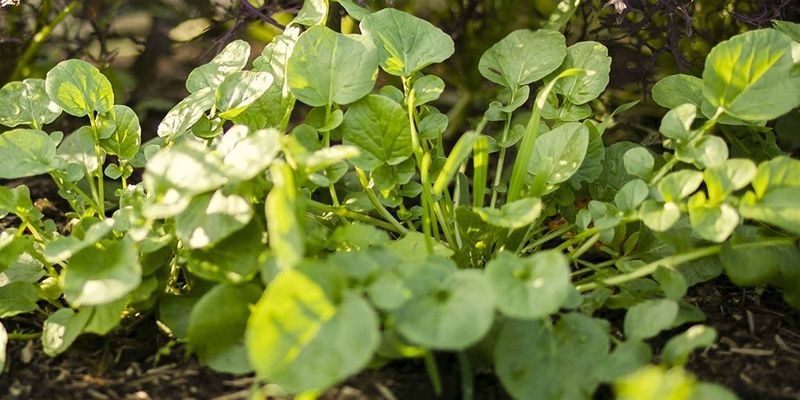
Craving something zesty for your salads? American land cress delivers a peppery punch that rivals watercress. This cold-hardy green laughs at chilly weather and actually tastes better after a light frost.
Plant seeds directly in your garden bed now, and you’ll be snipping leaves in just seven to eight weeks. The best part? It keeps producing throughout winter if you give it some mulch or row cover protection.
Perfect for sandwiches, soups, or anywhere you’d use arugula, this underrated veggie deserves a spot in every fall garden.
2. Shallots
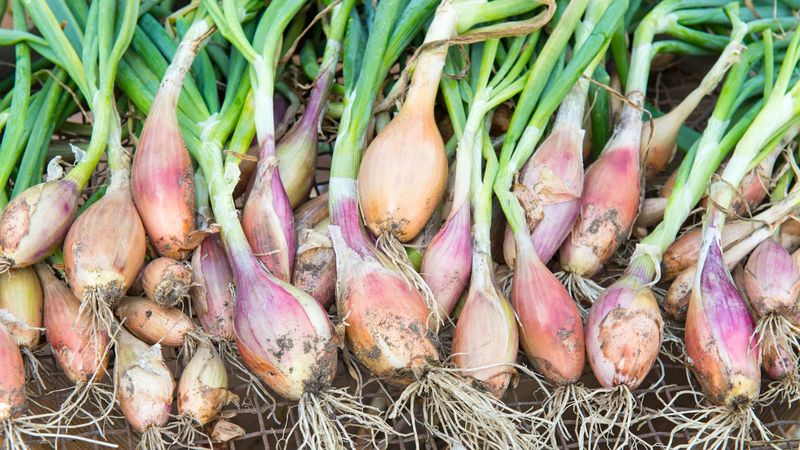
With their mild, sweet flavor that’s fancier than regular onions, shallots are surprisingly easy to grow from sets. October planting gives them time to establish roots before winter hits hard.
Simply push the bulbs into well-drained soil with the pointed end up, spacing them about six inches apart. They’ll sit quietly through winter, then shoot up green tops come spring.
By June or July, you’ll harvest plump, flavorful bulbs that make everything from vinaigrettes to roasted vegetables taste restaurant-quality. One planted shallot can multiply into several bulbs, giving you serious bang for your buck.
3. Rhubarb
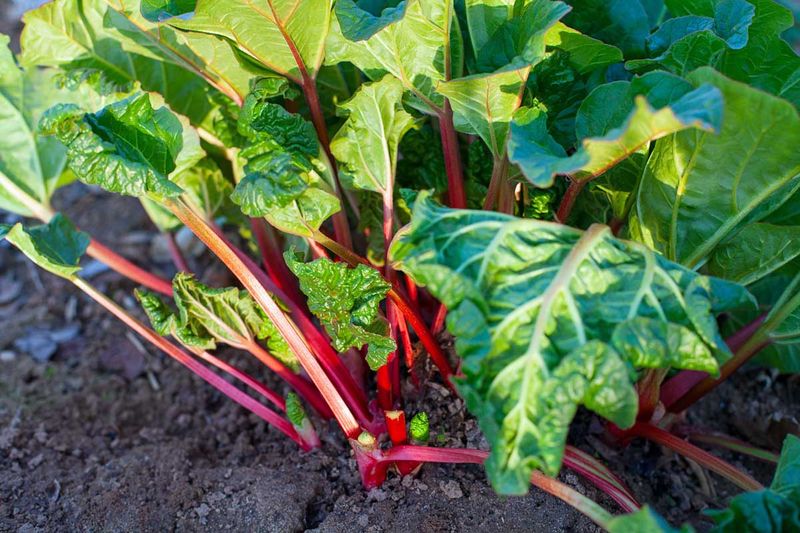
Here’s a fun fact: rhubarb is technically a vegetable, not a fruit, even though we bake it into pies! October is prime time to plant rhubarb crowns for years of tangy harvests.
This perennial powerhouse needs almost zero attention once established. Dig a generous hole, mix in compost, and plant the crown with buds just below soil level.
Don’t harvest stalks the first year—let your plant build strength. Come year two and beyond, you’ll enjoy armloads of ruby-red stalks every spring. One plant can produce for twenty years or more, making it a true garden investment.
4. Mizuna
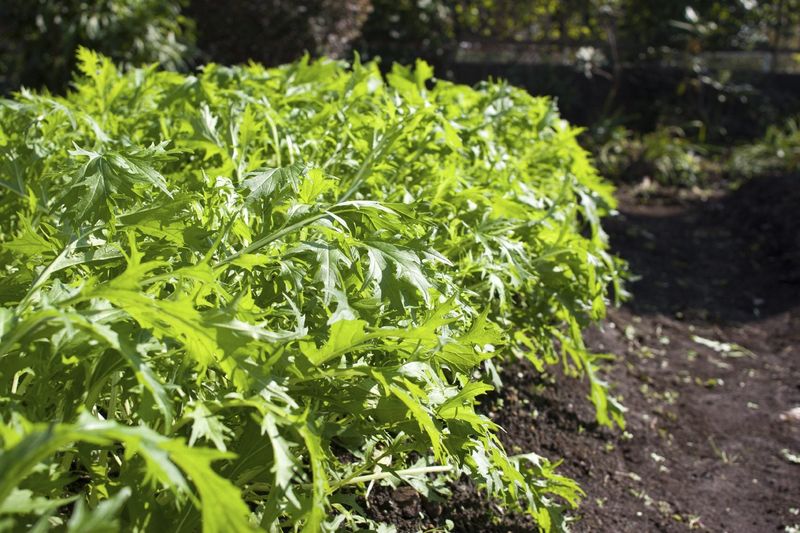
Mizuna brings a taste of Japan to your autumn garden with its feathery, serrated leaves and mild mustard flavor. Speed is this veggie’s superpower—it grows incredibly fast, even in cooling weather.
Scatter seeds in a protected spot outdoors or grow them as microgreens on your windowsill. Within weeks, you’ll have tender greens perfect for stir-fries and salads.
The leaves stay mild when young but develop a pleasant spiciness as they mature. Row covers or a cold frame extend your harvest window, keeping you in fresh greens when grocery store produce costs a fortune.
5. Broccoli
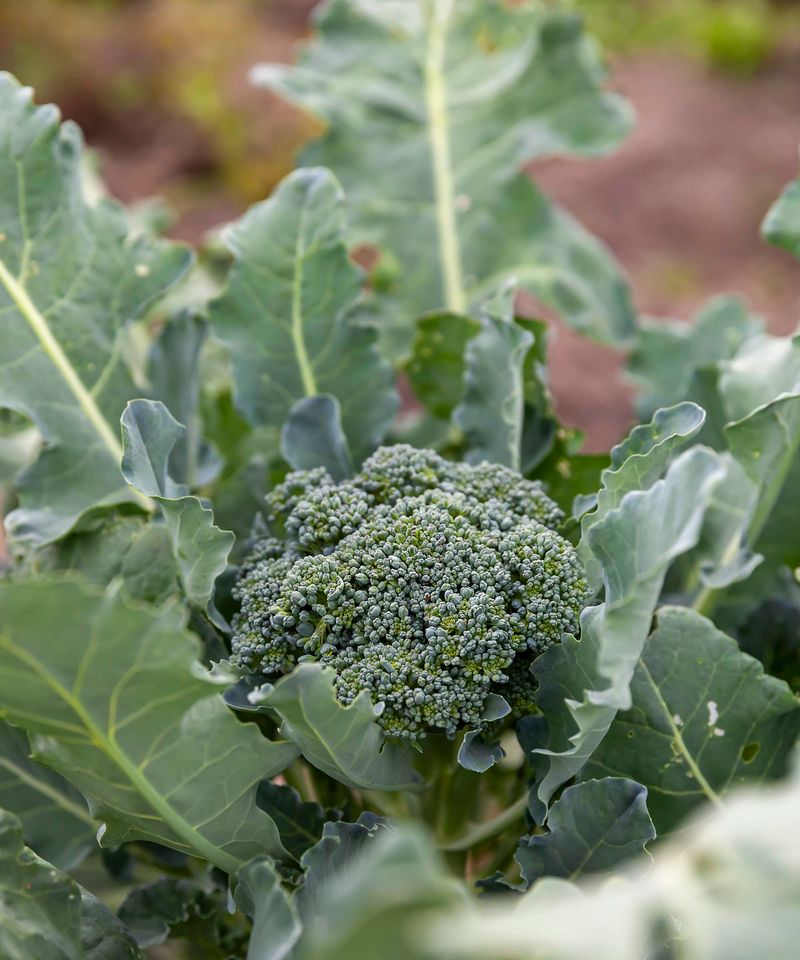
Broccoli actually prefers cooler temperatures and can handle frost like a champ. Planting young transplants now sets you up for delicious spring harvests when broccoli prices skyrocket at stores.
Choose varieties bred for overwintering and give them protection from harsh winds and heavy snow. A simple cold frame or row cover works wonders.
Space plants about eighteen inches apart in nutrient-rich soil. They’ll grow slowly through winter, then produce gorgeous green heads as days lengthen. Plus, after cutting the main head, side shoots keep coming for weeks of bonus harvests.
6. Komatsuna
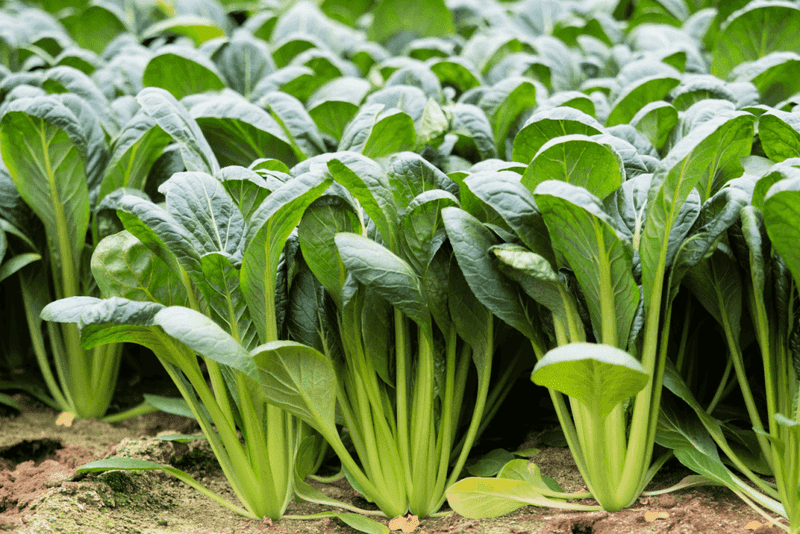
Ever heard of Japanese mustard spinach? Komatsuna combines the best qualities of both vegetables into one winter-hardy package. Its smooth, dark leaves pack nutrition and a gentle spicy kick.
Sow seeds directly in your garden bed and cover with floating row covers to shield from hard freezes. Growth slows in cold weather but doesn’t stop completely.
Harvest baby leaves for salads or let them mature for cooking like spinach or chard. This vegetable is wildly popular in Japan for good reason—it’s versatile, nutritious, and thrives when other greens give up.
7. Winter Lettuce
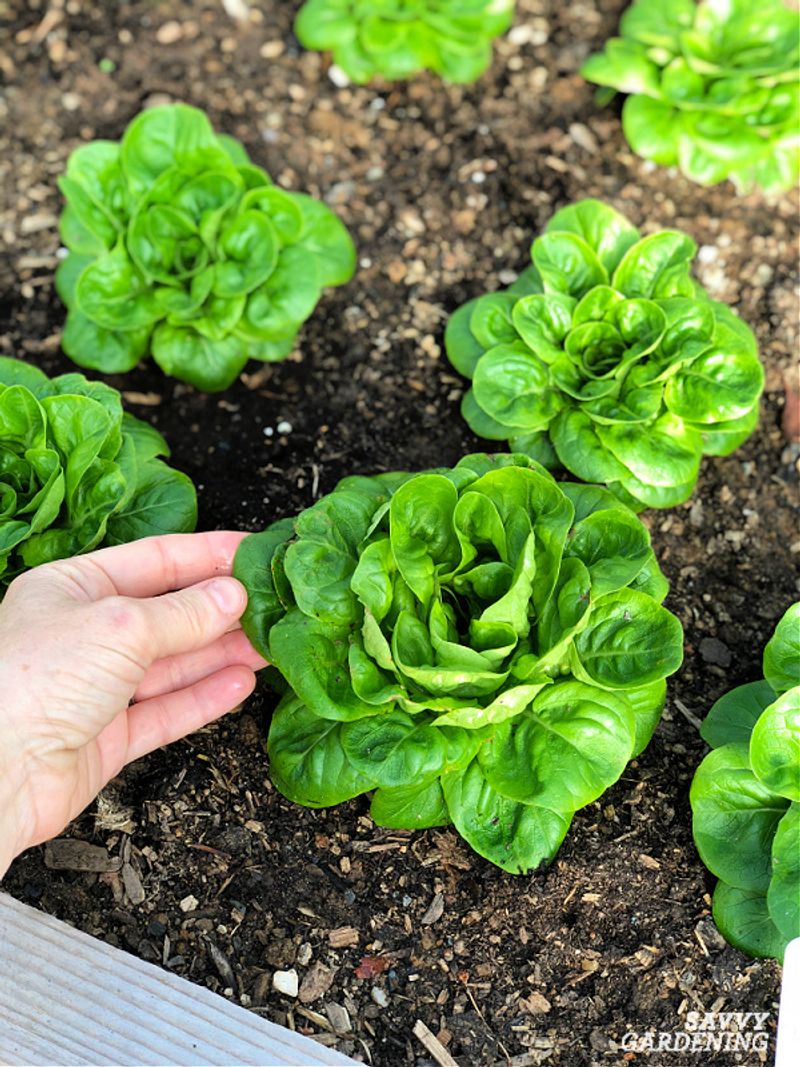
Did you know certain lettuce varieties are bred specifically to survive winter? Varieties like Winter Density and Winter King laugh at cold temperatures that would kill regular lettuce.
Plant them under cloches, in cold frames, or even indoors on a sunny windowsill. They grow slowly but steadily, providing crisp, sweet leaves throughout the coldest months.
Imagine stepping outside on a chilly December day to snip fresh salad greens! Space plants about eight inches apart and keep soil consistently moist. With minimal effort, you’ll enjoy homegrown salads while neighbors are buying expensive, limp grocery store lettuce.
8. Spinach
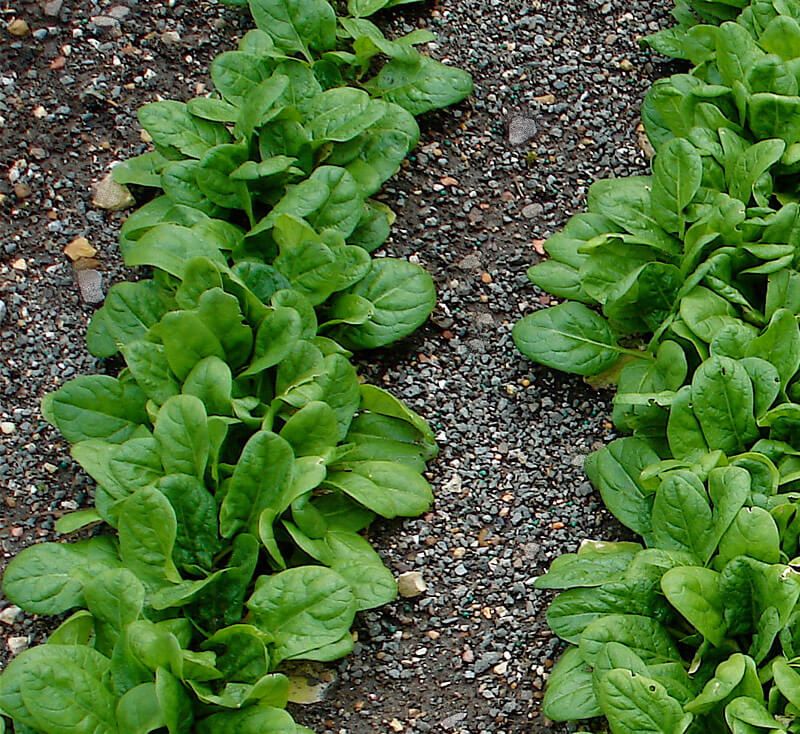
Spinach is ridiculously cold-tolerant, surviving temperatures that would kill most plants. October sowings often taste sweeter than spring crops because cold weather triggers sugar production in the leaves.
Scatter seeds generously in rows or broadcast them across a bed, then cover lightly with soil. Germination happens quickly in cool weather.
Once established, spinach needs little care beyond occasional watering. Harvest outer leaves continuously or cut entire plants at soil level. Either way, you’ll have nutrient-packed greens for smoothies, salads, and sautés all winter long without spending a fortune at the store.
9. Turnips
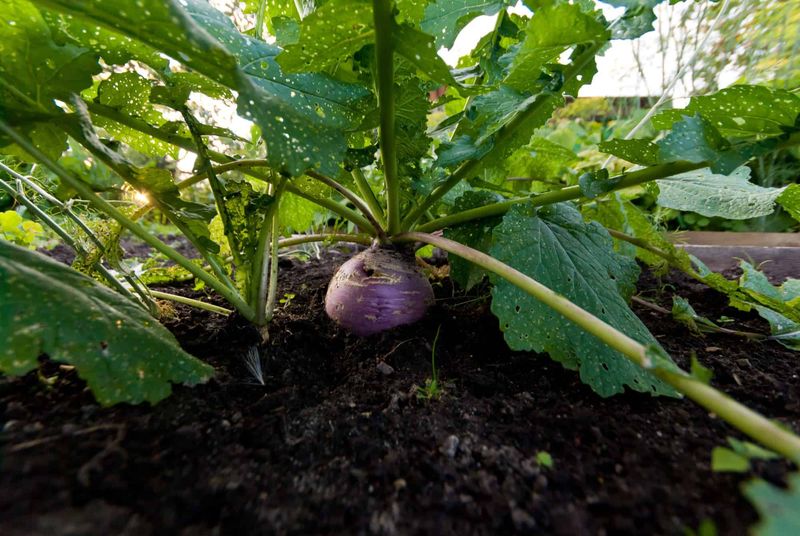
Turnips are the ultimate two-for-one vegetable—you get crunchy, sweet roots and nutritious greens from the same plant. Sow seeds directly where you want them to grow since turnips hate being transplanted.
Plant them about half an inch deep and three inches apart in loose, well-drained soil. They mature quickly, often ready to harvest in just six to eight weeks.
Pull them when roots reach about two inches across for the best flavor and texture. Larger turnips can get woody and bitter. The greens are delicious too—cook them like collards or add young ones to salads.
10. Kale
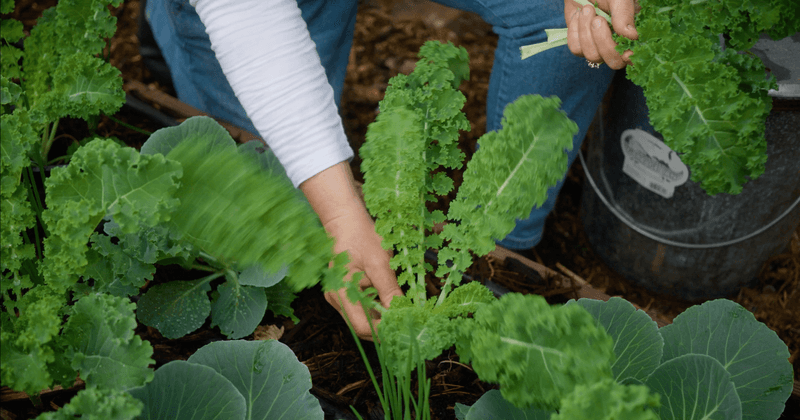
Kale is practically indestructible once established, surviving temperatures well below freezing. In fact, frost makes kale leaves sweeter by converting starches to sugars—nature’s way of protecting the plant.
Choose cold-hardy varieties like Winterbor or Lacinato and plant transplants or seeds now. Space them twelve inches apart in rich soil amended with compost.
Harvest lower leaves first, allowing the plant to keep growing upward. One planting can provide fresh greens for months, even through snow. Kale chips, smoothies, soups, salads—this superfood does it all while asking for almost nothing in return.