

October brings something magical to gardeners and landscaping enthusiasts: the perfect window for planting trees and shrubs. While spring often steals the spotlight as planting season, autumn offers unique advantages that can give your new plants a powerful head start. Cooler weather, warm soil, and nature’s own rhythms combine to create ideal conditions that help roots establish before winter arrives, setting up your landscape for spectacular growth come spring.
1. Cooler Air Meets Warm Soil
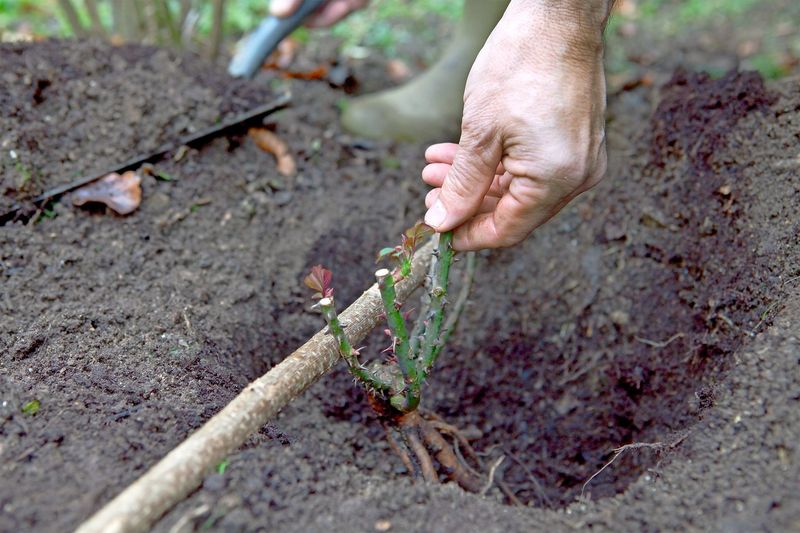
Picture this: the summer heat has finally broken, but underground, the soil still holds warmth from months of sunshine. This combination creates a goldilocks zone for new plantings. Your trees and shrubs won’t struggle with scorching temperatures that drain their energy, yet their roots can spread comfortably through soil that’s still easy to work with.
Root systems absolutely thrive in these conditions. Instead of pushing energy into leaves and branches, plants focus entirely on building strong underground foundations. By the time winter arrives, your new additions will have developed enough roots to anchor themselves securely and absorb nutrients efficiently when spring awakens.
2. Natural Rainfall Does the Heavy Lifting

October typically brings increased rainfall in many regions, and Mother Nature becomes your personal irrigation system. Newly planted trees and shrubs need consistent moisture to establish themselves, and autumn showers deliver exactly that without you running up your water bill. Rain also penetrates deeper than most sprinkler systems, encouraging roots to grow downward.
This natural watering schedule reduces the stress on both you and your plants. You won’t need to drag hoses around daily or worry about forgetting to water during busy weeks. The cooler temperatures also mean less evaporation, so every drop of moisture stays available longer for your thirsty new plantings to absorb and utilize.
3. Weeds Take a Well-Deserved Break
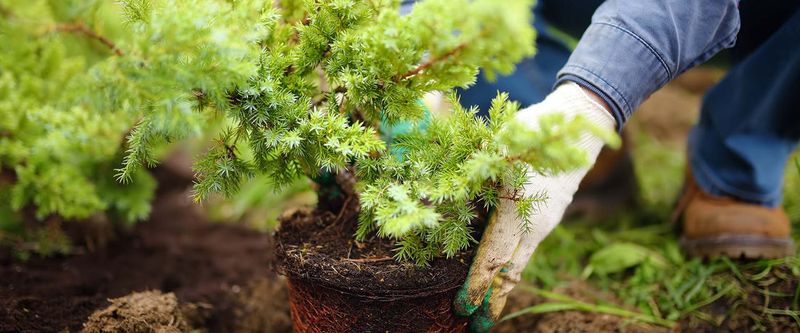
Here’s some welcome news: aggressive weeds that compete for water and nutrients slow down dramatically in fall. While your newly planted trees and shrubs work hard establishing roots, they won’t face the same fierce competition they would during spring and summer. Crabgrass, dandelions, and other garden bullies retreat as temperatures drop.
This gives your intentional plantings a serious advantage. They can claim territory and resources without constantly battling invasive neighbors. You’ll spend less time pulling weeds around new plants, and your trees and shrubs can focus their energy where it matters most—building the strong foundation they’ll need to flourish for years to come in your landscape.
4. Extended Growing Season Advantage

When you plant in October, you’re essentially giving your trees and shrubs two growing seasons instead of one. Fall planting allows roots to develop throughout autumn, then they get a second chance when spring arrives. That’s double the establishment time before summer heat tests their resilience.
This head start makes an enormous difference in plant survival and vigor. Come next July, while spring-planted specimens struggle with their first real summer, your October plantings will already have deep, established root systems. They’ll handle drought better, resist diseases more effectively, and show more robust growth. It’s like giving your landscape investment a performance upgrade right from the start.
5. Nursery Discounts and Better Selection
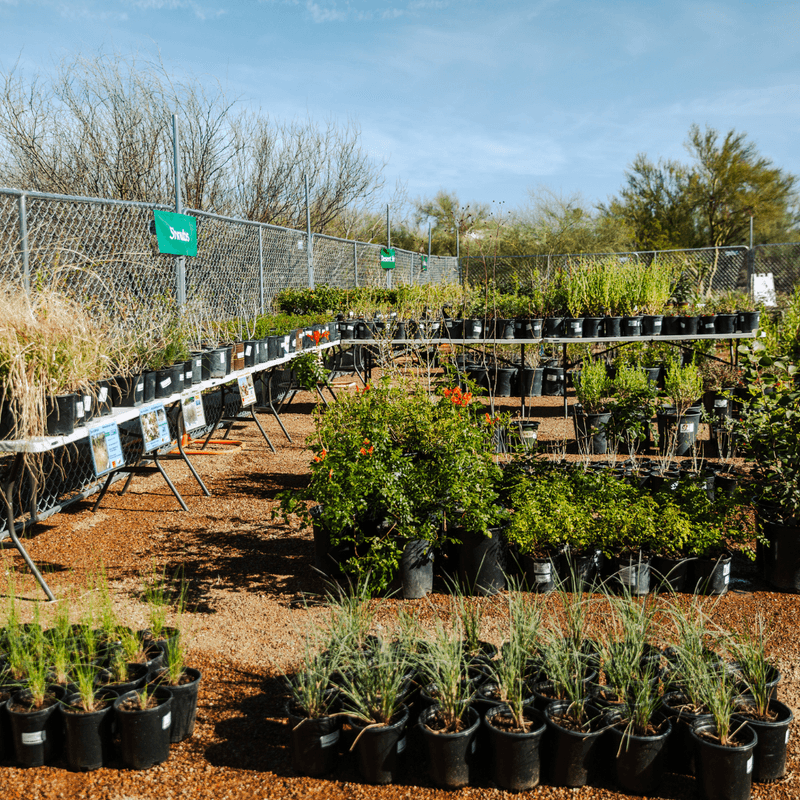
Did you know? Nurseries often slash prices in October to clear inventory before winter. Garden centers need to make room for holiday merchandise, which means savvy planters can score premium trees and shrubs at fraction of spring prices. You might find that beautiful Japanese maple or flowering dogwood you’ve been eyeing suddenly within budget.
Beyond savings, selection can actually improve in fall. While some varieties sell out, nurseries often stock hardy, proven performers perfect for autumn planting. Staff members typically have more time to offer advice without the spring rush chaos. You can take your time choosing healthy specimens and get expert guidance on placement and care—all while saving money on quality plants.
6. Plants Focus Energy Underground

As daylight shortens and temperatures cool, trees and shrubs naturally shift into a different mode. Above-ground growth slows dramatically, but underground activity continues strong. This biological programming means October plantings instinctively direct their energy toward root development rather than producing leaves and branches.
This focus creates stronger, healthier plants long-term. Extensive root systems developed during fall dormancy support more vigorous spring growth. Your plants won’t waste precious energy on foliage that might not survive anyway. Instead, they’ll build the infrastructure needed to access water and nutrients efficiently. When spring arrives, they’ll explode with growth, already equipped with the underground support system to sustain it beautifully.
7. Less Transplant Shock and Stress

Moving plants always causes some shock, but October’s mild conditions minimize this trauma significantly. Without blazing sun and extreme heat, trees and shrubs transition to their new homes much more gently. Their systems aren’t already stressed from supporting heavy foliage or battling dehydration, so they adapt more smoothly to transplanting.
Lower stress levels mean higher survival rates and faster establishment. Plants can gradually adjust to their new environment without the added pressure of summer demands. By spring, they’ll wake up already acclimated to their location, ready to grow rather than recover. This gentler transition shows in healthier foliage, better growth rates, and fewer losses—making your planting efforts more successful overall.