As winter settles in, many plant lovers notice their green friends starting to behave differently — slower growth, drooping leaves, or even mysterious yellowing. That’s because plants respond directly to changes in light, temperature, and humidity. While summer is a season of rapid growth and frequent watering, winter calls for a completely different approach. Failing to adjust your watering routine can lead to one of the most common cold-season plant problems: root rot.
To keep your indoor and outdoor plants healthy during the colder months, it’s essential to understand how and when to water them properly. Below are the key tips every gardener should know for successful winter plant care.
The Importance of Proper Winter Watering
In winter, most plants enter a dormant or semi-dormant phase. Their metabolism slows, meaning they use less water. Overwatering during this period is one of the biggest mistakes plant owners make — it causes soggy soil, root rot, and fungal infections.
Instead, water only when the soil feels dry an inch below the surface. For most indoor plants, this means every 10–14 days. Outdoor plants often need even less, especially if rain or snow provides natural moisture. A moisture meter can help you gauge exactly when to water.
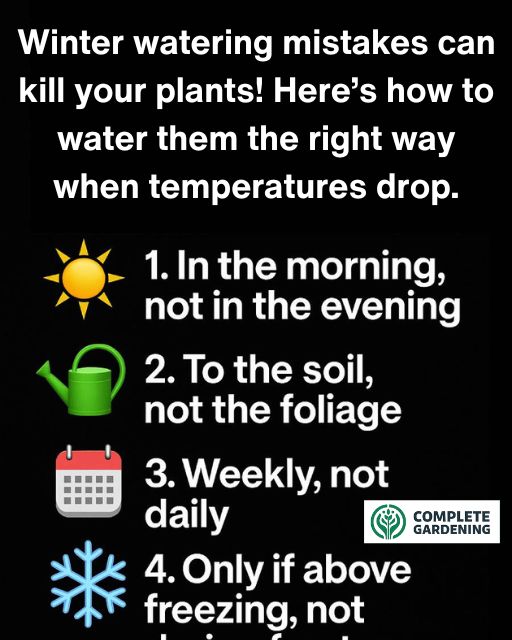
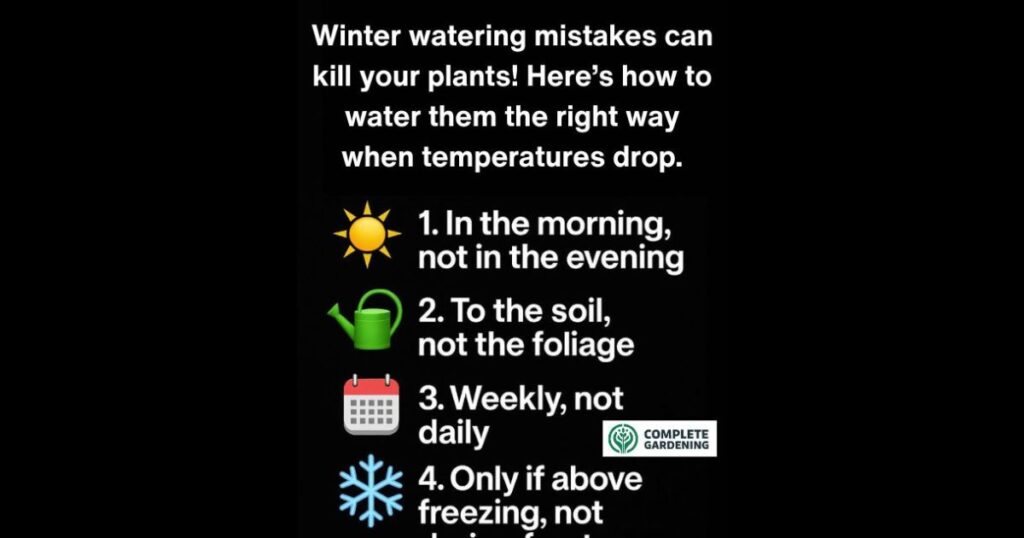
When to Water: Always in the Morning
Timing matters more in winter than in any other season. Watering in the morning gives plants time to absorb moisture throughout the day while temperatures are milder. If you water in the evening, the soil can stay wet overnight — a recipe for rot and disease, especially when nights are cold.
Morning watering also helps protect roots from freezing, as excess moisture can evaporate before temperatures drop again.
Aim for the Soil, Not the Leaves
In cooler weather, water that lingers on leaves can create fungal problems. Always direct water at the base of the plant so it reaches the roots where it’s needed most.
A watering can with a narrow spout or a drip system is ideal. Avoid misting during winter unless your plants specifically thrive on humidity (like ferns or orchids).
Reduce Frequency: Once a Week Is Enough
Unlike summer, daily watering is unnecessary — and harmful. Most plants only need watering about once a week in winter. Check the top inch of soil: if it’s still damp, wait a few more days.
Consistency is key, but so is restraint. Remember — it’s easier to revive a slightly thirsty plant than one that’s been drowned.
Temperature Check: Never Water Below Freezing
Before watering outdoor plants, make sure the temperature is above freezing. Watering frozen soil traps moisture around the roots, which can freeze and kill them.
If a cold snap is on the way, wait until temperatures rise again. This simple step prevents frost damage and helps plants absorb water safely.
Avoid Watering During Frost
Frost and water don’t mix. Water sitting on leaves or soil can freeze overnight, causing tissue damage. Always water during warmer parts of the day and avoid wetting leaves. For extra protection, cover delicate plants with frost cloth or burlap when frost is expected.
How to Tell If Your Plant Needs Water
Each plant has its own rhythm. Succulents and cacti may go weeks without water, while tropical plants might need more frequent hydration. Watch for early warning signs like drooping, curling, or yellowing leaves — they can signal either too much or too little water.
Checking the soil with your finger or a moisture meter is far more reliable than guessing or sticking to a rigid schedule.
Do Viral Plant Hacks Actually Work?
Social media is full of creative plant hacks, but not all of them are safe in winter. One popular (and risky) tip is watering with ice cubes — this can shock the roots and stunt growth. Stick with lukewarm water for winter — it’s gentler and helps maintain root health.
Humidity: The Secret to Happy Winter Plants
Indoor heating dries out the air, leaving your plants parched. Increase humidity with a humidifier, or place bowls of water near heat sources. Grouping plants together also helps create a small, humid microclimate that mimics their natural environment.
Choose the Right Type of Water
Tap water often contains chlorine and other additives that can build up in the soil. If possible, use rainwater or distilled water. If tap water is your only option, let it sit overnight before using — this allows harmful chemicals to evaporate.
Common Winter Watering Mistakes to Avoid
- Following your summer routine — it leads to overwatering.
- Ignoring soil moisture levels before watering.
- Watering during freezing or frosty conditions.
- Splashing water on leaves instead of soil.
The key to winter watering success lies in moderation. Pay attention to your plants, adjust to their seasonal needs, and they’ll reward you with lush, healthy growth when spring returns.
Conclusion — Smarter Watering for Winter Survival
Winter watering isn’t about more or less water — it’s about smarter timing and observation. By watering less frequently, focusing on soil moisture, and protecting roots from freezing, you’ll keep your plants strong through the coldest months. With a few small adjustments, your green companions will emerge from winter healthier and ready to thrive when the warmth returns.