
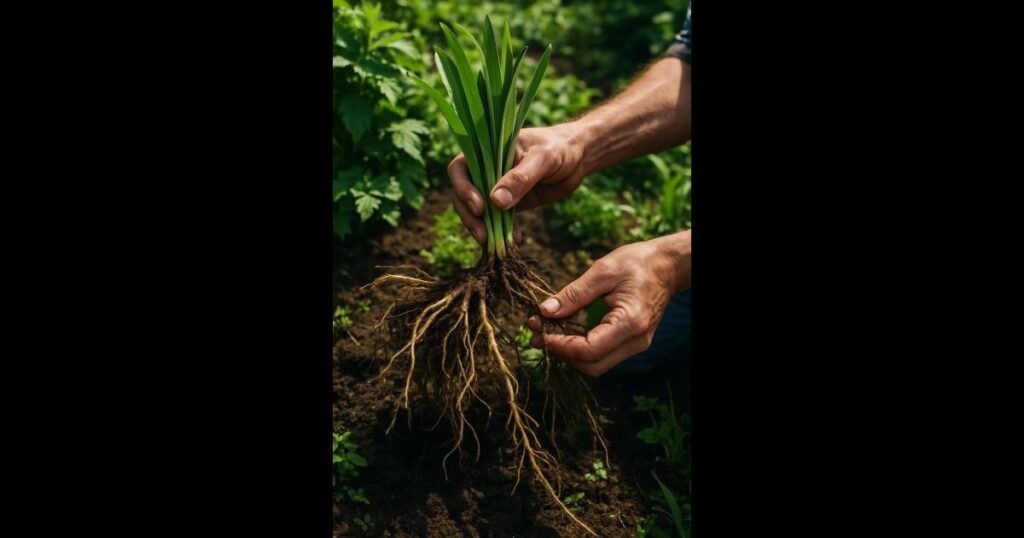
Gardening doesn’t have to be expensive to be rewarding. While buying new plants is always exciting, there’s a simple, natural way to fill your garden with more greenery — without spending a single cent. The secret? Plant division.
Dividing mature plants not only helps you expand your garden for free but also keeps your existing plants healthy and vibrant. When perennials become overcrowded, they start to compete for nutrients, water, and light — leading to fewer blooms and weaker growth. Dividing them restores balance, encourages new life, and gives you more plants to share or replant elsewhere.
If you’ve been meaning to refresh your garden, now’s the perfect time. Here are 11 plants you can divide this month to multiply your garden quickly and effortlessly.
Why Divide Plants – More Than Just Saving Money
Dividing plants does more than stretch your gardening budget. It rejuvenates older plants, reduces overcrowding, and prevents aggressive perennials from taking over your flowerbeds. Regular division keeps your plants productive and maintains their shape, while promoting stronger root systems and better flowering.
When to Divide – Timing Is Key
Early spring and fall are the best seasons for plant division. During these times, temperatures are cooler and plants are not in their active growing phase, which helps them recover faster. Most perennials benefit from division every three to five years — or when you notice the centers dying out or blooms becoming sparse.
1. Hostas – Perfect for Beginners
Hostas are shade-loving favorites with lush, leafy growth. Divide them in early spring as new shoots begin to emerge.
Carefully dig up the clump and slice it into smaller sections, each with at least one growing point or “eye.” Replant at the same depth, water well, and watch them fill your shaded spaces with vibrant green foliage.
2. Daylilies – More Blooms, Less Effort
Daylilies thrive when divided every 3–5 years, ideally after blooming in late summer or early fall.
Lift the clump, separate the leaf fans, and replant each section with healthy roots. Space them 18–24 inches apart, and they’ll reward you with masses of colorful blooms next season.
3. Irises – Revitalize for Stunning Spring Flowers
Divide irises every 3–5 years, usually in late summer when the foliage fades.
Dig up the rhizomes, trim off any dead or mushy parts, and replant healthy sections just below the soil surface with the leaves facing the sun. They’ll bloom stronger and brighter next spring.
4. Peonies — Double Your Blooms
Peonies live for decades but may need dividing every 8–10 years, especially if blooms have slowed.
Dig them up in early fall, rinse the roots, and cut sections that include at least three to five “eyes.” Replant 2 inches deep in well-draining soil, and your peonies will continue to flourish for years.
5. Ornamental Grasses – Add Texture and Movement
Divide ornamental grasses in early spring before new growth appears.
Use a sharp spade to slice through the clump, ensuring each section has roots. Replant them at their original depth and water thoroughly to help them reestablish.
6. Sedum – Multiply This Easy Succulent
Sedum (stonecrop) is one of the easiest plants to divide. In spring, lift the clump and gently separate the rosettes with roots attached.
Replant them in sunny spots with well-drained soil. Space 6–12 inches apart, and they’ll quickly spread into a vibrant mat of color.
7. Astilbe – A Shade Garden Staple
Astilbe should be divided every 3–4 years in early spring or fall.
Dig up the clump, divide it into smaller sections with a few buds and roots each, and replant in moist, rich soil. These divisions will bring bright plumes of color to shady corners.
8. Yarrow – A Drought-Tolerant Classic
Yarrow thrives in full sun and well-draining soil. Divide every 3–5 years in early spring or fall to prevent overcrowding.
Pull apart or slice the clump into smaller portions, each with roots, and replant them 12–24 inches apart for a full, colorful display.
9. Hellebores – Multiply Your Winter Beauties
Divide hellebores in late spring after they finish blooming.
Dig up the plant, gently separate the root clumps, and replant them in fertile, well-draining soil. Space them about 18 inches apart for a lush, year-round display.
10. Bee Balm – A Pollinator Favorite
Bee balm not only attracts bees and butterflies but also grows quickly. Divide every 2–3 years in early spring to prevent it from spreading too far.
Separate the clumps and replant them about 18 inches apart. This keeps the plant healthy and ensures strong, vibrant blooms.
11. Peonies – The Garden’s Long-Lived Gem
(If not included above, you can feature another favorite like Lavender or Coneflower instead.) Lavender, for instance, can be divided in early fall by gently splitting the root ball and replanting each section in well-drained soil — ideal for sunny borders.
Final Tips for Successful Division
- Water well after dividing and replanting to help roots settle.
- Add compost or organic matter to enrich the soil.
- Mulch around new divisions to retain moisture and reduce weeds.
- Label your plants if you’re working with multiple varieties — it’s easy to mix them up!
Conclusion – Grow More, Spend Less
Dividing plants is one of the simplest and most rewarding ways to grow your garden for free. Not only does it save money, but it also keeps your plants healthier and your landscape fuller. So grab your spade, pick a few of your favorite perennials, and start multiplying your garden today — your future self (and your wallet) will thank you.