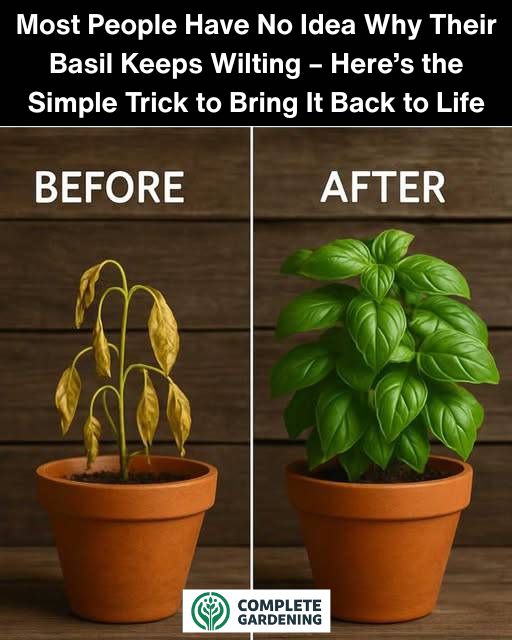
Basil is one of the most beloved herbs for home cooks and gardeners alike — its vibrant green leaves and signature aroma can elevate any dish. But if your basil plant keeps wilting no matter how much care you give it, you’re not alone. Most people unknowingly make a few simple mistakes that stress this tropical herb.
The good news? Reviving wilted basil is surprisingly easy once you understand what it really needs. Here’s everything you should know — and the one viral hack that can bring your basil back to life fast.
1. Know Where Basil Comes From – And What It Needs
Basil (Ocimum basilicum) originates from warm, sunny regions of Africa and Southeast Asia, thriving in temperatures between 70°F and 85°F (21°C–29°C). It loves consistent warmth, humidity, and plenty of light.
To keep your basil happy, mimic those natural conditions: give it sunshine, warm air, and soil that drains quickly. Avoid placing it near cold windows or air vents — basil hates drafts and temperature swings.
2. Stop Overwatering – It’s the #1 Cause of Wilting
If your basil looks droopy, your watering routine is probably to blame. Overwatering suffocates roots and causes root rot, a silent killer that prevents nutrient absorption.
The key is balance: keep the soil slightly moist but never soggy. Water deeply, then let the top inch of soil dry before watering again. Always use a pot with drainage holes to prevent water buildup.
3. Give It Enough Sun – Basil Needs More Than You Think
Basil is a sun lover. It needs at least 6–8 hours of direct sunlight daily. Without enough light, it becomes weak, leggy, and prone to wilting.
Outdoors, choose a bright, sheltered spot. Indoors, place it near a south-facing window or use LED grow lights to supplement light. Rotate the pot occasionally so every side gets equal sun exposure.
4. Keep the Temperature Stable
Basil can’t handle cold. Temperatures below 50°F (10°C) cause its leaves to turn black and collapse. But excessive heat (above 90°F or 32°C) can also lead to dehydration and stress.
If growing outdoors, bring basil inside before chilly nights. During heat waves, give it partial shade to prevent sun scorch. Indoors, maintain a consistent warm environment — this herb thrives in stability.
5. Use the Right Soil Mix
Basil’s roots need both oxygen and nutrients. The best soil mix combines potting soil, compost, and perlite for drainage and richness. The ideal pH range is 6.0–7.5.
Avoid dense or clay-heavy soil, which traps moisture and suffocates roots. Refresh the top layer of soil every few months or feed with a mild organic fertilizer to maintain nutrient levels.
6. Watch for Pests and Diseases
Wilting can also signal pests like aphids, whiteflies, or spider mites. Check under the leaves for sticky residue or small moving insects.
For diseases like downy mildew or fusarium wilt, look for yellow or spotted leaves. Remove affected parts immediately and treat with organic neem oil or insecticidal soap. Keeping your basil in a well-ventilated area helps prevent these issues.
7. Don’t Overcrowd Your Plants
Basil needs space to breathe. Overcrowding restricts airflow and encourages mold and disease. Whether in the ground or containers, space each plant about 12 inches apart.
If growing indoors, give each plant its own pot — it reduces competition for water and nutrients while preventing stress-related wilting.
8. The Viral Epsom Salt Hack for Reviving Basil
One of the simplest and most effective ways to revive a wilting basil plant involves Epsom salt (magnesium sulfate). Magnesium is vital for chlorophyll production, helping basil absorb sunlight and grow stronger leaves.
Here’s how to do it:
- Mix 1 tablespoon of Epsom salt in 1 gallon of water.
- Water your basil with this solution once every 4–6 weeks.
You’ll notice greener, firmer leaves and improved growth within days. This trick has gone viral among gardeners for a reason — it works.
9. Prune Regularly for Bushier Growth
Basil thrives when you prune it. Regular pruning encourages new shoots and prevents the plant from flowering too early, which can make the leaves bitter.
Pinch off the top two leaves every week or two to promote branching. Always use clean, sharp scissors, and remove any yellowing leaves to redirect the plant’s energy toward healthy growth.
10. Create the Perfect Indoor Environment
Indoor basil can thrive beautifully with the right setup. Keep the temperature warm (between 70°F and 85°F), maintain humidity with a tray of water or occasional misting, and ensure strong airflow.
If natural sunlight is limited, use grow lights placed about 6 inches above the plant for 12–14 hours daily. A happy indoor basil plant will reward you with fresh, fragrant leaves even in winter.
Final Thoughts: Keep It Simple, Keep It Green
Wilting basil isn’t a death sentence — it’s a sign your plant is asking for balance. By adjusting your watering habits, ensuring proper sunlight, and trying the Epsom salt trick, you can bring your basil back to life in no time.
Remember, basil loves warmth, light, and consistency. Treat it like the tropical herb it is, and it will reward you with lush, aromatic leaves for your favorite dishes all year round.