
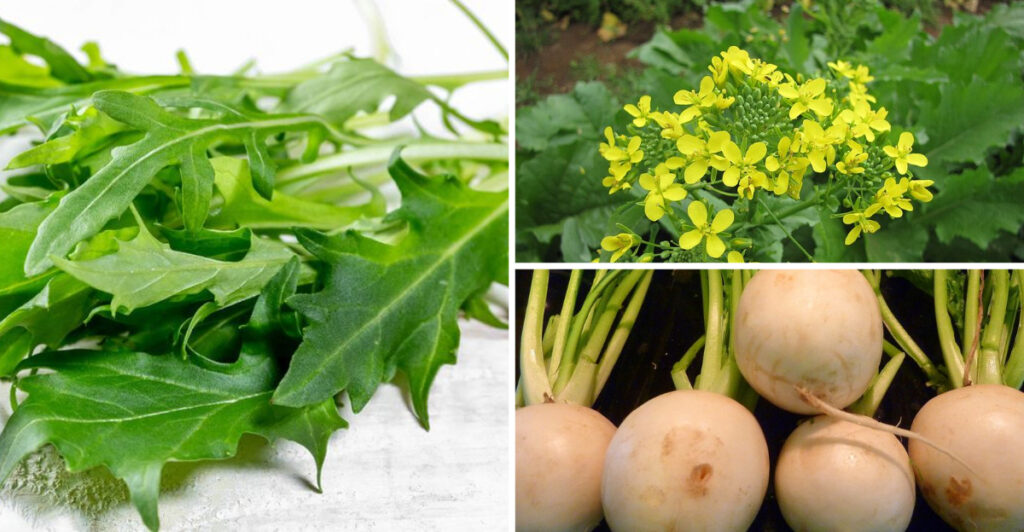
Not every vegetable needs warm soil and bright summer sunshine to get started. Many tough, flavorful vegetables actually prefer cooler temperatures and can be sown directly into the ground while spring is still chilly or fall is creeping in.
Direct sowing means skipping the seed trays and planting seeds straight into your garden bed, which saves time and money. If you want a head start on your harvest, these 22 vegetables are ready to grow even when the weather is still cool.
Spinach
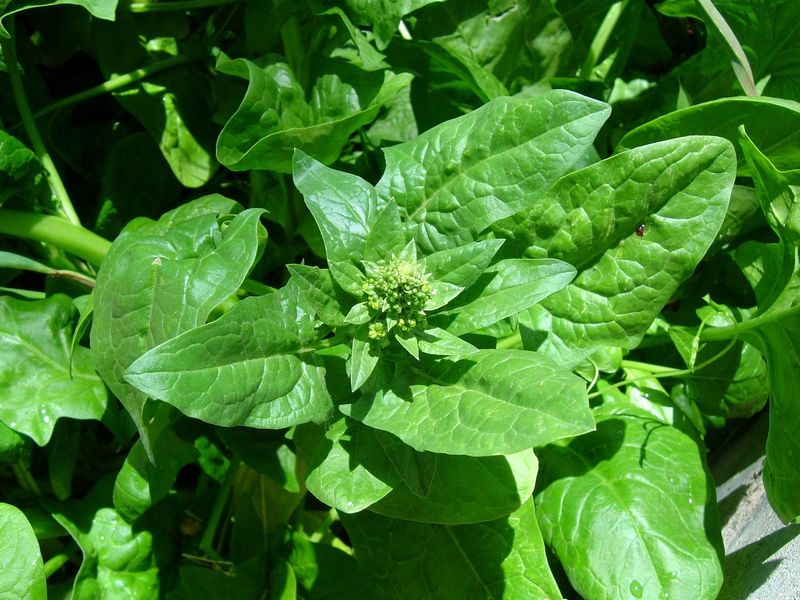
Spinach is practically made for cold weather. It can germinate in soil as chilly as 35 degrees Fahrenheit, which makes it one of the earliest seeds you can put in the ground each spring.
Many gardeners are surprised to learn it actually tastes sweeter after a light frost.
Sow seeds about half an inch deep and one inch apart. Thin seedlings to six inches once they sprout.
Spinach grows fast, so you could be harvesting tender leaves in as little as four to six weeks.
Kale
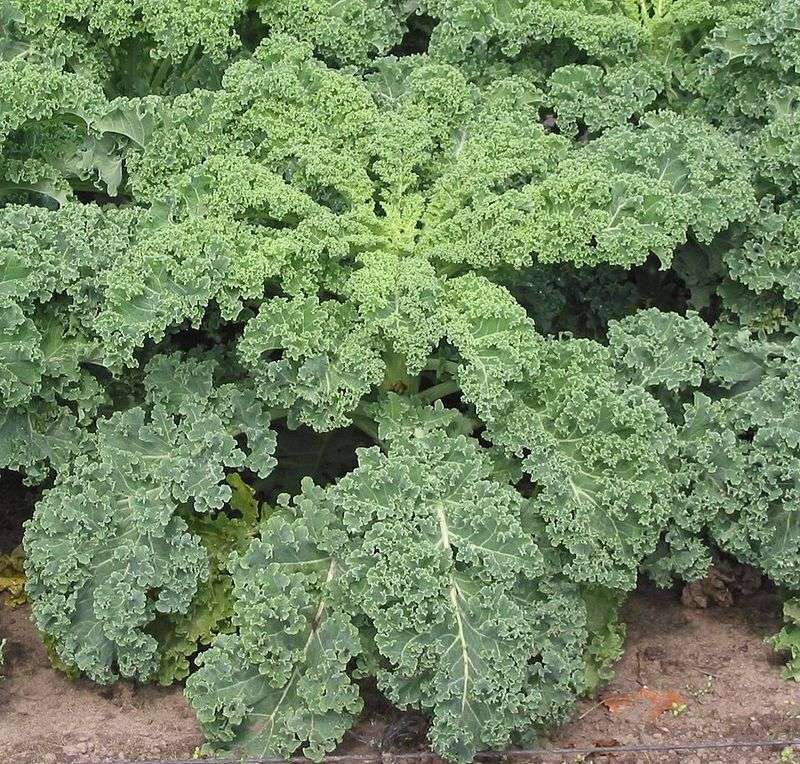
Kale has earned a reputation as one of the toughest vegetables in the garden. It can handle frost, snow, and temperatures well below freezing without giving up.
Some gardeners leave kale in the ground all winter long in mild climates, harvesting leaves whenever they need them.
Plant seeds a quarter to half an inch deep, and expect germination in five to eight days. Kale grows into a large plant, so give each one about 12 to 18 inches of space to spread out comfortably.
Radishes
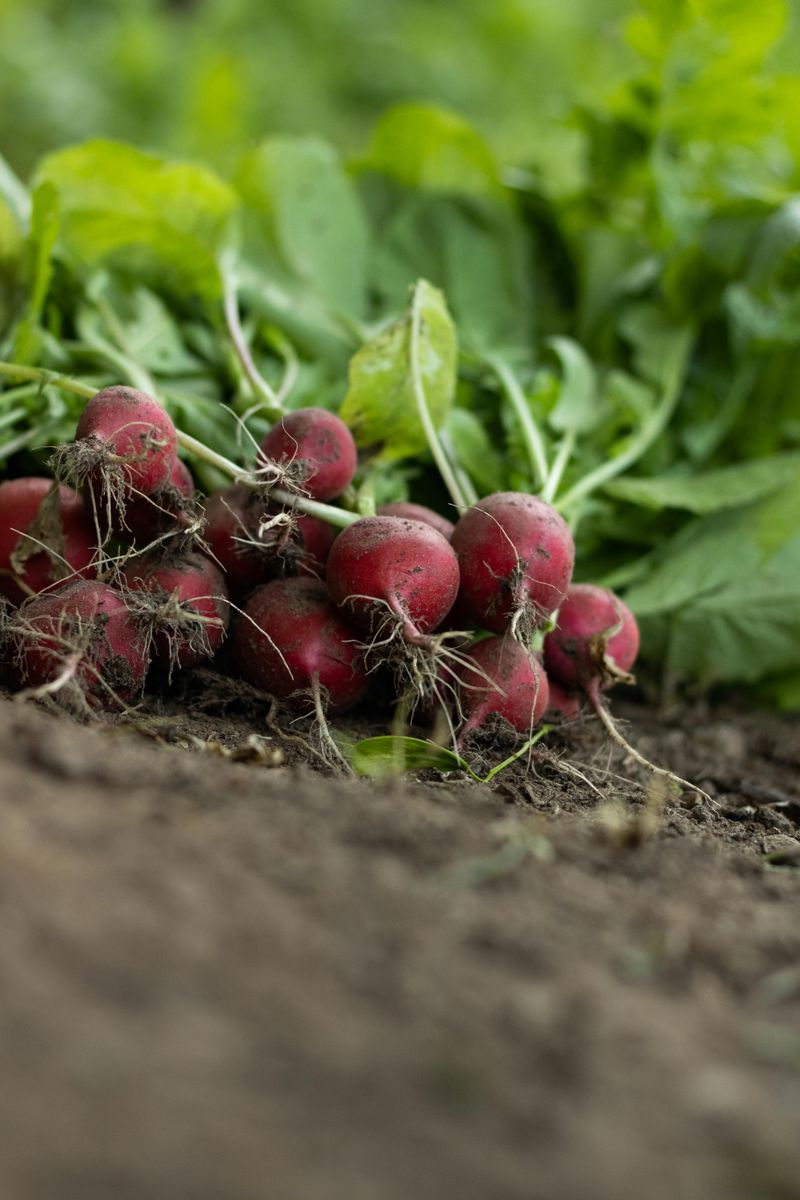
If you want the fastest reward in the garden, radishes are your best friend. Some varieties go from seed to harvest in just 22 days, making them ideal for impatient gardeners or kids planting their first garden.
They thrive in cool weather and actually get spicy and woody if left in hot soil too long.
Sow seeds half an inch deep and one inch apart. Thin to two inches once sprouted.
Plant a new row every week for a continuous harvest all spring long.
Lettuce
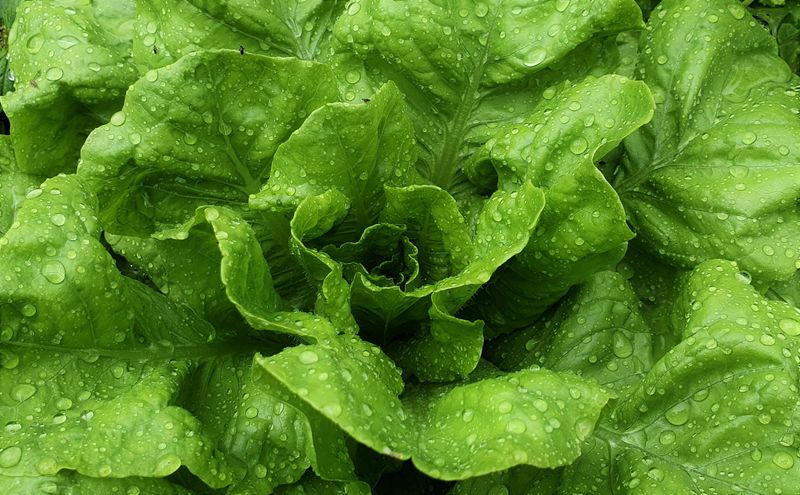
Lettuce is a cool-season classic that wilts and bolts the moment summer heat arrives, so planting it early in spring is the smartest move. Seeds can sprout in soil temperatures as low as 40 degrees Fahrenheit.
There are dozens of varieties to choose from, including loose-leaf, romaine, butterhead, and crisphead types.
Scatter seeds lightly on the soil surface since they need light to germinate. Keep the soil consistently moist.
Harvest outer leaves as needed and the plant will keep producing for weeks.
Arugula
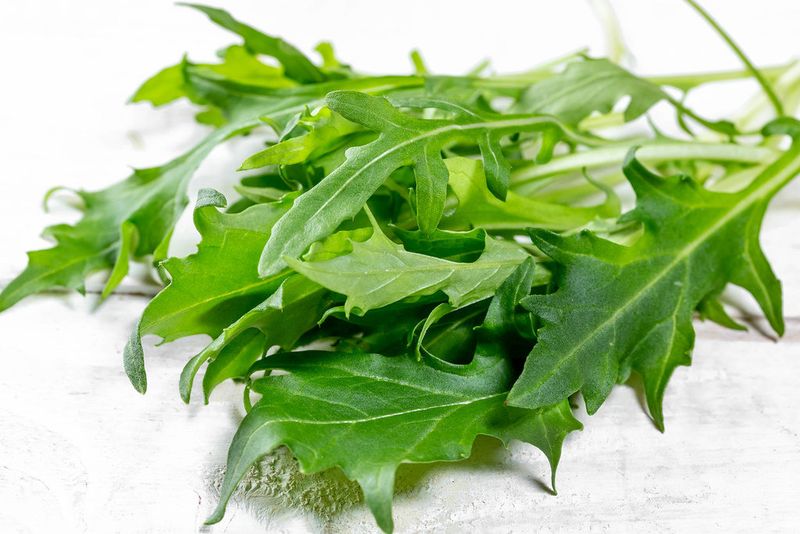
Arugula brings a peppery, slightly nutty flavor to salads that few other greens can match. It grows incredibly fast in cool weather, sometimes ready to harvest in as little as three weeks.
Ancient Romans were big fans of arugula and ate it regularly, so you would be joining a very long tradition.
Sprinkle seeds thinly across the soil and press them in lightly. No need to cover them deeply.
Harvest young leaves for the mildest flavor, as older leaves get more intensely spicy and bold.
Peas
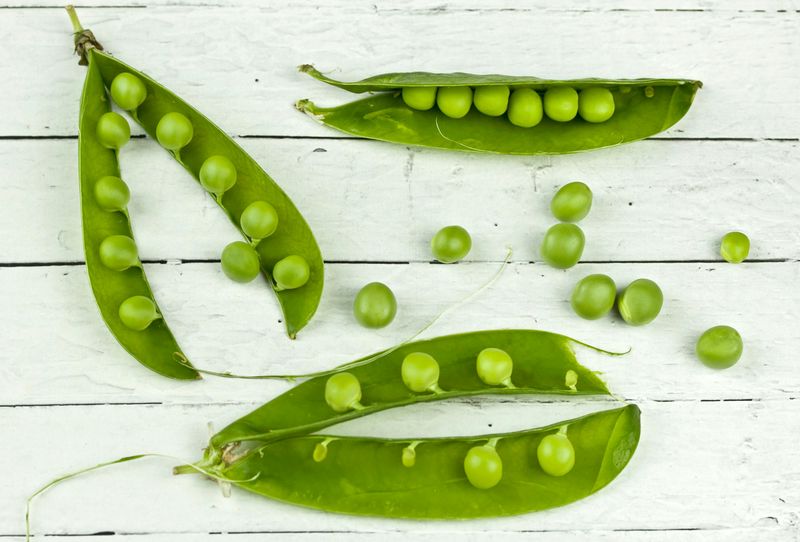
Peas actually prefer cold soil and will struggle if you wait too long to plant them. Gardeners often say you should get peas in the ground as soon as the soil can be worked in early spring, even if there is still a chance of frost.
They are one of the most rewarding cool-season crops because fresh peas taste nothing like canned ones.
Plant seeds one inch deep and two to three inches apart. Provide a trellis or fence for climbing varieties.
Harvest pods regularly to encourage the plant to keep producing more.
Carrots
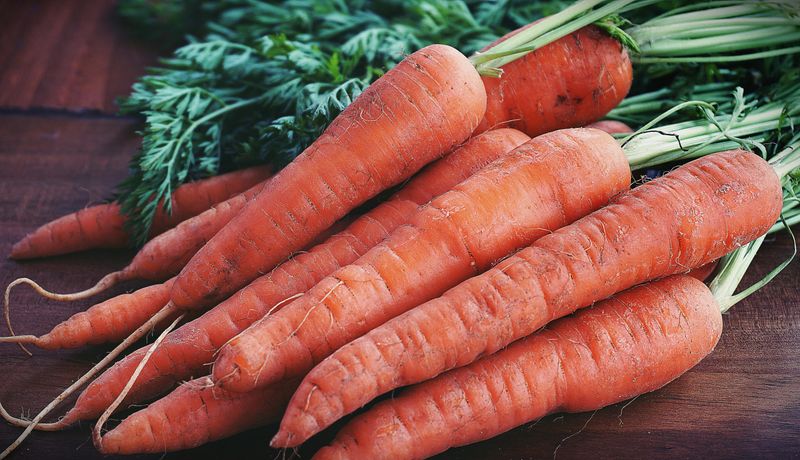
Carrots are a bit tricky to start because they take a long time to germinate, sometimes up to three weeks. But planting them in cool weather is actually ideal because the soil stays moist longer, which helps those slow seeds finally break through.
Frost does not bother carrot seeds at all once they are in the ground.
Sow seeds a quarter inch deep and one inch apart. Keep the soil surface from crusting over by watering gently.
Thin seedlings to three inches apart so roots have room to grow wide and sweet.
Beets
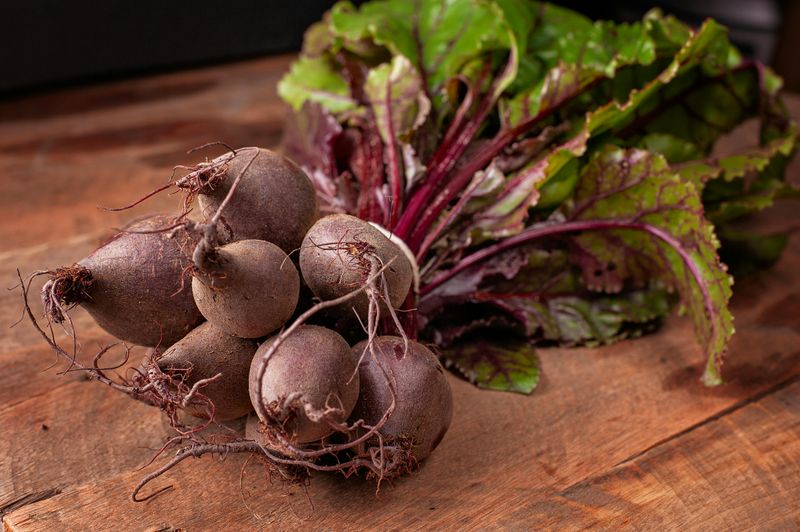
Every beet seed you plant is actually a cluster of two to four seeds packed together, which is why beets almost always need thinning. They handle cool temperatures easily and can even tolerate a light frost.
The best part about beets is that both the root and the leafy tops are edible, giving you two vegetables for the price of one.
Plant seeds half an inch deep and two inches apart. Once seedlings reach two inches tall, thin them to four inches.
Young beet greens are delicious sauteed with a little garlic and olive oil.
Swiss Chard
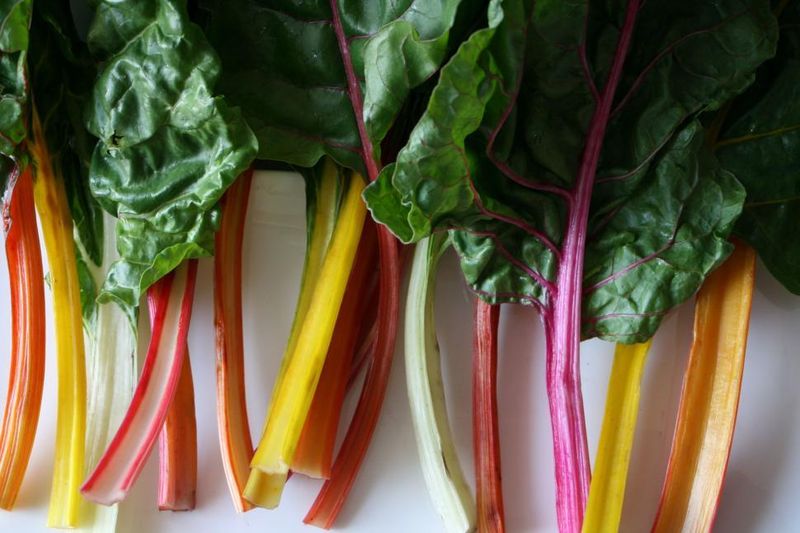
Swiss chard looks almost too pretty to eat, with stems in shades of red, orange, yellow, and white. It handles both cold and heat better than most leafy greens, making it a flexible choice for unpredictable spring weather.
Young leaves are mild and tender, while larger leaves have a slightly earthy flavor similar to beets.
Sow seeds half an inch deep and four inches apart. Like beets, chard seeds are clusters, so thin seedlings to six inches once established.
Harvest outer leaves regularly to keep the plant productive and growing strong.
Turnips
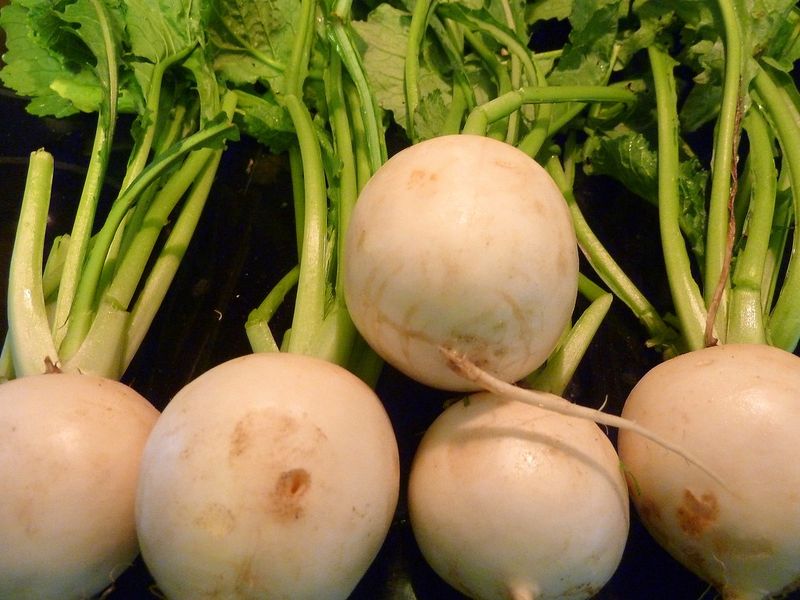
Turnips are one of the most underrated vegetables in the cool-season garden. They grow fast, tolerate frost well, and give you two harvests in one since both the roots and the greens are edible.
Historically, turnips were a staple crop across Europe for centuries before potatoes became popular.
Plant seeds a quarter inch deep and one inch apart. Thin to four to six inches once seedlings emerge.
Harvest small turnips when they are about two to three inches wide for the sweetest, most tender flavor you will find.
Kohlrabi
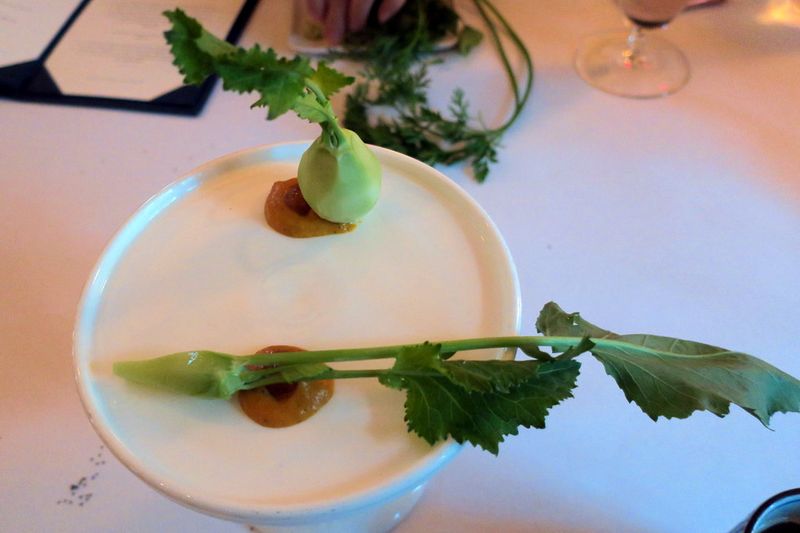
Kohlrabi looks like something from another planet, with its bulbous stem sitting right above the soil and leaves shooting out in all directions. Despite the unusual appearance, it tastes mild and crisp, somewhat like a cross between a broccoli stem and an apple.
It is a cool-season superstar that handles chilly temperatures without complaint.
Sow seeds a quarter inch deep and one inch apart, then thin to six inches. Harvest when bulbs are two to three inches in diameter.
Let them grow larger and the texture turns woody and tough rather than crisp.
Mustard Greens
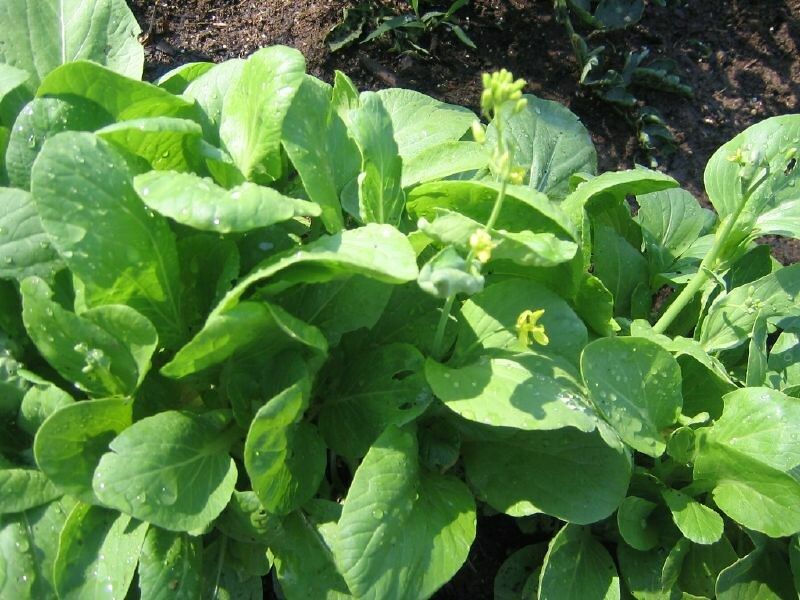
Mustard greens bring serious heat to the plate, and not the temperature kind. Their leaves have a sharp, spicy kick that wakes up any salad or stir-fry.
They are also incredibly fast growers, often ready to harvest within 30 to 40 days of planting. Cool weather mellows their flavor slightly, making spring the perfect time to grow them.
Scatter seeds on the soil surface and cover lightly with a thin layer of soil. Thin seedlings to six inches apart.
Harvest young leaves for the mildest taste or let them mature for a bolder, more peppery punch at the table.
Cilantro
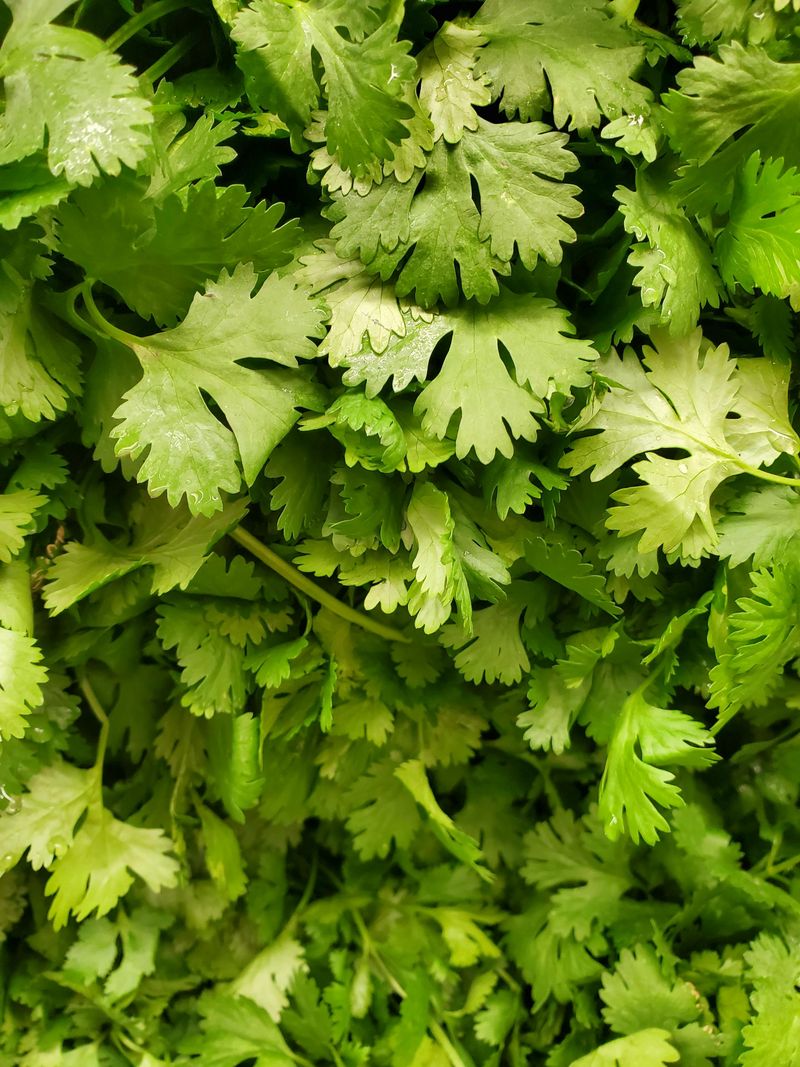
Cilantro is famous for bolting, meaning it quickly goes to seed and stops producing leaves the moment temperatures heat up. That makes cool weather its absolute favorite growing condition.
Spring and fall are the ideal times to direct sow cilantro outdoors, and many gardeners plant a new batch every two weeks to keep a steady supply going.
Press seeds lightly into the soil about a quarter inch deep. Germination can take one to two weeks, so patience is key.
Once plants reach four inches tall, snip leaves from the top to harvest and encourage fuller, bushier growth below.
Bok Choy
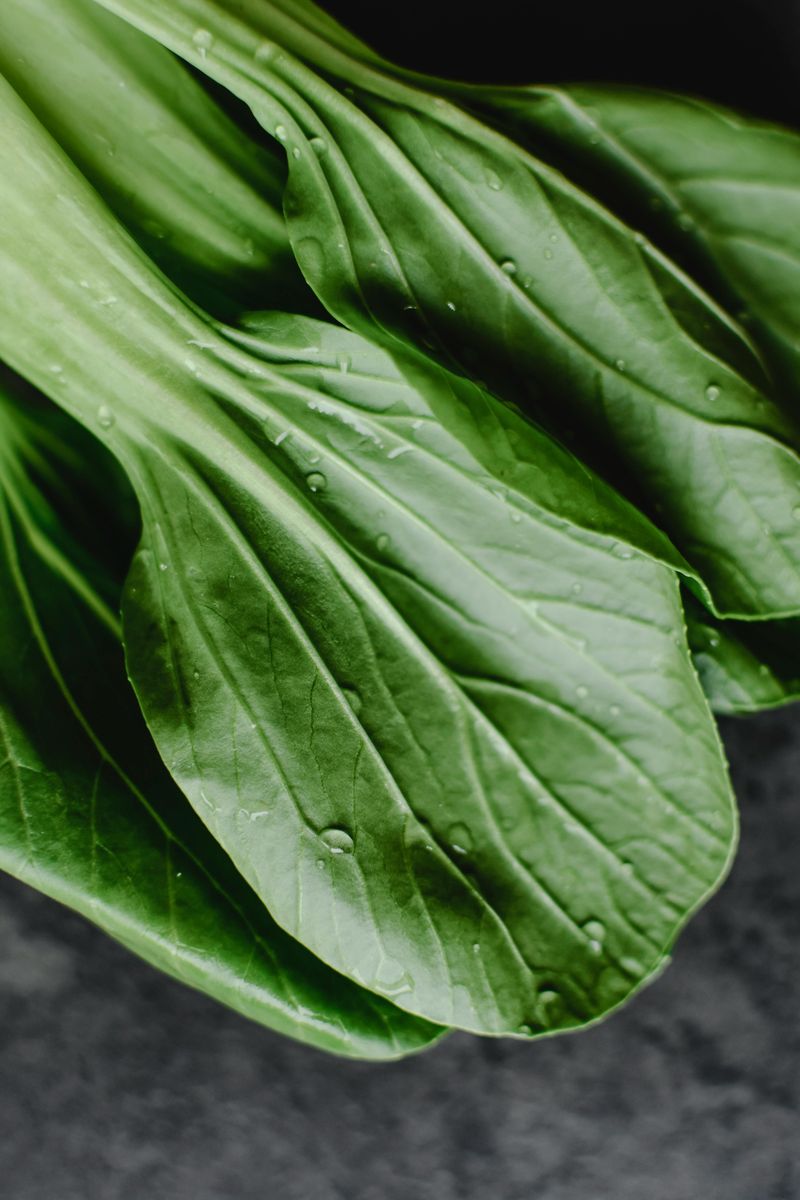
Bok choy, also called pak choi, is a staple vegetable in Asian cooking that thrives in cool, moist conditions. It grows quickly and can be ready to harvest in as little as 30 days for baby varieties.
Hot weather causes it to bolt almost immediately, so spring and fall are the golden windows for growing it outdoors.
Sow seeds a quarter inch deep and two inches apart. Thin to six to twelve inches depending on whether you want baby or full-size plants.
Harvest the whole head by cutting it at the base when it looks full and firm.
Broccoli Raab
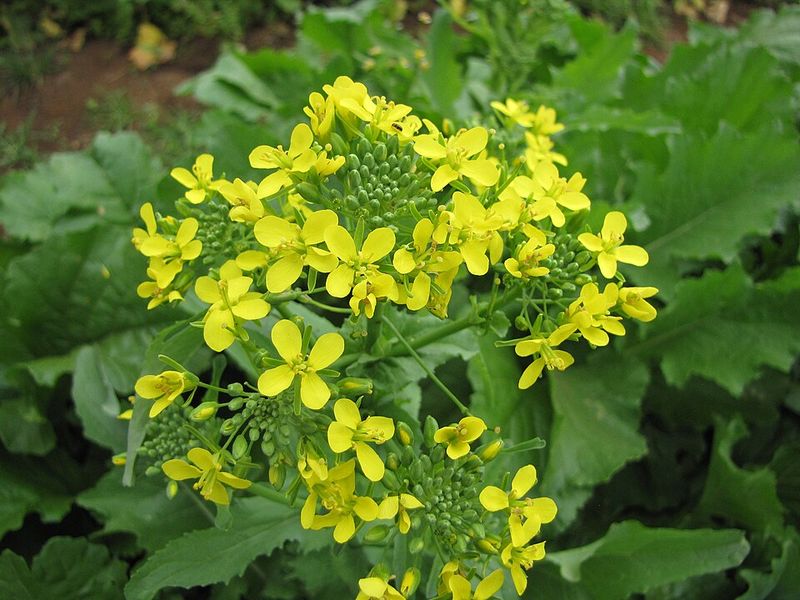
Broccoli raab, also known as rapini, is a favorite in Italian cooking and is often confused with regular broccoli, but it is actually a completely different plant. It grows fast and produces tender stems, leaves, and small florets that have a pleasantly bitter flavor.
Cool weather keeps that bitterness in balance, making spring the best time to grow it.
Sow seeds a quarter inch deep and one inch apart, then thin to six inches. Harvest just before the small flower buds open for the best texture and flavor.
Once it flowers fully, the stems become tough and the flavor intensifies sharply.
Fava Beans
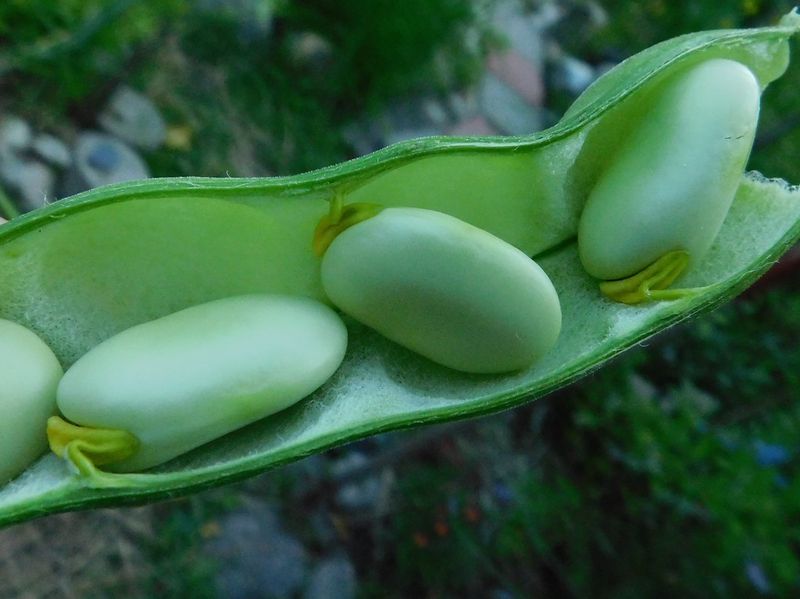
Fava beans are one of the oldest cultivated crops in human history, with evidence of their use stretching back thousands of years. Unlike most beans that need warm soil, favas actually prefer cool temperatures and can handle frost once established.
They are also nitrogen fixers, which means they improve your soil while they grow.
Plant seeds one to two inches deep and four to six inches apart. They grow tall, sometimes reaching five feet, so staking may be needed.
Harvest pods when they feel plump and the beans inside are visible as bumps through the pod wall.
Parsnips
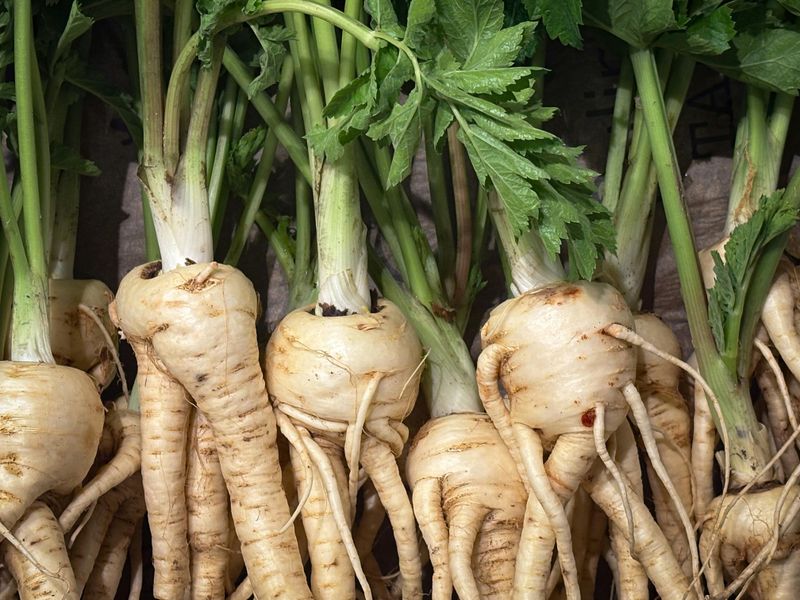
Parsnips are a long-season root vegetable that needs a slow, cool start to develop properly. They are notoriously slow to germinate, sometimes taking up to three weeks, but planting them in cool weather actually helps because the soil stays consistently moist.
A hard frost in fall actually converts their starches to sugars, making them taste sweeter after a freeze.
Sow seeds a half inch deep and two inches apart. Thin to six inches once seedlings are established.
Keep the soil loose and deep since parsnip roots can grow up to 12 inches long underground before harvest time comes.
Mache (Corn Salad)
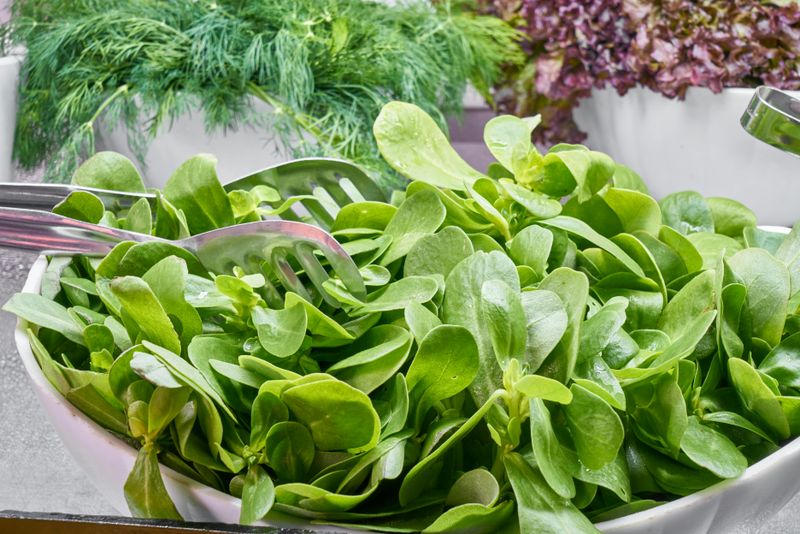
Mache, sometimes called corn salad or lamb’s lettuce, is one of the most cold-hardy salad greens you can grow. It can survive temperatures well below freezing and even grows slowly under snow in some climates.
The leaves are small, round, and velvety with a mild, slightly nutty flavor that pairs beautifully with simple vinaigrette dressings.
Scatter seeds lightly across the soil surface and press them in gently. Germination is slow in warm weather, so cool conditions actually speed things up.
Harvest whole rosettes by cutting at the base when plants are three to four inches wide.
Claytonia (Miner’s Lettuce)
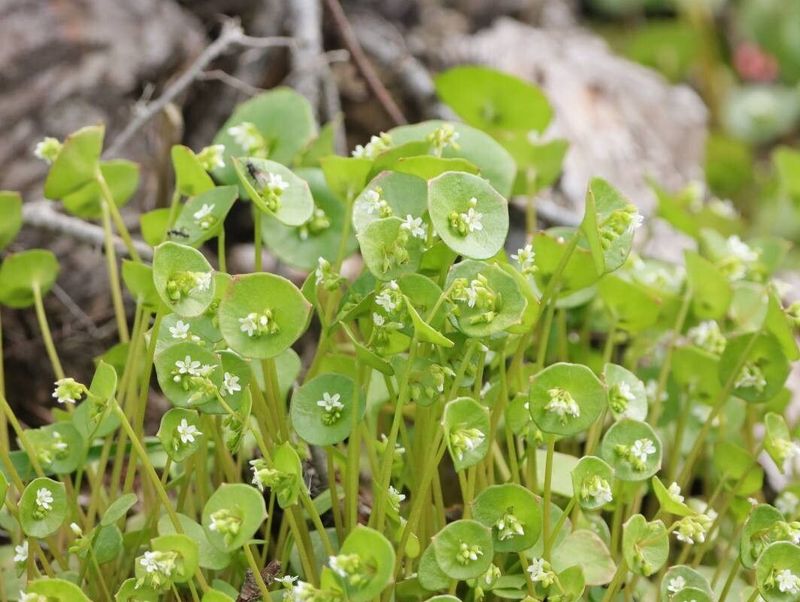
Claytonia has one of the most charming origin stories in the vegetable world. During the California Gold Rush, miners discovered this wild green and ate it to prevent scurvy during long, cold winters in the mountains.
Today it is grown as a specialty salad green prized for its mild flavor and unusual round leaves with a tiny flower growing through the center.
Sow seeds on the soil surface since they need light to germinate well. It thrives in partial shade and cool, moist conditions.
Harvest young leaves regularly to keep the plant producing instead of going to seed too quickly.
Endive
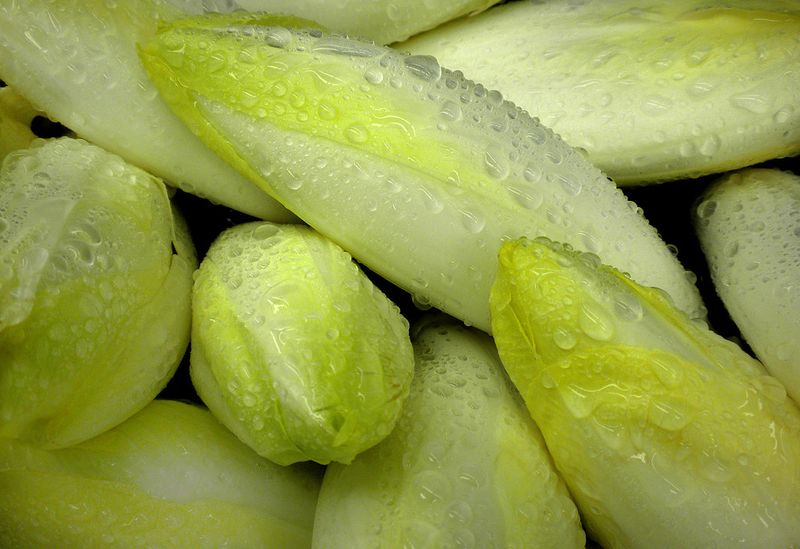
Endive belongs to the chicory family and brings a pleasantly bitter edge to salads and cooked dishes alike. It handles cool temperatures with ease and actually develops better flavor after exposure to light frost.
There are two main types: curly endive, also called frisee, and broad-leaved endive, known as escarole. Both are worth growing in a spring or fall garden.
Plant seeds a quarter inch deep and six inches apart. Endive takes longer to mature than lettuce, usually 85 to 100 days.
Blanch the centers by tying outer leaves together for a week before harvest to reduce bitterness and soften the texture.
Fennel
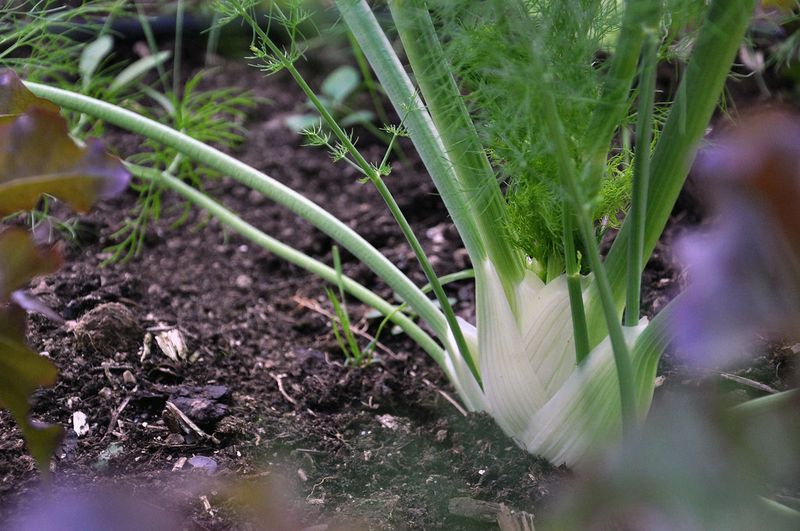
Fennel has a distinctive licorice-like aroma that fills the garden whenever you brush against its feathery fronds. The bulb, stems, fronds, and seeds are all edible, making it one of the most versatile vegetables you can grow.
Florence fennel, the bulbing type, prefers cool weather and will bolt quickly if planted when temperatures are already climbing toward summer heat.
Sow seeds a quarter inch deep and six inches apart in a sunny spot. Fennel dislikes being transplanted, so direct sowing is strongly preferred.
Mound soil around the base as the bulb develops to blanch it, which keeps the flavor mild and the texture tender.
Rutabaga
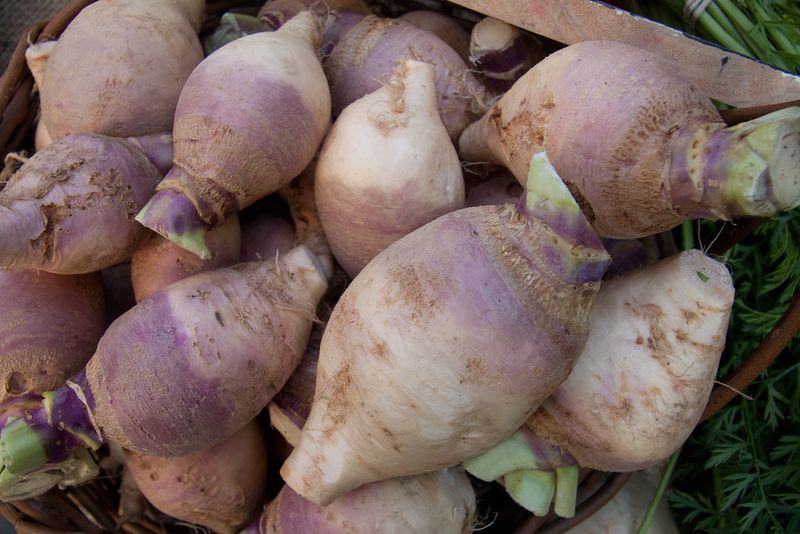
Rutabaga is essentially a cross between a turnip and a wild cabbage, and it has been feeding families through harsh winters for centuries across Scandinavia and northern Europe. It takes longer to mature than turnips, usually 90 days, so planting it early in cool weather gives it the long growing season it needs.
Frost actually improves its flavor significantly by converting starch to sugar.
Sow seeds a quarter inch deep and two inches apart, then thin to six to eight inches. Keep the soil consistently moist for the best root development.
Rutabagas store incredibly well in a cool cellar for months after harvest without losing quality.