
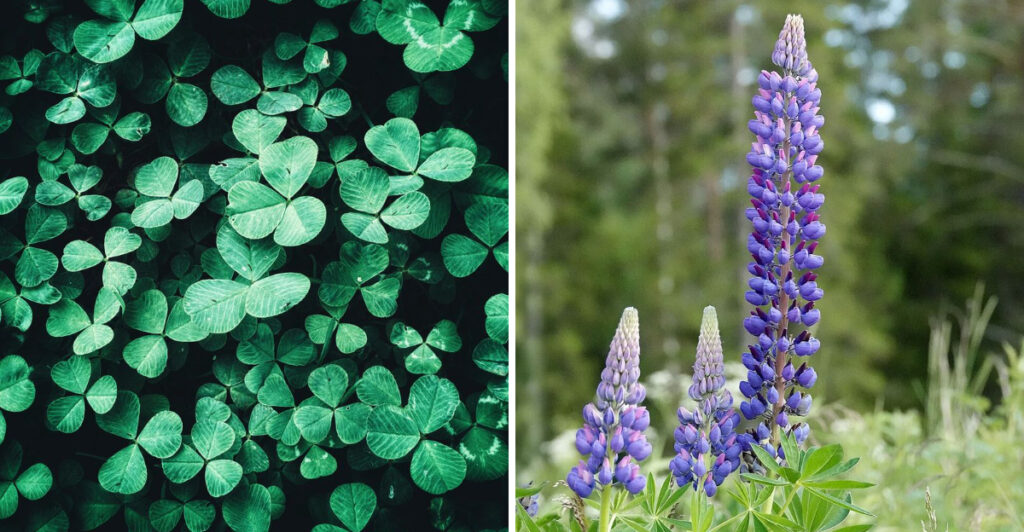
Most people think of fertilizers and compost when they want healthier soil, but nature already has some amazing helpers growing right in your garden. Certain plants can actually fix nitrogen, break up compacted ground, attract earthworms, and add nutrients all on their own.
The best part? Many of these plants are gorgeous, too.
Growing them means you get a beautiful yard and better soil at the same time.
Clover

Clover is one of nature’s most underrated garden heroes. It pulls nitrogen straight from the air and stores it in its roots, which then feeds the soil when the plant breaks down.
Farmers have used it as a cover crop for centuries for exactly this reason.
Bees absolutely love clover flowers, so you get pollinator benefits on top of soil improvement. It also grows low and thick, which means it crowds out weeds naturally.
A real multitasker!
Lupine
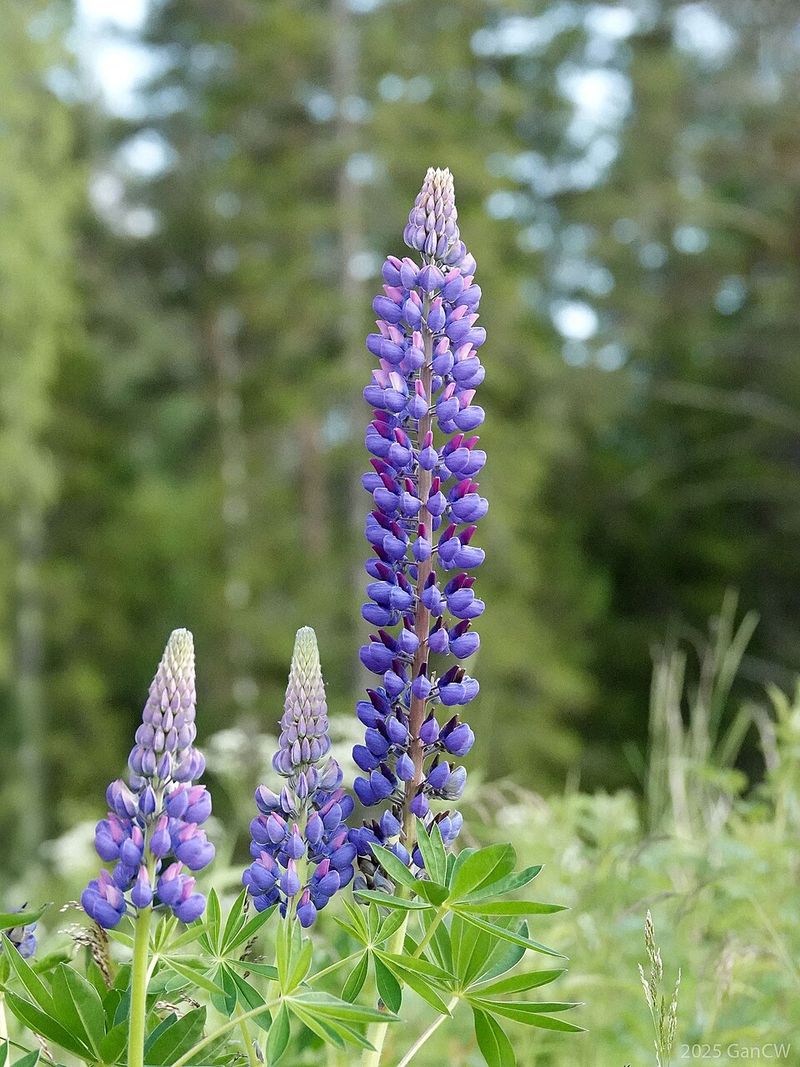
Few flowering plants are as striking as lupine, with its tall spikes loaded with colorful blooms in purple, pink, yellow, and white. Beyond the beauty, lupine is a powerful nitrogen fixer, working with soil bacteria to convert atmospheric nitrogen into plant-available nutrients.
It also has deep taproots that break through compacted soil layers, improving drainage over time. Plant lupine in spring and watch your garden beds transform both visually and beneath the surface.
Comfrey
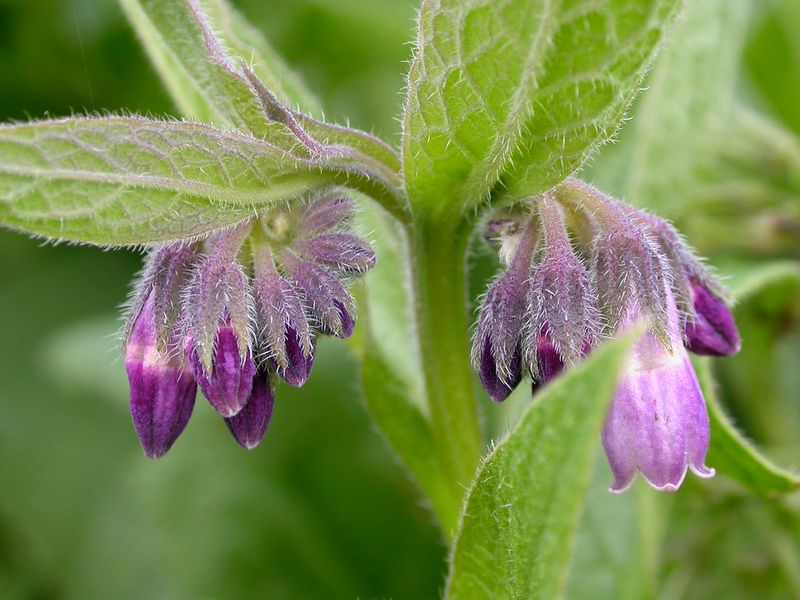
Gardeners who know about comfrey treat it like liquid gold. Its roots reach incredibly deep into the subsoil, pulling up minerals like potassium, calcium, and phosphorus that most plants cannot access.
When you cut the leaves and leave them on your garden bed, those nutrients get released right where your plants need them.
Comfrey also breaks down fast, making it one of the best green mulches available. Its purple bell-shaped flowers are a lovely bonus for any garden.
Buckwheat
Buckwheat grows so fast it almost feels like magic. Within just a few weeks of planting, it covers bare soil completely, preventing erosion and smothering weeds before they get a chance.
When tilled under, it adds organic matter that loosens and enriches the soil quickly.
It also releases phosphorus-solubilizing compounds from its roots, making that nutrient available to future plants. For a fast-acting soil builder that looks cheerful and bright, buckwheat is hard to beat.
Borage
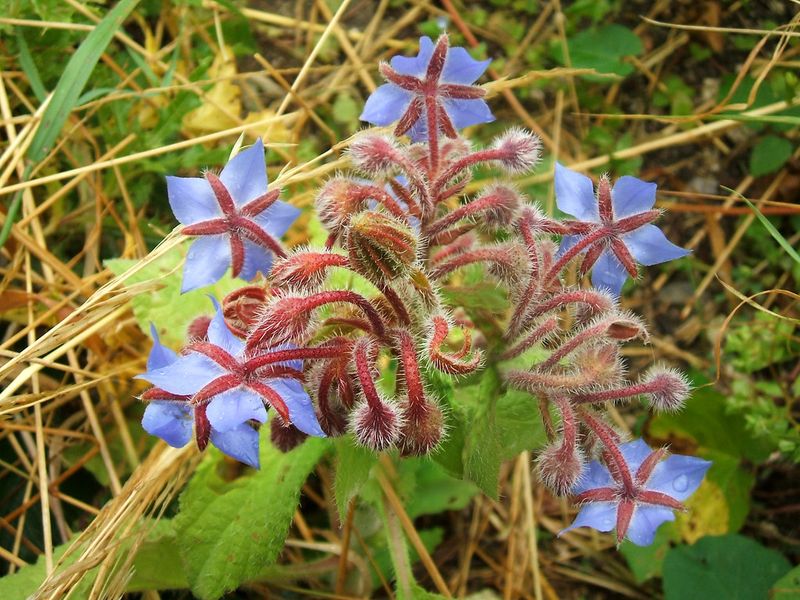
Borage wears its charm on its sleeve with brilliant blue, star-shaped flowers that practically glow in the garden. It is a fantastic soil improver because it accumulates silicon, potassium, and other trace minerals from deep in the ground and deposits them near the surface as it decomposes.
Borage also self-seeds freely, meaning once you plant it, it keeps coming back year after year. Pollinators flock to the flowers, and the leaves are even edible with a mild cucumber flavor.
Fava Beans
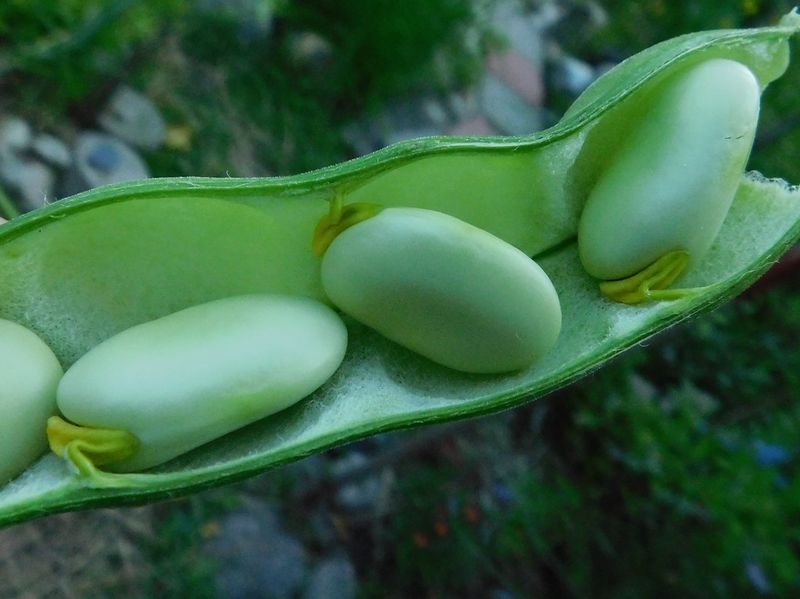
Fava beans are the workhorses of the nitrogen-fixing plant world. They grow vigorously through cool seasons when most cover crops struggle, and their root nodules are packed with nitrogen-fixing bacteria.
When the plants are cut down and dug in, they release a huge burst of nitrogen into the soil.
The black-and-white flowers are surprisingly pretty, almost like little butterflies resting on the stems. Growing fava beans before a summer vegetable crop is one of the smartest moves a gardener can make.
Daikon Radish
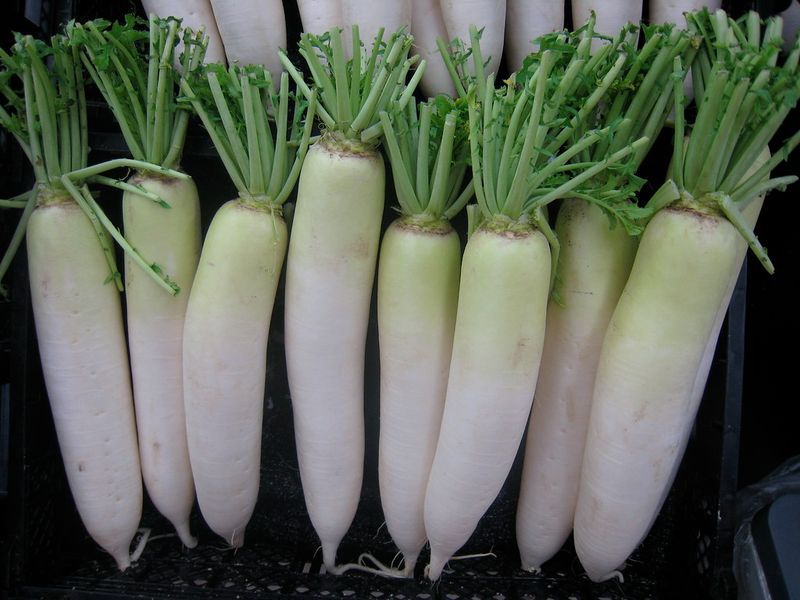
Sometimes called the tillage radish, daikon does something remarkable: it drills its massive taproot straight down through hard, compacted soil. Those roots can reach 18 inches deep or more, breaking up hardpan layers that even a garden fork struggles with.
When the plant dies back in winter, the root decomposes underground, leaving behind a perfectly shaped channel for water and air to flow through. Future plant roots follow these same pathways, making daikon radish a true underground renovation crew.
Phacelia
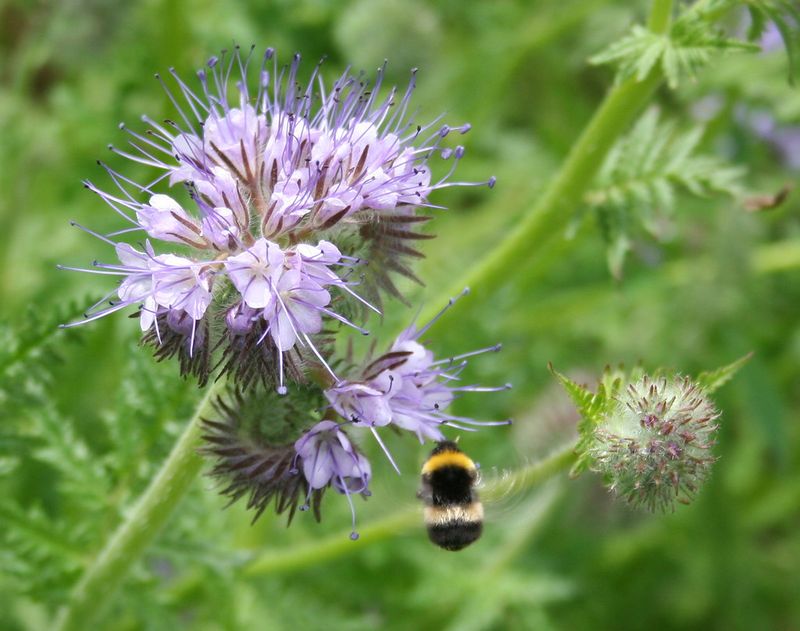
Phacelia might be the most underappreciated cover crop in existence. Its feathery leaves and vivid violet-blue flowers make it genuinely beautiful, while underground it builds soil structure and adds organic matter quickly.
It is also one of the fastest-growing cover crops, reaching full bloom in about six weeks.
Phacelia flowers are absolutely irresistible to bumblebees and other pollinators, earning it the nickname “bee phacelia” in parts of Europe. Tilling it in before it sets seed enriches any garden bed noticeably.
Sweet Clover
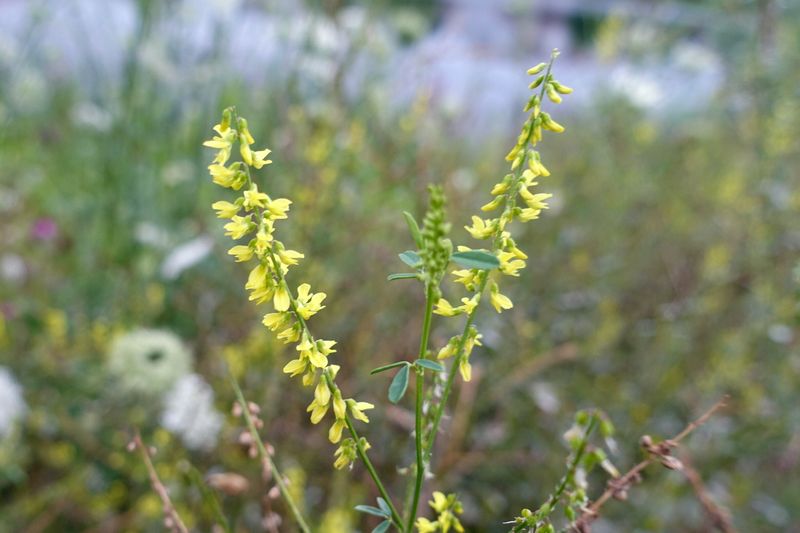
Sweet clover grows tall and bold, sometimes reaching five or six feet high, with long wands of white or yellow flowers that smell faintly of vanilla. Like its shorter cousin white clover, it fixes large amounts of nitrogen, but its bigger biomass means even more organic matter when it gets tilled in.
Its deep roots also help break up clay soil over a single growing season. Many farmers consider sweet clover the single best soil-building plant for tough, depleted ground.
Yarrow
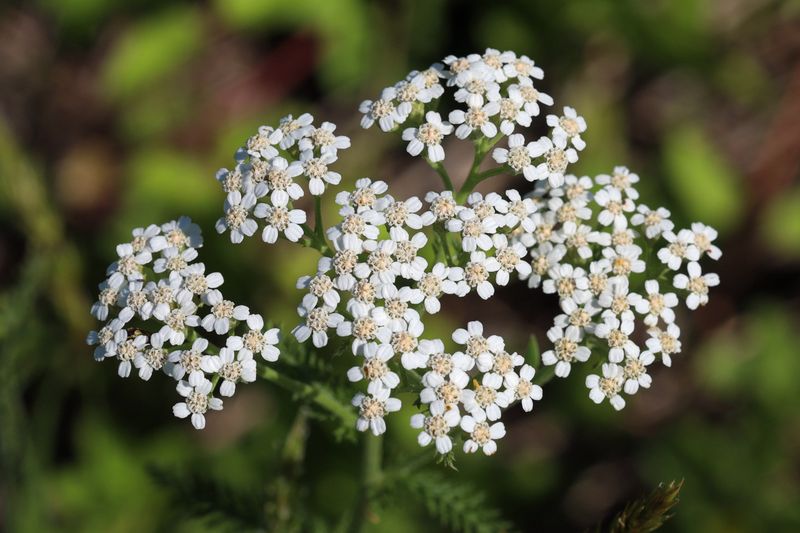
Yarrow has been growing wild in meadows for thousands of years, and ancient farmers noticed long ago that fields with lots of yarrow seemed to grow better crops. Modern research confirms what they suspected: yarrow accumulates copper, potassium, and phosphorus in its tissues, releasing them into the soil as it breaks down.
Its feathery leaves also create a living mulch that keeps soil moist. The flat-topped flower clusters come in white, yellow, and pink, adding real beauty to any planting.
Crimson Clover
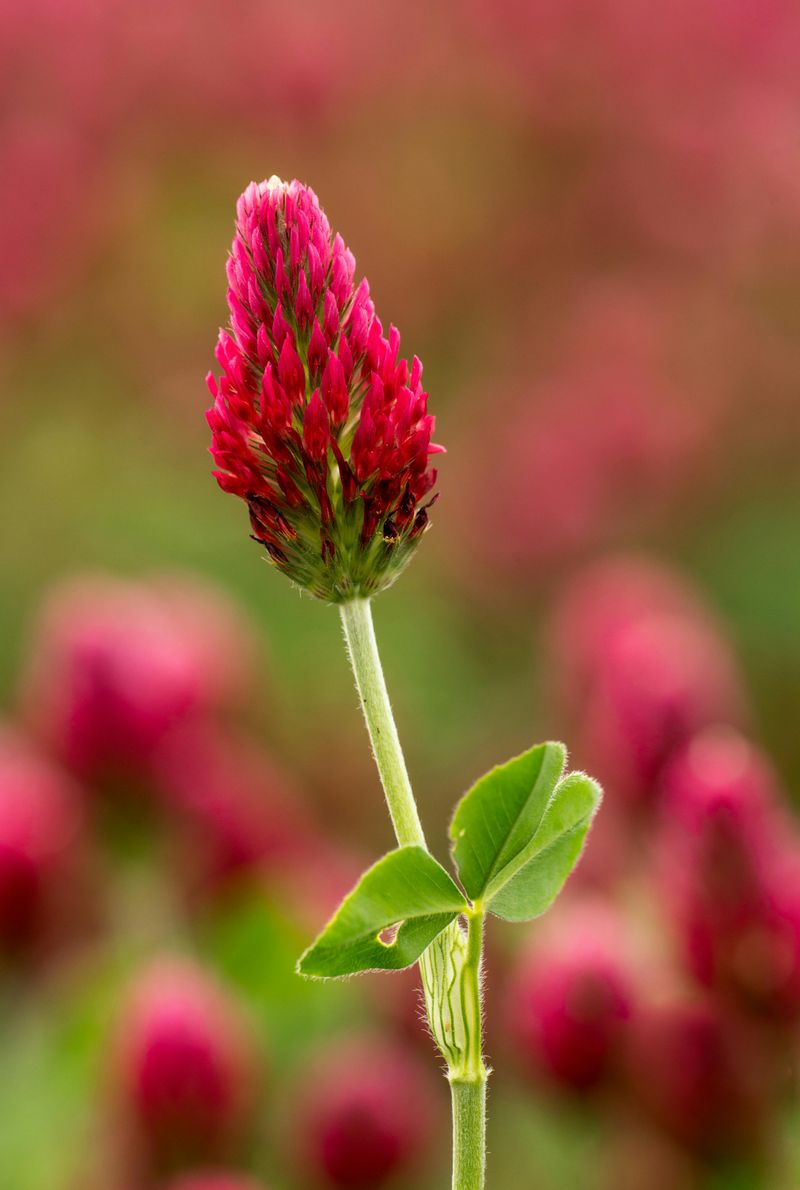
If regular clover is useful, crimson clover is downright spectacular. Those deep red, elongated flower heads look almost tropical, and they attract huge numbers of beneficial insects including predatory wasps that control garden pests.
As a nitrogen fixer, it rivals white clover in effectiveness.
Crimson clover also grows quickly in cool weather, making it a perfect fall cover crop to plant after summer vegetables are done. By spring, it has built up soil fertility and looks stunning doing it.
Nasturtium
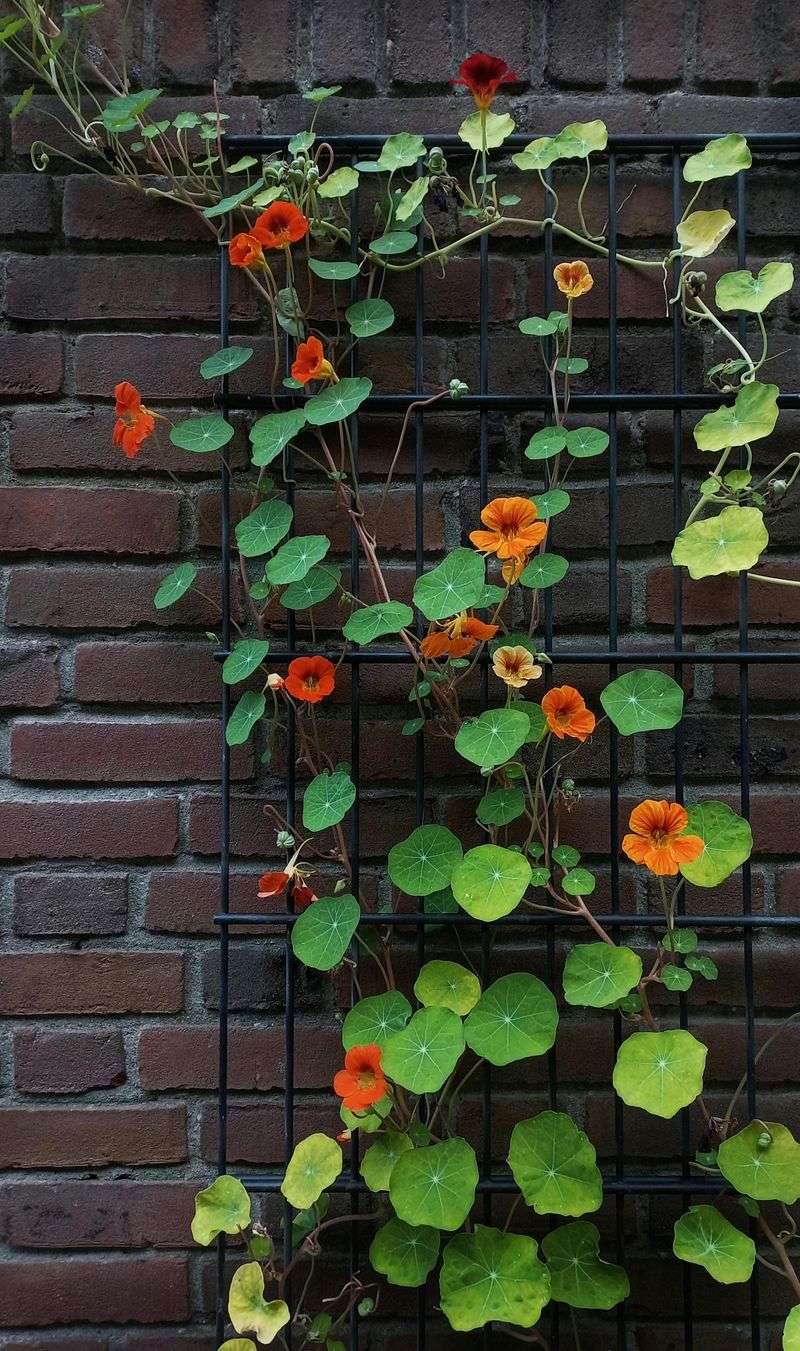
Nasturtiums are the cheerful troublemakers of the garden world. Their bright orange, red, and yellow flowers spill over garden edges in a riot of color, and their round leaves trap aphids and other pests, keeping them away from nearby vegetables.
That is already impressive enough.
But nasturtiums also add organic matter as they decompose and their roots release compounds that improve soil structure. Both flowers and leaves are edible with a peppery kick, making nasturtium one of the most delicious soil improvers around.
Hairy Vetch
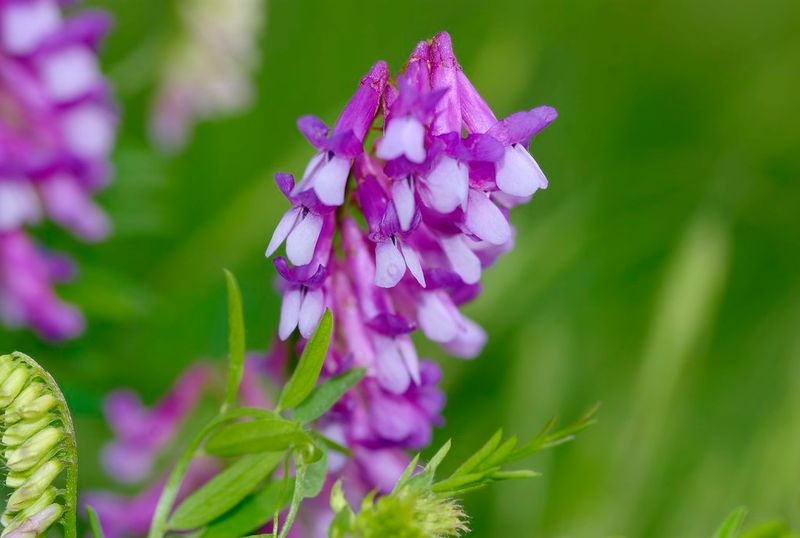
Hairy vetch is a cold-hardy climbing plant that produces a tangle of vines covered in small purple flowers. It is one of the heaviest nitrogen-fixing cover crops available, capable of adding over 200 pounds of nitrogen per acre when conditions are right.
That is roughly equal to a heavy application of synthetic fertilizer.
It also creates a thick mat of biomass that protects soil from erosion all winter. Come spring, that mat breaks down quickly, feeding the soil with both nitrogen and organic matter.
Sunflower

Everyone loves sunflowers, but not everyone knows they are secret soil cleaners. Sunflowers are hyperaccumulators, meaning they soak up heavy metals and toxins from contaminated soil through their roots and store them in their tissues.
Scientists actually used sunflowers to help clean up soil near the Chernobyl nuclear site.
In ordinary gardens, sunflower roots break up compacted soil and their decaying stalks add valuable carbon. Plus, birds feast on the seeds, making sunflowers a gift that keeps on giving.
Alfalfa
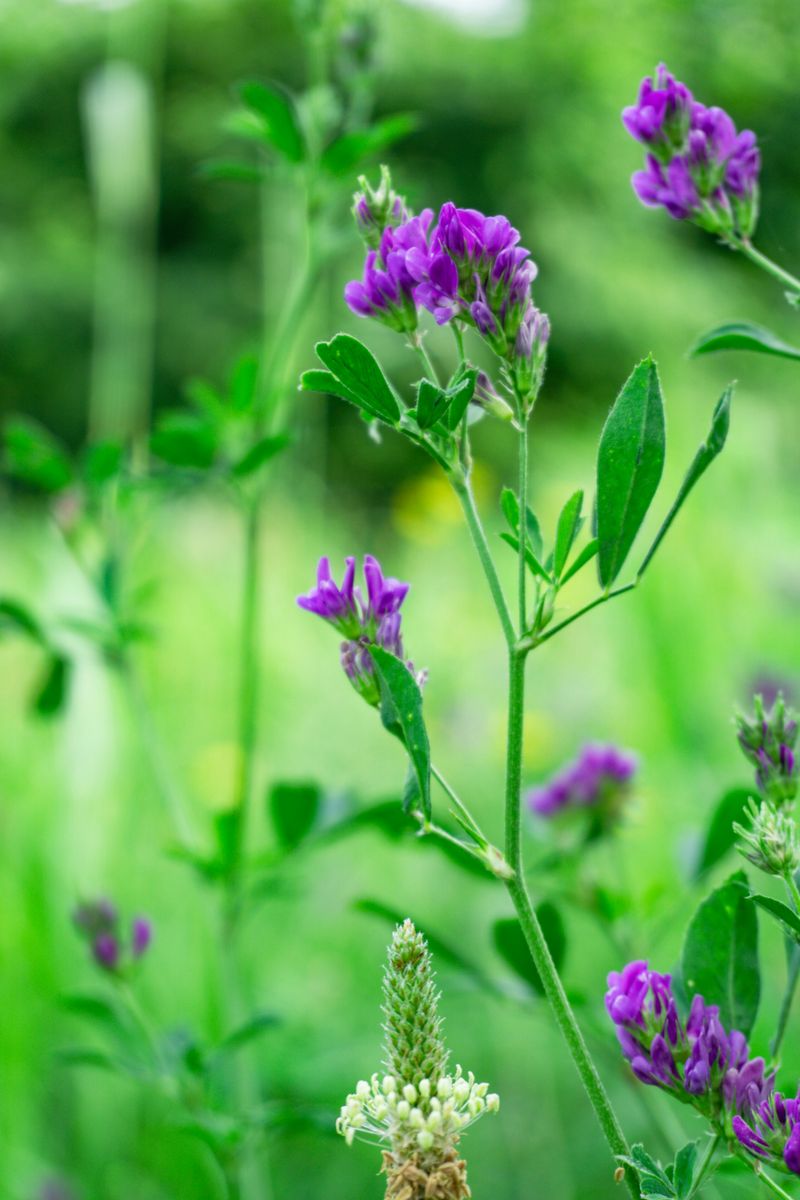
Alfalfa has roots that can reach an astonishing 30 feet deep into the earth, pulling up minerals from layers of soil that nothing else can reach. It is one of the most powerful nitrogen fixers in the plant kingdom, and its biomass breaks down into exceptionally rich compost material.
Gardeners who grow alfalfa as a cover crop and then cut it back regularly find that their soil transforms dramatically within just one or two seasons. The small purple flowers are a bonus that pollinators appreciate enormously.
Winter Rye

Winter rye is the toughest cover crop going. Plant it in late fall when everything else has given up, and it sprouts and grows steadily through cold temperatures that would kill most plants.
Its dense, fibrous root system holds soil in place all winter, preventing erosion from rain and wind.
Those same roots release natural compounds called allelopathics that suppress weed germination the following spring. When tilled in, winter rye adds a big boost of carbon-rich organic matter that feeds soil microbes for months.
Marigold
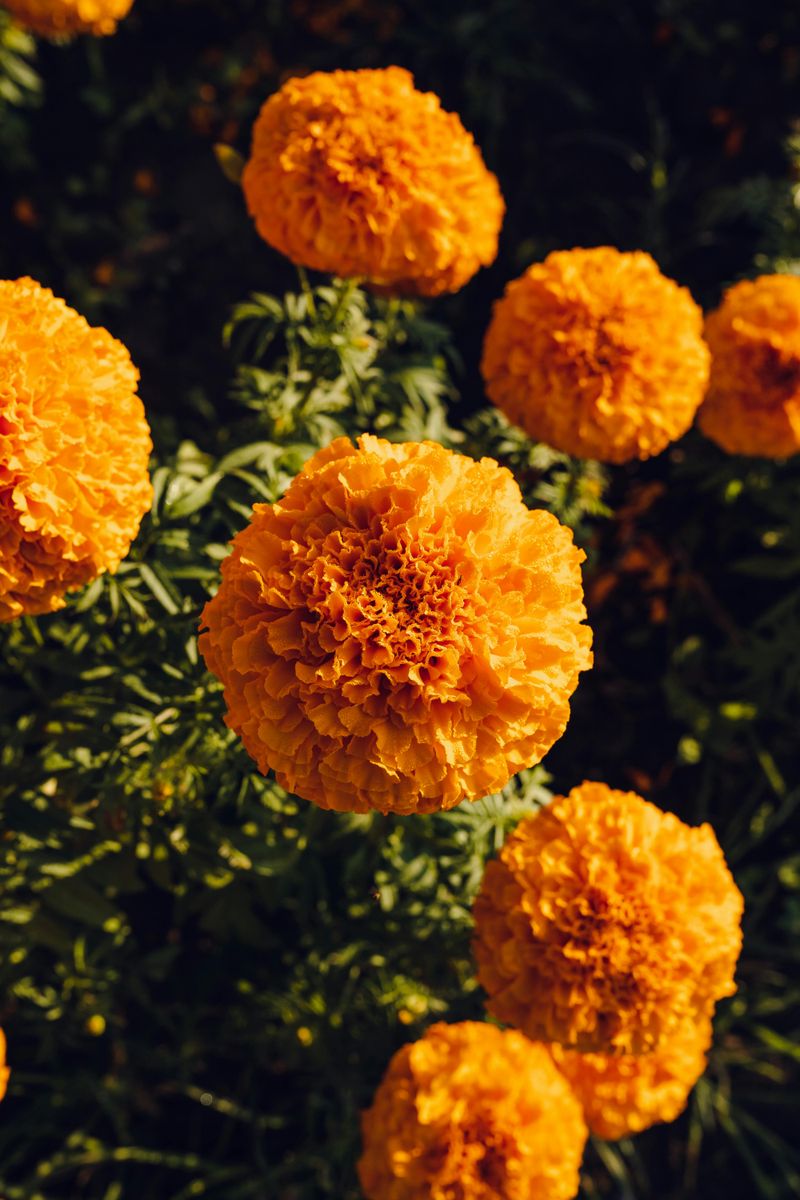
Marigolds have been companion planted in vegetable gardens for generations, and science now explains why they work so well. Their roots release a compound called alpha-terthienyl, which kills harmful nematodes living in the soil.
A season of marigolds can dramatically reduce nematode populations that damage vegetable roots.
Beyond pest control, marigolds attract beneficial insects and their decaying plant matter improves soil texture. The cheerful orange and yellow blooms make them one of the prettiest forms of pest management you will ever find.
Mustard
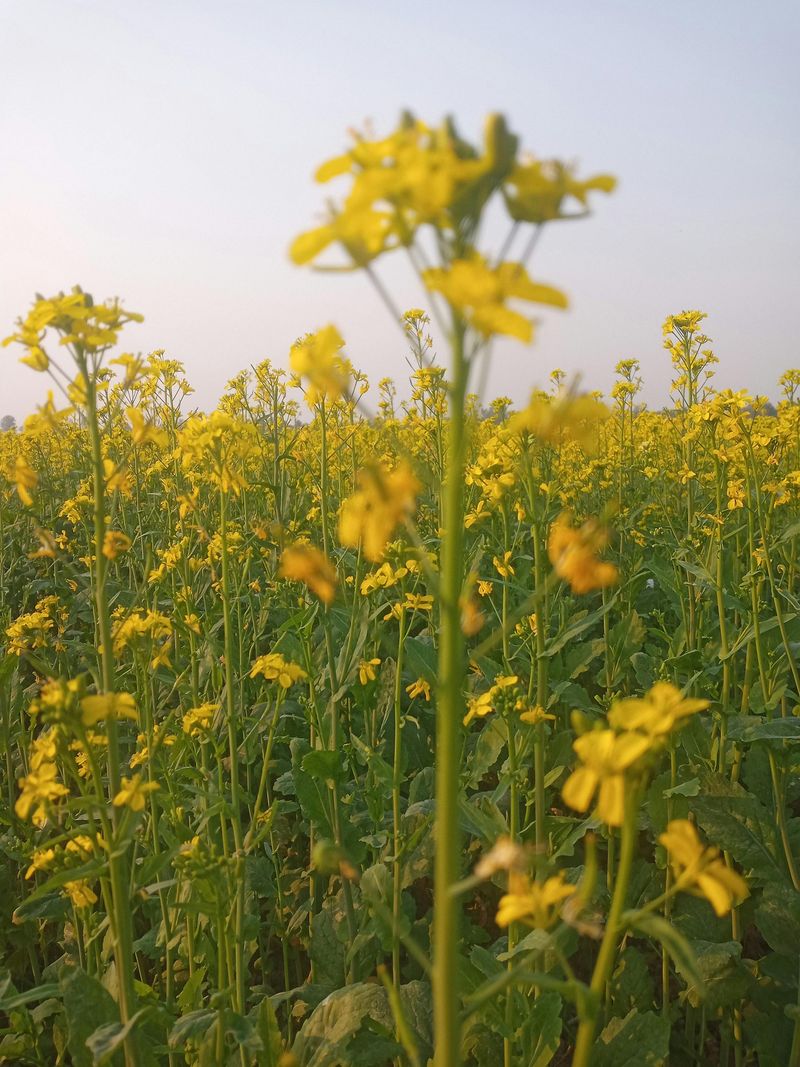
Mustard is like a natural fumigant for your garden soil. When mustard plants decompose, they release compounds called glucosinolates, which break down into chemicals that kill soilborne pathogens, harmful fungi, and pest nematodes.
Farmers call this biofumigation, and it works surprisingly well.
Mustard also grows fast, smothers weeds, and adds good organic matter when tilled in. The bright yellow flowers are a cheerful sight in early spring or fall, and they draw in beneficial insects that help your whole garden thrive.
Chicory
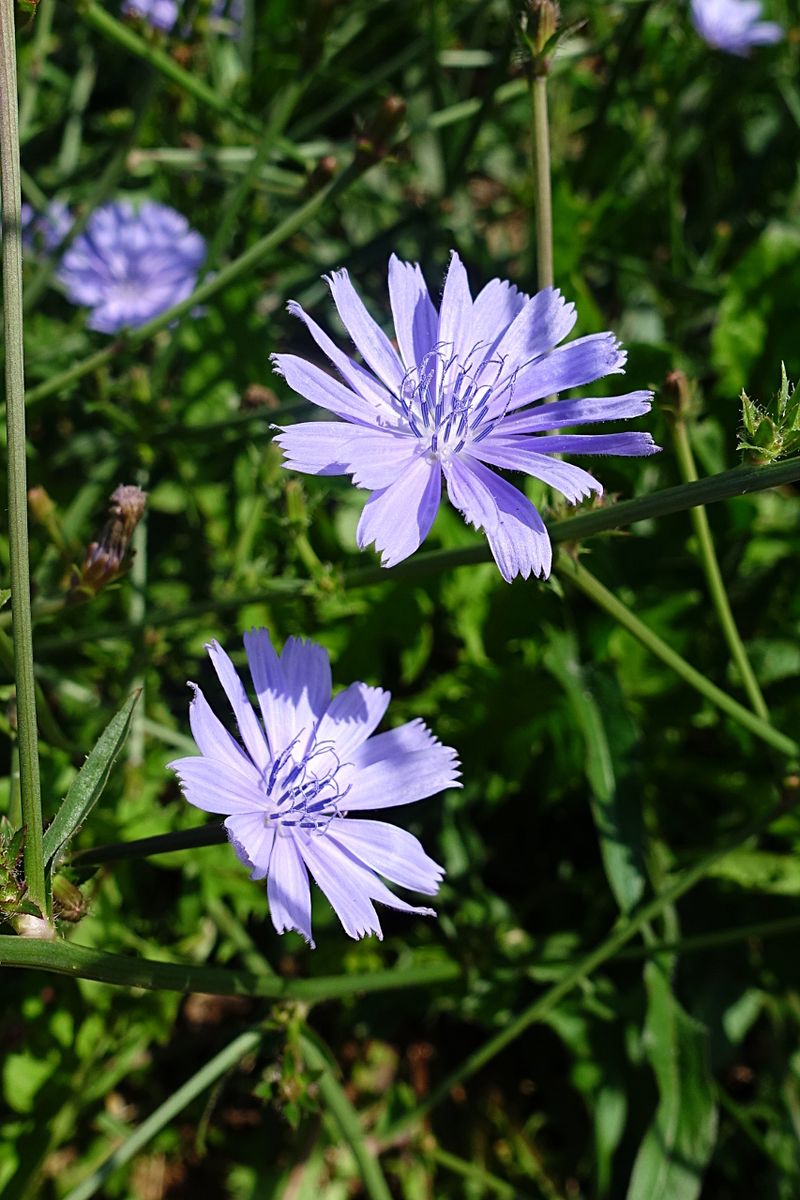
Chicory looks like a wildflower but works like a soil engineer. Its taproot can reach three feet or deeper, punching through compacted subsoil and creating pathways for water infiltration.
As those roots decay, they leave behind organic channels that improve drainage for years afterward.
Chicory also accumulates calcium, potassium, and magnesium in its leaves, cycling those nutrients back to the surface when it decomposes. The electric blue flowers that bloom along its tall stems are absolutely stunning and make chicory one of the most beautiful soil improvers on this list.
Cowpea
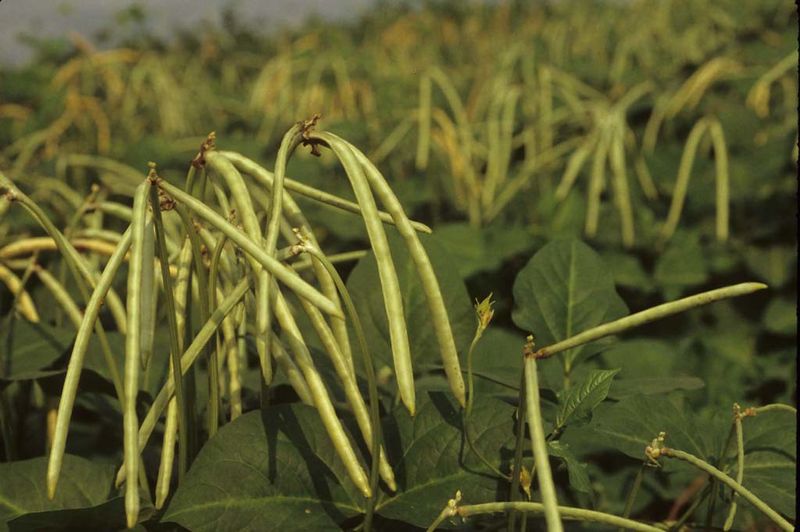
Cowpeas thrive in heat that would wilt other cover crops, making them the go-to summer soil builder for warm climates. They fix nitrogen rapidly, sometimes adding 200 pounds per acre in a single season, and their vines spread out to shade the soil surface, keeping moisture in and weeds out.
Cowpeas also host a particularly active strain of nitrogen-fixing bacteria, making them more effective than many legumes in nitrogen-depleted soils. The purple flowers are small but charming, and the whole plant breaks down quickly after tilling.
Calendula
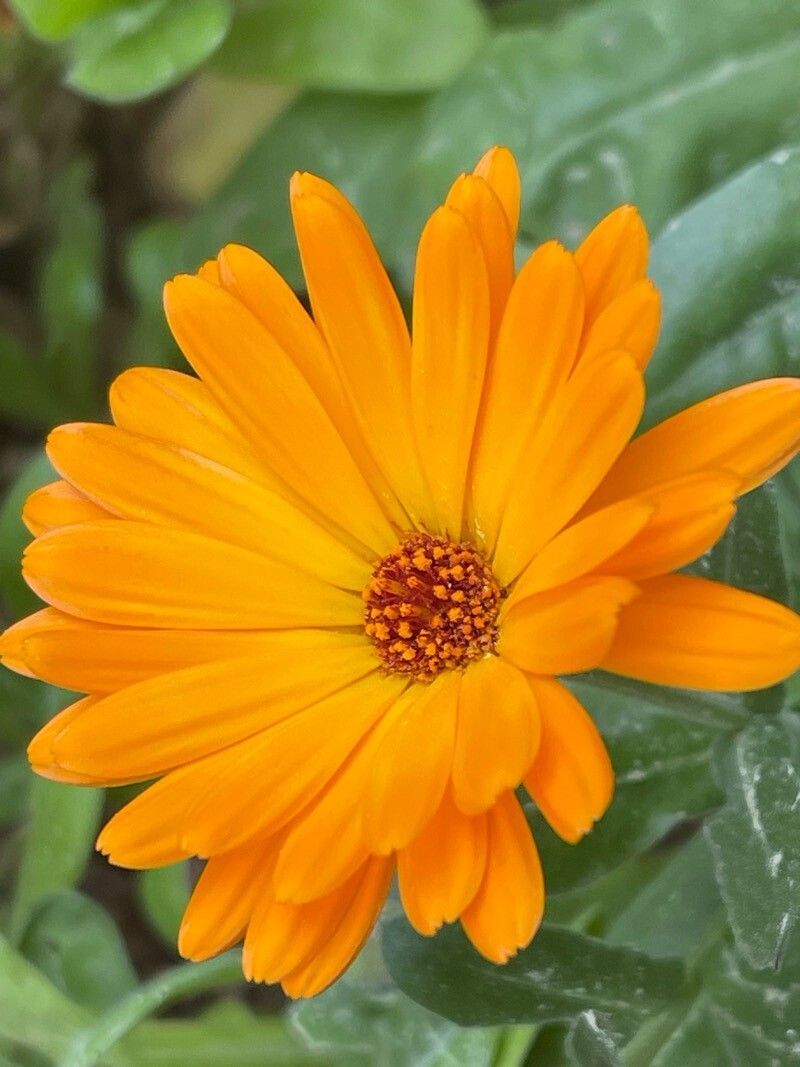
Calendula earns its place in any garden ten times over. The bright orange and yellow flowers bloom for months, attracting hoverflies and other beneficial predatory insects that keep aphid populations in check.
Below ground, calendula roots release sticky exudates that improve soil structure and feed beneficial soil microbes.
Research has shown that calendula can also suppress certain soilborne fungal diseases, making it a quiet protector of neighboring plants. Steep the petals in oil and you also get a skin-soothing remedy.
Useful, beautiful, and soil-friendly all at once.