
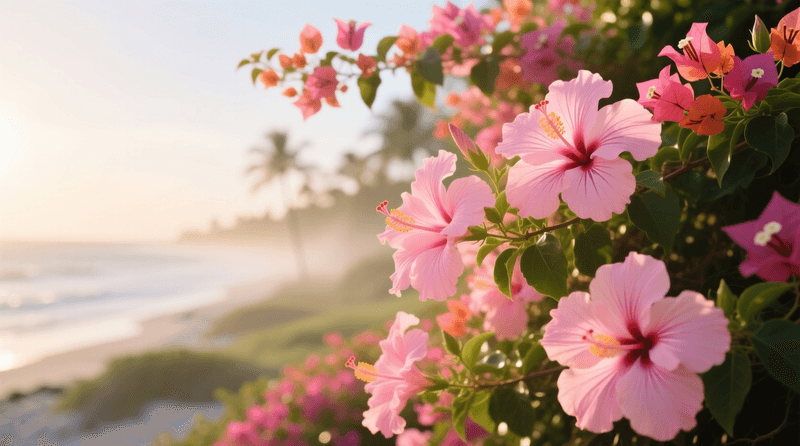
Florida summers can wilt just about any flower with their sticky heat, sudden downpours, and sandy soil that dries out fast. But a handful of tough pink perennials actually thrive when the thermometer climbs past 90 degrees and the afternoon storms roll in. Picking the right ones means less watering, fewer dead plants, and more color that lasts from June straight through hurricane season. Here are the pink bloomers that earn their spot in a Florida garden without demanding your whole weekend.
1. Firebush (Hamelia patens)
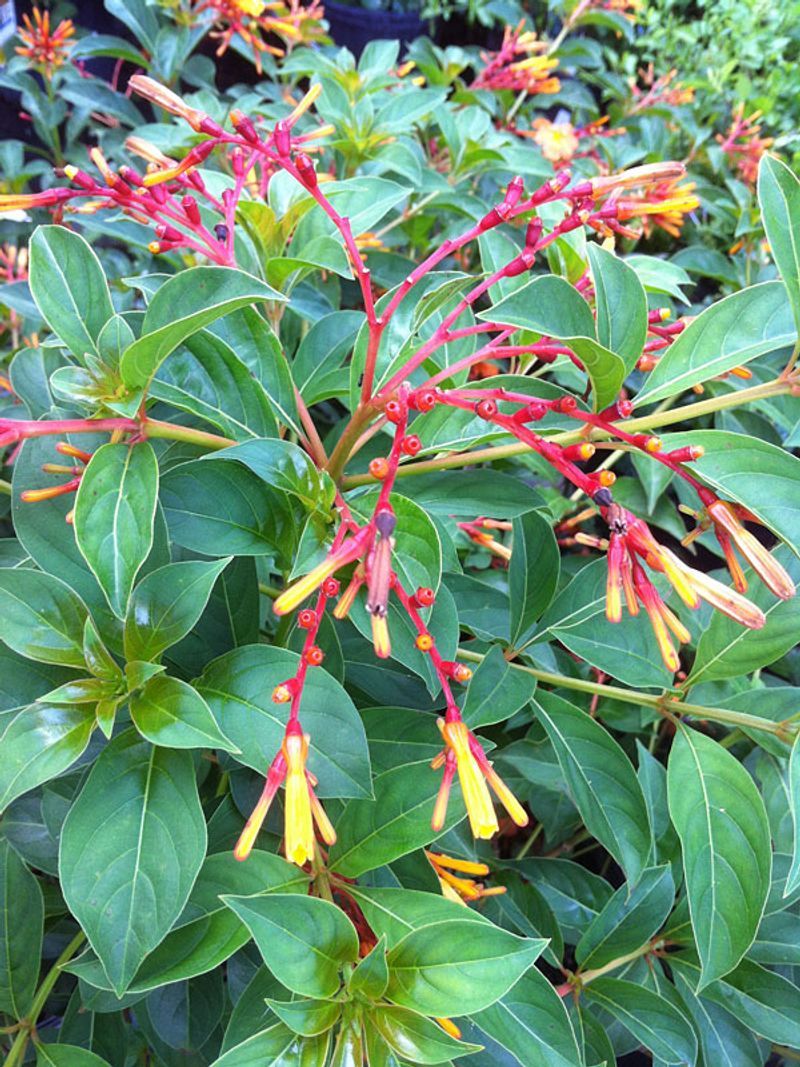
Hummingbirds and butterflies treat this native shrub like an all-you-can-eat buffet, and that alone makes it a garden favorite across the state. Firebush produces slender tubular blooms that lean pinkish-red, glowing brightest during the hottest stretch of the year when many other plants have thrown in the towel.
What sets it apart is how completely unbothered it is by Florida’s brutal July sun. UF-IFAS lists the native Hamelia patens as heat-loving and drought-tolerant once established, so it shrugs off dry spells in sandy soil without constant babysitting.
After a hurricane knocks it back, firebush tends to bounce right back from the roots, which is a huge relief when storm season does its worst. Fun fact: its nickname comes from the fiery orange-red color the foliage takes on as cooler weather arrives.
2. Pink Muhly Grass (Muhlenbergia capillaris)
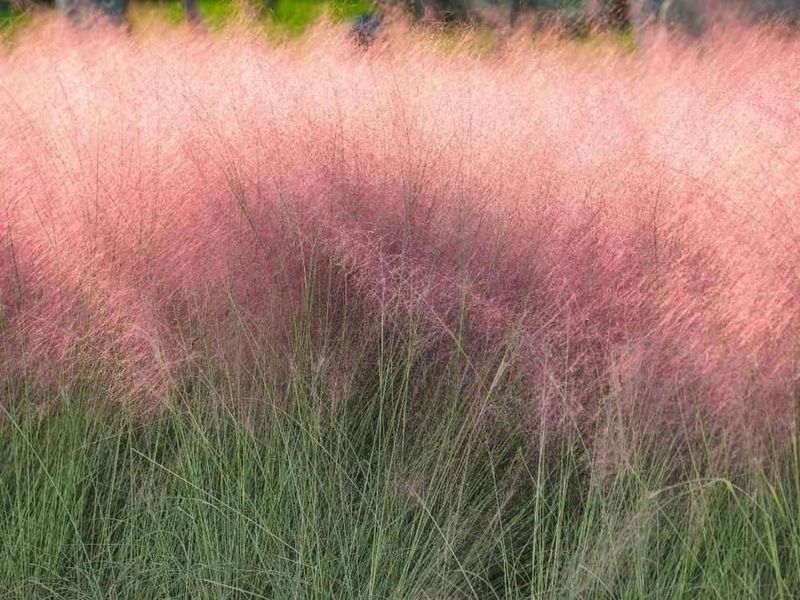
Come fall, this ornamental grass erupts into a cloud of cotton-candy pink plumes so airy they look almost fake. A Florida native, pink muhly grass spends the brutal summer building up strength, then rewards you with that jaw-dropping haze right as the season shifts toward cooler prep months.
Sandy, fast-draining soil is exactly where it wants to live, which makes it a natural fit for yards that struggle to hold moisture. Once its roots settle in, watering becomes almost an afterthought.
Wind and heavy rain barely faze those wispy stems, so it stands up better to summer storms than many delicate bloomers. Plant it in a mass along a fence line or driveway and you get a low-effort wave of pink that practically takes care of itself.
3. Coneflower (Echinacea purpurea)
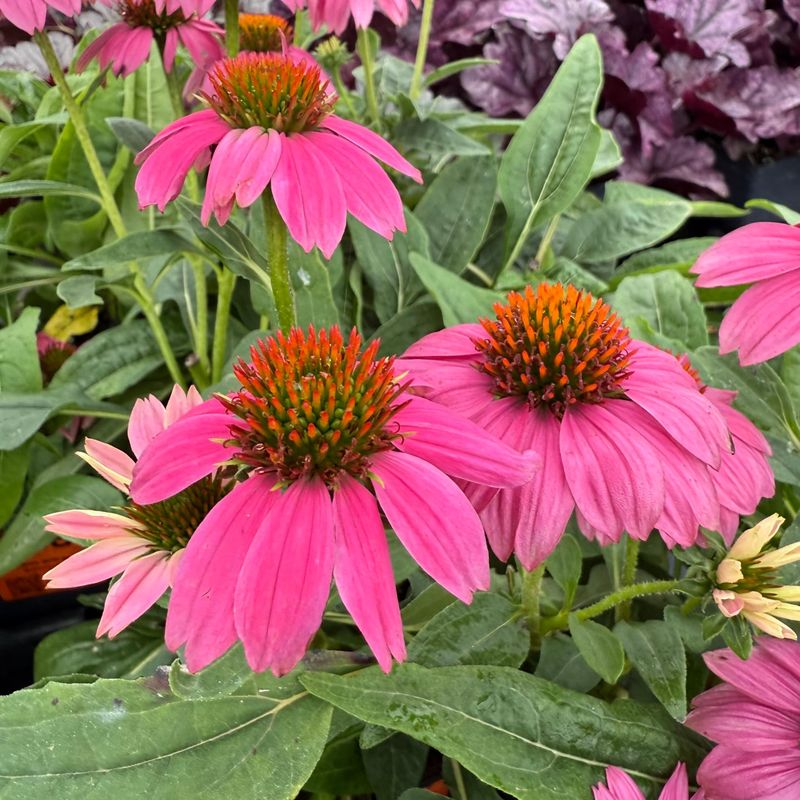
Bees can’t seem to resist the raised, spiky centers of these daisy-like blooms, and gardeners love them for the sturdy pink petals that hold up week after week. Coneflowers deliver reliable color through the swampy middle of summer, blooming again and again if you snip off the spent flowers.
Drought is where they really shine. Their deep roots reach down into sandy soil to find water, so they keep going during dry spells that would flatten thirstier plants.
Leave a few faded flower heads standing at the end of the season and you’ll feed goldfinches while adding texture to the garden. Tough, cheerful, and endlessly pollinator-friendly, coneflowers earn repeat spots in Florida beds year after year.
4. Tropical Milkweed’s Cousin: Swamp Milkweed (Asclepias incarnata)
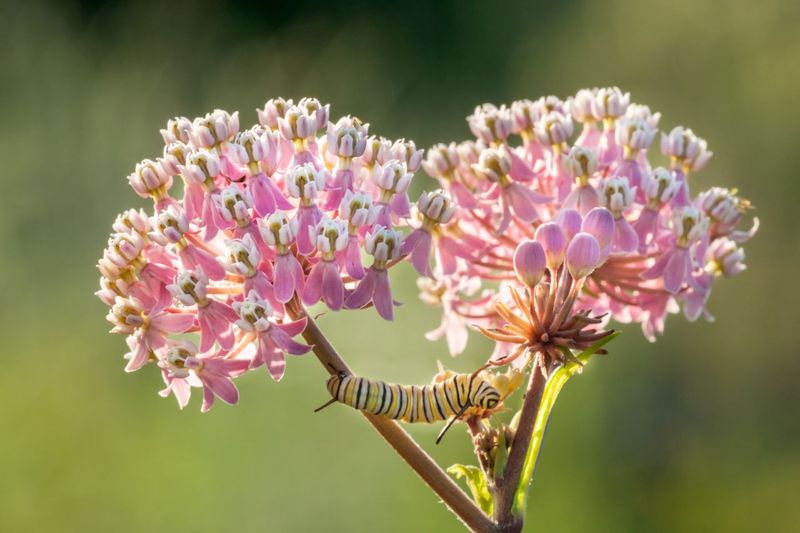
Monarch butterflies stake their whole life cycle on milkweed, and swamp milkweed offers them soft pink flower clusters while handling Florida’s wet feet better than most. Where your yard floods after a storm or stays soggy near a downspout, this native steps in where drier plants would rot.
The blooms carry a faint vanilla scent and pull in butterflies, bees, and other pollinators all summer long. Unlike the non-native tropical milkweed that UF-IFAS warns can spread disease to monarchs, the native Asclepias incarnata supports them the way nature intended.
It dies back and returns each year, so a little patience up front pays off with dependable color. For gardeners battling flood-prone low spots, few pink perennials solve the problem this gracefully.
5. Pentas (Pentas lanceolata)
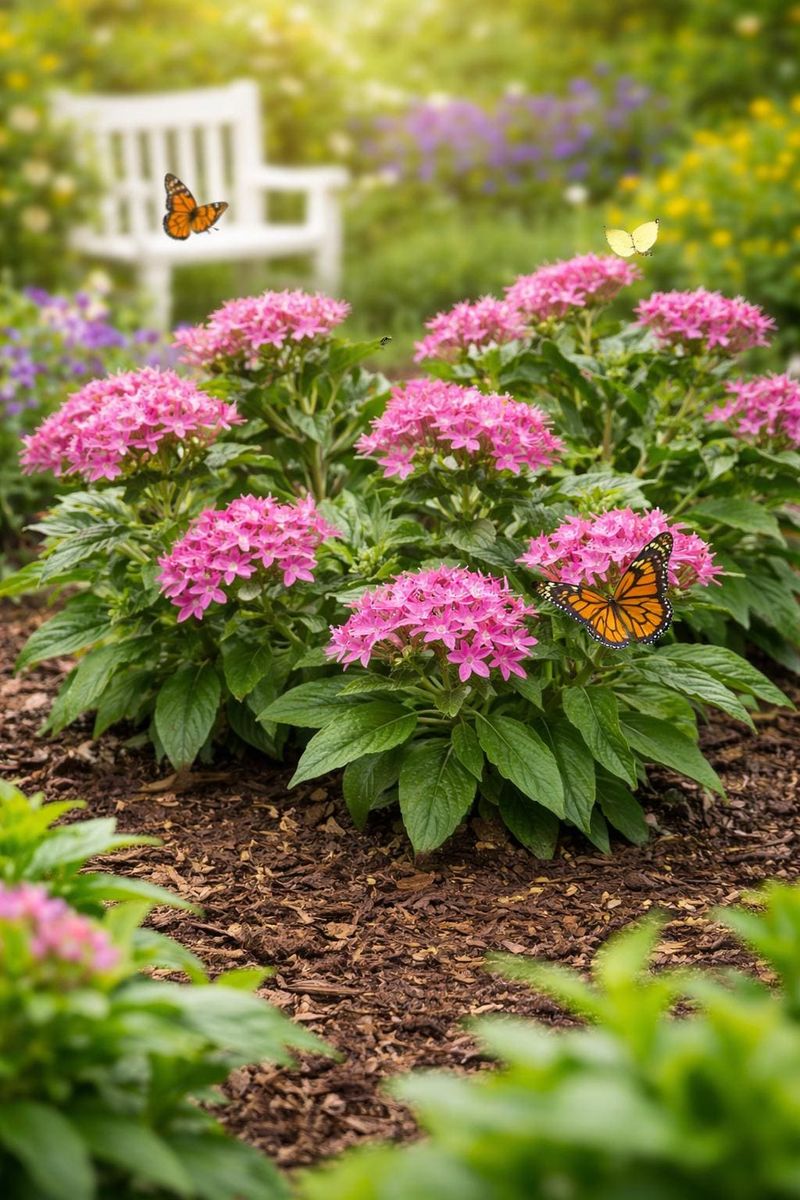
Star-shaped clusters cover this plant nonstop from spring until the first cool snap, earning it the nickname Egyptian star flower. Pentas are the closest thing to a set-and-forget bloomer that Florida gardeners talk about, flowering hard through heat that shuts other plants down.
Pollinators adore them. Butterflies, bees, and hummingbirds crowd the pink blooms daily, turning a single planting into a busy little wildlife stop.
They ask for surprisingly little: a sunny spot, occasional water during dry weeks, and the odd trim to keep them tidy. In the warmest parts of the state they behave as true perennials, coming back season after season, while a light frost may knock them back only briefly. For steady, effortless pink, pentas rarely disappoint.
6. Coral Honeysuckle (Lonicera sempervirens)
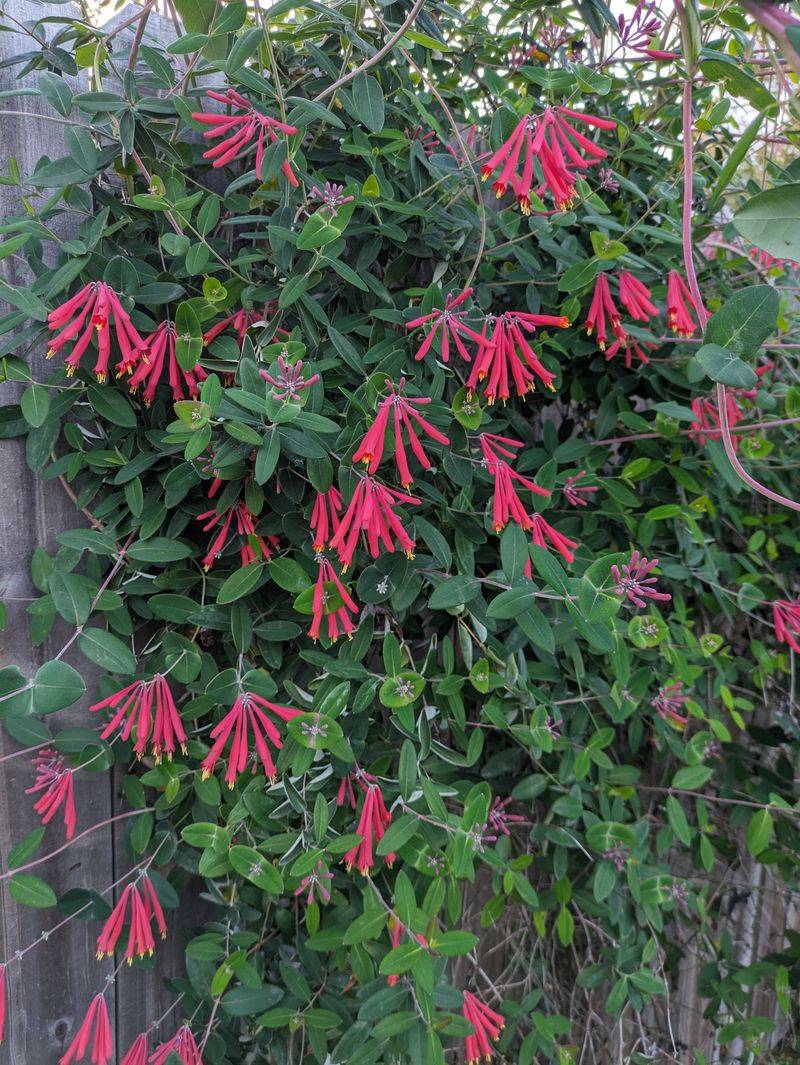
Need vertical color that won’t turn into a tangled monster? Coral honeysuckle climbs fences and trellises with tubular pink-coral flowers that hummingbirds line up for, and unlike the invasive Japanese honeysuckle, this native stays polite.
Heat and humidity barely register on its list of complaints. It keeps blooming through summer and often holds some foliage year-round, giving a fence or arbor near-constant interest.
Once its roots take hold in sandy ground, it handles drought like a champ and needs only light pruning to keep its shape. A pollinator magnet that behaves itself is a rare find, and this vine delivers exactly that for gardeners short on ground space but long on fences to cover.
7. Rose Mallow / Hardy Hibiscus (Hibiscus moscheutos)
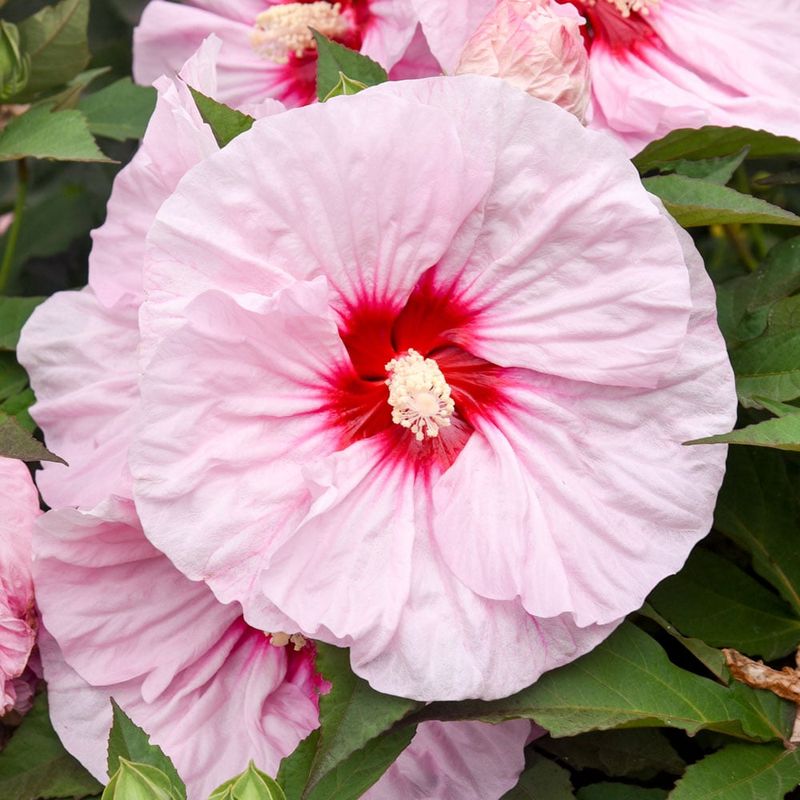
Picture flowers the size of dinner plates and you’ve got rose mallow, a native hibiscus that swings for the fences with soft pink blooms up to eight inches across. Each flower lasts only a day or two, but the plant keeps churning out fresh ones all summer, so the show never really stops.
Damp, boggy ground is no obstacle here. Rose mallow actually prefers moist spots, making it a smart pick for those wet corners of the yard that stay soggy after Florida’s daily storms.
Winter sees it die back to the ground, then it rockets up again in spring with fresh growth. Bold, dramatic, and genuinely tough, this is the pink perennial to grab when you want maximum impact from a single plant.