
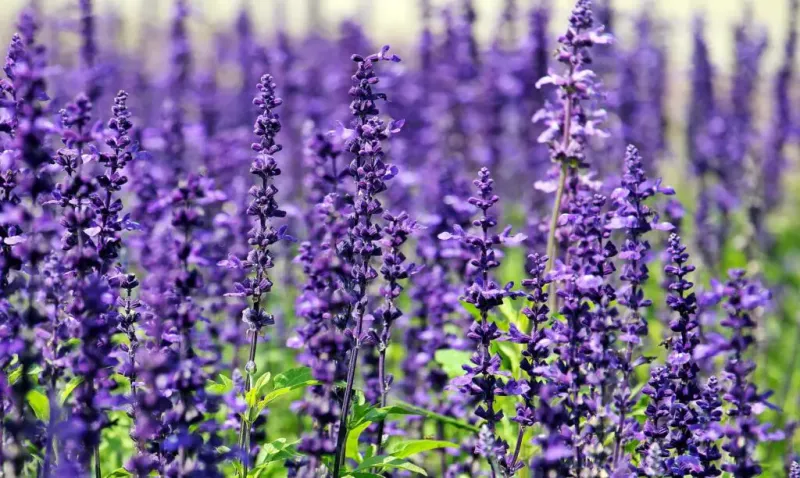
Roof rats love Florida almost as much as we do, sneaking into attics, citrus trees, and garden sheds when the weather turns warm and wet. The good news is that some flowers give off scents and oils these rodents cannot stand, and a few smart plantings can push them elsewhere before they nest for good. Below are seven blooms Florida gardeners are tucking into sandy beds and patio pots to make their yards far less welcoming. Think of them as pretty backup for your traps, mulch, and sealed-up soffits.
1. Marigold
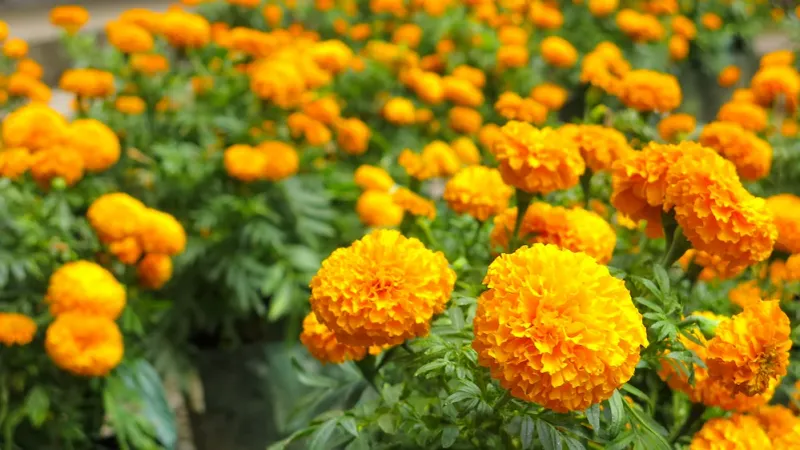
Ask ten Florida gardeners for their first line of defense and marigolds come up again and again. That bright, almost bitter smell we sort of love is the same one rodents seem to hate, and the plants shrug off our sandy soil like it is no big deal.
Marigolds bloom hard through heat that flattens fussier flowers, and they self-seed if you let a few heads dry out. Tuck them along the base of citrus trees and near the foundation, since those are the exact spots roof rats use as highways.
Fun bonus: their roots also give root-knot nematodes a hard time, so a single planting may help deter pests both above and below the ground. Deadhead now and then, water during dry spells, and they mostly take care of themselves.
2. Lavender
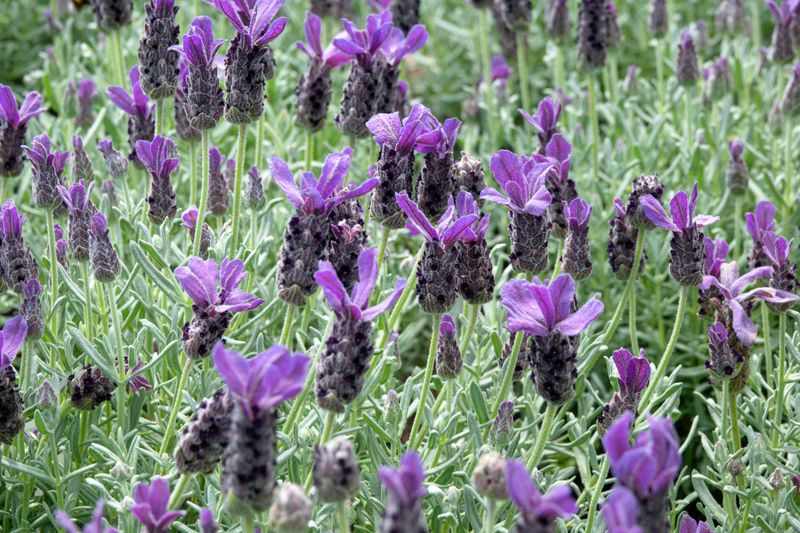
Picture brushing past a row of lavender on a hot afternoon and getting that clean, calming wave of scent. To us it is spa-day relaxing; to a roof rat it is a wall of perfume they would rather avoid.
Florida gardeners have better luck with Spanish lavender than the finicky English types, since it handles humidity and fast-draining sandy beds far better. Give it a raised spot or a container so its roots never sit in soggy summer water, which is the one thing that kills it fast here.
Plant it near windows, doors, and screened patios where rats look for a way in. The strong oils that make lavender smell so good can reduce how appealing your entry points feel to a curious rodent nose.
3. Chrysanthemum
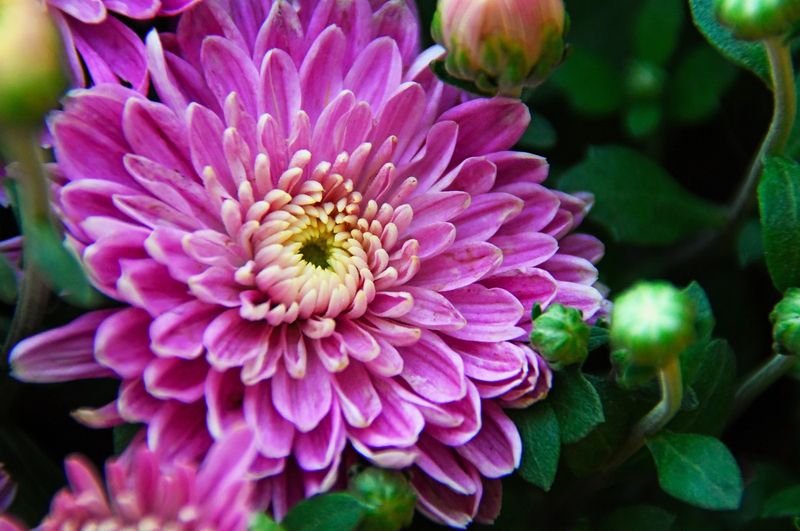
Here is the plant with a secret weapon built right in. Chrysanthemums naturally contain pyrethrin, the same compound found in a lot of store-bought bug and pest sprays, which is why so many critters keep their distance.
Mums put on their best show as Florida slides out of brutal summer and into the cooler fall stretch, making them a smart pick to plant as the season turns. They love full sun, drain-happy soil, and a little pinching back to stay full and bushy.
Set pots of them near garbage cans, compost piles, and shed doors, the buffet spots that draw roof rats in the first place. The scent and the pyrethrin together can make those zones a lot less inviting, and you get a burst of gold, rust, and burgundy color as a thank-you.
4. Daffodil
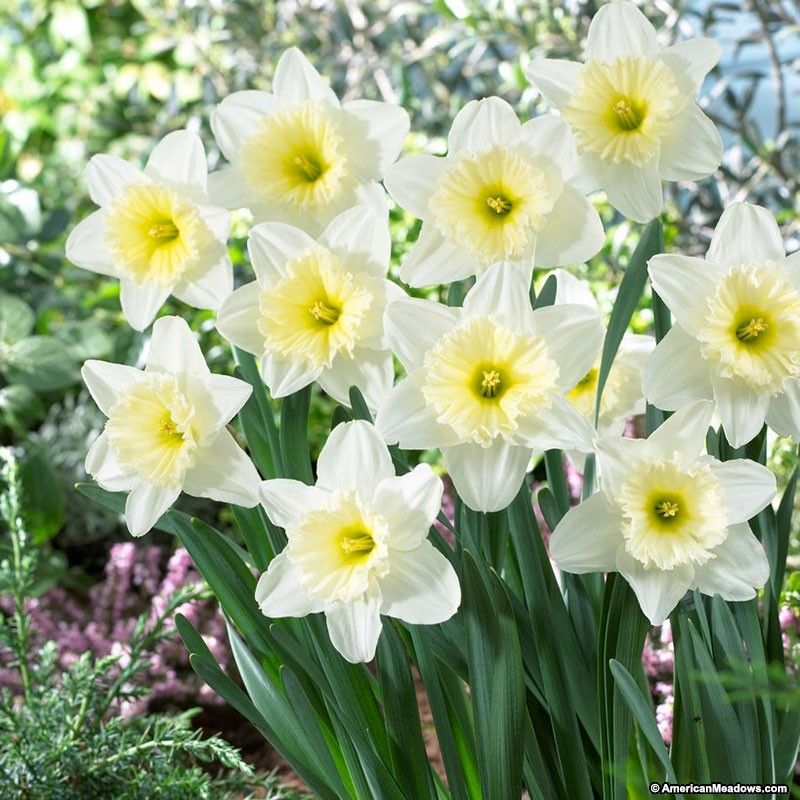
Every part of a daffodil, from bulb to bloom, carries compounds that are toxic to rodents, and they seem to know it. A rat that digs up most bulbs for a snack will leave daffodils completely alone.
Because of that, gardeners often ring their beds with daffodils to guard tastier plants and bulbs from being dug up and gnawed. In Florida you will want the paperwhite types, since they need far less winter chill than northern daffodils to actually bloom.
Plant them in autumn in a well-drained spot and enjoy cheerful white and yellow flowers in the cool months. They ask almost nothing from you, which makes them an easy set-and-forget guard for the edges of your yard.
5. Alliums (Flowering Onion)
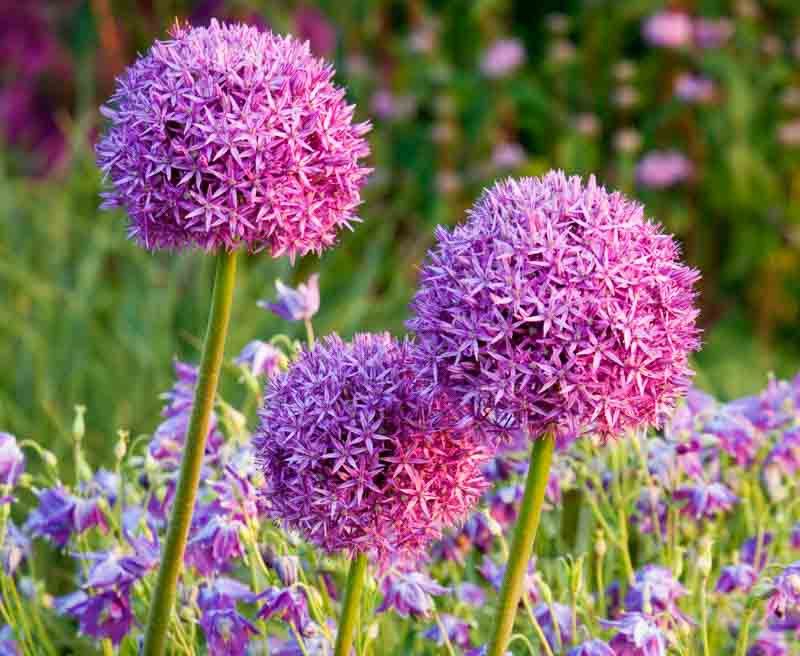
What do garlic, onions, and these purple pom-pom flowers all have in common? A sulfur-heavy smell that rodents find downright offensive.
Alliums are ornamental cousins of the onions in your kitchen, sending up tall stalks topped with globes of tiny purple flowers that pollinators adore and rats do not. That oniony scent lingers in the leaves and bulbs, quietly telling roof rats to keep moving.
They handle Florida’s sandy, fast-draining soil well and want full sun to look their best. Weave them between vegetables, near the shed, or around the patio, and you get a striking vertical accent that pulls double duty as a scent barrier. Bees and butterflies get a feast while the rodents get the hint.
6. Lantana
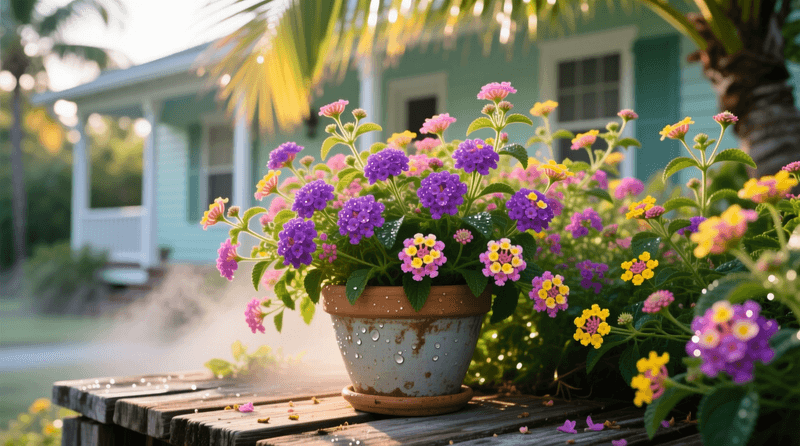
If you want a Florida-friendly bloomer that laughs at heat, drought, and salt spray, lantana is hard to beat. It thrives in exactly the sandy, sun-baked conditions that make other flowers sulk.
Crush a leaf between your fingers and you get a sharp, pungent smell that people either love or find funky, and rodents land firmly in the not-a-fan camp. That aroma, along with the plant’s slightly toxic foliage, can help deter roof rats from setting up shop nearby.
Look for Florida-friendly or sterile varieties so you avoid the invasive types UF-IFAS warns against spreading. Once established, lantana barely needs watering, blooms nonstop in clusters of orange, pink, and yellow, and keeps butterflies flocking all summer long. It is about as close to set-and-forget as a rat-repelling flower gets down here.
7. Peppermint (Flowering Mint)
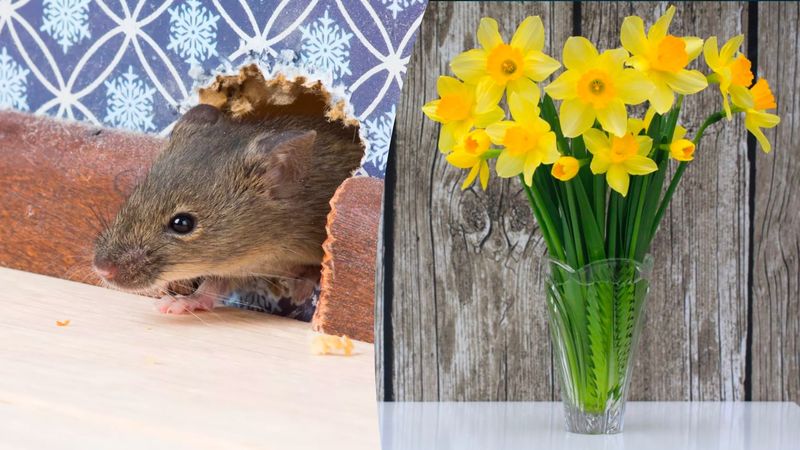
The smell that makes your gum taste great is the same one that sends rats scrambling. Peppermint’s high menthol content overwhelms their sensitive noses, and its little lavender-white flower spikes bring in pollinators as a bonus.
A word of warning for Florida beds: mint spreads like it has somewhere to be, so plant it in pots or buried containers unless you want it everywhere. Keeping it contained also lets you move the fragrance right up against doorways, vents, and the base of the house.
It handles our humidity fine and wants regular water plus a bit of afternoon shade during the worst summer heat. Snip sprigs to freshen the kitchen, brew them into tea, and let the rest stand guard. Few plants give you so much scent, flavor, and rodent-nudging power from one tidy pot.