
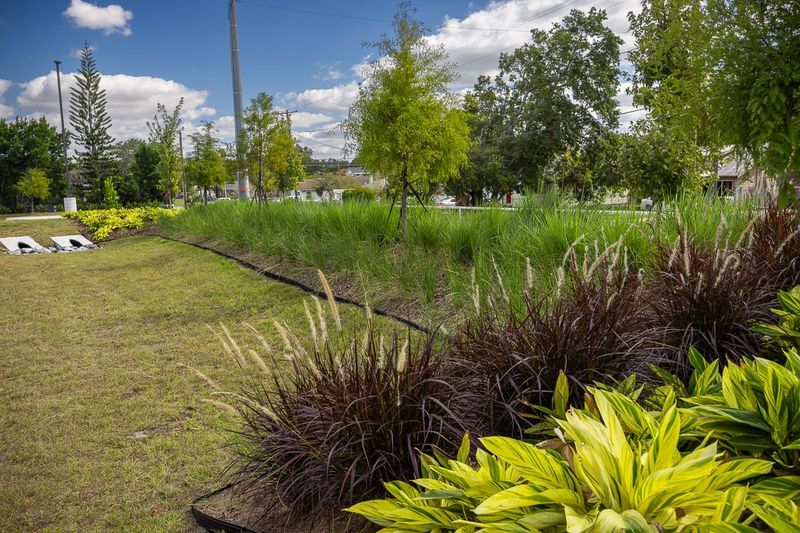
Florida lawns can look tired fast when summer heat, sandy soil, and water rules all hit at once. Many homeowners are swapping thirsty turf for native plants that handle dry spells, storms, and blazing sun with less fuss. These plants are not just tough, they also bring color, pollinators, and curb appeal to front yards that used to be plain green.
1. Coontie
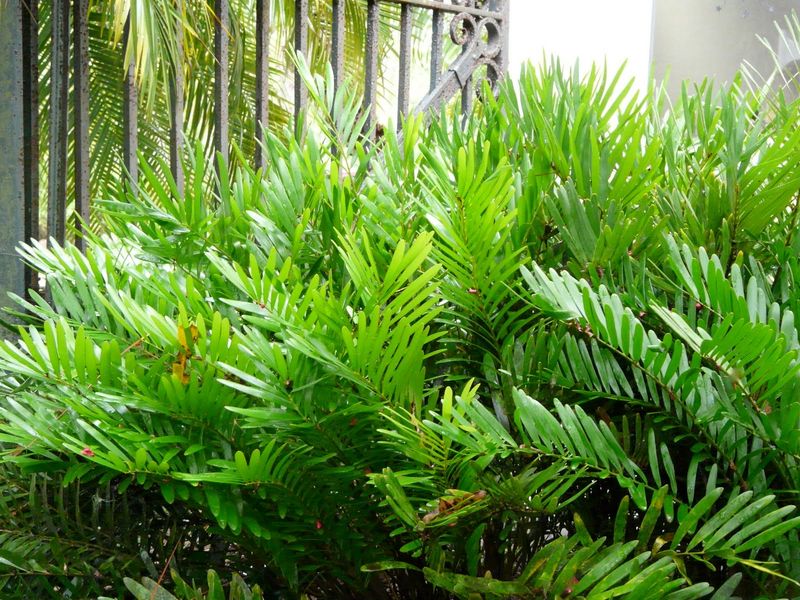
Walk past a front yard with coontie and you might think the homeowner hired a designer, even if the plant is doing most of the work. Its stiff, fern-like leaves make neat rounded clumps that look tidy without weekly trimming.
Coontie is a Florida native cycad that handles sandy soil, heat, and dry stretches once established. It stays low, usually around 1 to 3 feet tall, so it fits well along driveways, under windows, or in beds where turf keeps thinning out.
Gardeners also like coontie because it supports the atala butterfly, a striking black butterfly with bright blue markings. For front yards, that gives the plant a double win: polished structure for the humans and habitat for wildlife.
Keep it in sun to part shade and avoid overwatering, especially in poorly drained spots after heavy rain. In many Florida yards, coontie becomes a quiet anchor plant that looks calm while the grass around it begs for help.
2. Muhly Grass
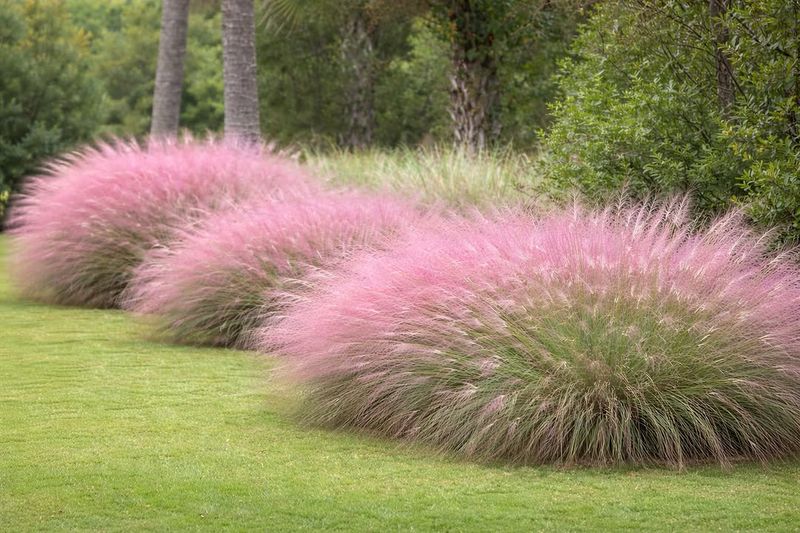
By late summer and fall, muhly grass can make a Florida yard look like it has a soft pink cloud sitting just above the ground. That airy bloom is the reason many homeowners forgive it for looking simple earlier in the season.
Native muhly grass is a smart turf replacement for sunny areas where mowing feels pointless and irrigation costs keep climbing. It likes well-drained sandy soil, tolerates drought after establishment, and stands up well to the kind of heat that makes St. Augustine grass sulk.
The plant usually grows in tidy clumps, which makes it useful for borders, mailbox beds, and broad sweeps along sidewalks. It is not a walk-on groundcover, but it can reduce lawn square footage in places where grass is more decoration than play space.
One helpful habit is cutting it back once a year before fresh growth begins, rather than fussing over it all summer. Give it sun, do not bury it in mulch, and let those pink plumes turn a struggling front strip into a seasonal show.
3. Sunshine Mimosa
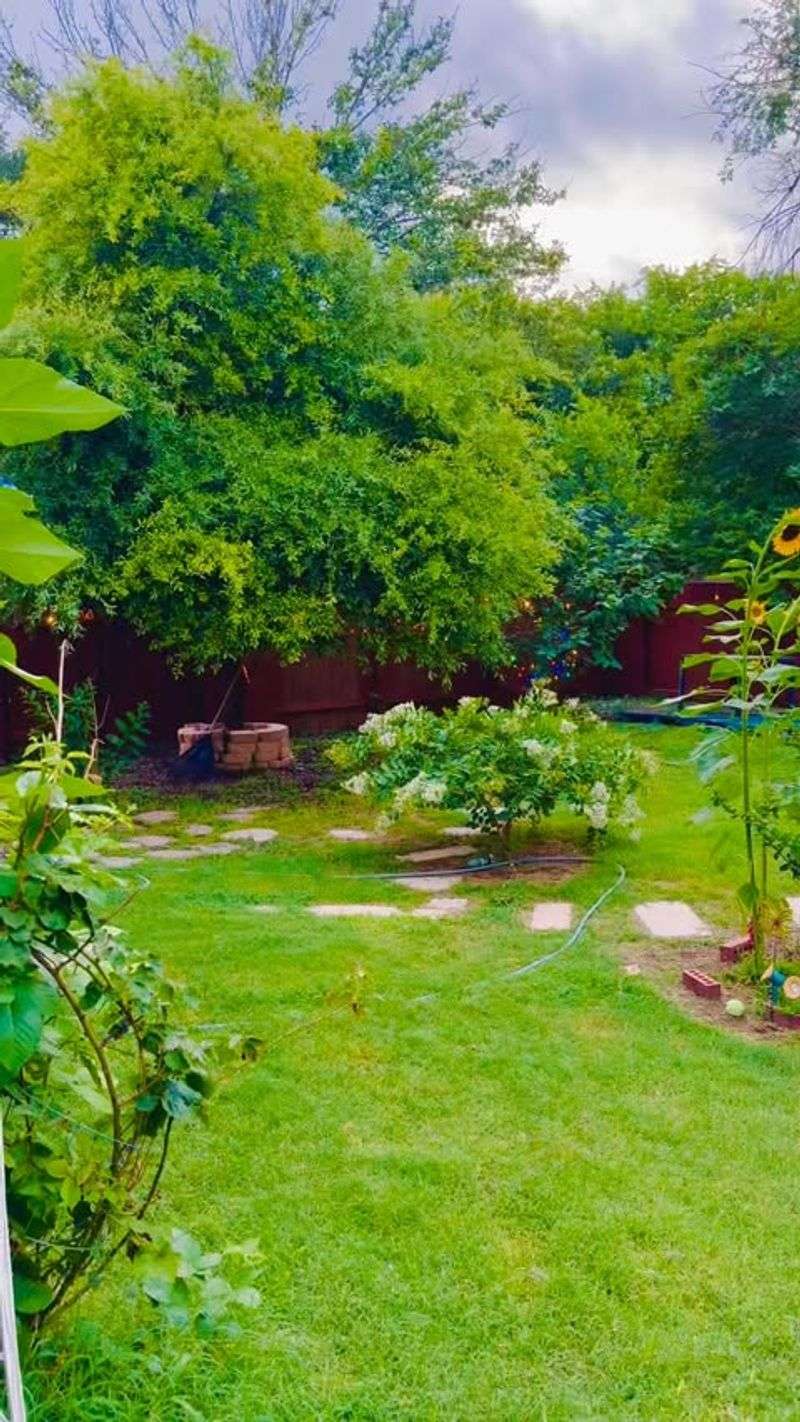
A tiny pink puffball flower popping out of the lawn is not something most people expect from a groundcover. Sunshine mimosa brings that surprise, along with a creeping habit that can soften bare sandy patches where turf refuses to fill in.
Florida gardeners often use it as a native lawn alternative in sunny, low-traffic areas. It spreads low to the ground, fixes nitrogen, and can handle dry periods once its roots are settled, which makes it useful in front yards that get blasted by afternoon sun.
Unlike taller native plantings, sunshine mimosa keeps a lawn-like feel while adding pollinator value. Bees visit the pink blooms, and the sensitive leaves fold when touched, a fun little trick that makes kids stop and notice the yard.
It does best with good drainage and patience during establishment. If you need a football field for heavy use, keep some turf, but for a sunny strip or a relaxed front lawn conversion, sunshine mimosa offers a cheerful middle ground.
4. Railroad Vine
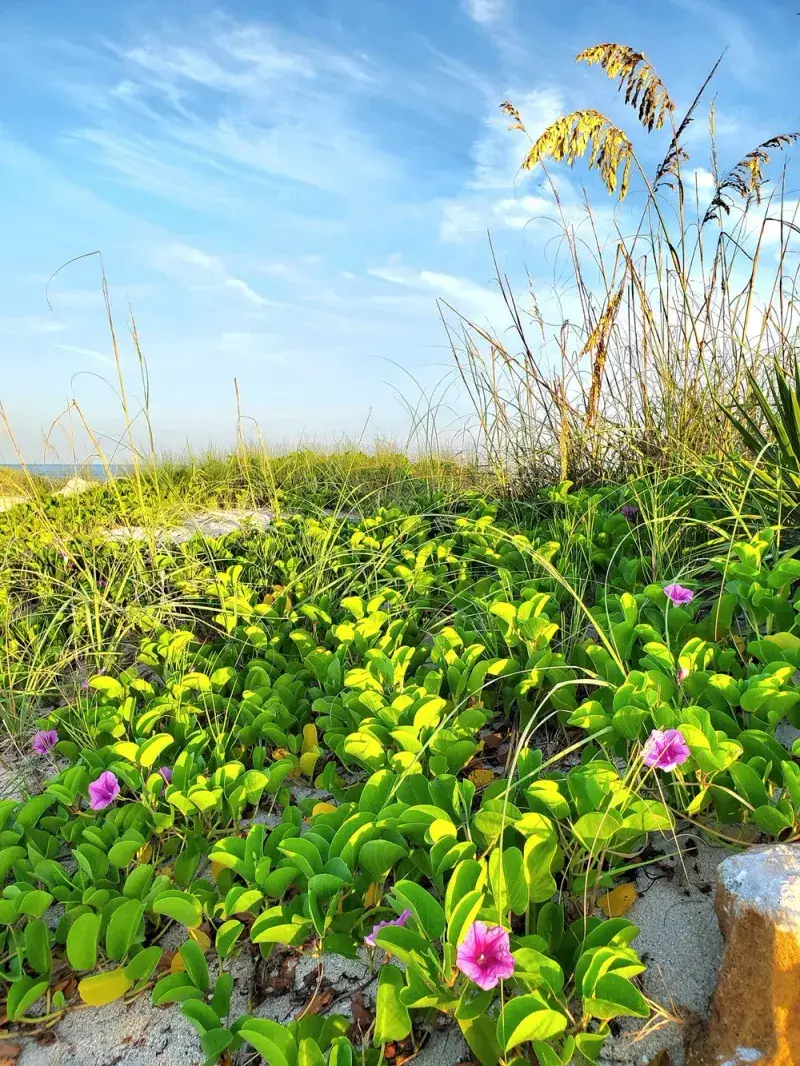
Near the coast, where salt spray and sand make ordinary lawn care feel like a losing game, railroad vine acts like it was born for the job. Because it was.
Railroad vine is a Florida native beach plant with long trailing stems and purple, morning-glory-like flowers. It thrives in sandy, fast-draining soil and is especially useful for coastal front yards, dune edges, and hot open spots where turf burns out or needs constant watering.
The plant earns its place by covering ground quickly without demanding rich soil. Its deep roots can help stabilize sandy areas, and its sprawling shape brings a casual beach-house look that feels right in many Florida neighborhoods.
Give railroad vine room to roam because it is not a tiny border plant. It works best where a homeowner wants less mowing, more erosion control, and a plant that can shrug off the same salty summer weather that leaves grass looking crispy.
5. Blanket Flower
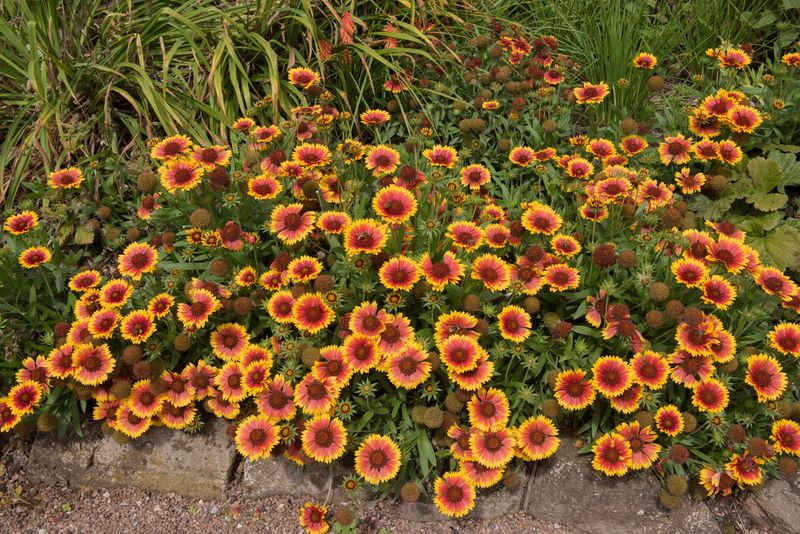
Some front yards need a plant that looks happy even when the weather is rude. Blanket flower brings that cheerful, sun-baked energy with red, orange, and yellow blooms that seem made for Florida summer light.
Also known as Gaillardia, blanket flower is a Florida native wildflower that performs well in dry, sandy soil. It is especially useful in sunny beds where turf struggles from heat stress or where homeowners want color without running sprinklers every day.
Pollinators are part of the appeal. Bees and butterflies visit the daisy-like flowers, while the plant keeps blooming through tough conditions if it has enough sun and drainage.
Blanket flower is usually short-lived compared with woody shrubs, but it often reseeds where it is happy. Think of it as the lively front-yard guest that may move around a little, filling gaps and adding color while more permanent natives settle in.
6. Frogfruit
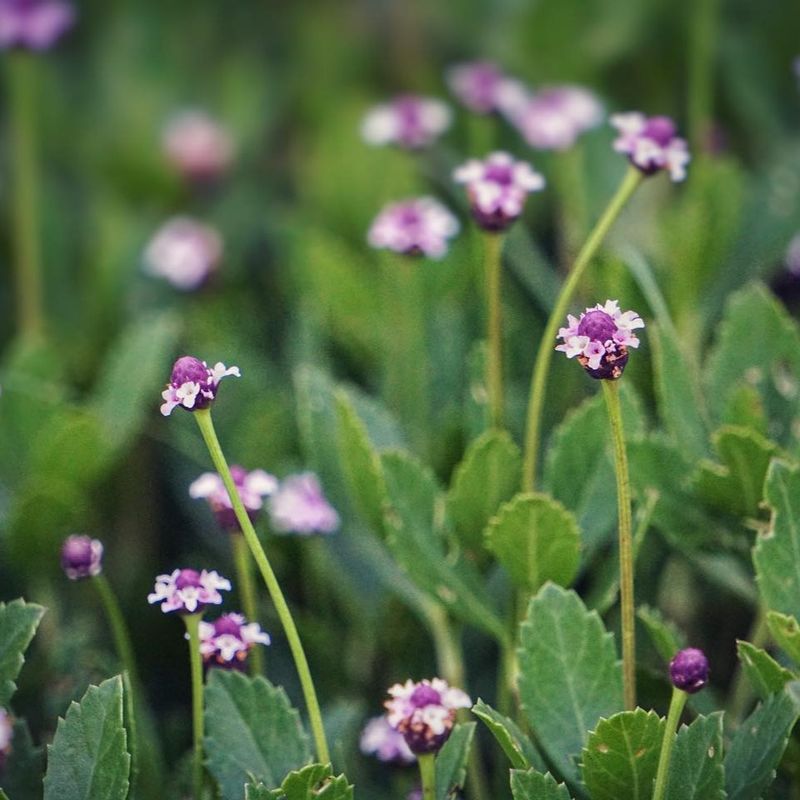
At first glance, frogfruit looks modest, almost too quiet to be useful. Then the butterflies arrive, and the little groundcover suddenly becomes one of the busiest spots in the yard.
Frogfruit is a low-growing Florida native that can replace turf in selected areas or weave between stepping stones. It handles heat, occasional dry spells, and a range of soil conditions, including the sandy yards common across much of the state.
Its tiny flowers are valuable for pollinators, and the plant is a host for several butterfly species. That makes it different from plain turf, which takes water and fertilizer but gives very little back to the local ecosystem.
Frogfruit can tolerate some foot traffic, though it is not as tough as a sports lawn. Use it where you want a softer, living carpet that needs less mowing and adds wildlife value without turning the front yard into a tall meadow.
7. Dune Sunflower
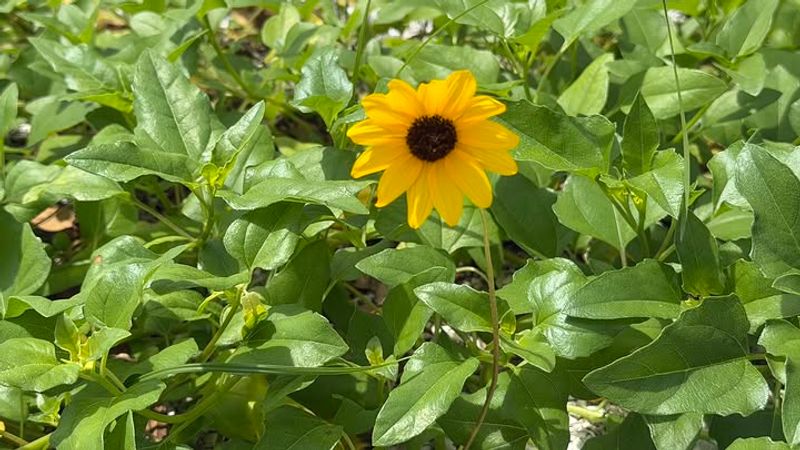
Yellow flowers have a way of making a hot yard feel more welcoming, and dune sunflower delivers them with very little drama. It brings a sunny, coastal look even to inland neighborhoods with sandy soil and full exposure.
Dune sunflower is a Florida native groundcover that spreads wider than it grows tall. It is well suited for dry, sunny front beds, slopes, and curbside strips where irrigation is limited and grass often thins during July heat.
The plant’s bright blooms draw pollinators, while its spreading form helps cover bare ground. Compared with turf, it asks for less routine care once established, though trimming may be needed to keep it from wandering beyond its assigned space.
Good drainage matters, especially during rainy weeks or after tropical downpours. Plant it where water does not sit for long, and dune sunflower can turn a harsh patch of sand into a bright, low-water carpet that feels unmistakably Floridian.
8. Beautyberry
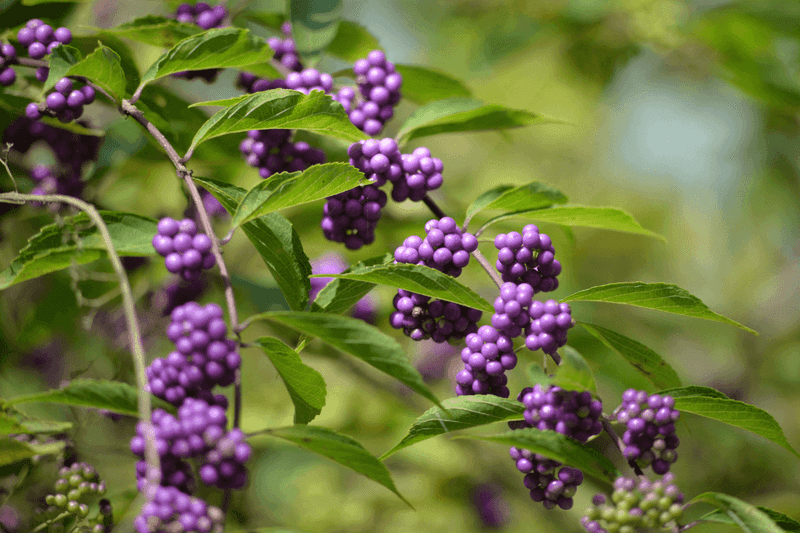
Those purple berry clusters look almost unreal the first time you notice them, like someone tucked beads along the stems. American beautyberry gives Florida front yards a burst of color at a time when many lawns are simply trying to survive.
Beautyberry is a native shrub that can handle part sun, sandy soil, and periods of dry weather after establishment. It works well along porch edges, fence lines, and mixed native beds where homeowners want height without creating a high-maintenance hedge.
Birds often feed on the berries, so the shrub adds more than curb appeal. Its loose, natural shape also fits the softer look many Florida yards are moving toward as people trade clipped turf and formal shrubs for resilient habitat planting.
Pruning can keep beautyberry compact, especially in smaller front yards. Leave some room for its arching branches, and it becomes a seasonal focal point that survives summer with far less pampering than a thirsty patch of grass.
9. Firebush
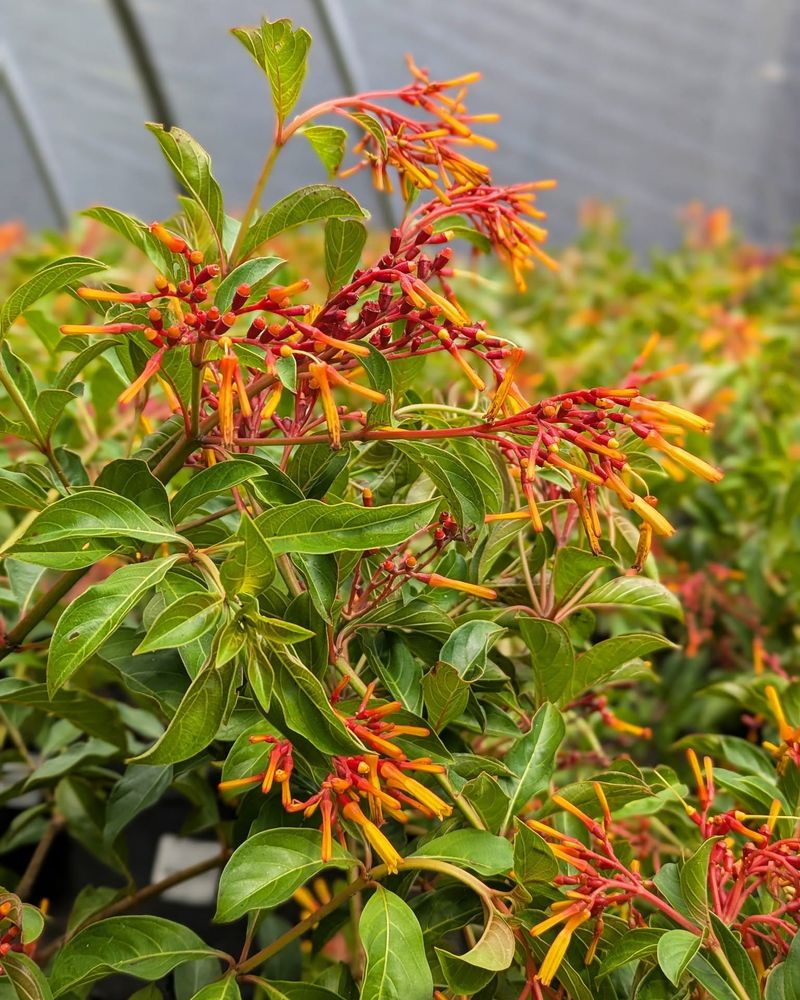
Hummingbirds know a good front yard before most neighbors do, and firebush is one of the plants that can bring them in. Its orange-red tubular flowers glow in the heat and give the landscape a lively, tropical feel without relying on fragile bedding plants.
Native firebush is a tough shrub for much of Florida, especially in sunny spots with well-drained soil. Once established, it can tolerate dry stretches, bounce back from pruning, and keep blooming through the steamy months when turf looks tired.
What sets firebush apart is its wildlife traffic. Hummingbirds, butterflies, and other pollinators use the flowers, while birds may visit the berries, turning a front foundation bed into a small but active habitat.
Size depends on location and winter temperatures, so give it enough space or prune it as needed. For homeowners who want bold color, lower water use, and a plant that feels alive all summer, firebush earns its growing popularity.