
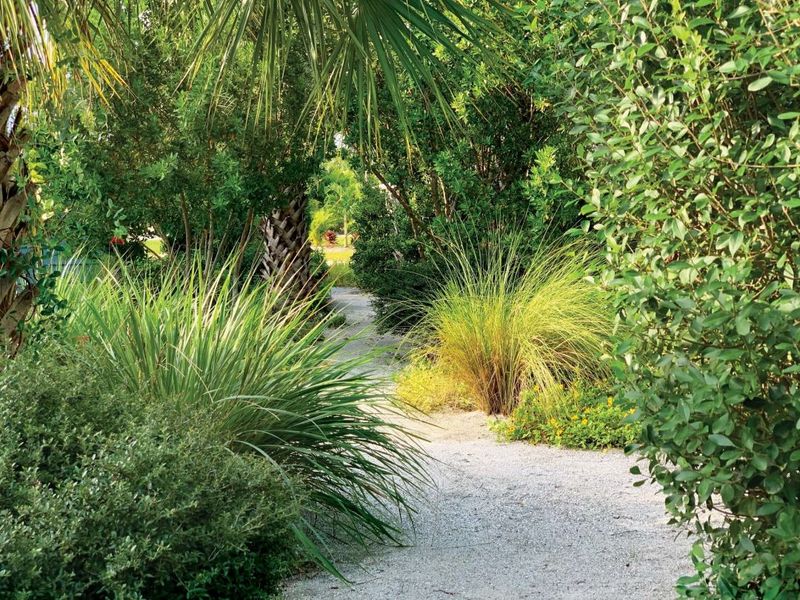
A green lawn can look nice, but in Florida it often asks for too much water, mowing, fertilizer, and patience. Native plants can cover bare ground while handling sandy soil, summer heat, storms, and local pests much better than many turf lawns. Pick the right plant for the right spot now, and by next summer your yard can look fuller, wilder, and easier to care for.
1. Sunshine Mimosa
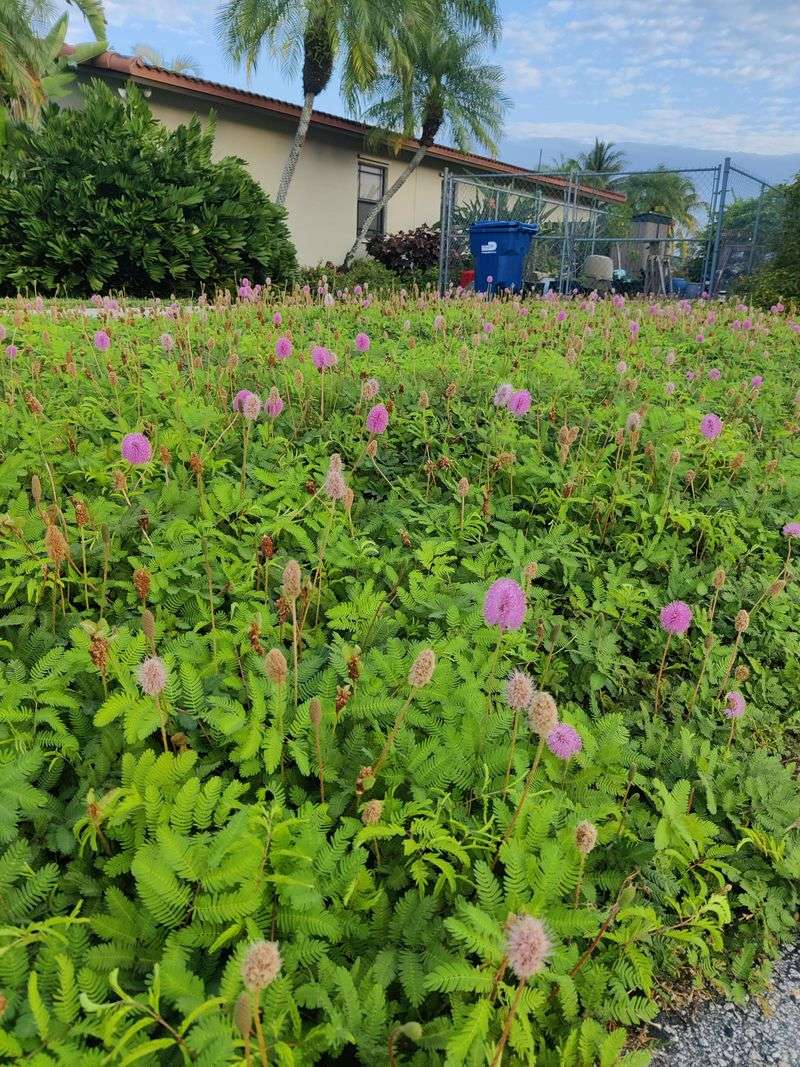
A barefoot-friendly yard with little pink puffball flowers feels almost too cheerful to be practical, but Sunshine Mimosa earns its spot by being both pretty and tough. Also called powderpuff, this low native groundcover creeps across sunny spaces and creates a soft, ferny mat that can make plain turf look dull by comparison.
Florida gardeners like it because it fits the real yard problems many lawns face: sandy soil, hot afternoons, and dry spells between summer storms. Once established, it usually needs far less mowing than turf, though you may trim edges if it wanders into paths or beds.
Give it full sun, good drainage, and room to spread. It is especially useful for small lawn sections, hell strips, and places where you want a living carpet that supports pollinators instead of demanding constant attention.
2. Frogfruit
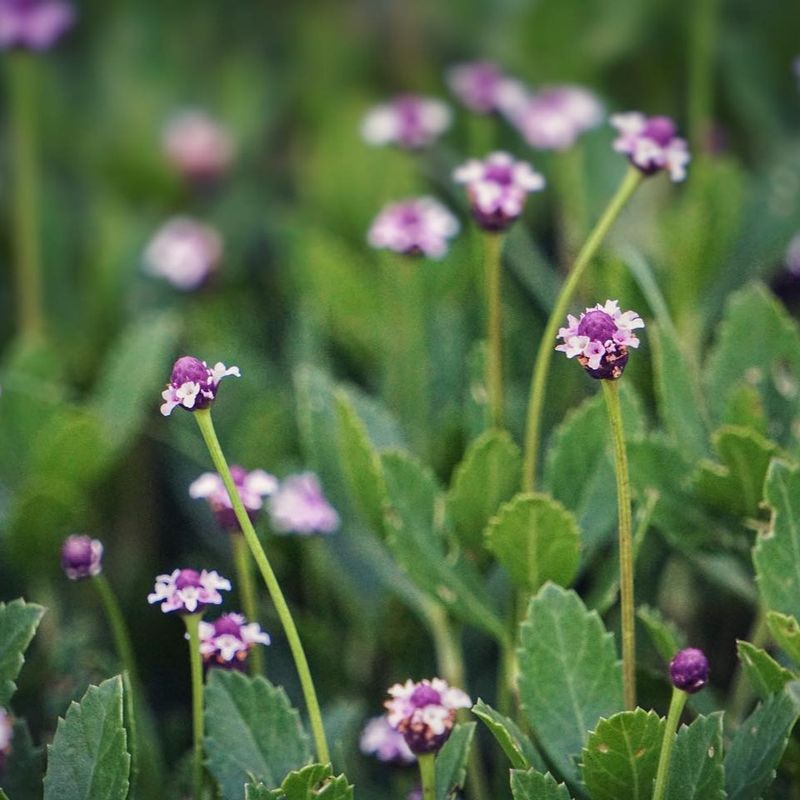
Butterflies seem to find Frogfruit before people do, and that is part of its charm. From a distance, it reads as a neat green groundcover, but up close you notice tiny flower heads that feed pollinators through warm Florida months.
Frogfruit stands out because it tolerates more moisture than many lawn substitutes, making it a smart pick for low spots that get soggy after a thunderstorm. In a state where one week can bring droughty sand and the next can bring heavy rain, that flexibility matters.
Use it in sunny to partly sunny areas where foot traffic is light to moderate. It can handle occasional stepping, but it is not a soccer-field plant. If you are replacing turf near a rain garden, swale, pond edge, or driveway runoff zone, Frogfruit can turn a trouble spot into a living, blooming patch.
3. Perennial Peanut
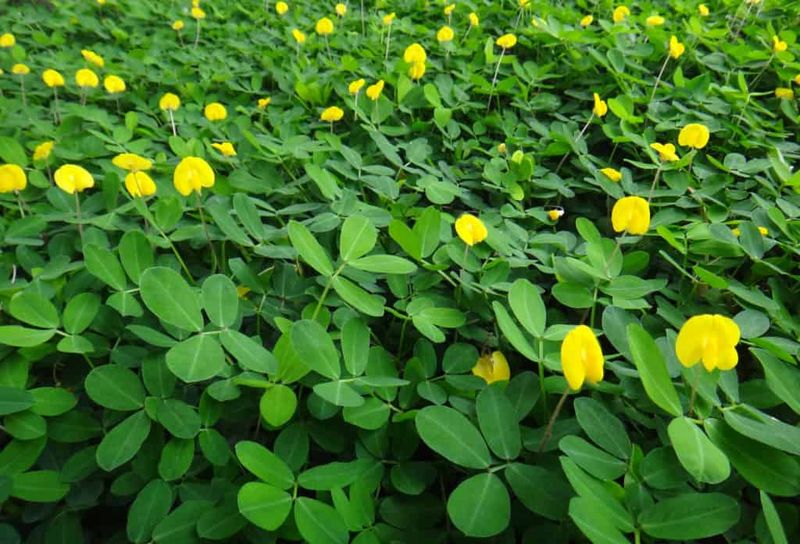
Yellow flowers scattered over a green mat give Perennial Peanut the look of a lawn that decided to dress up for summer. While it is not native to Florida, the Florida-friendly sterile forage types are widely used in the state, and they deserve mention for homeowners who want a low, mowable lawn replacement that performs in heat.
Its special strength is drought tolerance once established. In sunny, sandy yards where turf burns out or asks for constant irrigation, Perennial Peanut can stay attractive with less fuss. It also fixes nitrogen, which means it can reduce the need for fertilizer compared with a hungry grass lawn.
Plant it where there is full sun and decent drainage. It may go thinner in winter in cooler parts of North Florida, then bounce back as temperatures rise. For a front-yard conversion that still looks tidy to neighbors, this is one of the most lawn-like options on the list.
4. Beach Sunflower
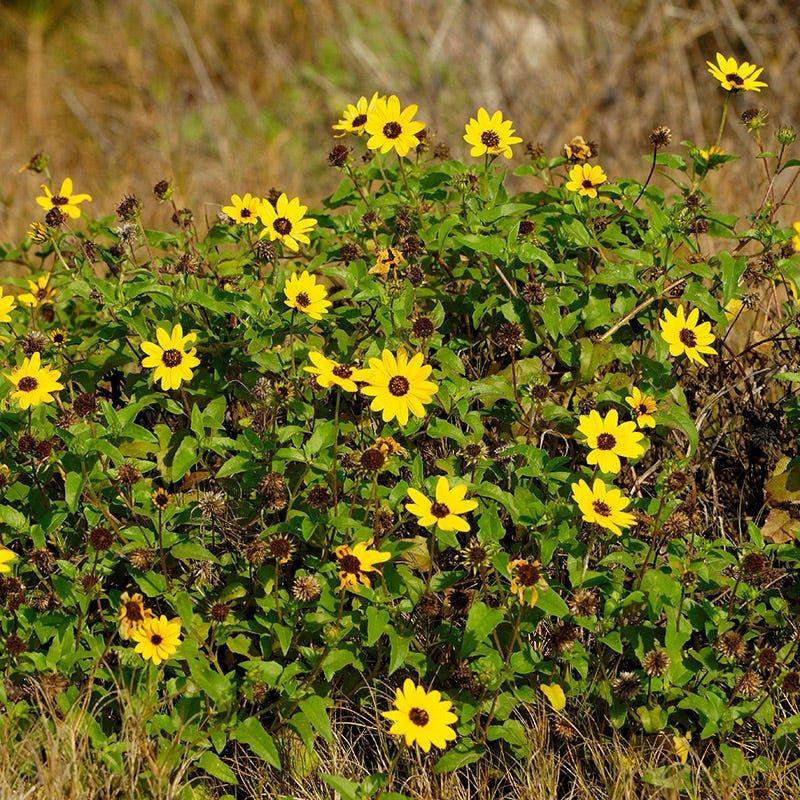
Few plants say Florida sunshine as clearly as Beach Sunflower. Its golden blooms sprawl across the ground with a relaxed coastal look, making it ideal for gardeners who want less lawn and more color without creating a high-maintenance flower bed.
Beach Sunflower is different from the lower, tighter groundcovers because it brings bold bloom power. It is native to coastal parts of Florida and handles sandy soil, salt spray, and punishing sun better than many traditional ornamentals. That makes it useful near driveways, mailbox beds, curb strips, and hot open yards.
Expect a loose, natural shape rather than a clipped carpet. A light trim can freshen it after heavy blooming or storm damage, and stems may root as they spread. If your yard gets full sun and you like a beachy, informal style, this plant can replace a patch of struggling turf with color that pollinators actually use.
5. Railroad Vine
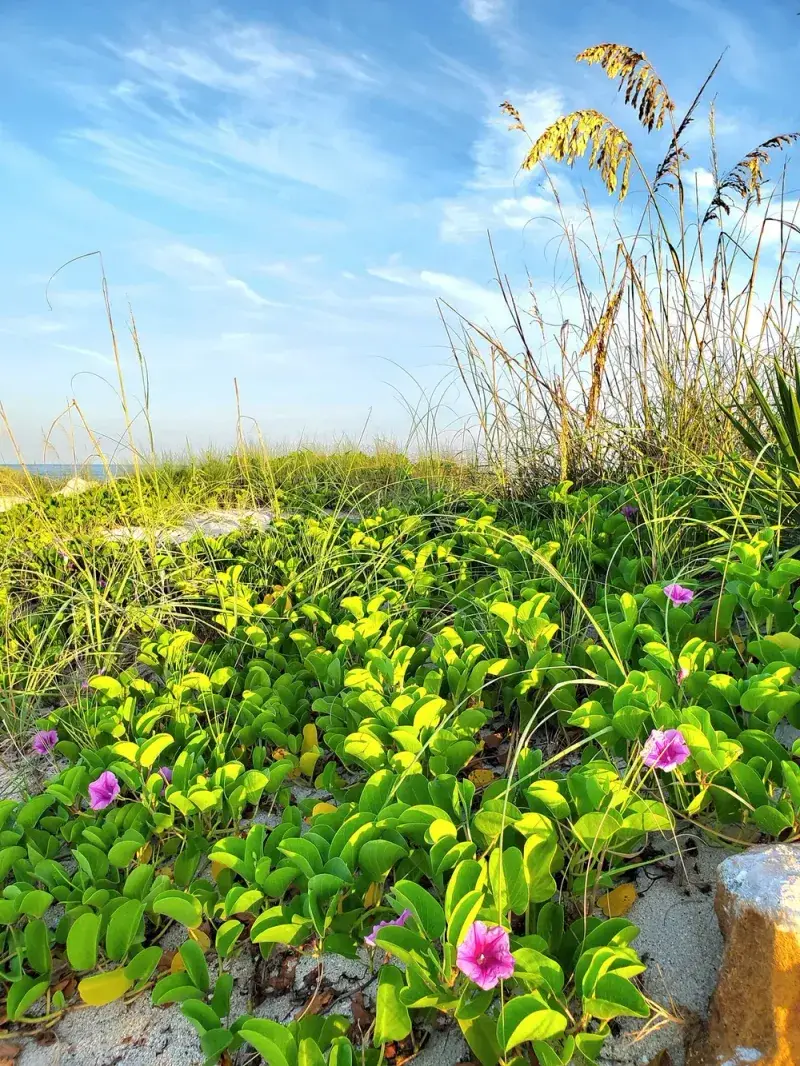
On a blazing strip of sand where grass gives up, Railroad Vine can look right at home. Its long runners and purple morning glory blooms are built for open, sunny, sandy places, especially near the coast.
Railroad Vine earns its place because it is a storm-smart choice for beachside and near-coastal yards. This native vine helps stabilize sand, tolerates salt, and can recover from harsh weather better than many delicate groundcovers. It is not the answer for a formal lawn, but it is excellent for replacing turf in wide, sandy zones where mowing is awkward or erosion is a concern.
Give it room, because the runners travel. Use it on slopes, dune-like areas, large sunny beds, or edges of coastal properties where you want ground coverage more than a clipped look. In return, you get a plant that feels deeply Floridian and handles conditions that would punish ordinary turf.
6. Dune Sunflower
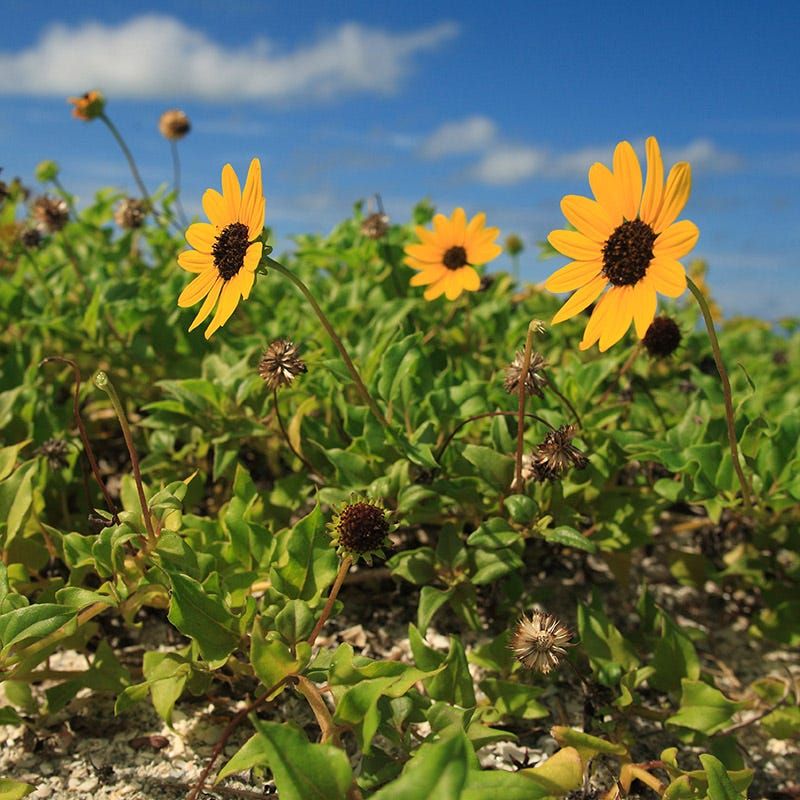
A patch of Dune Sunflower can make a dry corner look intentional instead of neglected. It stays lower than many flowering perennials and spreads into a bright, casual groundcover with cheerful yellow blooms.
What makes Dune Sunflower useful is its comfort in sandy, fast-draining soil. Many Florida lawns struggle because water runs through the soil quickly, especially in full sun. Dune Sunflower is adapted to that kind of place, so it can cover ground where turf needs too much help to stay green.
Plant it in sunny areas with room to fill in. It works well along sidewalks, in open front-yard islands, and around palms or native shrubs where you want a flowering layer instead of mulch or grass. Trim it back when it gets leggy, and it will often respond with fresh growth. By next summer, a small planting can become a lively patch that feels low-effort but never boring.
7. Twinflower
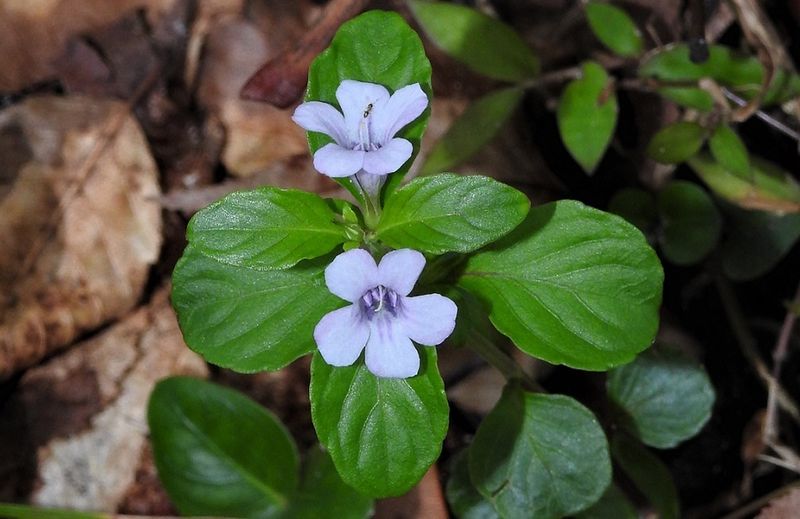
Twinflower has a quiet beauty, the kind you notice while walking past and then stop to inspect. Its small paired blooms and low growth make it a gentle choice for people who want a softer, less flashy lawn replacement.
Unlike the sun-baked coastal spreaders, Twinflower can be helpful in areas with part sun and some moisture. That matters in Florida yards with shifting shade from live oaks, fences, palms, or neighboring homes. Turf often thins in those mixed-light spots, leaving bare patches that invite weeds.
Use Twinflower as a small-scale groundcover around stepping stones, under open shrubs, or along the edge of a native planting bed. It is best for light foot traffic, not rough play. Its value comes from filling awkward spaces with native texture while offering flowers that small pollinators can visit.
For a yard conversion, think of Twinflower as a detail plant. It turns the leftover spots between bigger lawn alternatives into something finished and alive.
8. Lyreleaf Sage
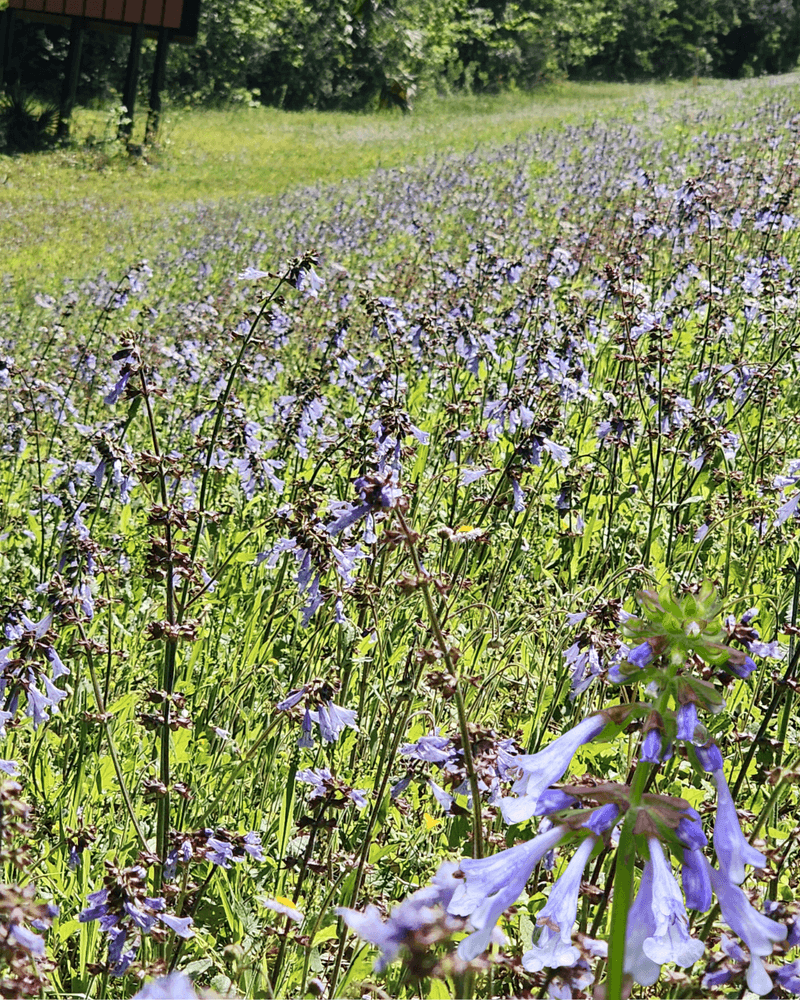
Every lawn replacement list needs a plant for the gardener who likes a slightly wilder look, and Lyreleaf Sage fills that role beautifully. Its leafy rosettes spread low, then send up purple-blue flower spikes that bring a meadow feeling to shady or partly sunny areas.
Lyreleaf Sage is especially helpful where a classic turf lawn thins under trees. Florida shade is tricky because roots compete for water, soil can be sandy, and summer heat still pushes plants hard. This native sage handles those conditions better than many fussy groundcovers once it settles in.
It can reseed, which is a benefit if you want a self-renewing patch and a drawback if you prefer tight control. Mow or trim after flowering if you want a neater look. The flowers support pollinators, while the foliage gives year-round texture in many Florida yards.
Pair it with stepping stones or a curved bed edge so the planting looks designed rather than accidental. By next summer, it can replace a tired shady lawn with something more interesting and far less needy.