
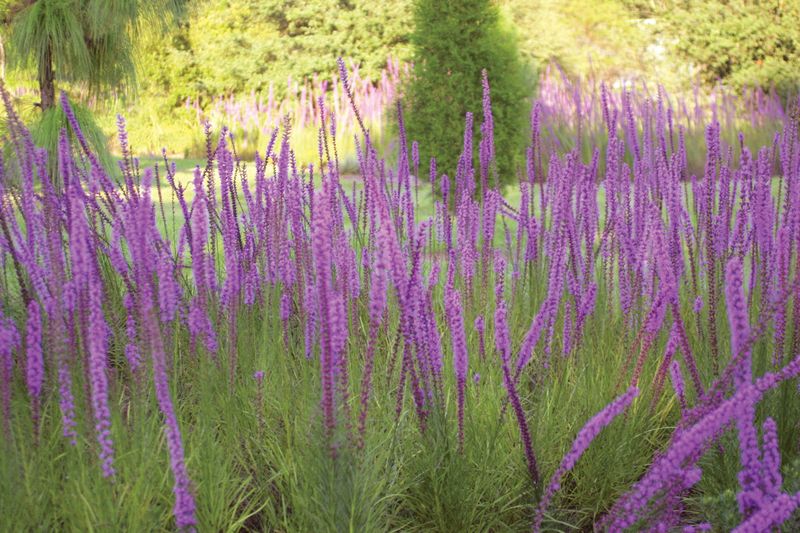
Florida gardens are changing fast, and bees, butterflies, and hummingbirds are part of the reason. Many gardeners are moving away from thirsty, high-maintenance nectar beds and choosing native plants that can handle sand, heat, storms, and pests. The 2026 pollinator garden trend is all about planting smarter, not working harder. Here are the native Florida plants leading that shift and why they are earning space in modern yards.
1. Firebush
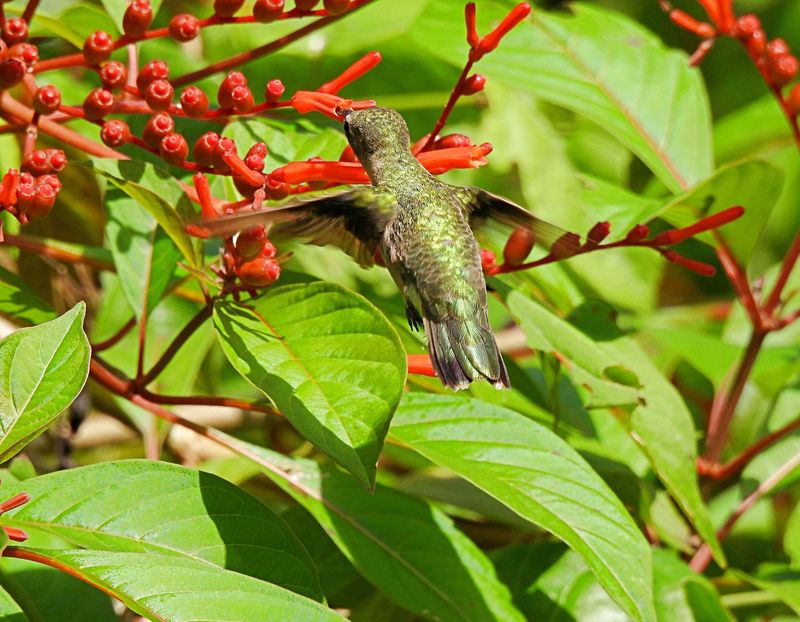
A hummingbird hovering near firebush can stop a Florida gardener in mid-step. The orange-red flowers look almost tropical, but this plant is not a fragile showpiece that needs constant fussing.
Firebush, especially the Florida native form, has become a favorite for 2026 pollinator beds because it offers nectar through long warm stretches and handles the state’s harsh mood swings better than many old-fashioned bedding plants. Once established, it can take sandy soil, full sun, summer heat, and brief dry spells with far less drama than thirsty annuals.
What makes firebush different is its usefulness to several pollinators at once. Hummingbirds visit the tubular blooms, butterflies sip from the clusters, and small bees work the flowers too. In South and Central Florida it may grow as a larger shrub, while in colder parts of North Florida it can die back and return after warm weather.
Older nectar beds often relied on imported annuals that looked good for a few weeks, then collapsed in July heat or after heavy rain. Firebush fits the new Florida style better: plant it where it has room, prune only as needed, and let it become a living nectar station through hurricane season and into fall.
2. Simpson’s Stopper
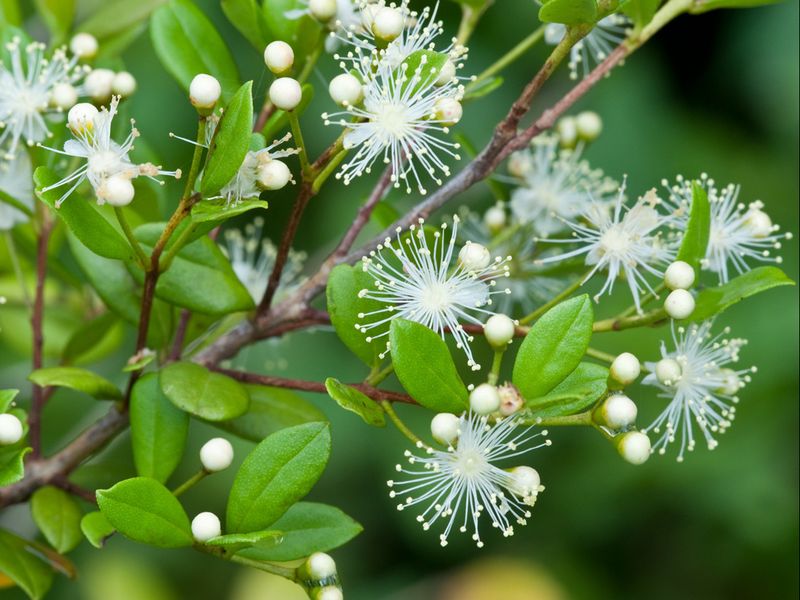
Not every pollinator plant has to shout from across the yard. Simpson’s stopper is the quiet, polished shrub that earns attention once you notice how much wildlife uses it.
Florida gardeners are giving it a fresh look because it solves several problems at once. It can be shaped as a hedge, used as a privacy screen, or tucked into a mixed native border, all while feeding pollinators with small white flowers and later offering red berries for birds. That double role matters as more homeowners trade single-purpose flower beds for layered habitat.
Its glossy leaves also make it feel tidy, which helps native gardens fit into neighborhoods where a wild meadow look may not be welcome. In many parts of Florida, Simpson’s stopper tolerates sandy soil and salt exposure better than delicate ornamentals. It is especially useful in coastal and storm-prone landscapes where plants need to bounce back after wind and wet weather.
The old nectar bed model often focused only on bloom color. Simpson’s stopper represents the newer approach: flowers, shelter, berries, structure, and year-round value. It may not be the flashiest plant on the list, but it is one of the reasons native pollinator gardens are becoming more practical for regular Florida yards.
3. Dune Sunflower
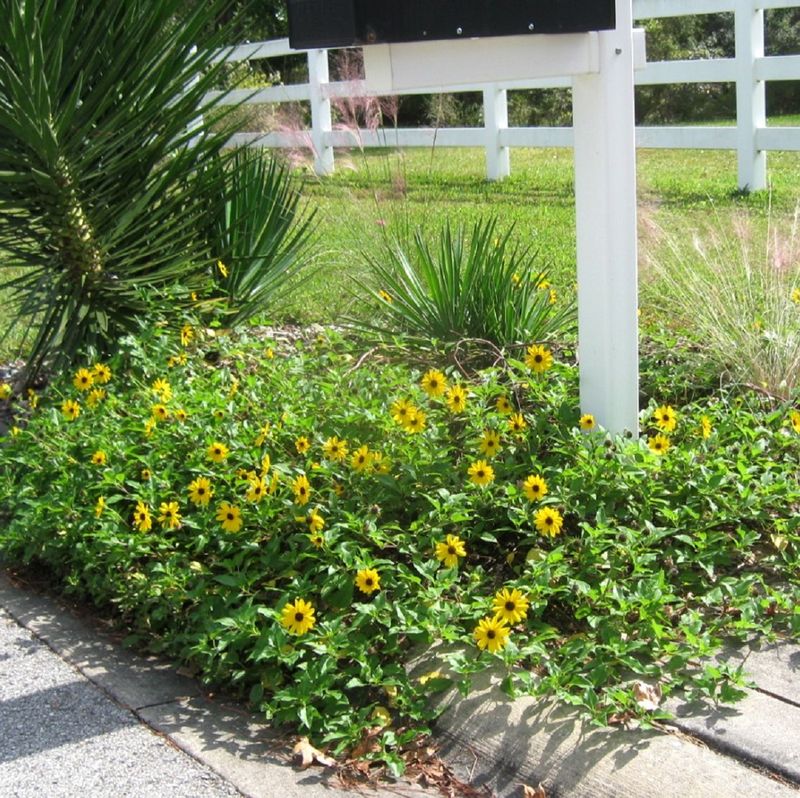
Give dune sunflower a patch of sand and sunshine, and it acts like it has been waiting for the invitation. For gardeners tired of replanting annuals after every punishing summer, that confidence is exactly the appeal.
Dune sunflower is one of the clearest examples of why the 2026 trend is moving toward plants that already understand Florida. It thrives in poor, sandy, fast-draining soil where many bedding flowers sulk. Along the coast, it also brings a relaxed beach-garden look without asking for rich soil or constant watering once established.
Small bees and butterflies visit the yellow daisy-like flowers, and the plant spreads into a cheerful groundcover. That makes it useful around mailboxes, along hot driveways, near sidewalks, and in open spots where turf struggles. It can look informal, so it works best where a spreading, sunny patch fits the design.
Traditional nectar beds often depended on neat rows of short-lived flowers, which meant more fertilizer, more water, and more replacement plants. Dune sunflower changes that equation. It covers ground, helps reduce bare sand, and keeps blooming in a way that feels easy rather than forced.
For Florida homeowners wanting a lower-effort pollinator bed with a bright personality, this native is hard to ignore.
4. Spotted Beebalm
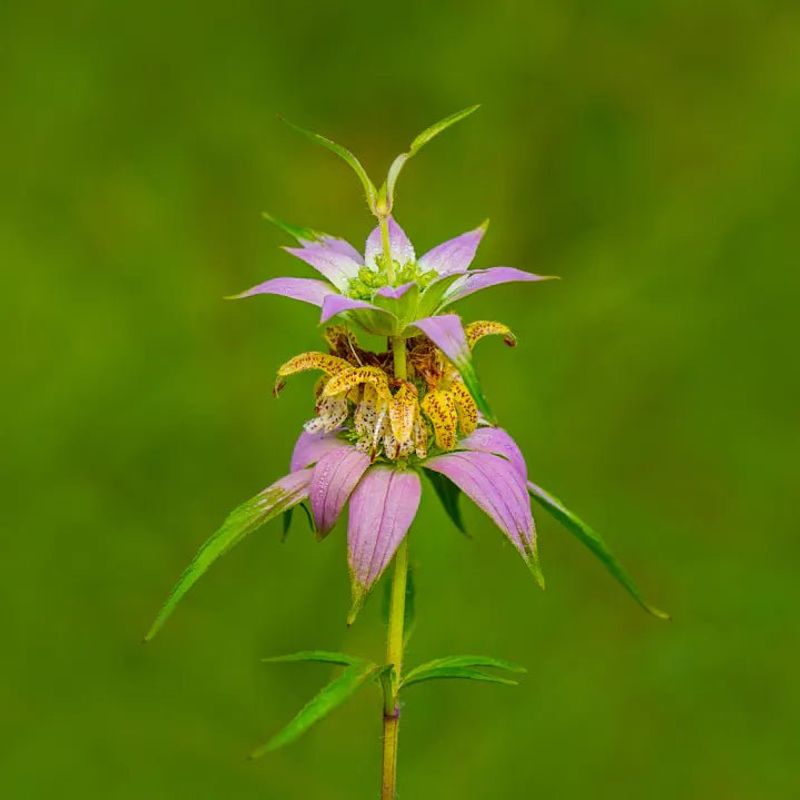
At first glance, spotted beebalm looks a little odd, almost like a plant designed by a curious artist. That unusual shape is part of its charm, and pollinators seem to agree.
Unlike the lush, water-hungry flowers often sold for nectar beds, spotted beebalm is comfortable in dry, sandy Florida conditions. It is especially at home in sunny sites with lean soil, which makes it a smart choice for gardeners who do not want to keep amending every bed just to keep blooms alive.
Its spotted flowers and soft bracts attract bees, butterflies, and other beneficial insects. The plant also has a wilder, more natural look than a clipped bedding display, making it ideal for gardeners who want a small prairie or pine-flatwoods feeling in the yard. In the right spot, it can reseed, creating a seasonal rhythm instead of a static flower patch.
Spotted beebalm stands out because it supports smaller pollinators that can be overlooked when gardens focus only on big butterfly magnets. That is one reason native plant fans and extension-minded gardeners keep recommending more diverse plantings.
Old nectar beds are fading partly because they were too simple. A row of pretty flowers may feed a few visitors, but a plant like spotted beebalm brings texture, timing, and insect variety to the garden.
5. Coral Honeysuckle
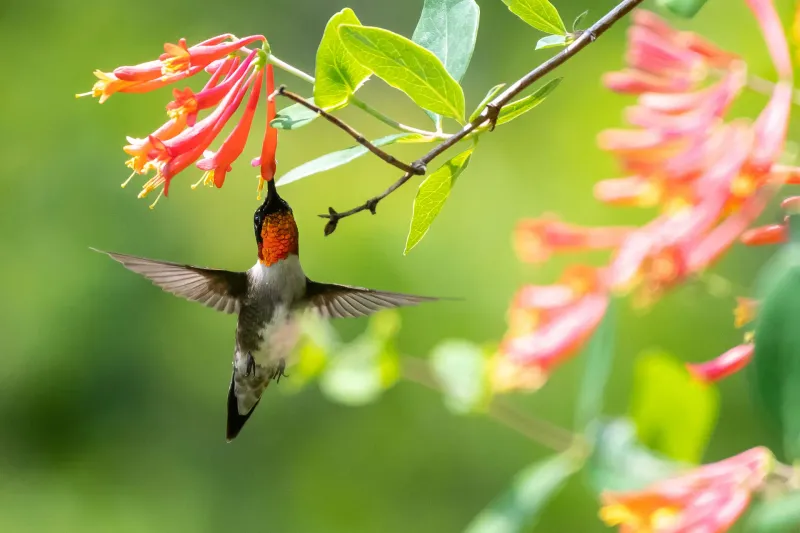
One sturdy trellis can become a hummingbird stop when coral honeysuckle settles in. The vine brings height to a pollinator garden without turning the whole bed into a tangled mess when it is given support and occasional guidance.
Coral honeysuckle is gaining attention because vertical planting is a smart move in smaller Florida yards. Many homeowners do not have room for wide nectar beds, but a fence, arbor, or trellis can still hold a native food source. Its coral-red tubular flowers are especially attractive to hummingbirds, while bees may also visit blooms.
Compared with some aggressive nonnative vines, coral honeysuckle is a more garden-friendly choice when matched to the right space. It can handle sun to part shade and, once established, fits well into lower-maintenance landscapes. Good airflow and proper placement help it stay healthier during humid stretches.
The older nectar-bed style often treated the garden as a flat carpet of color. Coral honeysuckle adds another layer, lifting flowers to eye level and giving pollinators more feeding zones. That layered design is a major part of the newer Florida pollinator trend.
For storm season, a well-built support matters. Choose a strong trellis or fence section, plant where roots will not sit in long-term flooding, and prune after bloom cycles when needed.
6. Blanketflower
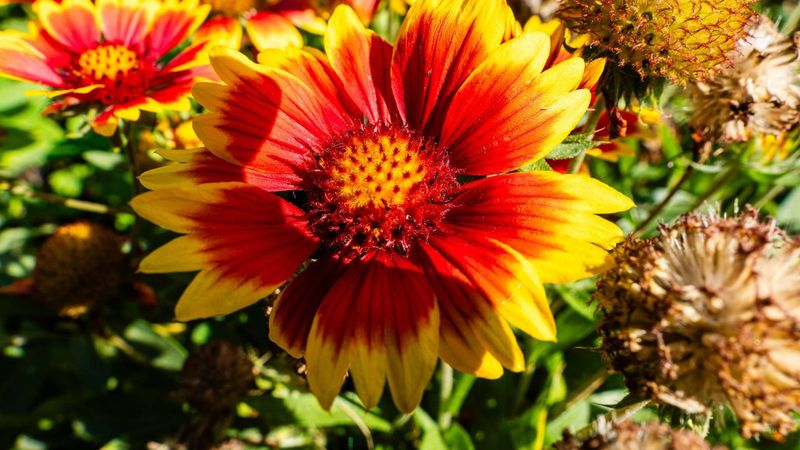
Blanketflower has the cheerful look of a beach towel spread out in the sun. The red, orange, and yellow blooms bring instant color, but the real reason gardeners like it is toughness.
Florida’s heat can make many common bedding plants look exhausted by midsummer. Blanketflower is better suited to sunny, dry, sandy areas, especially in coastal-style landscapes. It does not want soggy roots, so it fits fast-draining sites where irrigation-heavy nectar beds would be wasteful and frustrating.
Bees and butterflies visit the daisy-like flowers, and the long bloom period helps keep the garden active. It is also a good bridge plant for people who are new to natives because it still gives that familiar flower-bed color while supporting local wildlife. Deadheading can keep it tidier, but it is not the kind of plant that demands daily attention.
What sets blanketflower apart is its role as the friendly gateway native. It makes the shift away from old nectar beds feel less intimidating because it looks bright, simple, and familiar. Gardeners who are used to marigolds, zinnias, or other sunny annuals often find it easier to imagine blanketflower in their yard.
In a 2026 pollinator garden, it works best in masses or mixed with grasses and other dry-site natives. Give it sun, drainage, and breathing room, and it can carry color through some of Florida’s toughest weeks.
7. Coontie
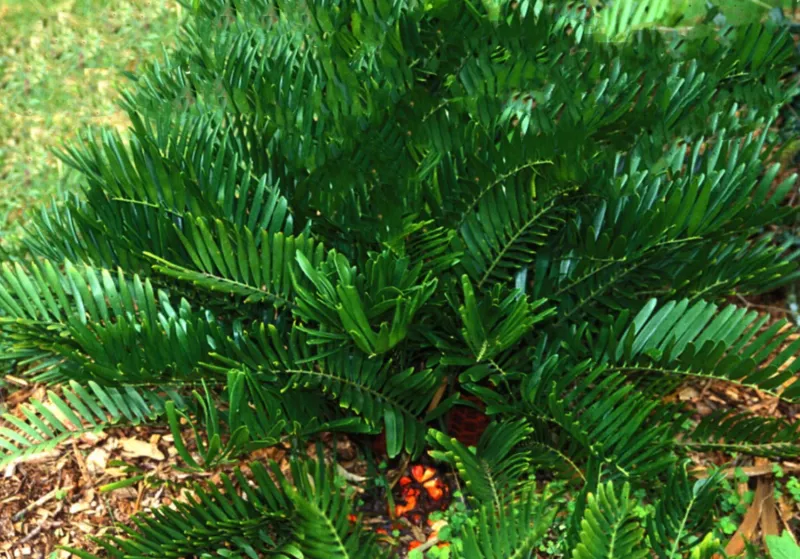
A plant does not need showy flowers to belong in a pollinator garden. Coontie proves that host plants are just as important as nectar plants, especially for gardeners who want real butterfly habitat instead of a short-lived bloom display.
Coontie is famous as a host plant for the atala butterfly, a striking species with dark wings and bright blue markings. By adding coontie, Florida gardeners support the butterfly’s life cycle, not just the adult stage. That shift is a big reason old nectar beds are losing favor.
Many traditional pollinator beds were built like snack bars. They offered nectar, but no nursery space for caterpillars. Coontie changes the garden into a more complete habitat, where butterflies can lay eggs and continue the next generation.
For homeowners, coontie is also appealing because it is neat, drought-tolerant once established, and useful in sun to partial shade depending on the site. Its stiff, glossy fronds fit formal yards, natural landscapes, and foundation plantings. It handles sandy Florida soil well when drainage is good, and it does not need the pampering that many tropical-looking ornamentals require.
The 2026 trend is not only about more flowers. It is about smarter plant roles. Coontie brings structure, history, and butterfly value in one compact package, making it a standout for gardeners who want a set-and-forget native with a bigger purpose.