
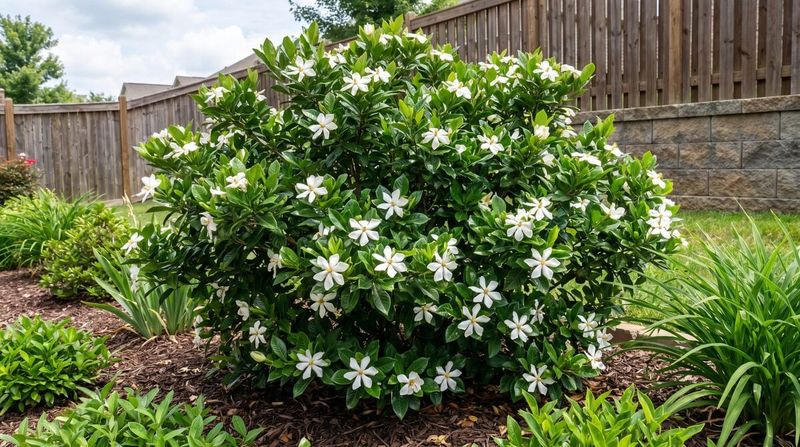
Gardenias have a way of making their feelings known. When they are happy, the whole yard fills with that unmistakable scent, and when something is off, the buds drop before you ever get to enjoy them. Florida summers throw a lot at these shrubs, from drenching afternoon rains to blistering heat that never quite lets up. Getting the mid-summer routine right will not guarantee flowers from now until fall, but it can protect the buds already forming and give your plant the best chance at a few more blooms before the season ends.
Summer flowers are a bonus, not a guarantee
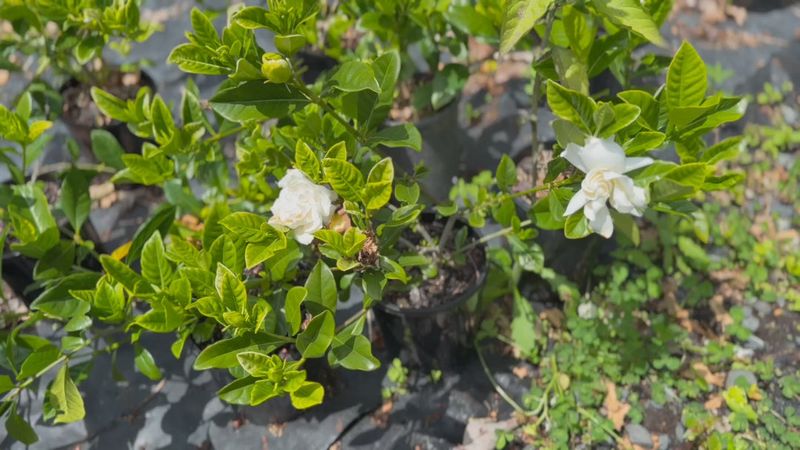
Gardenias earn their reputation for drama, and nowhere is that more obvious than in summer. Before adjusting a single thing about care, Florida gardeners should walk up to the shrub and take stock: are there still unopened buds on the branches, signs of active new growth, visible stress like wilting or yellowing leaves, or does the plant look like it has already finished its main flowering push? That quick observation shapes every decision that follows.
UF/IFAS Extension guidance on gardenias describes these shrubs as primarily spring-to-early-summer bloomers, with cultivar, region, plant age, light, and temperature all affecting how long the flowers last and whether any summer rebloom occurs. One common cultivar blooms once and is done; another may push sporadic flowers through the warmer months. No routine care step overrides that biology.
Clemson Cooperative Extension notes that the main bloom period typically runs from about May through June, with scattered flowers possible afterward depending on conditions. Treating summer care as a way to protect what the plant is already working on, rather than as a way to force continuous blooming, leads to better decisions and fewer disappointments.
A plant still carrying unopened buds needs a different approach than one that finished flowering three weeks ago. The timing of pruning, fertilizing, and even pest treatment all shift depending on where the shrub is in its cycle. Starting with that honest look at the plant sets the right foundation for everything else in this guide.
Light must support buds without adding needless heat
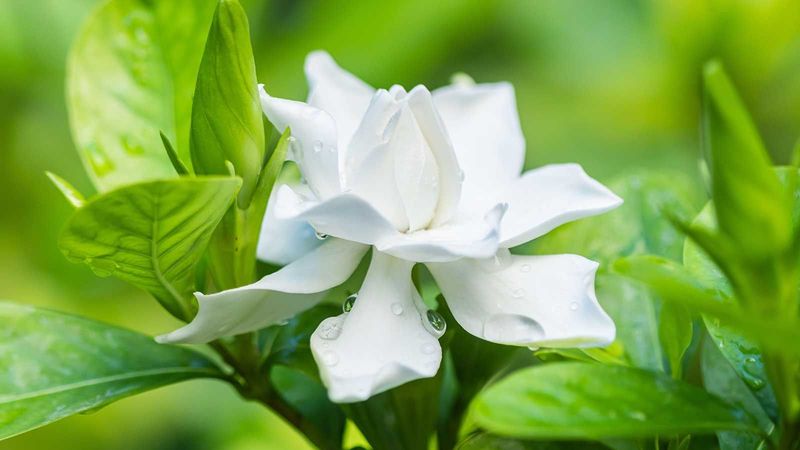
Where a gardenia sits in the yard matters more than many gardeners realize, and mid-summer is a good time to honestly evaluate whether the location is working. Gardenias generally perform well in full sun, partial shade, or shifting shade, according to UF/IFAS Extension. The catch in Florida is that full sun in July is not the same as full sun in April, and a spot that looked ideal in spring may be delivering punishing reflected heat from a wall, driveway, or fence by midsummer.
Prolonged shade is a real problem too. A gardenia growing under a dense canopy that blocks light for most of the day will produce fewer buds regardless of how carefully it is watered or fed. Reduced flowering in a shaded plant is a light problem, not a fertilizer problem, and adding more nutrients will not fix it.
Afternoon exposure deserves particular attention in Florida. Morning sun with some protection from the harshest midday and afternoon rays often suits gardenias better than unbroken western sun bouncing off a concrete surface. If the plant sits against a south- or west-facing wall that radiates heat well into the evening, that added thermal stress can contribute to bud drop even when watering is adequate.
Air circulation is the other half of the location equation. Good airflow around the shrub reduces the humid, stagnant conditions that favor pest buildup, particularly scale insects and whiteflies. A gardenia squeezed tightly between other shrubs or against a fence with no room for air to move is more likely to carry a persistent pest population than one with a bit of breathing room.
Before blaming fertilizer or pruning timing for a gardenia that refuses to perform, spend a few minutes at different times of day watching how light and heat actually reach the plant. That observation often explains more than a soil test.
Rain changes how a Florida gardenia should be watered
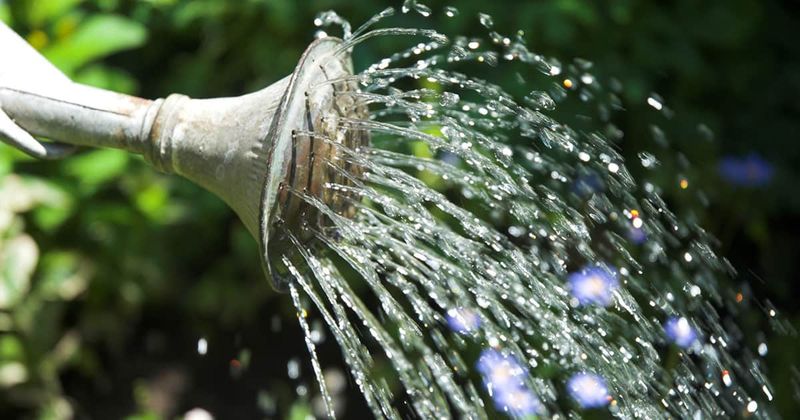
Florida’s rainy season runs from roughly June through October, and during that stretch the biggest irrigation mistake is not underwatering but rather continuing to water on autopilot while the sky is already doing the job. Gardenias need consistent moisture, but their roots do not tolerate sitting in saturated soil, and the combination of daily afternoon thunderstorms plus regular irrigation can tip a well-intentioned gardener into creating the very stress they are trying to prevent.
The right approach starts at the root zone, not at the sprinkler timer. Push a finger or a narrow trowel a few inches into the soil near the drip line of the shrub. If the soil feels moist at that depth, the plant does not need water today. UF/IFAS guidance for Florida gardeners consistently emphasizes checking actual soil conditions rather than watering by the calendar, and UF/IFAS irrigation guidance recommends deep, infrequent watering that reaches the root zone rather than frequent shallow sprays that wet only the surface.
Both drought stress and excess water can cause bud drop, which makes the symptom frustratingly ambiguous. A gardenia dropping buds during a rainy week may actually be suffering from poor drainage rather than thirst. UF/IFAS Extension summer plant care notes point out that overwatering and underwatering can produce similar visible stress signals, so checking the soil before changing irrigation is always the right first step.
Water quality is a Florida-specific variable worth mentioning for coastal and reclaimed-water users. Gardenias are sensitive to high salt levels, and water from softened systems, salt-intruded wells, or certain reclaimed-water sources can contribute to decline over time. If the irrigation source has changed recently or the shrub is near the coast, that factor deserves attention alongside moisture management.
When rainfall has been adequate and the soil is retaining moisture well, reduce or suspend supplemental irrigation rather than adding to what nature is already providing. Suspend it entirely if drainage is poor and the root zone stays wet for more than a day after rain.
Acidic soil and mulch protect the root zone
Gardenia roots are particular about chemistry, and Florida’s soils do not always cooperate. The target soil pH for gardenias is approximately 5.0 to 6.5, according to both UF/IFAS Gardening Solutions and UF/IFAS Extension EP338. Soil that climbs above about 7.0 is not just suboptimal; it is a fundamental compatibility problem. UF/IFAS is direct on this point: if the soil pH cannot be brought into an acceptable range, a container may be a better option than continuing to fight the chemistry of an in-ground site.
Guessing at pH based on plant symptoms is unreliable. A soil test through the county Extension office gives an actual number and often includes amendment recommendations calibrated to Florida conditions. Coffee grounds, vinegar, and other kitchen remedies are not a substitute for knowing what the soil actually reads and adjusting it with appropriate, tested products.
Yellow new leaves on a gardenia are frequently linked to iron unavailability, and high soil pH is a common reason iron becomes locked up even when it is physically present in the soil. The instinct to reach for an iron supplement is understandable, but applying iron without correcting an underlying pH problem produces temporary results at best. The full EP338 publication makes clear that correcting pH is the more important step. Yellowing can also result from overwatering, root damage, or pests, so the leaf color alone does not confirm an iron deficiency.
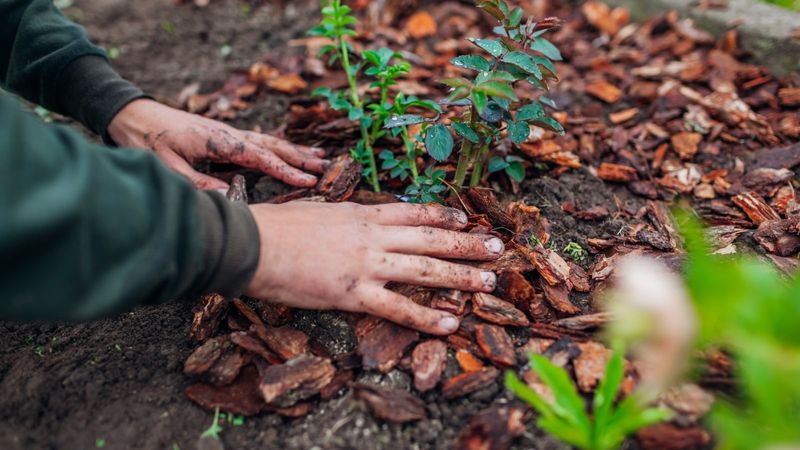
Mulch is the practical partner to soil chemistry. A 2-to-3-inch layer of organic mulch over the root zone moderates soil temperature, slows moisture loss between rains, and gradually contributes organic matter as it breaks down. UF/IFAS Florida-Friendly Landscaping guidance recommends that depth for plant beds. Pull the mulch back a few inches from the base of the stem so it does not hold moisture directly against the bark, which can invite rot and pest problems over time.
Getting the root zone right, with correct pH and a proper mulch layer, gives every other care step better odds of actually working.
Feed only when the plant and soil are ready
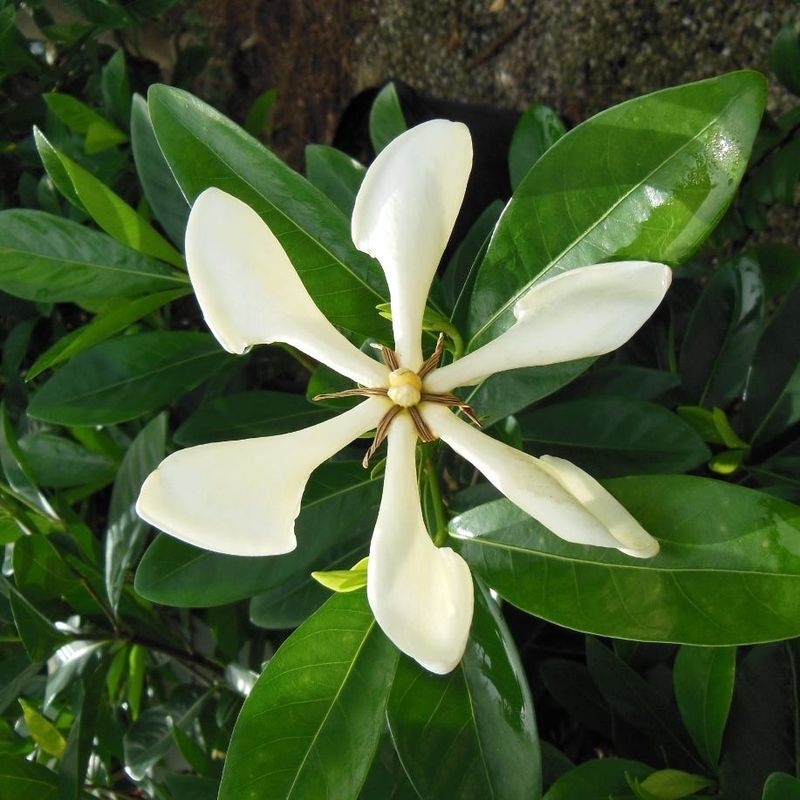
Fertilizer is not a bloom trigger, and treating it like one is one of the more common ways Florida gardeners accidentally make things worse. UF/IFAS recommends fertilizing gardenias two or three times annually, with a possible summer application included in that count. The key word is possible, not automatic. UF/IFAS Gardening Solutions lists excessive fertilizer as a contributor to bud drop, which means more fertilizer can produce exactly the opposite of the desired result.
When conditions do support a summer feeding, the product matters. Use a fertilizer labeled for landscape plants or acid-loving plants and follow the label rates exactly. The UF/IFAS EP338 publication favors formulations in which roughly 30 to 50 percent of the nitrogen is slow-release, which reduces the risk of a concentrated nitrogen flush that stresses roots or pushes soft growth vulnerable to pests.
Two situations call for holding off on fertilizer entirely. First, a heat- or drought-stressed plant should not be fed. A gardenia visibly wilting, dropping leaves, or struggling through a dry stretch is already taxed, and adding fertilizer to a compromised root system can intensify the damage rather than help recovery. Second, a waterlogged plant after heavy rain is also not a good fertilizer candidate.
Assess drainage and root-zone condition first. If the soil has been saturated for more than a day and the roots have had no chance to recover, wait until conditions improve before adding any nutrients.
Regional timing differences matter here as well. A gardener in South Florida may have a longer warm season that shifts the optimal fertilizer window compared to someone in North Florida. County Extension offices can offer timing guidance calibrated to local conditions, which is more reliable than a one-size-fits-all statewide calendar.
A close inspection often explains the unhappy face
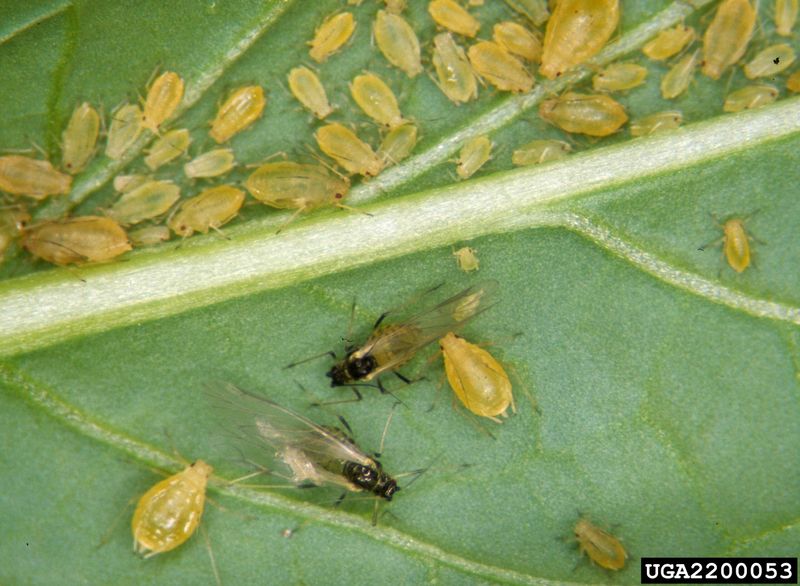
A gardenia that is dropping buds, showing sticky residue on leaves, or carrying a coating of black grime is telling you something specific, and a close look usually reveals the source faster than any product will fix it. Build a quick scouting pass into the routine: check leaf undersides, tender new growth at branch tips, the surface of flower buds, and any plants growing overhead or nearby that could harbor insects moving down onto the gardenia.
Common Florida gardenia pests include thrips, aphids, scales, whiteflies, and mealybugs, according to UF/IFAS Extension. Thrips are tiny and often hide inside flower buds, where they damage petals and contribute to bud drop before the bloom ever opens. Scales cling to stems and leaf undersides and can go unnoticed until a plant is heavily infested. Whiteflies and aphids cluster on tender growth and are usually easier to spot.
The black coating that sometimes appears on gardenia leaves is sooty mold, and Clemson Cooperative Extension explains that sooty mold grows on honeydew, the sticky waste produced by sap-sucking insects. The mold itself is not the primary problem; the insects producing the honeydew are. Controlling the pest population is the correct response, not scrubbing the leaves or treating for a fungal disease that is actually secondary.
Root-knot nematodes require a completely different response than any of the foliar pests above. These microscopic soil organisms damage roots, and the visible result is a gardenia that wilts, stunts, or loses vigor without an obvious above-ground explanation, particularly in sandy Florida soils. There are no current chemical treatments recommended for nematode infestations in established landscape plants. Grafted plants on nematode-resistant rootstocks are a preventive option mainly for Central and South Florida, but those grafted plants carry greater cold sensitivity and may not be appropriate for North Florida gardeners.
Treat pests without scorching the shrub
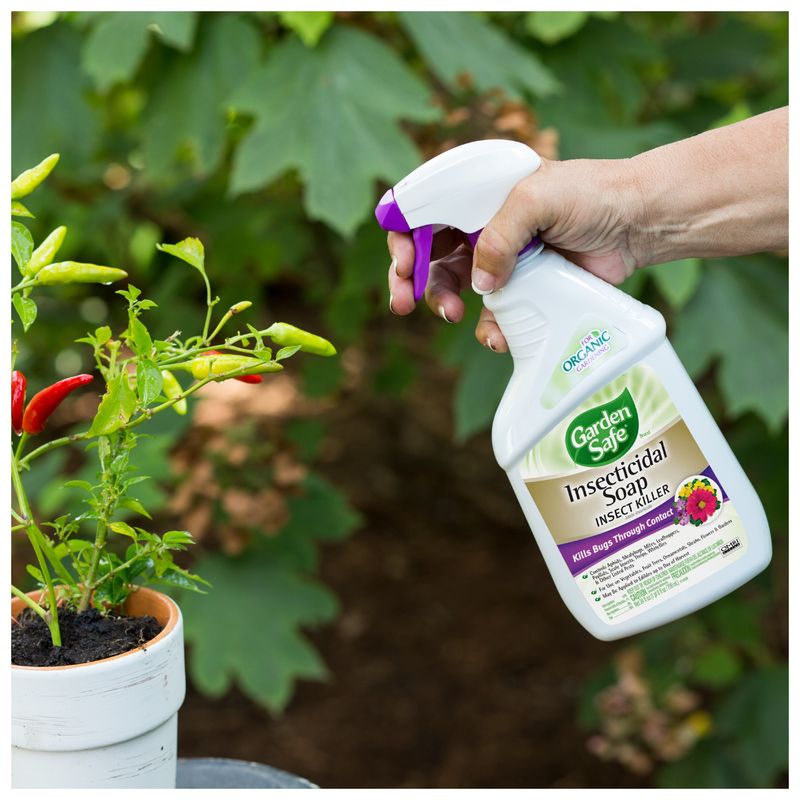
Finding pests on a gardenia calls for a measured response, not a reflex reach for the nearest spray bottle. Labeled insecticidal soaps and horticultural oils are legitimate options for several of the soft-bodied insects that commonly affect gardenias in Florida, but both products work only through direct contact. That means thorough coverage of all infested surfaces, including leaf undersides and stem crevices, is required for them to do anything useful. A light mist over the top of the plant will not reach the insects hiding underneath.
UF/IFAS guidance on natural pest management products is specific about the limitations and risks of both options. Household dish detergent is not a substitute for insecticidal soap. Dish detergents are not formulated or labeled for plant use and can burn foliage, particularly under summer heat. Use only a product with a label that names the plant and the pest being treated, and follow the application directions exactly, including the specified intervals between repeat treatments.
Florida summer heat introduces a safety constraint that does not apply in cooler climates. Horticultural oil should not be applied when outdoor temperatures exceed 90 degrees Fahrenheit, which rules out most midday applications during a Florida July. Applying oil in high heat increases the risk of phytotoxicity, meaning the product itself damages the plant rather than just the pest.
Insecticidal soap carries its own caution for drought-stressed plants. A gardenia that has been through a dry stretch or shows signs of stress is more sensitive to soap-based products than a healthy, well-watered shrub. When the product label permits a small-area test before full application, do it. Wait 24 to 48 hours and check for leaf burn before treating the entire plant.
Avoid spraying open flowers whenever possible. Pollinators visit gardenia blooms, and direct contact with either product can harm them. Early morning applications before flowers open fully and before bee activity peaks are a reasonable way to reduce that risk.
Prune after the flowering flush, not because the calendar says July
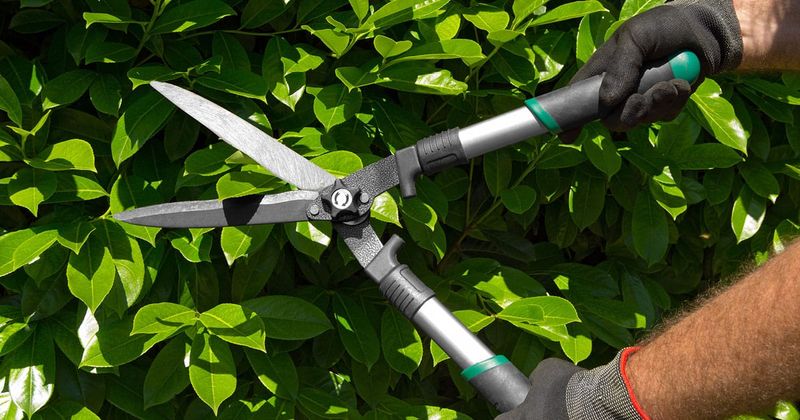
Pruning a gardenia at the right moment is straightforward; pruning it at the wrong moment can cost next year’s flowers. The timing rule is simple: wait until the shrub has clearly finished its main flowering flush before cutting anything back. If there are still unopened buds on the branches, the plant is not done, and shearing it because it is July or because the shape looks untidy will sacrifice blooms that were already in progress.
UF/IFAS Gardening Solutions recommends pruning immediately after flowering, generally in mid-summer, and finishing before October. UF/IFAS Extension Nassau County reinforces this timing and notes that late pruning can remove the wood where next season’s flower buds will form. Cutting back hard in September or October is a reliable way to reduce the following spring’s bloom, even if the plant looks fine afterward.
The style of pruning matters as much as the timing. Gardenias respond better to selective shaping than to hedge-style shearing. UF/IFAS Extension EP338 recommends light shaping, removal of straggly or crossing branches, and removal of spent flower heads. Heavy shearing that removes a large portion of the canopy at once stresses the plant and removes more potential flowering wood than necessary.
Removing faded flowers promptly is worth doing even before the main post-flowering prune. Deadheading keeps the plant tidy and directs energy away from seed production, though it will not force the plant to produce another full flush of blooms if the cultivar is not inclined to rebloom.
A gardenia that still looks like it is actively growing and setting buds in late summer is a good problem to have. Leave it alone until the activity slows, even if that means pushing the pruning session closer to the October deadline.
The best mid-summer routine is a short diagnosis loop
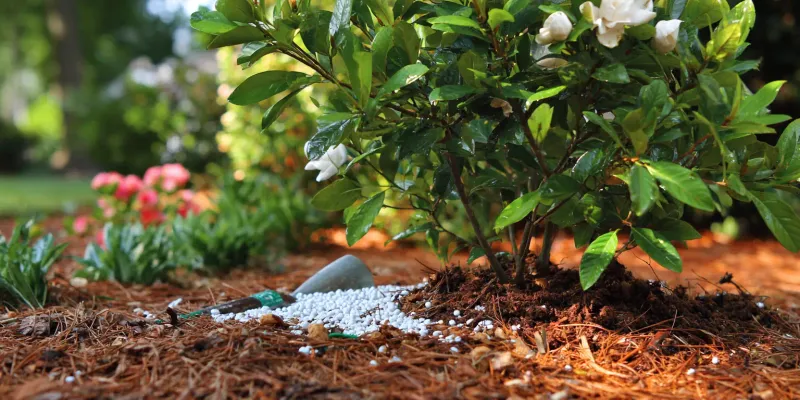
Mid-summer gardenia care works best as a short, repeatable loop rather than a list of tasks to complete once and forget. Start with the plant itself: check for unopened buds, look for pest activity on leaf undersides and tender growth, and note any visible stress like wilting or unusual leaf color. Then move to the root zone, press into the soil near the drip line, confirm whether moisture is adequate or excessive, and check that mulch is at the right depth with a clear gap around the stem.
Verify light and airflow while you are there. If heat reflection from a nearby surface seems excessive or the plant is squeezed with no room for air to move, that observation is worth acting on. Before treating yellow new leaves with iron, confirm soil pH through a test rather than assuming a deficiency. UF/IFAS Extension lists hot or dry weather, thrips, nematodes, excessive fertilizer, and poor drainage among the causes of bud drop, and UF/IFAS Gardening Solutions confirms that gardenias are not low-effort shrubs in Florida.
Change one thing based on what the evidence shows, not based on what seems most convenient. Feed only when the plant and soil conditions are genuinely ready. Prune only after flowering is complete. Treat pests only with labeled products, in appropriate temperatures, with thorough coverage.
Success here looks like a healthier shrub with protected bloom potential and the real possibility of a few more flowers before summer ends. A gardenia with no complaints is already doing most of the work for you.