
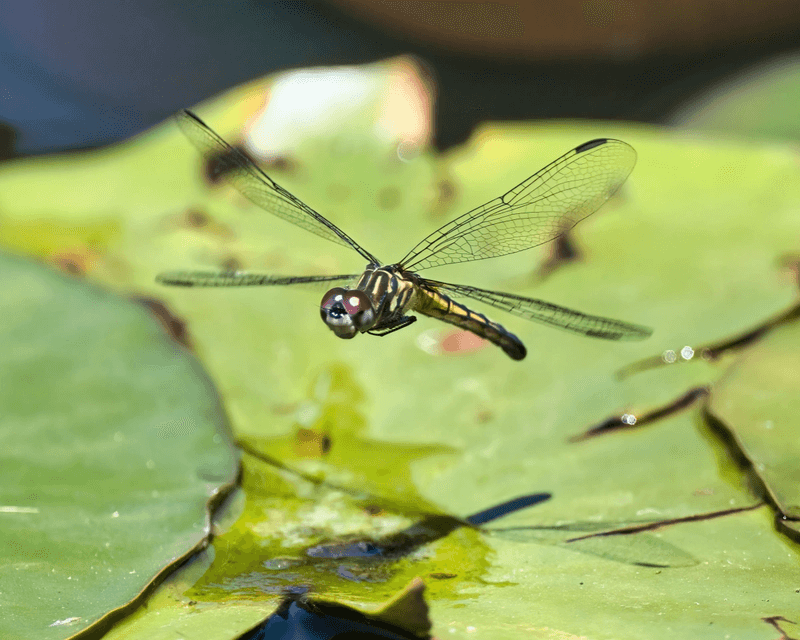
Somewhere between hope and gardening reality lives the idea that one plant near a backyard pond can call in dragonflies and send mosquitoes packing. California gray rush, or Juncus patens, is a real native plant that genuinely belongs near moist edges, rain gardens, and pond margins across much of the state. The catch is that no single plant works as a fast or reliable mosquito fix, and understanding why actually puts you in a better position to manage both habitat and mosquitoes. Here is what gray rush can realistically do, where it fits, and what else you need to do alongside it.
California gray rush fits the right moist site
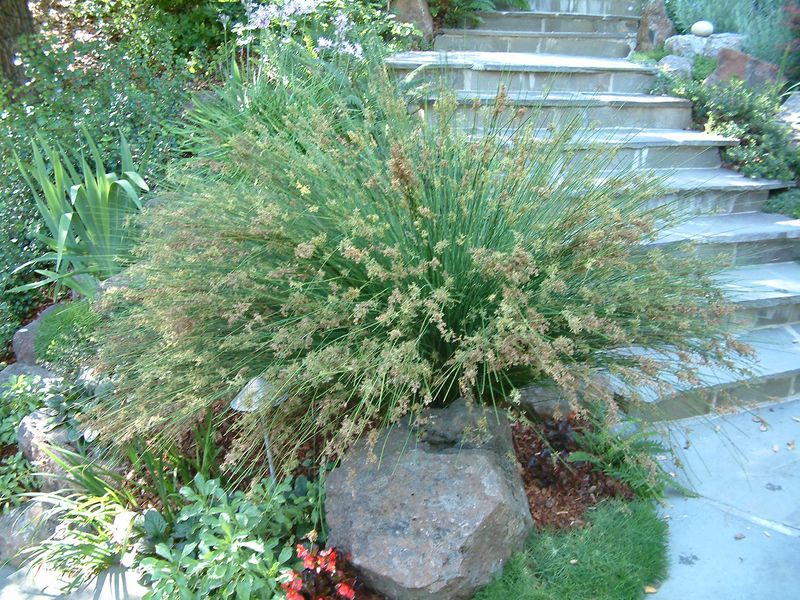
California gray rush, known botanically as Juncus patens, is a grass-like perennial native to California that earns its place in moist-edge planting rather than in a conventional flower bed. UC Davis Arboretum describes it as a rain-garden plant that handles heavy clay and poor drainage well, which makes it genuinely useful in spots where many ornamentals struggle. Mature plants reach roughly two feet tall and two feet wide, forming upright clumps of blue-green, nearly leafless stems that stay attractive through most of the year.
Sun and water needs are flexible enough to work across a range of California yards. Full sun to partial shade are both acceptable, and once established the plant can get by on moderate to low irrigation, though it also tolerates regular moisture near a managed water source. Performance does vary by site and by how well the plant is established in the first season, so expect some adjustment time before the clump fills in fully.
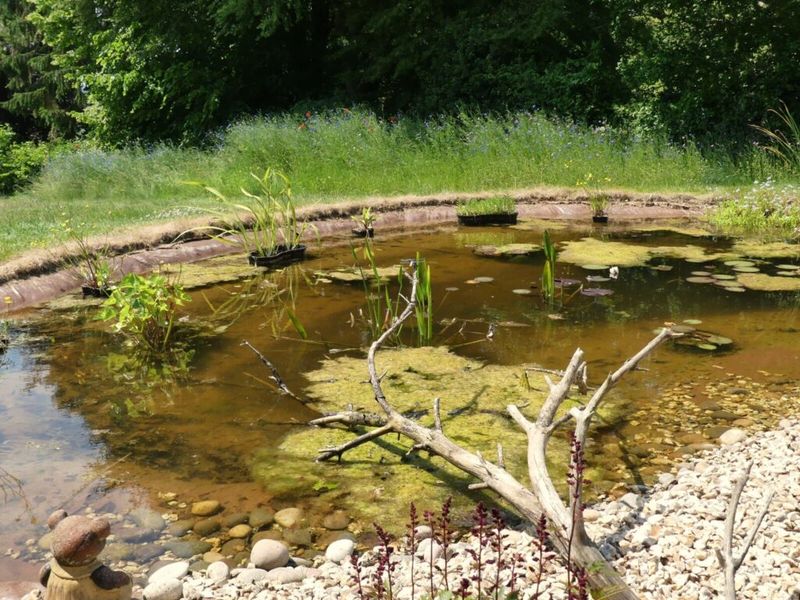
The right placement matters more than the plant itself. Gray rush belongs at the edge of a pond, along a swale, inside a rain garden, or in any low area where water collects naturally after rain. Placing it in an ordinary dry bed will not give it what it needs, and adding unmanaged standing water just to accommodate it creates more problems than it solves. The Theodore Payne Foundation notes that it suits marshy places and tolerates conditions from drought to regular water, which is a genuinely wide range, but that range still centers on moisture availability that a dry suburban bed cannot reliably provide.
Gray rush is a practical native choice for the right location. Calling it the best or uniquely effective single plant for any purpose would overstate what the evidence shows, so treat it as one solid building block in a moist-edge planting rather than as a guaranteed solution to anything.
Dragonflies respond to habitat, not a guaranteed plant effect
Dragonflies and damselflies live double lives, spending their early weeks or months as aquatic nymphs hunting in the water column and then emerging as aerial adults that patrol open ground, perch on vegetation, and hunt on the wing. That two-stage life cycle means a yard needs to support both phases, not just offer one plant at the water’s edge.
Research consistently links odonate communities to a combination of factors: vegetation structure, wetland plant diversity, water quality, and the character of the surrounding landscape. A study published in the Journal of the North American Benthological Society found that wetland plant communities were among the strongest predictors of dragonfly assemblage structure in lakes, alongside aquatic and terrestrial habitat variables. Studies examining urban ponds have also found that plant diversity and water quality together shape which odonate species appear and how abundant they become. None of that research isolates gray rush as a species with a unique attraction effect; the relevant mechanism is habitat quality overall.
Dragonfly and damselfly nymphs do eat mosquito larvae, sometimes in impressive numbers. A 2023 meta-analysis of 31 studies found that naiads consumed an average of roughly 40 mosquito larvae per individual per day under experimental conditions. That is a real and meaningful predation rate, but the meta-analysis was conducted primarily in controlled experimental settings, not in California residential yards with Juncus patens as the focal plant. The research does not translate directly into a promise that planting gray rush will produce a measurable or rapid reduction in the adult mosquitoes biting you on your patio.
Adult mosquitoes can travel several miles from their breeding sites, so even a thriving dragonfly population in your pond addresses only part of the local picture. Dragonflies may colonize a new water feature, or they may not, depending on regional species availability, water quality, pesticide history, and what the surrounding neighborhood looks like. The honest framing is that good habitat raises the likelihood of odonate presence over time, while removing the title’s promise of a fast, plant-driven result.
Build a diverse, maintained pond edge
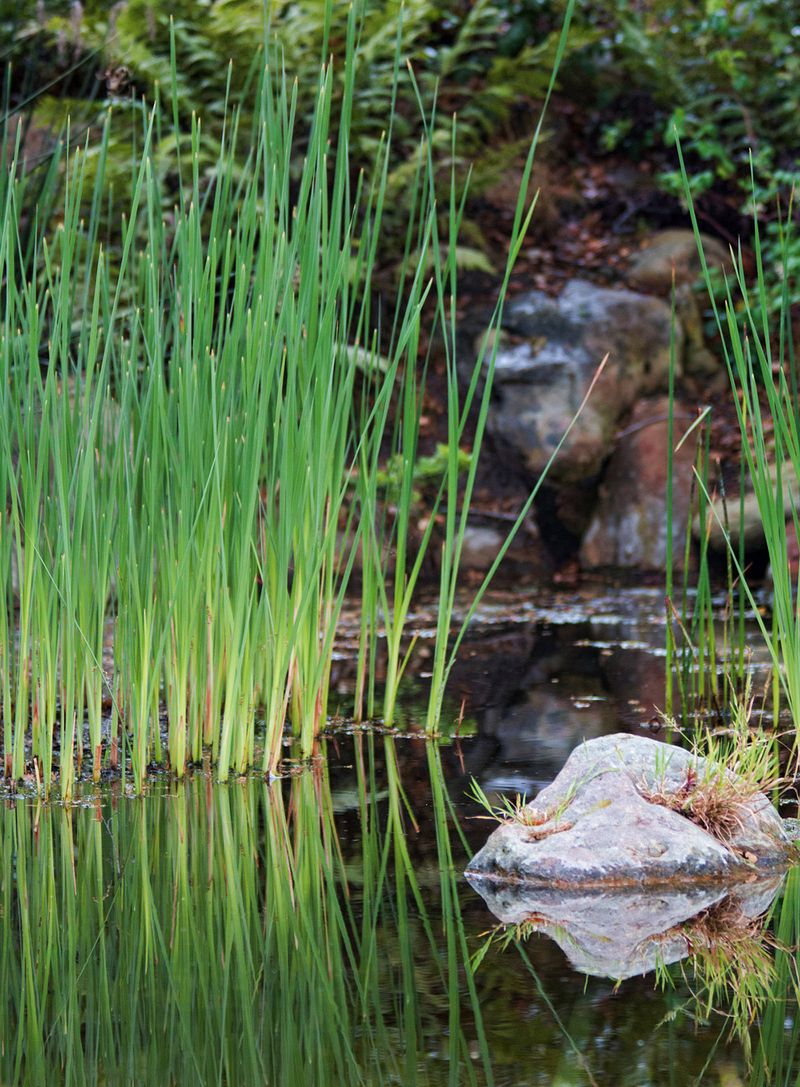
Gray rush earns its spot at a pond edge not by working alone but by contributing upright stem structure that dragonfly nymphs can climb when they are ready to emerge from the water and that adult odonates can use as a perching and hunting post. That structural role is real and useful, but it works best inside a planting that includes more than one species.
Penn State Extension guidance on attracting dragonflies and damselflies to backyard ponds recommends a diversity of submerged, emergent, and floating native plants in and around the water. Submerged plants improve water quality and give nymphs places to hunt and hide. Floating plants provide surface cover. Emergent plants like gray rush create the vertical structure that supports egg-laying, emergence, and adult perching.
Together, those layers form a functioning habitat rather than just a decorated pond edge.
Water quality matters as much as plant selection. Stagnant, nutrient-overloaded water tends to favor algae and certain mosquito species rather than a diverse odonate community. Keeping the pond reasonably clear, avoiding excess fertilizer runoff, and maintaining some open water alongside planted zones all help. Partial sun on the water surface supports aquatic plant health without cooking the pond.
Pesticide pressure is one of the most direct ways homeowners undermine the habitat they are trying to build. Routine broad-spectrum spraying around a pond can knock back the very insects you are hoping to attract, including dragonfly adults and nymphs, native bees, and other beneficial species. The CDC specifically advises against residential mosquito-misting systems, noting that they can harm pollinators and other beneficial insects and expose residents to unintended pesticide contact. If you are building a dragonfly habitat, a misting system is working against your goal.
Spot-treating actual mosquito breeding sites with targeted products is a different matter, covered in a later section.
Match the rush to local California conditions
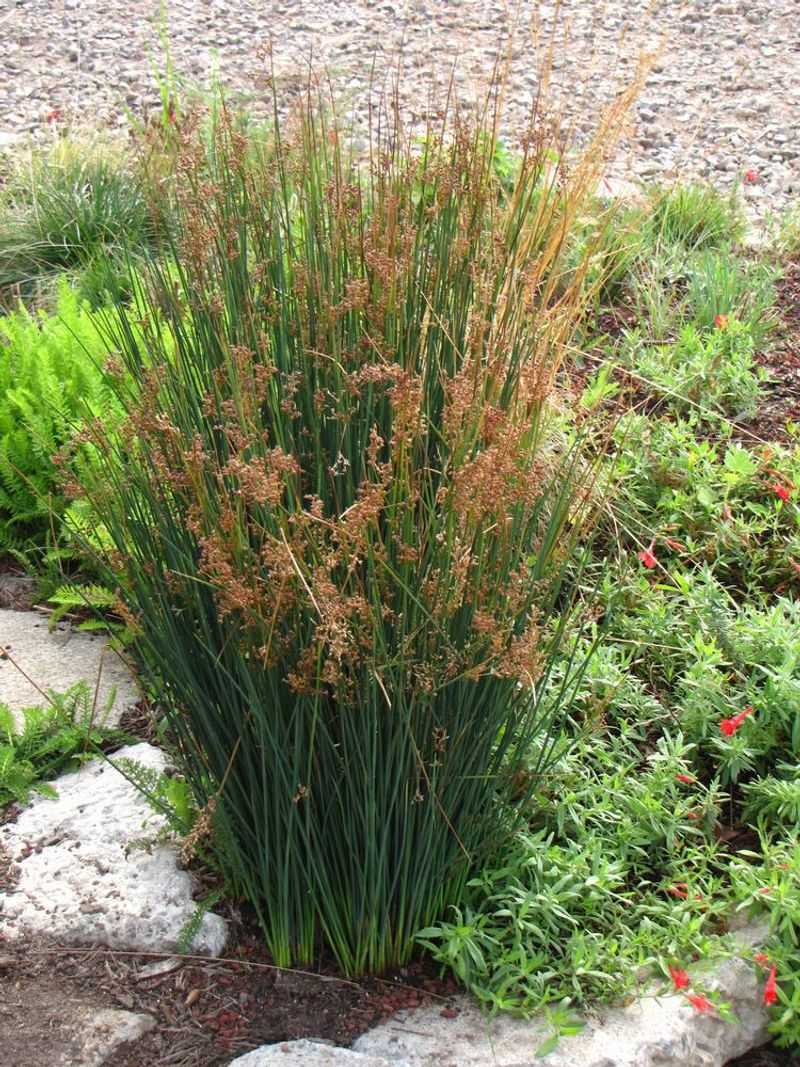
California is too ecologically varied for any single planting prescription to fit every yard. A coastal Marin homeowner dealing with clay soil, seasonal fog, and mild summers is working in a fundamentally different environment than someone in the Sacramento Valley, the San Diego foothills, or a fire-prone ridge in the Santa Monica Mountains. Gray rush can perform well across a range of these conditions, but the specifics of sun exposure, drainage, water availability, and seasonal temperature swings all affect how the plant establishes and how it looks over time.
UC Davis Arboretum lists irrigation needs ranging from moderate to low once established, which suits California’s water-conservation priorities. In drier inland areas or during the first summer after planting, supplemental water during establishment is often necessary even for drought-tolerant natives. The California Native Plant Society recommends selecting plants by local climate zone and confirmed water needs rather than relying on general native-plant labels, which is sound advice for gray rush as for any other species.
Rhizome spread is worth planning for before you plant. The Theodore Payne Foundation notes that gray rush can become invasive in cultivation by spreading underground. Near a pond or rain garden where conditions are consistently favorable, that spread can be faster than expected. Planting inside a root barrier or a contained rain-garden cell, or simply monitoring the clump edges and dividing when needed, keeps the plant from crowding out other species you want in the same bed.
For homeowners in fire-prone areas, the question of where and how to plant near a water feature intersects with defensible-space requirements that vary by jurisdiction. California’s fire-safety rules are specific to zone, parcel, and local ordinance, so consult your local fire authority and review applicable defensible-space guidelines before placing any new planting near structures. The California Department of Water Resources plant and landscape guide also provides water-efficiency context that is worth checking against your local water district’s current restrictions.
Use source control to prevent mosquito breeding
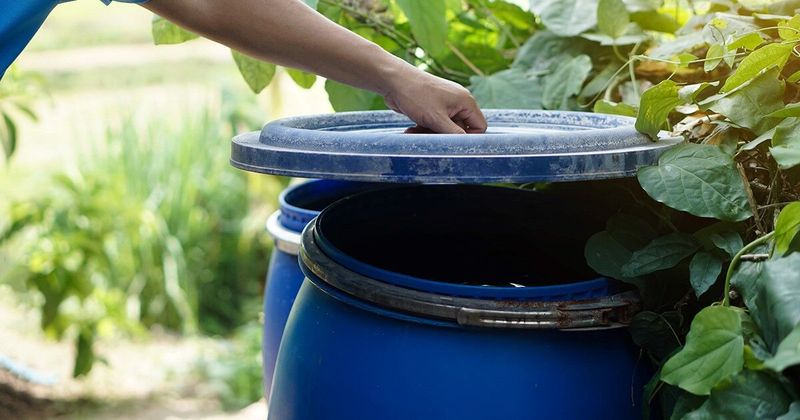
Mosquito management and dragonfly habitat are related goals, but they operate on different timelines and through different mechanisms. A well-planted pond edge may gradually support odonate populations over a season or more. Removing a forgotten bucket of water behind the garage stops a mosquito-breeding site today. Both actions matter, but only one of them is fast.
CDC guidance on mosquito control consistently emphasizes source reduction as the foundational step: empty, scrub, cover, or discard any container that holds water for more than a few days. That list covers flower-pot saucers, bird baths, tarps, clogged gutters, unused planters, low spots in the lawn, and rain barrels without tight lids. Scrubbing matters because mosquito eggs can adhere to container walls and survive even after water is dumped out.
Overwatering is a less obvious contributor. Irrigation that leaves puddles standing for several days, or drip systems that create persistently soggy soil near hardscape edges, can provide enough water for certain mosquito species to complete a larval cycle. Adjusting run times and checking for drainage problems reduces that risk while also making the yard more water-efficient, which aligns with California’s ongoing conservation priorities.
UC IPM notes that adult mosquitoes can travel several miles from their breeding sites, which means controlling every source on your property may not eliminate all biting activity in your yard. Neighbors’ yards, nearby drainage channels, and even municipal green space can contribute to the local adult population. That does not make source control pointless; it means setting realistic expectations alongside doing the work. The EPA joint statement on mosquito control supports source reduction as a primary, practical strategy that homeowners can implement without chemicals and without waiting for a biological predator to arrive.
Habitat planting and source control work best as a pair. One supports wildlife over time; the other addresses preventable breeding sites directly and immediately. Neither one alone covers the full picture.
Manage ponds so habitat does not become a mosquito nursery
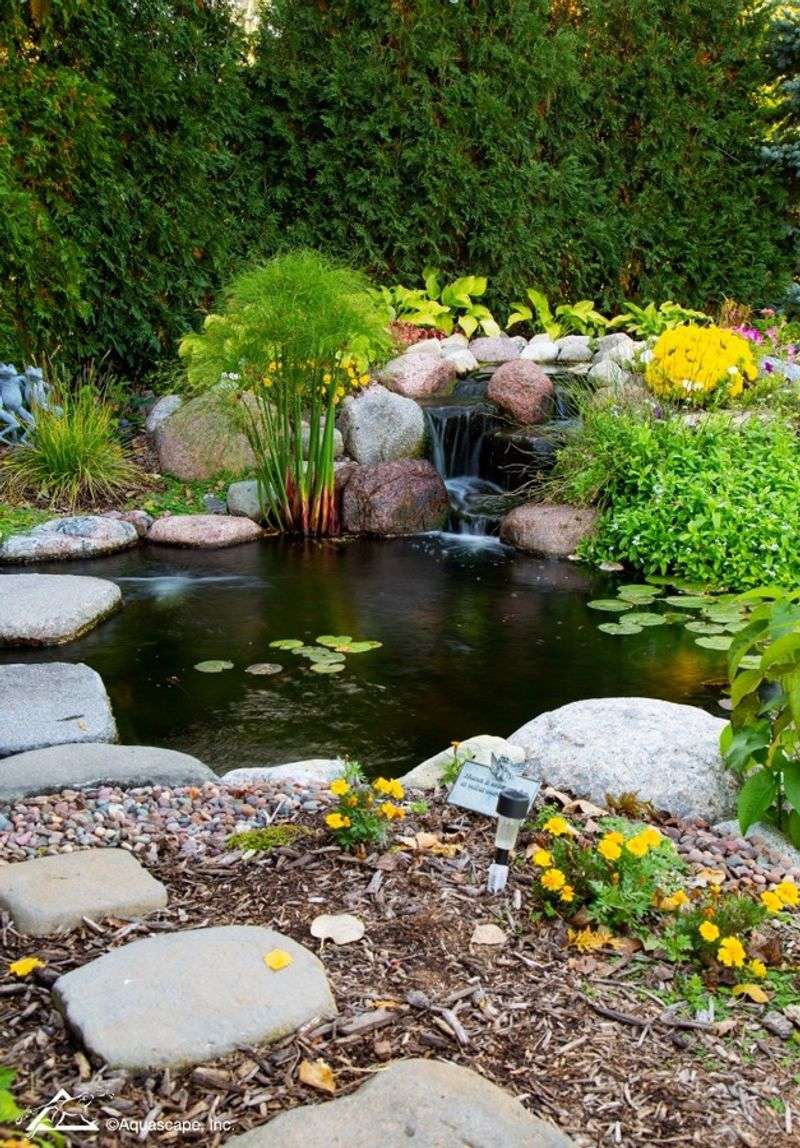
A backyard pond can be one of the most wildlife-friendly additions to a California yard, or it can become a reliable mosquito production site. The difference usually comes down to maintenance rather than design. Dense, decaying vegetation, stagnant water, and neglected edges create exactly the conditions that mosquitoes prefer and that dragonfly nymphs tend to avoid.
UC IPM’s mosquito guidance recommends removing excess aquatic vegetation periodically to prevent buildup of decaying organic matter that can degrade water quality and reduce oxygen levels. That does not mean stripping the pond bare; it means monitoring plant growth and cutting back species that are overrunning the surface or clogging the margins. Keeping some open water alongside planted zones gives dragonfly nymphs hunting room and allows sunlight to reach submerged plants.
When a pond or ornamental water feature cannot be drained, Bacillus thuringiensis israelensis, commonly called Bti, is a targeted biological option for controlling mosquito larvae. Bti is a naturally occurring soil bacterium that is toxic to mosquito and gnat larvae but does not harm dragonfly nymphs, fish, birds, or most other pond organisms when used as directed. It comes in dunks or granules sized for different water volumes, and following the product label for dosage and reapplication timing is essential. Bti is a supplement to good pond management, not a substitute for fixing drainage or removing unnecessary water sources.
Fish can also consume mosquito larvae in appropriate settings. Any fish recommendation should be limited to artificial, isolated ponds where fish cannot escape into natural waterways. UC IPM explicitly states that Gambusia affinis, commonly called mosquitofish, are not native to California and that releasing them into streams, rivers, or natural ponds is illegal. Before adding any fish to a water feature for mosquito control, contact your local vector-control district, which can advise on appropriate species and legal requirements for your area.
Routine fogging or automatic residential misting systems are not a compatible choice for a yard where you are trying to support dragonflies and other beneficial insects. The CDC does not recommend homeowner misting systems and specifically cites harm to pollinators and beneficial insects, along with unintended pesticide exposure for residents and pets. Managing the pond well and using Bti when needed is a more targeted approach that does not undermine the habitat you are building.
Treat gray rush as habitat support, not mosquito control
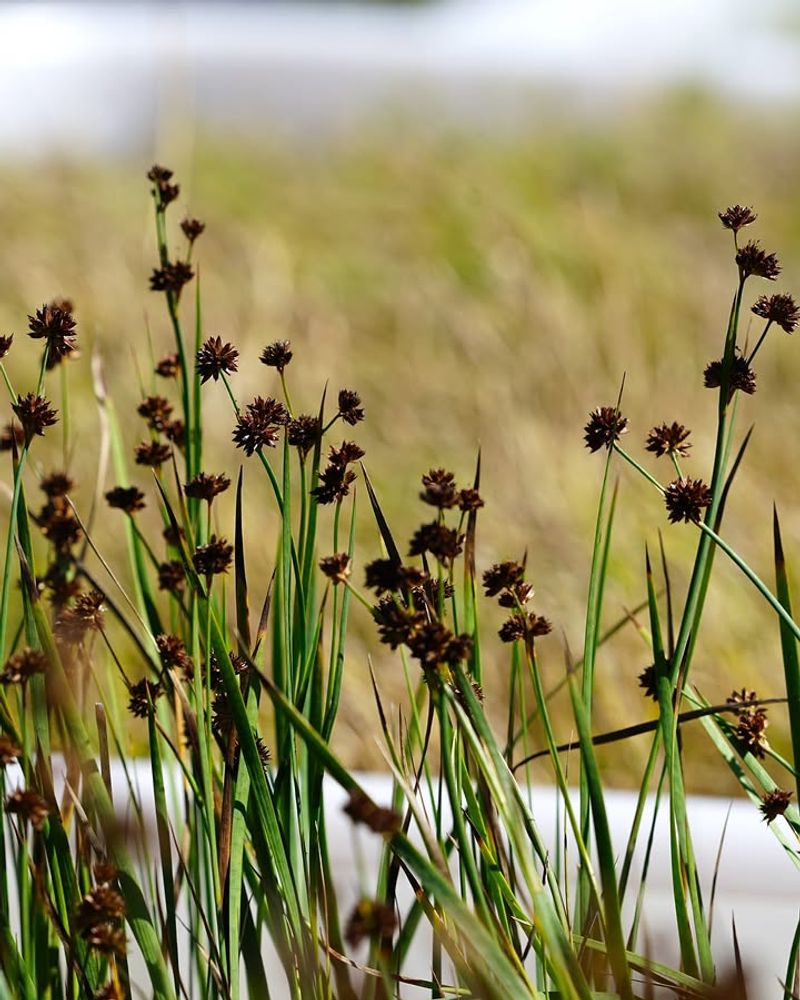
California gray rush is a genuinely useful native plant for the right moist site. UC Davis Arboretum supports it as a rain-garden and pond-edge plant suited to California conditions, and its upright structure does contribute something real to emergent vegetation diversity. What it cannot do is function as a standalone mosquito treatment or guarantee that dragonflies will arrive, stay, and reproduce in a particular backyard.
The predation research is real but limited in scope. The 2023 meta-analysis showing strong larval predation by dragonfly and damselfly nymphs was conducted under primarily experimental conditions and did not test gray rush in California residential settings. Translating those numbers into a promise of fast mosquito reduction at home misreads what the science actually shows.
The practical sequence that holds up is straightforward: confirm that your site has the consistent moisture gray rush needs, build a diverse planted edge with multiple native species rather than a single specimen, eliminate every preventable standing-water source on the property, and apply Bti or other appropriate larval-control measures to any non-drainable water feature. Dragonflies may show up on their own schedule, or they may not, but a well-maintained diverse habitat gives them a reason to stay when they do. A yard managed that way is doing real ecological work, even when the results arrive quietly rather than all at once.