
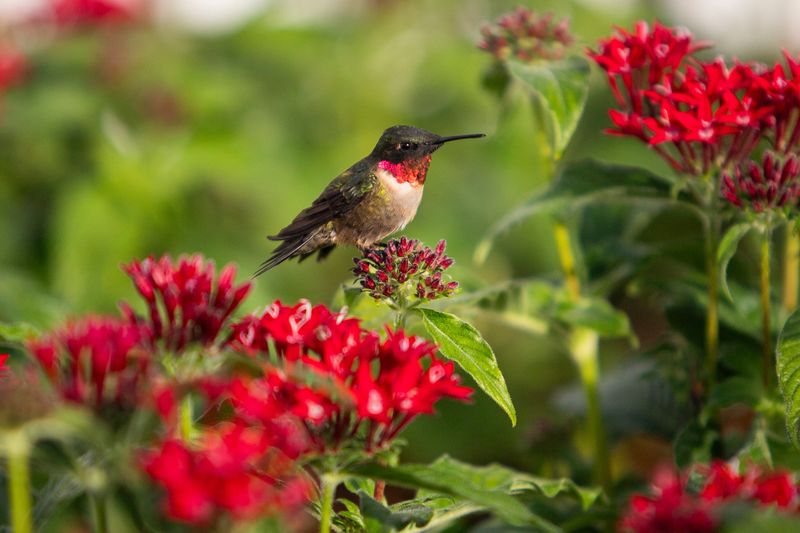
Ruby-throated hummingbirds are the most commonly seen hummingbirds in Florida, and they do visit residential yards more often than many gardeners realize. Whether one shows up in your yard depends on a mix of factors: what you’re growing, what’s nearby, and when the birds are moving through your region. The good news is that several practical changes, from plant choices to feeder care, can make your yard more attractive and usable to these birds. No setup guarantees a daily visitor, but the right combination of habitat features gives hummingbirds a real reason to stop.
Florida yards are not automatically hummingbird-free
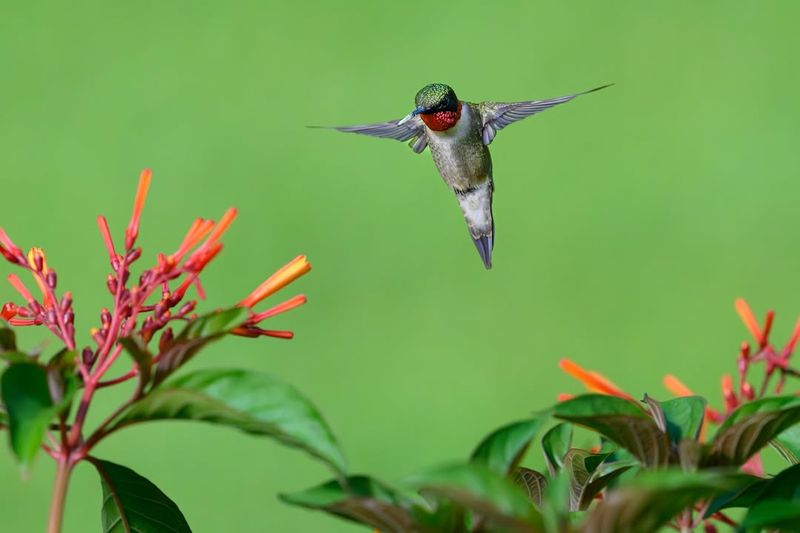
Ruby-throated hummingbirds use a wide range of habitats, including backyards, garden edges, orchards, and woodland borders. Cornell Lab’s species account describes the ruby-throated hummingbird as a common visitor to gardens and residential settings across its range, not a bird that routinely skips over human-managed landscapes. Sightings vary because of regional distribution, migration timing, nearby habitat, and what the yard itself offers in terms of nectar, cover, and insects.
A national study analyzed 4,081 hummingbird counts at 744 homes across the United States and found that hummingbird sightings at residential properties were associated with supplemental feeders, greater nectar-plant diversity, more native or endemic plants, and greener surroundings with less pavement and impervious surface. Those are associations, not a cause-and-effect formula, and the study was national rather than Florida-specific. Still, the pattern points toward what a useful yard looks like.
For Florida homeowners, the ruby-throated hummingbird is the species most likely to appear. It is the only hummingbird known to breed in Florida, though other species can show up as migrants or occasional visitors. A yard that offers diverse nectar sources, some protective vegetation, and safe supplemental feeding when properly maintained gives visiting birds more reasons to pause and return. The rest of this article walks through how to build that kind of yard, region by region and plant by plant, without overpromising what any one change will deliver.
The useful setup is a habitat, not a flower pot
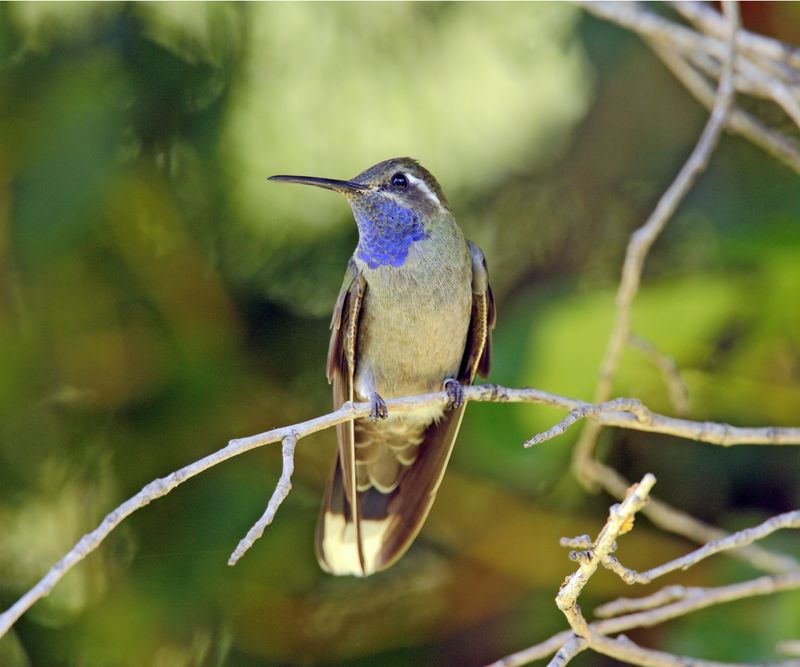
A single potted plant on a concrete patio gives a hummingbird one reason to stop and no reason to stay. A layered yard, with nectar plants at different heights, shrubs or small trees for perching, and some protective cover nearby, meets far more of the bird’s daily needs. Ruby-throated hummingbirds rely on nectar for quick energy but also eat insects and spiders, including mosquitoes, gnats, fruit flies, small bees, caterpillars, and aphids. Sugar water and flowers together cannot replace that animal protein, so a yard that supports insect life, through native plantings and reduced pesticide use, serves the bird’s full diet rather than just one part of it.
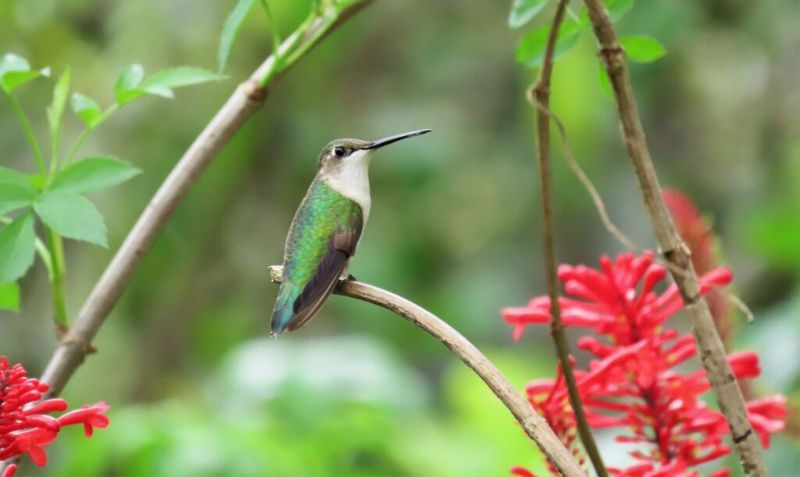
Perches matter more than most gardeners expect. Hummingbirds commonly rest on small, exposed twigs between feeding bouts, scanning their territory before moving to the next flower. Keeping a few shrubs, small trees, or even a simple trellis close to nectar plants gives birds a place to pause without leaving the area entirely. Placing feeding opportunities near protective vegetation also reduces exposure to cats and lowers the risk of window collisions, both of which are real hazards covered in more detail later.
Water is another habitat element that often gets overlooked. Standard birdbaths are too deep for hummingbirds, which prefer to bathe in droplets and leaf-level moisture. Audubon recommends a drip fountain attachment or fine misting device aimed at foliage or a shallow surface rather than a still pool. A fine mist near a flowering bed costs little to set up and adds a habitat element that most Florida yards currently lack.
No single addition guarantees visits, but combining nectar, insects, perches, cover, and appropriate water creates a yard that a hummingbird can actually use as a resource rather than a brief detour.
Choose Florida plants by region, site, and bloom sequence
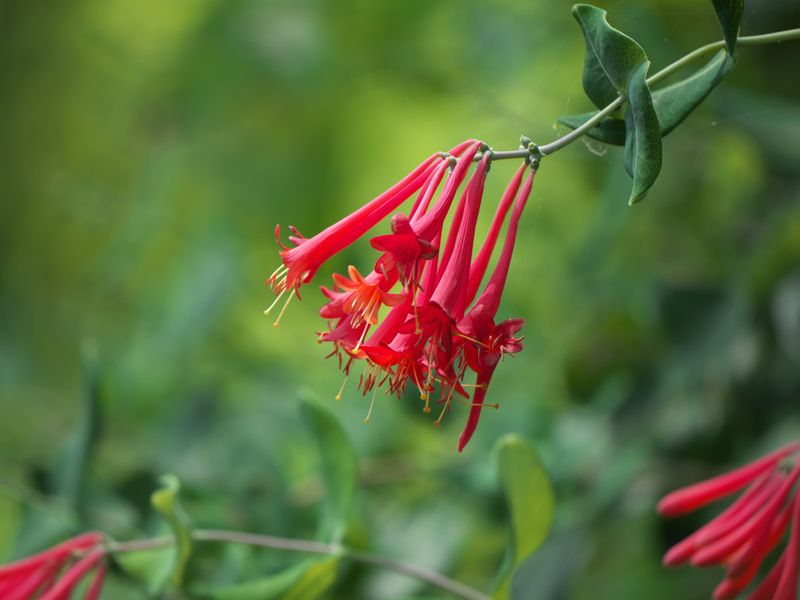
Red, orange, and pink tubular flowers are reliable visual cues for hummingbirds, but they are not the only colors birds will use. Hummingbirds feed from flowers of other colors too, so the goal is a diverse planting with overlapping bloom periods rather than a wall of one red species. UF/IFAS recommends firebush, coral honeysuckle, scarlet salvia, coral bean, red star hibiscus, cardinal flower, and red buckeye as Florida-suitable nectar plants, each with its own regional and site requirements that determine whether it actually belongs in a given yard.
Firebush (Hamelia patens) produces orange-red flowers from spring through winter and tolerates heat and drought once established, making it a strong choice across much of the state. Cold-related dieback is possible in North Florida, so gardeners there should treat it as a plant that may need cutting back after a freeze. Coral honeysuckle (Lonicera sempervirens) is a native vine with red tubular flowers that works well on a trellis or fence; UF/IFAS bloom tables list it as a spring-through-summer bloomer, and its evergreen behavior varies by location. Scarlet salvia (Salvia coccinea) is a Florida native that handles heat well and blooms from spring through fall in red, pink, or white, making it one of the more flexible choices for a sunny bed.
Some plants require more careful siting. Coral bean (Erythrina herbacea) is a spring-blooming native shrub or small tree that may freeze back in North Florida. Red buckeye (Aesculus pavia) is listed by UF/IFAS for North and Central Florida only, not South Florida. Red star hibiscus (Hibiscus coccineus) is a strong summer-to-fall nectar plant but needs consistent moisture, so a dry sandy bed is the wrong spot for it.
Cardinal flower (Lobelia cardinalis) is associated with wetlands and works in rain gardens, ditches, and stream edges, not as a standard landscape plant in a well-drained yard. Native status alone does not determine suitability; the right question is whether the plant fits the specific region, sun exposure, soil moisture, freeze risk, and mature size of the yard where it will grow.
Arrange the planting so birds can feed, pause, and retreat
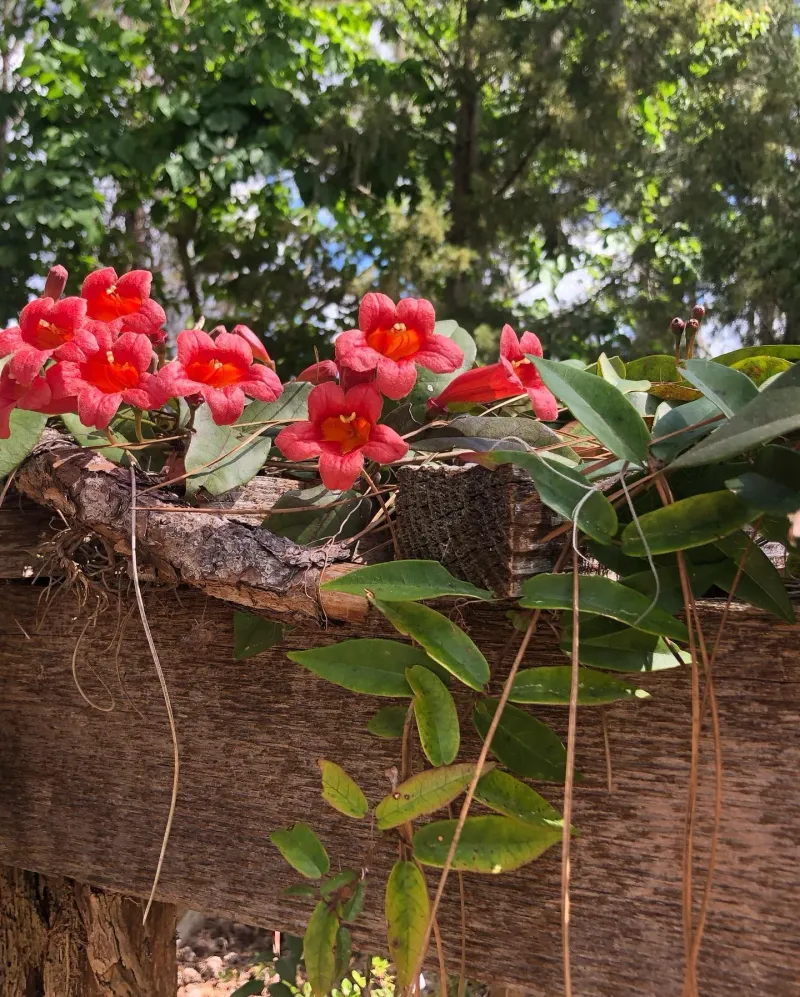
Plant selection and plant arrangement are two different jobs. A well-chosen list of nectar plants placed in a single flat row along a sunny fence gives hummingbirds flowers but little else. Staggering plants at different heights, with shorter bloomers like scarlet salvia at the front, mid-height shrubs like firebush in the middle, and taller coral bean or a trellised honeysuckle vine at the back, creates a layered edge that mirrors the woodland-border habitats where ruby-throated hummingbirds naturally forage.
Hummingbirds commonly perch on small exposed twigs between feeding bouts, so leaving a few natural branch tips or adding a simple wooden stake near the bed gives them a place to rest and survey without flying far from the food source. Bloom succession across the planting season matters as much as the number of plants: coral honeysuckle covers spring and early summer, firebush and scarlet salvia carry the heat of summer, and red star hibiscus extends into fall. Gaps in that sequence leave birds with fewer reasons to return during certain months.
Florida’s specific conditions shape every layout decision. Sandy, fast-draining soil means moisture-loving plants like red star hibiscus and cardinal flower need either a naturally wetter pocket or consistent irrigation to survive. Summer thunderstorms and the occasional hurricane mean tall, exposed plantings are more vulnerable than low, dense beds tucked against a fence or building edge. UF/IFAS guidance on hummingbird gardens emphasizes matching plant placement to local conditions rather than copying a layout designed for a different climate.
A feeder placed near, but not directly inside, protective vegetation gives birds a clear approach path while keeping cover close enough for a quick retreat.
A feeder can accelerate the payoff—but only as a supplement
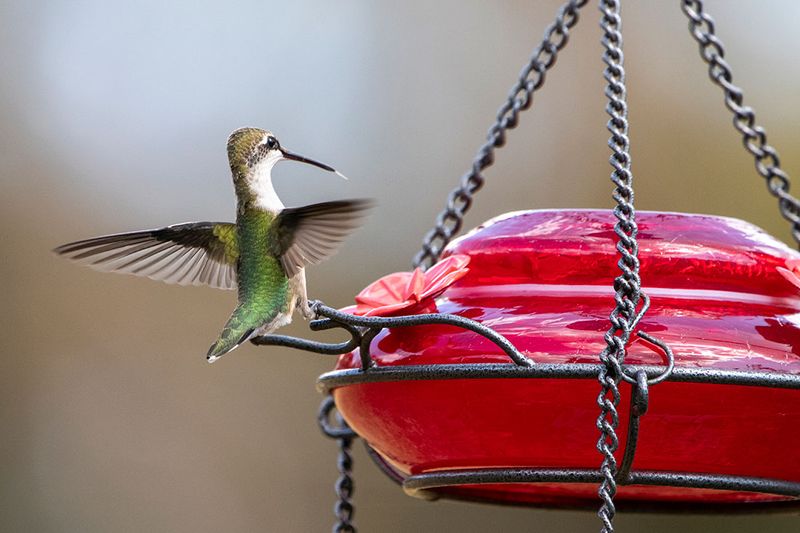
A feeder can produce results faster than a new planting because birds can locate and use a concentrated food source quickly, sometimes within days of it going up. That speed advantage comes with real maintenance demands, especially in Florida heat, and a feeder that is neglected becomes a hazard rather than a help. UF/IFAS guidance on Florida hummingbirds describes feeders as supplemental, not a substitute for flowers, insects, perches, or cover.
The correct nectar recipe is straightforward: one part refined white granulated sugar dissolved in four parts water. Honey ferments quickly and can cause fungal infections in hummingbirds. Artificial sweeteners provide no calories. Brown sugar and extra-concentrated mixtures are both discouraged.
Red dye is unnecessary because the red parts of most feeders already attract attention. Boiling the water before mixing helps dissolve the sugar and may slightly extend freshness, but it does not replace frequent replacement.
Florida’s summer heat accelerates fermentation and mold growth faster than most feeder guides anticipate. Inspect nectar daily and replace it at least every 2 to 3 days during hot weather, or immediately if it looks cloudy, discolored, or has visible contamination. Keep feeders in shade and protected from direct rain, which dilutes nectar and speeds spoilage. If running multiple feeders, UF/IFAS recommends spacing them at least 10 feet apart because ruby-throated hummingbirds are territorial and one bird can monopolize a single feeding station.
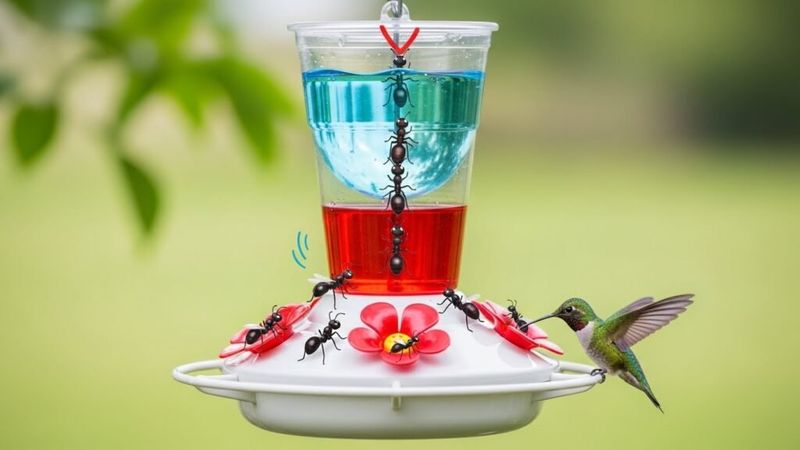
For cleaning, disassemble the feeder fully, scrub all parts with hot water and a bottle brush, rinse thoroughly, and follow the manufacturer’s instructions for deeper cleaning. For ant control, use an appropriate ant moat or choose a feeder designed with insect protection. Do not apply petroleum jelly or oil to ports or wires, as sticky substances can contaminate nectar and damage feathers. One more point worth stating clearly: leaving a feeder available does not prevent hummingbirds from migrating.
Birds respond to day length and environmental cues, not the presence of a food source, when deciding to move.
What can undo a hummingbird-friendly yard?
Even a well-planted yard can work against hummingbirds if a few common problems go unaddressed. Contaminated nectar is among the most direct hazards: fermented or moldy sugar water can make birds sick, and in Florida’s heat, a feeder left out for more than two or three days without inspection can reach that point faster than most people expect. UF/IFAS extension guidance recommends replacing nectar more frequently during hot weather rather than on a fixed weekly schedule.
Outdoor cats are a serious risk that often goes unmentioned in gardening articles. A feeder or flower bed that draws hummingbirds into low, exposed positions near a roaming cat creates a predictable problem. Window collisions are another hazard: Cornell Lab notes that feeders placed close to windows can increase collision risk by giving birds little room to react. Moving a feeder either very close to the glass, within a few inches, or farther away, more than 10 feet, reduces the speed of impact if a strike does occur.
Pesticide exposure deserves candid treatment. Hummingbirds eat insects and spiders in addition to nectar, which means broad-spectrum pesticide applications in or near active nectar habitat can affect their food supply and potentially the birds themselves. Extension guidance on mosquito sprays and hummingbirds notes that evidence on sublethal effects from treated insects is limited, so confident safety claims about spraying around hummingbird habitat are not supported. Avoiding broad pesticide applications near flowering plants and feeders is the more cautious approach.
Plants mismatched to regional conditions can also undermine an otherwise sound habitat plan. A cardinal flower in a dry sandy bed will struggle and fail to bloom. A red buckeye planted in South Florida faces climate stress it was not selected for. UF/IFAS hummingbird garden guidance ties each plant recommendation to specific regional and site conditions for exactly this reason.
Finally, a yard can be well designed and still see few visits if local hummingbird abundance is low, migration timing has shifted, or birds are using a richer resource nearby. Those are natural variables, not maintenance failures.
The best Florida hummingbird yard earns repeat visits
Putting the full picture together comes down to a practical sequence. Start with diverse nectar plants that have overlapping bloom periods, matched to your specific Florida region and site conditions, whether that means sandy and dry in Central Florida or a moist low spot in North Florida that suits cardinal flower. Add layered cover, at least a few shrubs or a trellised vine that gives birds perches and a place to retreat. Provide water as fine mist or droplets on foliage rather than a deep still bath.
Then consider a feeder only if the household will commit to daily inspection and replacement every two to three days during hot weather.
The national residential-yard study connecting hummingbird sightings to feeders, plant diversity, native plants, and greener surroundings points toward habitat depth, not a single trick. UF/IFAS guidance and Florida-specific hummingbird extension resources reinforce the same point: no single plant or feeder guarantees a daily stop, but a yard that reliably offers nectar, insects, perches, and safe water gives visiting birds a real reason to come back. A hummingbird that finds genuine habitat will use it; one that finds only a feeder in an empty lawn has one reason to stop and none to stay.