
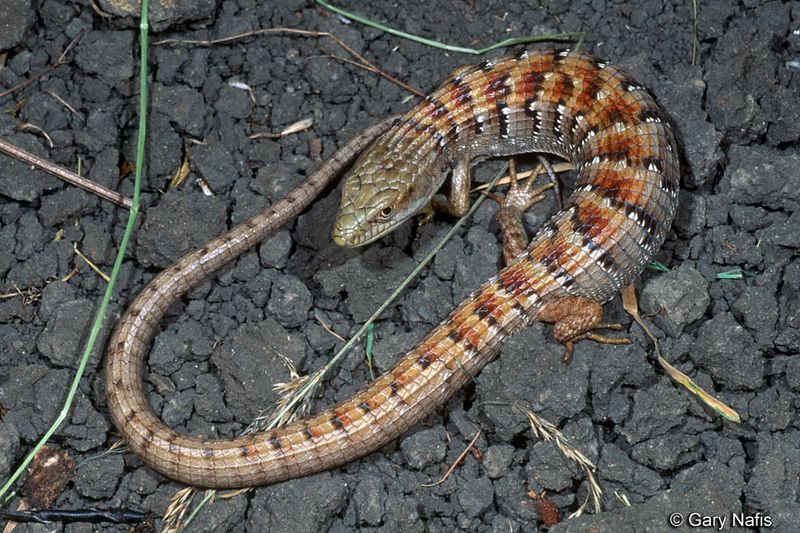
Southern alligator lizards are some of the most useful native animals a California homeowner can have passing through the yard. They hunt beetles, spiders, centipedes, and other invertebrates that most people never notice until a garden bed is already damaged. Learning what actually draws these lizards in, and what quietly pushes them away, can help you make smarter choices about how you manage your outdoor space.
Support southern alligator lizards for their real garden role
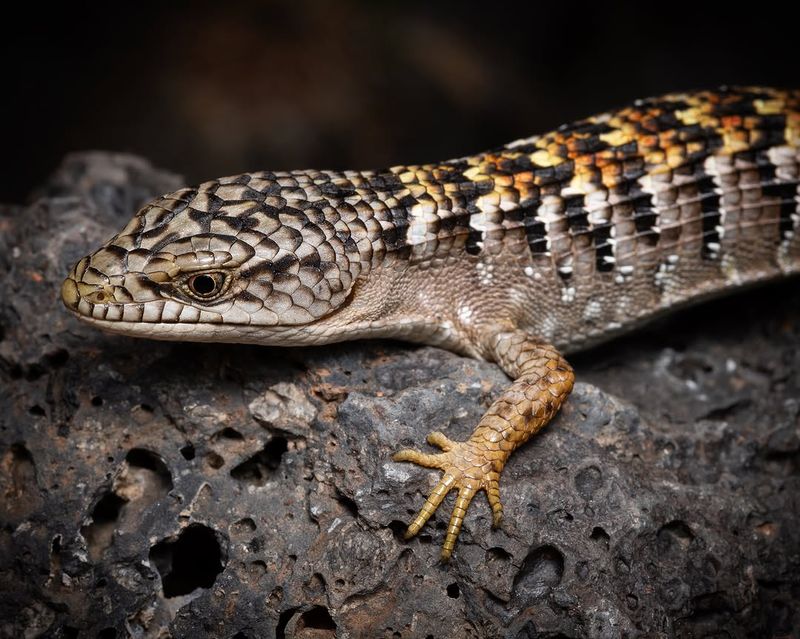
Southern alligator lizards are native to much of California and show up in suburban yards, hillside gardens, and open lots far more often than most homeowners realize. The National Park Service describes them as favoring grasslands, open forests, chaparral, and foothill oak woodlands, but they adapt readily to developed areas where the right combination of sun, cover, and prey exists. A warm flat rock near a shrub border, a gap beneath a garden wall, or a shaded patch under native groundcover can all serve as everyday habitat.
Their diet is broad and genuinely useful in a garden context. Documented prey includes ground beetles, grasshoppers, crickets, spiders, centipedes, scorpions, sow bugs, and snails. They occasionally take small lizards, rodents, or bird eggs when the opportunity arises. That range of prey makes them effective generalist hunters across a variety of yard conditions, active in both open sunny patches and sheltered spots where invertebrates concentrate.
What they are not is a proven controller of hidden pests generally, or of any specific pest group like tick nymphs. The honest picture is more modest and still worth appreciating: a southern alligator lizard moving through your yard is quietly working through the arthropod community the way any healthy predator does, keeping populations in check without being a silver bullet for any one problem. Supporting them makes sense for that reason alone, without needing to overstate what they accomplish.
Homeowners sometimes expect a single species to solve a layered pest problem, and that expectation usually leads to disappointment. The better frame is stewardship: create conditions where these lizards can live and hunt, and accept the genuine but limited benefit that comes with a healthy population of native predators sharing your yard.
Western black-legged ticks use lizards as hosts
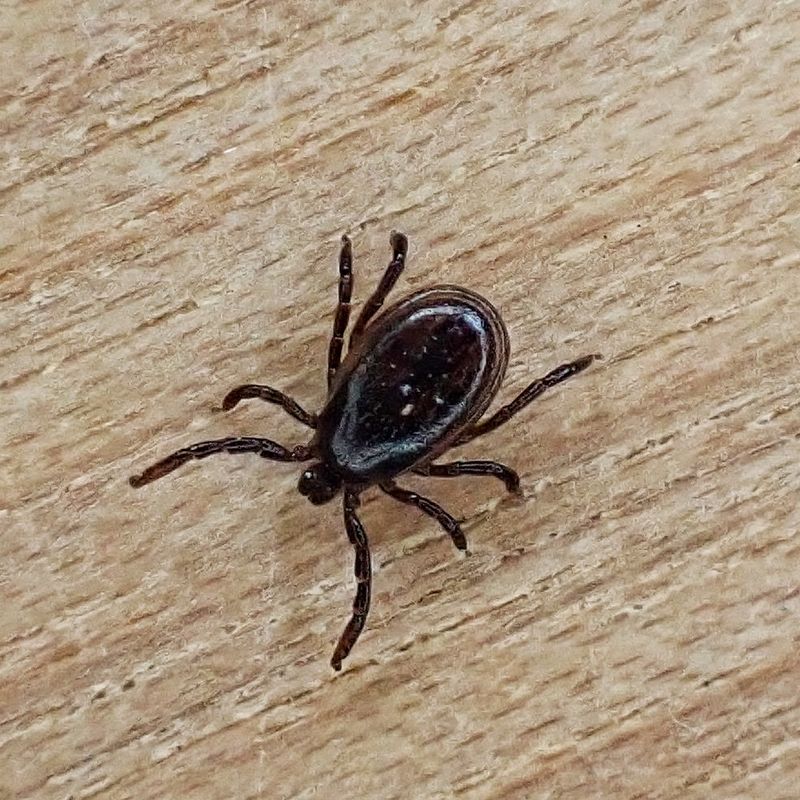
A widespread belief holds that alligator lizards eat ticks, keeping yards safer from Lyme disease. The actual relationship runs the other direction. Western black-legged ticks, Ixodes pacificus, use lizards as feeding hosts, not the other way around. UC IPM’s guidance on Lyme disease in California documents that in some California woodland settings, more than 90 percent of sampled nymphs were found attached to lizards, making the lizards hosts rather than predators of those ticks.
A 1998 study published in the Journal of Medical Entomology examined southern alligator lizards specifically and found heavy infestations of Ixodes pacificus larvae and nymphs on sampled animals. Researchers attempted to isolate Borrelia burgdorferi spirochetes from the lizards’ blood and from ticks that had fed on them but were not successful. The study involved only 14 lizards, so its findings are suggestive rather than definitive, and they do not support claims that southern alligator lizards control ticks or reduce infection risk.
A separate and frequently cited finding involves western fence lizards, a different species. When Borrelia-carrying ticks feed on western fence lizards, components of the lizard’s blood can kill or suppress the bacteria within the tick. UC ANR’s profile of the western fence lizard covers this mechanism, which is notable but species-specific. Transferring that finding to southern alligator lizards, or suggesting it makes people or pets immune, goes beyond what the evidence supports.
Nymph ticks in California are often active during spring and early summer, though timing shifts by region and year. They concentrate in leaf litter, needle duff, and the bases of tree trunks, which are many of the same microhabitats that southern alligator lizards use. That overlap is worth understanding precisely because it affects how you think about yard management, not because it means lizards are hunting the ticks that share those spaces.
Treat leaf litter and logs as a habitat tradeoff

Leaf litter and woody debris occupy a complicated middle ground in California yard management. Southern alligator lizards genuinely use them: a sheltered spot under a log, a gap in a rock pile, or a patch of dense groundcover near a sunny clearing gives them the combination of warmth and protection they look for. The NPS notes that they favor cover under rocks, logs, boards, and similar surface features, ideally with a sunny exposure nearby.
At the same time, UC IPM’s tick guidance points out that nymph ticks concentrate in exactly the same moist, shaded leaf litter and woody debris where lizards shelter. A thick mat of decomposing leaves along a fence line may support both species simultaneously, which means clearing it removes tick habitat and lizard habitat in a single action. Neither blanket removal nor blanket preservation is the right answer for every yard.
The more useful question is site-specific: how far is this material from the house, how dry or moist is it, what is the slope, and what are local fire conditions? A log pile tucked against a south-facing slope of native grasses 60 feet from the house sits in a very different risk category than the same pile stacked against a wood fence directly beside a back door. Moisture content, surrounding vegetation, and proximity to structures all change the calculation in ways that a single rule cannot capture.
Rocks and stone features generally offer lizard shelter without the same fire-fuel and tick-habitat concerns as deep organic litter. Native low-growing shrubs that allow air circulation underneath provide cover without trapping the moisture that nymph ticks prefer. When you assess what to keep, keep, move, or manage, weigh each feature on its own merits rather than treating all ground-level cover as equivalent.
Place lizard-friendly cover beyond the structure’s highest-risk zone
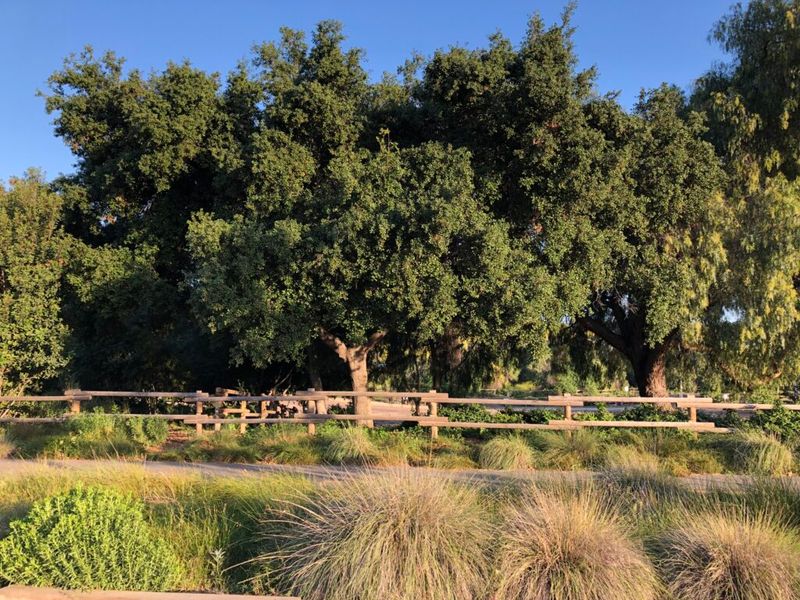
Rocks, native plants, and managed ground cover can support southern alligator lizards without putting your home at greater wildfire risk, but placement matters enormously. CAL FIRE’s defensible-space guidance identifies the first five feet around any structure as the highest-priority ember-resistant zone. In that area, combustible bark mulch should be replaced with noncombustible material, dead leaves and needles must be cleared away from the building, and firewood or lumber should be moved elsewhere. No wildlife-habitat benefit outweighs ember ignition risk in that immediate zone.
Beyond five feet, defensible space involves managing fuel continuity, plant spacing, and dead vegetation rather than stripping every yard bare. CAL FIRE describes zones with different requirements for vegetation management, fuel reduction, and debris removal. Some loose leaf litter may be acceptable at greater distances under certain zone rules, but accumulated dead leaves, needles, twigs, bark, cones, and small branches must still be managed throughout the broader defensible-space area. Local counties and fire districts often impose stricter standards than the state baseline, particularly in State Responsibility Areas and designated fire-hazard severity zones.
The practical approach for lizard-friendly habitat is to push compatible features toward the outer portions of your yard where fire rules allow more flexibility. A cluster of flat rocks in a sunny corner 80 feet from the house, surrounded by fire-resistant native plants like toyon, coffeeberry, or coyote brush, can offer southern alligator lizards the sun-and-cover combination they seek without creating a fuel problem. NPS habitat notes confirm that these lizards prefer a sunny location with nearby cover, which rock-and-native-plant combinations can provide without combustible debris.
Check your specific requirements with your county fire department or local fire district before deciding what to keep or remove. The UC ANR fire-hazard landscaping guide offers practical plant selection and spacing advice that works alongside defensible-space rules rather than against them.
Protect the lizards’ prey without spraying by default
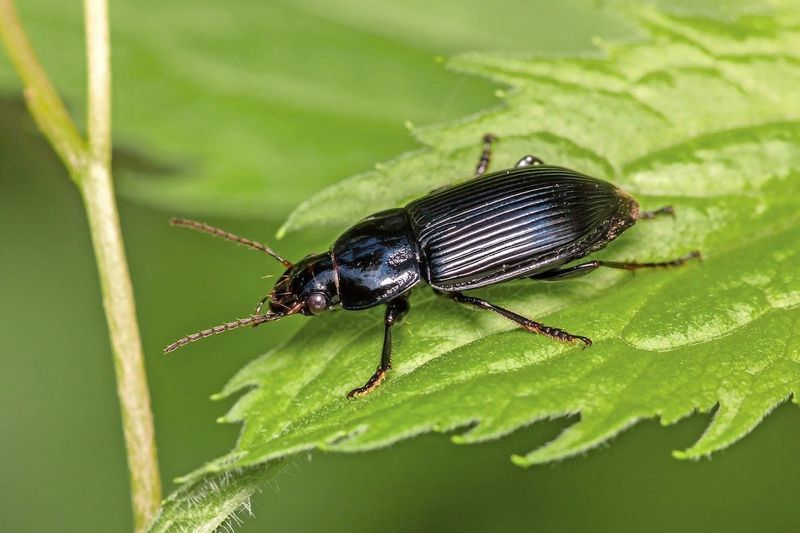
Southern alligator lizards eat what they can find, and what they find depends heavily on how many arthropods are living in and around your yard. Broad-spectrum pesticides applied routinely, or as a preventive measure rather than a response to an actual problem, can strip out the beetle, cricket, spider, and centipede populations that these lizards depend on. A yard treated regularly with insecticides may look tidy but offer little to a lizard hunting for food.
UC IPM’s pesticide guidance advises following labels precisely, avoiding applications during windy conditions, and choosing targeted treatments over broad-spectrum options whenever a specific pest problem justifies intervention. That approach protects non-target organisms, including the invertebrate prey that reptiles, birds, and beneficial insects all rely on. When a pesticide is genuinely needed, the label is the law, and applying more than directed does not improve results.
Reducing routine pesticide use is good practice for wildlife stewardship, but it does not address tick risk or Lyme disease prevention on its own. Those are separate concerns that require separate actions. CDC guidance on preventing tick bites notes that yard pesticides can reduce tick numbers in treated areas but should not be relied upon alone to reduce infection risk. Personal protection, tick checks, and prompt removal remain necessary regardless of what is or is not sprayed.
A healthy arthropod community in your yard serves the lizards directly and supports the broader food web that includes birds, skinks, and other native wildlife. Skipping unnecessary spraying is one of the simplest, lowest-effort choices a homeowner can make to keep that community intact.
Improve habitat and let wild lizards choose the yard
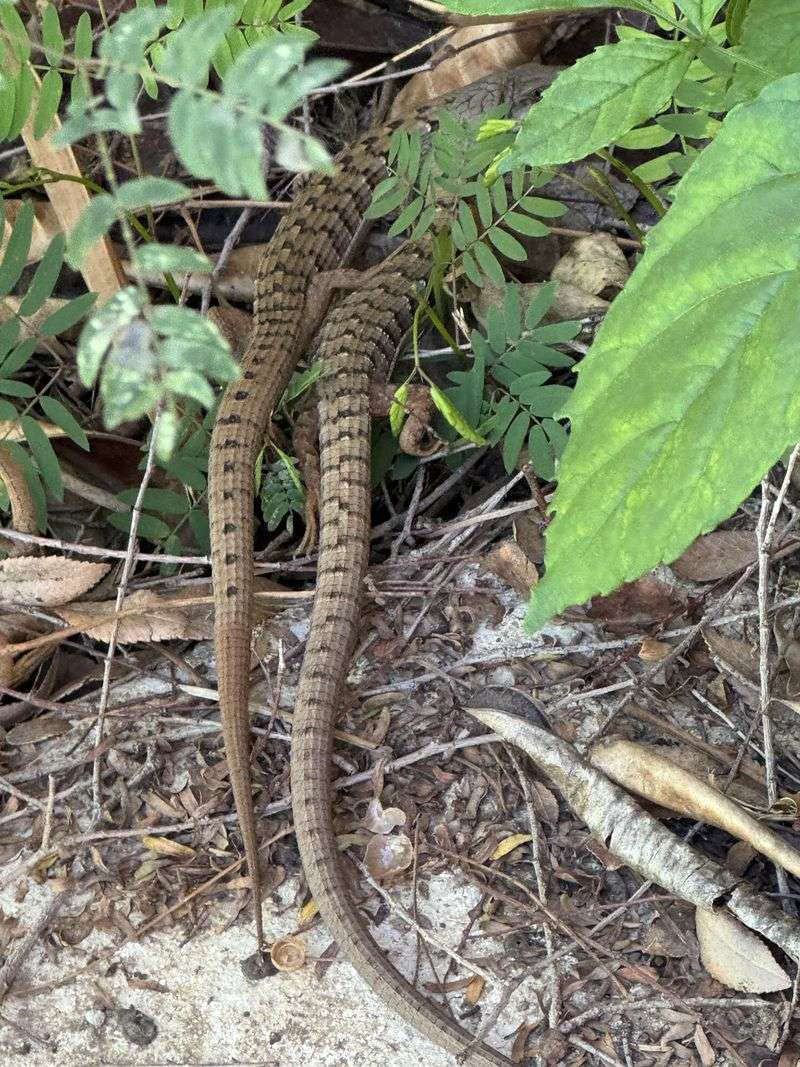
Wild southern alligator lizards are not something you acquire and install. They move through landscapes on their own, following food, cover, and suitable microclimates, and the best approach is to make your yard worth stopping in rather than trying to stock it. Creating compatible habitat, a sunny rock cluster, some native shrubs, a managed area with invertebrate-rich soil, and a reduced pesticide footprint, gives resident or wandering lizards a reason to stay.
Capturing a lizard elsewhere and releasing it in your yard does not work the way it might seem. Reporting from UC Berkeley on the original lizard-and-tick research specifically warned against moving lizards into backyards. Displaced animals often fail to establish in unfamiliar territory, and the stress of capture and transport is harmful to a wild animal that has no way to signal distress until it is already injured.
Handling any southern alligator lizard you do encounter is also worth avoiding. The NPS describes their bite as painful, and UC IPM notes that alligator lizards may bite when handled. These are not docile animals, and a bite from a stressed lizard is an unpleasant experience that serves neither the person nor the animal. Watch from a short distance and let them go about their business undisturbed.
No authoritative source reviewed for this article established a tested backyard formula, a specific number of logs, a particular plant species, a measured depth of leaf litter, or a commercial lizard shelter, that reliably attracts and keeps a population. Habitat associations are documented, but a guaranteed recipe is not. Create good conditions, reduce disturbance, and let the animals make the choice.
Manage California tick risk directly
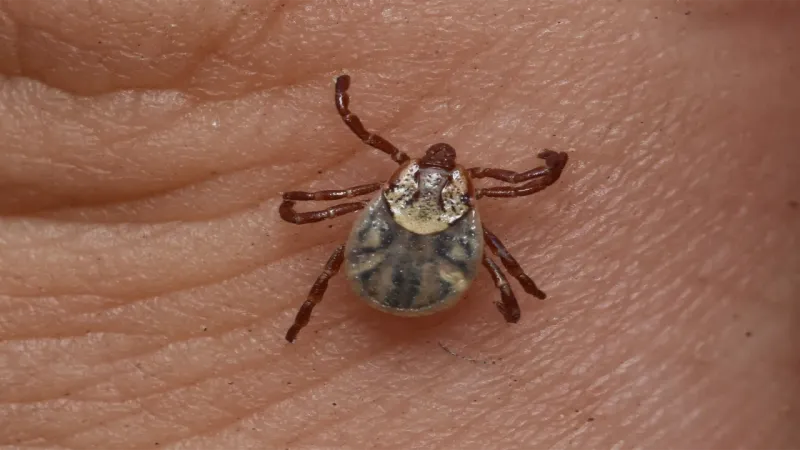
A yard that supports southern alligator lizards is a better yard for native wildlife, but it is not a medically safer yard in any documented sense. Tick risk in California is real, geographically uneven, and requires direct action from people and pet owners regardless of what wildlife lives nearby. The California Department of Public Health notes that higher-risk areas include the northern coastal region, northern Sierra foothills, parts of the San Francisco Bay Area, and the Central Coast, and that roughly one-third of California Lyme cases involve exposure outside the state. A yard in a lower-risk county does not carry the same profile as one in a heavily endemic area, but ticks are present across a wide range of California habitats.
CDC’s tick-bite prevention guidance recommends using EPA-registered repellents as directed on exposed skin and clothing. DEET, picaridin, IR3535, and oil of lemon eucalyptus are among the registered options. After spending time outdoors, especially in areas with leaf litter, tall grass, or shrubby vegetation, do a full-body tick check on yourself and anyone who was outside with you. Showering within two hours of coming indoors can help find and remove ticks before they attach.
Pets deserve the same attention. Dogs and cats can carry ticks indoors on their fur, depositing them on furniture, bedding, and floors where family members can later be bitten. Talk with a veterinarian about tick-prevention products appropriate for your pet, and check animals after they have been outside in tick-prone areas. CDC’s overview of how Lyme disease spreads explains that transmission generally requires a tick to be attached for 36 to 48 hours, so prompt removal after a check significantly reduces risk even when a tick is found.
Remove attached ticks with fine-tipped tweezers, grasping as close to the skin as possible and pulling upward steadily without twisting. Clean the area with rubbing alcohol or soap and water. Monitor for symptoms in the days and weeks following any tick bite and contact a healthcare provider if a rash or fever develops.
Aim for a yard that balances wildlife and safety
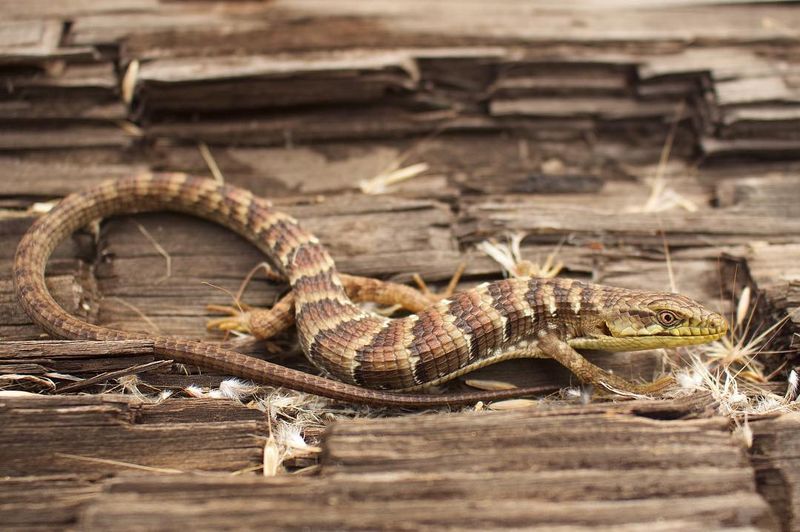
Southern alligator lizards belong in California yards, and supporting them is a reasonable goal for any homeowner who values native wildlife. The corrected takeaway is straightforward: preserve naturally occurring habitat where it does not conflict with defensible-space rules, maintain a healthy arthropod community by limiting unnecessary pesticide use, and handle tick exposure through direct personal precautions rather than expecting lizards to manage it for you.
What the evidence supports is that these lizards are generalist predators of garden invertebrates, useful neighbors in the broad sense, but not demonstrated controllers of ticks or Lyme disease. Rocks, native plants, and appropriately managed cover placed beyond the highest-risk zones near your home can invite them in without creating fire or pest problems. CAL FIRE’s defensible-space framework and CDPH’s tick-prevention recommendations remain the authoritative guides for the safety side of that balance.
A yard managed with both goals in mind, welcoming to wildlife and honest about fire and tick risk, reflects the kind of stewardship that actually makes a difference. The lizards handle the beetles. You handle the ticks.