
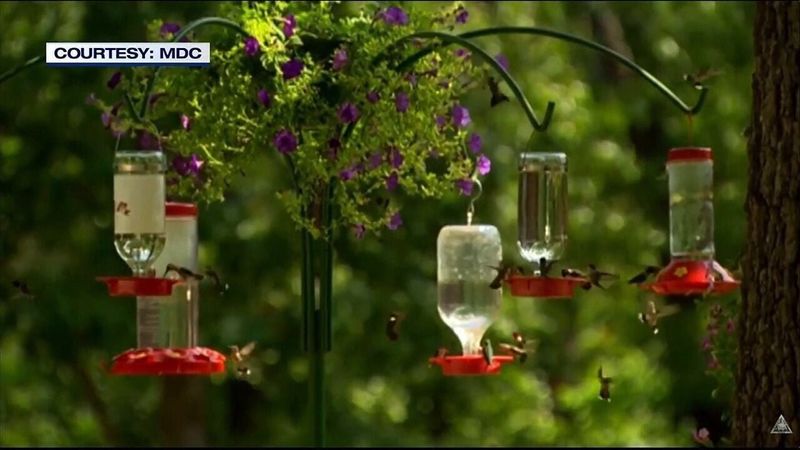
If your feeder has been unusually busy lately, you are not imagining it. September often brings a noticeable spike in hummingbird activity across the Southern U.S., and fall migration is one of the most likely reasons why.
Understanding what is happening can help you do more for these birds during one of the most important stretches of their year.
What the September surge usually means
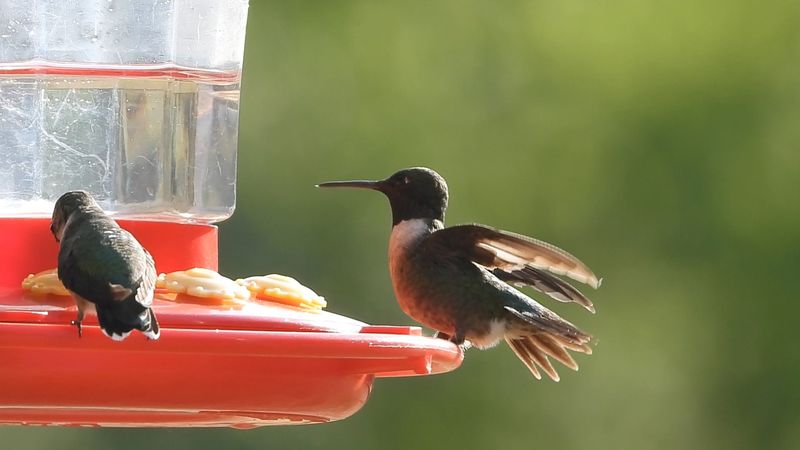
A sudden jump in feeder visits during September is something many Southern gardeners notice, and southbound fall migration is one of the most plausible explanations. Ruby-throated Hummingbirds move through the eastern and Gulf Coast portions of the South in large numbers during this window, and productive yards with feeders or flowering plants can serve as valuable stopover spots where individual birds refuel before continuing their journey.
A five-year coastal Alabama banding study documented Ruby-throated Hummingbird passage from late August through late October, with a mean passage date of September 25 and younger birds continuing later than adults. That research measured captured birds at a dedicated stopover site, which means it supports the idea that September is a genuine migration period but does not prove that every bird appearing at one backyard feeder is actively migrating.
In Texas, the picture is similarly active. Texas Parks and Wildlife reports that large numbers of Ruby-throated Hummingbirds concentrate along the Texas coast during fall, gaining weight before crossing the Gulf of Mexico, with coastal Texas migration beginning as early as mid-July and continuing into early November.
A feeder does not cause these birds to arrive, but it can make a yard a more useful place for individual travelers to stop.
Timing depends on place, species, and weather
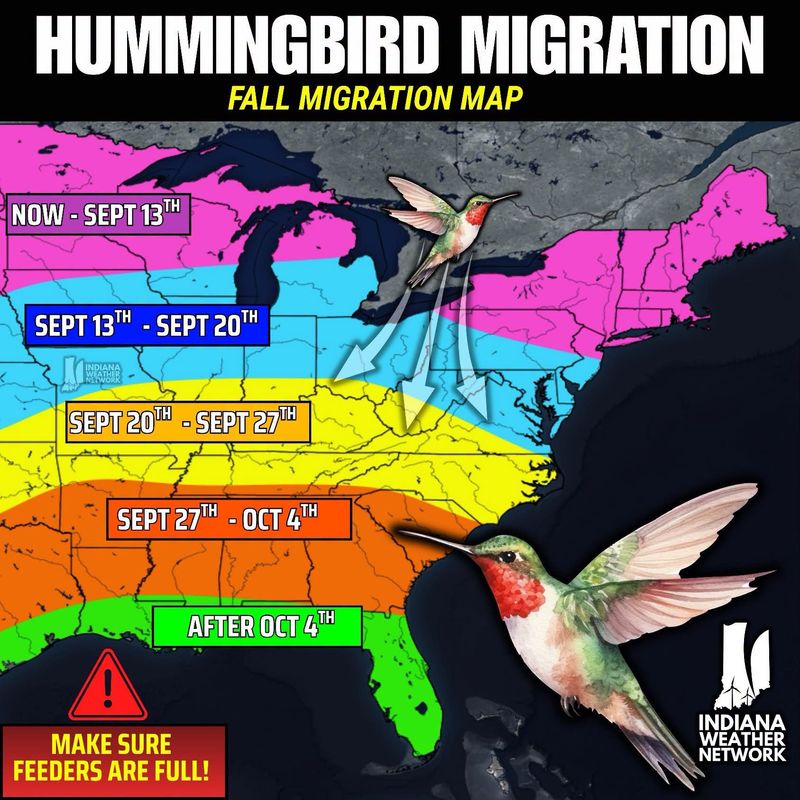
One migration calendar does not fit every Southern yard. The northern Gulf Coast sees passage from roughly late August through late October, as the Alabama banding research showed, but that window shifts depending on where you live, what species are present, how old the birds are, and what the weather is doing in a given year.
Coastal Texas experiences several waves of Ruby-throated Hummingbirds through September, and Texas migration can extend well into early November, so gardeners there should expect a longer active period than those farther east. Florida follows a somewhat different pattern: UF/IFAS Extension materials describe Ruby-throated Hummingbirds as Florida’s primary breeding hummingbird, generally present from around March through September or October before most depart.
The situation is more layered than a simple departure date, though. Florida Extension sources note that Rufous and Black-chinned Hummingbirds may appear later in the year, and Texas is well known for hosting multiple hummingbird species during fall and winter.
Texas Parks and Wildlife documents several species that can occur after the main Ruby-throated wave, meaning a bird at your Texas feeder in October or November may be a resident or wintering visitor rather than a southbound migrant passing through.
A crowded feeder is not a migrating flock
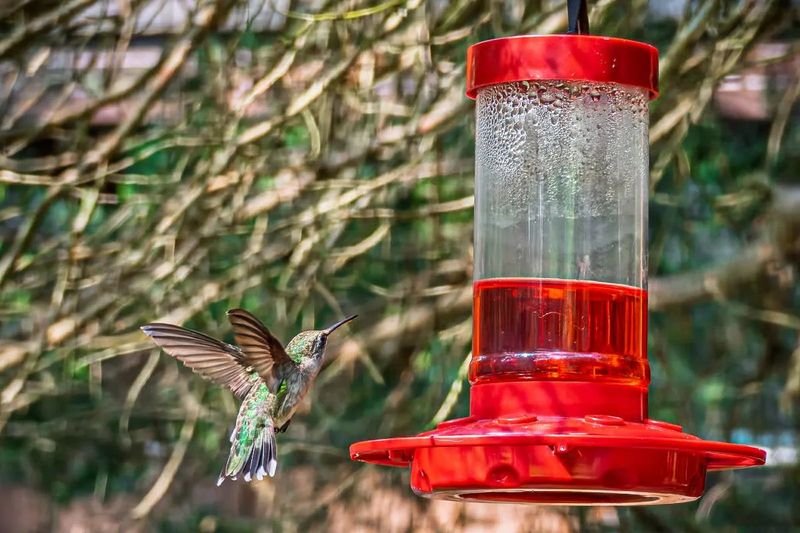
Seeing five or six hummingbirds jostling around the same feeder can feel like watching a flock on the move, but that impression is misleading. Cornell Lab of Ornithology explains that Ruby-throated Hummingbirds migrate individually, not in organized groups, even when large numbers happen to concentrate in the same location at the same time.
What looks like a swarm is really a collection of separate birds making independent decisions. Each one is responding to its own internal migration drive, local food availability, and energy needs.
Gulf Coast stopover habitats can attract many individuals simultaneously because the habitat is productive and the timing aligns with migration, but those birds are not traveling together or coordinating their movements.
Feeder traffic alone also cannot tell you how many birds are migrating through your area or where any individual bird came from. The Alabama banding study captured birds at a purpose-built research station with systematic effort, which is a very different situation from counting visitors at a home feeder.
Your busy feeder is a sign that your yard is useful to individual birds during a high-demand season, and that is genuinely worth appreciating, but it does not function as a migration census.
Keep feeding through the passage
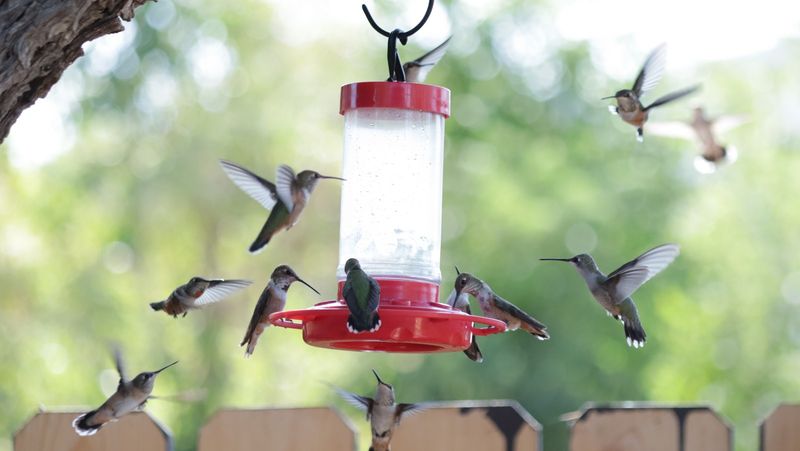
The single most important thing you can do right now is leave your feeder up and keep it filled. A common piece of folklore says that leaving a feeder out after Labor Day will cause hummingbirds to linger and miss their migration window, but that claim has no scientific backing.
The U.S. Fish and Wildlife Service states there is no evidence that feeding hummingbirds after Labor Day delays their migration, and Cornell Lab of Ornithology recommends keeping feeders available for several weeks after the last hummingbird is seen.
Taking a feeder down early does not push birds south any faster. Migration timing is driven by internal biological cues and day length, not by whether sugar water is available.
Removing a feeder during active migration could instead deprive late-moving birds or juvenile migrants of a supplemental food source during a physically demanding journey.
For practical timing in Texas, Texas Parks and Wildlife recommends leaving feeders up until about two weeks after the last sighting. Keep in mind that Florida and Texas may have resident or wintering hummingbirds that visit later than the main migration wave, so the last sighting in your yard might come later than you expect.
Fresh nectar is the practical priority
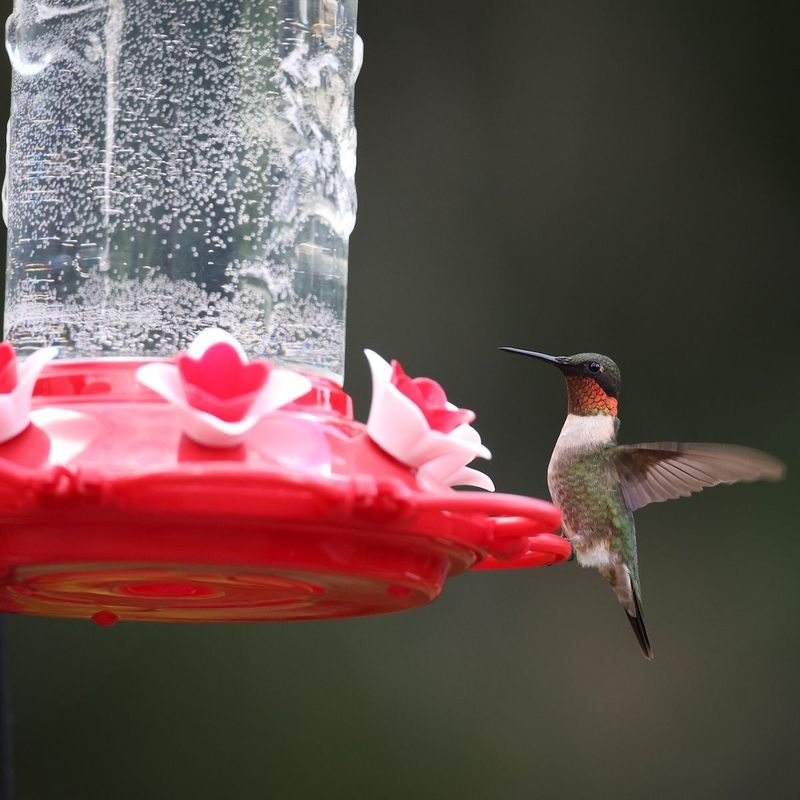
Getting the nectar right is straightforward: one part plain refined white sugar dissolved in four parts water. That ratio closely matches the natural sucrose concentration in many of the flowers hummingbirds prefer, and it is the standard recommended by wildlife and birding authorities.
Audubon’s hummingbird feeding guidance is clear about what to skip: no honey, no artificial sweeteners, no brown sugar, no molasses, and no red dye.
Red dye is unnecessary because hummingbirds are already drawn to the red parts of most feeders. Adding coloring to the nectar does not improve attraction and introduces a substance that does not belong in the birds’ diet.
Red feeder components or nearby red flowers provide the visual cue without any additives.
Southern heat makes freshness a real concern. Audubon recommends cleaning feeders and replacing nectar every two to three days, or daily in particularly hot conditions.
UF/IFAS guidance for Florida suggests changing nectar every three to five days, with more frequent attention during heat waves. UF/IFAS Extension also recommends discarding nectar immediately if it looks cloudy, which is a sign of bacterial or fungal growth.
For cleaning, use hot water and a dilute white-vinegar solution, rinse thoroughly, and follow the feeder manufacturer’s instructions. Removing all cleaning residue before refilling is essential, since even small amounts of soap or cleaning solution left behind can harm the birds.
A feeder works best with habitat around it
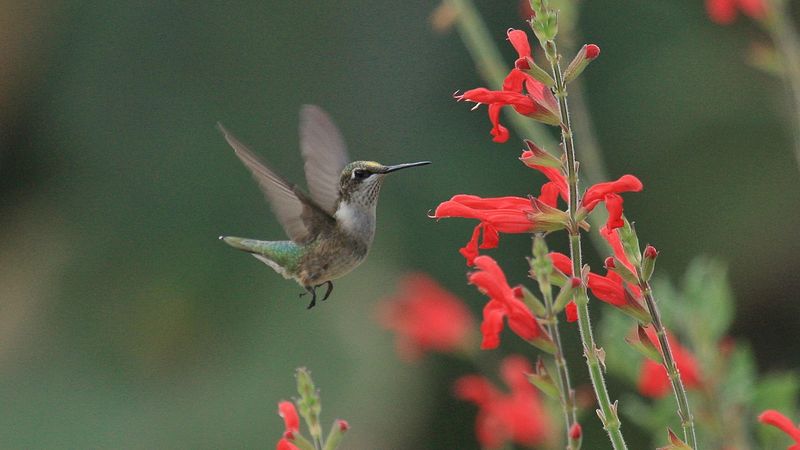
Sugar water fuels hummingbirds, but it does not cover everything they need. The U.S.
Fish and Wildlife Service notes that hummingbirds eat insects and spiders for protein in addition to nectar for energy. A feeder with no surrounding habitat is a less complete resource than a yard that also offers flowering plants, perching spots, and insects.
Native and regionally suitable flowering plants extend the value of your yard considerably. Audubon recommends pairing feeders with native plants and avoiding pesticides that would reduce the insect populations hummingbirds depend on.
Texas Parks and Wildlife connects healthy native plant habitat directly to wildlife support across the state.
Plant choices must match your specific location. For Florida and Gulf Coast gardens, firebush, firespike, and coral honeysuckle are frequently cited as useful options.
Texas Parks and Wildlife highlights plants like Turk’s cap, flame acanthus, and Texas lantana for Central and East Texas yards, while Texas Audubon’s hummingbird guide includes salvia and cardinal flower among productive choices. Drier western Texas gardens require drought-tolerant species that differ from Gulf Coast recommendations, so checking local extension resources for your specific hardiness zone and soil type is worthwhile before planting.
More access means fewer fights—and fewer hazards
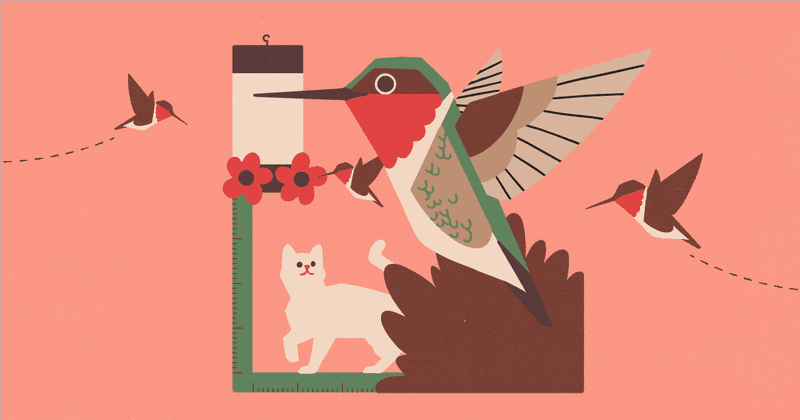
Hummingbirds are famously territorial, and a single feeder during a busy migration period can become a bottleneck where one dominant bird spends more energy chasing rivals than actually feeding. Adding a second or third feeder helps, but placement matters as much as quantity.
UF/IFAS Extension recommends spacing feeders at least 10 feet apart, while Audubon advises positioning feeders far enough apart that birds at one cannot easily see birds at another, which reduces the motivation to guard all of them at once.
A crowded feeding area also brings safety risks that are easy to overlook. Cats are a serious threat to birds that spend time hovering close to the ground or perching at low levels near feeders.
Texas Audubon specifically advises keeping cats indoors and notes that window collisions are another preventable hazard. Feeders hung very close to a window, within a foot or two, or placed well away from glass, more than 15 feet, reduce the likelihood of a bird striking the pane at full speed.
None of these adjustments require a large yard or an elaborate setup. A second feeder on the opposite side of the porch, a cat kept inside during peak feeder hours, and a relocated feeder away from a large window can meaningfully reduce risk during a period when your yard is seeing more traffic than usual.
The simple fall rule
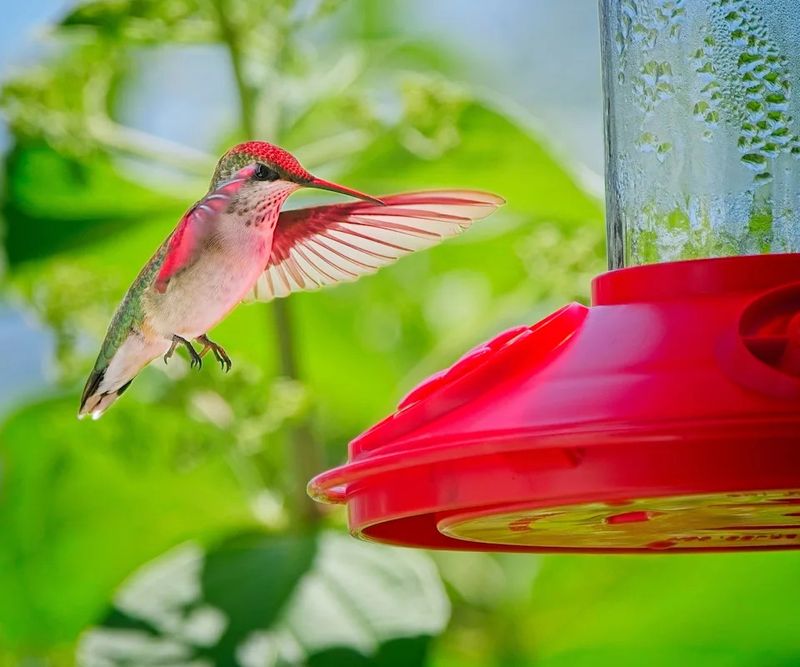
When September brings more hummingbirds to your feeder, treat it as a likely sign of seasonal passage and respond practically. Keep clean one-to-four nectar available as long as birds keep visiting, maintain the flowering plants and insect-friendly habitat around your feeder, and follow local timing guidance when deciding how long to keep things running.
Remember that the final visitors of the season may not be migrants at all. Wildlife authorities agree that feeders support birds without controlling their movements, and a well-maintained yard simply makes the journey a little easier for every individual that passes through.
Your feeder did not start the migration, and not every bird at it is heading south. What it does is offer something genuinely useful to birds that arrived on their own terms and will leave the same way.