
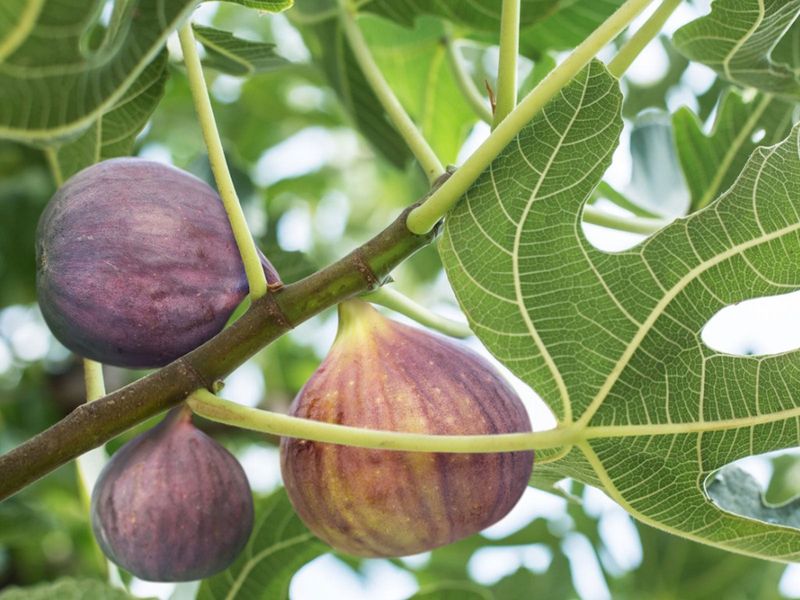
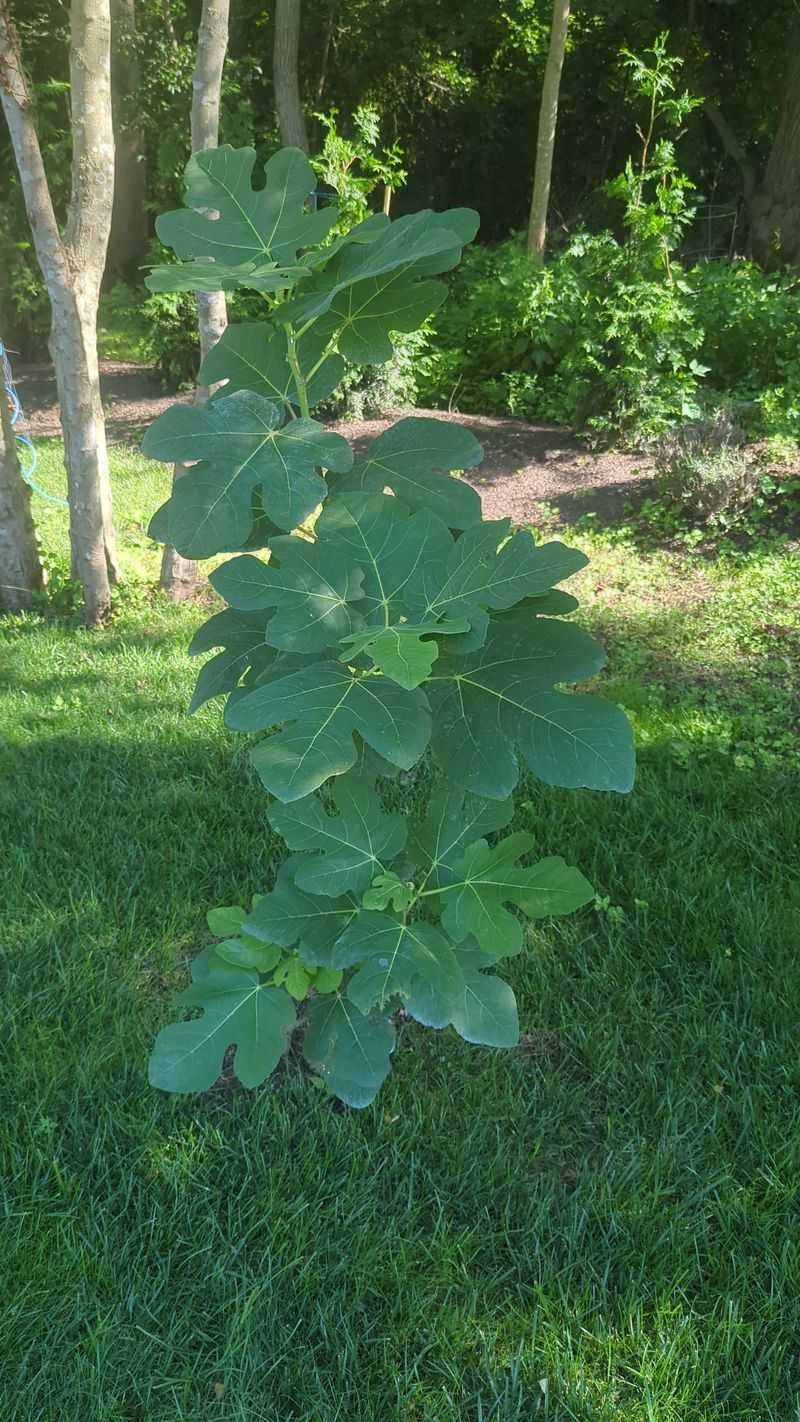
A fig tree that pushes out thick, dark-green branches all season but drops almost no fruit is one of the more frustrating puzzles in a Southern garden. The problem is real, and it has a logical starting point: too much nitrogen can send a tree into overdrive on leaves and shoots at the expense of figs.
That does not mean nitrogen is always the culprit, and fixing it does not guarantee a bumper crop the same season. What it does mean is that you have a practical first step and a checklist of conditions worth examining while you wait for the tree to respond.
Leafy growth points to a problem, not a guaranteed solution
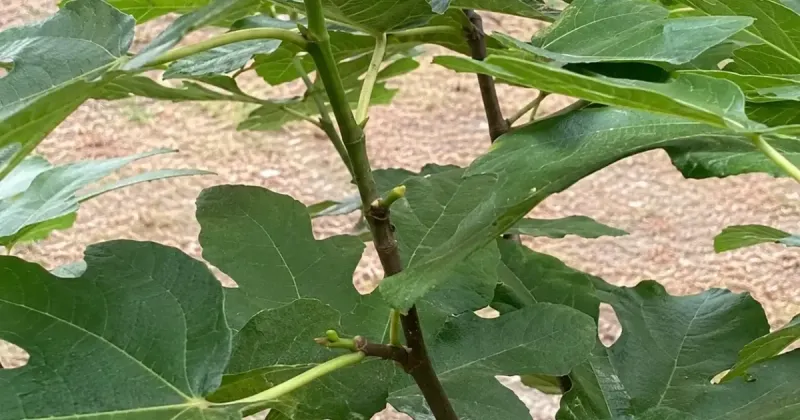
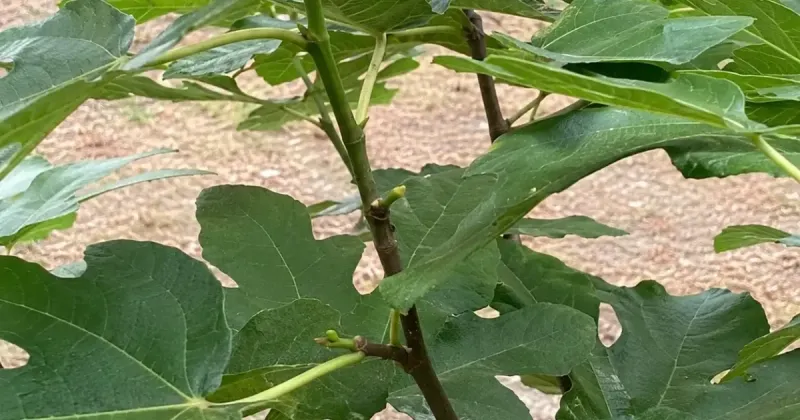
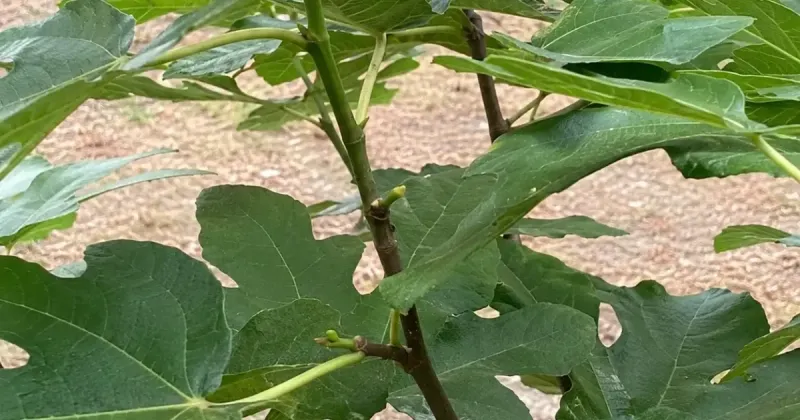
Long, whippy new shoots and a canopy so thick you can barely see daylight through it are classic signs that your fig tree is putting its energy into the wrong place. When that happens alongside a near-empty harvest, UC IPM guidance on fig fruit drop points directly to excessive nitrogen as a leading explanation, noting that heavily fertilized trees produce an abundance of branches and leaves while fruit production falls off.
That pattern makes nitrogen the first thing worth questioning, but it does not close the case.
A fig tree can look identical, leafy and fruitless, for reasons that have nothing to do with fertilizer. Insufficient sunlight, erratic watering, winter injury, a cultivar that needs a pollinator you do not have, a tree that simply has not matured yet, or a pruning cut that removed the fruiting wood can all produce the same complaint.
UGA Extension’s fig production guidance specifically flags young, vigorous, and over-fertilized plants as prone to dropping fruit before it matures, which puts age and feeding history together as a combined risk factor.
Treating leafy growth as a symptom rather than a diagnosis keeps you from making a change that sounds logical but misses the actual problem. The sections that follow walk through nitrogen first, then light, moisture, tree age, cultivar, pollination, and pruning history, because any one of those factors, or a combination of them, could be what stands between your tree and a real harvest.
Stop unnecessary nitrogen-heavy feeding first
Before you reach for a different fertilizer product, take stock of what you have already applied. Lawn fertilizer spread near the tree’s root zone, repeated manure dressings, fish-emulsion treatments, or general growth boosters can all push nitrogen levels well past what a fig tree needs.
UC IPM recommends fertilizing figs sparingly and stopping altogether when growth is already excessively vigorous, because more feeding at that point makes the imbalance worse rather than better.
Some gardeners assume the answer is to swap a nitrogen-heavy product for a high-phosphorus bloom booster. The sources reviewed here do not support that swap as a general remedy.
Phosphorus needs, like all nutrient needs, depend on what is already in your soil, the age and size of the tree, whether it is growing in the ground or a container, and local conditions. A soil test through your county Extension office gives you actual numbers to work from rather than a guess.
UGA Extension’s home garden fig resource and NC State Extension’s fig overview both emphasize that excess nitrogen is the problem to correct, not a deficiency of another nutrient to compensate for.
The goal right now is moderate, balanced growth, not an immediate fig harvest. Stopping unnecessary nitrogen lets the tree redirect energy over the current growing season, but results vary with cultivar, site, and how long the overfeeding has been going on.
Alabama Extension’s fig production guide reinforces that fertilizer applications should be guided by observed growth and soil conditions rather than a fixed schedule, which is practical advice worth following before you add anything new.
Check sunlight and moisture before changing anything else
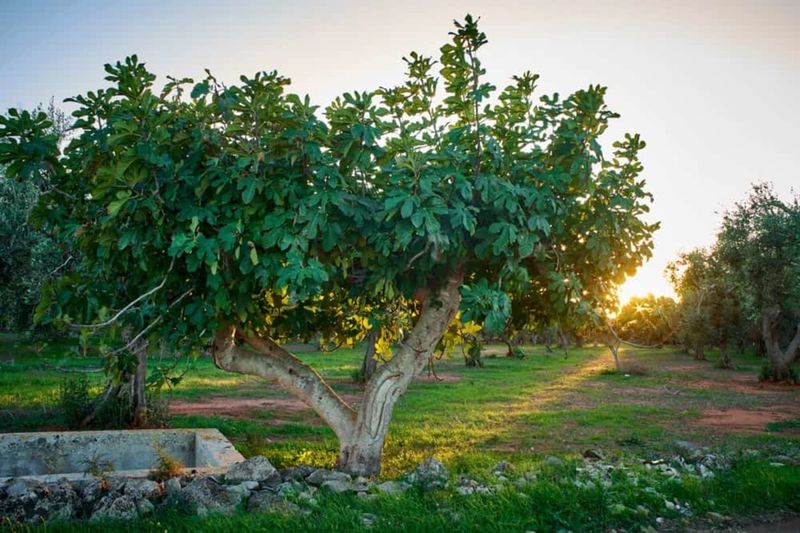
Even a fig tree that has never seen an extra handful of fertilizer can sit fruitless year after year if the site is wrong. Southern Extension sources generally recommend about eight hours of direct sunlight daily for reliable production, and that number matters more than most gardeners expect.
Alabama Extension’s fig production guide lists full sun as a basic requirement, and it is worth walking around the tree at different times of day to see how much shade nearby trees, fences, or buildings now cast, especially if those structures have grown or changed since the fig was planted.
Water management is equally consequential during the months when fruit should be developing. Drought stress can reduce yields and push the tree to drop developing figs before they ripen, while constantly saturated soil creates a different set of problems for root health and overall vigor.
UC IPM’s cultural tips for growing figs and Texas A&M’s fig production publication both point to consistent, deep watering around the drip line as the practical target, with the goal of keeping moisture even rather than swinging between soaking and drought.
These checks belong alongside the nitrogen correction, not after it. A tree with inadequate sun and erratic moisture may still underperform even if you stop every nitrogen input tomorrow.
UC IPM’s fig drop resource lists shade and water stress among the recognized contributors to poor fruit set, which confirms that site assessment is part of the same diagnostic process, not a separate problem for later.
A young tree or cultivar mismatch may explain the crop
Not every fruitless fig is a fertilizer failure. Some trees are simply not old enough yet.
UC IPM notes that fig trees generally begin fruiting after at least two years, but some may take as long as six years to reach full productive maturity depending on the cultivar, growing conditions, and whether the tree experienced setbacks like winter injury or transplant stress. Many Southern gardeners see their first real crop in the second or third year, but patience is part of the equation when a tree is still establishing itself.
Cultivar identity matters just as much as age. Common figs, the type most widely planted in home gardens, set fruit without pollination because the fruit develops without fertilization, a process called parthenocarpy.
Smyrna figs and some San Pedro types work differently: they require pollination by a specific fig wasp to develop a usable crop, and where that wasp is absent, the tree simply will not fruit reliably regardless of how well you manage everything else. UF/IFAS recommends common-type cultivars such as Celeste, Brown Turkey, and Ischia for Florida gardens specifically because of pollination limitations in that region.
Florida recommendations reflect local realities and do not transfer automatically to every Southern location. Texas gardens face different winter injury risks, different soil conditions, and different microclimates that affect which cultivars perform consistently.
UF/IFAS gardening solutions guidance on figs and University of Maryland Extension’s fig resource both emphasize matching cultivar to site and climate as a foundational step, so confirming what you actually have planted is worth a conversation with the nursery or a local Extension agent before assuming the problem is purely cultural.
Treat pruning as a limited management tool
Pruning carries a specific appeal when a tree is not performing: it feels decisive and corrective. The reality with figs is more complicated.
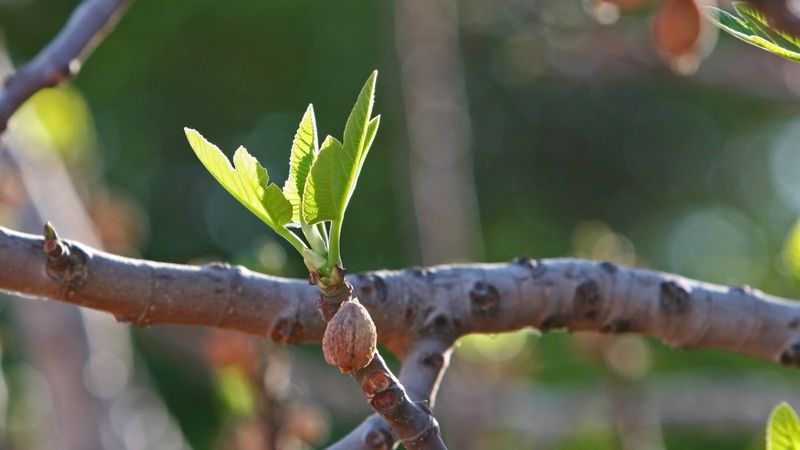
UF/IFAS guidance on figs makes the point plainly, noting that figs generally do not require pruning to be productive and that heavy or poorly timed cuts can remove the wood that was going to carry the next crop. A hard winter haircut, applied with good intentions, can set back fruit production rather than improve it.
When pruning is genuinely needed, such as to manage the tree’s size, open up light penetration, or remove dead or crossing branches, timing matters. UF/IFAS recommends pruning after harvest or in late summer when pruning is necessary, which protects the wood that will carry the following season’s fruit.
The breba crop, an early season flush that some cultivars produce on older wood, and the main crop, which develops on current-season growth, respond differently to pruning. Ask Extension’s fig resource explains that a pruning approach designed to encourage one crop can reduce the other, so the right strategy depends on which crop your cultivar produces and which one you want to prioritize.
Tip pinching or heading cuts are sometimes mentioned as a way to encourage lateral branching and more fruiting sites. A study referenced in research on apical bud pinching in figs reported more fruit per plant after pinching, but the same study found delayed fruiting and smaller average fruit size, and its greenhouse conditions and specific cultivars may not represent what happens in a Southern home garden.
University of Maryland Extension discusses heading as a technique some growers use, but frames it as a cultivar- and timing-dependent option rather than a universal trigger for heavier crops. Treat any pinching or heading as an experiment worth trying carefully, not a reliable fix.
Use the next growing season to test the diagnosis
Turning this diagnosis into something useful means treating the next growing season as a deliberate test rather than hoping for a different outcome. Start by writing down everything you have applied to the tree or the surrounding lawn in the past year, including fertilizer products, compost, manure, and any growth boosters.
Then stop the nitrogen-heavy inputs and hold off on adding new products while you observe how the tree responds. UC IPM’s fig drop resource and UC IPM’s cultural growing tips both support this kind of deliberate pause as part of managing a tree that is already growing too vigorously.
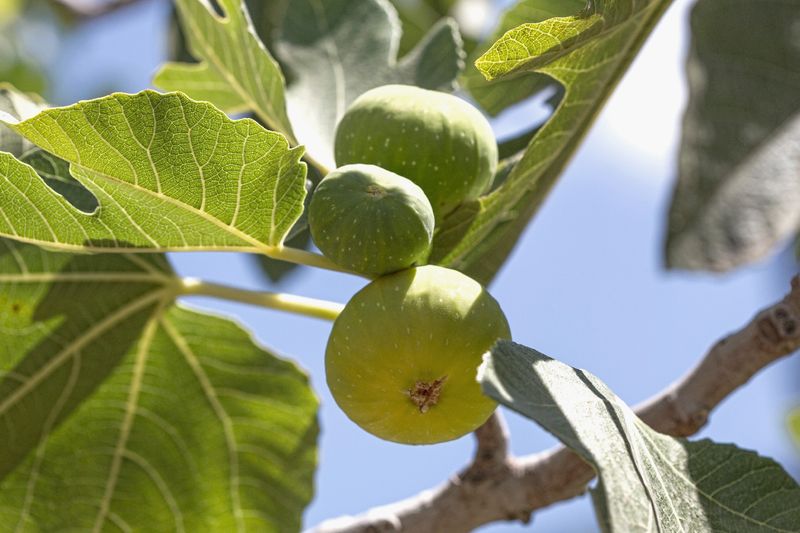
Confirm sun exposure during the season when fruit should be forming, stabilize your watering routine, and note the tree’s age and cultivar if you know it. Then watch two specific things: whether new shoot growth becomes less extreme compared to previous seasons, and whether small figs form and stay on the tree rather than dropping early.
Reacting to every imperfect week with a new product or a drastic cut makes it harder to understand what actually changed. UF/IFAS Miami-Dade’s fruit tree resource reinforces the value of checking multiple variables before escalating to more intensive interventions.
If the tree still fails to set or hold fruit after a full season of corrected conditions, the problem likely sits somewhere else: cultivar suitability, winter injury that damaged fruiting wood, a pruning history that removed productive branches, unmet pollination requirements, or fruit drop that happens before you notice it. UGA Extension’s home garden fig guidance and your local Extension office are the right next resource when the basic corrections do not move the needle.
Make the first correction, then give the tree time
When a fig tree is vigorous, leafy, and barely fruiting, stopping unnecessary nitrogen-heavy feeding is the best-supported first correction. UC IPM’s fig drop guidance identifies excess nitrogen as a direct contributor to the exact pattern most frustrated Southern fig growers describe, which makes reducing it the most defensible place to start.
From there, confirm that the tree has adequate sun, consistent moisture, and a cultivar suited to your site and pollination conditions.
Moderating growth gives the tree a better chance to shift energy toward fruit, but it does not guarantee a heavy harvest on any particular schedule. UF/IFAS guidance reminds growers that fruiting depends on cultivar biology, site conditions, and time, not a single corrective action.
A fig tree that has been fed heavily for several seasons may take more than one growing cycle to rebalance. The most useful mindset is not waiting for one move to load the tree up, but building the right conditions and letting the tree respond at its own pace.