
Leyland cypress grows fast and blocks the neighbors, but it packs dry, resin-rich needles that can act like kindling during fire season. In much of California, that is a risk many homeowners plant without realizing it.
The good news is that several trees and large shrubs can give you privacy, feed birds and bees, and handle long dry summers with less fire fuel. Here are seven smarter picks for a living screen that works with the California climate instead of against it.
1. Toyon
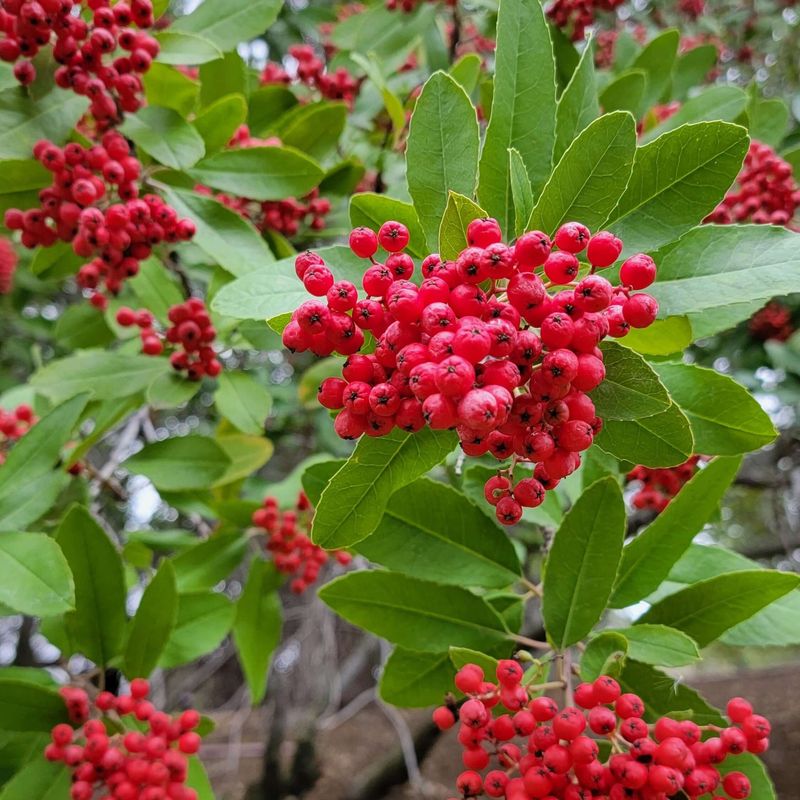
Hollywood is said to be named after this shrub, the so-called California holly that brightens canyons every winter with red berries. Toyon is a native evergreen that can grow 8 to 15 feet tall and fill out into a thick, leafy wall.
Birds like robins and cedar waxwings flock to the fruit, so your screen can double as a winter feeder.
The leaves are broad and leathery rather than needle-like, and they tend to hold more moisture than resinous conifers. Once established, toyon usually needs only occasional deep summer watering.
Keep the lower branches trimmed and clear out dead wood to keep it a lower-risk choice near the house.
Plant it in fall so winter rains can help roots settle. It handles full sun to part shade and tolerates clay, which many inland valley yards have.
2. Catalina Cherry
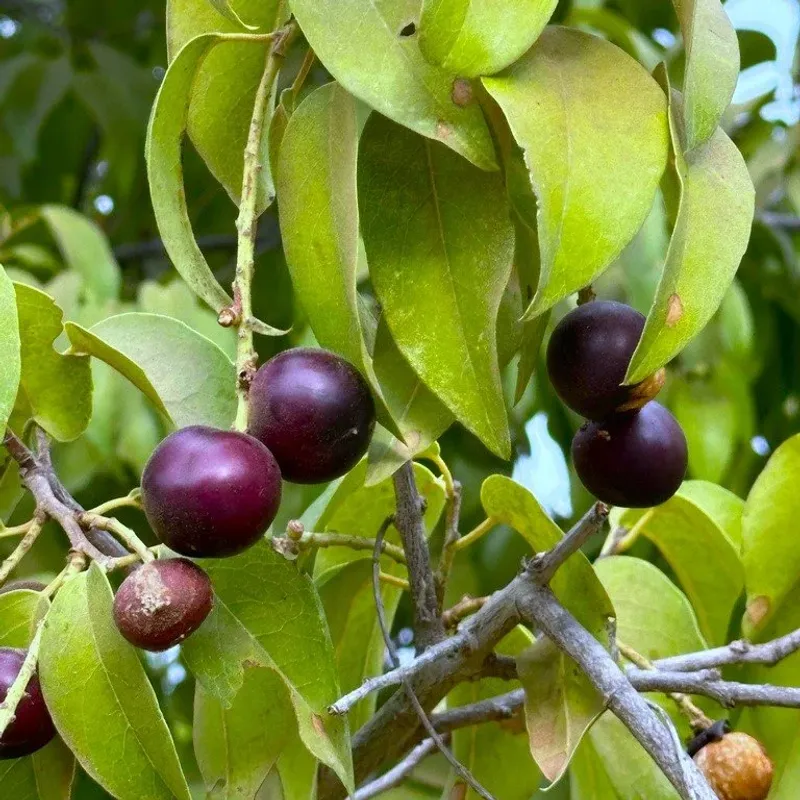
Picture glossy, holly-like leaves, creamy spring flower spikes, and dark cherries that birds adore. Catalina cherry comes from the Channel Islands and can reach 20 to 30 feet, making it one of the best tall native screens for larger lots.
Its foliage stays green and relatively moist through summer with modest water. Planted 10 to 15 feet apart, a row can merge into a tall, solid barrier within several years.
Many fire-wise plant lists rate it as a better option than junipers or cypress, though no plant is fully fireproof.
One heads-up: fallen fruit can be messy near patios. Plant it along a back property line where the drop feeds wildlife instead of staining pavers.
3. Western Redbud
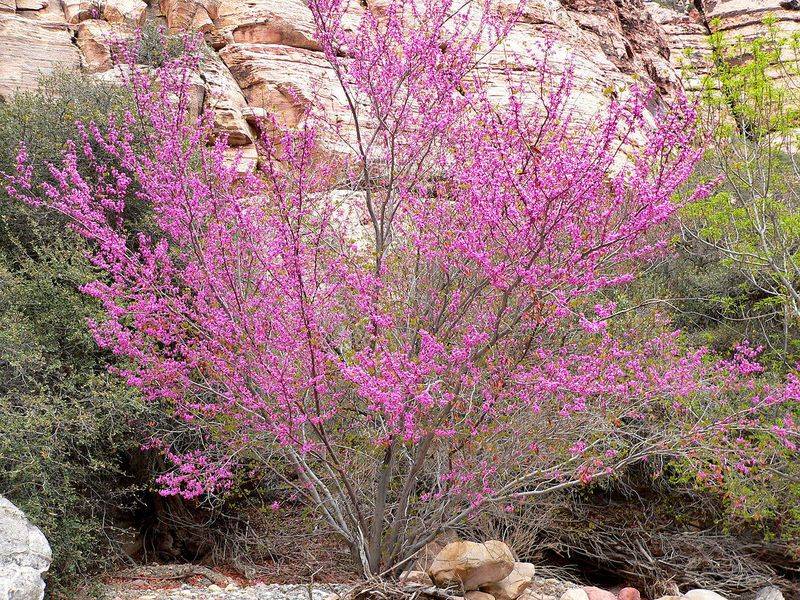
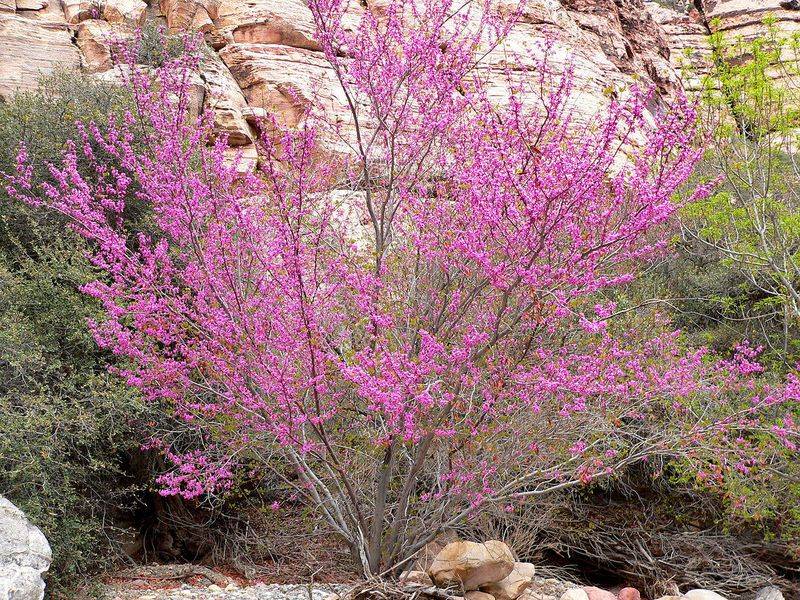
Spring arrives in a magenta burst when western redbud blooms on bare branches. Native bees swarm the flowers, and the heart-shaped leaves that follow create a soft, airy screen through summer.
Redbud is deciduous, so it works best as a seasonal screen or as part of a mixed planting. That leaf drop is actually a fire-season plus, since it carries less dense, oily foliage than a cypress hedge.
Rake fallen leaves away from structures in autumn.
Topping out around 10 to 20 feet, it fits small suburban yards. It thrives in hot inland areas and needs little summer water once rooted.
4. Coffeeberry
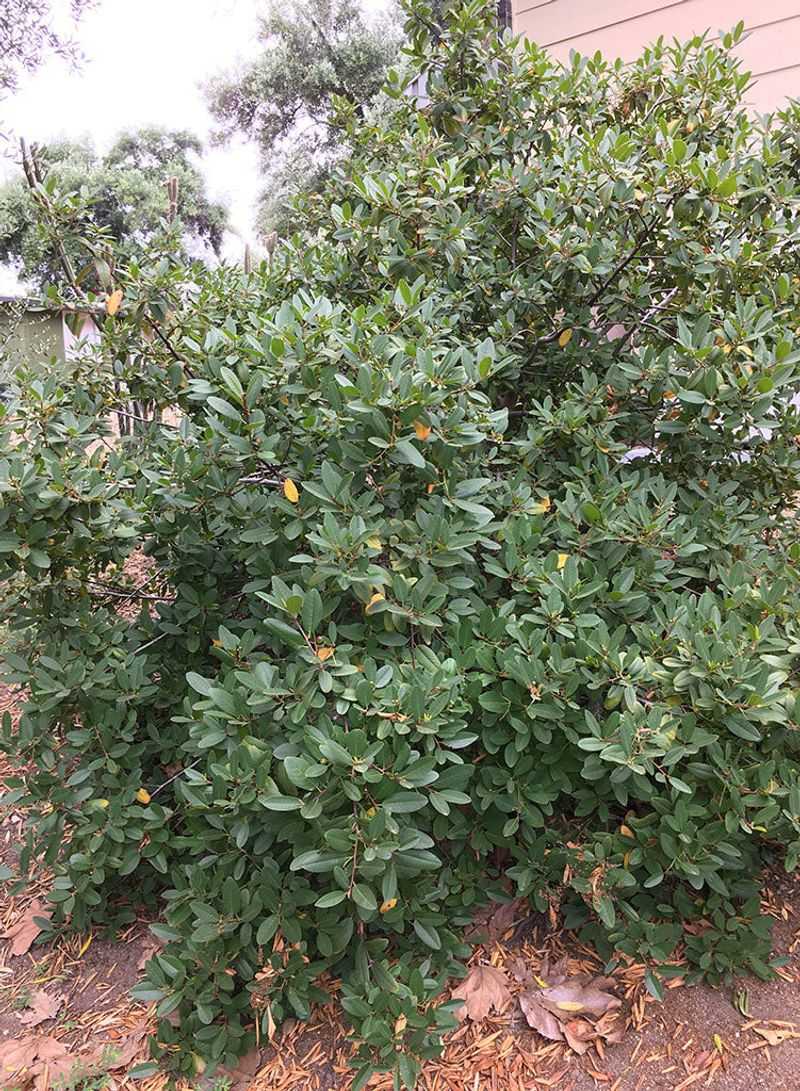
Need privacy at eye level rather than skyscraper height? Coffeeberry delivers a tidy evergreen screen of 6 to 12 feet, depending on the variety.
Cultivars like Eve Case stay compact and full without constant shearing.
The small flowers are a favorite of native bees, and the berries ripen from red to nearly black for birds in late summer. Leaves stay fairly supple, and the plant tolerates sun, shade, clay, and coastal fog.
Give it deep, infrequent water the first two summers, then ease off. Because it stays moderate in size, it suits zones a bit closer to the home, as long as you keep spacing and cleanup in mind under your local defensible-space rules.
5. Lemonade Berry
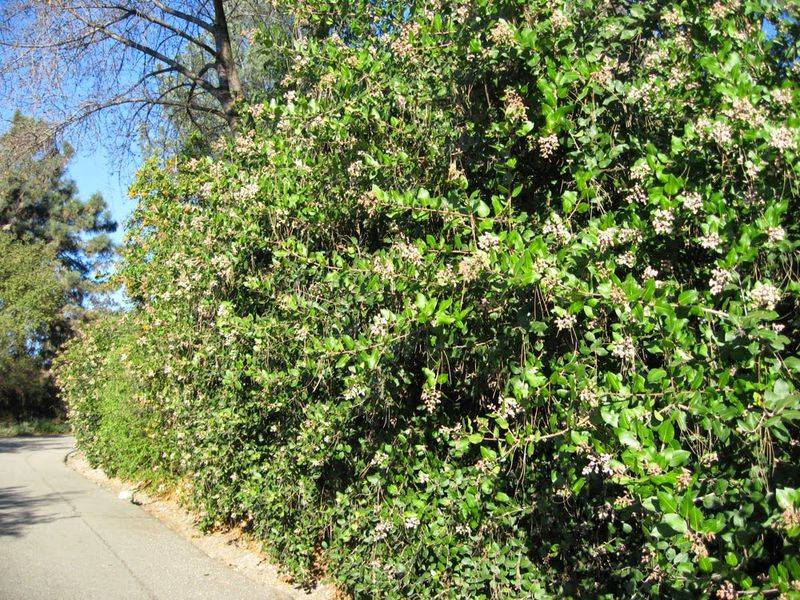
Early Californians soaked the sticky, tart fruit of this shrub to make a lemony drink, which is how it earned its name. Today lemonade berry is prized along the coast as a sturdy, wind-tolerant evergreen screen.
Thick, waxy leaves help it hold moisture through dry months, and it can grow 6 to 10 feet tall and wide. Pink spring flowers bring pollinators, and it can help hold soil on slopes.
It prefers coastal and southern areas with good drainage and almost no summer water once established. Avoid overwatering, which can shorten its life.
6. Pacific Wax Myrtle
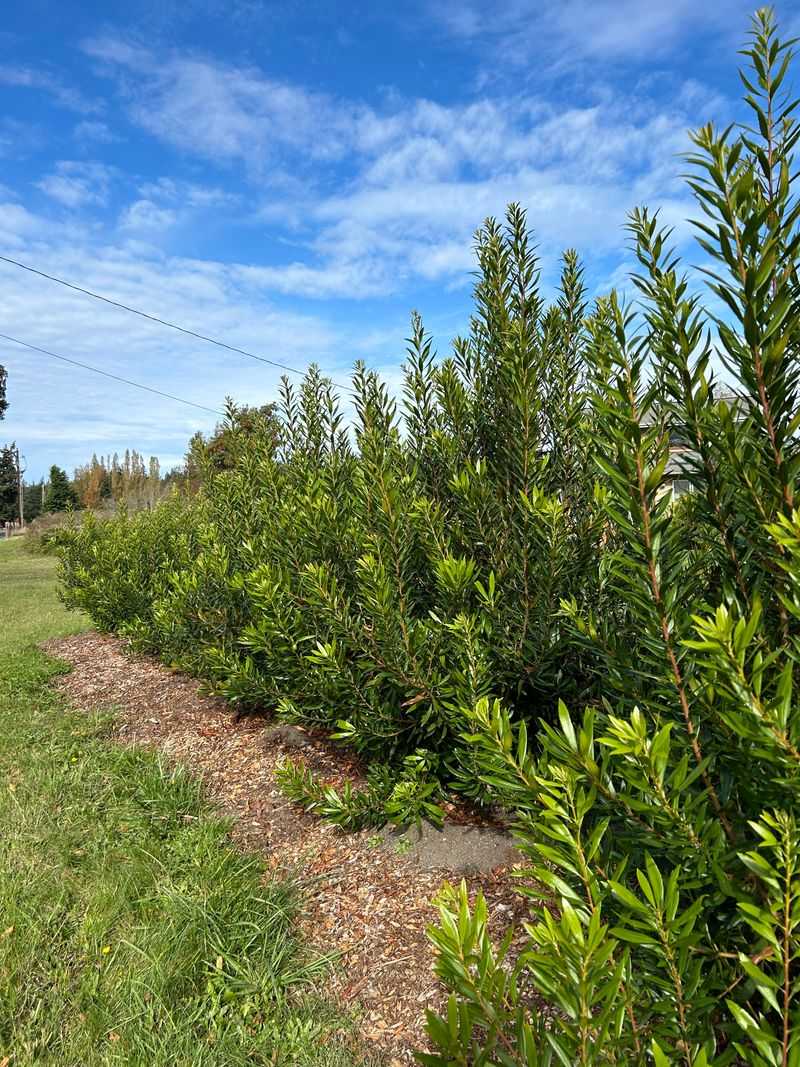
For gardeners in foggy Northern California or coastal towns, Pacific wax myrtle is a quiet workhorse. It forms a dense, fine-textured hedge that can be sheared formally or left loose, reaching 10 to 20 feet or more.
Birds use it for cover and eat the small waxy berries. It also fixes nitrogen with help from root partners, so it rarely needs fertilizer.
Do keep fire risk in perspective, since the leaves contain some aromatic compounds. It is best used with regular light irrigation, cleaned of dead interior growth, and placed farther from the house in high-risk areas.
7. Hollyleaf Cherry
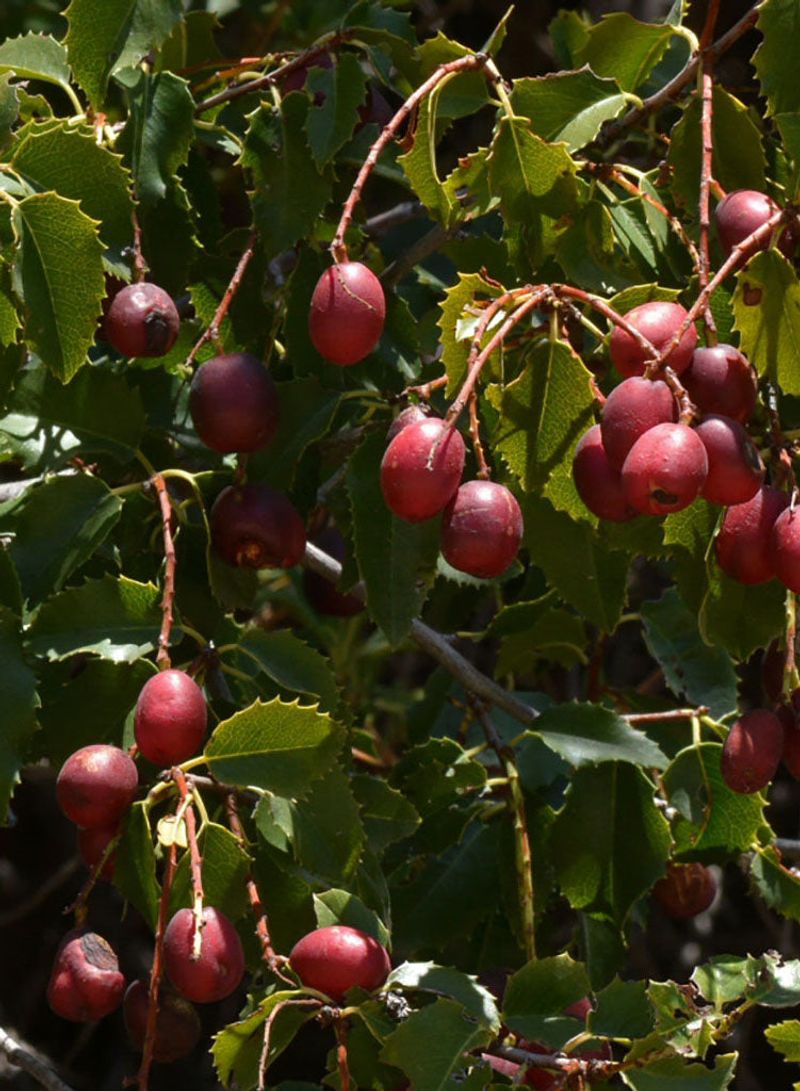
Think of hollyleaf cherry as the tougher, more compact cousin of Catalina cherry. Native to chaparral foothills, it handles hot inland heat and poor soils that would stress many hedge plants.
Spiny-edged leaves make it a natural barrier against foot traffic, while spring flowers support native bees and summer fruit feeds birds. Expect 8 to 15 feet in height with slow to moderate growth.
It is a strong pick for hillside lots in the wildland interface, especially when spaced out and kept free of dead material. Pair it with toyon or coffeeberry for a mixed screen that blooms and fruits across seasons.