
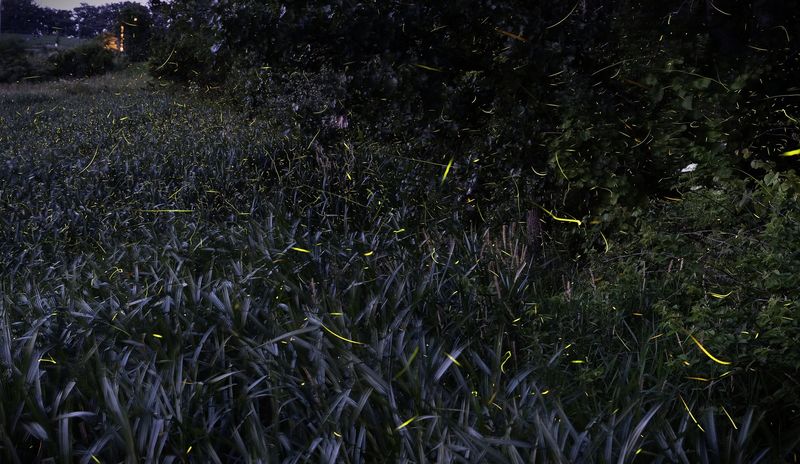
That dim strip of ground along a Texas fence line is easy to ignore, yet it might be the best spot for a tough native grass. Inland sea oats can fill shady, damp corners where other plants struggle.
Fireflies are often part of the reason gardeners ask about it. Here is what this grass can do, what it cannot promise, and how to build a better evening yard around it.
Why inland sea oats fits a shady Texas fence line
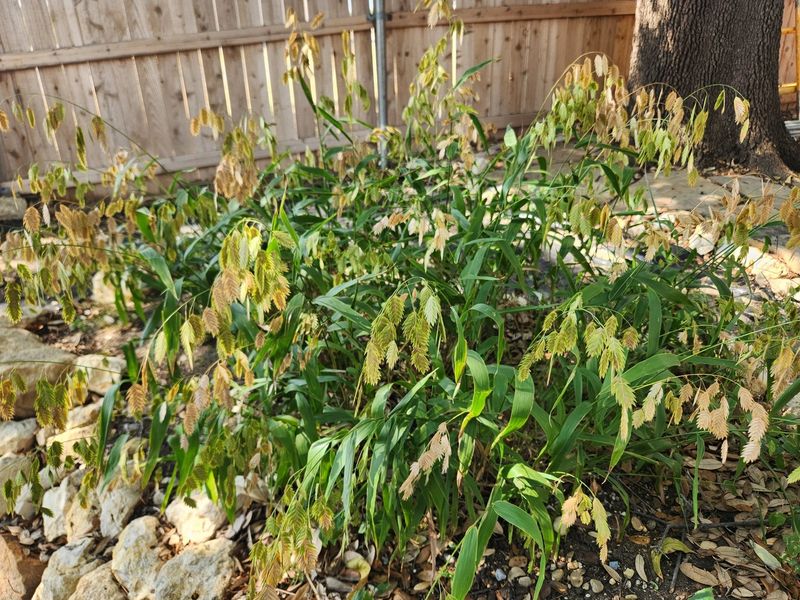
Inland sea oats (Chasmanthium latifolium) is a native grass, and in Texas it is listed as native to the Blackland Prairie and Edwards Plateau. That makes it a familiar plant in woodland edges and creek-side spots across parts of the state.
If your fence line sits under trees or on the north side of a house, it is a candidate worth a close look.
It grows about 2 to 4 feet tall, according to the City of Austin plant guide, with arching stems and flat, dangling seed heads that rustle in a breeze. The same guide describes it as a shade plant that likes moist areas and notes that it can spread 3 feet or more.
That spread matters when you are planning a narrow bed against a fence.
USDA plant fact sheet information says it grows in moderate or greater shade and across a range of sites, from moist to well-drained. It also warns that the plant can become aggressive if it is not managed.
So it is a good match for a patch of shade you are happy to fill, and a poor match for a tiny bed you want to keep tidy without effort.
Before buying, check your own spot. Watch how many hours of sun reach the fence line in summer, and think about how much room you can give the grass.
Performance also varies from one region and yard to the next, so do not assume it will act the same everywhere in Texas.
Match the planting site to its moisture needs
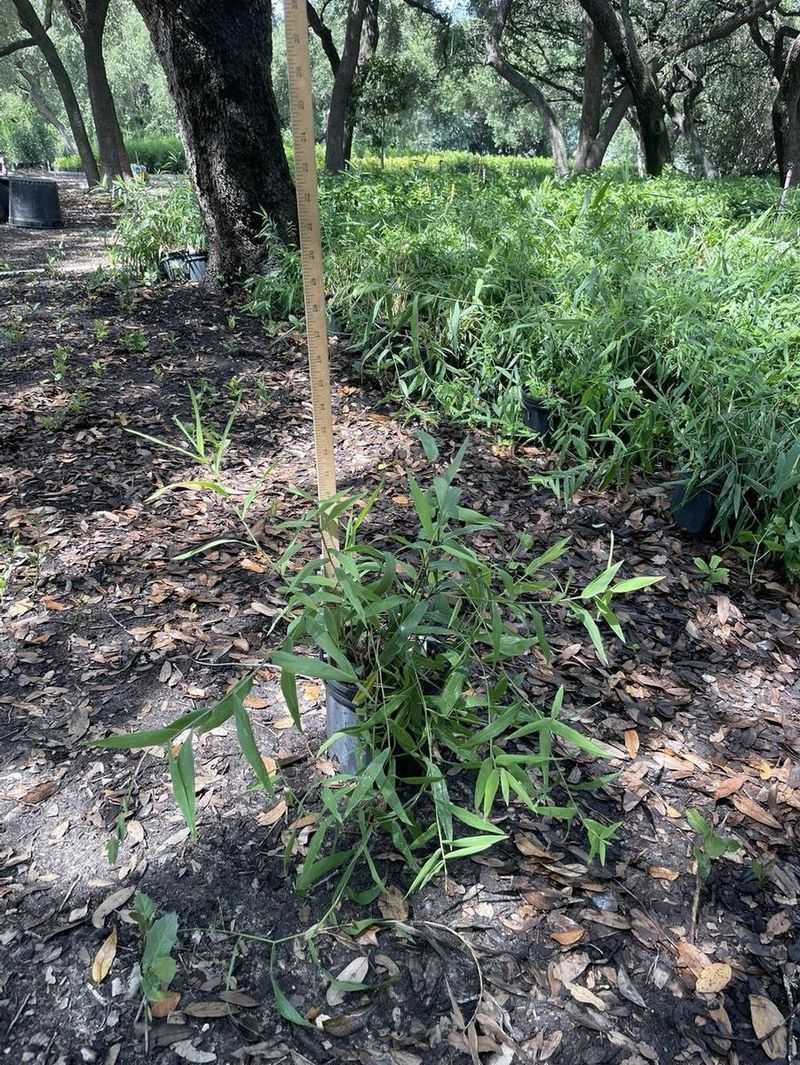
Sources describe this grass a few different ways, and they fit together better than they first seem. Austin lists medium water needs and a preference for moist areas.
USDA describes a range from moist to well-drained soil, and it is not suited to droughty sites. Put together, that points to ground that stays evenly moist or drains well but does not bake dry.
Damp does not mean soggy. Standing water is not what this plant needs, and a low spot that stays flooded for days is a poor choice.
A good test is to dig a hole about a foot deep after a soaking rain. If the water drains within several hours and the soil below still feels cool and slightly moist a few days later, you are in good shape.
Spots that tend to work include the north side of a fence, the edge of a downspout runoff area that drains well, and the shade under mature trees where soil has been enriched by years of leaf fall. Dry, sandy, root-choked ground under a big live oak in July is a harder call.
Texas Tech’s profile lists partial shade, adaptable soil, heat tolerance, and low water requirements, so established plants can be forgiving, though young ones need steady water.
For spacing, USDA suggests setting ornamental plants 2 to 3 feet apart. Closer spacing fills in faster but gives you more to thin later.
Every yard is different, so start with a few plants and watch how they do through the first hot summer.
Plan for reseeding and seasonal cutbacks
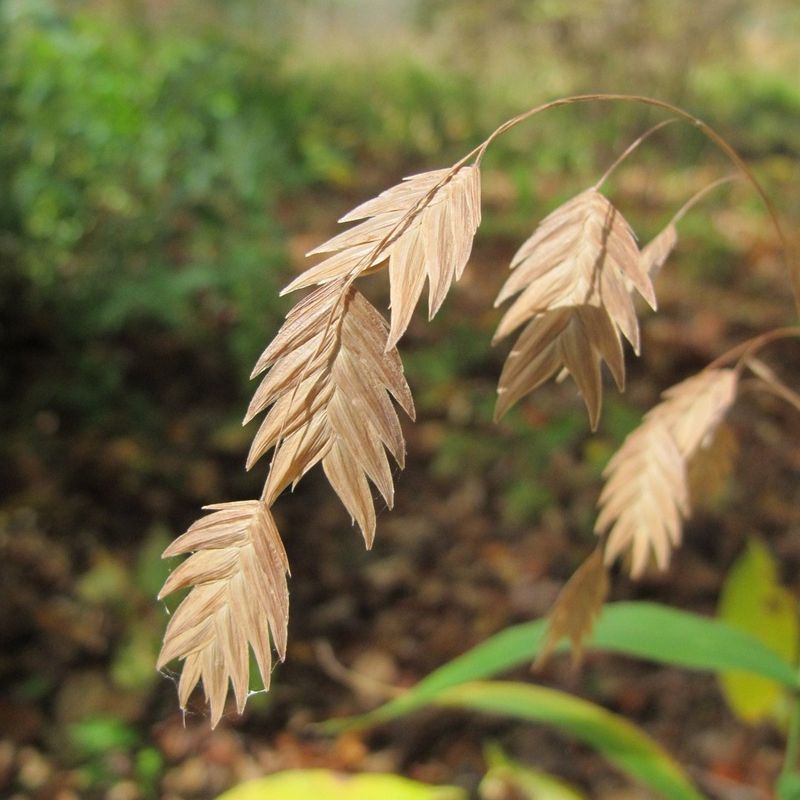
Low-maintenance is the fair way to describe inland sea oats, but maintenance-free is not. Texas Tech notes that it self-sows, and Austin’s guide says it reseeds easily.
Those seed heads that look so pretty in late summer drop seed, and a patch can creep outward year after year.
You have two simple choices. Leave generous room so the grass can wander, or pull unwanted seedlings in spring while they are small and easy to lift.
Seedlings that pop up in a lawn, a path, or a neighbor’s bed are the usual trouble spots. USDA warns it may become aggressive if not managed, so a few minutes of weeding each year beats a big cleanup later.
Cutting back is optional and the sources differ on timing. The Austin guide recommends a winter cutback.
Texas Tech says to cut it near the ground if it looks rough in autumn. Neither is a rule you must follow.
If the foliage looks tired, trim it. If it looks fine, you can leave it.
If you want to help wildlife, there is a middle path. Cut back only part of the patch, or wait until late winter, and let the clippings drop to the ground nearby as light ground cover instead of bagging everything.
Wear gloves, since dry stems can be scratchy, and watch for seed heads you would rather not spread before you cut.
Do fireflies have a special connection to sea oats?
No research shows that inland sea oats attracts fireflies, that fireflies prefer it, or that it increases their numbers. General advice to plant native, varied vegetation does not point to one special grass.
So a promise that sea oats will fill your yard with flashes is not something anyone can back up.
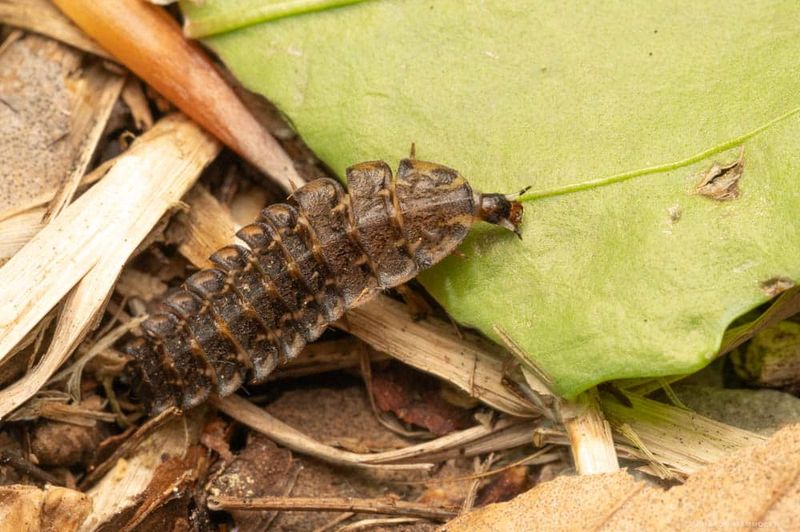
What we do know about fireflies is more about the ground than the grass. Firefly Atlas life history information explains that much of a firefly’s life is spent as eggs, larvae, and pupae.
Those stages live in soil, leaf litter, or rotting wood, and the larvae are often predators that hunt small prey such as snails and worms. Development can take months to years.
Adults are the part we see at dusk. Some species rest or perch on low vegetation during the day, and grasses and other plants can give them cover, as the University of Georgia Extension guide describes.
But species differ. Not all fireflies share the same habits, and it would be wrong to say they spend their days in sea oats.
So think of the grass as ground cover that may offer shelter, not as a lure. Its real benefit is that it fills a shady, moist corner with living plants rather than bare dirt.
What matters more, according to the Firefly Atlas FAQ, is what happens in the surrounding yard.
Build a more complete firefly-friendly fence-line edge
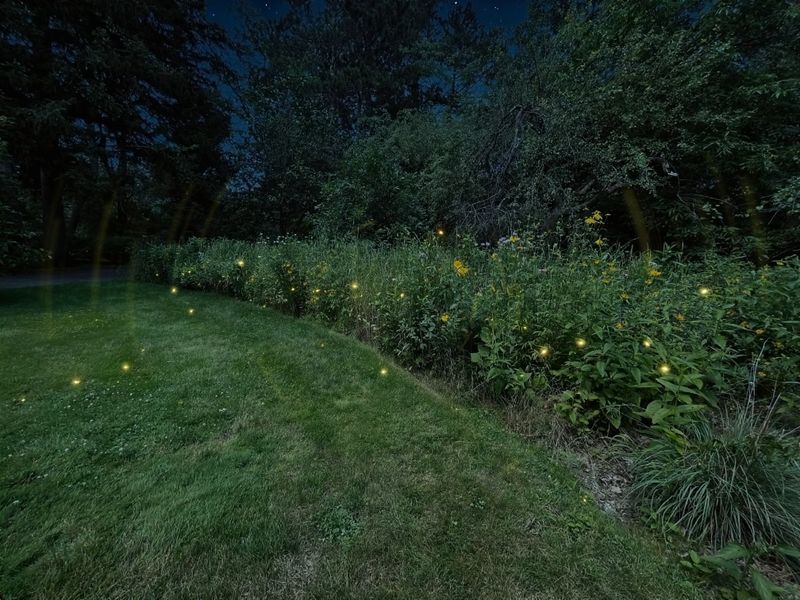
Habitat for fireflies is a package, and the grass is only one piece. Start at ground level.
Leave some leaf debris under and beside the plants instead of raking the bed bare, since firefly eggs, larvae, and pupae use soil, leaf litter, and rotting wood. A strip of unmowed vegetation along the fence adds more cover.
Next, think about sprays. Firefly-specific pesticide research is limited, but the Xerces Society reports that studies show some commonly used insecticides can cause harm.
That is a good reason to skip routine yard spraying where you can, and to avoid treating the fence line for mosquitoes without a clear need. If you must treat a problem, target it narrowly and read the label.
Then look at your lights. The Firefly Atlas FAQ includes reducing unnecessary outdoor lighting among its habitat suggestions, since bright lights can interfere with the flashing of adults.
Try turning off decorative lights at bedtime, aiming fixtures downward, and using motion sensors for security lights.
None of these steps is a guarantee. They are general habits that make a yard less hostile to many insects, and they do not depend on which grass you plant.
Combined with a shaded, moist bed of sea oats, they give a fence line a fair shot at being useful habitat.
Let the whole yard set expectations
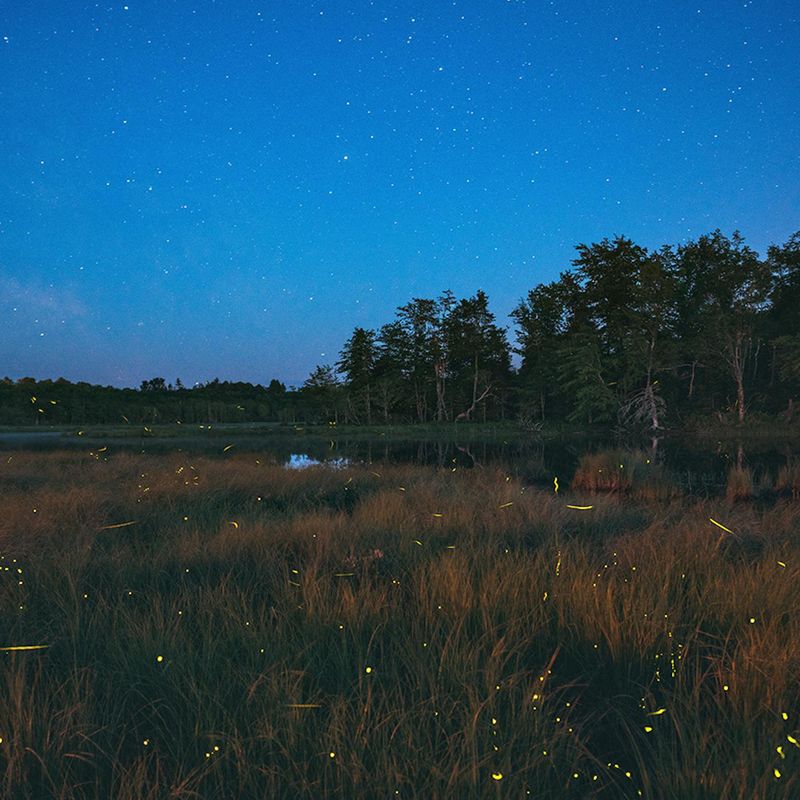
Plant inland sea oats where the shade and moisture suit it, give it room, and keep some leaf litter and unmowed ground nearby. That is a sound plan for a Texas fence line whether or not a single firefly shows up.
It is a practical garden choice with uncertain effects on sightings.
Local conditions play a big part. The citizen-science study by Evans and colleagues found links between weather and adult firefly numbers, though the effects were small.
Nearby populations, soil, and light all matter too. Data on long-term trends are also limited, so there is no basis to say fireflies are falling everywhere or that a grass patch can reverse a decline.
Plant it, watch the dusk, and keep notes from year to year.