
Fall is the secret planting season in California, and berry bushes love it. When you plant now, winter rains help the roots grow strong before the hot, dry summer shows up.
That head start can mean real fruit on your bushes by next June or July. Here are seven berry bushes that handle California weather, save water, and feed both you and the local birds and bees.
1. Southern Highbush Blueberry
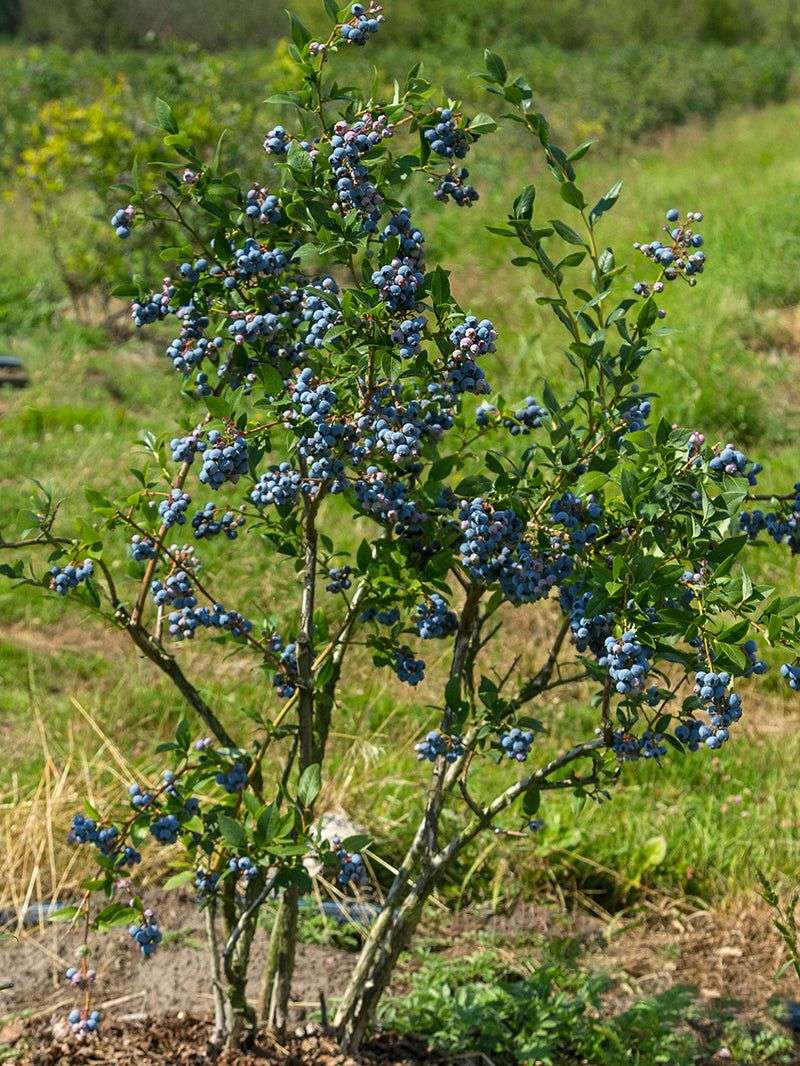
Picture walking out the back door in June and grabbing a handful of blueberries for breakfast. Low-chill varieties like ‘Misty’, ‘Sunshine Blue’, and ‘Southmoon’ make that possible even in mild coastal and inland valley yards.
They need far fewer cold hours than the old northern types.
Plant them in fall so winter rain settles the roots. Blueberries want acidic soil, so many California gardeners use a raised bed or a large pot filled with an acid mix and pine bark mulch.
Tap water in much of the state is alkaline, which may slowly raise soil pH, so an occasional acidifying feed can help.
Spring flowers pull in native bumblebees, which are excellent blueberry pollinators. A young bush from a nursery can often give a modest first crop the following summer.
Planting two varieties side by side tends to boost fruit size and yield.
2. Thornless Blackberry
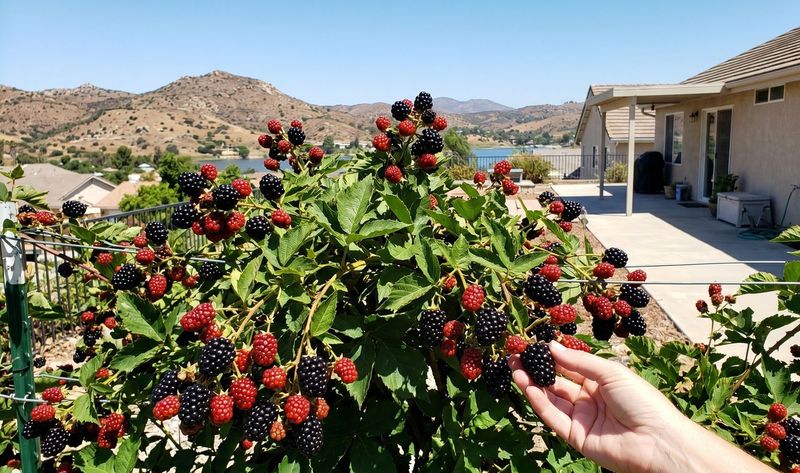
Old-timers remember wrestling wild blackberry thickets and coming home scratched up. Thornless varieties like ‘Triple Crown’, ‘Chester’, and ‘Navaho’ end that fight.
You get big, sweet berries without the bloodshed.
Blackberries fruit on canes that grew the year before. Plant bare-root or potted canes in fall, and the strong ones can bear a crop next summer.
A simple two-wire trellis along a fence keeps them tidy and easy to pick.
Once rooted, they handle heat well, though deep weekly watering during fruiting keeps berries plump. Drip irrigation under mulch can cut water waste.
One word of caution: avoid planting the invasive Himalayan blackberry. It spreads into creeks and crowds out native plants, so stick with named, well-behaved garden varieties.
3. California Blackberry (Rubus ursinus)
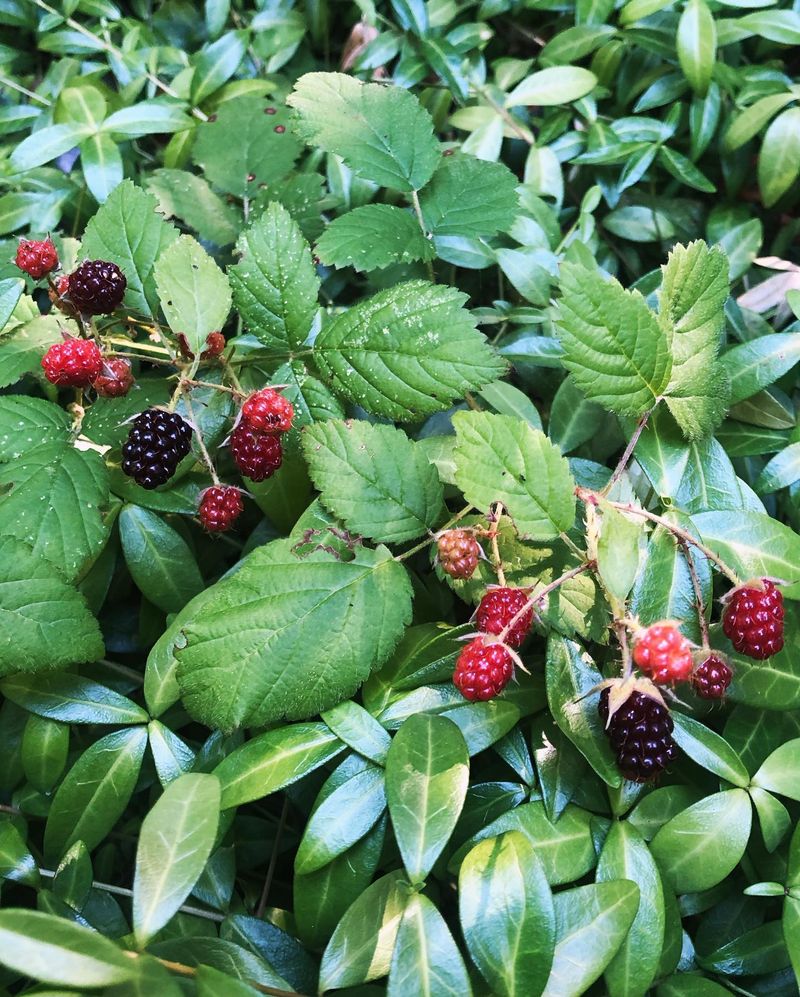
Long before nurseries sold berries, this native vine was feeding Californians. Rubus ursinus grows wild from San Diego to the Oregon border.
Its berries are smaller than garden types but pack an intense, tart-sweet flavor.
Here is the real reason to plant it: wildlife depends on it. Native bees work the white spring blossoms, and birds like towhees and thrashers shelter in the tangles and eat the fruit.
If you want a yard that actually supports local creatures, this vine pulls its weight.
Fall planting fits its natural rhythm perfectly. It wakes up with winter rain and can fruit in late spring.
Give it a back corner or slope where it can ramble, and it may get by on little summer water once established.
4. Everbearing Raspberry
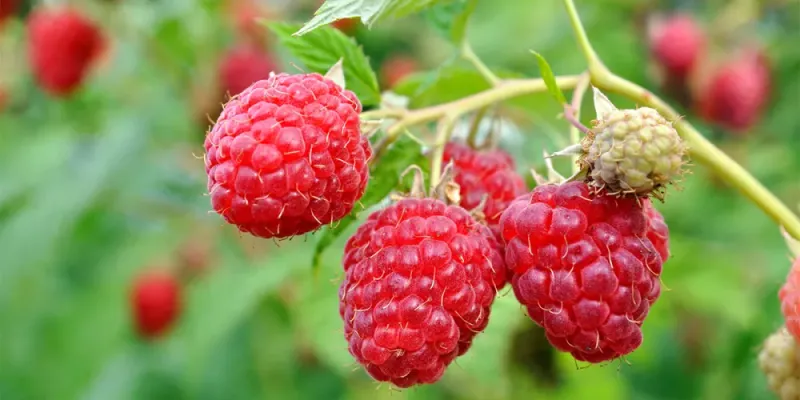
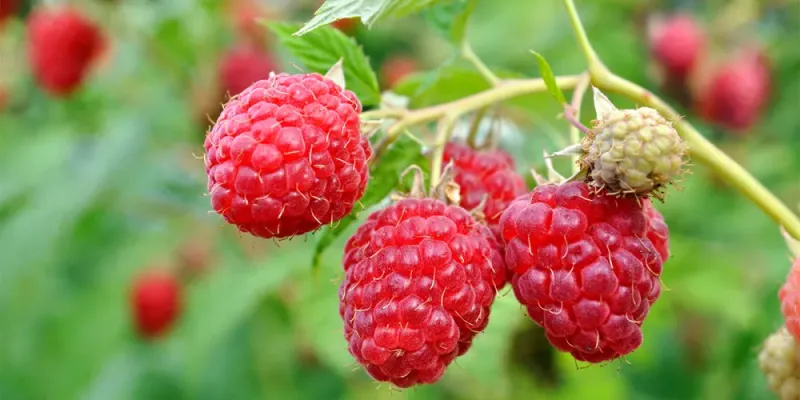
Two harvests from one bush? Everbearing raspberries like ‘Heritage’, ‘Caroline’, and the low-chill ‘Bababerry’ can fruit in early summer and again in fall.
For snackers, that is a pretty good deal.
Raspberries are a bit fussier than blackberries in California. Inland heat can scorch them, so afternoon shade is your friend in hot valleys.
Coastal gardens near San Francisco or San Luis Obispo often grow them with ease.
‘Bababerry’ was actually selected in Southern California, which explains why it shrugs off mild winters better than many types. Plant canes in fall, mulch thickly, and water with drip.
You may get a light summer crop the first year and a bigger one each season after.
5. Boysenberry
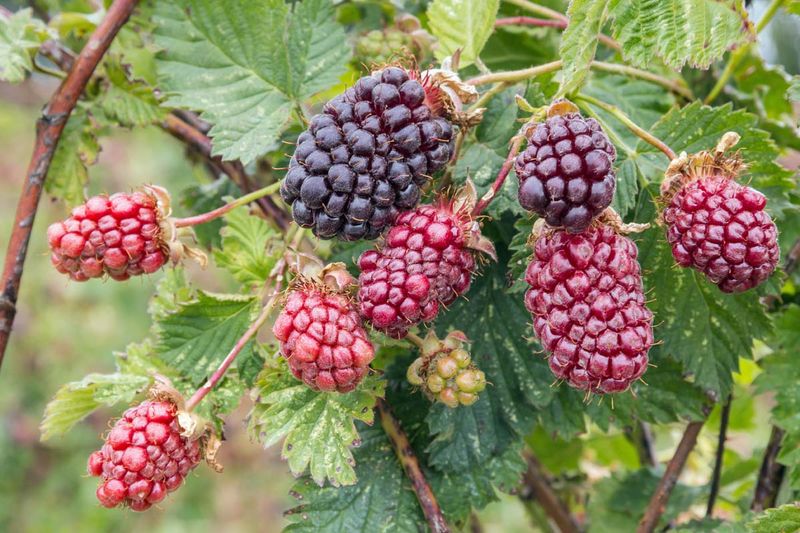
Knott’s Berry Farm built a whole business on this fruit back in the 1930s. Walter Knott helped rescue the boysenberry from obscurity, and it became a Southern California legend.
Growing one at home feels like keeping a little state history in your yard.
Boysenberries are a cross of blackberry, raspberry, and loganberry. The berries are huge, juicy, and deep purple, perfect for jam or pie.
Most need trellising and like the same care as blackberries.
Fall-planted canes root over winter and often fruit in early summer. Thornless forms exist, so check labels if you have kids picking.
Pollinators flock to the flowers in spring.
6. Pink Lemonade Blueberry
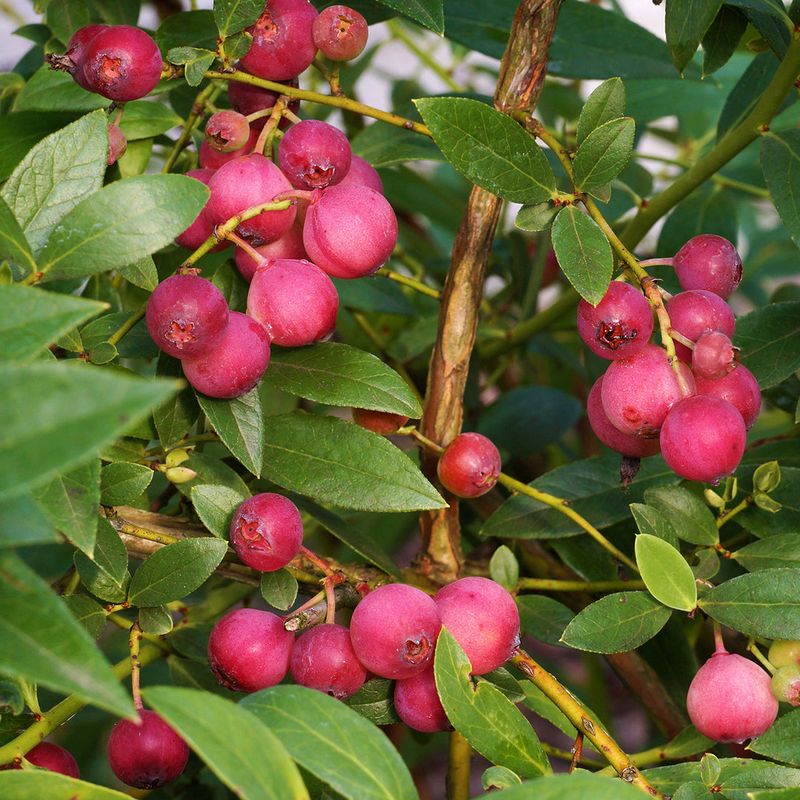
Pink berries tend to stop guests in their tracks. ‘Pink Lemonade’ is a blueberry that ripens bright pink, with a sweet, mild taste. It earns its spot here as a patio plant that doubles as decoration.
Because it grows well in a container, you control the acidic soil completely. That solves the biggest blueberry headache for California gardeners with alkaline clay.
A 20-inch pot on a sunny porch works nicely.
The leaves turn orange and red in fall, which is rare color in mild-winter yards. Plant now, and it may set a small crop next summer.
Pair it with another blueberry nearby for better fruiting.
7. Pineapple Guava (Feijoa)
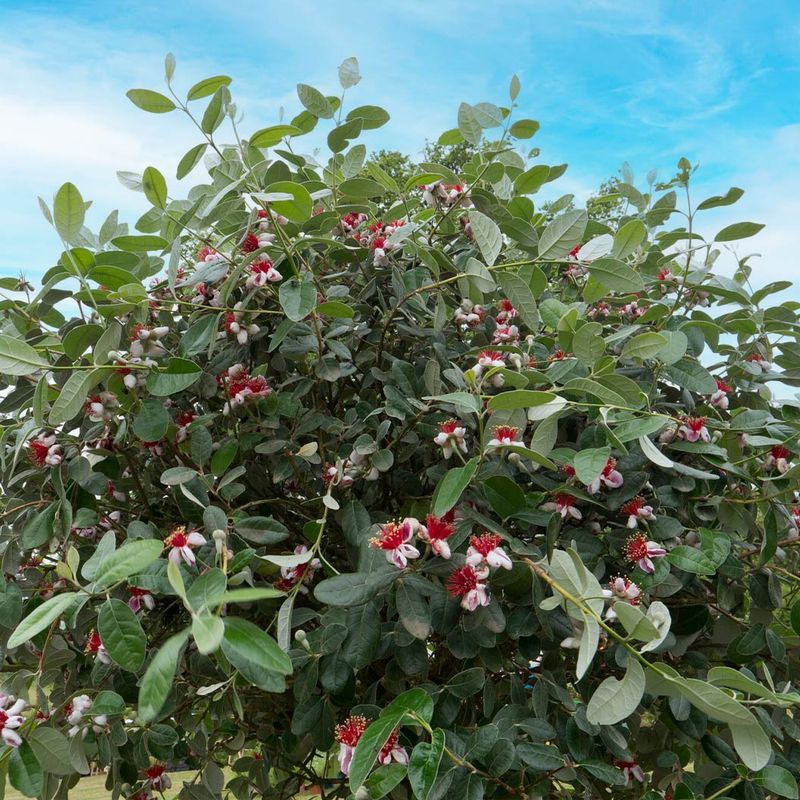
Not technically a berry bush, feijoa still earns its place for one reason: drought toughness. When water rules tighten, this shrub keeps going on very little irrigation once established.
It also makes a handsome evergreen hedge.
Early summer brings fuzzy red-and-white flowers with petals you can actually eat. They taste sweet, a bit like marshmallow.
Bees and hummingbirds visit often.
Fruit usually ripens in fall, not summer, so think of the flowers as your summer reward. Plant in fall to give roots a rainy season start.
Its fire-resistant leaves also make it a reasonable choice in some defensible-space plantings, though local fire guidance should always come first.