
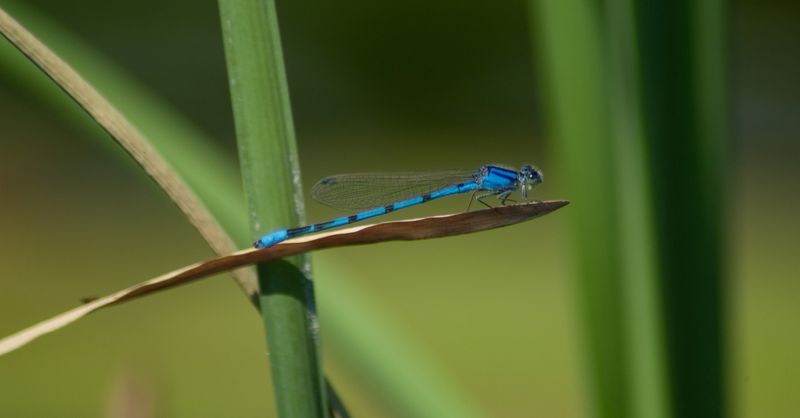
Damselflies are slim, delicate cousins of dragonflies, and many California yards host them without anyone noticing. They hunt small insects during the day, which leads some people to call them garden helpers.
The truth is a bit more complicated, and it points to better ways to help them. Here is how to support these insects through water, plants, and careful yard choices.
Damselflies hunt insects, but aphid control is unproven
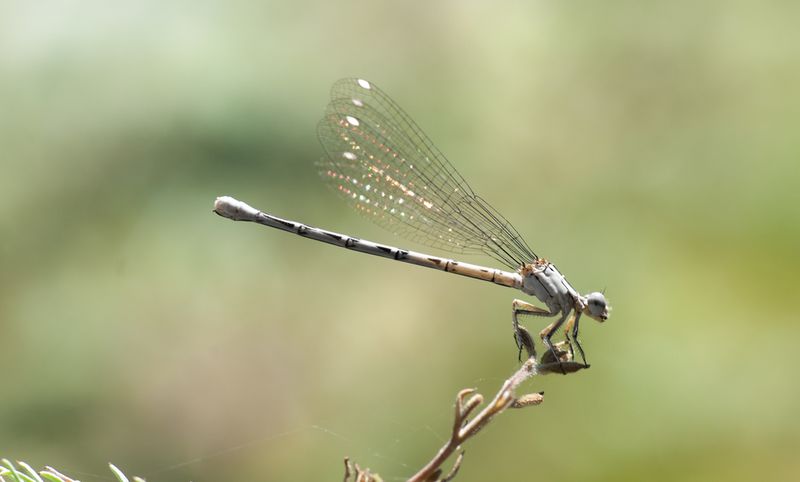
Garden lore sometimes paints damselflies as tiny pest patrol officers that pluck aphids off your roses. It is a nice picture, but nobody has shown it to be true for California yards.
Damselflies are predators, so the idea is not wild, yet it has not been tested in the way a homeowner would hope.
Adult damselflies mostly catch small insects in flight, using their legs to grab prey out of the air, as described by Texas A&M AgriLife Extension. Extension guidance from Iowa State University also describes them as insect eaters in general terms.
Neither source names aphids as a main food.
One field study, published in the Journal of Animal Ecology, found that damselfly diets varied widely and that they were a comparatively minor group of predators on flying insects. That research was not done in a California garden, so it cannot tell you what happens on your plants.
A damselfly might snap up an aphid now and then. Still, you should not count on one to thin out a colony on your milkweed or citrus.
If aphids are bugging you, other tools will do more.
What you can do is give damselflies a place to live. That means water, plants, and fewer chemicals, and the rest of this article walks through each piece.
Think of it as a wildlife project with a pleasant bonus: watching a blue flash of wings hover over your pond.
Their life cycle makes water essential
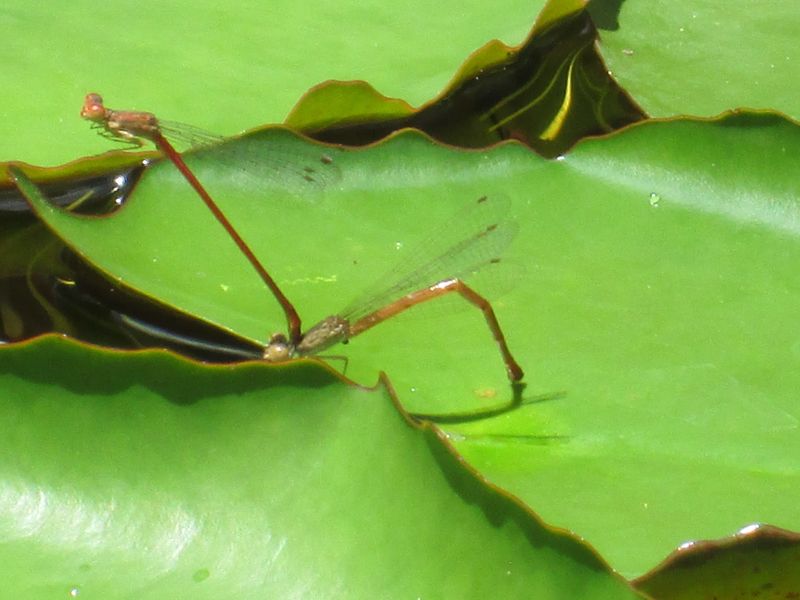
Damselflies live two very different lives. The young, called nymphs, spend their time underwater, where they hunt small aquatic animals.
The winged adults leave the water and hunt in the air. You can read a plain overview of this change in Iowa State’s guide to dragonflies and damselflies.
Eggs are laid in or near water, often on aquatic plants. That means a flower bed alone cannot be a full home for them.
Without a spot for eggs and nymphs, a yard is only a place for adults to pass through.
Walk out to a sunny pond edge in summer and you might see pairs of adults working along the stems. That is a clue that the water is doing its job.
Adults are also described by Texas A&M AgriLife Extension as catching prey with their legs while flying.
Not every species is the same. Some prefer still ponds, others like slow streams, and their prey and habits differ.
For a look at how water connects to garden wildlife, see UC Agriculture and Natural Resources. Fish can also eat aquatic insect young, so a pond packed with fish may be less welcoming.
A planted pond can provide useful habitat
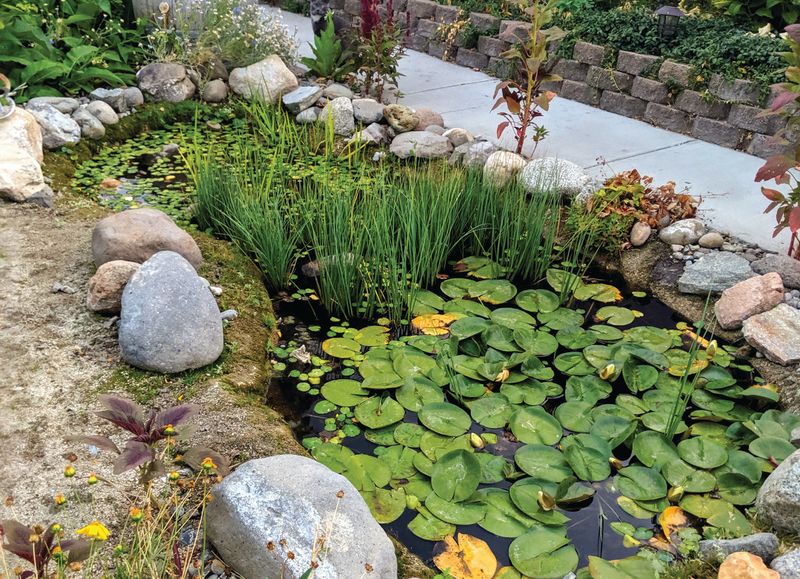
A pond with a mix of plants gives damselflies more to work with. Submerged plants offer places to lay eggs and hide from predators.
Emergent plants, which poke up through the surface, give nymphs a way to climb out and adults a perch. Floating leaves add shade and cover.
Penn State Extension covers this layered approach in its guide to backyard ponds for dragonflies and damselflies. Their advice came from the East, so use it as a model and then adjust for California’s dry summers and mild winters.
Choose plants that suit local conditions, and check with a native plant nursery or your county extension office for good picks. Avoid invasive aquatic plants.
A UC publication on responsible water gardening explains how escaped pond plants can clog waterways and harm wildlife. Never dump unwanted pond plants into ditches, creeks, or storm drains.
Gentle edges, a bit of sun, and calm water help. A pond may support damselflies, but there is no guarantee they will show up or stay.
Some yards get visitors in the first season, and others take longer or never do.
In a water-wise state, keep the size modest. A small pond that you can keep clean and topped off is better than a big one you cannot manage.
Maintain water features to limit mosquito problems
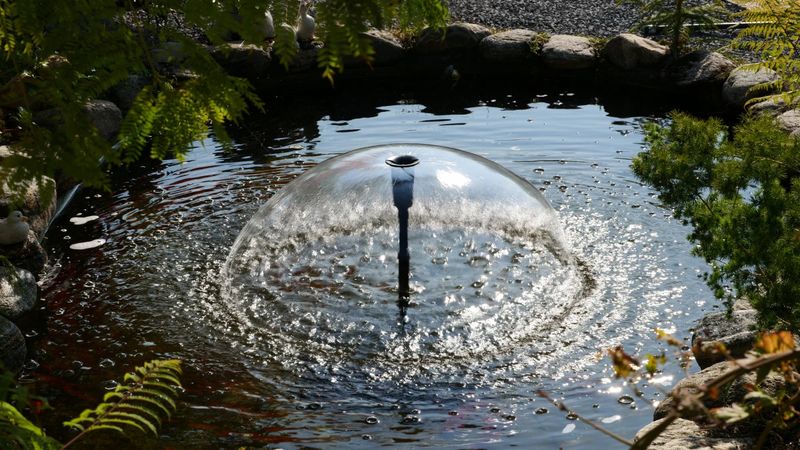
Standing water can breed mosquitoes if nobody looks after it. A pond is a good thing for wildlife only when it is kept in decent shape.
Neglect turns habitat into a problem for you and your neighbors.
Small containers are the easy fix. Buckets, plant saucers, and old tires should be emptied or refreshed regularly, as CDC guidance on mosquito control at home recommends.
Ponds are different because you want to keep them, so they need ongoing care instead.
The UC Statewide IPM Program lists options for ponds, including moving the water, using appropriate mosquito-eating animals, or using labeled Bti products. Keep leaves and debris cleared out, and check the water for wiggling larvae now and then.
Do not count on damselflies to handle mosquitoes. Studies show their young eat mosquito larvae in experiments, but that does not mean a dependable result in your yard.
Also, UC IPM says releasing nonnative mosquitofish into natural waters is illegal in California.
For more on keeping a water garden tidy and free of problems, see UC’s water gardening guide. If you are unsure, your local vector control district can offer advice.
Use pesticides in ways that protect beneficial insects
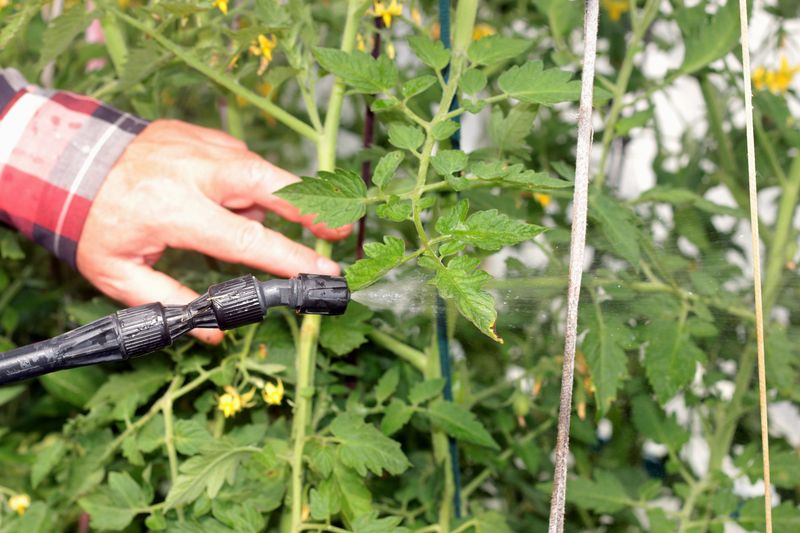
Sprays do not pick favorites. Many products that kill pests also harm the helpful insects living nearby, including the ones that feed on other bugs.
Near a pond, that matters even more, since drift and runoff can reach the water.
The UC Statewide IPM Program gives three simple rules. Use pesticides sparingly.
When you do need to treat, pick the less harmful option. And limit applications to the target area instead of spraying the whole yard.
Here is how that looks in practice. If aphids are curling the tips of a few shoots, try a strong blast of water or pinch off the worst growth before reaching for a product.
If you do spray, treat only the affected plant, and skip windy days so the mist does not land on the pond or its plants.
Cutting back on chemicals will not call damselflies to your yard by itself. They still need water.
But it keeps the other insects around, which is part of what makes a yard feel alive.
Could the aphid claim confuse damselflies with damsel bugs?
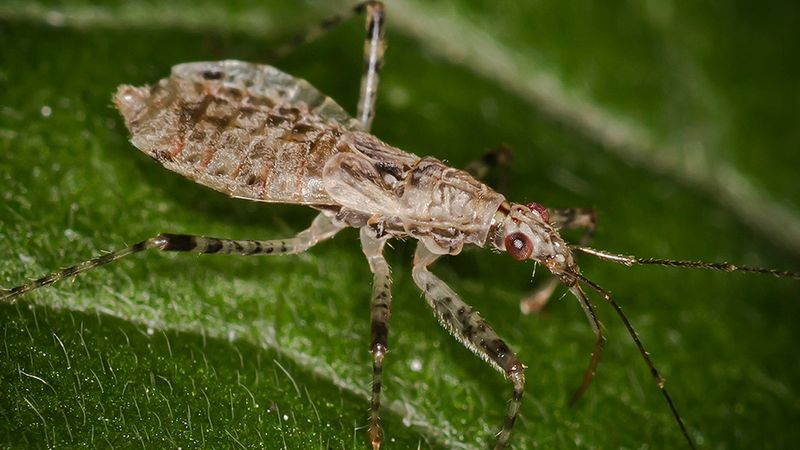
Here is a possible reason the aphid story sticks around. Damselflies and damsel bugs have nearly the same name, but they are different insects.
Damsel bugs are true bugs, and the UC Statewide IPM Program’s aphid page lists them among the predators of aphids.
No one can prove that the mix-up started the claim, but it is easy to see how a name could blur the two. Damsel bugs are small and brownish, and they stalk prey on plants.
Damselflies have long, thin bodies and wings, and they spend their early lives underwater, as Texas A&M AgriLife Extension explains.
It also helps to remember that eating insects is not the same as controlling a pest. Even research on damselfly predation across many prey types does not tell you what they do to aphids in a particular garden.
A quick check can help. If the insect on your plant has a stubby, tan body and walks along the stems, it is probably not a damselfly.
Support damselflies for habitat, not a pest-control promise
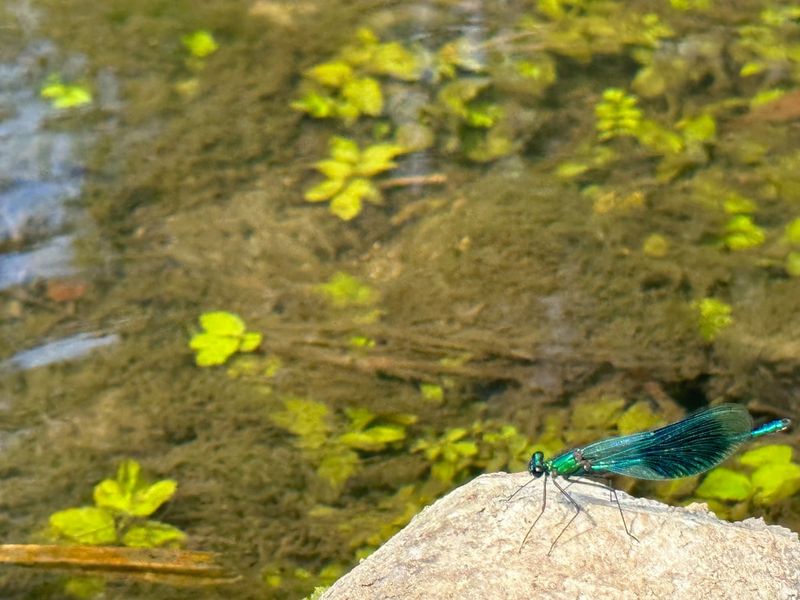
A well-kept pond and a lighter hand with sprays can give damselflies a real chance to settle in. Good water habitat, as described by UC Agriculture and Natural Resources, helps many kinds of wildlife, and careful choices on pesticides, as UC IPM advises, protect the insects around it.
Skip the aphid expectations and enjoy the visitors. A damselfly resting on a reed is its own reward.