
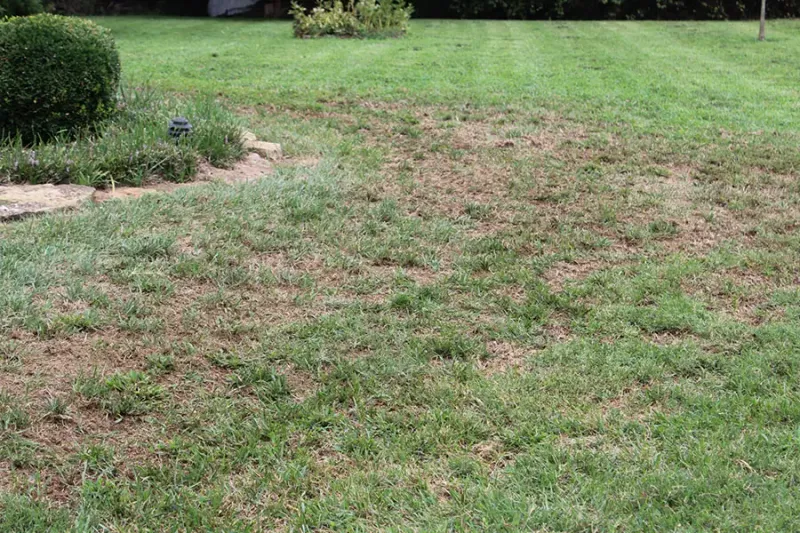
You aerated, spread seed, and watered, yet those empty spots are still staring back at you. A bare patch does not mean you did something wrong.
It is a clue, and several different things can keep grass from growing. Here are the common ones to check before you buy another bag of seed or fertilizer.
First confirm that your grass can be seeded
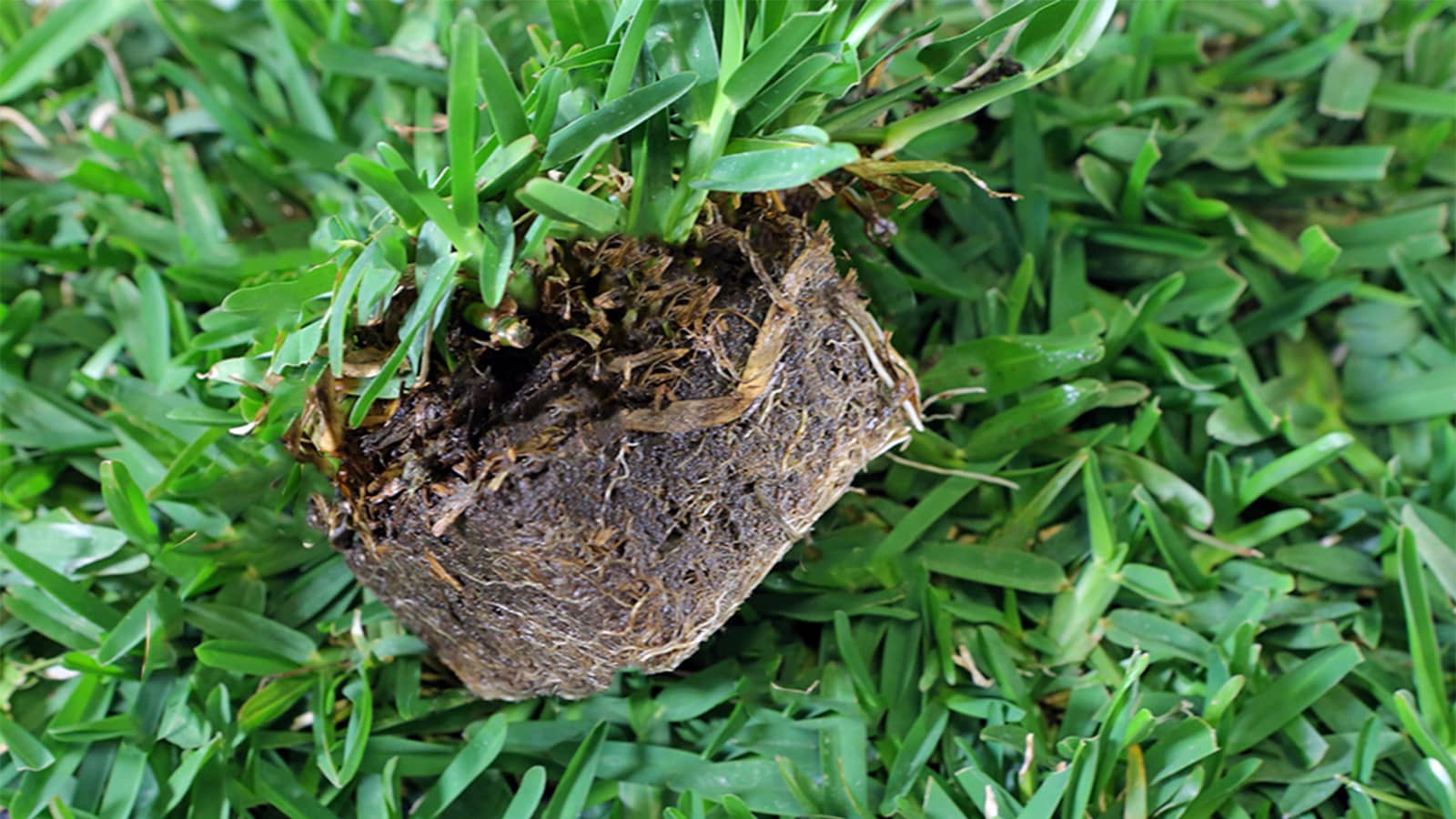
Start by naming the grass you already have. Many Florida and Texas lawns are warm-season turf, and not every warm-season grass grows from seed.
UF/IFAS lists St. Augustinegrass as established by sod or plugs, while bermudagrass has seed options.
Some improved varieties of bermudagrass, zoysiagrass, and St. Augustinegrass are sold only as sod, plugs, or sprigs, as Texas A&M AgriLife notes. If yours is one of them, more seed may simply not be a workable repair.
Timing matters too. Warm-season grass generally establishes best in spring and summer in Florida, while fall work suits different grasses, and Clemson Extension’s timing advice is specific to grass type.
Fall ryegrass is a different job altogether. It gives temporary winter color and does not repair permanent warm-season turf.
Aeration only helps when compaction is part of the problem
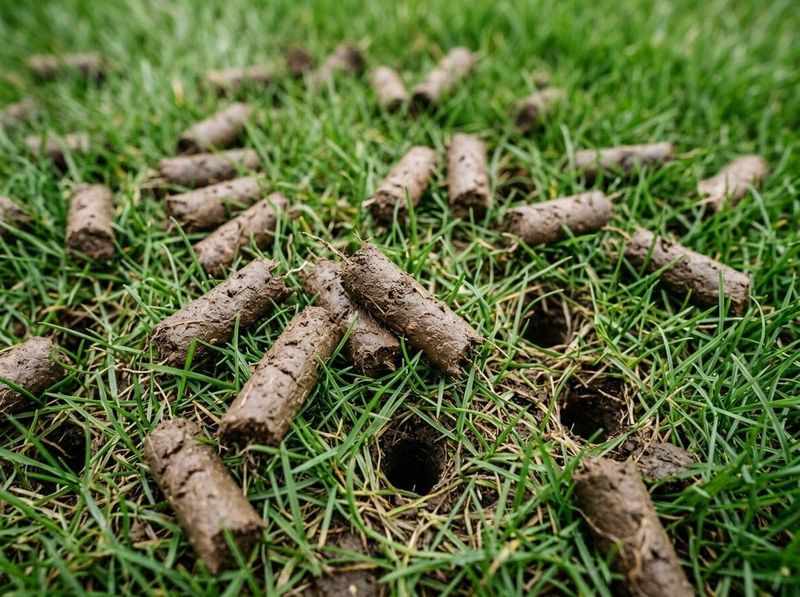
Aeration opens up compacted soil so air, water, and roots can move more easily. That is useful when compaction is truly present.
It does not fix shade, soggy ground, the wrong grass, or other barriers.
A simple check can help. Clemson Extension suggests pushing a screwdriver into the soil and noting how much resistance you feel.
If it slides in easily, compaction may not be your main issue.
Compare the bare patch with a healthy area nearby, since soil can differ across one yard. Timing is also grass specific.
Warm-season grasses are best aerated in late spring and summer, while cool-season grasses are best aerated in fall, so fall is not right for every lawn.
UGA Extension adds that physical problems can limit growth no matter what you apply.
Does the patch get enough light and drain well?
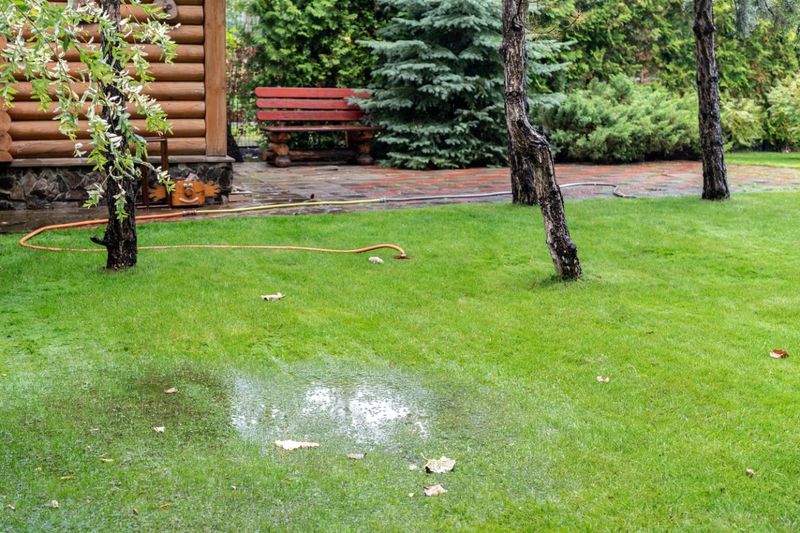
Walk out and look at the spot itself. Many bare patches sit under trees, along fences, or in low areas where water lingers.
Each of those is a site condition that seed alone may not solve.
No turfgrass grows in complete shade, according to Mississippi State Extension. Bermudagrass has very poor shade tolerance, while St. Augustinegrass is among the more shade-tolerant warm-season choices.
Cutting foot traffic and raising the mowing height in shaded areas may help.
Watch the patch after a rain. If water pools or the soil stays soggy for days, drainage may be part of the story.
UGA Extension notes that fertilizer cannot overcome excess moisture, compaction, or shade. In those spots, fixing the site or choosing mulch or a shade-friendly groundcover may serve you better than more grass seed.
Seed needs contact with soil and steady moisture
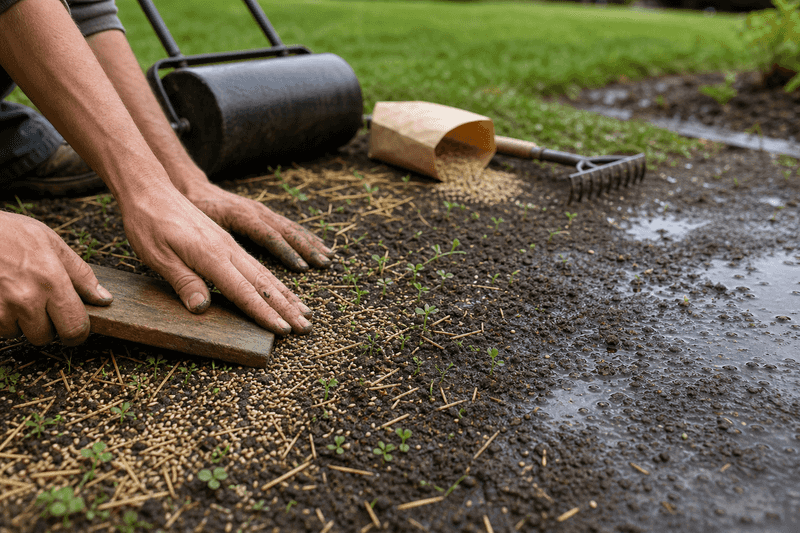
Good seed can still fail if it never settles into the soil. Seed sitting on top of the ground, washed away by a hard spray, or left to dry out mid-germination often does not take.
UF/IFAS calls improper watering the most common cause of seeding failure. The surface must stay moist while seeds sprout, but flooding or a forceful stream can move seed and erode soil.
For contact, Oklahoma State suggests lightly covering seed, about 1/8 inch in its guidance, and firming it against the soil. It also says to keep the upper inch moist.
Watering starts light and frequent, then drops off as roots develop. Texas A&M likewise says moist but not saturated.
That routine is for new seed only, not for mature lawns, so follow the seed label and your local extension office.
Check the seed label and soil before adding inputs
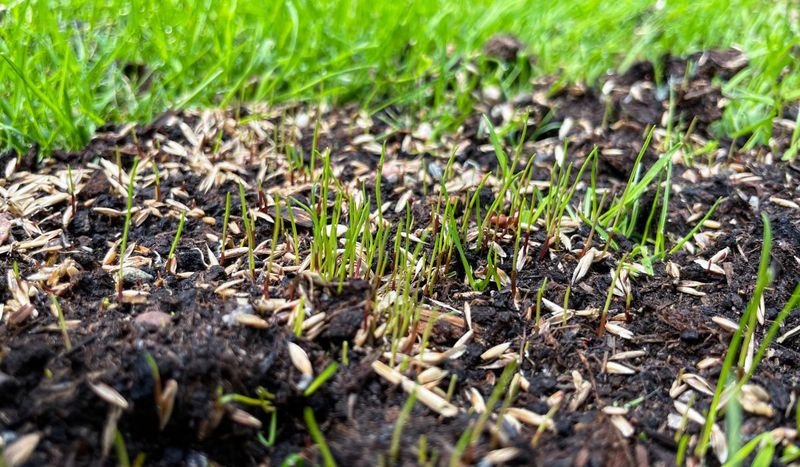
Turn the seed bag over before buying another. UF/IFAS advises checking the species, cultivar, purity, germination rate, and weed-seed content.
Old seed or a mix that does not match your grass could explain a poor result.
Next, think about the soil. Texas A&M’s bermudagrass lawn calendar points to soil testing to guide nutrient decisions.
A test tells you whether fertilizer or lime is actually needed instead of leaving you to guess.
Keep the limits in mind. UGA Extension says soil testing and fertilizer cannot overcome physical problems like shade, compaction, or excess moisture.
Good seed and balanced nutrients help only when the site can support grass.
Could herbicide history explain the empty patch?
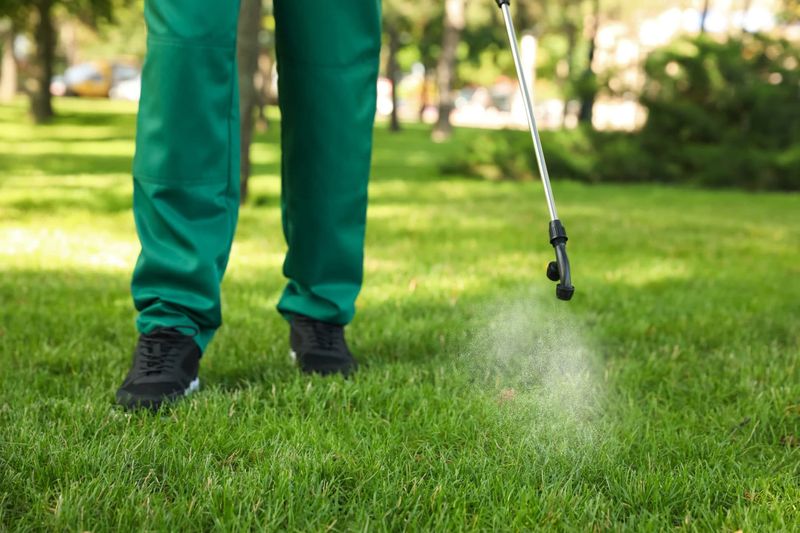
Think back over the past few months. Did you put down a crabgrass preventer around the time you seeded?
Some preemergence herbicides can stop seedlings as well as weeds.
UF/IFAS warns against applying preemergence herbicides immediately before or after seeding listed Florida lawn grasses. Its guide gives a general waiting period after application and advises reading the product label and testing a small area.
Timing alone does not prove herbicide was the cause. Products, grass types, and rates differ, and other issues like shade or dry soil may be involved.
Pull out the bag or note the product name, then compare its label directions with your dates.
If the label or your local extension office suggests waiting, a small test patch can show whether seed will come up before you commit the whole lawn.
Match the next repair to the evidence
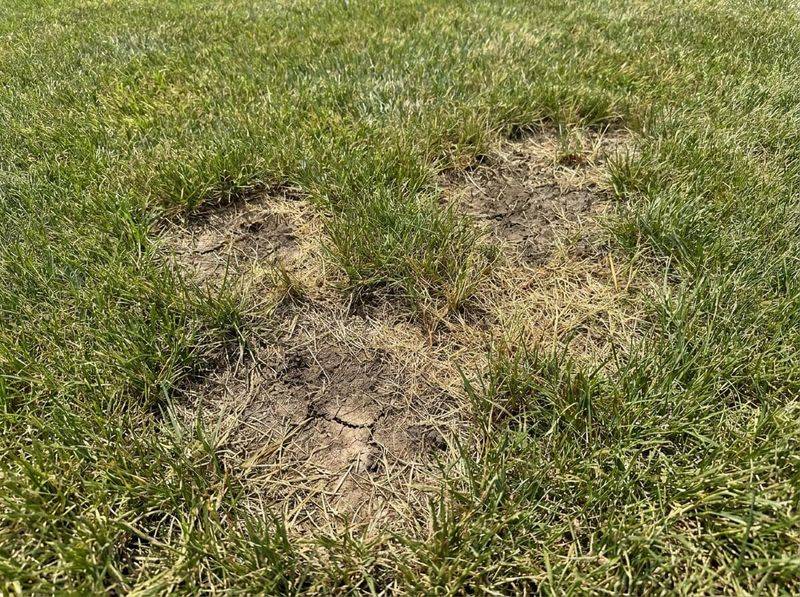
Work through the clues in order. Confirm your grass and whether it can be seeded, then check the season.
Look at light, drainage, watering, seed quality, soil test results, and herbicide history for that one patch.
Then fix what you actually find. That might mean sod or plugs instead of seed, as UF/IFAS describes for some grasses, or aerating at the right time if the screwdriver test shows compacted soil.
If shade or soggy ground is the limit, UGA Extension reminds us that fertilizer will not overcome it.
No single check guarantees success, but each one narrows the field. A patch that stays bare is often just asking a better question.