
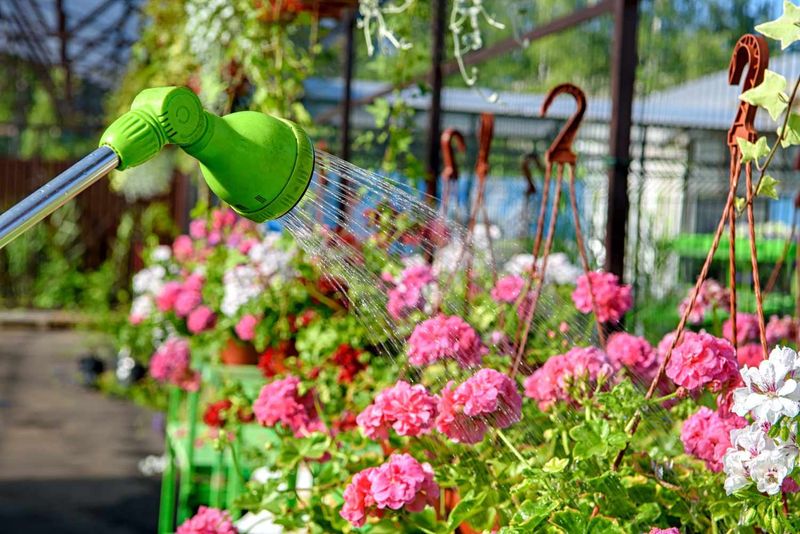
Your potted geraniums looked amazing in spring, but now the blooms are thinning out and the leaves look tired. In the South, that slump often comes from heat stress, hungry soil, and a few easy-to-miss care gaps.
The good news is that geraniums can bounce back fast once you fix those small problems. With a few steady habits, your pots on the porch or patio can keep showing color well into fall.
1. Deadhead Faded Blooms Every Few Days
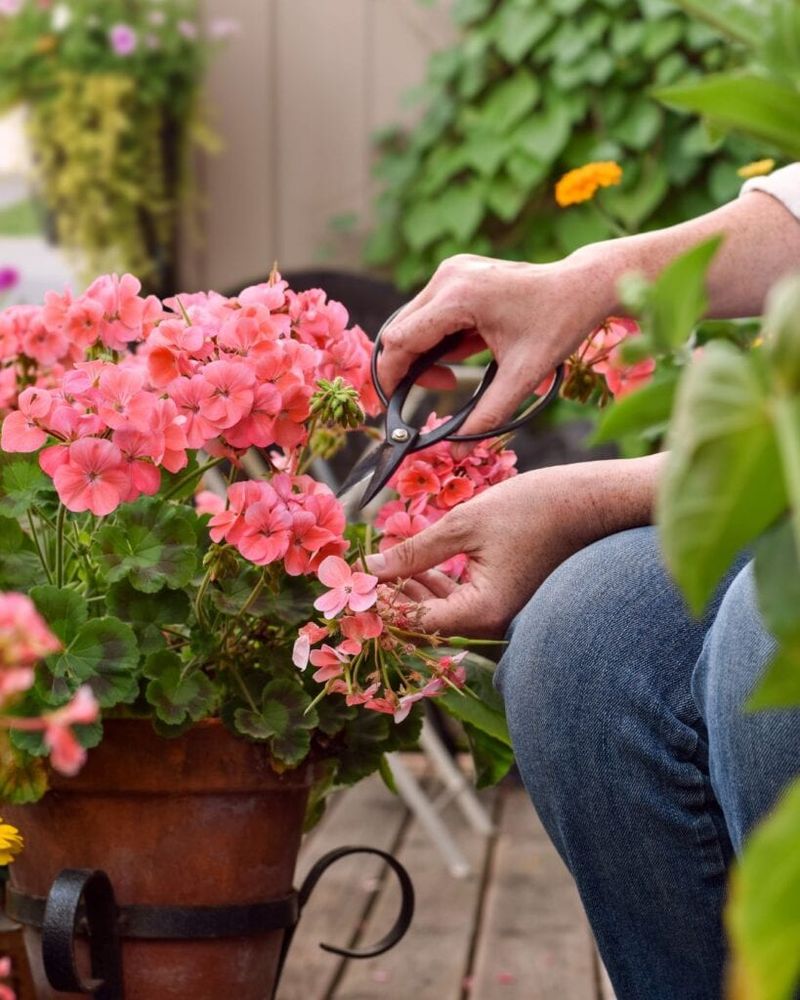
Picture a geranium as a plant with one goal: making seeds. Every spent flower left on the stem tells it the job is done, so it slows down on new buds.
Snapping off those faded clusters resets the clock. Follow the flower stalk down to where it meets the main stem, then pinch or snip it off cleanly.
Leaving a bare stub behind can invite rot, so go all the way back.
Try making it part of your morning coffee routine. A quick two-minute walk past your porch pots every two or three days keeps things tidy and often pushes the plant to send up fresh flower stalks within a couple of weeks.
Brown, mushy petals sitting on leaves can also hold moisture. In humid Florida and Gulf Coast weather, that may raise the risk of botrytis, a gray fuzzy mold that loves damp spots.
Removing old blooms quickly helps keep air moving around the foliage.
Fun fact: the plants we call geraniums are actually Pelargoniums from South Africa, which explains why they handle sunshine better than soggy feet. Treat them like the sun-loving travelers they are, and they usually reward you with steady color.
2. Water Deeply, Then Let the Top Inch Dry
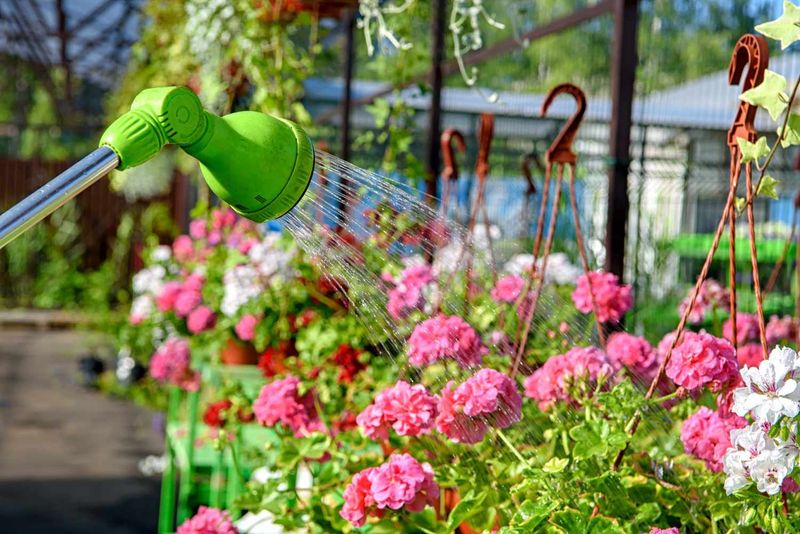
Yellow lower leaves are one of the most common worries geranium owners bring up, and the culprit is often too much water rather than too little. Pots in Texas and Florida heat dry quickly, which tempts many of us to splash a little on every day.
A better rhythm is deep and occasional. Push a finger into the soil.
If the top inch feels dry, soak the pot until water runs out the drainage holes, then leave it alone until it dries again.
Morning watering works best. The plant gets a full drink before the afternoon heat, and the leaves have time to dry, which can reduce fungal trouble.
Aim the spout at the soil, not over the flowers.
During blazing August stretches, small pots might need water daily, while large containers may go two or three days. Fall cool fronts change the schedule again, so keep checking instead of guessing.
Drainage matters as much as the watering itself. Skip saucers that hold standing water, or empty them after each soak.
Soggy roots tend to rot, and a rotting root system simply cannot support a steady parade of blooms into October and November.
3. Feed Lightly and Regularly
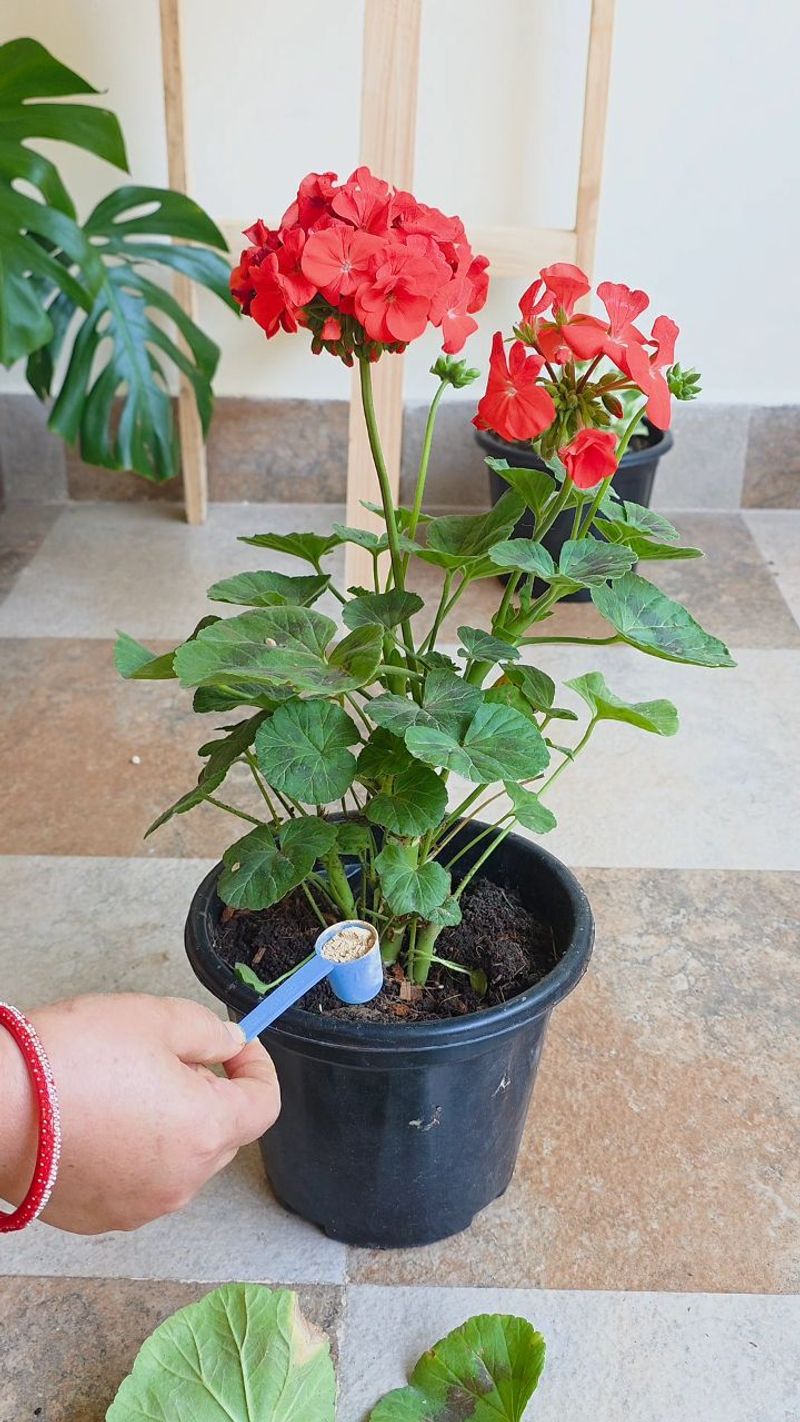
Container soil is a small pantry, and frequent watering washes nutrients out the bottom faster than you might expect. By midsummer, many potted geraniums are running on empty, which can show up as pale leaves and fewer flower clusters.
A light hand works better than a heavy one. A water-soluble fertilizer with balanced numbers, or one slightly higher in phosphorus, mixed at half strength every two weeks usually keeps plants fed without burning roots.
Overdoing nitrogen is a classic mistake. Too much can produce lush green leaves but very few blooms, so resist the urge to grab lawn food or a high-nitrogen mix.
Water the plant first, then feed. Fertilizing bone-dry soil can stress roots, especially when afternoon temperatures climb past 90 degrees across the South.
Slow-release granules are an option for busy gardeners. Sprinkle them on the soil surface following the label, and they release small doses over several weeks.
As fall arrives and nights cool down, plants often perk up and push a fresh flush of flowers. Keeping a gentle feeding schedule through September and October gives them the fuel to make the most of that second wind.
4. Give Them Afternoon Shade in Peak Heat
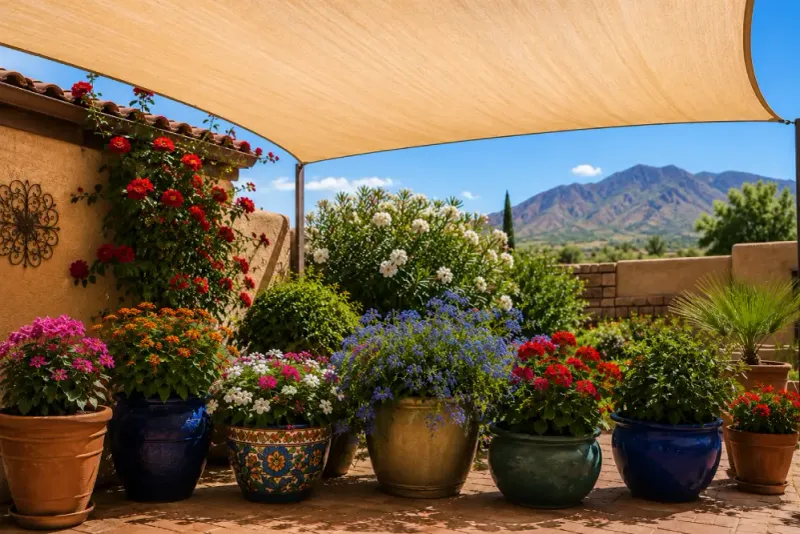
Here is something garden tags rarely tell Southern growers: full sun in Ohio and full sun in Houston are two very different things. Geraniums love light, yet a scorching 3 p.m. sun bouncing off concrete can cook them.
Heat-stressed plants often stop setting buds when temperatures stay above the low 90s. Leaves may curl, edges can turn crispy, and flowers fade within a day or two.
Containers make the fix easy. Move pots where they catch six hours of morning sun and get relief in the afternoon, such as an east-facing porch, under a tree canopy, or beside a wall that blocks western rays.
Pot color plays a role too. Dark plastic absorbs heat and can warm roots dramatically, while light glazed ceramic or terracotta often stays cooler.
Grouping pots together may also help shade each other’s sides.
Once fall cool fronts roll through, slide those pots back into brighter spots. Many gardeners in Florida and South Texas notice their geraniums putting on the best show of the year from October onward, when the light stays strong but the heat finally eases up.
5. Pinch Back Leggy Stems for Bushier Growth
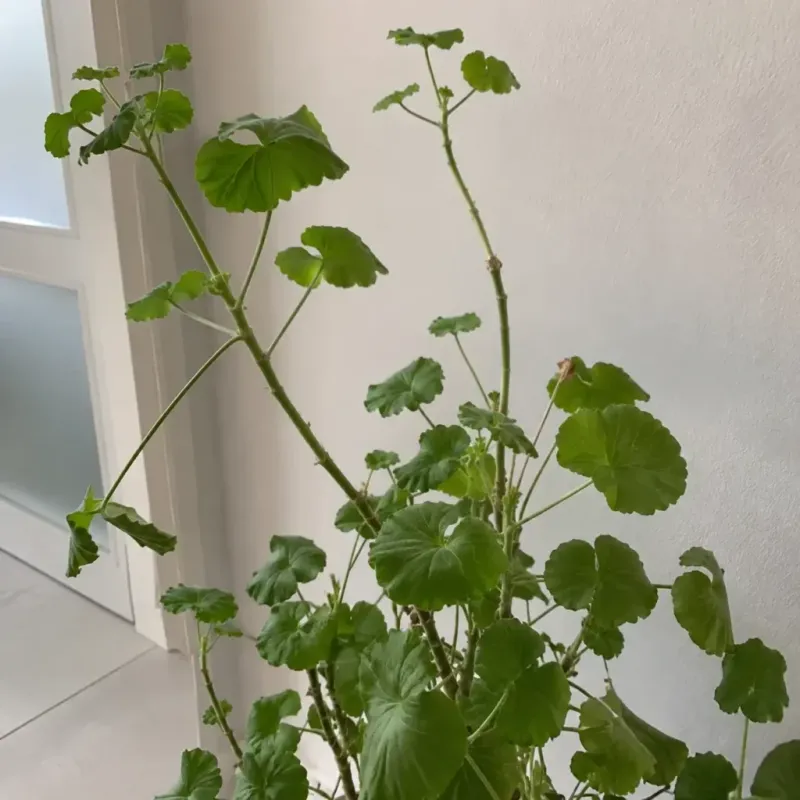
Ever notice a geranium that looks more like a lanky teenager than a full, rounded plant? Long bare stems with a few leaves at the tips are common by late summer, and they usually mean fewer blooms.
Pinching is the quick cure. Use your fingers or clean snips to remove the top inch or two of overly long stems, cutting just above a leaf node.
New side shoots often sprout from that spot within a week or two.
More stems means more places for flowers to form. A bushy plant also holds moisture better and tends to look healthier on the porch.
Late August through early September is a smart window in the South. Plants have time to regrow before fall weather sparks a fresh blooming push.
Do not toss those cuttings. Geraniums root easily, so tuck the trimmed pieces into small pots of moist potting mix, keep them in bright shade, and you may have backup plants for next spring.
Remove no more than about a third of the plant at once. Gentle, steady shaping keeps the plant strong while still encouraging that compact, flower-packed look you want.