
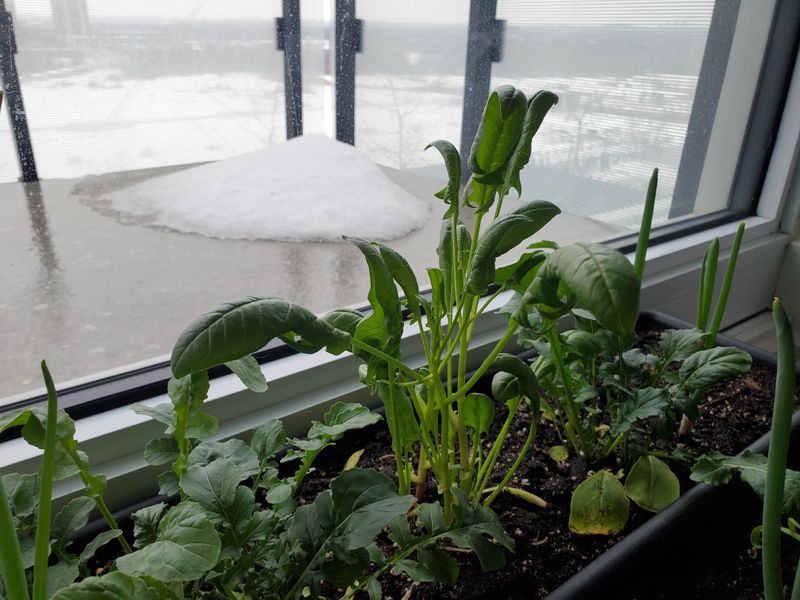
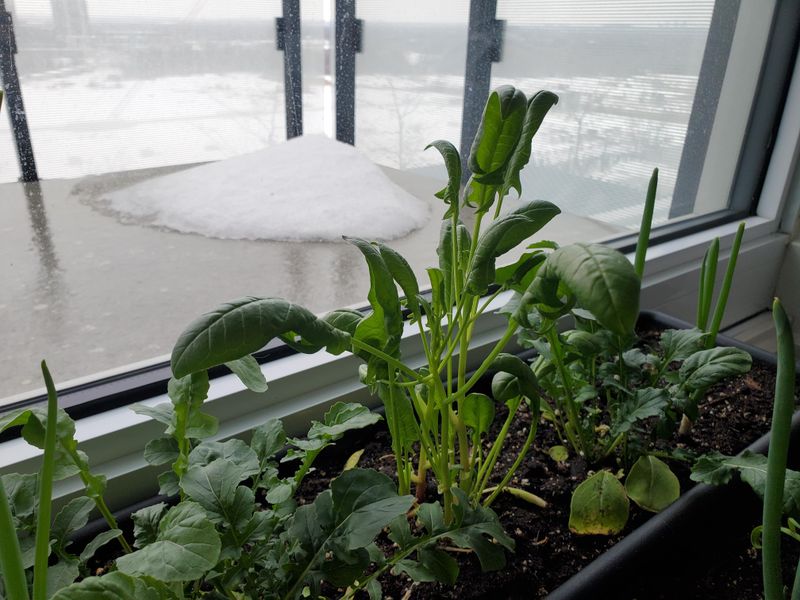
Your fall spinach was looking great, and now the leaves are turning yellow while the veins stay green. Cold, soggy soil is one thing worth checking, but it is only one possible cause.
Roots, leaf age, leaf undersides, and soil conditions all leave clues. A few careful looks can help you sort out what is really going on before you reach for any treatment.
Yellow Between the Veins Is a Clue, Not a Diagnosis
A spinach leaf with green veins and pale tissue between them looks like a clear message, but it is really just a starting point. Many different problems can produce that look, so the pattern alone cannot name the cause.
Spinach is a cool-season crop. UC IPM cultural guidance lists an ideal growth range of 40 to 75°F, with the fastest growth at 60 to 65°F, and recommends well-drained soil.
So cool weather by itself is not the enemy. Soil that stays saturated for long stretches is a different matter.
Cold, wet soil can slow nutrient release and uptake, as University of Maryland Extension explains for vegetable plants. That makes it a fair suspect, not a verdict.
A good diagnosis looks at which leaves are yellow, how the roots look, whether the undersides show disease, and what a soil test says.
Which Leaves Yellow First Helps Narrow the Cause
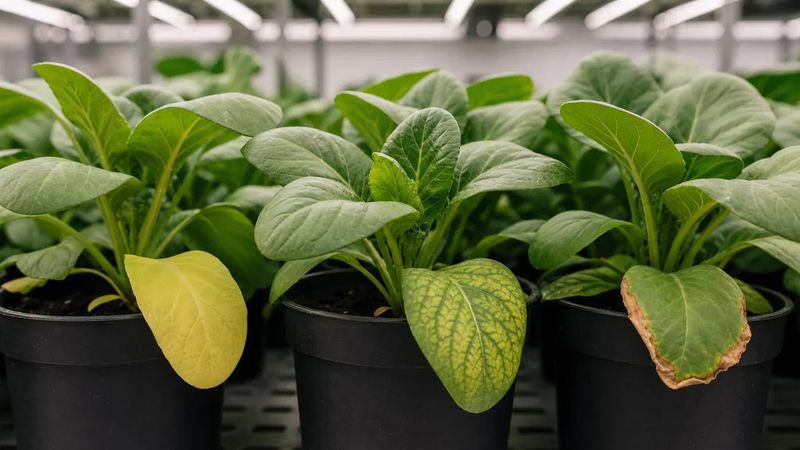
Start by noticing where the yellowing begins. Leaves on the same plant are different ages, and the oldest ones often tell a different story than the newest growth.
Yellowing between the veins on older leaves is a pattern that can fit magnesium deficiency, as described in Penn State’s magnesium deficiency page. Iron chlorosis also tends to affect tissue between green veins, and it is often linked with high-pH soil, according to the same Maryland Extension guide.
Treat these as leads, not answers. Leaf color cannot confirm a deficiency, because stressed roots and disease can produce similar-looking leaves.
Jot down which leaves are affected, then pair that note with a look at the roots and a soil test before deciding anything.
Cold, Saturated Soil Can Stress Spinach Roots
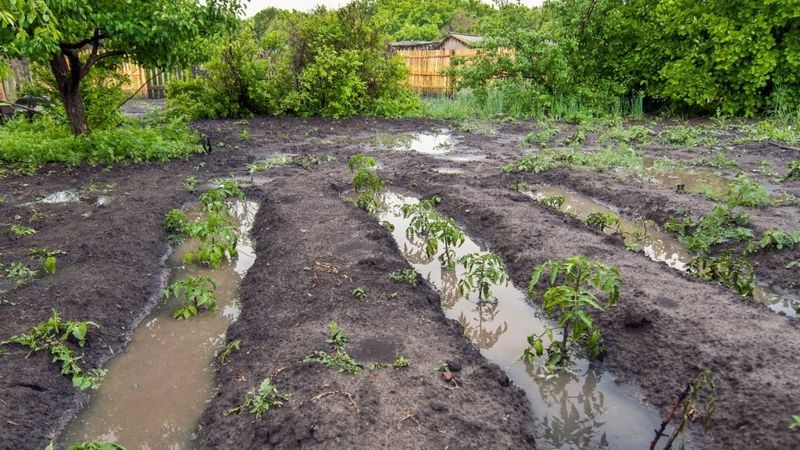
Cool temperatures and soggy soil are not the same thing. Spinach handles chilly weather well, but roots sitting in saturated ground are another story.
Cold soil can limit how quickly nutrients are released and taken up, a point covered in the Maryland Extension resource. Standing water can also injure roots directly, even without a disease organism involved.
According to UC IPM, spinach root rot can show up as yellow lower leaves, stunting, and wilting. Affected roots may look water-soaked or brown to black.
Gently lift one struggling plant and look. Healthy roots are usually pale and firm.
Dark, mushy roots point toward wet-soil trouble, though they do not prove exactly what caused it.
Check for Downy Mildew Before Treating the Soil
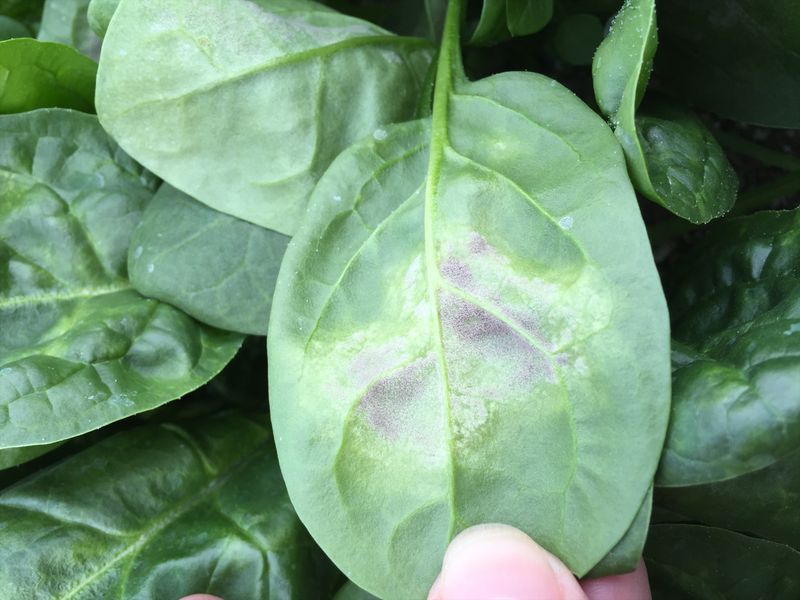
Before you change anything about the soil, flip a few leaves over. Yellow patches on top with a white, fuzzy growth underneath can signal downy mildew.
Look for angular spots, since they tend to be shaped by the leaf veins. UC IPM’s downy mildew guide notes that cool, moist conditions favor this disease, which is exactly the weather many fall gardens see.
Management steps may help limit spread. Keep foliage as dry as practical, water at the base of plants, and give them room for good airflow.
Remove infected crop debris so it does not linger in the bed.
None of these steps is a guaranteed cure, but they can reduce pressure. If the undersides are clean, you can cross this one off and move on to the roots and the soil.
Improve Drainage Before Adding Nutrients
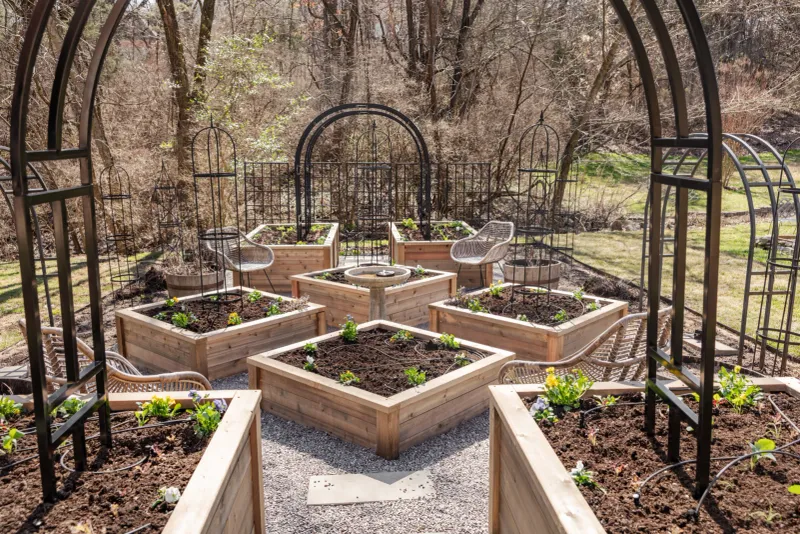
If the bed stays wet for days after rain, fixing that comes first. Extra fertilizer poured onto waterlogged roots rarely helps.
UC IPM suggests well-drained soil and raised beds where needed. The same agency’s root rot guidance advises improving drainage and managing irrigation to prevent flooding or saturation.
Poke a finger a couple of inches into the soil before watering. If it feels wet, wait.
In heavy clay, common in parts of Texas, or in low spots where water collects, a raised bed can give roots a better chance.
Keep expectations realistic. Better drainage reduces the risk of wet-root stress, but it does not identify or fix a specific nutrient shortage.
Yellowed leaves may not recover, though new growth can look better once conditions improve.
Use a Soil Test to Guide Feeding and pH Changes
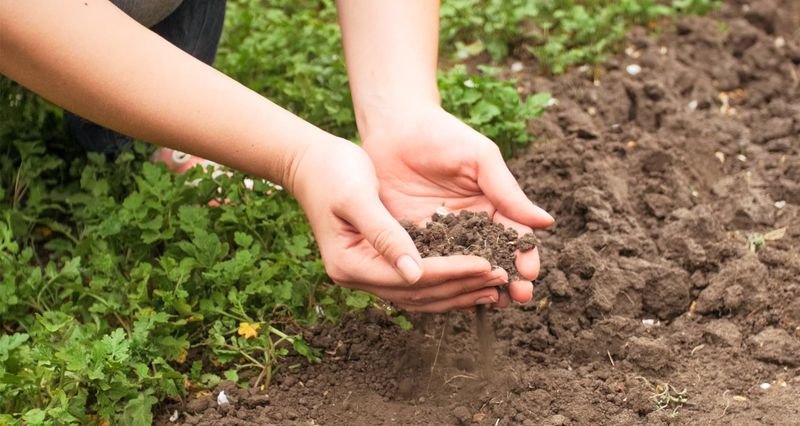
A soil test is the step that turns guesses into decisions. Leaf color is a clue, but it is not a soil test, so hold off on Epsom salts, iron, lime, or a general fertilizer until results are in.
For Florida gardeners, UF/IFAS vegetable fertilizer guidance recommends basing supplemental nutrients on soil-test results and lists a pH of 6.5 for spinach in Florida mineral soils. That figure is not a target for every soil or every state.
Texas gardeners can turn to Texas A&M AgriLife’s spinach and greens guide for planting and fertilizing advice suited to Texas conditions, rather than borrowing a rate or calendar from somewhere else.
Send a sample through your county extension office and match any changes to what the report says. A test beats a hunch every time.