
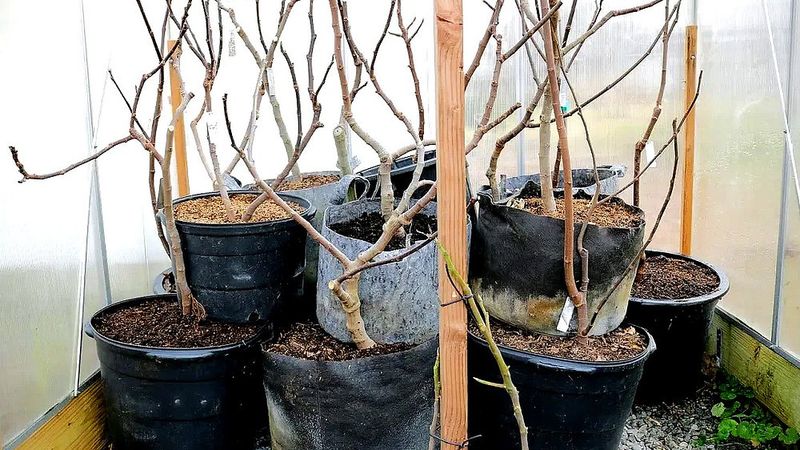
A fig in a pot can look dead by December, and that scares a lot of gardeners. Most of the time the tree is just asleep, and the real dangers are soggy roots, deep cold in the pot, and a warm spell at the wrong time.
A simple winter routine in a garage or shed can lower those risks. Here is how to set one up and adjust it for your own yard.
Move the fig as it enters dormancy
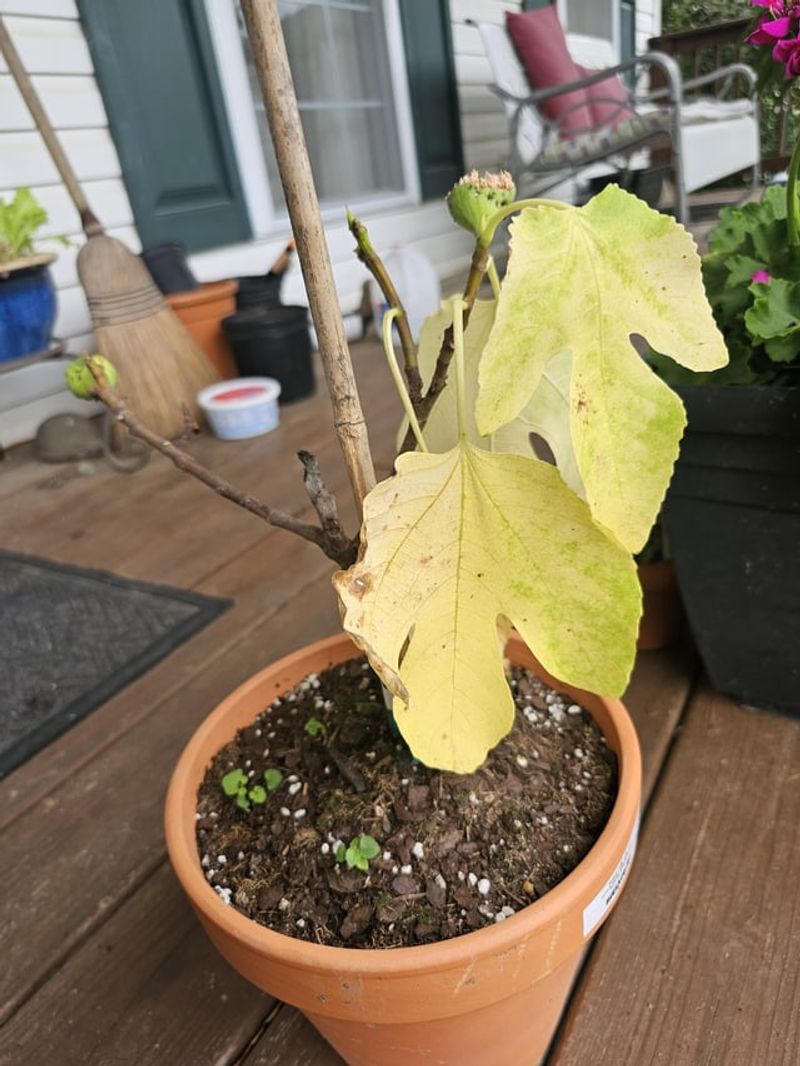
Leaves tell the story. When a fig’s leaves turn yellow and drop, the tree is slowing down for winter, and that is your cue to start planning the move.
Guidance differs a bit by region. University of New Hampshire Extension says to bring figs in when the leaves begin to turn or before the first killing frost.
Penn State Extension suggests moving container figs after a hard frost, once the tree has gone fully dormant.
Both can make sense, depending on where you live. In colder areas, waiting too long risks freezing the pot.
In milder Southern areas, moving too early can keep the tree growing in a spot with little light.
Rather than follow one calendar date, watch three things: the tree’s condition, your local forecast, and advice from your regional extension office. If the leaves are mostly gone and a freeze is coming, it is time.
If the tree still looks active and nights are mild, give it a little longer.
Choose a cool shelter that protects the pot
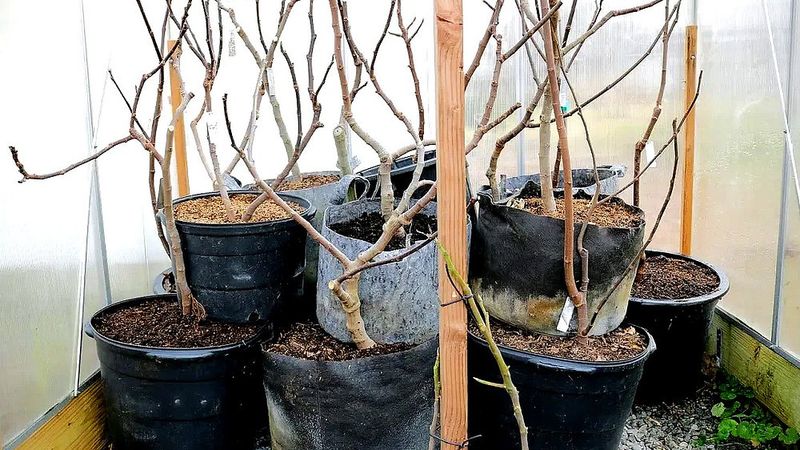
An unheated garage or shed suits a dormant fig because it stays cool enough to keep the tree resting. Virginia Tech recommends an unheated spot and suggests keeping stored fig containers above 20°F.
Penn State also favors unheated, preferably insulated space, and some guidance adds dark storage. Darkness helps in some setups, but cool temperatures and protection from severe cold matter more.
The pot is the weak point. Roots in the ground get insulation from the soil, while roots in a container are exposed on every side.
Texas A&M AgriLife notes that container roots may die if the mix drops much below 32°F.
Treat any number as a general guide. Iowa State gives 20 to 45°F as a typical storage range for container woody plants, while Maryland Extension describes injury to aboveground wood after sustained temperatures below 20°F.
Those figures describe different things and are not guaranteed safe limits for every cultivar or pot.
Hang a thermometer near the tree, and consider wrapping the pot or setting it against an interior wall for extra protection.
Keep the pot draining and the roots lightly moist
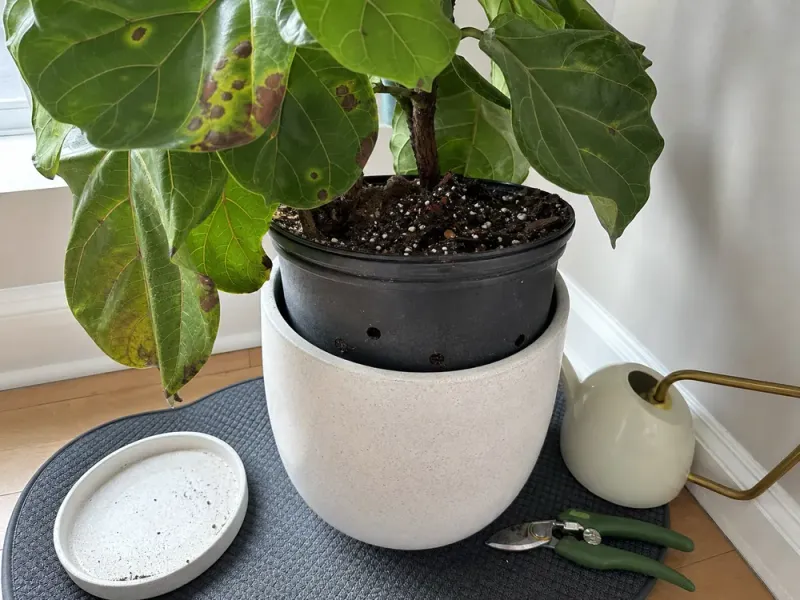
Dormant roots barely drink. UNH Extension explains that a sleeping fig uses little water and that overwatering can lead to root rot.
A mix that stays soggy for weeks is the usual path to trouble.
Drainage is your first defense. Use a pot with open holes in the bottom, and raise it on bricks or pot feet so water can escape.
Keep it away from drips, downspout runoff, or a spot where meltwater pools on the floor.
Do not swing too far the other way, though. Penn State advises against letting the roots dry out completely.
A tree that never gets water can suffer, too.
Aim for a root ball that feels lightly moist when you press a finger into the mix, neither dripping nor bone-dry. If you pick up the pot and it feels far lighter than it did in fall, that is a clue the mix is drying down.
Check the mix before you water
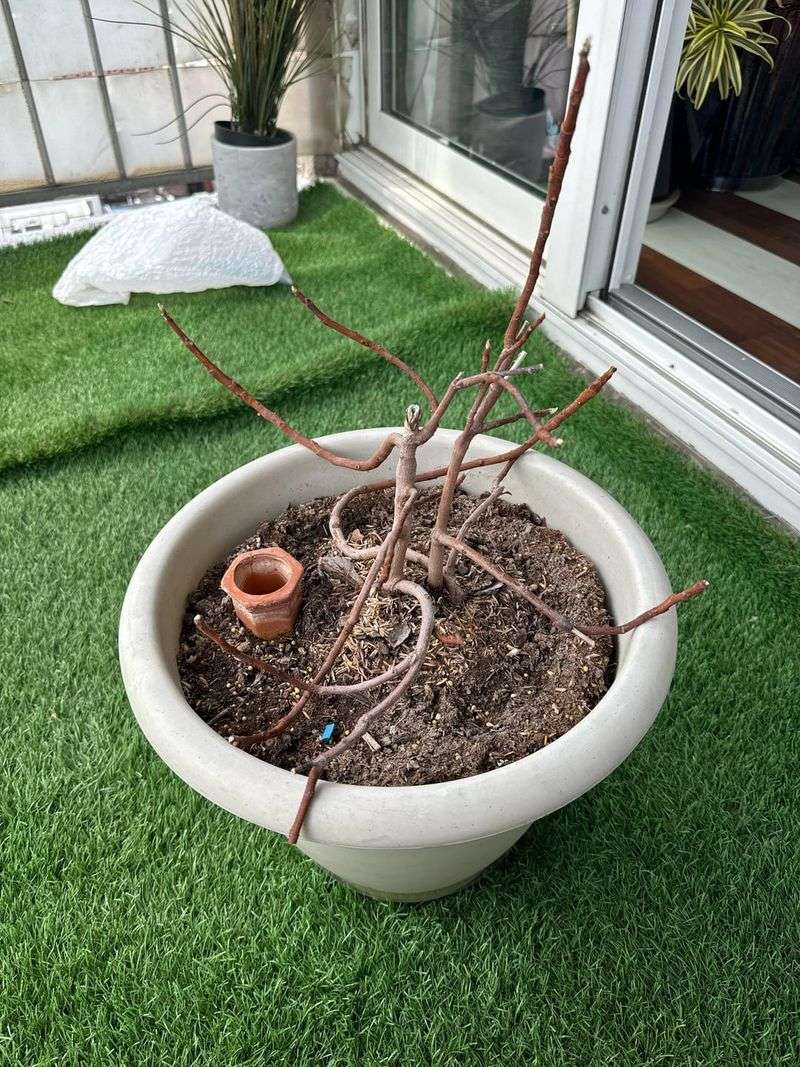
Water only when the mix tells you to. Every few weeks, push a finger a couple of inches into the soil and lift the pot to judge its weight.
If the top of the mix is dry and the pot feels light, give a small drink, just enough to bring the root ball back to lightly moist. If the mix is still damp, leave it alone and check again later.
You will see different numbers online. Penn State and Virginia Tech both suggest about monthly watering, while UNH describes a wider range, including a week or two apart under certain potting-mix and temperature conditions.
That gap is the lesson. A big pot of heavy mix in a cold shed may stay damp for weeks, while a small pot in a warmer garage can dry fast.
Monthly is a starting point to compare against, not a rule. Jot the date of each check on a sticky note so you can see your own pot’s pattern.
Monitor the shelter when temperatures swing
Garages and sheds do not hold steady temperatures. A sunny afternoon can heat a closed space well above the outdoor air, and a clear night can drop it fast.
Iowa State Extension points out that temperatures in unheated structures can vary widely, so it makes sense to measure rather than guess. A cheap min-max thermometer shows the highs and lows you missed while you were away.
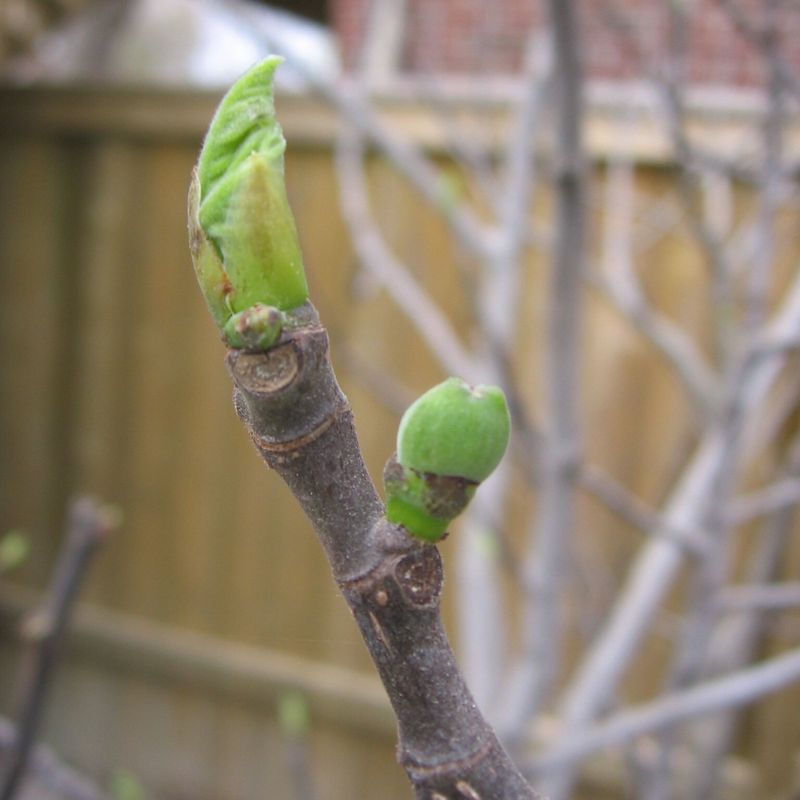
Warmth is the other thing to watch. A stretch of mild days may nudge buds to swell before outdoor frost danger has passed, and tender new growth is easy to lose to a late freeze.
That does not mean every warm spell kills a fig. A tree that breaks bud early can often be moved back to a cooler spot, and UNH Extension notes that figs need only a modest period of cold to rest.
If readings climb, crack a door or vent on cool mornings, or shift the pot away from a sunny window. If they fall toward freezing, add a blanket or move the pot nearer an interior wall.
Ease the fig back outdoors in spring
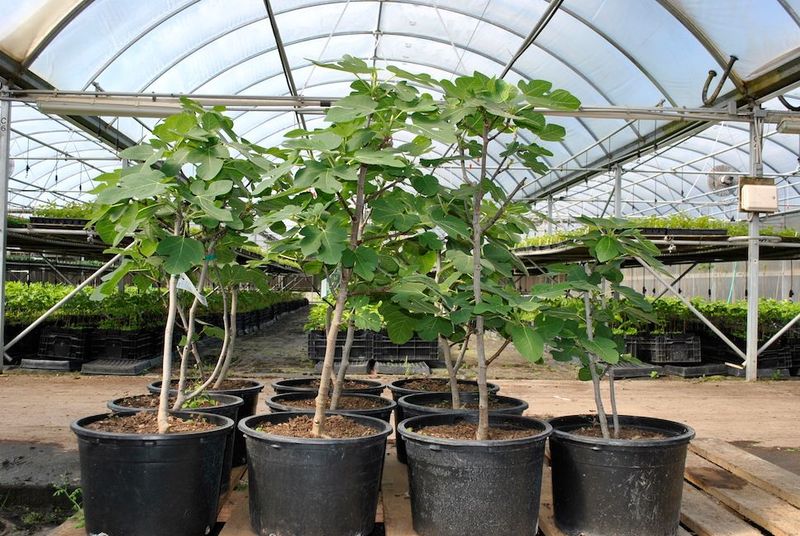
Going from a dim, cool garage to full spring sun is a shock. Tender new leaves can scorch, and a surprise cold night can undo months of careful work.
Virginia Tech suggests taking the tree outside for a few hours at a time and bringing it back in during evening frost events. UNH Extension also recommends gradual exposure over several weeks.
Start on a mild day in a sheltered, partly shaded spot. Add a bit more time and sun every few days, and carry the pot back inside whenever the forecast shows frost.
Treat this as a flexible plan, not a set schedule. In a warm Southern spring the move might take a week or two, while a late cold snap can pause it.
Let the weather and the tree’s new growth guide you, and once nights stay safely above freezing, the pot can stay out for good.
A winter garage is not necessary for every Southern fig
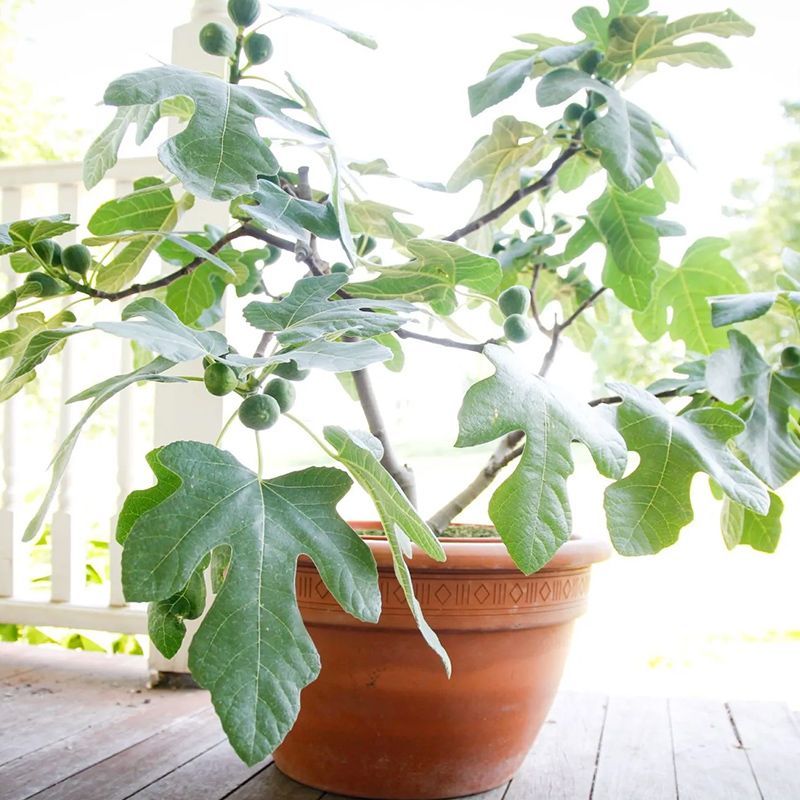
Not every Southern fig needs to be hauled into a shed. Winter freezes vary a lot from the Texas Panhandle to the Gulf Coast to central Florida, and your fig’s setting matters as much as the calendar.
Texas A&M AgriLife notes that figs grow across Texas but need cold protection in the far northern and western parts of the state. UF/IFAS describes fig growing in Florida and mentions some freeze tolerance, while also warning that figs do not tolerate excessively wet soil.
In a mild area, a pot on a sheltered porch, backed against a warm wall, may be enough on most nights. Keep frost cloth handy and move the pot under cover only when a hard freeze is forecast.
Remember that a pot is more exposed than a tree in the ground, so a night that spares an in-ground fig may still chill container roots. Check your forecast lows, your cultivar, and your pot’s exposure, then choose the lightest protection that works.
Wet soil is a risk even in mild winters.
Healthy wintering improves the odds, not a guaranteed crop
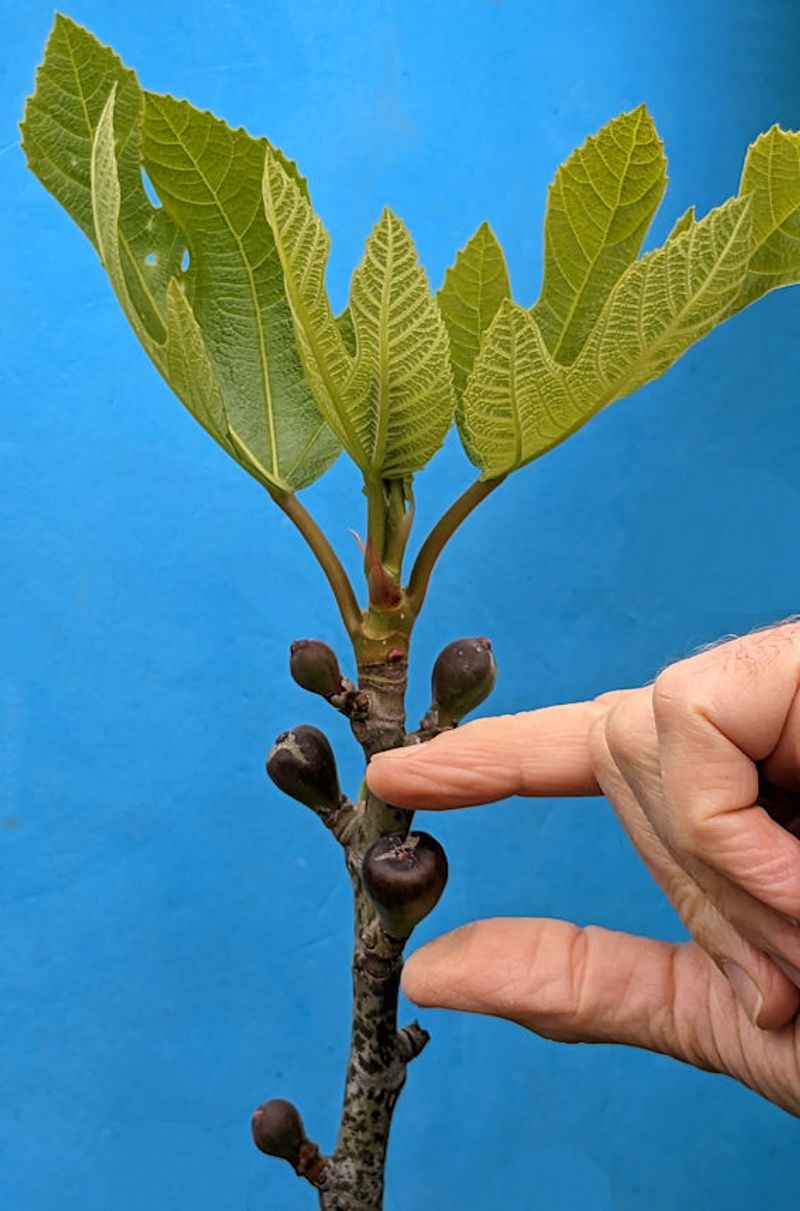
Careful winter storage lowers the chance of losing your fig, but it cannot promise ripe fruit next summer. Several things outside your garage door shape the harvest.
The main crop forms on the current season’s growth, so a tree that is cut back by cold has to regrow before it can fruit. Some cultivars also bear an earlier breba crop on last year’s wood, and that wood is easily lost to cold.
Maryland Extension and UC Statewide IPM both describe how fruiting habit and cultivar affect what ripens.
Cold injury, how quickly the tree recovers, and the length of your growing season also play a part. A late-ripening variety in a short season may drop unripe fruit even after a perfect winter.
The routine itself stays simple: a cool shelter, protected roots, and regular checks of the mix. Do those things and you give the tree its best shot.
Think of winter care as a sound investment in the tree, with the figs as a welcome bonus.