
Crape myrtles have ruled Texas yards for decades, but bark scale, bad pruning, and thirsty summers have many homeowners pulling them out. The good news is that Texas has its own lineup of tough native shrubs that handle triple-digit heat, rocky or clay soil, and watering limits without much fuss.
Many of them also feed hummingbirds, butterflies, and songbirds that crape myrtles mostly ignore. Here are ten native picks that can fill that empty spot and make your yard feel more alive.
1. Texas Sage (Cenizo)
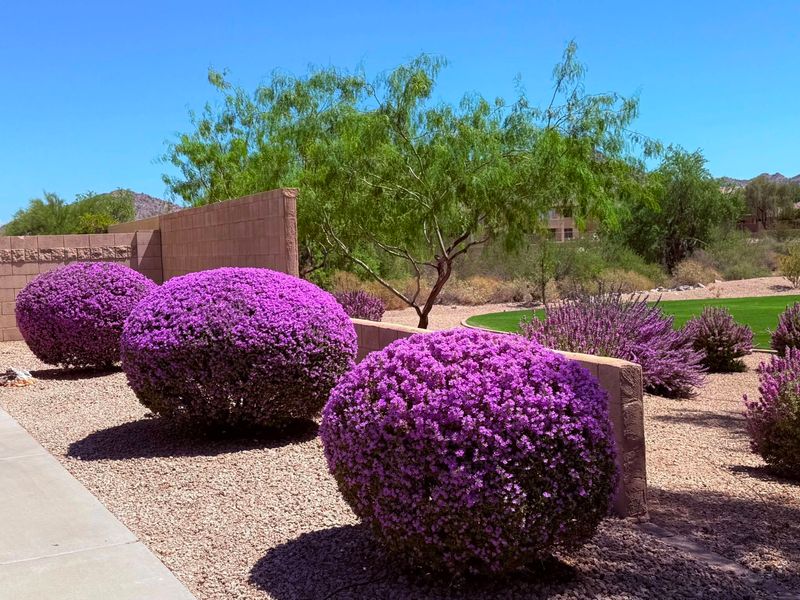
Folks in the Hill Country call it the barometer bush, and for good reason. A few days after a summer rain, the silvery leaves of cenizo disappear under a wave of lavender or purple flowers almost overnight.
That sudden show is one reason it works so well in an old crape myrtle spot. It loves full sun, shrugs off alkaline soil, and can get by on very little extra water once it is settled in, usually after the first year.
Give it good drainage above all else. Soggy beds and heavy irrigation tend to cause more trouble than drought ever will, so skip the sprinkler zone if you can.
Most varieties reach 4 to 6 feet tall and wide. Compact selections like ‘Compacta’ or ‘Lynn’s Legacy’ fit smaller beds near walkways and porches.
2. Yaupon Holly
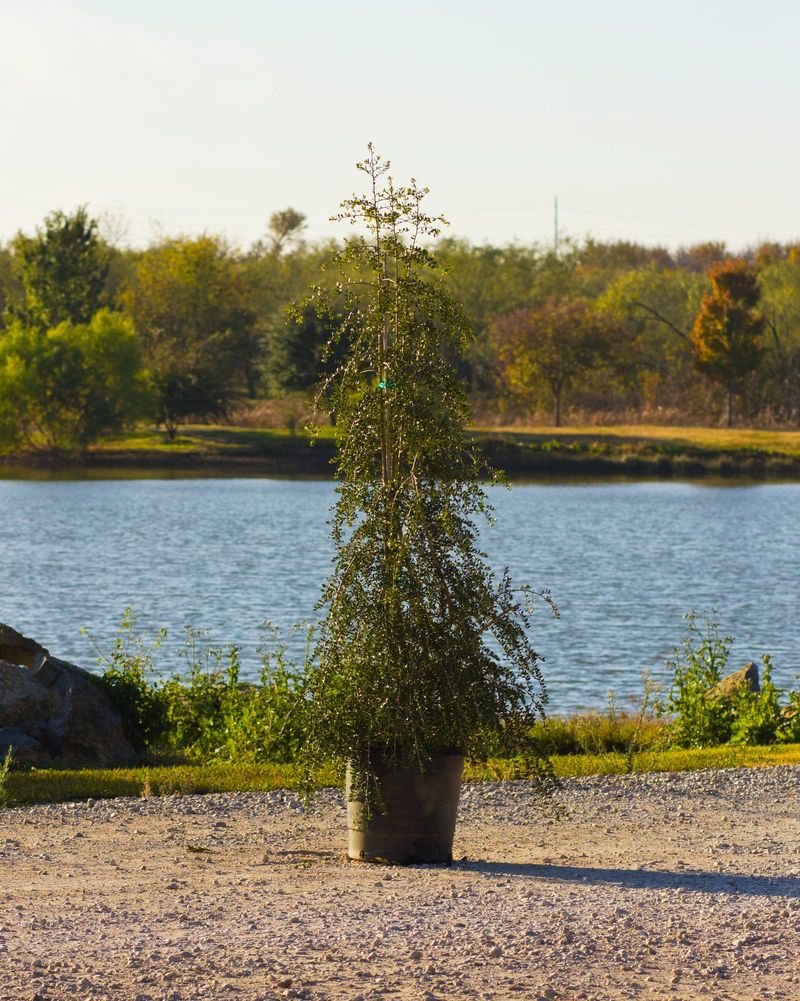
Picture a cold January morning with cedar waxwings and mockingbirds picking red berries off a glossy green shrub by your driveway. That scene is yaupon holly in its element, and it is a big reason gardeners choose it over a bare-branched crape myrtle in winter.
Yaupon is evergreen, so the spot stays green all year. Upright forms like ‘Will Fleming’ make a tidy vertical accent, while weeping yaupon gives you a graceful small-tree look similar to a multi-trunk crape myrtle.
It handles sun or partial shade, clay or sand, and even some salty Gulf Coast air. Only female plants make berries, so buy one already fruiting if birds are your goal.
Fun bit of history: its leaves contain caffeine, and Native peoples brewed them into tea long before coffee reached Texas.
3. Flame Acanthus
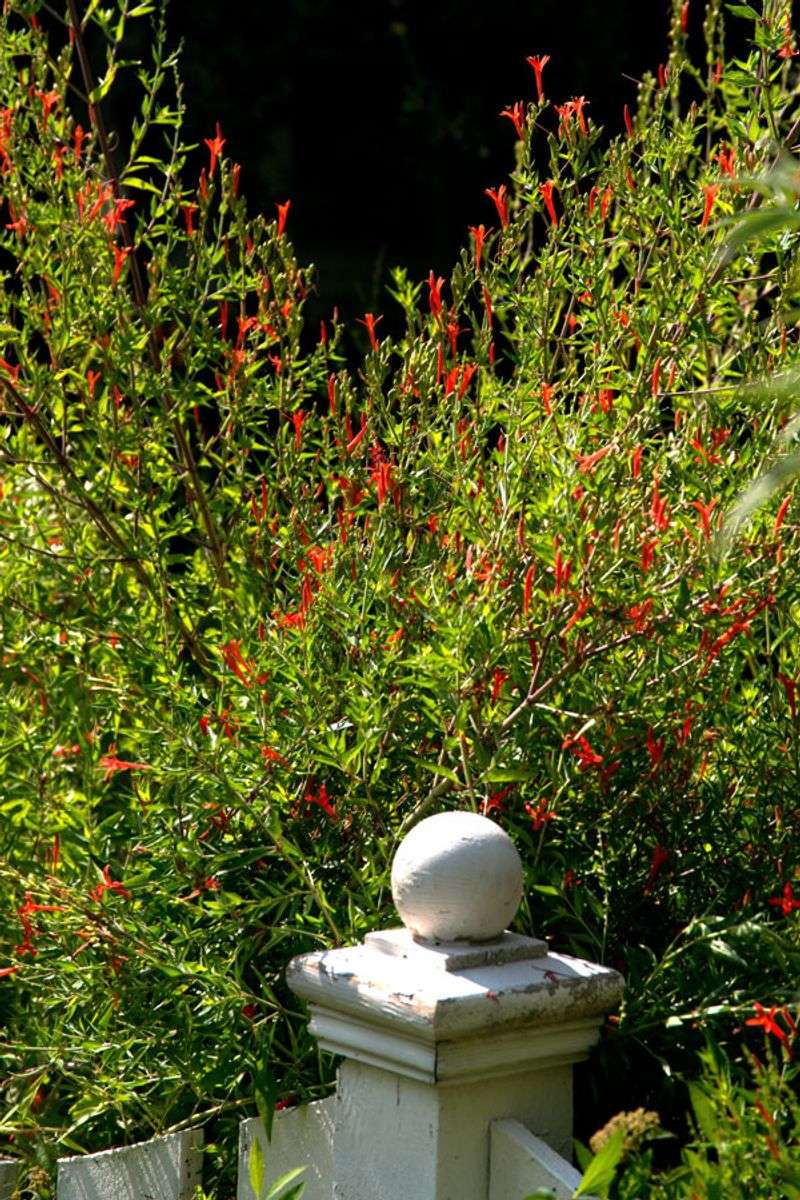
Hummingbird lovers, meet your new favorite shrub. Flame acanthus pumps out narrow orange-red tubes from midsummer until frost, right when ruby-throated and black-chinned hummingbirds are fueling up for migration.
It thrives in the hottest, driest corners of the yard. That makes it a natural fit for the baking strip along a driveway where a crape myrtle once struggled.
Plants usually grow 3 to 5 feet. In winter it may die back or look twiggy, so cut it down by about half in late winter and it rebounds fast.
Butterflies visit too, and deer often leave it alone, which is a nice bonus in suburban Hill Country neighborhoods.
4. American Beautyberry
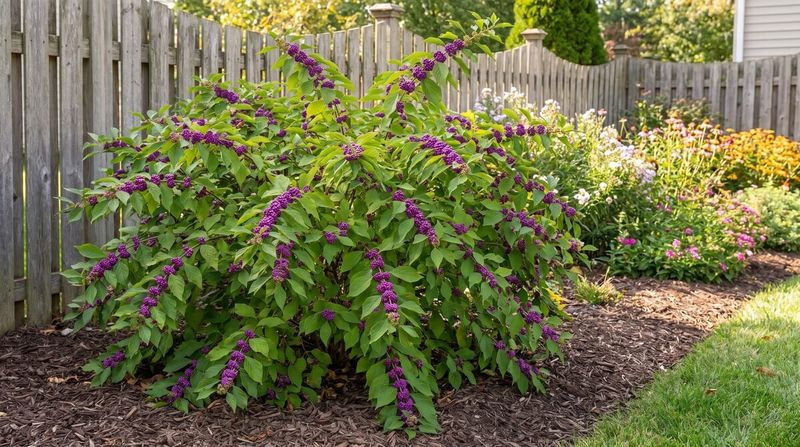
Few shrubs stop neighbors in their tracks like beautyberry in September. Clusters of shocking magenta berries wrap the stems like beads, and the color looks almost fake.
Where crape myrtles sat under growing oak shade and stopped blooming, beautyberry can step in happily. It prefers part shade and a bit more moisture, so it suits East Texas, the Gulf Coast, and shady North Texas lots.
Birds like brown thrashers and northern bobwhites eat the berries through fall and winter. Many gardeners also crush the leaves and rub them on skin, and some research suggests compounds in them may help deter mosquitoes.
Prune it hard in late winter. New growth carries the flowers and berries, so a fresh trim keeps it full and colorful.
5. Texas Mountain Laurel
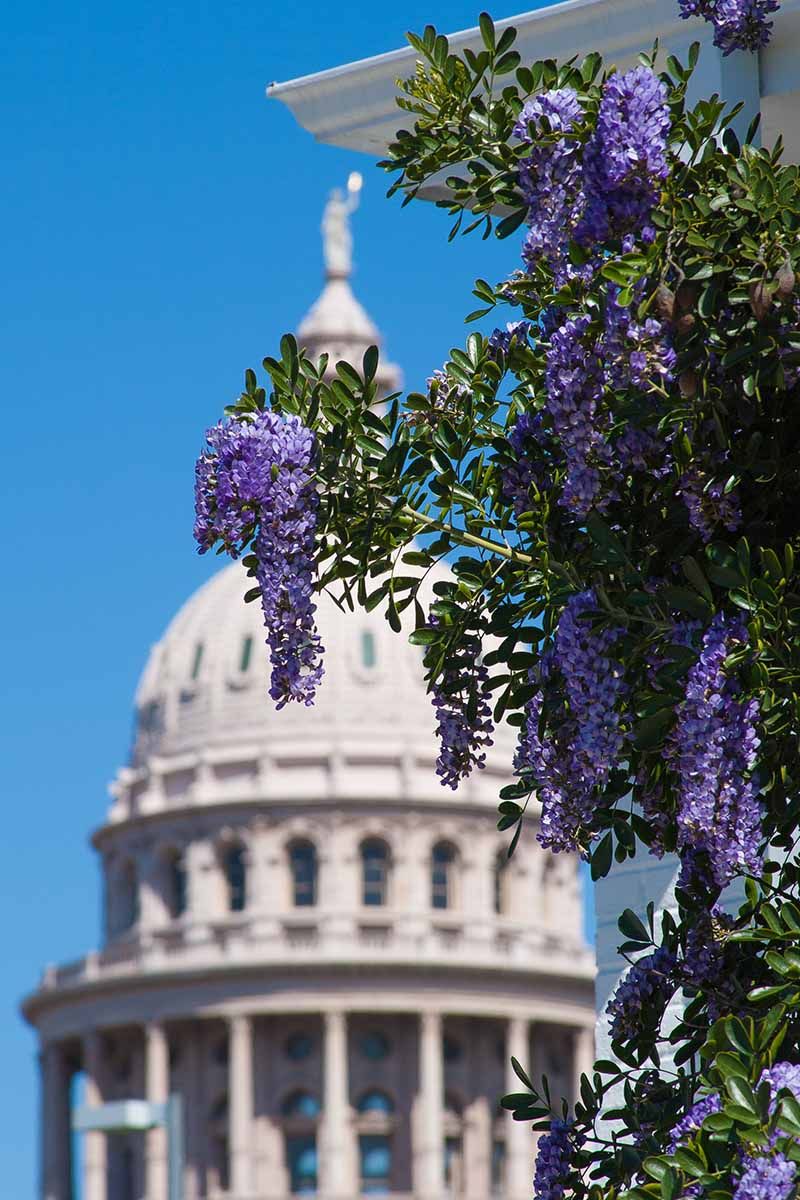
If you loved your crape myrtle mostly for its small-tree shape, this is the swap to study. Texas mountain laurel grows slowly into a multi-trunk evergreen that reaches about 10 to 15 feet, filling the same vertical space.
In March, it drips with purple clusters that smell remarkably like grape soda. People often smell it before they see it.
It handles rocky limestone, heat, and drought with ease once established. Plant it in full sun with sharp drainage, especially in San Antonio, Austin, and points west.
Patience matters here, since growth is slow. Also note the bright red seeds are toxic, so keep that in mind around small children and pets.
6. Turk’s Cap
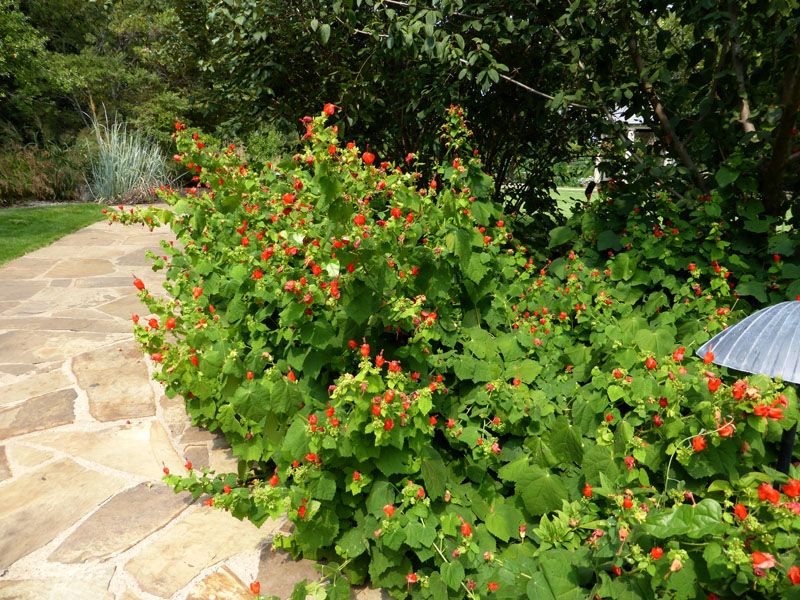
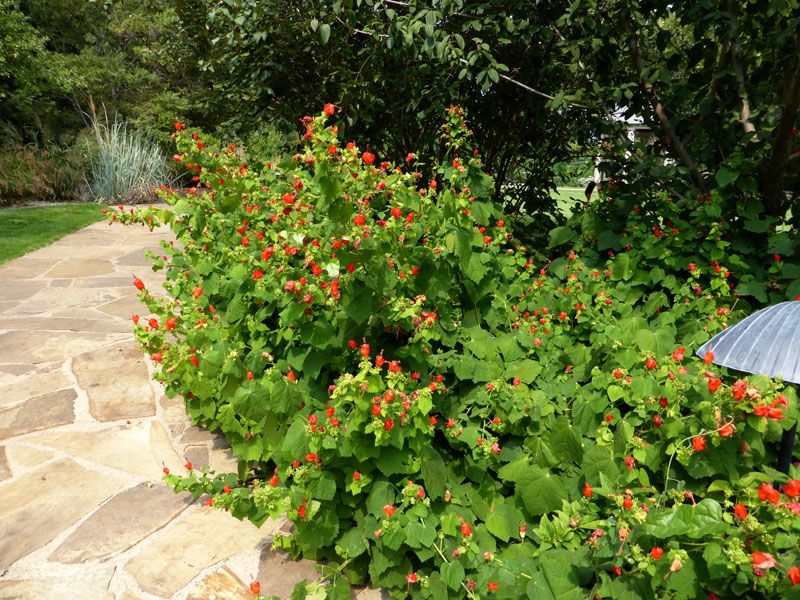
Here is a plant that seems almost impossible to kill. Turk’s cap grows in deep shade, full sun, clay, and caliche, and still pushes out little red swirled blooms that never fully open.
Those odd flowers are perfect for hummingbirds, and the small red fruits that follow get snapped up by birds. Sulphur butterflies and bees join in too.
Expect a loose, bushy plant around 3 to 5 feet tall. Cut it back to the ground in late winter, and it returns with fresh foliage in spring.
It also spreads slowly by roots, which is handy if you want to fill a wider bare area left after removing a crape myrtle and its suckers.
7. Agarita
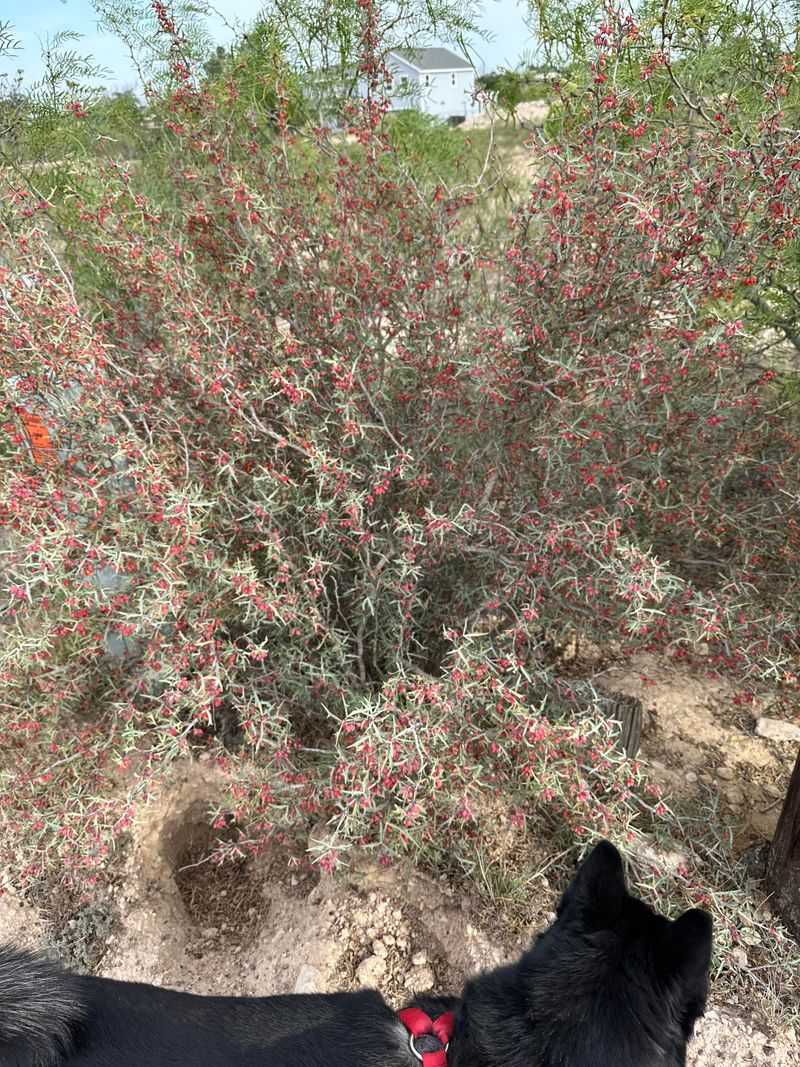
Spiky, tough, and a little bit grumpy-looking, agarita earns its spot by being useful. The blue-gray holly-shaped leaves have sharp tips, so it doubles as a living barrier under windows or along property lines.
In late winter, tiny yellow flowers smell sweet and feed early bees when little else is blooming. By late spring, red berries appear, and Texans have long made jelly from them.
It is about as drought tolerant as shrubs get, and deer usually pass it by. Full sun and good drainage keep it happiest.
Pick a spot away from sidewalks. Nobody wants to brush against it on the way to the mailbox.
8. Rough-Leaf Dogwood
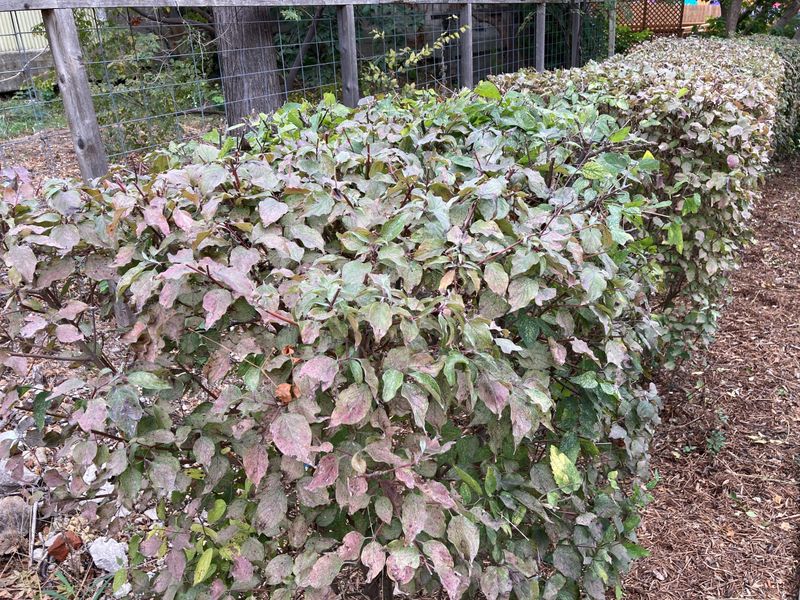
Ask a bird lover in North Texas about rough-leaf dogwood, and you may hear a long list of visitors. More than 40 bird species are known to eat its white berries, according to many native plant groups.
Creamy flower clusters show up in late spring and pull in all kinds of pollinators. In fall, the leaves can turn reddish purple, giving a little of the seasonal color crape myrtles were known for.
It grows fast, usually 6 to 15 feet, and can form a thicket. That is great for a natural screen or wildlife corner, though you may want to pull suckers in a tidy bed.
It tolerates clay, heat, and some drought, making it a smart choice for Dallas-Fort Worth backyards.
9. Cherry Sage (Autumn Sage)
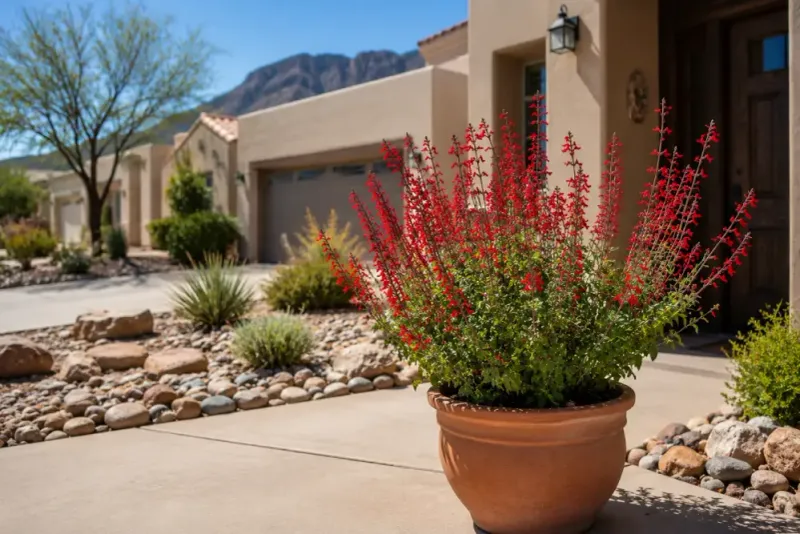
Want color nearly every month the weather is warm? Cherry sage, also called autumn sage or Salvia greggii, blooms in spring, keeps going through summer heat, and often peaks again in fall.
It comes in red, pink, coral, white, and purple, so it is easy to match your house color. Plants stay small, about 2 to 3 feet, which makes it ideal if your old crape myrtle crowded a porch or front walk.
Plant several in a row for a low hedge that buzzes with bees and hummingbirds. Shear it lightly a couple of times a year to keep it dense.
Drainage is the main rule. Gravel or a raised bed helps a lot in heavy Texas clay.
10. Possumhaw Holly
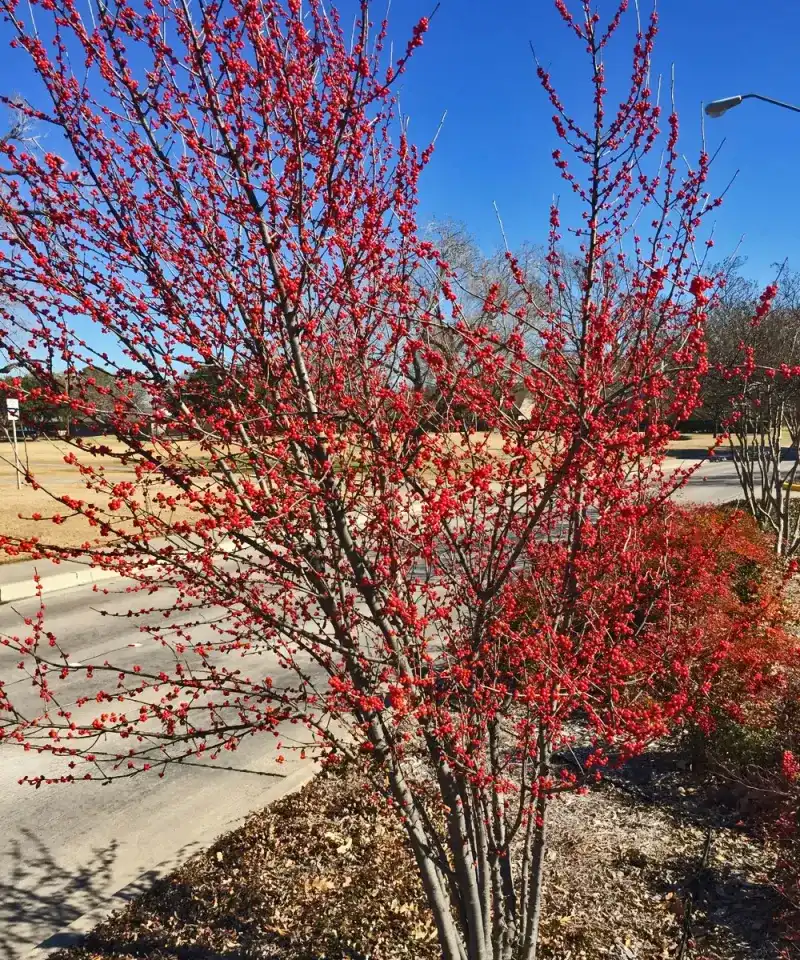
Winter is when possumhaw shows off. After its leaves drop, the gray branches stay loaded with red or orange berries, glowing against a dull January yard like holiday lights.
Of all the picks here, it may be the closest stand-in for a crape myrtle’s look. It grows as a small multi-trunk tree around 15 feet, with smooth pale bark and a nice open shape.
Cardinals, robins, and bluebirds feast on the fruit late in winter. It handles wet clay and occasional flooding better than many shrubs, which helps along the Gulf Coast.
Like yaupon, only females fruit, so choose a plant with berries. Then sit back and enjoy the color when nothing else is blooming.