
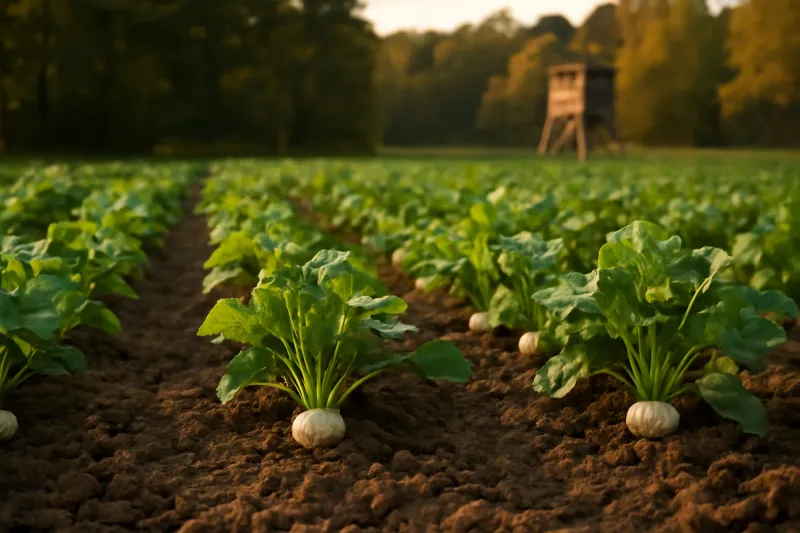
You sowed radish seeds in fall, watched a thick carpet of green leaves rise, and then pulled up skinny roots or nothing worth eating. It is a common letdown, and it usually has more than one possible explanation.
Too much nitrogen is one suspect, but it is not the only one. Here is how to sort through the clues and set up a better next sowing.
Leafy tops point to a problem, not a diagnosis
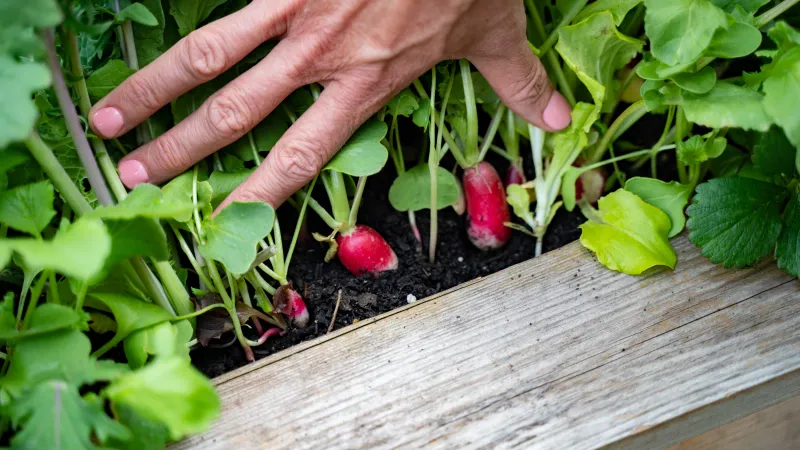
Big, healthy-looking leaves with a tiny root underneath is a recognizable radish problem. It tells you something limited root growth, but it does not tell you exactly what.
Foliage alone cannot prove that nitrogen was the cause.
Extension sources point to several possible contributors. Iowa State Extension lists excess nitrogen, hot weather, and overcrowding as possible reasons for lush tops and poor roots.
None is ranked above the others, so this article treats nitrogen as one suspect among several.
A quick note on wording: gardeners often call the part we eat a bulb, but a radish is an enlarged storage root. Varieties differ in shape, size, and days to maturity, according to UF/IFAS.
A long daikon and a small round salad radish will never look alike, so check what your variety should produce before deciding yours fell short.
Nitrogen can favor foliage over roots
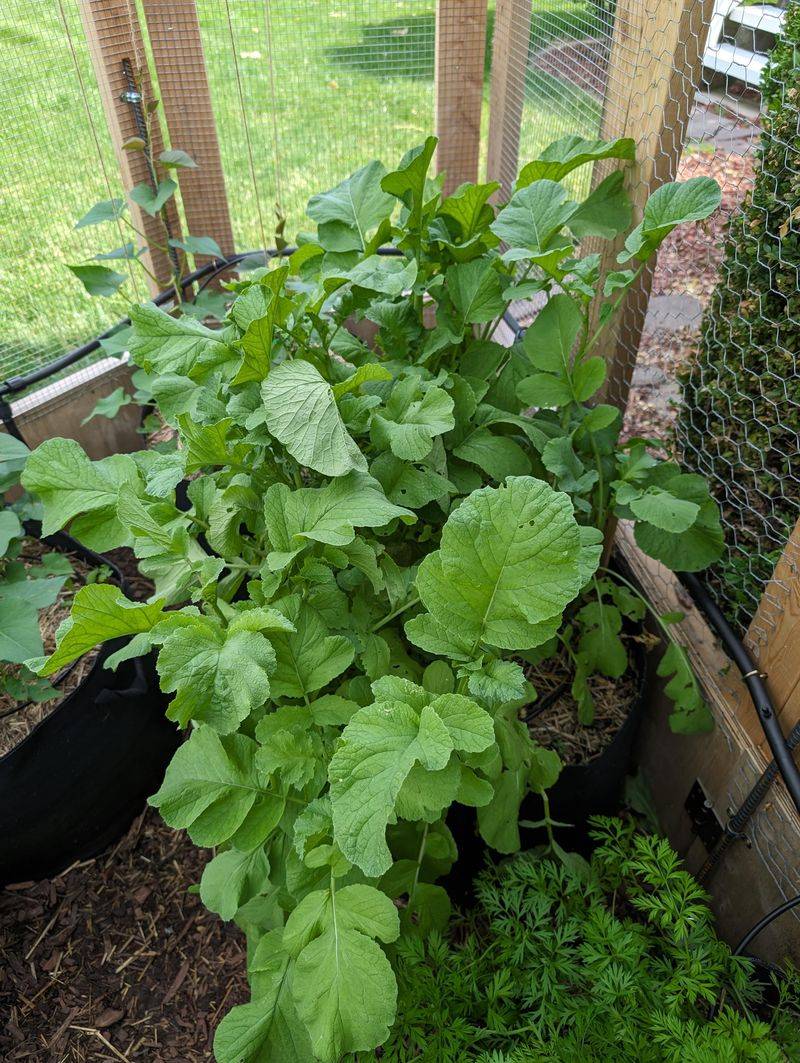
Nitrogen drives leaf growth. When a plant gets more than it needs, it can put energy into tops instead of the root you want.
That makes excess nitrogen a plausible, preventable cause, though not a confirmed one for your bed.
Radishes have low nutrient needs. University of Maryland Extension cautions against excess nitrogen because it can favor top growth over roots.
Think about what the bed already received. Manure, compost, or fertilizer from a previous crop may have supplied plenty.
Utah State Extension advises using the lowest nitrogen amount for radishes and reducing it when manure or compost has been added. If your tomatoes or leafy greens grew there with generous feeding, leftover fertility could be part of the story.
Heat and crowding can leave roots undersized
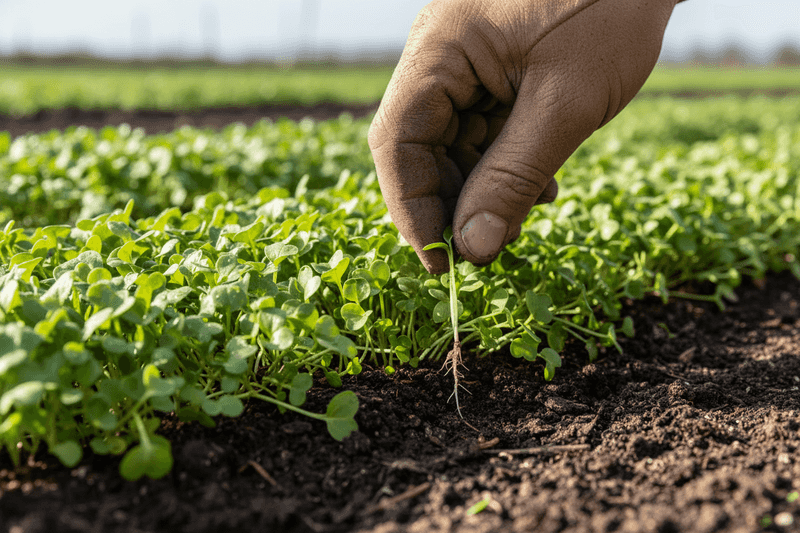
Iowa State names hot weather and overcrowding right next to nitrogen as possible causes of an all-tops crop. Fertilizer changes alone will not fix either one.
Fall in the South can start hot. Radishes prefer cooler temperatures, and UF/IFAS notes a stronger, more bitter flavor in warmer conditions.
UC IPM associates temperatures above 80 degrees F with bolting and more deformed roots. That is California guidance, so use it as a heat clue, not as a planting calendar for your region.
Not every Southern location cools at the same time. A September sowing in one town may meet very different weather than the same date a few hundred miles away.
Crowding is easier to check. If seedlings were left packed together, roots may have had no room to swell.
Look back at how thick your rows were and whether you thinned them.
Check soil history before adding fertilizer
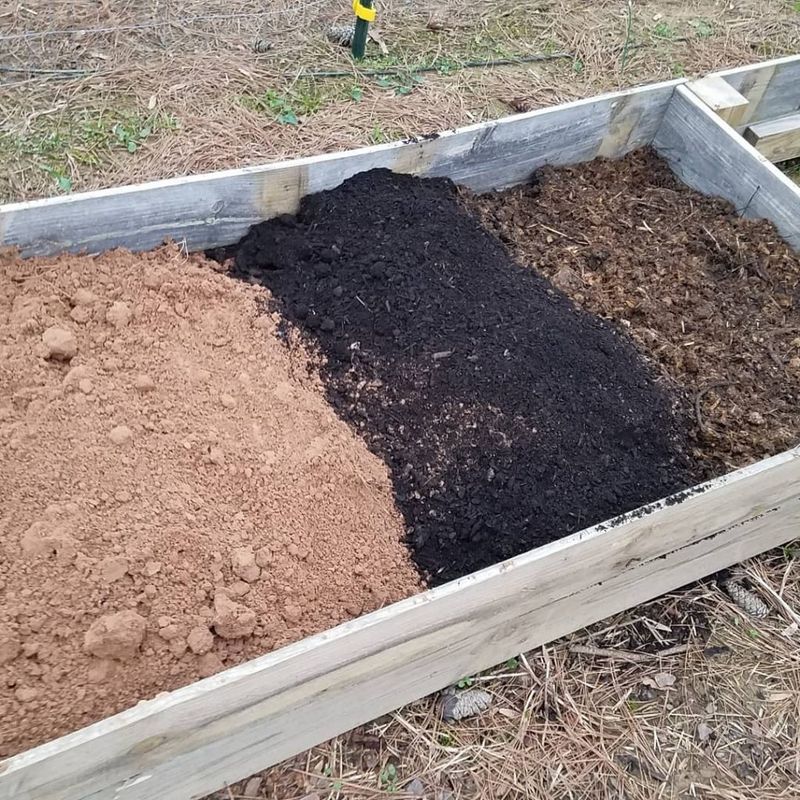
Before you feed the bed again, work out what it has already gotten. Did you add manure, compost, or a rich fertilizer in the past season?
Write it down, because that history matters more than the leaves you see now.
Radishes do not need heavy feeding. Skip extra nitrogen where compost or manure has gone in, as Maryland Extension suggests.
A soil test takes the guesswork out. Utah State Extension recommends adjusting phosphorus and potassium to soil test results.
Leafy growth alone is not a reason to add phosphorus or any other nutrient.
Keep expectations realistic. A soil test can show whether fertility looks off, but it cannot rule out heat, crowding, or other growing conditions.
It simply removes one unknown.
Give the next sowing room and steady conditions
Timing comes first, and it depends on where you live. UF/IFAS gives September through March as Florida’s general radish season.
For Central Texas, Texas A&M lists September as an ideal fall planting month. Treat these as regional examples, not one Southern calendar.
Other parts of Texas may differ.
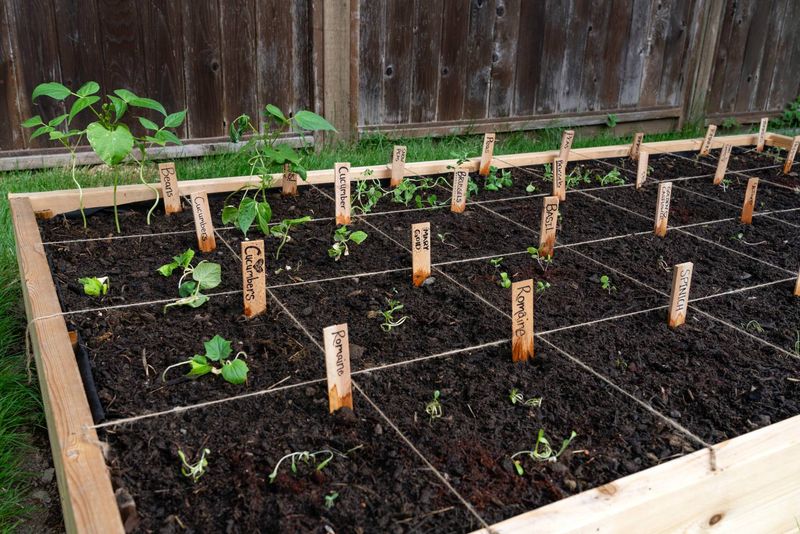
Next, thin seedlings to the spacing recommended for your variety. Seed packets and extension guides vary, so there is no single right distance.
Crowded plants may develop small or misshapen roots.
Soil matters too. Radishes grow best in loose soil that stays evenly moist, according to UF/IFAS.
Loosen the bed before sowing and water often enough that it never dries out completely, but avoid waterlogging.
Harvest by variety. Many small radishes are ready in roughly 20 to 30 days, while daikon can take about ten weeks in fall.
Roots left too long may turn tough or bitter.
Reduce risks and keep track of conditions
No single change guarantees fat radishes, but a few steps can lower the odds of another leafy crop. Hold back on unnecessary nitrogen, give seedlings room, and sow when local temperatures suit radishes.
Keep a simple garden log. Record compost or fertilizer added, sowing date, spacing, and weather.
Making many changes at once will not show which factor caused the last problem, but notes from later plantings let you compare results more fairly. Iowa State lists several possible causes, and a soil test, as Utah State advises, covers the fertility piece.
A radish is a fast crop, so a missed round costs only a few weeks.