
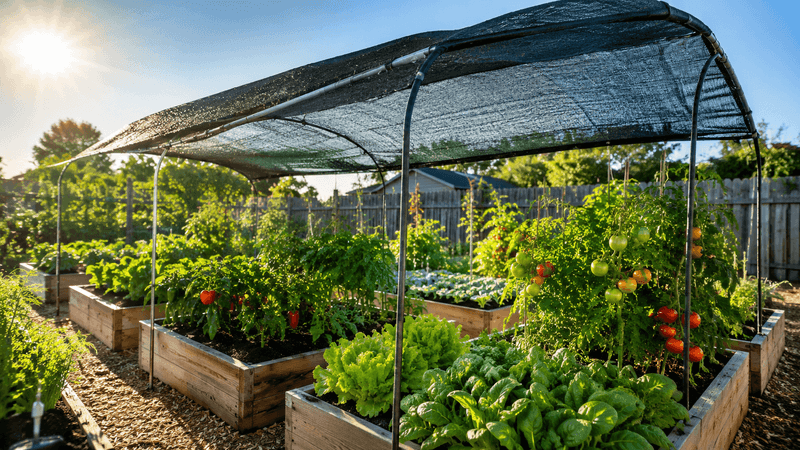
You walk out to the garden and your lettuce looks like it grew a tiny tree overnight. The leaves taste harsh, and you wonder if the whole bed is done for.
Southern fall gardens swing between cool mornings and warm afternoons, so lettuce can get stressed fast. Knowing what to look for helps you decide what to save and what to pull.
A tall center stalk is the clearest sign lettuce is bolting
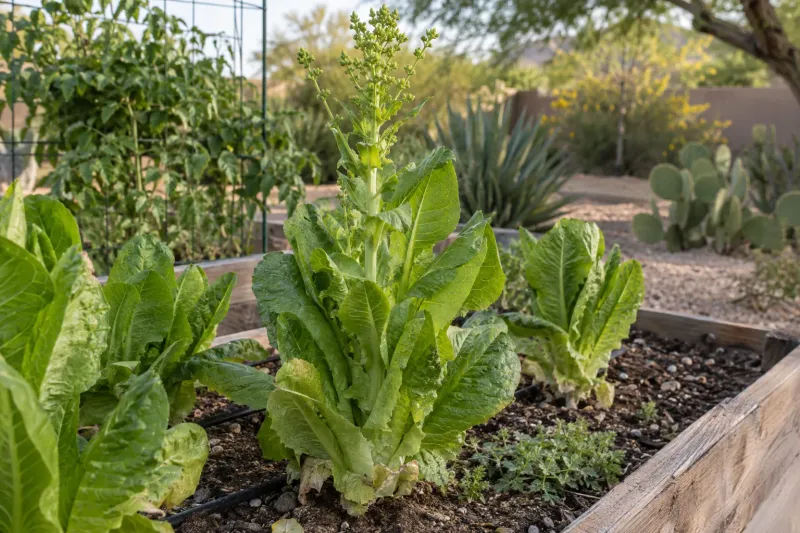
Kneel down and look at the middle of the plant. Bolting means the lettuce has started to flower, and the clearest sign is a central stem that stretches upward fast, often with flower buds or open flowers at the top.
A leafy rosette that suddenly turns into a skinny tower is a good clue.
As the plant shifts its energy toward flowering and seed production, leaf quality often declines, according to UF/IFAS bolting guidance. Leaves may get tougher and the flavor may turn harsh.
Taste alone does not settle the question. Bitter leaves can show up on plants that still look compact and have no stalk, because stress and age can cause bitterness too, as noted in University of Minnesota Extension.
Sort your plants by what you can see: stalk and buds mean bolting, while bitter leaves with no stalk mean a plant that is stressed but may still be usable.
A warm spell may contribute without explaining every bitter plant
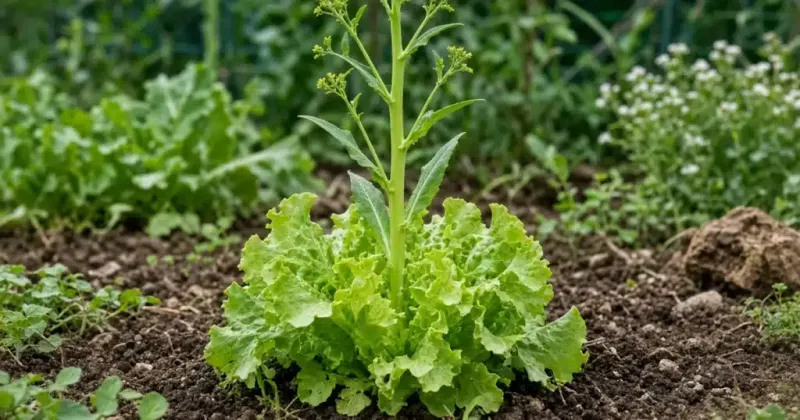
Picture two rows of lettuce side by side. One row is older and planted in dry soil, the other is young and well watered.
A warm afternoon can hit them very differently, so a warm spell may add heat stress or speed flowering, but it cannot tell you why one particular plant bolted.
Plant age, moisture, and variety all play a part. A peer-reviewed study of lettuce, Ryder’s 1995 photoperiod research, found big genetic differences in how lettuce responds to day length.
It also found that high temperature alone did not trigger bolting in the lettuce tested, though that result does not cover every variety or garden.
Bitterness has its own list of causes. Heat stress, dry soil, and plant age can all make leaves taste sharper, and flowering can make it worse, as Minnesota Extension explains.
Check for a stalk first, then think about age, watering, and variety before blaming the weather.
Raised shade cloth may help protect plants that have not bolted
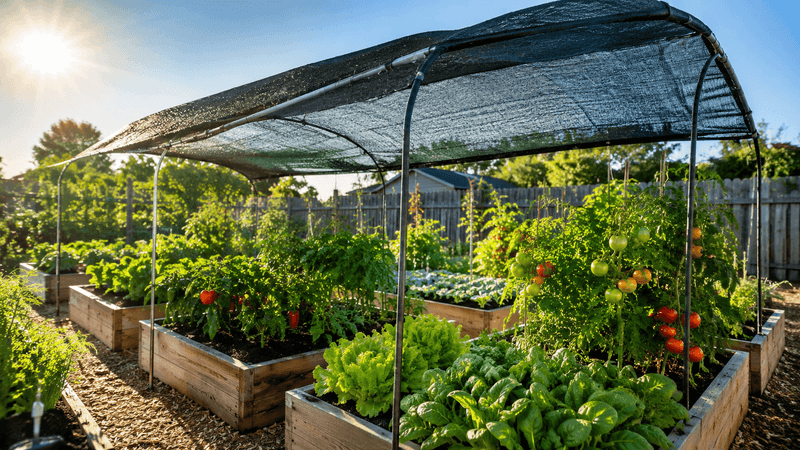
Shade cloth works best when it floats above the crop. Bend hoops, conduit, or a simple frame over the bed and fasten the fabric so it sits well above the leaves instead of lying on them.
Leave the sides open or easy to lift so air can move through.
The goal is to cut heat exposure for lettuce that is still leafy. NC State Extension suggests about 47 percent shade for lettuce in hot areas and 30 percent in northern or coastal climates.
It also reports that 30 to 50 percent shade in midsummer can lower leaf temperature by 10 degrees or more. Those numbers describe guidance and midsummer conditions, so a November bed may not see the same drop.
Keep expectations realistic. Shade cloth cuts incoming light along with heat, but it does not change day length, and it cannot undo flowering on a plant that has already sent up a stalk.
Think of it as support for the plants that still look good.
Keep the soil moist without leaving it waterlogged
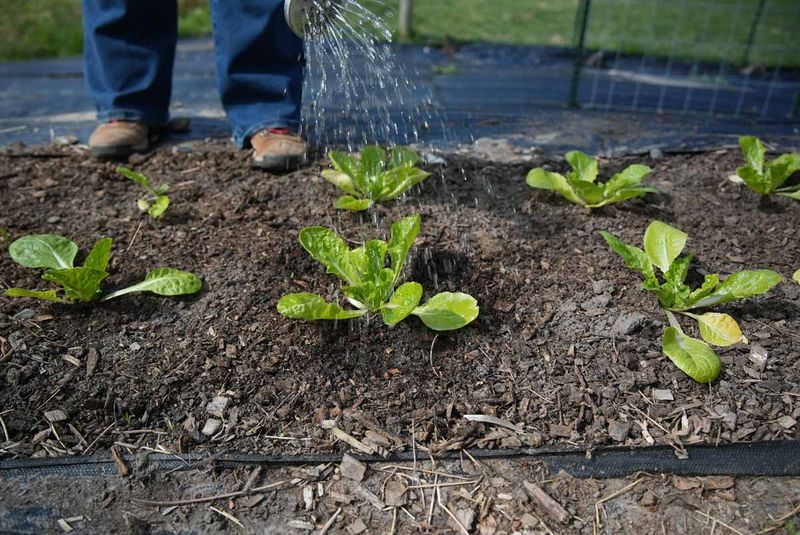
Aim for soil that feels like a wrung-out sponge. During hot spells, lettuce does better when the root zone stays consistently moist, not soggy.
Poke a finger two inches down each morning, and water when that layer starts to dry.
Lettuce has shallow roots and a cool-weather preference. UF/IFAS says it prefers roughly 50 to 75 degrees and suggests afternoon shade or shade cloth once temperatures climb above 85.
Steady water is one piece of that supportive care.
A few habits help. Water at the base early in the day, add a thin layer of mulch, and make sure the bed drains so roots are not sitting in standing water.
Water is not a cure-all. It will not stop bolting by itself, and it will not make leaves that already turned bitter taste sweet again.
It simply removes one stress from the list.
Harvest tender leaves while the plant remains leafy
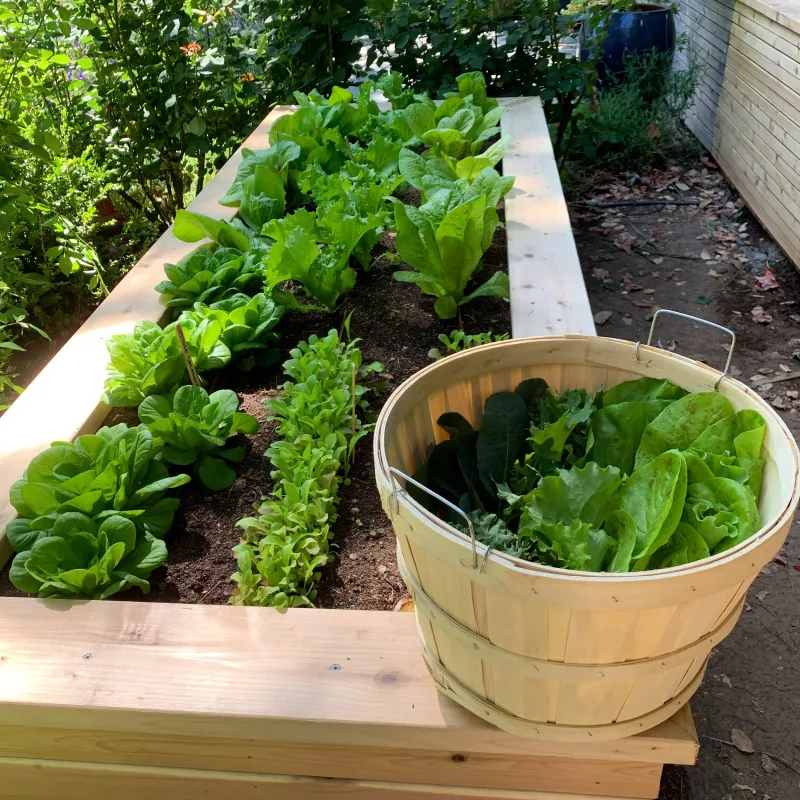
Walk the bed and sort plants into two groups. Those with no visible stalk or buds go first on your harvest list.
Plants that have clearly bolted can wait or be pulled, since their leaves are more likely to be tough.
On the plants still in rosette form, pick young, tender leaves and take the larger outer ones first. UF/IFAS lettuce advice says this lets the inner leaves keep developing, so you get several pickings instead of one.
You may be tempted to pinch off a flower stalk and hope for the best. UF/IFAS says pinching flowers may stretch a harvest by a few weeks, but it does not reverse bolting or bring back the earlier flavor.
Taste a leaf before you fill the bowl, and treat any extra time as a bonus.
Choose varieties and planting dates for your local conditions
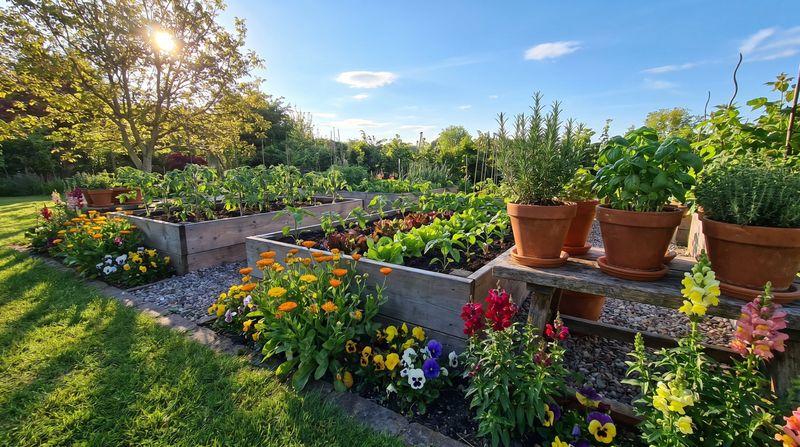
Next season’s best defense starts at the seed rack. Look for lettuce labeled slow-bolting or heat-tolerant, and pair it with planting dates that fit your area.
A date that works in one town can be too early or too late in another.
Texas shows how wide the range can be. Texas A&M AgriLife Extension lists average fall leaf lettuce planting dates from September 1 in Region I to December 1 in Region V.
Florida runs on its own schedule. UF/IFAS Extension gives planting windows that vary by lettuce type and region, and many stretch through fall and winter.
UF/IFAS gardening guidance also treats lettuce as a cool-season crop.
Not every November warm spell carries the same risk everywhere. Check your county extension office for local dates, read the variety label, and stagger a few plantings so one hot week never catches the whole bed at the same stage.