
Grab the loppers too early and you could cut off every flower your tree planned to show you in April. In North Carolina, some trees love a winter trim, while others should be left alone until after they bloom.
Winter is a great time to see branch shapes clearly, and many trees heal well while they rest. Here is a simple guide to ten common NC trees, so you know which ones to prune now and which ones to wait on.
1. Oaks (Prune in Winter)
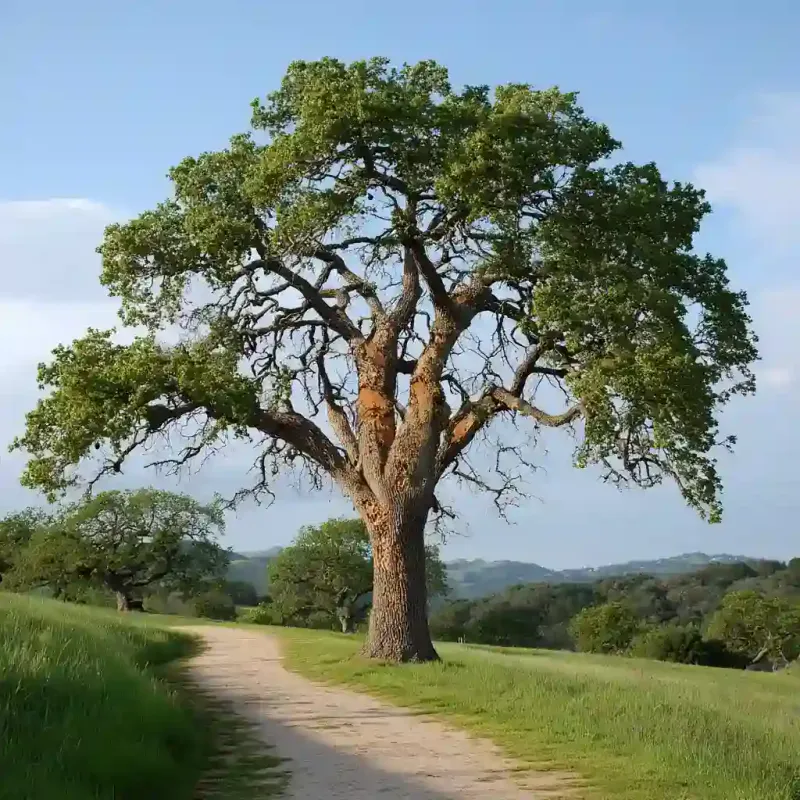
Oak wilt has been found in parts of North Carolina, and that one fact makes winter the smartest time to trim your oaks. The sap beetles that may spread the disease are mostly inactive in cold months.
Fresh cuts made in spring or early summer can attract them.
Aim for December through February across the Piedmont and coastal plain. In the mountains, you can often stretch into early March while temperatures stay cold.
Focus on dead wood, crossing limbs, and branches hanging over the roof. Skip the wound paint in most cases, since a clean cut just outside the branch collar usually seals on its own.
Big limbs high in the canopy are a job for a certified arborist, not a ladder on a windy Saturday.
2. Crepe Myrtles (Light Prune in Late Winter)
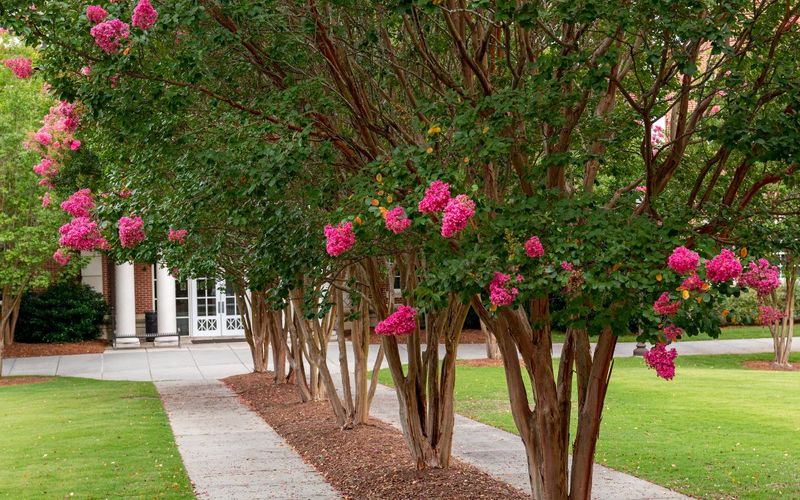
Drive through almost any NC neighborhood in February and you will spot it: crepe myrtles chopped into knobby stumps. Folks call it crepe murder, and the tree really does not need it.
Crepe myrtles bloom on new growth, so late winter (February into early March) is the right window. Just keep it light.
Remove suckers at the base, inward-growing twigs, and any branch thicker than a pencil that rubs another one.
Leave the main trunks alone and let the tree keep its smooth, peeling bark on display. If a crepe myrtle is too big for its spot, that is a planting problem, and a smaller variety may be the better long-term fix.
3. Red Maples (Prune in Summer Instead)
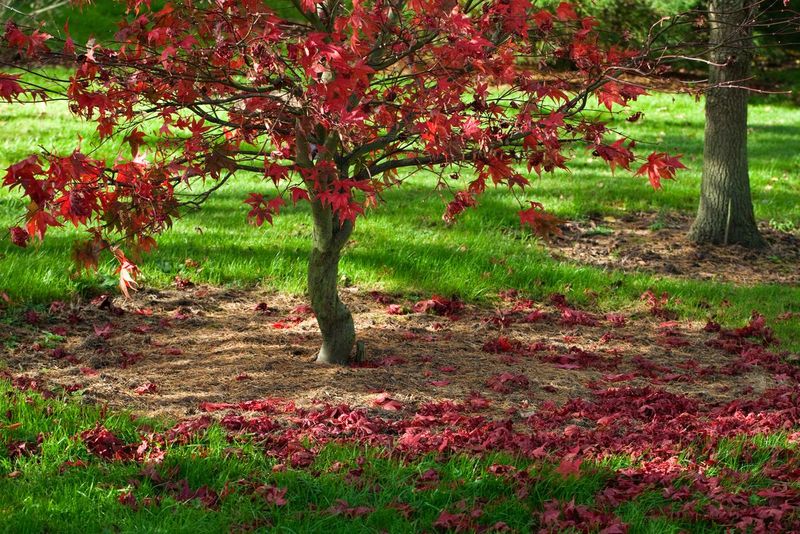
Picture a fresh cut on a maple in late winter, slowly dripping sap like a leaky faucet. That is called bleeding, and red maples are known for it.
The good news is that the sap loss usually does not seriously harm the tree. Still, it looks messy and can stain bark.
Many arborists suggest waiting until early summer, after the leaves fully open, when sap pressure drops.
Dead or broken limbs are the exception. Those can come off any time of year for safety.
Red maples are also a great native choice, offering early spring flowers that may help feed bees waking up in February and March.
4. Flowering Dogwoods (Wait Until After Bloom)
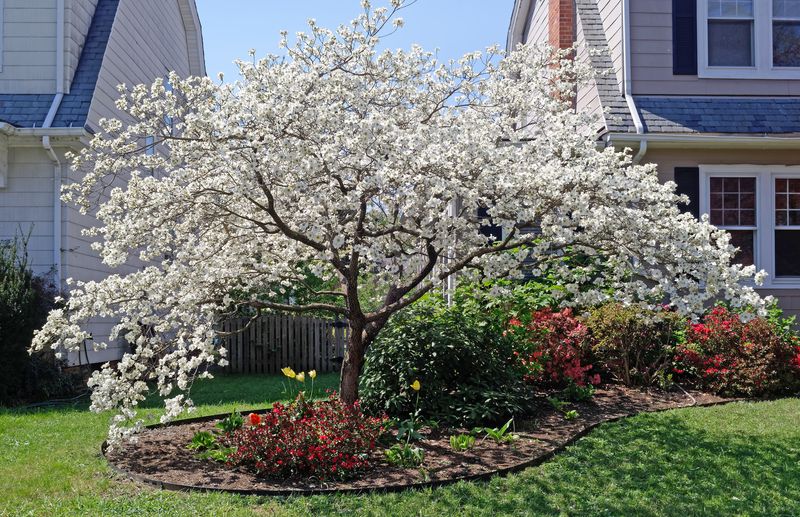
North Carolina chose the dogwood as its state flower back in 1941, and those spring blooms are already packed inside the buds you see right now. Prune in winter and you snip away your April show.
Wait until the flowers fade, usually late April into May depending on your region. Even then, dogwoods need very little trimming.
Remove dead twigs and any branch damaged by a storm. Avoid wounding the thin bark with string trimmers too, since dogwoods can struggle once injured.
Their red fall berries can feed bluebirds and robins, so a lighter hand pays off twice.
5. Eastern Redbuds (Leave Alone Until Spring)
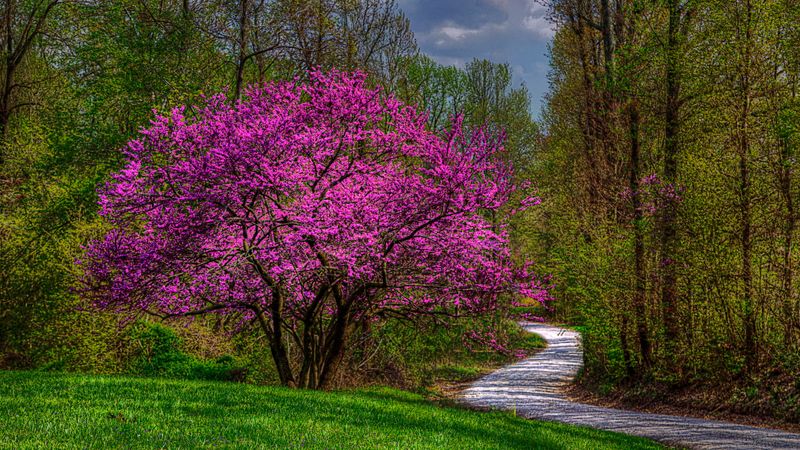
Bright pink flowers popping straight off bare branches in March? That is the redbud, and its flower buds are already sitting on old wood all winter long.
Cutting now means fewer blooms. Hold off until right after flowering, typically late March to April in the Piedmont and a bit later in the mountains.
Redbuds can develop weak, narrow branch angles. After bloom, you can gently remove one of two competing leaders while they are still small.
Native bees often visit redbud blossoms early in the season, which makes this tree a quiet friend to your whole garden.
6. Fruit Trees Like Apples and Pears (Prune in Late Winter)
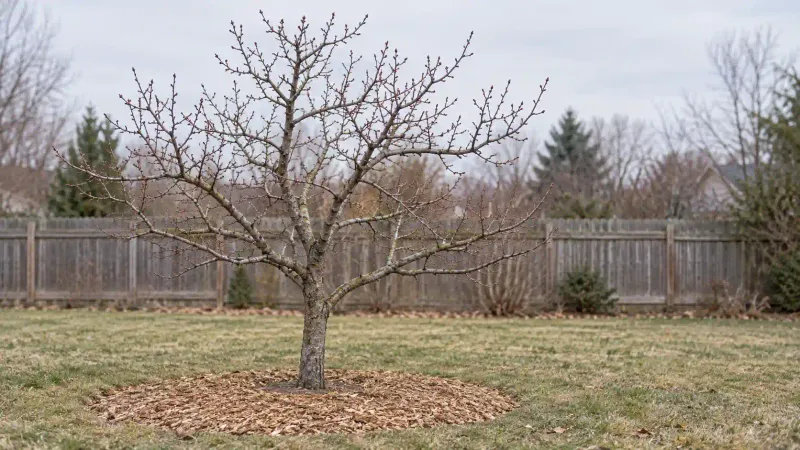
Ask any old-time grower in the Blue Ridge and you will hear the same advice: prune apples while they sleep. Late winter, roughly February into early March, is the classic window.
Waiting until the worst cold passes helps lower the risk of damage to freshly cut wood. Open the center so sunlight and air reach the fruit.
Better airflow can reduce some fungal disease problems.
Take out water sprouts shooting straight up and any limbs crossing through the middle. Peaches are a slight twist and often do best pruned closer to bloom time.
Clean your tools between trees, especially if fire blight has shown up before.
7. Southern Magnolias (Prune After Flowering)
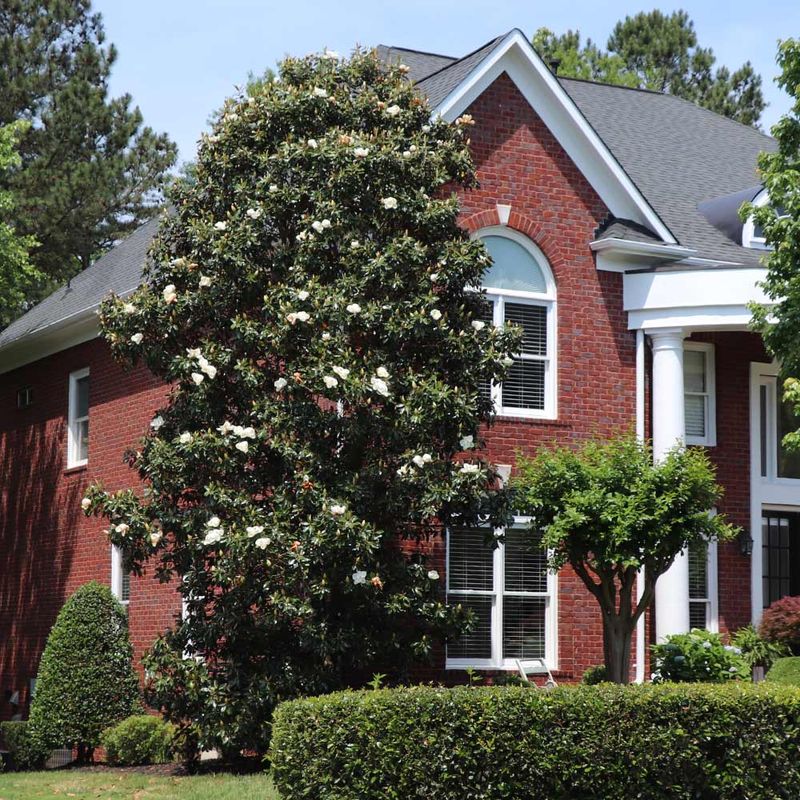
Few trees say Southern yard like a big, glossy magnolia. Because it is evergreen, there is no true dormant look, and winter cuts can leave open gaps through cold months.
Late spring to early summer, after the main flush of blooms, works best. Trim lightly to shape or raise lower limbs if you need walking room.
Many homeowners actually leave the low branches sweeping the ground. They hide the leaf litter and can shelter birds and small wildlife.
Less pruning often means a healthier, better-looking magnolia.
8. River Birches (Prune in Mid-Summer)
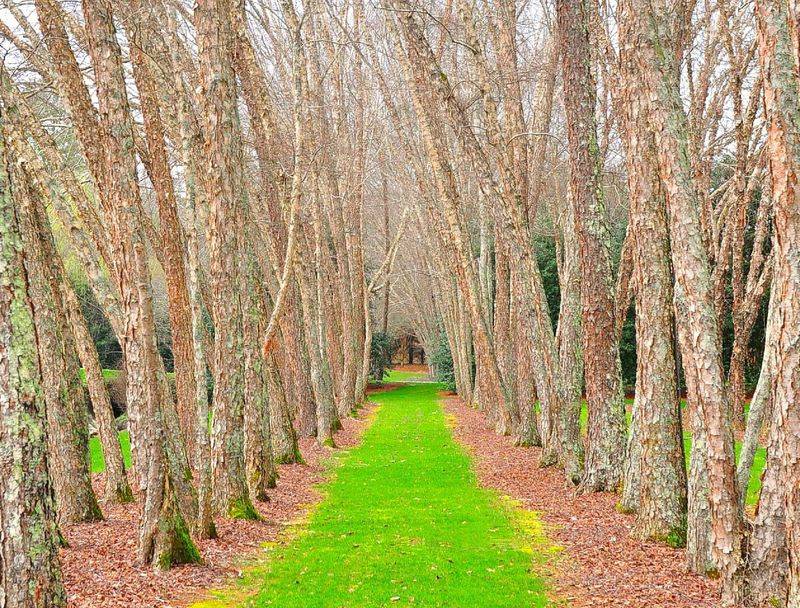
Peeling, cinnamon-colored bark makes the river birch a backyard favorite, especially in soggy spots near the coast. Like maples, though, birches tend to bleed sap heavily when cut in late winter.
Plan your trimming for mid-summer instead. Remove lower limbs that block paths, along with any dead branches in the canopy.
Native river birches are tougher than white-barked imported birches, which often struggle in NC heat. If you are planting new, the native version is the easier keeper.
9. Elms and Sweetgums (Fine to Prune in Winter)
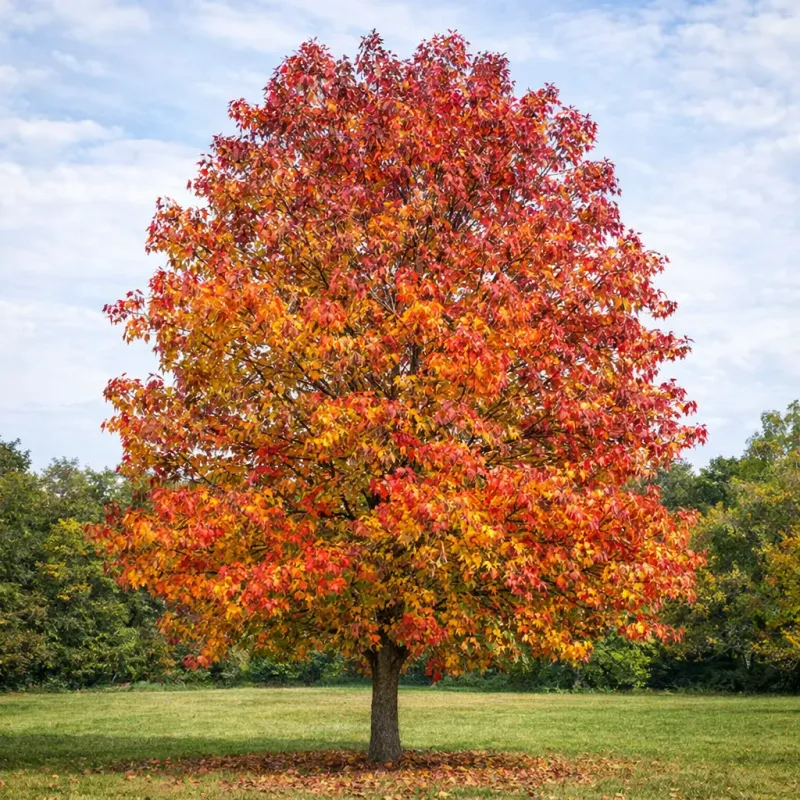
Sweetgum balls in the lawn, anyone? These sturdy natives, along with American elms, handle winter pruning without much fuss.
Dormant cuts let you see structure clearly with the leaves gone. Remove weak, narrow forks and branches stretching toward power lines or the house.
Winter trimming of elms may also help you avoid attracting the bark beetles linked to Dutch elm disease. For sweetgums, no pruning trick stops the gumballs, so pick a fruitless variety if those spiky balls drive you crazy.
10. Any Tree With Nesting Birds (Check Before Spring Cuts)
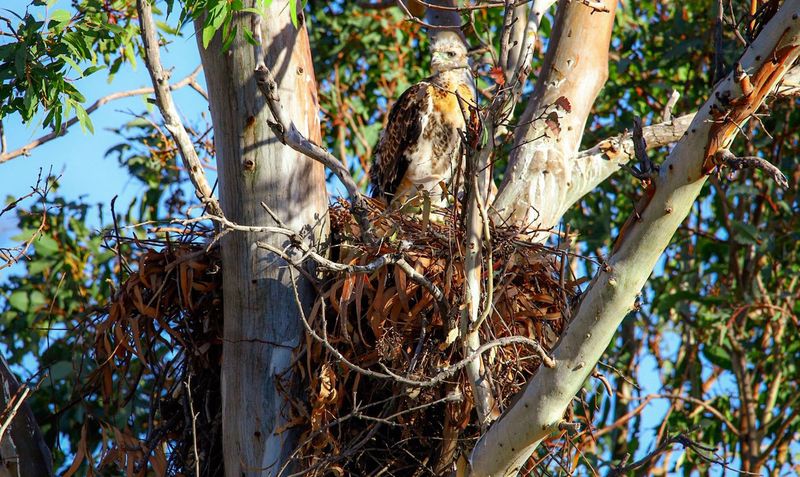
By late March, Carolina wrens, cardinals, and other songbirds start building nests across the state. That is one more reason winter is often the friendliest time to finish heavy pruning.
Before any spring or summer cuts, take a few minutes to peek through the branches. Active nests of native birds are protected under federal law, so leave them alone until the young fledge.
Consider keeping a dead snag or two standing if it is safe and away from the house. Woodpeckers and bluebirds may use them for food and nesting, giving your yard a little extra life with zero effort.