
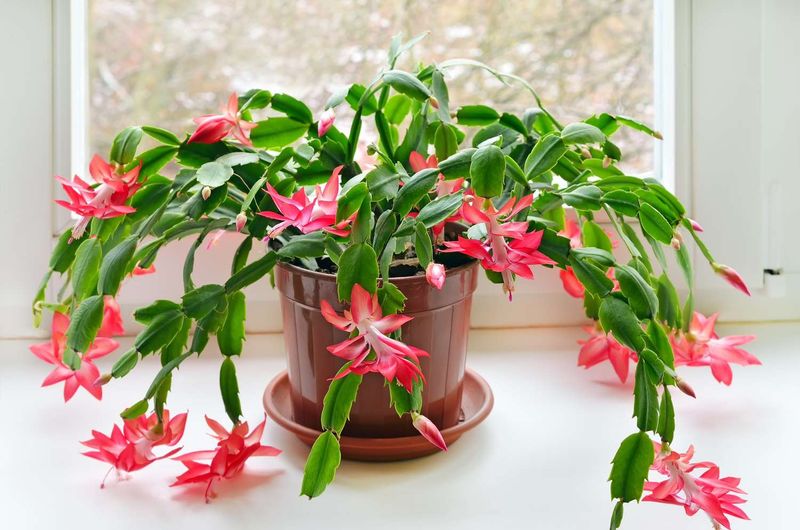
Few things sting like watching Christmas cactus buds fall just before the holidays. If your plant sits near a heater vent, that spot may be part of the story, though it is not always the whole story.
Pink buds dropping off can look alarming, but a few calm checks can help you sort out what is going on. Here is how to look at the vent, the light, the soil, and the buds themselves.
A heater vent may contribute, but it is not a diagnosis
Warm air blowing across a plant can be rough on it. UF/IFAS guidance advises keeping Christmas cactus away from heat sources such as vents, and University of Minnesota Extension lists heat, drafts, and sudden changes as possible reasons buds drop.
Still, sitting near a vent does not prove the vent caused your problem. Bud drop has several possible triggers, so the plant’s location is a clue, not a verdict.
Other suspects include watering stress, too little light, and dry indoor air. UConn’s holiday cactus guide also mentions fumes from gas-burning appliances.
Your plant may be dealing with one of these, or a mix, so treat the vent as one plausible stressor worth fixing first.
Move the cactus out of direct airflow
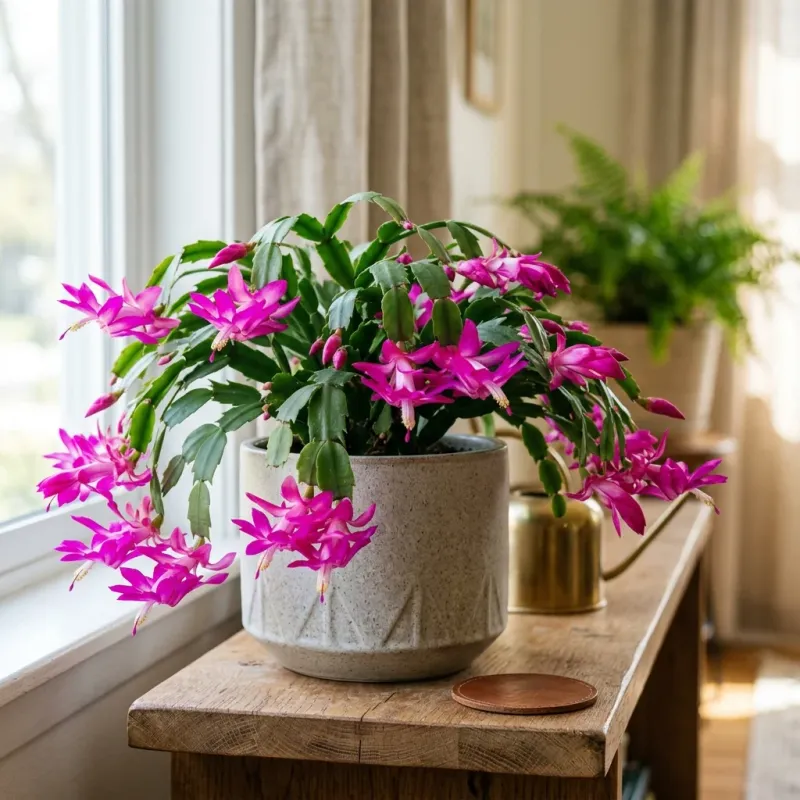
Start with the simplest step. Slide the pot out of the vent’s direct stream and set it somewhere bright with indirect light, away from heaters and drafty doors.
A shelf a few feet from a sunny window often works, though every home is laid out differently.
Go easy on the change. Skip the porch, the garage, or a chilly window, since an outdoor trip or a new temperature extreme just adds another shock.
UF/IFAS recommends moving a plant that has already faced a change cautiously.
Pick one good spot and leave the pot there. Shuffling it around from room to room may stress it more than the vent did.
Moving it away from the airflow may help, but it cannot promise the buds will stop dropping.
Keep conditions steady, not cold
After the move, aim for steady and moderate rather than chilly. University of Minnesota Extension gives daytime temperatures of 65 to 70°F and evening temperatures of 55 to 65°F as suitable for holiday cacti.
Treat those as growing guidelines, not a diagnosis of why your buds dropped.
Iowa State Extension notes that temperatures above 70°F can interfere with flower development. That does not mean a warm room doomed your plant, and it is no reason to cool the house suddenly.
Once buds have formed, avoid unnecessary changes in placement. Iowa State says the plant can be moved for display when flowers begin opening, so a brief trip to the dining table is fine then.
Cooler nights used to start buds are a different job from caring for buds already on the plant, and cultivars vary.
Check the soil before changing your watering
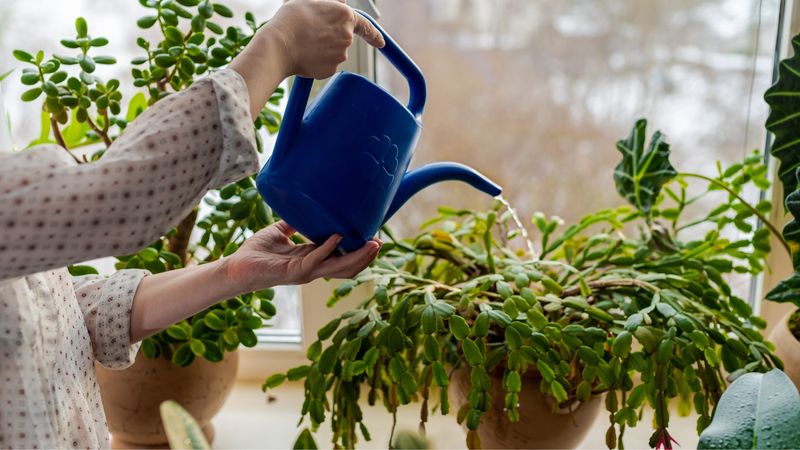
Before you reach for the watering can, press a finger into the soil. UF/IFAS advises watering when the top inch feels dry.
Then water thoroughly and empty the saucer so roots are not left sitting in water.
Both extremes can cause trouble. UF/IFAS Extension in Nassau County warns that soil drying out and soil staying soggy can both lead to bud loss.
If the soil turns out bone dry, resist the urge to flood it as a rescue. A sudden deluge is another abrupt change.
A soil check tells you what the pot needs today, but it does not prove watering caused the drop. Skip rigid calendars, since a pot near a warm vent may dry out faster than one across the room.
Pink buds are not a warning sign by themselves
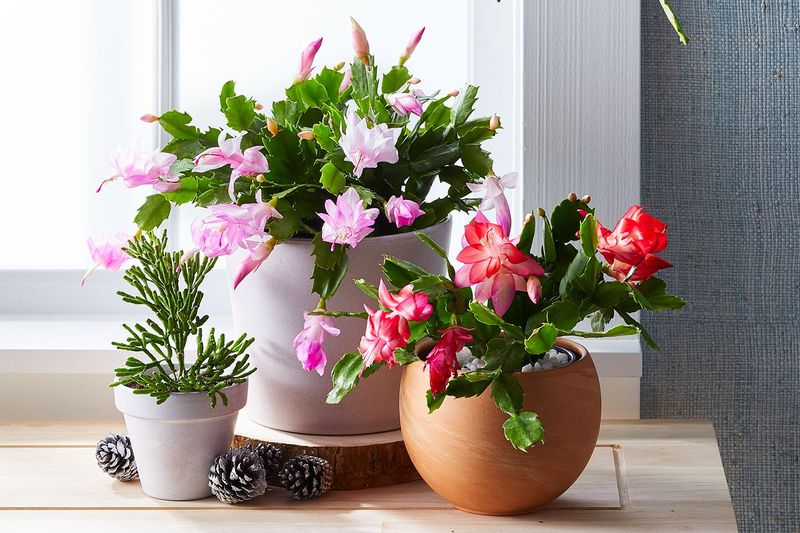
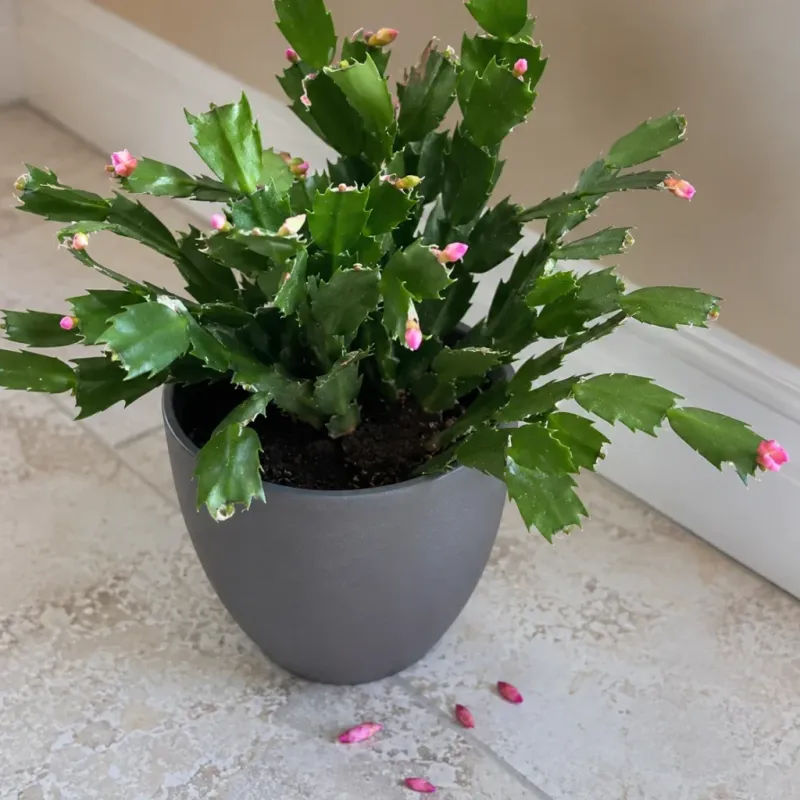
Pink is a normal color for holiday cactus flowers, so pink buds do not mean your plant is overheating or failing. Michigan State University Extension notes that holiday cacti bloom in a range of colors.
Some cultivars can also shift shade with temperature while buds develop, according to the Royal Horticultural Society. A pinker bud may simply be your variety showing its color.
The name “Christmas cactus” is also used loosely. University of Missouri IPM covers the related holiday cacti, including Thanksgiving cactus and hybrids.
Timing and responses vary, so your plant may bloom earlier or later than the calendar suggests.
Give the remaining buds a stable chance to open
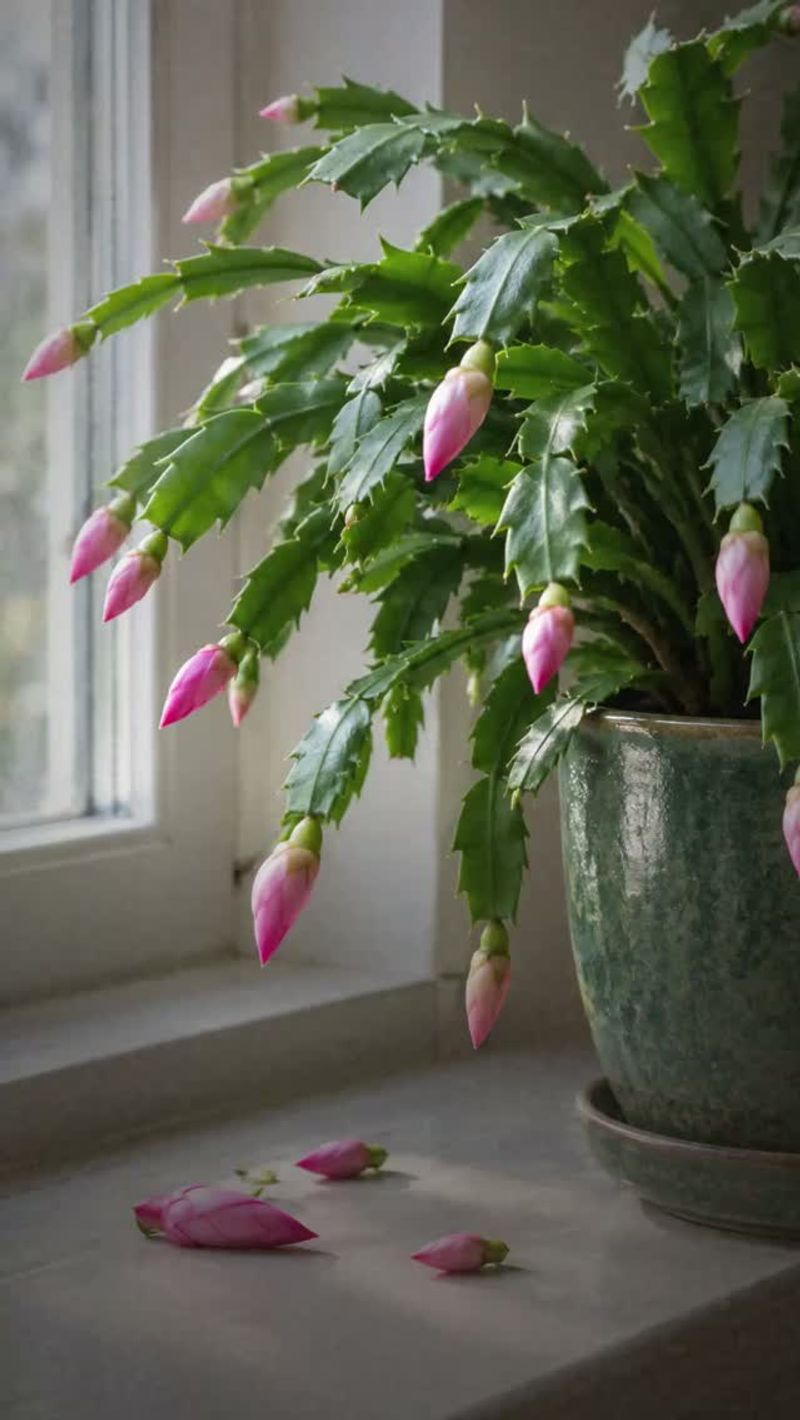
Keep the pot out of the vent’s direct airflow, give it bright light in a steady spot, and check the soil before you water. Those steps address plausible stressors, as UF/IFAS and University of Minnesota Extension describe them.
They cannot confirm what caused the drop or guarantee the remaining buds will open.
A plant that is left alone in good conditions has its best shot. Sometimes patience is the whole plan.