
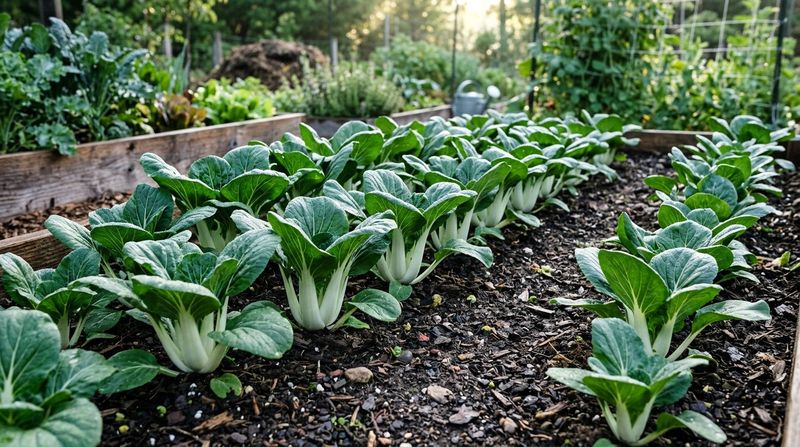
Yellow leaves at the bottom of your fall bok choy can make your stomach drop. The color alone cannot tell you what is going on, but the roots may hold some clues.
In warm Southern soils, a tiny root pest called the root-knot nematode is one possible cause worth checking. A few minutes of careful looking can help you pick a smarter next step than guessing.
Yellow leaves are a clue, not a diagnosis
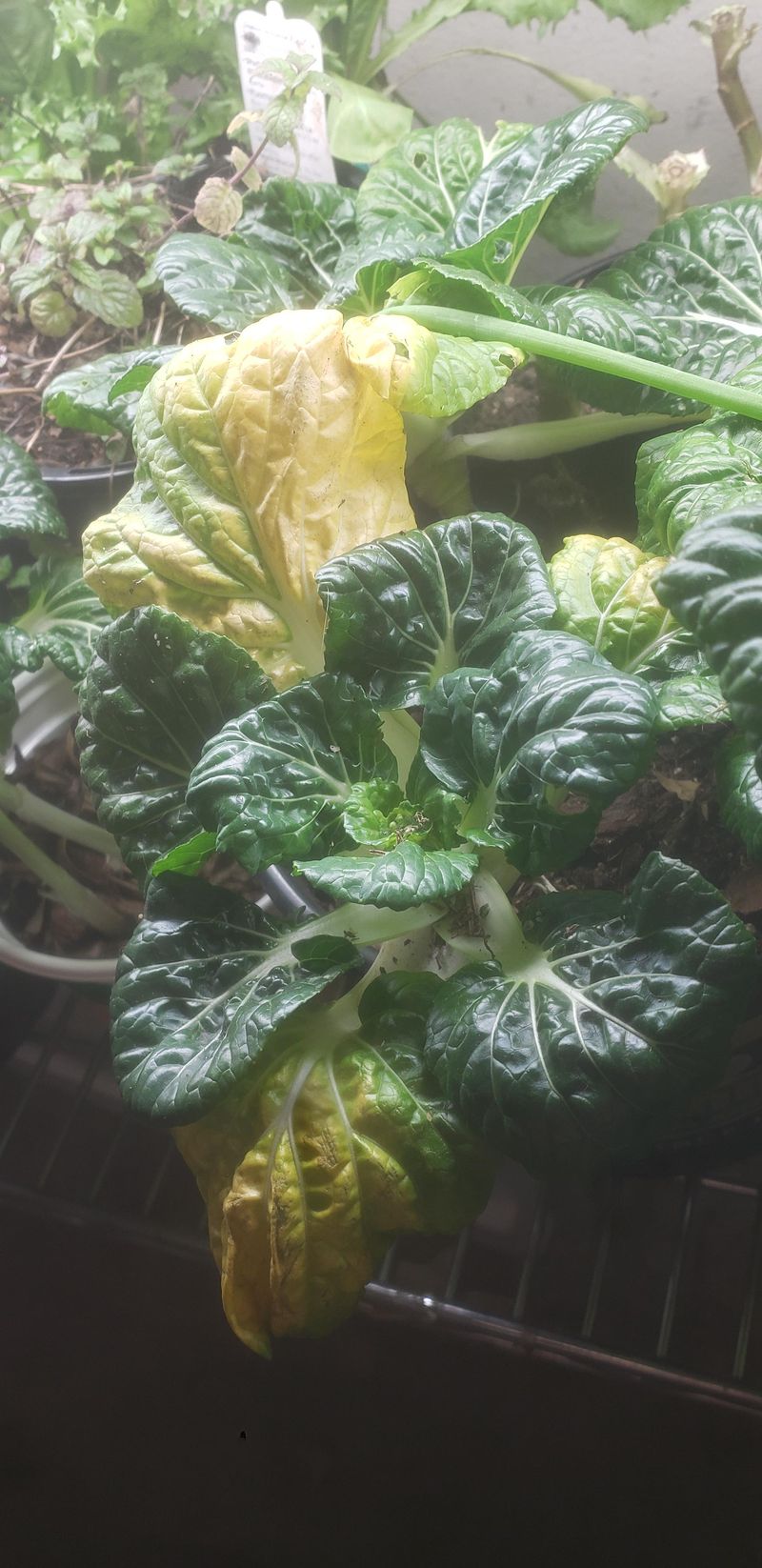
Lower leaves turning yellow is one of the most common things a bok choy plant does when something is off. The trouble is that many problems look the same from above.
Virginia Cooperative Extension lists nitrogen deficiency as showing up first on the lower leaves, so a hungry plant can look just like one with root trouble.
That is why guessing is risky. Adding fertilizer, lime, or a spray without knowing the cause may waste money and may not help the plant.
University of Minnesota Extension also points out that nutrient problems and other disorders can cause similar foliage symptoms, so a correct diagnosis matters.
If the yellow leaves look unsightly, go ahead and pick them off. You do not have to leave them in place before looking at the roots.
Checking the roots is simply one useful next step when the plant seems to be struggling.
Root-knot nematodes can weaken bok choy
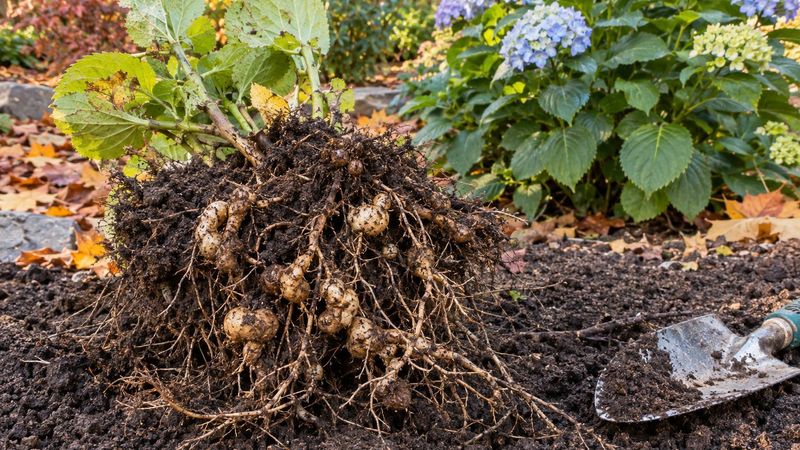
Root-knot nematodes are microscopic worms that feed inside plant roots. They cause swellings called galls, and plants may show stunting, wilting, loss of vigor, and yellow leaves.
That puts them on the checklist when bok choy looks weak.
They are a believable concern in warm Southern gardens. For Florida, the UF/IFAS Vegetable Production Handbook notes that these pests can build up rapidly in the state’s warm, sandy soils.
That is Florida guidance, so gardeners elsewhere in the South should not assume their soil behaves the same way.
Keep the limits in mind. Yellow leaves alone do not mean nematodes are present, and plenty of healthy-looking gardens have other reasons for pale foliage.
Nematodes are one possibility to test, not the answer to every yellowing plant.
Lift the plant and check the roots
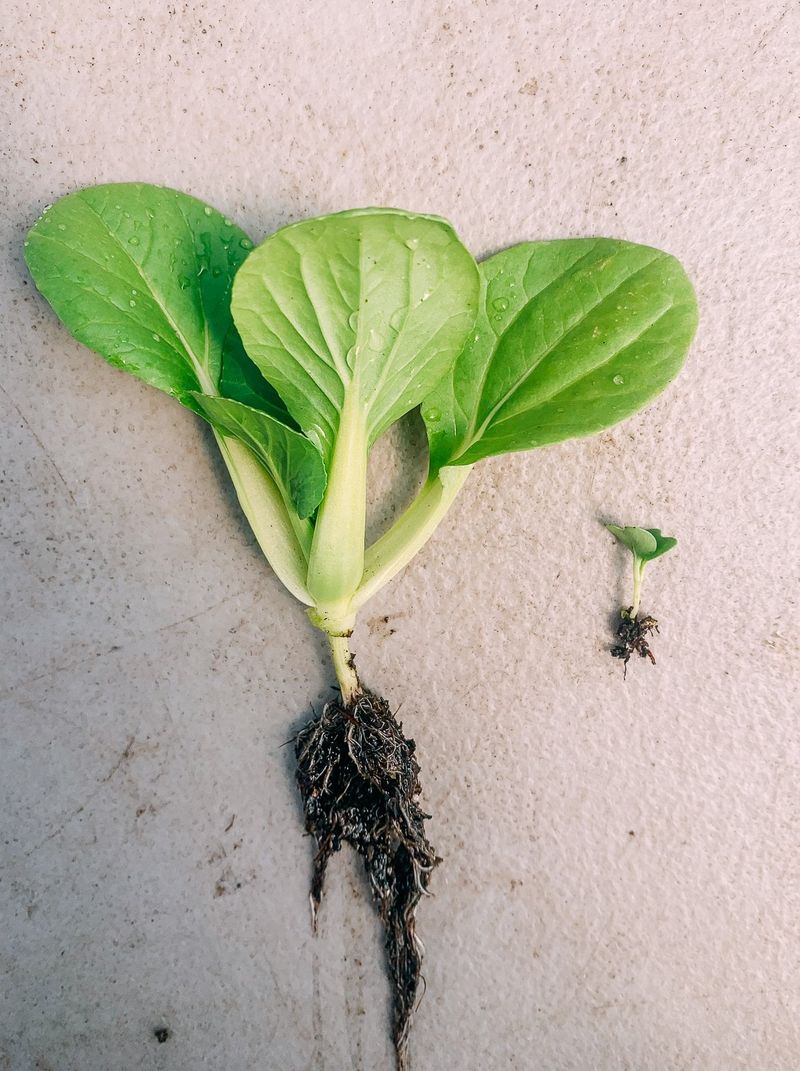
Pick a plant that is showing symptoms and lift it carefully with a trowel or garden fork. Shake off the loose soil, then rinse or brush away what remains so the roots are easy to see.
Look for knots or swellings that are part of the root itself. Soil clumps will rub away with your thumb, while true galls will not.
UF/IFAS recommends checking symptomatic plants this way.
Seeing swellings raises suspicion, but it does not prove the cause. If you need a firm answer, UF/IFAS advises sending soil and root samples to a laboratory for positive identification.
Your local extension office can usually tell you how to collect and submit a sample.
Swollen roots can have other causes
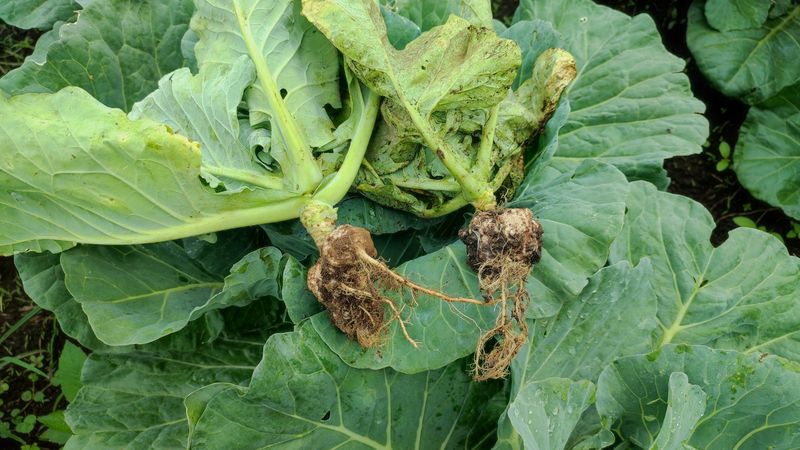
Not every lump on a bok choy root is a nematode gall. Clubroot, a disease that also affects bok choy and Chinese cabbage, can cause swollen roots and stunted plants.
UF/IFAS also warns that clubroot can be confused with nematode galling on brassicas. You can compare photos of clubroot symptoms on roots to see how it looks.
Cabbage maggots are another root problem to consider. Look for feeding tunnels or small white larvae, not just swelling.
Utah State University Extension says the larvae feed on cole-crop roots and can be linked to yellowing and wilting.
These are clues, not verdicts, and none of them is necessarily the most likely cause in your fall garden. When the roots look odd and you are unsure, a lab sample is a sensible way to avoid treating the wrong problem.
Harvest usable outer leaves if the plant is still producing
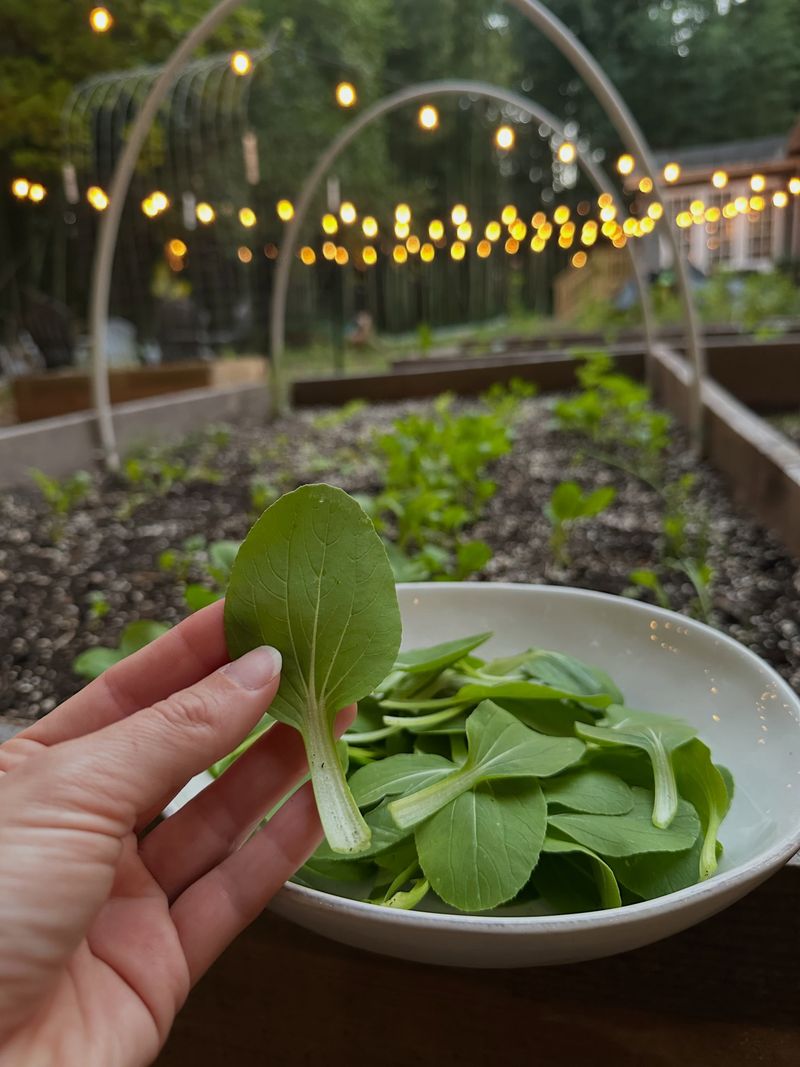
If the plant is still putting out healthy leaves, you can use some of the crop while you sort out the problem. University of Minnesota Extension describes harvesting bok choy a few outer leaves at a time.
Think of this as a harvest choice only. It is not a treatment for nematodes, and it does not promise the plant will bounce back.
A plant with damaged roots may keep declining no matter how you pick it.
Let the plant’s condition guide you. Take leaves that look firm, green, and clean, and skip any that are slimy, badly damaged, or clearly unusable.
If the whole plant is collapsing, there is no need to coax more out of it.
Remove the plant and roots after harvest
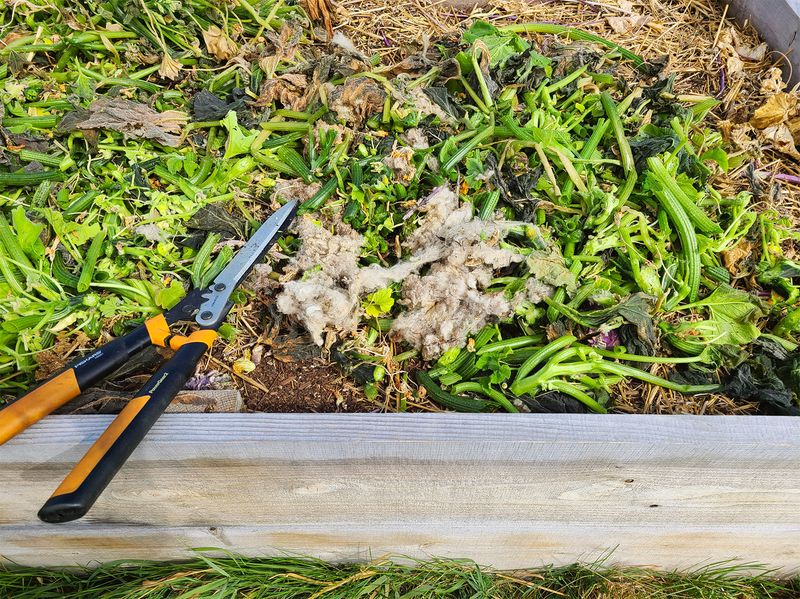
When you suspect nematode damage, finish the harvest and then pull the whole plant, roots included. UF/IFAS explains that roots left in the soil can support nematode reproduction, so leftover roots give the pests a place to keep multiplying.
Bag or bin the plant material rather than carrying it around the yard. Also avoid moving suspect plants or soil into other beds, and clean tools and boots that have been in the affected spot.
These steps lower the risk of spreading the problem. They do not wipe out nematodes or cure the soil, and managing them is a longer game that depends on your conditions.
Cooler planting windows may reduce future risk
Soil temperature matters. For Florida gardens, UF/IFAS says nematode activity slows as the soil cools.
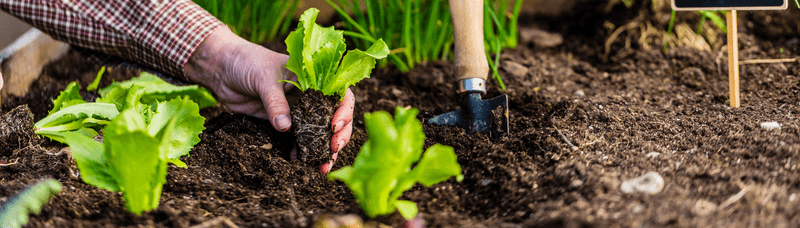
Because of that, UF/IFAS suggests growing annual crops in the cooler parts of the season. It also notes that older transplants may be less vulnerable than very young ones.
Starting seedlings a bit longer before moving them out is one way to apply that idea.
Treat this as a way to improve your odds, not a guarantee. The advice comes from Florida guidance, and the best planting dates in Texas or other Southern states can differ.
Your county extension office can help you match timing to your own area.
Inspect first, then choose the next step
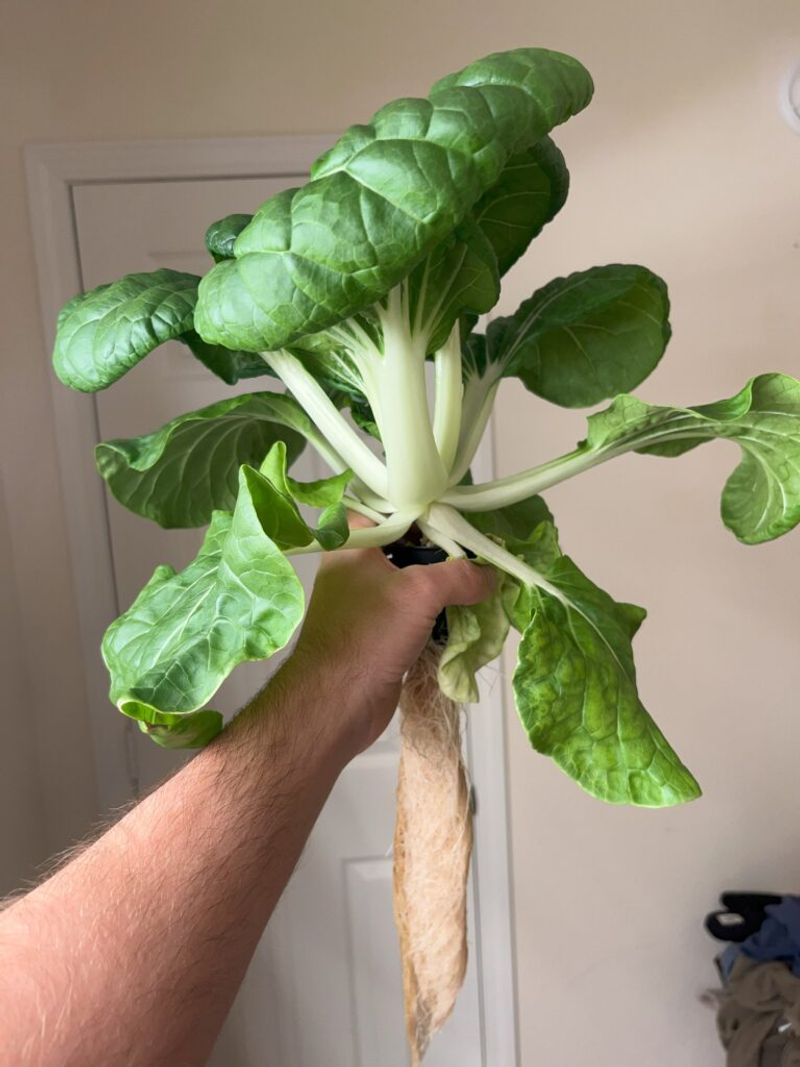
Yellow lower leaves are a reason to look closer, not a verdict. Lift a plant and check the roots, and if you need certainty, send a sample to a lab as UF/IFAS advises.
Rule out hunger too, since nitrogen shortage can look the same.
Pick usable leaves while the plant produces, and remove roots after harvest, as UF/IFAS nematode guidance suggests. Pull off yellow leaves whenever you like.
A plant’s roots usually have a story to tell, and listening before acting is the best habit a gardener can build.