
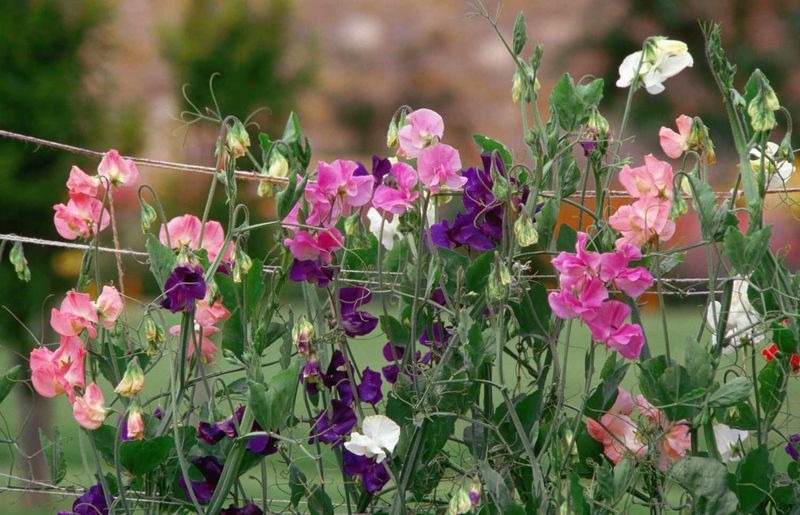
You check your snow peas and find blooms on the ground instead of pods on the vine. It is a frustrating sight, especially when fall weather has been unusually warm.
Heat, dry soil, and timing can all play a part, and sorting them out helps you decide what to do next. Here is how to read the clues and give your plants steady support.
Flower drop signals stress, not a single diagnosis
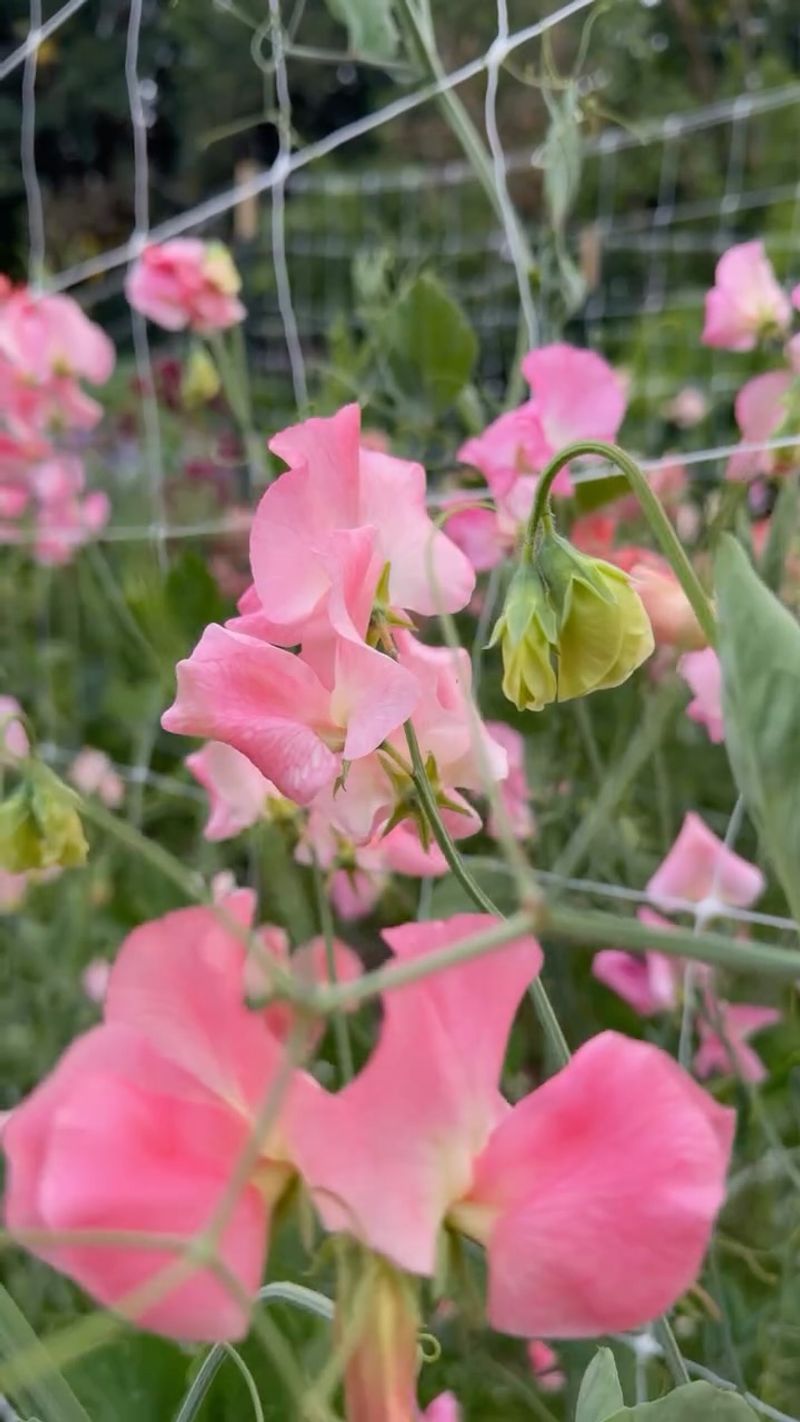
Finding fallen blossoms under your snow peas is worrying, but the flowers themselves cannot tell you why they dropped. Pea plants tend to shed blooms when they are under stress around flowering time, and several stressors can look exactly the same from the garden path.
Extension guidance from Utah State University covers heat and water stress during pea flowering as common reasons for lost flowers. Its legume guide on physiological disorders describes flower drop as a response to unfavorable conditions rather than a disease you can treat directly.
That is the key limit here. The research points to possible stressors, but it cannot confirm what happened in your particular bed.
A warm November spell may have played a role, or dry soil, or something else entirely.
Treat the dropped blooms as a prompt to investigate. Check the soil moisture, note recent weather, and think about when you planted before you decide on a fix.
Warm conditions and dry soil can raise the risk
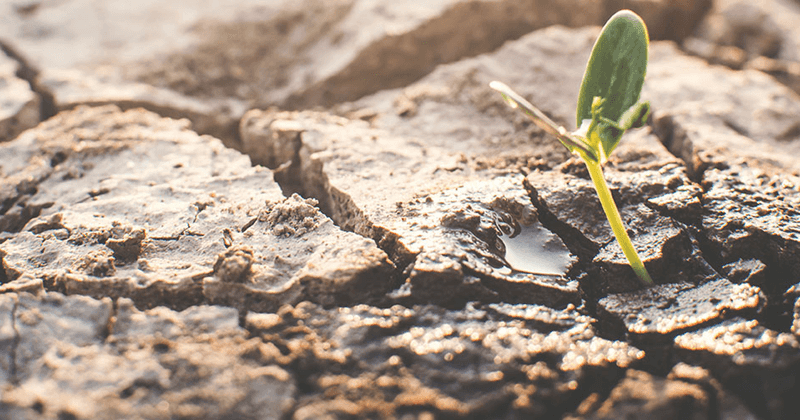
Utah State University Extension reports that flower drop in legumes can show up when daytime temperatures top 90°F and nights stay above 75°F, especially with low humidity or low soil moisture. Those numbers are risk guideposts, not a line that every variety or garden will cross in the same way.
A separate Utah State guide says pea flowers may be sensitive above 80°F. Notice that the two figures describe different conditions, so neither works as a universal cutoff.
Here is where a careful reading matters. Warm air and dry soil together are a recognized risk.
But a warm November spell does not prove your roots overheated, and it does not prove warmth was the cause in your yard.
A practical clue: if the soil a few inches down feels dry while the air has been warm, moisture stress is a reasonable suspect. If the soil is damp and cool, look at other factors.
Maintain steady moisture without waterlogging the soil
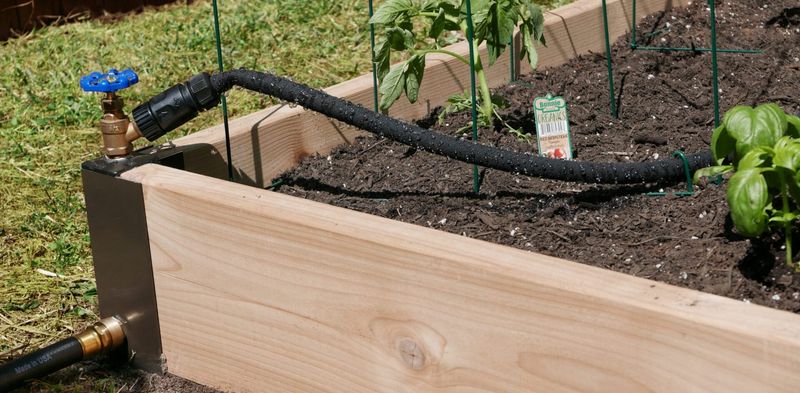
Soil that stays evenly moist is the most useful first step you can take. Utah State guidance on growing peas advises consistent moisture, especially after flowering begins, because drought can cut yield and contribute to flower or pod abortion.
The opposite problem is just as real. Saturated soil can promote root rot, so more water is not automatically better.
Try the finger test. Push a finger two inches into the bed, and water when it feels dry at that depth.
Morning watering at the base of the plants lets the soil soak in without leaving it soggy overnight.
Sandy soils in much of Florida and parts of Texas dry out fast, while heavy clay holds water for days. Adjust your schedule to your soil rather than a fixed calendar.
Keep expectations realistic, too. Extra watering during a hot stretch may ease stress, but it will not necessarily bring back flowers that have already dropped.
Use a modest mulch layer to support soil conditions
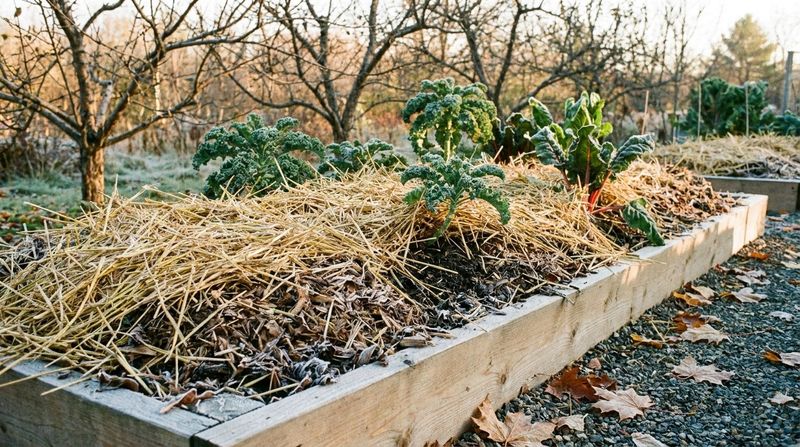
Organic mulch such as straw, grass clippings, or shredded leaves can help soil hold moisture and swing less between warm afternoons and cooler nights. For vegetable beds, UF/IFAS recommends 2 to 3 inches of mulch.
More is not better. A thick pile can intercept rain or irrigation before it reaches the roots, so keep it within that range and pull it slightly back from the stems.
Mulch is a supporting step, and it has limits. It can steady the soil, but it cannot guarantee pods, and it cannot reliably stop flower loss when the air itself is hot, a point that fits Utah State’s note on heat sensitivity and its legume disorder guidance.
Apply it to established plants after watering, when the soil is moist. Think of it as one helpful habit alongside good watering, not a rescue on its own.
Check the local fall planting window for snow peas
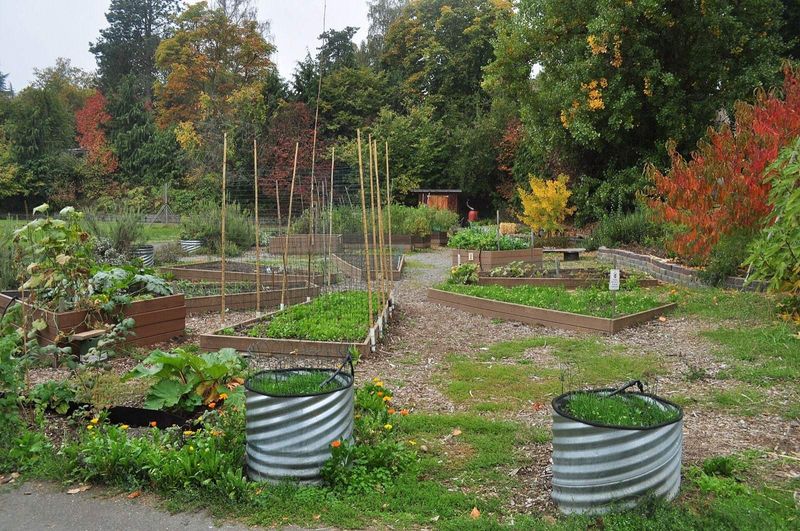
Planting dates for snow peas differ a lot across the South, so one calendar will not fit every garden. UF/IFAS lists English or snow peas for November through February in Central and South Florida, and January through March in North Florida.
Texas varies by locality as well. A Dallas County Texas A&M resource gives September 15 to November 1 for fall peas, while an East Texas planting guide lists English or snow peas in September.
Be careful with the statewide Texas fall guide. Its pea dates refer to southern peas, also called cowpeas, which are a different crop from snow peas.
Their dates and heat responses should not be borrowed for snow peas.
If your plants bloomed during a warm spell, planting time may be a factor worth checking. Look for your county Extension office’s planting calendar, since local guidance fits your climate better than a statewide chart.
Avoid fertilizer fixes and keep expectations realistic
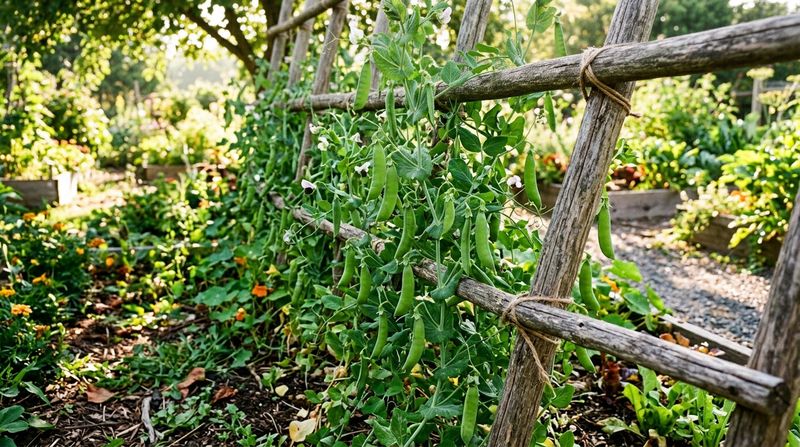
Reaching for fertilizer can feel like action, but extra nitrogen is not a rescue for dropping flowers. Peas generally need no added fertilizer if the bed was fertilized or amended at planting, and too much nitrogen can favor leafy growth over pod set.
If your vines look lush but carry few pods, a heavy feeding may be part of the story rather than the cure. Hold off and focus on what you can steady.
Check soil moisture, avoid waterlogging, and add a 2 to 3 inch layer of mulch as UF/IFAS suggests for vegetable beds. If the timing of your planting may be off, consult your local county planting guidance for next season.
No single step guarantees pods, and some flower loss in warm weather may simply be out of your hands. Steady care gives the plants their best chance, and that is a fair goal.