
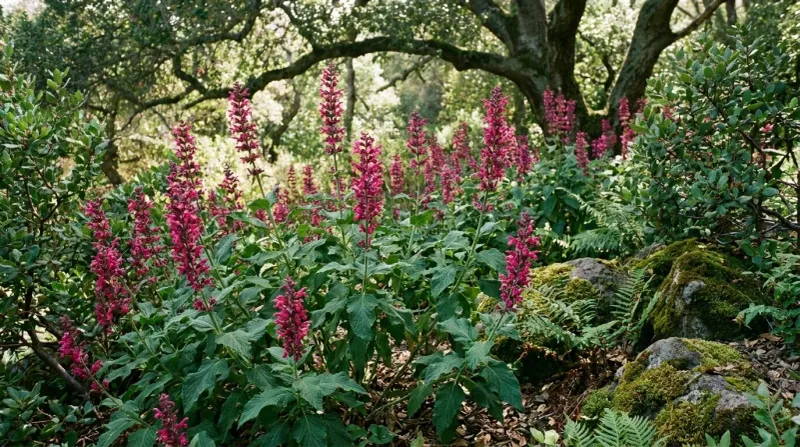
Many California yards have a shady spot where almost nothing seems to bloom. Hummingbird sage is a native plant that may bring pink flower spikes and a fresh herbal scent to some of those places.
It is not a magic fix for every dark corner or every spot under a tree. A closer look at light, roots, and water can help you decide if it fits your yard.
Hummingbird sage is one option for a shaded California yard
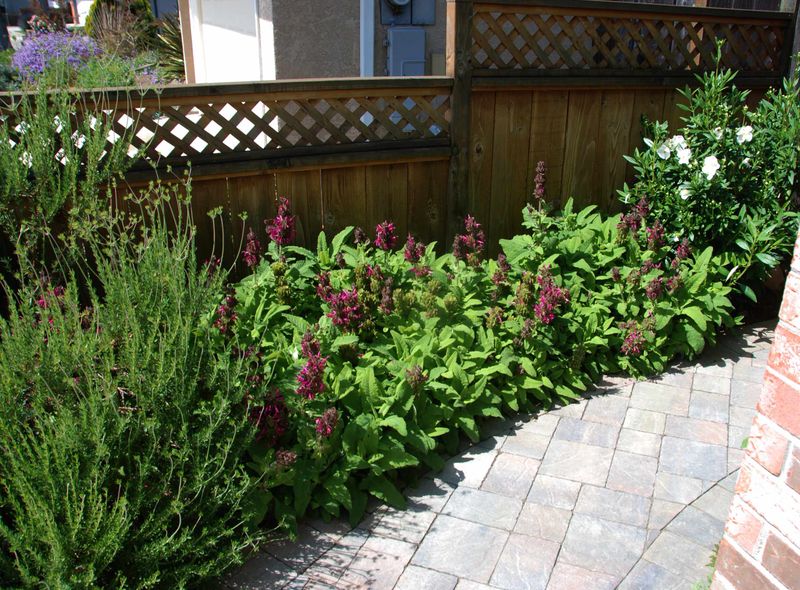
Picture a low mat of large, crinkled green leaves, and above it, tall spikes of magenta-pink flowers. That is hummingbird sage (Salvia spathacea), a perennial that grows wild in parts of California.
Its leaves give off a strong, fruity-herbal scent when you brush against them.
According to the UC Davis Arboretum, it is a California-native perennial groundcover about 1 to 3 feet tall and 3 feet wide, with pink flowers. The Arboretum lists sun, partial shade, and shade as exposures it can handle.
That wide range is part of why gardeners with tricky light often take a second look at it.
The plant also earns its place for what it does in the landscape. UC Master Gardeners of San Luis Obispo County describe it as a self-generating groundcover, so it can slowly fill in a bare patch over time.
Since it is native, it fits well with the dry summers and wet winters that shape gardening across much of the state.
Still, think of it as one good candidate, not a cure-all. Some shaded yards will suit it nicely, while others may be too dark, too wet, or too crowded with roots.
The next sections walk through how to tell the difference before you buy a single plant.
Shade tolerance does not guarantee flowers in every dark corner
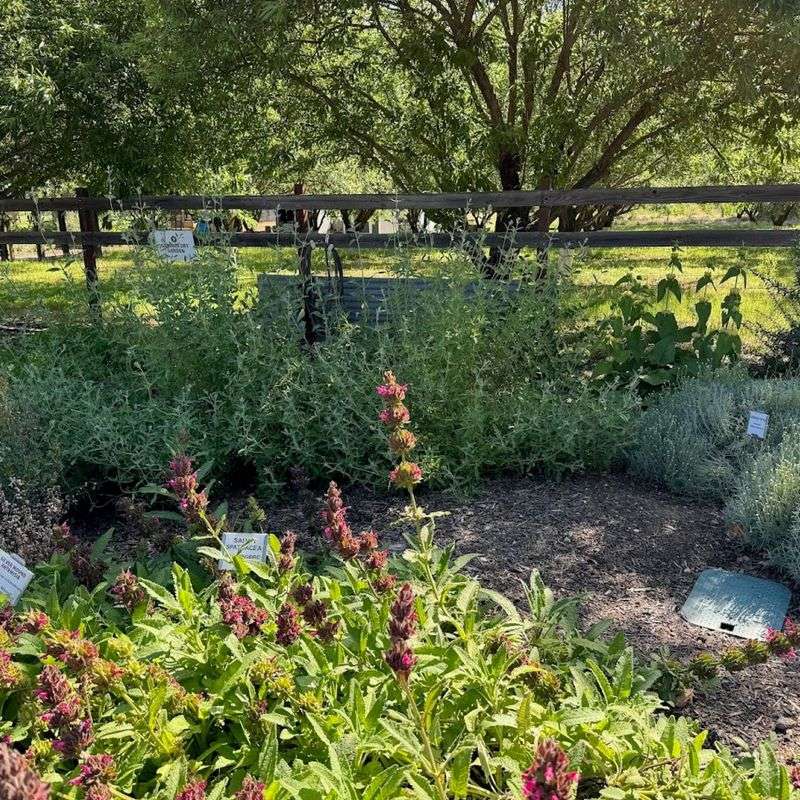
Two reliable sources give slightly different pictures of light. The UC Davis Arboretum lists shade as a suitable exposure, and it defines shade as less than one hour of direct sun.
That is a strong sign the plant can live in low light.
Meanwhile, the San Luis Obispo County profile says the plant prefers full sun to partial shade. Put together, the message is practical: hummingbird sage can survive and grow in shade, but that does not promise a heavy show of flowers in every very dark spot.
Here is a simple way to test your own yard. Visit the spot at morning, noon, and late afternoon, and note when sunlight actually reaches the ground.
Bright, open shade or dappled light under high branches is a different situation from a narrow side yard that never sees the sun.
If your spot is on the dark end, you can still try a plant or two and watch how they respond. Leafy growth with few flower spikes is a common clue that the light is on the low side.
Moving a few divisions to a brighter patch is an easy next step, and it keeps your experiment small and low-risk.
Bloom timing varies across California
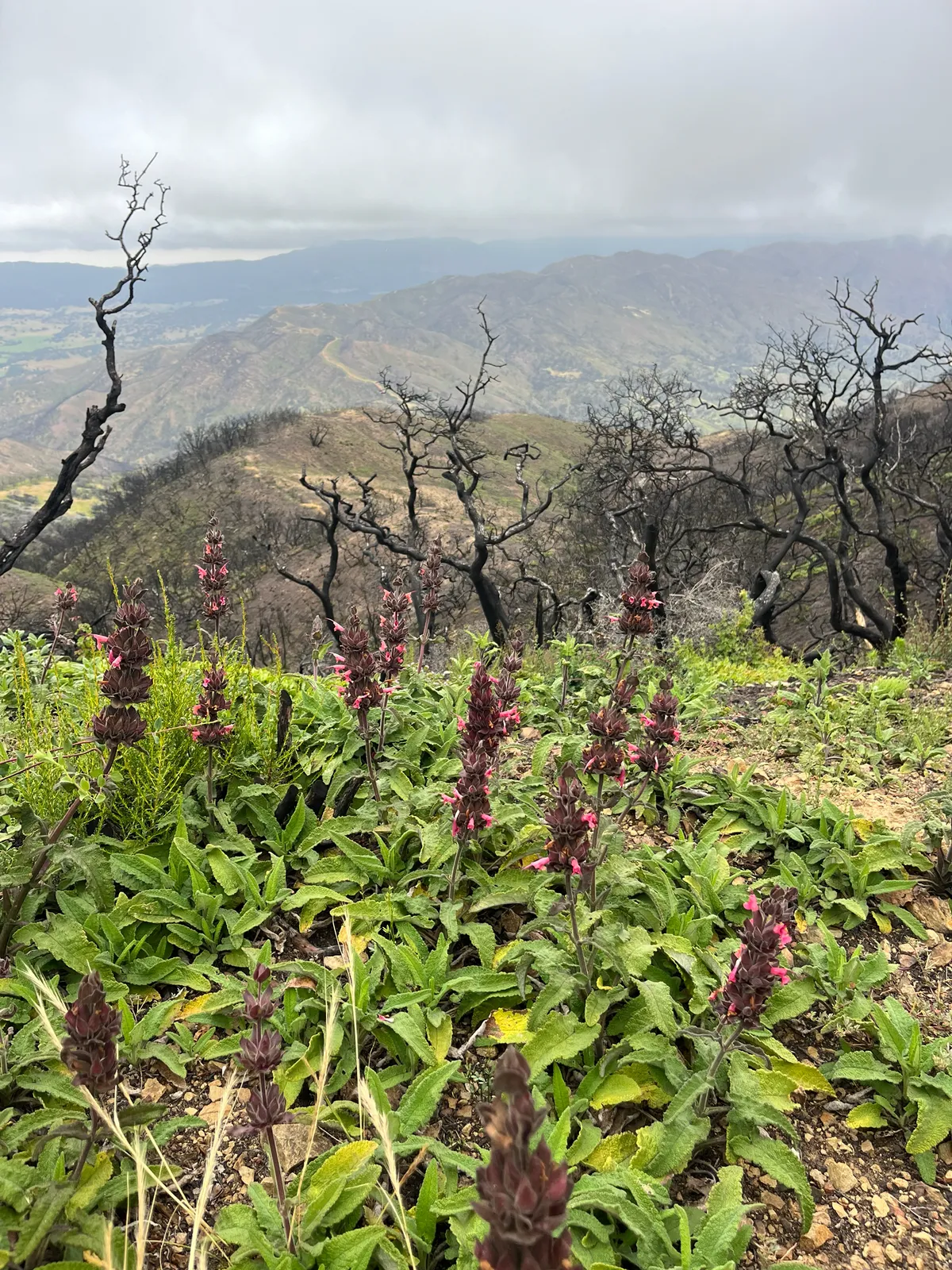
Flower spikes rise on tall stems, with rings of tubular magenta-pink blooms stacked along them. The color pops against the broad green leaves, which makes the plant eye-catching even in dim corners.
The exact timing, though, depends on where you live.
UC Davis gives a bloom period of February through June. San Luis Obispo County reports March through June, with an occasional rebloom in fall.
A UC Marin Master Gardeners article describes blooms across winter, spring, and summer.
Rather than marking one date on the calendar, expect a window that shifts with your climate, your microclimate, and the amount of light the plant gets. Keep a simple note each year of when your first spikes open.
As for wildlife, the plant can attract and support hummingbirds and other beneficial visitors such as butterflies and native bees. Whether they show up at your house depends on your neighborhood and what else is growing nearby, so treat visitors as a possible bonus.
Underground rhizomes give the plant room to spread
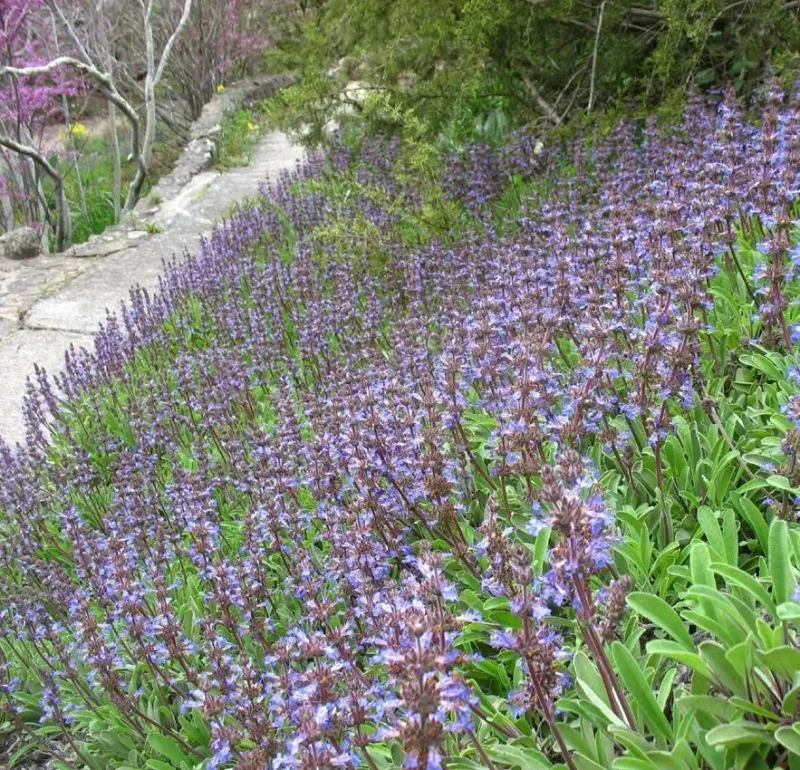
Below the soil, hummingbird sage sends out rhizomes, which are underground stems that creep sideways and send up new shoots. UC Extension in San Luis Obispo County calls it a self-generating groundcover.
Over a few seasons, one plant can become a patch.
That habit shapes where it belongs. It suits a slope, a woodland-style border, or a bare strip you would like to fill.
It is a poor match for a tight spot beside a path or a small bed where you want each plant to stay put as a neat clump.
Give it open ground and decide up front where the edge of the patch should be. A hard edge such as a walkway, a patio, or a lawn border makes it easy to trim wandering shoots.
If a stray piece pops up where you do not want it, you can dig it out and move it.
When you plant rhizome divisions, keep them moist until they are established. Skip the urge to pack plants close together to get a fast result, since you do not need a precise spacing number to see that the patch will fill itself in.
Patience is the main tool here.
A tree-rooted site needs more than a shade check
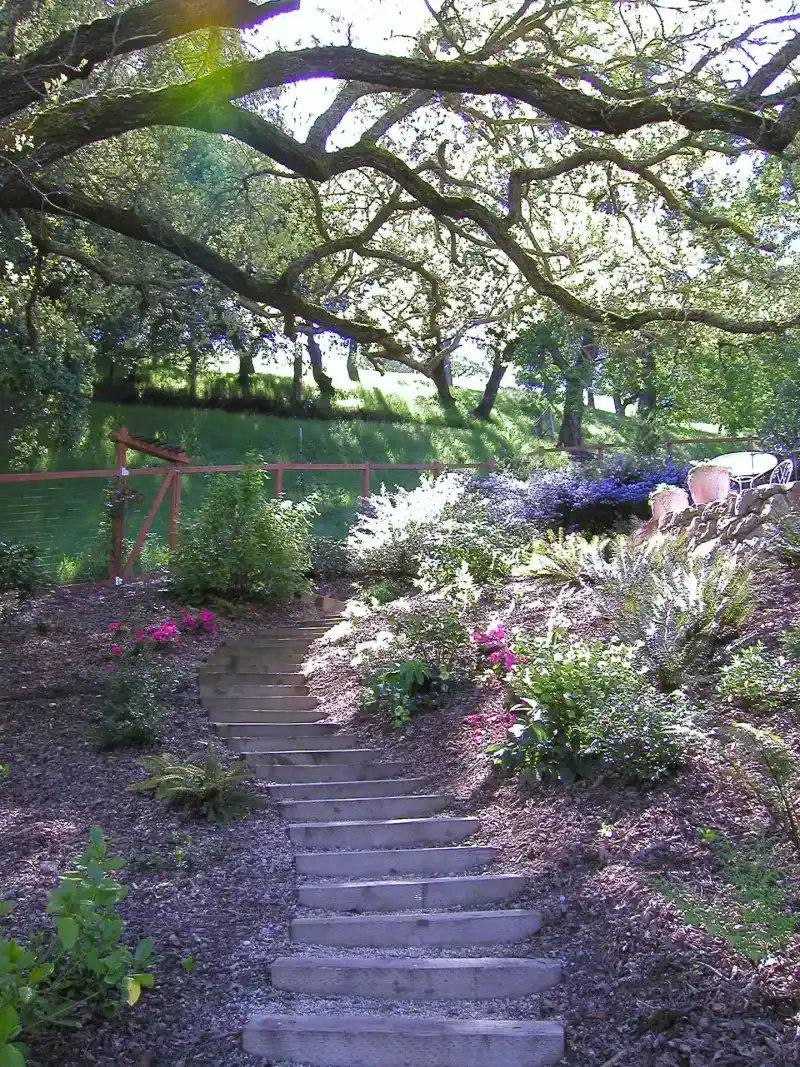
A shady spot under a tree can look like the perfect home for a shade plant. But shade is only one part of the story.
Tree roots, soil moisture, and the kind of tree all decide whether a planting will do well.
Native oaks need special care. UC Oaks guidance for the Central Valley warns about root disturbance and too much moisture around these trees.
It advises keeping plants at least 10 feet from the trunk, planting sparingly, and avoiding soil that stays saturated.
Another source goes further. The Sonoma County Master Gardeners say that, ideally, you should not plant under the canopy at all.
So if you have an oak, the safest approach is to follow these cautions and not treat shade as permission.
You may see hummingbird sage mentioned in woodland or oak settings. The San Luis Obispo County profile is one example, but that does not mean it belongs under every tree.
Avoid frequent irrigation and any sprinklers that wet the trunk. Dig as little as possible, and if you are unsure, ask your local Master Gardener program or a certified arborist before you plant near a mature tree.
Low water after establishment still requires planting care
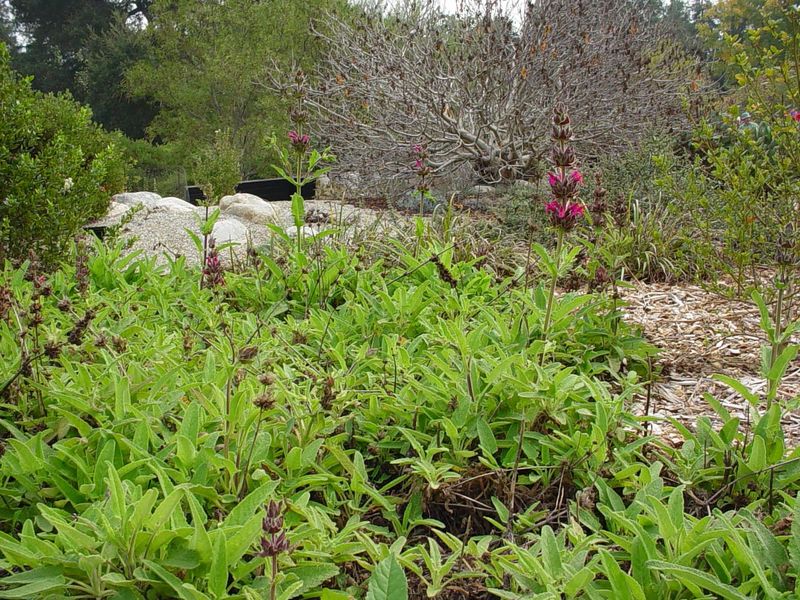
Water-wise does not mean water-free. UC Davis lists low irrigation needs for hummingbird sage, and UC Extension calls it drought tolerant.
The same source notes that it may die back when water is scarce.
If leaves shrivel in a long dry summer, that may be a sign the plant is resting or stressed, not necessarily gone. A little occasional water can help it look better, and it can bounce back when conditions improve.
Timing at planting helps a lot. UC Master Gardener guidance on natives recommends fall planting near the start of the rainy season so winter moisture can help roots settle in.
Even then, a newly planted specimen may need extra water during dry spells. Check the soil a few inches down rather than following a fixed schedule, since your soil, shade, and weather will all change how fast it dries.
Keep rhizome divisions moist until they are established. Then ease off gradually, and keep watering away from any native oak roots nearby.
Assess the site before choosing the plant
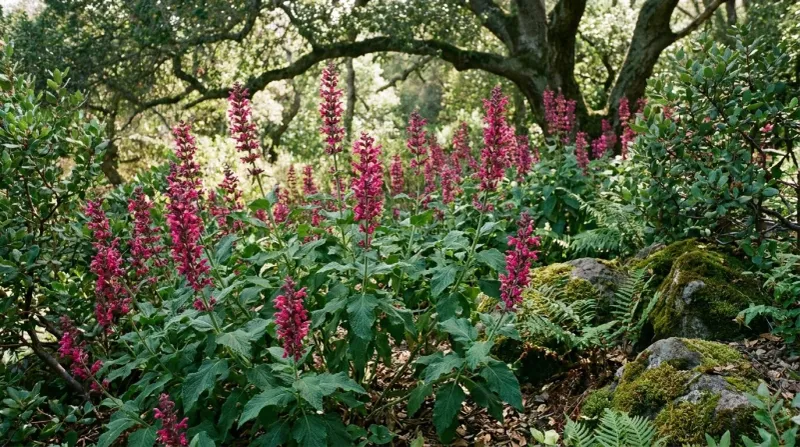
Hummingbird sage may suit you if you want a flowering native groundcover and have room for it to spread. Before you buy, check the light, drainage, local climate, and tree roots in your spot.
UC Davis and San Luis Obispo County give helpful starting points.
Near native oaks, follow the cautions in UC Oaks guidance. It is a possible option, not a promise for every dark corner.
Sometimes the best test is one small patch and a season of watching.